• Home
  • About Us
  • Toolkit
  • Archives
  • Advertise
  • Privacy Policy

Kids Ain't Cheap

But They Sure Are Worth It

  • Parenting
    • Baby Stuff
    • Books and Reading
      • Aesops Fables
      • Comic Books
    • Education
    • Family Time
    • Green Living
    • Growing Up
    • Healthy Living & Eating
    • Holidays
    • Parenting
    • Random Musings
    • Shopping
    • Stuff to Do
  • Money
  • Product Reviews
    • Books and Magazines
    • Discount Sites
    • Furniture
    • House Keeping
    • Reviews News
    • Toys and Games
  • Contact Us
  • Our Editorial Commitment
  • Search

Online Safety Experts Urge Parents to Check These Apps Before Summer Begins

June 8, 2026 | Leave a Comment

TikTok
A parent should review apps on a child’s smartphone before summer break, highlighting the importance of checking privacy settings, messaging platforms, and social media accounts to improve online safety for kids. (Pexels).

As summer break approaches, many children and teens will spend more time on their phones, tablets, and gaming devices. That increase in screen time can also increase exposure to online risks that often go unnoticed by busy parents. Online safety experts consistently warn that some of the most popular apps among young users can expose them to cyberbullying, inappropriate content, scams, and contact from strangers. Taking a few minutes to review the apps installed on your child’s device before summer begins can help create a safer digital environment. For families focused on online safety for kids, now is the ideal time to start the conversation.

Discord: Not Just for Gamers Anymore

Discord started as a communication platform for gamers, but it has evolved into a massive social platform with millions of users. Children can join public servers, participate in voice chats, and communicate with strangers who share similar interests. While many communities are harmless, experts continue to raise concerns about grooming, cyberbullying, and exposure to inappropriate content. Parents are often surprised to learn that private messages and voice channels can make supervision difficult. Before summer starts, review privacy settings and discuss who your child communicates with on the platform.

Snapchat: Disappearing Messages Can Create Real Problems

Snapchat remains one of the most popular apps among teenagers, largely because messages and photos disappear after being viewed. While that feature may seem harmless, experts warn it can encourage risky behavior because users may believe their content is temporary. Screenshots and third-party tools can still preserve messages, making the disappearing feature less secure than many teens assume. Safety advocates also point to concerns involving sextortion, bullying, and contact from unknown users. Parents should regularly review privacy settings and ensure only trusted friends can contact their children.

TikTok: Entertainment With Hidden Risks

TikTok offers endless entertainment through short-form videos, but experts say parents should look beyond the fun content. The platform’s algorithm can quickly expose users to mature topics, dangerous challenges, or misleading information. Although TikTok has expanded parental controls and safety features, no platform can completely filter harmful content. Children may also feel pressure to participate in viral trends that could affect their physical safety or emotional well-being. Monitoring screen time and discussing responsible content consumption can significantly improve online safety for kids.

Instagram and CapCut: Creative Apps With Privacy Concerns

Many young users create videos and photos using Instagram and CapCut, a popular editing app often connected to social media sharing. While these apps encourage creativity, they can also expose children to public comments, direct messages, and unrealistic social comparisons. Experts note that young users may accidentally reveal personal information through photos, captions, or location tags. Some children also experience anxiety from constantly comparing themselves to influencers and online personalities. Parents should review account privacy settings and talk openly about digital self-esteem and personal boundaries.

Hidden Messaging and Anonymous Apps Deserve Extra Attention

Online safety specialists frequently advise parents to watch for anonymous messaging apps and hidden vault apps. These tools may disguise themselves as calculators, folders, or harmless utilities while secretly storing messages, photos, or videos. Anonymous platforms can increase the risk of cyberbullying because users often feel less accountable for their behavior. Some apps also make it easier for strangers to contact minors without revealing their identity. A quick review of installed apps can help parents identify anything unfamiliar before summer break begins.

Simple Steps Parents Can Take Right Now

Protecting children online does not require becoming a technology expert overnight. Start by checking app permissions, reviewing privacy settings, and enabling parental controls on devices. Consider using trusted monitoring tools if appropriate, but remember that communication remains the most effective safety strategy. Research shows many children encounter online threats without telling their parents, making regular conversations essential. When families discuss digital safety openly and without judgment, children are more likely to seek help when something feels wrong.

The Summer Safety Check Every Family Should Make

Summer should be a time for fun, learning, and making memories—not dealing with preventable online dangers. By reviewing the apps your children use and staying involved in their digital lives, you can reduce many common risks before they become serious problems. Online safety for kids is not about banning technology; it is about teaching responsible use and maintaining healthy boundaries. Even a simple 15-minute device review can reveal privacy settings, contacts, or apps that deserve closer attention. The most effective protection often comes from informed parents and ongoing conversations.

What apps have you discovered on your child’s phone that surprised you, and how do you approach conversations about digital safety at home? Share your thoughts and experiences in the comments below.

What to Read Next

Consumer Watchdogs Warn: 6 Kids Apps Draining $50+ Monthly Without Parent Permission

The 5 Educational Apps That Teachers Say Are Actually Hurting Grades

8 Children’s Apps That Are Secretly Tracking More Than Location

Evan Morgan

Evan Morgan has been a full-time freelance writer and editor for 10+ years. When not working, he enjoys catching the latest true crime documentary or getting lost in a good book.
Filed Under: Parenting Tagged With: Cyberbullying, Discord, Instagram, online safety for kids, parental controls, parenting tips, Snapchat, social media safety, summer safety, tiktok

7 Summer Habits That Can Lead to Sickness Fast

June 17, 2025 | Leave a Comment

7 Summer Habits That Can Lead to Sickness Fast
123rf.com

Summer is a season packed with sunshine, fun, and family memories—but it’s also a time when some seemingly harmless routines can sneakily put your child’s health at risk. From poolside snacks to packed playdates, many common summer habits that can lead to sickness fast often fly under the radar. While no parent wants to hover or kill the vibe, it’s worth paying attention to these patterns so your family can enjoy the season with fewer sick days. Awareness is half the battle, and a few easy adjustments can make a big difference. Let’s dive into the habits that might be doing more harm than good.

1. Skipping Handwashing at Playgrounds and Parks

Summer means more outdoor time, which also means more public surfaces touched by countless little hands. Jungle gyms, splash pads, and sandboxes may be full of adventure—but they’re also full of germs. Kids often head straight from swinging or sliding to eating a snack without washing up. Without proper hand hygiene, bacteria and viruses can easily find their way into little bodies. This is one of the top summer habits that can lead to sickness fast, especially when it becomes a daily routine.

2. Overindulging in Sugary Summer Treats

Between popsicles, lemonade stands, and ice cream trucks, sugar overload is practically built into summer. While treats are a fun part of the season, too much sugar can suppress the immune system and mess with gut health. Some kids end up snacking more frequently and eating fewer nutrient-rich meals. A weakened immune system paired with more public exposure can make them more prone to colds or stomach bugs. It’s important to balance those sweet moments with whole foods that keep kids strong.

3. Neglecting Hydration on Hot Days

Children can become dehydrated quickly in warm weather—especially when they’re running, playing, and sweating without regular water breaks. By the time a child says they’re thirsty, they may already be mildly dehydrated. Dehydration can cause headaches, fatigue, dizziness, and increase the risk of heat-related illnesses. Kids also tend to forget to drink unless they’re reminded or see others doing it. Making hydration fun with a colorful bottle or fruit-infused water helps build a better habit.

4. Wearing the Same Wet Swimsuit for Hours

Whether it’s a trip to the beach or a pool playdate, kids often end up wearing wet swimsuits for hours on end. While it might seem harmless, sitting in damp fabric can increase the risk of skin irritation, rashes, and even infections like swimmer’s ear or UTIs. Changing into dry clothes after swimming is one of those small actions that goes a long way. It’s not just about comfort—it’s a health choice. Make a habit of packing dry backups every time.

5. Letting Bedtime Slide Too Far

Summer nights are full of distractions—late dinners, fireflies, movie marathons—but regular sleep is still crucial for a strong immune system. When kids consistently go to bed late and sleep less, their bodies have a harder time fighting off illness. Even if they seem to be doing fine with less rest, the effects often show up as irritability, poor focus, or catching bugs more easily. Creating a summer bedtime routine that flexes without falling apart helps kids stay healthier overall. Think of sleep as just as important as sunscreen.

6. Sharing Towels, Cups, and Snacks

Summer playdates often mean shared everything—drinks at the splash pad, bites of watermelon, and communal towels. While it’s sweet to see kids learning to share, it’s also a fast track for spreading germs. Viruses like hand-foot-and-mouth or the common cold love these scenarios. Teaching kids to use their own water bottles, utensils, and towels doesn’t need to be a strict rule—but it can be a smart one. This is one of those summer habits that can lead to sickness fast when overlooked.

7. Forgetting to Clean Outdoor Toys and Gear

Scooters, bikes, water tables, and sand toys all get more use in summer—and more exposure to dirt, germs, and even animal droppings. These toys are rarely cleaned as often as their indoor counterparts, yet kids are just as likely to put fingers in mouths afterward. A weekly rinse and occasional disinfecting wipe-down can go a long way in preventing illness. It’s a simple step that often slips through the cracks in the name of summer fun.

A Healthier Summer Starts With a Few Simple Shifts

The goal isn’t to make summer rigid or overly cautious—it’s to stay ahead of the small habits that can create big problems. With just a few tweaks, you can avoid many of the most common causes of seasonal sickness. Encourage smarter habits, stay observant, and let the summer fun continue without the interruptions of coughs, fevers, or rashes. These mindful changes lead to healthier, happier days for everyone.

What summer health habit has saved your family from surprise sick days? Share your favorite tips in the comments!

Read More:

8 Challenges Every Kid Faces During Summer Break

15 Outdoor Adventures to Transform Your Kids’ Summer

Catherine Reed
Catherine Reed

Catherine is a tech-savvy writer who has focused on the personal finance space for more than eight years. She has a Bachelor’s in Information Technology and enjoys showcasing how tech can simplify everyday personal finance tasks like budgeting, spending tracking, and planning for the future. Additionally, she’s explored the ins and outs of the world of side hustles and loves to share what she’s learned along the way. When she’s not working, you can find her relaxing at home in the Pacific Northwest with her two cats or enjoying a cup of coffee at her neighborhood cafe.

Filed Under: Safety Tagged With: child health, healthy habits for kids, kid hygiene, outdoor play safety, parenting advice, prevent summer illness, summer habits that can lead to sickness fast, summer parenting tips, summer safety

When Summer Freedom Turns Risky: What Time Should Kids Really Be Home?

June 5, 2025 | Leave a Comment

When Summer Freedom Turns Risky What Time Should Kids Really Be Home

Summer break often brings a mix of joy, chaos, and the occasional “Where are they now?” moment. Longer daylight hours and relaxed routines can blur the lines of responsibility, especially when it comes to letting kids stay out later. While a little extra freedom is part of the magic of summer, too much of it can lead to trouble if boundaries aren’t clearly set. That’s why many parents are now asking the same essential question: what time should kids really be home? Finding the right curfew can help kids stay safe, stay grounded, and still enjoy the carefree spirit of summer.

1. Consider Age and Maturity First

There’s no one-size-fits-all rule for summer curfews, because kids develop at different rates. A 12-year-old hanging out at the park might need a much earlier check-in time than a 16-year-old attending a supervised party. Maturity matters just as much as age—can your child handle emergencies, stay in touch, and make safe choices when you’re not around? If you’re unsure, start with an earlier time and expand it gradually as they demonstrate responsibility. When deciding what time kids should really be home, trust and accountability should weigh just as heavily as the clock.

2. Check Local Ordinances

Many cities and towns have curfew laws that apply to minors, especially during the summer months. These regulations may vary by age and time of day, so it’s worth checking with your local government or police department. Violating curfew laws can result in fines or warnings, and you don’t want your child learning about them the hard way. Let your kids know these rules aren’t about punishment—they’re about protection. Understanding the law is part of figuring out what time kids should really be home in your area.

3. Factor in the Type of Activity

Not all evenings out are created equal. Is your child at a sleepover, a movie, a sports practice, or just wandering the neighborhood with friends? The level of supervision and location makes a big difference in determining how late is too late. For example, kids coming home from a structured event may be okay with a later curfew than those out just roaming around. Matching the curfew to the activity helps kids stay safe and avoids a one-rule-fits-all approach.

4. Don’t Ignore Daylight and Neighborhood Safety

Summer sun may stick around until 9 PM, but that doesn’t mean every environment is safe after dark. Consider the safety of your neighborhood, whether your child is walking or biking home, and how well-lit their path is. Even responsible kids can end up in risky situations if the area isn’t secure. This is another factor to weigh when asking what time should kids really be home. It’s not just about the time—it’s about the conditions they’re returning in.

5. Use Technology, But Don’t Rely on It Alone

Phones, smartwatches, and tracking apps can help keep tabs on your child, but they’re not foolproof. Batteries die, Wi-Fi drops, and kids forget to check in. While technology can support your peace of mind, it shouldn’t replace real communication. Set expectations about texting when plans change and always make time for a quick debrief after they get home. Tools can help, but your trust and relationship are still the foundation when setting limits around what time kids should really be home.

6. Create Clear Curfew Expectations

A vague “be home at a reasonable hour” is asking for interpretation—and probably some frustration. Be clear about your expectations and the reasons behind them. If your child knows their curfew is 9:30 and understands it’s to ensure safety and peace of mind, they’re more likely to stick to it. Give a five- to ten-minute grace period, but reinforce consistency. Clear rules remove the guesswork and reduce the chance of late-night power struggles.

7. Be Open to Negotiation

As kids get older and prove their responsibility, consider being flexible. Let them request a later curfew for special occasions or weekends. When they feel heard, they’re more likely to respect the boundaries you set. Allowing them some input teaches negotiation and compromise—skills they’ll use well beyond summer. Just remember that flexibility still requires follow-through; if they miss the mark, it’s okay to pull things back temporarily.

8. Don’t Compare to Other Families

You might hear, “But Jordan’s parents let them stay out until midnight!” more than once this summer. Every family has different rules, and yours don’t need to match anyone else’s. Your job is to make decisions that reflect your child’s needs and your family’s values. Stand firm in what feels right for your household, even if it’s earlier than their friends’ curfews. Knowing what time kids should really be home starts with trusting your instincts—not peer pressure.

9. Use Curfew as a Conversation Starter

Instead of just announcing a curfew, talk to your child about why you’re setting it. Ask how they feel about the time, what their friends’ curfews are, and what their plans involve. This turns curfew into a relationship builder, not just a rule to follow. When kids understand your reasoning, they’re more likely to cooperate and less likely to push back. Open dialogue creates mutual respect and makes summer freedom a little safer.

Setting Boundaries Doesn’t Kill the Fun—It Protects It

Summer doesn’t have to mean throwing out every rule. In fact, thoughtful boundaries help kids enjoy their freedom while staying safe and secure. Asking what time kids should really be home is more than just a parenting dilemma—it’s a chance to build trust, independence, and connection that lasts beyond the season.

How do you decide what time your kids should be home during the summer? Do you set different rules based on age or activities? Share your thoughts below!

Read More:

8 Rules You Must Enforce This Summer So Your Child Isn’t Left Behind

7 Summer Activities That Are Surprisingly Dangerous for Kids

Catherine Reed
Catherine Reed

Catherine is a tech-savvy writer who has focused on the personal finance space for more than eight years. She has a Bachelor’s in Information Technology and enjoys showcasing how tech can simplify everyday personal finance tasks like budgeting, spending tracking, and planning for the future. Additionally, she’s explored the ins and outs of the world of side hustles and loves to share what she’s learned along the way. When she’s not working, you can find her relaxing at home in the Pacific Northwest with her two cats or enjoying a cup of coffee at her neighborhood cafe.

Filed Under: Parenting Tagged With: child supervision, curfew rules, family safety, kids and curfews, parenting boundaries, summer parenting, summer safety, teen independence

5 Places You Shouldn’t Send Your Kids This Summer

June 2, 2025 | Leave a Comment

5 Places You Shouldnt Send Your Kids This Summer

Summer is full of opportunities for fun, growth, and independence—but not every option is as good as it looks. While you’re juggling work, vacations, and child care plans, it’s easy to overlook some of the hidden risks certain summer activities carry. Whether it’s safety concerns, lack of structure, or poor supervision, some places just don’t make the cut. The truth is, there are places you shouldn’t send your kids if you want them to stay safe, engaged, and supported this summer. Before you finalize your summer schedule, keep an eye out for these red-flag destinations.

1. Programs With No Clear Adult Supervision

One of the top places you shouldn’t send your kids this summer is anywhere with vague or minimal adult oversight. Whether it’s a casual community “drop-in” program or a backyard camp run by teens, kids need structured, present, and qualified adults watching out for them. Without strong supervision, even simple activities can turn risky fast. From bullying to injuries, problems are much more likely to go unnoticed and unresolved. Always ask about staff ratios, qualifications, and how conflict or emergencies are handled before signing anything.

2. Unaccredited Overnight Camps

Overnight camps can be magical—but not all of them are created equally. If a camp isn’t accredited by a recognized organization like the American Camp Association (ACA), that’s a red flag. These unaccredited camps may cut corners on safety training, staff background checks, or emergency planning. When evaluating camps, make sure they meet clear standards in health, security, and emotional support. Skipping this step could mean sending your child into an environment that’s far less prepared to keep them safe and happy.

3. Gyms or Activity Centers That Cater to Adults

Places like CrossFit boxes, adult fitness centers, or large recreational gyms may offer “kid-friendly” programs—but they’re often not designed with child development in mind. These are definitely places you shouldn’t send your kids if you’re hoping for supervision tailored to their needs. Some centers allow kids to roam freely or hang out in designated areas without close monitoring. This can result in safety hazards, exposure to adult conversations or behaviors, or even accidental injury from equipment. A child-specific camp or sports center is always a better choice.

4. Daycares or Camps With High Turnover

If a facility has a revolving door of staff, that’s a huge warning sign. High staff turnover can indicate low morale, poor training, or inconsistent leadership—all of which impact your child’s experience. Kids thrive in stable, predictable environments, especially when they’re spending long summer days away from home. Without consistent caregivers, children may struggle to feel secure, and behavioral issues are more likely to be overlooked. Researching staff retention and reviews ahead of time can help you avoid these unstable places you shouldn’t send your kids.

5. Homes of People You Don’t Know Well

Let’s be honest—just because your child’s classmate invites them over doesn’t mean you know what kind of environment they’ll be walking into. Sending kids to someone’s home without fully knowing the adults, safety precautions, or household rules is one of the most overlooked places you shouldn’t send your kids this summer. Do they have firearms in the house? Is there a pool with no fence? Do they supervise screen time or snacks? Asking these questions might feel awkward, but it’s a small step toward avoiding big risks.

Your Summer Schedule Shouldn’t Come With Regrets

Summer should be about carefree fun—but that doesn’t mean letting your guard down. The places you shouldn’t send your kids aren’t always obvious at first glance, which is why a little research goes a long way. It’s worth being the parent who asks too many questions if it means your child ends up somewhere safe, enriching, and joyful. Trust your gut, trust your research, and don’t settle when it comes to your child’s summer experience.

Have you ever pulled your child from a summer activity that didn’t feel right? Share your experience or tips for vetting summer programs in the comments!

Read More:

7 Summer Activities That Are Surprisingly Dangerous for Kids

Summer Fun on a Budget: 10 Ways to Beat the Heat for Cheap

Catherine Reed
Catherine Reed

Catherine is a tech-savvy writer who has focused on the personal finance space for more than eight years. She has a Bachelor’s in Information Technology and enjoys showcasing how tech can simplify everyday personal finance tasks like budgeting, spending tracking, and planning for the future. Additionally, she’s explored the ins and outs of the world of side hustles and loves to share what she’s learned along the way. When she’s not working, you can find her relaxing at home in the Pacific Northwest with her two cats or enjoying a cup of coffee at her neighborhood cafe.

Filed Under: Parenting Tagged With: child care, child supervision, parenting advice, places you shouldn't send your kids, summer camp tips, summer planning, summer safety, unsafe environments

7 Summer Activities That Are Surprisingly Dangerous for Kids

May 29, 2025 | Leave a Comment

7 Summer Activities That Are Surprisingly Dangerous for Kids

Summer is a time for outdoor adventures, beach days, and endless play—but not every activity is as harmless as it seems. While kids are soaking up the sun and making memories, some common summer pastimes come with risks that can catch parents off guard. Whether it’s a favorite playground fixture or a staple of backyard fun, certain warm-weather traditions have hidden hazards. Knowing what to watch for helps families enjoy the season without trips to the ER. Here are seven summer activities that are surprisingly dangerous for kids—and what you can do to keep them safe.

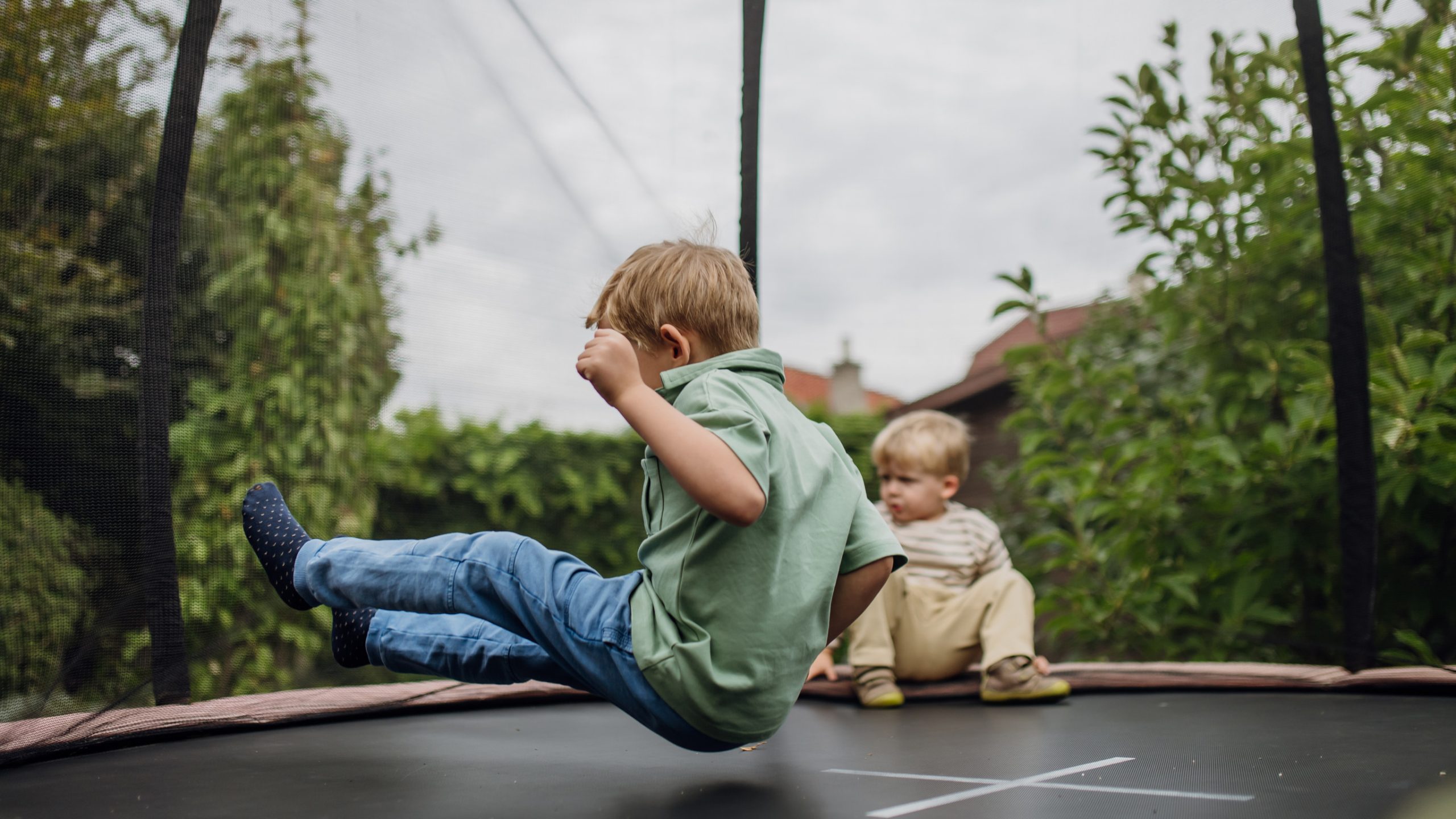
1. Trampoline Fun That Ends in Tears

Trampolines might seem like the ultimate backyard thrill, but they’re one of the top culprits for summertime injuries. Broken bones, sprains, and concussions are common, especially when multiple kids jump at once. Even with nets and pads, the risk of falling off or landing awkwardly is high. Many accidents happen when kids perform flips or try to bounce too high without supervision. While they’re fun in theory, trampolines are consistently listed as dangerous for kids by pediatric associations.

2. Slip-and-Slides That Seem Harmless

That long, soapy stretch of plastic looks like good old-fashioned fun—until someone gets whiplash. Slip-and-slides may feel nostalgic, but they can be extremely dangerous for kids, especially older ones or teens. Sudden stops, collisions, or hitting the hard ground underneath can lead to neck and spine injuries. What’s more, most are designed for smaller children, but older siblings often want to join in, increasing the risk. Even on soft lawns, a slip-and-slide can turn into a trip to urgent care if not used with caution.

3. Inflatable Bounce Houses That Don’t Stay Put

Bounce houses are staples at birthday parties and summer festivals, but when not properly secured, they can become airborne in windy conditions. In addition to the risk of flying away, bounce houses can overcrowd easily, causing collisions or crushing injuries. Many parents assume that having a few kids inside is safe, but one wrong landing can result in a twisted ankle or worse. Setup matters, too—improperly anchored bounce houses are dangerous for kids and everyone nearby. Supervision and safety checks should always be non-negotiable.

4. Playground Slides on Hot Days

Metal and plastic playground equipment can become scorching hot under the summer sun, sometimes reaching temperatures capable of causing second-degree burns. Slides, monkey bars, and climbing structures that seem inviting can quickly become hazardous without shade or routine touch-tests. Kids often run up barefoot or in shorts, increasing their risk of injury. Parents should check surfaces before letting kids play and avoid playgrounds during peak heat hours. Just because it’s built for kids doesn’t mean it’s always safe.

5. Backyard Fireworks and Sparklers

They look innocent—tiny sparklers, small fountains, and backyard poppers—but fireworks of any kind are dangerous for kids. Sparklers burn at over 1,000 degrees Fahrenheit and cause thousands of injuries every year, often to young children. Even under supervision, it’s easy for kids to trip, drop them, or get startled by sudden bursts. Many parents let their guard down with these smaller fireworks, but serious burns and eye injuries are all too common. The safest choice is to leave fireworks to the pros and enjoy from a distance.

6. Open Water Swimming Without Life Jackets

Lakes, rivers, and oceans are summer favorites, but they come with unpredictable currents, drop-offs, and murky visibility. Unlike swimming pools, natural bodies of water are harder to gauge for depth and safety, even if your child is a strong swimmer. Without life jackets, kids are at risk of drowning, especially if they tire quickly or panic. Many tragic accidents happen just a few feet from shore. Proper flotation devices and adult supervision are absolutely essential near open water, even for older kids.

7. Unattended Time in the Car

It may sound like common sense, but many parents still underestimate how fast a car can heat up in the sun. Running into the store “just for a minute” or thinking cracked windows will help can turn deadly in a shockingly short time. Children’s bodies heat up faster than adults’, and heatstroke can begin within minutes—even on milder days. Every summer, preventable tragedies remind us how dangerous this scenario is for kids. Never leave a child unattended in a vehicle, no matter how brief the errand may seem.

Awareness Turns Risk into Prevention

The good news is that most of these hazards are preventable with the right information and precautions. Summer doesn’t have to be scary—but it does require vigilance. By understanding what’s truly dangerous for kids, you can enjoy the season with fewer risks and more peace of mind. Safety doesn’t mean saying “no” to fun. It means choosing fun that doesn’t end with stitches, burns, or broken bones.

Have you ever been surprised by how risky a “normal” summer activity turned out to be? Share your story or tips in the comments!

Read More:

The Silent Danger Lurking in Your Child’s Daily Routine

“Stranger Danger” Isn’t Enough Anymore: What Kids Really Need to Know

Catherine Reed
Catherine Reed

Catherine is a tech-savvy writer who has focused on the personal finance space for more than eight years. She has a Bachelor’s in Information Technology and enjoys showcasing how tech can simplify everyday personal finance tasks like budgeting, spending tracking, and planning for the future. Additionally, she’s explored the ins and outs of the world of side hustles and loves to share what she’s learned along the way. When she’s not working, you can find her relaxing at home in the Pacific Northwest with her two cats or enjoying a cup of coffee at her neighborhood cafe.

Filed Under: Safety Tagged With: child injuries, child supervision, dangerous for kids, kids and heat, Outdoor Play, parenting tips, Summer Activities, summer hazards, summer safety

5 Swimming Pool Tips to Keep Your Kids Safe

April 24, 2025 | Leave a Comment

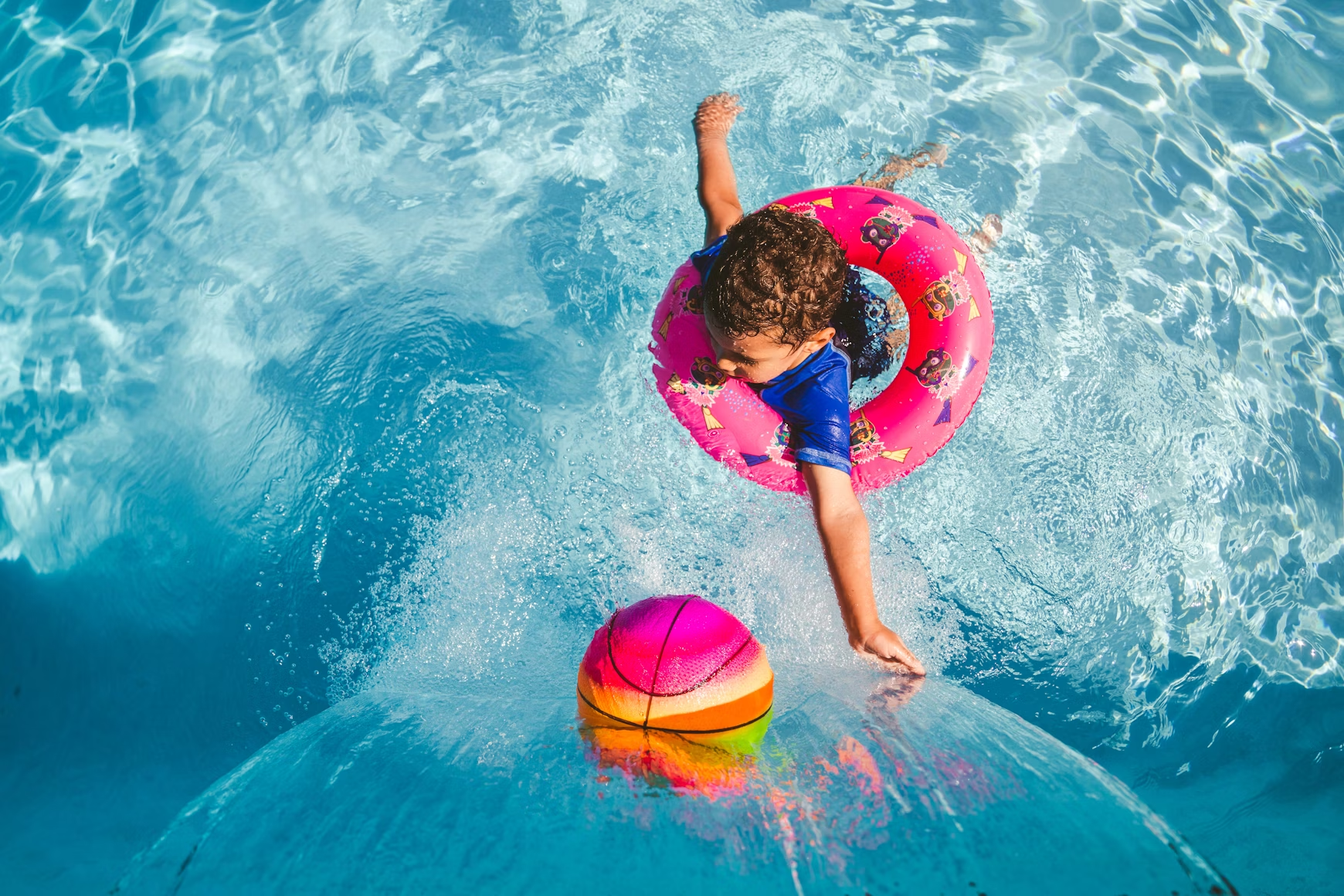
Child in a swim ring reaching for a colorful ball in a pool
Image Source: Unsplash

Pools are the heart of summertime fun—but drowning is a silent danger that can happen in seconds. With the right precautions, you can swap anxiety for confidence every time your family heads for a swim.

Use these five expert‑backed swimming pool safety practices to protect your children in and around the water.

1. Supervise—Every Second

Nothing replaces focused, distraction-free adult supervision, often called “touch supervision.” Stay within arm’s length of young or inexperienced swimmers and keep your eyes on the water—no social media scrolling, texting, or novel-reading until everyone is out and dry.

  • Know CPR: Quick intervention matters. Take a local Red Cross or American Heart Association class and keep rescue equipment (a shepherd’s crook & life ring) poolside.
  • Designate a Water-Watcher: Hand an inexpensive wristband or lanyard to the on-duty adult; pass it off every 15 or 20 minutes so supervision stays fresh.
  • Use the 10/20 Rule: Scan the entire pool every 10 seconds and be able to reach any swimmer within 20 seconds.

Water safety groups like Safe Kids and Pool Safely call vigilant adult presence the single most effective way to prevent drowning.

2. Install a Four‑Sided Pool Barrier

A fence at least four feet high with self-closing, self-latching gates isolates the pool from the house and yard, blocking unsupervised access.

  • Inspect Quarterly: Test latches, search for loose posts, and oil hinges so the barrier stays dependable year-round.
  • Follow CPSC & ASTM Standards: Look for vertical slats no more than 4 inches apart and gates that swing outward, away from the pool.
  • Secure Climb-Points: Trim nearby bushes and relocate furniture kids could use for a boost.

3. Teach Kids to Avoid Drains and Suction Outlets

Pool drains can create powerful suction capable of trapping hair, jewelry, or small limbs.

  • Upgrade Hardware: Ensure your pool uses compliant, anti-entrapment drain covers that meet the Virginia Graeme Baker Pool & Spa Safety Act. Ask a licensed pool tech to verify installation annually.
  • Explain in Kid Language: “Drains are like vacuum cleaners; we keep our distance so they can do their job safely.”
  • Point Out Safe Zones: Show where to play and where the drains sit so kids recognize the difference.

4. Add Door and Window Alarms

If doors or windows lead to the pool area, alarms give you an instant heads-up when someone opens them.

  • Layer Protection: Pair alarms with fencing and a pool cover; drowning prevention is strongest when multiple barriers back each other up.
  • Choose UL-Listed Alarms: Look for models tested under UL 2017 for pool safety. They should be loud enough (≥85 dB) to hear over music or conversation.
  • Enable Adult Bypass: Ensure alarms have a 30-second de-activation switch mounted out of children’s reach.
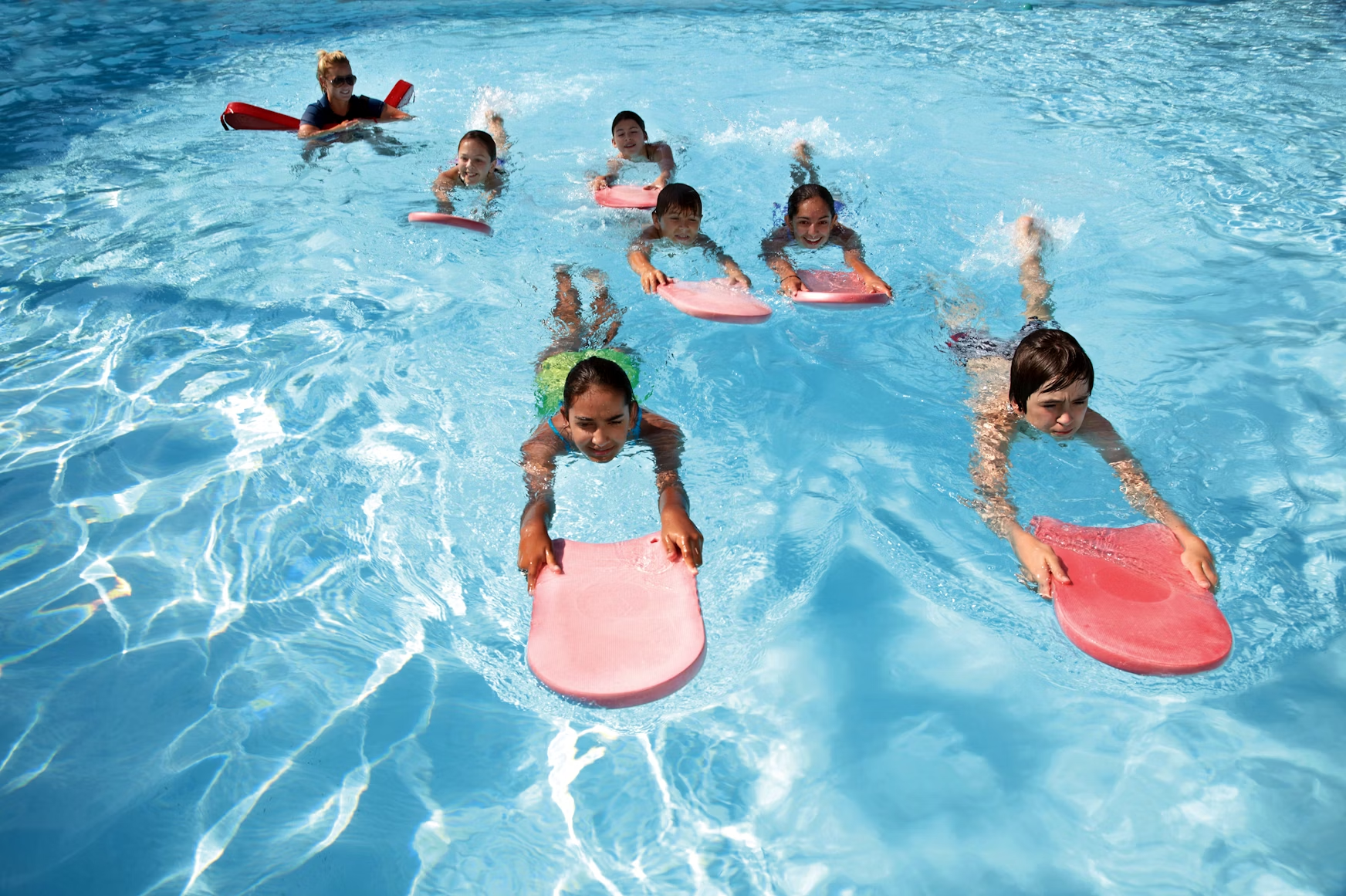
Children practicing swimming with kickboards in a pool
Image Source: Unsplash

5. Enroll Kids in Swim Lessons Early

Formal lessons build water confidence and lifesaving skills:

  • Practice Often: Reinforce classroom skills with supervised practice—short, frequent sessions beat occasional marathon swims.
  • Start at the Right Time: The American Academy of Pediatrics supports lessons as early as age 1 for most children, especially if a home pool is present.
  • Vet the Program: Look for Red Cross, YMCA, or Starfish Aquatics certification. Classes should cover floating, safe entry/exit, treading water, and getting to the wall.

Build Memories on a Foundation of Safety

Cannonballs, floating contests, sun‑soaked giggles—those moments flourish when safety leads the way. Supervision, barriers, alarms, drain awareness, and lessons create a comprehensive shield so the toughest poolside decision is popsicles or ice cream.

Have a go‑to pool rule that works for your family? Share it in the comments!

Read More

  • 7 Swimming Pool Maintenance Tips To Keep Your Pool Running This Summer
  • Baby Swimming: What is a Swim Nappy?

Samantha Warren
Samantha

Samantha Warren is a holistic marketing strategist with 8+ years of experience partnering with startups, Fortune 500 companies, and everything in between. With an entrepreneurial mindset, she excels at shaping brand narratives through data-driven, creative content. When she’s not working, Samantha loves to travel and draws inspiration from her trips to Thailand, Spain, Costa Rica, and beyond.

Filed Under: Parenting Tagged With: child water safety, drowning prevention, family safety | Parenting, Parenting, pool safety tips, Safety, summer safety, swimming safety

  • Facebook
  • Pinterest
  • RSS
  • Twitter

Basic Principles Of Good Parenting

Here some basic principles for good parenting:

  1. What You Do Matters: Your kids are watching you. So, be purposeful about what you want to accomplish.
  2. You Can’t be Too Loving: Don’t replace love with material possessions, lowered expectations or leniency.
  3. Be Involved Your Kids Life: Arrange your priorities to focus on what your kid’s needs. Be there mentally and physically.
  4. Adapt Your Parenting: Children grow quickly, so keep pace with your child’s development.
  5. Establish and Set Rules: The rules you set for children will establish the rules they set for themselves later.  Avoid harsh discipline and be consistent.
  6. Explain Your Decisions: What is obvious to you may not be evident to your child. They don’t have the experience you do.
  7. Be Respectful To Your Child: How you treat your child is how they will treat others.  Be polite, respectful and make an effort to pay attention.
Best Parenting Blogs

Most Popular

Baby

9 Unusual Baby Names That Sound Like They Belong to Future CEOs

Evan Morgan
Baby

10 Baby Names That Were Once Considered “Grandparent Names” but Feel Cool Again

Evan Morgan
Target Store

Choking Incident Prompts Recall of 49,000 Target Gigglescape “Under the Sea” Popping Toys

Evan Morgan
Frustrated Girl

Why Some Students on the Spectrum Are Labeled With ODD

Evan Morgan
Coke Bottles

12 Things Kids Took to School in the ’70s That Would Never Be Allowed Today

Evan Morgan

All content on Kids Ain’t Cheap is for entertainment purposes only. By reading this blog, you agree that Kids Ain’t Cheap is not responsible for any actions taken after reading this blog. For the full disclaimer, see our privacy policy.

Please note that Kids Ain’t Cheap has financial relationships with some of the merchants mentioned here. Kids Ain’t Cheap is funded by banner advertising, commission sales and search optimization consulting.

Copyright © 2006–2026 | District Media | All Rights Reserved | Privacy Policy

Copyright © 2026 Runway Pro Theme by Viva la Violette