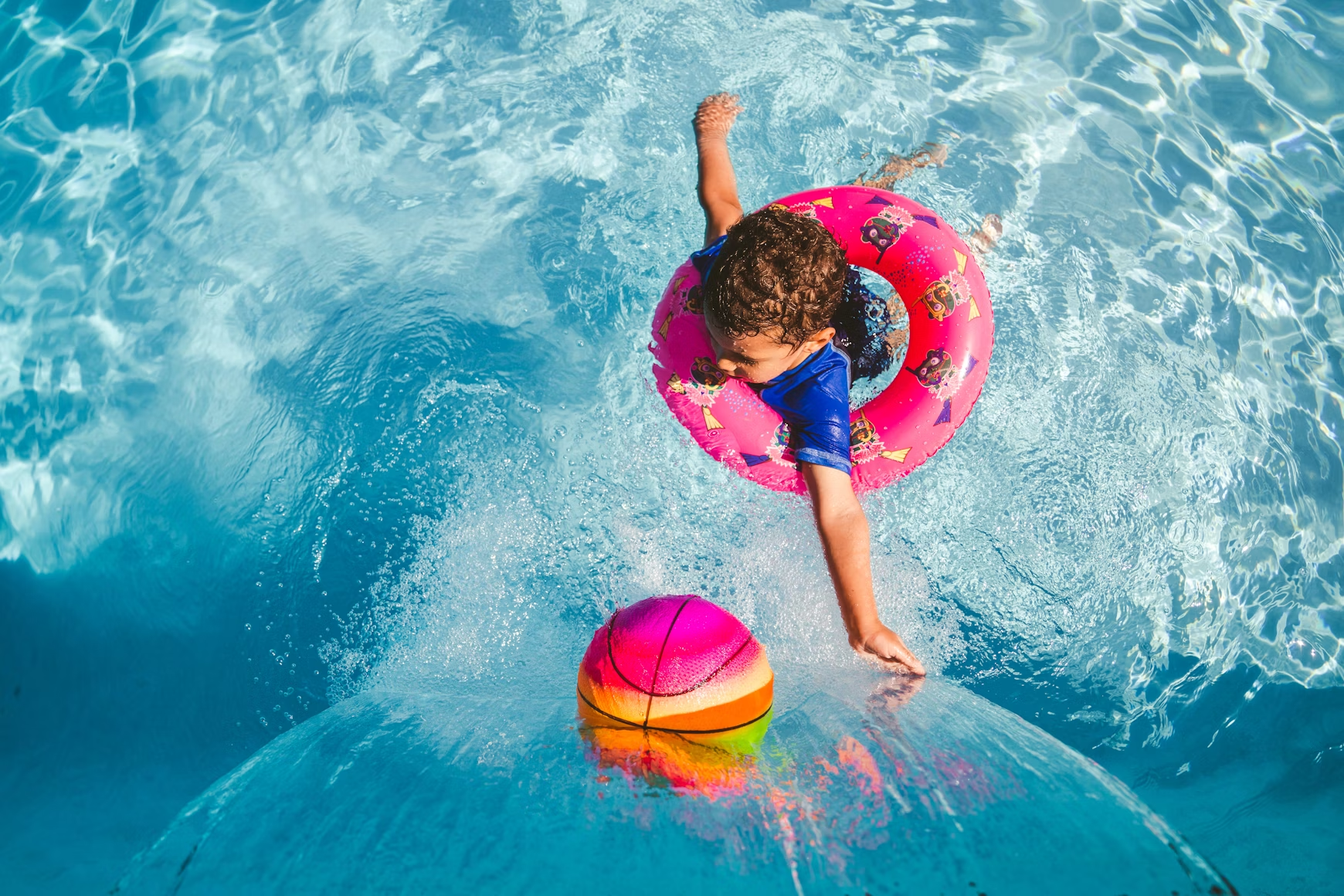
Pools are the heart of summertime fun—but drowning is a silent danger that can happen in seconds. With the right precautions, you can swap anxiety for confidence every time your family heads for a swim.
Use these five expert‑backed swimming pool safety practices to protect your children in and around the water.
1. Supervise—Every Second
Nothing replaces focused, distraction-free adult supervision, often called “touch supervision.” Stay within arm’s length of young or inexperienced swimmers and keep your eyes on the water—no social media scrolling, texting, or novel-reading until everyone is out and dry.
- Know CPR: Quick intervention matters. Take a local Red Cross or American Heart Association class and keep rescue equipment (a shepherd’s crook & life ring) poolside.
- Designate a Water-Watcher: Hand an inexpensive wristband or lanyard to the on-duty adult; pass it off every 15 or 20 minutes so supervision stays fresh.
- Use the 10/20 Rule: Scan the entire pool every 10 seconds and be able to reach any swimmer within 20 seconds.
Water safety groups like Safe Kids and Pool Safely call vigilant adult presence the single most effective way to prevent drowning.
2. Install a Four‑Sided Pool Barrier
A fence at least four feet high with self-closing, self-latching gates isolates the pool from the house and yard, blocking unsupervised access.
- Inspect Quarterly: Test latches, search for loose posts, and oil hinges so the barrier stays dependable year-round.
- Follow CPSC & ASTM Standards: Look for vertical slats no more than 4 inches apart and gates that swing outward, away from the pool.
- Secure Climb-Points: Trim nearby bushes and relocate furniture kids could use for a boost.
3. Teach Kids to Avoid Drains and Suction Outlets
Pool drains can create powerful suction capable of trapping hair, jewelry, or small limbs.
- Upgrade Hardware: Ensure your pool uses compliant, anti-entrapment drain covers that meet the Virginia Graeme Baker Pool & Spa Safety Act. Ask a licensed pool tech to verify installation annually.
- Explain in Kid Language: “Drains are like vacuum cleaners; we keep our distance so they can do their job safely.”
- Point Out Safe Zones: Show where to play and where the drains sit so kids recognize the difference.
4. Add Door and Window Alarms
If doors or windows lead to the pool area, alarms give you an instant heads-up when someone opens them.
- Layer Protection: Pair alarms with fencing and a pool cover; drowning prevention is strongest when multiple barriers back each other up.
- Choose UL-Listed Alarms: Look for models tested under UL 2017 for pool safety. They should be loud enough (≥85 dB) to hear over music or conversation.
- Enable Adult Bypass: Ensure alarms have a 30-second de-activation switch mounted out of children’s reach.
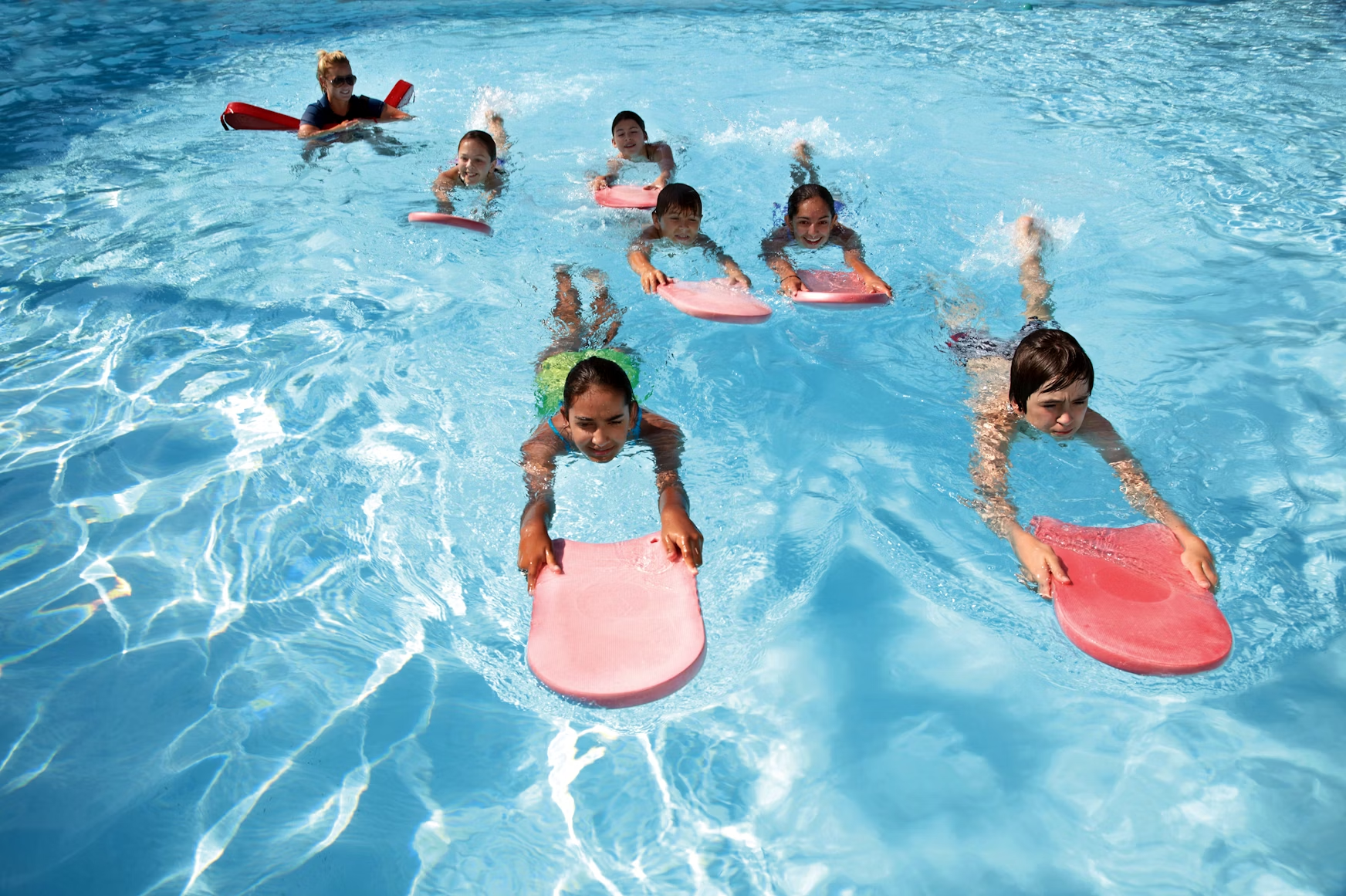
5. Enroll Kids in Swim Lessons Early
Formal lessons build water confidence and lifesaving skills:
- Practice Often: Reinforce classroom skills with supervised practice—short, frequent sessions beat occasional marathon swims.
- Start at the Right Time: The American Academy of Pediatrics supports lessons as early as age 1 for most children, especially if a home pool is present.
- Vet the Program: Look for Red Cross, YMCA, or Starfish Aquatics certification. Classes should cover floating, safe entry/exit, treading water, and getting to the wall.
Build Memories on a Foundation of Safety
Cannonballs, floating contests, sun‑soaked giggles—those moments flourish when safety leads the way. Supervision, barriers, alarms, drain awareness, and lessons create a comprehensive shield so the toughest poolside decision is popsicles or ice cream.
Have a go‑to pool rule that works for your family? Share it in the comments!
Read More
- 7 Swimming Pool Maintenance Tips To Keep Your Pool Running This Summer
- Baby Swimming: What is a Swim Nappy?

Samantha Warren is a holistic marketing strategist with 8+ years of experience partnering with startups, Fortune 500 companies, and everything in between. With an entrepreneurial mindset, she excels at shaping brand narratives through data-driven, creative content. When she’s not working, Samantha loves to travel and draws inspiration from her trips to Thailand, Spain, Costa Rica, and beyond.
