• Home
  • About Us
  • Toolkit
  • Archives
  • Advertise
  • Privacy Policy

Kids Ain't Cheap

But They Sure Are Worth It

  • Parenting
    • Baby Stuff
    • Books and Reading
      • Aesops Fables
      • Comic Books
    • Education
    • Family Time
    • Green Living
    • Growing Up
    • Healthy Living & Eating
    • Holidays
    • Parenting
    • Random Musings
    • Shopping
    • Stuff to Do
  • Money
  • Product Reviews
    • Books and Magazines
    • Discount Sites
    • Furniture
    • House Keeping
    • Reviews News
    • Toys and Games
  • Contact Us
  • Our Editorial Commitment
  • Search

The Beach Safety Tips Lifeguards Wish You Knew

May 4, 2025 | Leave a Comment

Image by Joe Cooke

A beach day is supposed to be relaxing—sunshine, waves, and maybe a cold drink in hand. But while you’re busy enjoying the moment, lifeguards are scanning the water with sharp eyes and split-second instincts, often wishing the public knew just how dangerous the beach can become in an instant.

Whether you’re a parent bringing kids to splash in the surf or an adult looking to unwind, knowing these often-overlooked beach safety tips could save your day or even a life.

The Ocean Isn’t a Pool. Respect the Current

To a child (or even many adults), the ocean may look just like a bigger, saltier pool. But water safety at the beach is a whole different game.

Rip currents, which can sweep even strong swimmers far from shore in seconds, are the number one reason lifeguards perform rescues. Most people don’t recognize one until they’re stuck in it—and by then, panic sets in.

Lifeguard tip: If you’re caught in a rip current, don’t fight it. Instead, swim parallel to the shore until you’re out of the current, then make your way back to land. Better yet, always swim in designated areas where lifeguards are watching.

Sunscreen Isn’t Optional Or One and Done

While you may remember to slather on sunscreen in the morning, most beachgoers forget to reapply, especially after swimming or sweating. That false sense of protection can lead to painful burns, heat exhaustion, and even long-term skin damage.

Lifeguard tip: Apply sunscreen 15–30 minutes before sun exposure, then reapply every two hours—or immediately after swimming or towel-drying. Don’t forget areas like your ears, tops of feet, and the back of your neck.

Watch for Flags. They’re Not Just for Decoration

Those colored flags waving at the edge of the lifeguard tower aren’t for show. They’re vital signals. Each color indicates ocean conditions, potential hazards, or restricted areas.

Lifeguard tip: Before you even set up your umbrella, check the flag color and ask the lifeguard what it means. If you’re unsure, assume caution. Many beach emergencies happen because visitors don’t realize they are entering dangerous water.

Stay Sober. Yes, Even at the Beach

It’s tempting to crack open a cold drink on a hot day, but alcohol and ocean swimming don’t mix. It impairs your judgment, reaction time, and coordination, all of which you need if something goes wrong in the water.

Lifeguard tip: Alcohol is a common factor in adult drownings. If you plan to drink, skip the swimming. Save the ocean dip for earlier in the day when you’re fully alert and sober.

Image by Thomas Grillmair

Don’t Assume Lifeguards See Everything

Lifeguards are trained professionals, but they’re human. They monitor wide stretches of beach, often in crowded and chaotic conditions. They can’t have eyes on every child, swimmer, or beachgoer at all times.

Lifeguard tip: Always keep your own eyes on your children, even if lifeguards are present. Designate a “water watcher” among the adults in your group—someone who isn’t distracted by their phone or reading material.

Teach Kids That “Waves Are Stronger Than They Look”

Many injuries happen in shallow water, not deep surf. Small waves can knock over children or adults and cause injuries from tumbling into the sand, rocks, or shells.

Lifeguard tip: Supervise kids even at the shoreline. Encourage them to face the waves and keep a low center of gravity if they’re wading. Never let young children turn their backs to incoming waves.

Protect Your Feet

While soft sand is part of the beach’s charm, it can hide dangers beneath the surface, like sharp shells, broken glass, jellyfish, or even hot coals from a beach fire.

Lifeguard tip: Encourage kids and adults to wear water shoes when walking along unfamiliar areas. And remind everyone to shuffle their feet in the water to avoid stepping on stingrays or other hidden marine life.

Hydration Matters More Than You Think

With all the swimming and sunbathing, it’s easy to forget to hydrate. But a combination of sun, salt, and sweat can quickly dehydrate your body, especially in kids.

Lifeguard tip: Pack plenty of water and encourage regular sips throughout the day. If someone complains of dizziness, nausea, or fatigue, get them to shade, rehydrate, and cool down immediately.

Check the Weather and the Tide

It’s easy to assume every beach day will be sunny and calm, but weather and tides can change fast. Strong winds, lightning, and high tides can create dangerous conditions within minutes.

Lifeguard tip: Always check the local forecast and tide schedule before heading out. If thunderstorms are in the area, get off the beach immediately. Water is a conductor of electricity. One lightning strike could be deadly.

Beach Days Should Be Fun, But Safety Comes First

Lifeguards love seeing families enjoy the beach. They’re not there to ruin the fun. They’re there to help keep it safe. Knowing and respecting a few essential rules can mean the difference between a joyful day at the shore and a trip to the emergency room.

These aren’t scare tactics. They’re lifesaving reminders from the people who’ve seen the worst happen and work hard every day to prevent it.

What’s one beach safety rule you always follow? Have you ever had a beach day turn dangerous?

Read More:
Drowning Prevention Tips For Parents With Young Children

Why Sunscreen Isn’t Enough: Total Summer Protection Tips

Filed Under: Parenting Tagged With: beach safety tips, family beach day, kids at the beach, lifeguard advice, ocean safety, parenting and beach trips, summer safety tips, swimming safety, vacation safety, water safety

5 Swimming Pool Tips to Keep Your Kids Safe

April 24, 2025 | Leave a Comment

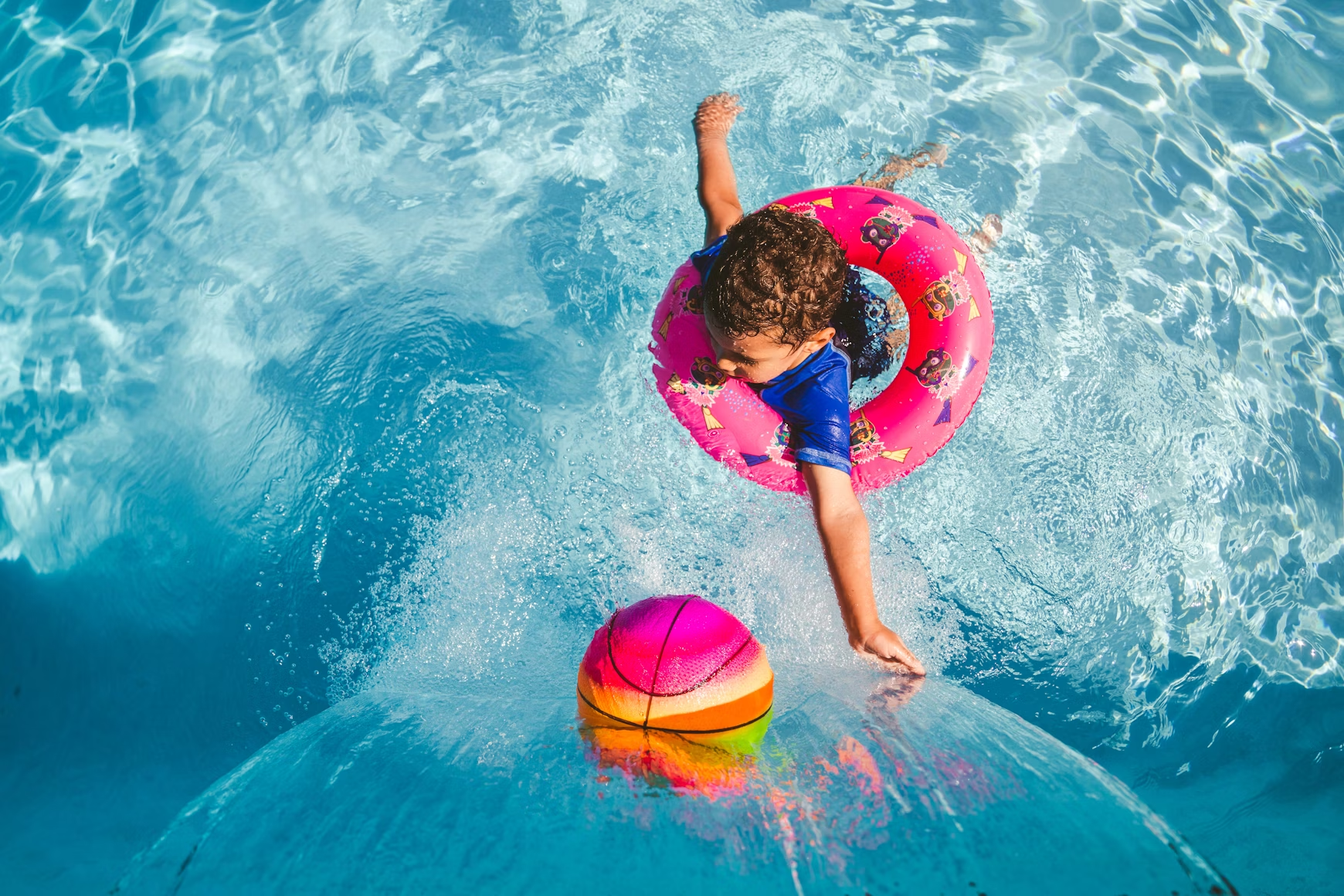
Child in a swim ring reaching for a colorful ball in a pool
Image Source: Unsplash

Pools are the heart of summertime fun—but drowning is a silent danger that can happen in seconds. With the right precautions, you can swap anxiety for confidence every time your family heads for a swim.

Use these five expert‑backed swimming pool safety practices to protect your children in and around the water.

1. Supervise—Every Second

Nothing replaces focused, distraction-free adult supervision, often called “touch supervision.” Stay within arm’s length of young or inexperienced swimmers and keep your eyes on the water—no social media scrolling, texting, or novel-reading until everyone is out and dry.

  • Know CPR: Quick intervention matters. Take a local Red Cross or American Heart Association class and keep rescue equipment (a shepherd’s crook & life ring) poolside.
  • Designate a Water-Watcher: Hand an inexpensive wristband or lanyard to the on-duty adult; pass it off every 15 or 20 minutes so supervision stays fresh.
  • Use the 10/20 Rule: Scan the entire pool every 10 seconds and be able to reach any swimmer within 20 seconds.

Water safety groups like Safe Kids and Pool Safely call vigilant adult presence the single most effective way to prevent drowning.

2. Install a Four‑Sided Pool Barrier

A fence at least four feet high with self-closing, self-latching gates isolates the pool from the house and yard, blocking unsupervised access.

  • Inspect Quarterly: Test latches, search for loose posts, and oil hinges so the barrier stays dependable year-round.
  • Follow CPSC & ASTM Standards: Look for vertical slats no more than 4 inches apart and gates that swing outward, away from the pool.
  • Secure Climb-Points: Trim nearby bushes and relocate furniture kids could use for a boost.

3. Teach Kids to Avoid Drains and Suction Outlets

Pool drains can create powerful suction capable of trapping hair, jewelry, or small limbs.

  • Upgrade Hardware: Ensure your pool uses compliant, anti-entrapment drain covers that meet the Virginia Graeme Baker Pool & Spa Safety Act. Ask a licensed pool tech to verify installation annually.
  • Explain in Kid Language: “Drains are like vacuum cleaners; we keep our distance so they can do their job safely.”
  • Point Out Safe Zones: Show where to play and where the drains sit so kids recognize the difference.

4. Add Door and Window Alarms

If doors or windows lead to the pool area, alarms give you an instant heads-up when someone opens them.

  • Layer Protection: Pair alarms with fencing and a pool cover; drowning prevention is strongest when multiple barriers back each other up.
  • Choose UL-Listed Alarms: Look for models tested under UL 2017 for pool safety. They should be loud enough (≥85 dB) to hear over music or conversation.
  • Enable Adult Bypass: Ensure alarms have a 30-second de-activation switch mounted out of children’s reach.
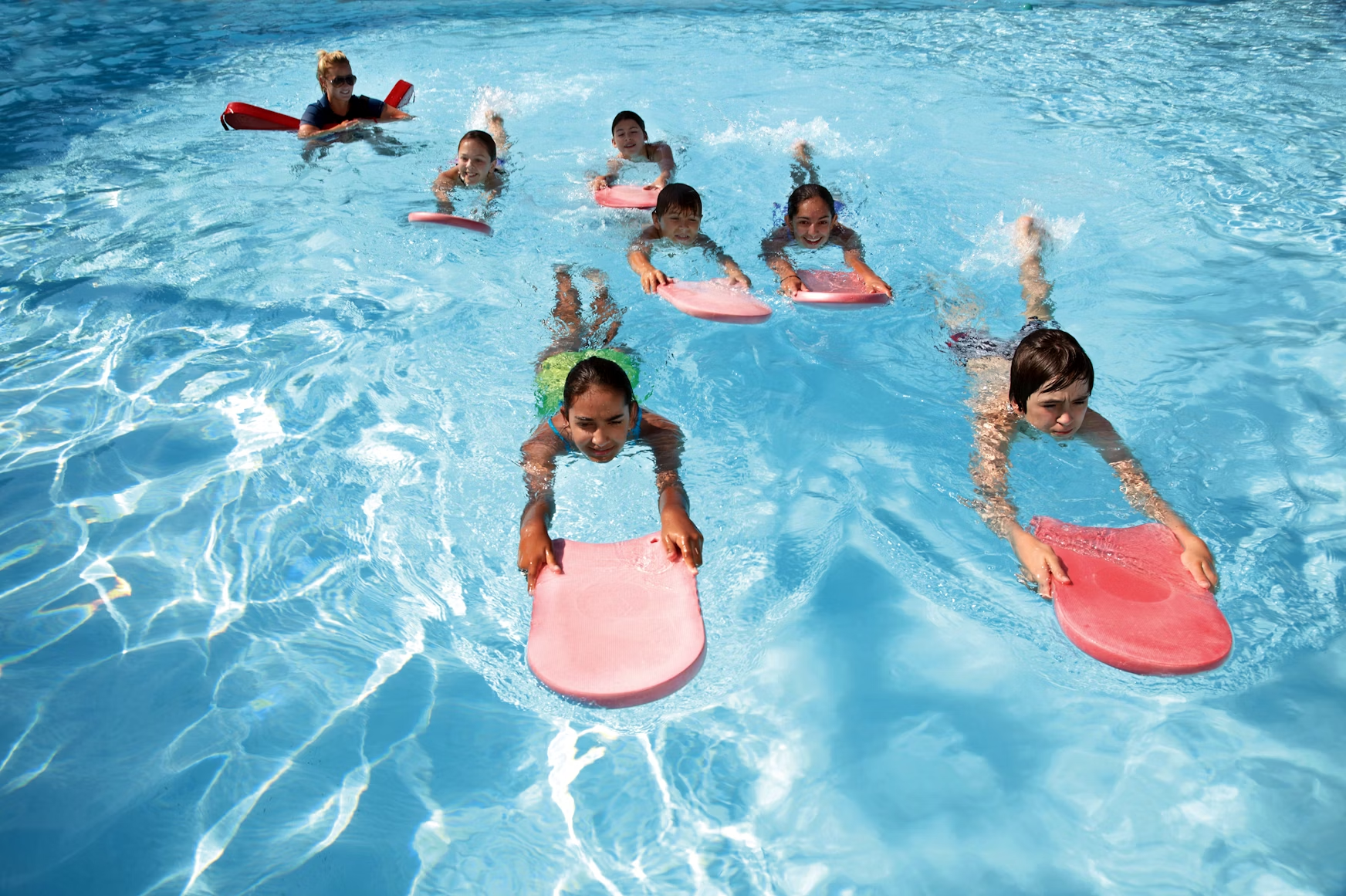
Children practicing swimming with kickboards in a pool
Image Source: Unsplash

5. Enroll Kids in Swim Lessons Early

Formal lessons build water confidence and lifesaving skills:

  • Practice Often: Reinforce classroom skills with supervised practice—short, frequent sessions beat occasional marathon swims.
  • Start at the Right Time: The American Academy of Pediatrics supports lessons as early as age 1 for most children, especially if a home pool is present.
  • Vet the Program: Look for Red Cross, YMCA, or Starfish Aquatics certification. Classes should cover floating, safe entry/exit, treading water, and getting to the wall.

Build Memories on a Foundation of Safety

Cannonballs, floating contests, sun‑soaked giggles—those moments flourish when safety leads the way. Supervision, barriers, alarms, drain awareness, and lessons create a comprehensive shield so the toughest poolside decision is popsicles or ice cream.

Have a go‑to pool rule that works for your family? Share it in the comments!

Read More

  • 7 Swimming Pool Maintenance Tips To Keep Your Pool Running This Summer
  • Baby Swimming: What is a Swim Nappy?

Samantha Warren
Samantha

Samantha Warren is a holistic marketing strategist with 8+ years of experience partnering with startups, Fortune 500 companies, and everything in between. With an entrepreneurial mindset, she excels at shaping brand narratives through data-driven, creative content. When she’s not working, Samantha loves to travel and draws inspiration from her trips to Thailand, Spain, Costa Rica, and beyond.

Filed Under: Parenting Tagged With: child water safety, drowning prevention, family safety | Parenting, Parenting, pool safety tips, Safety, summer safety, swimming safety

Drowning Prevention Tips for Parents with Young Children

March 24, 2025 | Leave a Comment

Little girl with her mom having fun in swimming pool.
Image Source: 123rf.com

Keeping young children safe around water is a top priority for parents. Drowning is one of the leading causes of accidental death in children under five, often happening silently and within seconds. Whether at home, the pool, or the beach, taking proactive steps can significantly reduce the risk. Here are essential drowning prevention tips every parent should know.

1. Always Maintain Active Supervision

Children should never be left unattended near water, even for a moment. Drowning happens quickly and quietly, often without splashing or cries for help. Always designate a responsible adult to actively watch children when they are in or near water. Avoid distractions like phones, reading, or conversations that take your attention away. Even if lifeguards are present, parental supervision remains essential.

2. Install Barriers Around Water Areas

Pool fences should be at least four feet high with a self-latching gate to prevent children from wandering in unsupervised. Consider using pool covers and alarms that alert you if someone enters the water unexpectedly. If you have a hot tub, make sure the cover is always securely in place when not in use. Bathtubs should be emptied immediately after use to eliminate unnecessary water hazards. Keeping doors locked and installing door alarms can also help prevent access to backyard pools.

3. Teach Children Basic Water Safety Skills

Enrolling kids in swimming lessons can increase their confidence and ability to navigate water safely. Teach them how to float, tread water, and safely exit a pool. Even if a child knows how to swim, they should still be closely supervised at all times. Discuss rules such as not running near the pool, never swimming alone, and avoiding rough play in the water. Consistently reinforcing these lessons helps children develop lifelong safety habits.

4. Learn CPR and Emergency Response Steps

CPR Or Cardiopulmonary Resuscitation Vector icon
Image Source: 123rf.com

Knowing CPR can make a critical difference in an emergency while waiting for professional help to arrive. Take a certified CPR class to ensure you’re prepared to respond effectively. Keep rescue equipment, such as life rings or a reaching pole, near pools for quick access. Store emergency numbers in your phone and have a plan for what to do if a child is struggling in the water. Reacting swiftly can mean the difference between life and death.

5. Use Proper Safety Gear

Young children should always wear Coast Guard-approved life jackets when swimming in open water, on boats, or near docks. Water wings, floaties, and pool noodles are not substitutes for life jackets and can give a false sense of security. Ensure the life jacket fits properly and is appropriate for the child’s size and weight. Even with flotation devices, kids must be supervised at all times. Safety gear adds an extra layer of protection but does not replace active monitoring.

6. Be Cautious with Bathtime and Small Water Sources

Many drowning incidents occur at home, especially in bathtubs and buckets. Never leave a child alone in the tub, even for a few seconds. If you need to step away, take your child with you. Keep toilet lids closed, empty buckets after use, and store them upside down. Even an inch of water can be dangerous for small children, so it’s essential to stay vigilant around all potential water sources.

7. Educate Older Siblings on Water Safety

Older children should understand that they are not responsible for watching younger siblings in the water. Teach them to recognize when a sibling is in trouble and to alert an adult immediately. Encourage them to follow the same safety rules and set a good example. Having clear conversations about water safety within the family helps reinforce the importance of drowning prevention for everyone.

8. Stay Prepared for Changing Water Conditions

If you’re at the beach, lake, or river, be aware of currents, waves, and sudden drop-offs. Even shallow water can have strong undertows that make swimming dangerous. Always choose swimming areas with lifeguards and pay attention to warning flags or posted signs. Keep a close eye on weather changes, as storms can create unsafe water conditions quickly. Being informed helps you make safer choices for your child’s swimming environment.

Keeping Water Safety a Priority

Preventing drowning requires parents being alert at all times when their child is in the water. By supervising children closely, setting up barriers, teaching water safety, and staying prepared for emergencies, parents can create a safer environment for their little ones.

Have you taken any extra steps to protect your child around water? Share your thoughts in the comments below!

Read More:

7 Secrets to Stopping Toddler Tantrums—And It’s Not What You Think

Why Do So Many Parents Think Vaccines Cause Autism?

Latrice Perez

Latrice is a dedicated professional with a rich background in social work, complemented by an Associate Degree in the field. Her journey has been uniquely shaped by the rewarding experience of being a stay-at-home mom to her two children, aged 13 and 5. This role has not only been a testament to her commitment to family but has also provided her with invaluable life lessons and insights.  As a mother, Latrice has embraced the opportunity to educate her children on essential life skills, with a special focus on financial literacy.

Filed Under: Parenting Tagged With: child water safety, drowning prevention, parenting tips, pool safety, swimming safety, toddler water safety, water safety for kids

  • Facebook
  • Pinterest
  • RSS
  • Twitter

Basic Principles Of Good Parenting

Here some basic principles for good parenting:

  1. What You Do Matters: Your kids are watching you. So, be purposeful about what you want to accomplish.
  2. You Can’t be Too Loving: Don’t replace love with material possessions, lowered expectations or leniency.
  3. Be Involved Your Kids Life: Arrange your priorities to focus on what your kid’s needs. Be there mentally and physically.
  4. Adapt Your Parenting: Children grow quickly, so keep pace with your child’s development.
  5. Establish and Set Rules: The rules you set for children will establish the rules they set for themselves later.  Avoid harsh discipline and be consistent.
  6. Explain Your Decisions: What is obvious to you may not be evident to your child. They don’t have the experience you do.
  7. Be Respectful To Your Child: How you treat your child is how they will treat others.  Be polite, respectful and make an effort to pay attention.
Best Parenting Blogs

Most Popular

Baby Girl

12 “Grandma” Baby Names That Are Suddenly Cool Again

Evan Morgan
Baby

9 Baby Names That Sound Rare Without Being Hard to Spell

Evan Morgan
Target Store

Choking Incident Prompts Recall of 49,000 Target Gigglescape “Under the Sea” Popping Toys

Evan Morgan
Frustrated Girl

Why Some Students on the Spectrum Are Labeled With ODD

Evan Morgan
Coke Bottles

12 Things Kids Took to School in the ’70s That Would Never Be Allowed Today

Evan Morgan

All content on Kids Ain’t Cheap is for entertainment purposes only. By reading this blog, you agree that Kids Ain’t Cheap is not responsible for any actions taken after reading this blog. For the full disclaimer, see our privacy policy.

Please note that Kids Ain’t Cheap has financial relationships with some of the merchants mentioned here. Kids Ain’t Cheap is funded by banner advertising, commission sales and search optimization consulting.

Copyright © 2006–2026 | District Media | All Rights Reserved | Privacy Policy

Copyright © 2026 Runway Pro Theme by Viva la Violette