• Home
  • About Us
  • Toolkit
  • Archives
  • Advertise
  • Privacy Policy

Kids Ain't Cheap

But They Sure Are Worth It

  • Parenting
    • Baby Stuff
    • Books and Reading
      • Aesops Fables
      • Comic Books
    • Education
    • Family Time
    • Green Living
    • Growing Up
    • Healthy Living & Eating
    • Holidays
    • Parenting
    • Random Musings
    • Shopping
    • Stuff to Do
  • Money
  • Product Reviews
    • Books and Magazines
    • Discount Sites
    • Furniture
    • House Keeping
    • Reviews News
    • Toys and Games
  • Contact Us
  • Our Editorial Commitment
  • Search

The Danger In Your Bathtub: 8 Hidden Dangers In Your Child’s Bathtub

July 25, 2025 | Leave a Comment

The Danger In Your Bathtub 8 Hidden Dangers In Your Childs Bathtub
Image source: 123rf.com

A warm bath might seem like the safest part of your child’s day, but lurking beneath the bubbles could be hazards you haven’t even considered. From slippery surfaces to sneaky chemical exposures, your child’s bathtub can be a hotspot for hidden risks. Many of these dangers are easy to overlook because they come from products and habits we trust without question. But being aware of these risks gives you the power to make simple changes that keep your child safer. Let’s take a close look at what could be hiding in your child’s bathtub—and what you can do to fix it.

1. Slippery Surfaces Create Fall Risks

It only takes one slippery moment for a bath to turn into a scary accident. Wet bathtubs are extremely slick, and even a slight shift in movement can cause a toddler or young child to fall. Most parents assume they’ll always be right there, but distractions happen, and kids are fast. A good-quality non-slip mat or adhesive grip decals can make a huge difference in reducing the risk. Always test the surface yourself before bath time and never leave your child unattended, even for a second.

2. Mold Hides in Favorite Bath Toys

That cute rubber ducky might be filled with more than air—it could be harboring mold. When water gets trapped inside toys, especially ones with small holes, mold can begin growing out of sight. Each squeeze can spray moldy water right onto your child’s skin or into their mouth. Try switching to solid toys without holes or ones that open for cleaning. Regular disinfecting and thorough drying are key to keeping your child’s bathtub toys safe and clean.

3. Water Temperature Can Change Suddenly

What starts as a perfect warm bath can quickly become dangerous if the water temperature shifts. Children’s skin is thinner and more sensitive than adults’, making them more prone to scalds. A sudden rush of hot water from a faucet or temperature change from flushing a nearby toilet can burn your child in seconds. Installing an anti-scald device on your faucet or setting your water heater to 120°F or lower can help. Always test the water with your wrist or elbow before placing your child in the tub.

4. Harsh Soaps and Bubble Baths Irritate Skin

Many common soaps and bubble bath products marketed for kids still contain dyes, fragrances, and harsh chemicals. These ingredients can dry out or irritate sensitive skin and worsen conditions like eczema. Even some “gentle” brands can cause problems over time, especially with daily use. Look for fragrance-free, hypoallergenic formulas and keep bubble baths as an occasional treat. Taking a closer look at what goes into your child’s bathtub routine can reduce unnecessary skin issues.

5. Drain Stoppers Can Be a Pinch Hazard

Most parents don’t think twice about the drain stopper, but curious fingers often find their way to the tub’s drain. Some stoppers create a suction or have small moving parts that can pinch or trap skin. If a child tries to remove or play with it, they could get stuck or scared, especially in deeper water. Consider a child-safe flat stopper or drain cover without moving pieces. Teaching kids not to play with the drain also helps build safe habits over time.

6. Mildew Builds Up Around the Edges

The warm, damp environment of your child’s bathtub makes it a perfect breeding ground for mildew. It often starts around the edges where the tub meets the wall, hidden behind toys or bath seats. Breathing in mildew spores can irritate young lungs, especially for kids with asthma or allergies. Wiping down the tub after each use and running a fan or dehumidifier in the bathroom helps prevent buildup. Regular cleaning with kid-safe mildew removers can keep it from becoming a bigger issue.

7. Long Hair Clogs Increase Bacteria

If your child has longer hair, it’s likely collecting in the drain—sometimes unnoticed. These clogs not only slow drainage but can also trap bacteria, which contributes to unpleasant smells and potential exposure to germs. Dirty water sitting in a tub takes longer to rinse off your child’s skin, leaving behind more residue. Using a hair catcher in the drain and cleaning it regularly can make a big difference. It also saves you from plumbing headaches later on.

8. Bath Seats Aren’t Always as Safe as They Look

Bath seats are meant to make bathing easier, but they’re not foolproof. Some models can slip, tip, or give a false sense of security that leads to momentary inattention. Older or recalled models may no longer meet safety standards, yet many parents still use them out of habit. Always check that your bath seat has suction cups that hold firm and never use one without staying within arm’s reach. Remember, no bath seat replaces active supervision.

What’s Lurking in Your Child’s Bathtub Might Surprise You

Bath time should be calming and fun, not a source of hidden danger. But without realizing it, your child’s bathtub can become a collection of risks that build up over time. From moldy toys to scalding water, it’s worth taking a few extra minutes to inspect, clean, and adjust your setup. Small changes go a long way toward keeping your child safe, happy, and healthy. Awareness is the first step to reclaiming bath time as the safe space it should be.

What bathtub safety tip has made the biggest difference in your home? Share your favorite in the comments below!

Read More:

8 Everyday Products Dangerous for Toddlers

6 Urgent Steps to Protect Your Home from Kids’ Dangers

Catherine Reed
Catherine Reed

Catherine is a tech-savvy writer who has focused on the personal finance space for more than eight years. She has a Bachelor’s in Information Technology and enjoys showcasing how tech can simplify everyday personal finance tasks like budgeting, spending tracking, and planning for the future. Additionally, she’s explored the ins and outs of the world of side hustles and loves to share what she’s learned along the way. When she’s not working, you can find her relaxing at home in the Pacific Northwest with her two cats or enjoying a cup of coffee at her neighborhood cafe.

Filed Under: Parenting Tagged With: bath time safety, bathroom hazards, bathtub falls, childproofing, mold in bath toys, parenting tips, toddler safety, water safety, your child's bathtub

Signs Your Kid Is Ready for Swim Lessons

May 30, 2025 | Leave a Comment

Signs Your Kid Is Ready for Swim Lessons

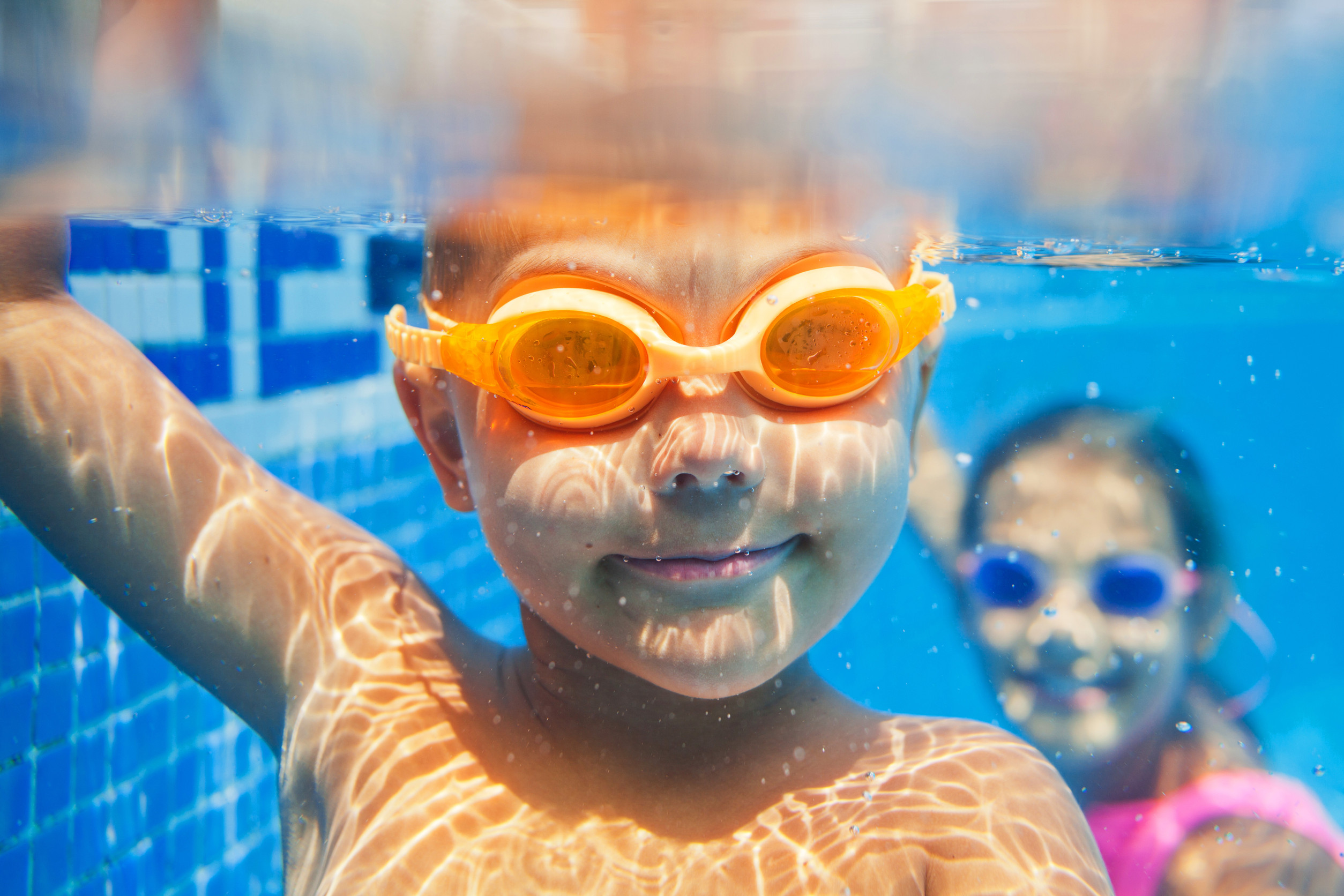
Water play is one of childhood’s greatest joys—but it also comes with serious safety concerns. Whether it’s pool parties, beach trips, or backyard sprinklers, knowing your child has basic water survival skills can offer tremendous peace of mind. But when should swim lessons actually begin? If you’re wondering whether your little one is ready to trade floaties for formal instruction, it might be time to look for key developmental and emotional indicators. These signs your kid is ready for swim lessons can help you make a confident, informed decision before diving in.

1. They’re Comfortable Around Water

One of the clearest signs your kid is ready for swim lessons is a natural comfort around water. If your child enjoys splashing in the tub, playing in shallow pools, or dipping their toes in lakes or oceans, they’ve already taken the first step. Comfort doesn’t mean fearlessness—but a willingness to engage with water signals readiness to build skills in a more structured environment. If they’re curious instead of panicked when near water, it’s a green light to consider swim instruction. Confidence is the foundation swim lessons build on, so comfort matters.

2. They Can Follow Simple Instructions

Swim lessons often involve listening, waiting, and repeating basic tasks—so kids who can follow simple instructions tend to benefit the most. Whether it’s “kick your legs,” “hold the wall,” or “wait your turn,” the ability to process and respond to directions is key. This is especially important in group settings, where safety depends on children respecting pool rules and instructor guidance. If your child is showing signs of cooperation and basic self-control, it’s one of the clearest signs your kid is ready for swim lessons. Even short attention spans are manageable if your child responds well to guidance.

3. They’ve Outgrown Their Floaties

Many kids start out in water with floatation aids, but eventually show signs of wanting more freedom. If your child starts ditching the arm floaties or life jacket (with supervision, of course), it could mean they’re craving more independence and confidence in the water. This is one of those signs your kid is ready for swim lessons that often goes unnoticed. Wanting to swim “like a big kid” is a great motivator for learning real skills and techniques. Swim lessons provide a safe transition from floaties to functional swimming.

4. They’re Asking to Learn

Some kids are vocal about what they want—and if your child starts asking how to swim, float, or dive, take the hint. Curiosity and enthusiasm are powerful motivators when it comes to learning new skills. Kids who express interest in swimming are usually more focused and engaged during lessons. This early buy-in helps them progress faster and build confidence in the water. So if your little one keeps saying, “I want to swim like them!” it’s one of the most obvious signs your kid is ready for swim lessons.

5. They Can Separate from You Without Anxiety

For many kids, swim lessons are one of their first experiences being taught by someone other than a parent. If your child is comfortable separating from you for short periods—whether at preschool, daycare, or playdates—they’re likely emotionally ready for swim class. This doesn’t mean they won’t cling a little at first, but they’ll bounce back quickly with encouragement. Children with separation anxiety may need a slower transition or parent-child lessons to ease into the process. Either way, emotional readiness is one of the most important signs your kid is ready for swim lessons.

6. They Have Basic Motor Skills

Swim lessons don’t require athleticism, but they do involve coordination, strength, and movement control. Kids who can walk, jump, and move their arms and legs with intention tend to adapt well to swimming movements. If your child can balance, climb, or imitate actions like reaching or kicking, they’ll have an easier time picking up swim basics. These physical milestones often align with the cognitive and emotional growth needed for lessons. Watching how your child moves on land can be a clue to how they’ll adapt in water.

7. They’re Between 3 and 6 Years Old

While some programs accept infants and toddlers, most swim instructors recommend starting formal lessons between ages 3 and 6, with age 4 being a commonly recommended target. At this stage, kids typically have the attention span, motor control, and communication skills needed to benefit from structured instruction. They’re also beginning to understand cause and effect, which helps them learn safety rules. Of course, every child is different—some may be ready sooner, while others need more time. But this age range is often when the signs your kid is ready for swim lessons become crystal clear.

When It’s Time to Take the Plunge

Choosing the right time to start swim lessons isn’t about pressure—it’s about preparation. The signs your kid is ready for swim lessons are usually small but significant: comfort in water, the ability to follow directions, emotional independence, and a spark of curiosity. Swimming is a life skill that boosts confidence, builds safety awareness, and opens the door to years of fun. When your child shows you they’re ready, lean in and take the leap.

What signs helped you decide it was time for swim lessons? Share your experience and advice in the comments—we’d love to hear from you!

Read More:

Signs Your Toddler Might Actually Be Ready to Potty Train

Preparing for Preschool: This Is How to Get Your Child Ready

Catherine Reed
Catherine Reed

Catherine is a tech-savvy writer who has focused on the personal finance space for more than eight years. She has a Bachelor’s in Information Technology and enjoys showcasing how tech can simplify everyday personal finance tasks like budgeting, spending tracking, and planning for the future. Additionally, she’s explored the ins and outs of the world of side hustles and loves to share what she’s learned along the way. When she’s not working, you can find her relaxing at home in the Pacific Northwest with her two cats or enjoying a cup of coffee at her neighborhood cafe.

Filed Under: Parenting Tagged With: child development, kids and swimming, learning to swim, parenting tips, raising kids, Summer Activities, swim lessons, toddler milestones, water safety

The Beach Safety Tips Lifeguards Wish You Knew

May 4, 2025 | Leave a Comment

Image by Joe Cooke

A beach day is supposed to be relaxing—sunshine, waves, and maybe a cold drink in hand. But while you’re busy enjoying the moment, lifeguards are scanning the water with sharp eyes and split-second instincts, often wishing the public knew just how dangerous the beach can become in an instant.

Whether you’re a parent bringing kids to splash in the surf or an adult looking to unwind, knowing these often-overlooked beach safety tips could save your day or even a life.

The Ocean Isn’t a Pool. Respect the Current

To a child (or even many adults), the ocean may look just like a bigger, saltier pool. But water safety at the beach is a whole different game.

Rip currents, which can sweep even strong swimmers far from shore in seconds, are the number one reason lifeguards perform rescues. Most people don’t recognize one until they’re stuck in it—and by then, panic sets in.

Lifeguard tip: If you’re caught in a rip current, don’t fight it. Instead, swim parallel to the shore until you’re out of the current, then make your way back to land. Better yet, always swim in designated areas where lifeguards are watching.

Sunscreen Isn’t Optional Or One and Done

While you may remember to slather on sunscreen in the morning, most beachgoers forget to reapply, especially after swimming or sweating. That false sense of protection can lead to painful burns, heat exhaustion, and even long-term skin damage.

Lifeguard tip: Apply sunscreen 15–30 minutes before sun exposure, then reapply every two hours—or immediately after swimming or towel-drying. Don’t forget areas like your ears, tops of feet, and the back of your neck.

Watch for Flags. They’re Not Just for Decoration

Those colored flags waving at the edge of the lifeguard tower aren’t for show. They’re vital signals. Each color indicates ocean conditions, potential hazards, or restricted areas.

Lifeguard tip: Before you even set up your umbrella, check the flag color and ask the lifeguard what it means. If you’re unsure, assume caution. Many beach emergencies happen because visitors don’t realize they are entering dangerous water.

Stay Sober. Yes, Even at the Beach

It’s tempting to crack open a cold drink on a hot day, but alcohol and ocean swimming don’t mix. It impairs your judgment, reaction time, and coordination, all of which you need if something goes wrong in the water.

Lifeguard tip: Alcohol is a common factor in adult drownings. If you plan to drink, skip the swimming. Save the ocean dip for earlier in the day when you’re fully alert and sober.

Image by Thomas Grillmair

Don’t Assume Lifeguards See Everything

Lifeguards are trained professionals, but they’re human. They monitor wide stretches of beach, often in crowded and chaotic conditions. They can’t have eyes on every child, swimmer, or beachgoer at all times.

Lifeguard tip: Always keep your own eyes on your children, even if lifeguards are present. Designate a “water watcher” among the adults in your group—someone who isn’t distracted by their phone or reading material.

Teach Kids That “Waves Are Stronger Than They Look”

Many injuries happen in shallow water, not deep surf. Small waves can knock over children or adults and cause injuries from tumbling into the sand, rocks, or shells.

Lifeguard tip: Supervise kids even at the shoreline. Encourage them to face the waves and keep a low center of gravity if they’re wading. Never let young children turn their backs to incoming waves.

Protect Your Feet

While soft sand is part of the beach’s charm, it can hide dangers beneath the surface, like sharp shells, broken glass, jellyfish, or even hot coals from a beach fire.

Lifeguard tip: Encourage kids and adults to wear water shoes when walking along unfamiliar areas. And remind everyone to shuffle their feet in the water to avoid stepping on stingrays or other hidden marine life.

Hydration Matters More Than You Think

With all the swimming and sunbathing, it’s easy to forget to hydrate. But a combination of sun, salt, and sweat can quickly dehydrate your body, especially in kids.

Lifeguard tip: Pack plenty of water and encourage regular sips throughout the day. If someone complains of dizziness, nausea, or fatigue, get them to shade, rehydrate, and cool down immediately.

Check the Weather and the Tide

It’s easy to assume every beach day will be sunny and calm, but weather and tides can change fast. Strong winds, lightning, and high tides can create dangerous conditions within minutes.

Lifeguard tip: Always check the local forecast and tide schedule before heading out. If thunderstorms are in the area, get off the beach immediately. Water is a conductor of electricity. One lightning strike could be deadly.

Beach Days Should Be Fun, But Safety Comes First

Lifeguards love seeing families enjoy the beach. They’re not there to ruin the fun. They’re there to help keep it safe. Knowing and respecting a few essential rules can mean the difference between a joyful day at the shore and a trip to the emergency room.

These aren’t scare tactics. They’re lifesaving reminders from the people who’ve seen the worst happen and work hard every day to prevent it.

What’s one beach safety rule you always follow? Have you ever had a beach day turn dangerous?

Read More:

Drowning Prevention Tips For Parents With Young Children

Why Sunscreen Isn’t Enough: Total Summer Protection Tips

Filed Under: Parenting Tagged With: beach safety tips, family beach day, kids at the beach, lifeguard advice, ocean safety, parenting and beach trips, summer safety tips, swimming safety, vacation safety, water safety

  • Facebook
  • Pinterest
  • RSS
  • Twitter

Basic Principles Of Good Parenting

Here some basic principles for good parenting:

  1. What You Do Matters: Your kids are watching you. So, be purposeful about what you want to accomplish.
  2. You Can’t be Too Loving: Don’t replace love with material possessions, lowered expectations or leniency.
  3. Be Involved Your Kids Life: Arrange your priorities to focus on what your kid’s needs. Be there mentally and physically.
  4. Adapt Your Parenting: Children grow quickly, so keep pace with your child’s development.
  5. Establish and Set Rules: The rules you set for children will establish the rules they set for themselves later.  Avoid harsh discipline and be consistent.
  6. Explain Your Decisions: What is obvious to you may not be evident to your child. They don’t have the experience you do.
  7. Be Respectful To Your Child: How you treat your child is how they will treat others.  Be polite, respectful and make an effort to pay attention.
Best Parenting Blogs

Most Popular

Baby names

Teachers Admit: These 6 Baby Names Create Instant Bias in the Classroom

Latrice Perez
6 Baby Names That Sound Cute Now but Cause Problems Later

6 Baby Names That Sound Cute Now but Cause Problems Later

Brandon Marcus
11 Ways Kids Are Outsmarting Parental Controls 1. Using Alternate Devices One common trick is simply turning to another device. If a child’s main phone or tablet is restricted, they may borrow a sibling’s, friend’s, or even a school laptop. This instantly gives them access to content outside of parental oversight. Parents often focus on one device, forgetting that others in the household can serve as loopholes. Knowing this tactic helps families tighten controls across all electronics. 2. Clearing Browsing Histories Many kids quickly learn that clearing browsing history hides evidence of restricted activity. With just a few clicks, they can erase any trace of websites visited. This makes it harder for parents to notice when rules are being broken. Parents may assume no history means no browsing, but the reality is often the opposite. Kids are outsmarting parental controls by making it seem like nothing happened at all. 3. Using Private Browsing Modes Most browsers offer “incognito” or private browsing features. Kids use this mode to access websites without leaving a record in the history. To parents checking later, everything looks clean and safe. This simple trick is often one of the first ways kids discover how to bypass restrictions. Conversations about private browsing can help close this gap. 4. Guessing or Resetting Passwords Children who are persistent may try to guess passwords to parental control apps or accounts. Others may find ways to reset them through email prompts or security questions. Once inside, they can disable restrictions entirely. Parents may not even realize controls have been altered until much later. Stronger, less predictable passwords can make this more difficult. 5. Using VPNs to Hide Activity Virtual private networks, or VPNs, let kids disguise their online locations. With one downloaded app, they can bypass geographic or parental restrictions. Some children learn about VPNs through friends or even social media. This makes it easy for them to reach content that should be blocked. Parents often underestimate just how simple it is for kids to use these tools. 6. Creating Fake Accounts When parents monitor social media, kids may create hidden accounts. These “finstas” or fake profiles allow them to interact freely without parental oversight. While their main account appears harmless, the secondary one tells a different story. Kids are outsmarting parental controls by playing both sides at once. Checking for duplicate accounts can help parents stay more aware. 7. Exploiting Time Zone Settings Some kids change the time zone on their devices to bypass screen time limits. This trick allows them to gain extra hours of usage undetected. Parents may assume controls are working, but in reality, the child is bending the clock. It’s a clever loophole that highlights just how resourceful kids can be. Monitoring device settings regularly can catch this tactic. 8. Disabling or Uninstalling Apps Parental control apps can be deleted or disabled with surprising ease. Some kids even reinstall them before a parent checks, making it seem like nothing changed. Others may simply restrict permissions to prevent apps from functioning properly. When apps aren’t monitored closely, parents may not notice they’ve been tampered with. This shows the importance of consistent follow-up. 9. Turning to Friends for Access If a child can’t get past restrictions on their own, they may rely on friends. Visiting a friend’s house or borrowing their phone can give them a free pass. Parents often forget that peer environments can override restrictions set at home. This kind of social workaround is especially common with gaming or social media. Open conversations about trust and responsibility are essential. 10. Hiding Apps in Plain Sight Kids sometimes download apps that look innocent but serve as gateways to hidden activity. These apps may disguise themselves as calculators or utilities. In reality, they allow file storage, private messaging, or browser access. Parents glancing at a home screen may overlook them entirely. Learning to recognize these disguised apps can help parents stay informed. 11. Outpacing Parents’ Tech Knowledge Finally, kids often know more about devices than their parents do. Whether through YouTube tutorials, TikTok hacks, or peer groups, they quickly learn advanced workarounds. This knowledge gap means controls can be bypassed before parents even realize the loophole exists. Staying informed and continually learning about new technology is the best defense. Kids are outsmarting parental controls because they adapt faster than most adults. The Real Solution Lies Beyond Restrictions While controls and filters are important, no system is perfect. Kids will always find creative ways around barriers, making communication the strongest safeguard. Setting clear expectations, building trust, and having ongoing conversations about online behavior matter more than apps alone. Parents who combine technology with open dialogue create a safer digital environment. The goal isn’t to win a battle of wits but to build a relationship that keeps kids both safe and honest. Do you think kids are outsmarting parental controls faster than parents can keep up? Share your experiences in the comments below. What to Read Next... 6 Parenting Tech Shortcuts That Can Expose Your Child to Strangers How Much Screen Time Is Too Much—Legally Speaking? Is Your Child’s School Quietly Tracking Their Location Without Your Consent? How Much Screen Time Is Quietly Reshaping Childhood Behavior? Why Some Parents Are Being Investigated Over Homeschooling Records

11 Ways Kids Are Outsmarting Parental Controls

Catherine Reed

10 Children’s Games From the ’60s That Need to Make a Comeback

Samantha
Smiling grandfather holding a happy baby indoors.

Why Grandparents Shouldn’t Babysit Their Grandkids Every Week – The Unspoken Issue

Samantha

All content on Kids Ain’t Cheap is for entertainment purposes only. By reading this blog, you agree that Kids Ain’t Cheap is not responsible for any actions taken after reading this blog. For the full disclaimer, see our privacy policy.

Please note that Kids Ain’t Cheap has financial relationships with some of the merchants mentioned here. Kids Ain’t Cheap is funded by banner advertising, commission sales and search optimization consulting.

Copyright © 2006–2026 | District Media | All Rights Reserved | Privacy Policy

Copyright © 2026 Runway Pro Theme by Viva la Violette