• Home
  • About Us
  • Toolkit
  • Archives
  • Advertise
  • Privacy Policy

Kids Ain't Cheap

But They Sure Are Worth It

  • Parenting
    • Baby Stuff
    • Books and Reading
      • Aesops Fables
      • Comic Books
    • Education
    • Family Time
    • Green Living
    • Growing Up
    • Healthy Living & Eating
    • Holidays
    • Parenting
    • Random Musings
    • Shopping
    • Stuff to Do
  • Money
  • Product Reviews
    • Books and Magazines
    • Discount Sites
    • Furniture
    • House Keeping
    • Reviews News
    • Toys and Games
  • Contact Us
  • Our Editorial Commitment
  • Search

7 Summer Habits That Can Lead to Sickness Fast

June 17, 2025 | Leave a Comment

7 Summer Habits That Can Lead to Sickness Fast
123rf.com

Summer is a season packed with sunshine, fun, and family memories—but it’s also a time when some seemingly harmless routines can sneakily put your child’s health at risk. From poolside snacks to packed playdates, many common summer habits that can lead to sickness fast often fly under the radar. While no parent wants to hover or kill the vibe, it’s worth paying attention to these patterns so your family can enjoy the season with fewer sick days. Awareness is half the battle, and a few easy adjustments can make a big difference. Let’s dive into the habits that might be doing more harm than good.

1. Skipping Handwashing at Playgrounds and Parks

Summer means more outdoor time, which also means more public surfaces touched by countless little hands. Jungle gyms, splash pads, and sandboxes may be full of adventure—but they’re also full of germs. Kids often head straight from swinging or sliding to eating a snack without washing up. Without proper hand hygiene, bacteria and viruses can easily find their way into little bodies. This is one of the top summer habits that can lead to sickness fast, especially when it becomes a daily routine.

2. Overindulging in Sugary Summer Treats

Between popsicles, lemonade stands, and ice cream trucks, sugar overload is practically built into summer. While treats are a fun part of the season, too much sugar can suppress the immune system and mess with gut health. Some kids end up snacking more frequently and eating fewer nutrient-rich meals. A weakened immune system paired with more public exposure can make them more prone to colds or stomach bugs. It’s important to balance those sweet moments with whole foods that keep kids strong.

3. Neglecting Hydration on Hot Days

Children can become dehydrated quickly in warm weather—especially when they’re running, playing, and sweating without regular water breaks. By the time a child says they’re thirsty, they may already be mildly dehydrated. Dehydration can cause headaches, fatigue, dizziness, and increase the risk of heat-related illnesses. Kids also tend to forget to drink unless they’re reminded or see others doing it. Making hydration fun with a colorful bottle or fruit-infused water helps build a better habit.

4. Wearing the Same Wet Swimsuit for Hours

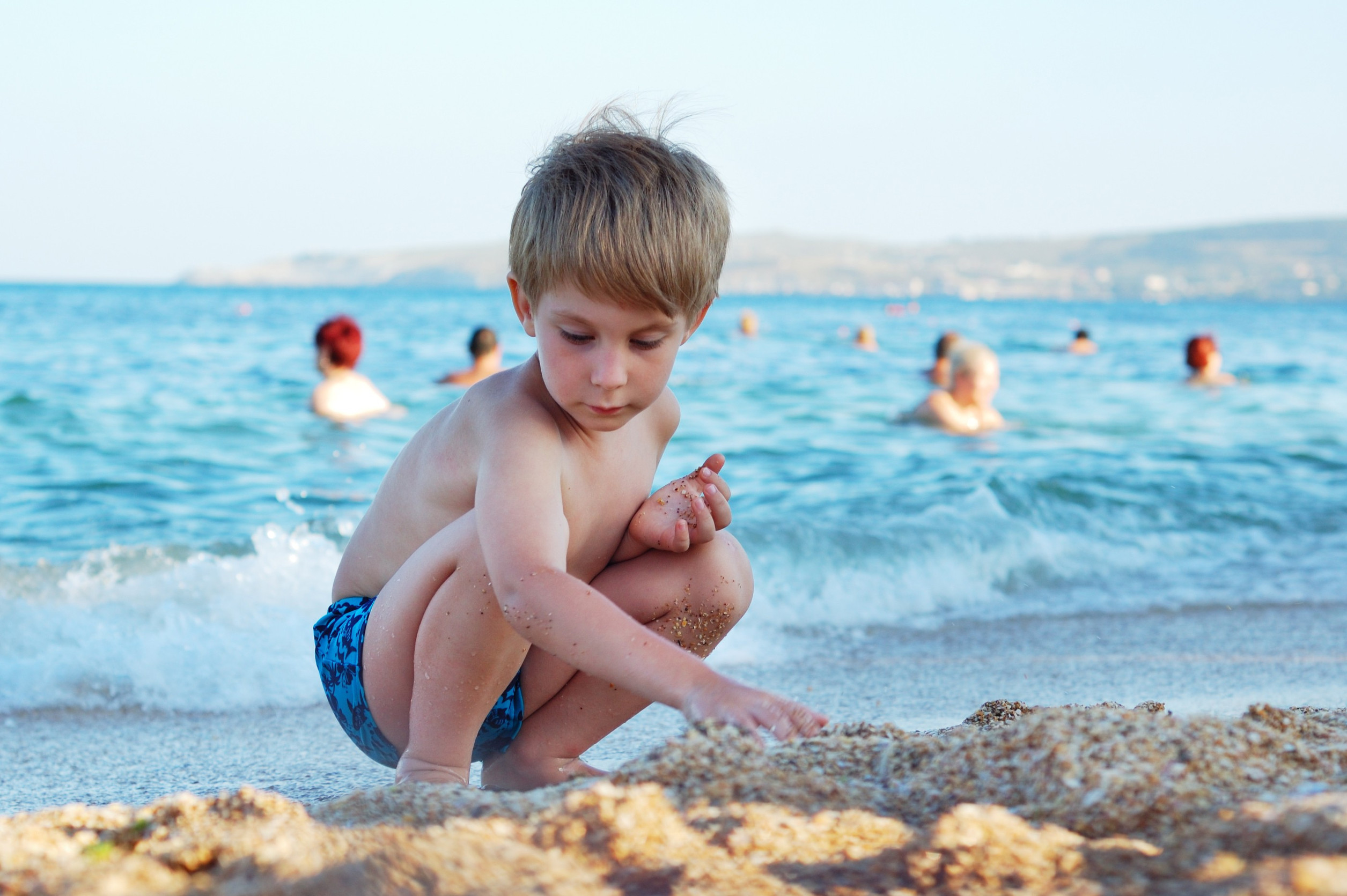
Whether it’s a trip to the beach or a pool playdate, kids often end up wearing wet swimsuits for hours on end. While it might seem harmless, sitting in damp fabric can increase the risk of skin irritation, rashes, and even infections like swimmer’s ear or UTIs. Changing into dry clothes after swimming is one of those small actions that goes a long way. It’s not just about comfort—it’s a health choice. Make a habit of packing dry backups every time.

5. Letting Bedtime Slide Too Far

Summer nights are full of distractions—late dinners, fireflies, movie marathons—but regular sleep is still crucial for a strong immune system. When kids consistently go to bed late and sleep less, their bodies have a harder time fighting off illness. Even if they seem to be doing fine with less rest, the effects often show up as irritability, poor focus, or catching bugs more easily. Creating a summer bedtime routine that flexes without falling apart helps kids stay healthier overall. Think of sleep as just as important as sunscreen.

6. Sharing Towels, Cups, and Snacks

Summer playdates often mean shared everything—drinks at the splash pad, bites of watermelon, and communal towels. While it’s sweet to see kids learning to share, it’s also a fast track for spreading germs. Viruses like hand-foot-and-mouth or the common cold love these scenarios. Teaching kids to use their own water bottles, utensils, and towels doesn’t need to be a strict rule—but it can be a smart one. This is one of those summer habits that can lead to sickness fast when overlooked.

7. Forgetting to Clean Outdoor Toys and Gear

Scooters, bikes, water tables, and sand toys all get more use in summer—and more exposure to dirt, germs, and even animal droppings. These toys are rarely cleaned as often as their indoor counterparts, yet kids are just as likely to put fingers in mouths afterward. A weekly rinse and occasional disinfecting wipe-down can go a long way in preventing illness. It’s a simple step that often slips through the cracks in the name of summer fun.

A Healthier Summer Starts With a Few Simple Shifts

The goal isn’t to make summer rigid or overly cautious—it’s to stay ahead of the small habits that can create big problems. With just a few tweaks, you can avoid many of the most common causes of seasonal sickness. Encourage smarter habits, stay observant, and let the summer fun continue without the interruptions of coughs, fevers, or rashes. These mindful changes lead to healthier, happier days for everyone.

What summer health habit has saved your family from surprise sick days? Share your favorite tips in the comments!

Read More:

8 Challenges Every Kid Faces During Summer Break

15 Outdoor Adventures to Transform Your Kids’ Summer

Catherine Reed
Catherine Reed

Catherine is a tech-savvy writer who has focused on the personal finance space for more than eight years. She has a Bachelor’s in Information Technology and enjoys showcasing how tech can simplify everyday personal finance tasks like budgeting, spending tracking, and planning for the future. Additionally, she’s explored the ins and outs of the world of side hustles and loves to share what she’s learned along the way. When she’s not working, you can find her relaxing at home in the Pacific Northwest with her two cats or enjoying a cup of coffee at her neighborhood cafe.

Filed Under: Safety Tagged With: child health, healthy habits for kids, kid hygiene, outdoor play safety, parenting advice, prevent summer illness, summer habits that can lead to sickness fast, summer parenting tips, summer safety

Playground Safety: How to Ensure Kids Stay Injury-Free

May 3, 2025 | Leave a Comment

Image by Dave Sherrill 

Playgrounds are where childhood memories are made—where kids learn to swing, climb, run, and explore. But while the laughter and energy are contagious, so is the risk of injury if proper safety measures aren’t in place. According to the CDC, more than 200,000 children visit emergency rooms each year due to playground-related injuries. Many of these could be prevented with just a few proactive steps.

As parents and caregivers, we can’t wrap our kids in bubble wrap, but we can help create a safe space that allows them to explore while minimizing risks. Here’s how to ensure your child stays safe and has fun at the playground.

Start With the Right Playground

Not all playgrounds are created equal. Before letting your child dive into play, take a quick scan of the area. Look for age-appropriate equipment, clear signage, and properly maintained structures. The best playgrounds are designed with safety zones that separate equipment for younger kids from structures intended for older children.

Also, check for hazards like broken swings, exposed bolts, rust, or splintering wood. Equipment should be securely anchored, and surfaces should be level and stable.

Surface Matters More Than You Think

One of the biggest factors in playground injuries isn’t the slide or swing set. It’s what’s underneath. Falls are the leading cause of playground injuries, and the type of surface beneath the equipment can be the difference between a bruise and a broken bone.

Ideal playground surfaces include:

  • Rubber mats or tiles
  • Engineered wood fiber
  • Sand
  • Pea gravel
  • Mulch (with proper depth)

Hard surfaces like concrete, asphalt, or packed dirt offer little protection and should be avoided. Depth matters, too. A minimum of 12 inches of impact-absorbing material is typically recommended for proper cushioning.

Dress Kids for Safety

While it might seem unrelated, what your child wears to the playground plays a role in safety. Avoid clothing with drawstrings, long scarves, or loose accessories that can get caught in equipment and pose strangulation hazards.

Closed-toe shoes with good grip are best. Sandals, flip-flops, or shoes with slick soles can make it easier to slip on climbing equipment or ladders. And always make sure shoelaces are tied tight to avoid tripping.

Teach the Rules of Safe Play

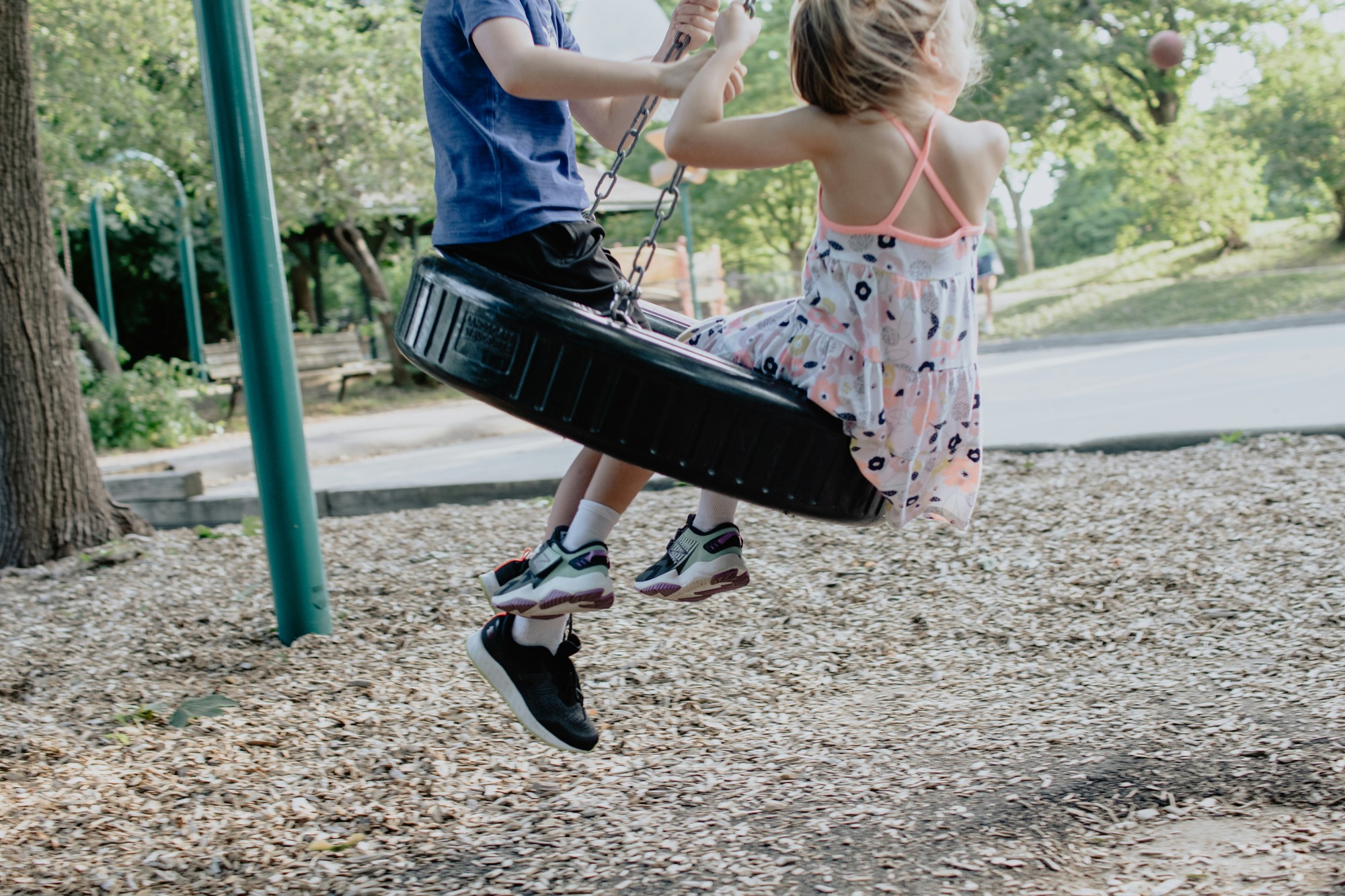
Children thrive on freedom but even play needs structure. Set basic ground rules before your child runs off to explore: no pushing, no shoving, and wait your turn on the slide or swings.

Help younger kids understand how to navigate around moving equipment like swings or merry-go-rounds, and explain why climbing up a slide the wrong way isn’t safe (even if it looks fun).

By reinforcing these rules regularly and consistently, kids start to internalize them, and it becomes second nature to play more safely.

Image by Kelly Sikkema 

Active Supervision Is Key

Even the most well-designed playground isn’t a substitute for adult supervision. Injuries happen quickly, and your presence can make all the difference. Keep your phone in your pocket, maintain visual contact, and be ready to step in if a situation looks risky.

That doesn’t mean hovering or limiting fun. It just means being present and engaged enough to help prevent dangerous behavior before it starts.

Check Equipment Temperature

On sunny days, playground surfaces, especially metal or dark-colored slides, can reach dangerously high temperatures. Before letting your child use equipment, touch it yourself to see if it’s too hot. Burn injuries from overheated surfaces are more common than you might think.

When possible, visit playgrounds earlier in the morning or later in the evening during hot months. Always use sunscreen or protective clothing for UV protection.

Keep the Playground Clean

Playgrounds can attract more than just children. Sometimes, they’re home to litter, broken glass, or even sharp objects. Take a quick look around the area for trash or hazards before letting your kids loose. While it’s frustrating to see litter, a quick cleanup with a spare bag can go a long way in making the space safer for everyone.

You might also want to carry a small first-aid kit in your bag, just in case of minor scrapes or bruises.

Stay Updated on Recalls

From time to time, playground equipment or accessories (like swing seats or climbing ropes) are recalled due to safety concerns. Stay informed by checking websites like CPSC.gov or signing up for alerts. If your local park is publicly managed, you can also call the parks department if you notice something unsafe or suspect a recall has gone unaddressed.

Safe Play Makes Happy Memories

Playgrounds are a vital part of growing up. They help children build confidence, develop physical skills, and enjoy screen-free time outdoors. With a few smart precautions and a watchful eye, you can help ensure those adventures don’t end with a trip to the ER.

Because when kids feel safe, they play freely. And when parents feel prepared, they can enjoy the laughter too.

Read More:

Playground Dangers: 8 Pieces of Playground Equipment That Could Seriously Injure Your Child

7 Things You Should Never Buy for Your Kids – But Everyone Does

Filed Under: Parenting Tagged With: child safety tips, family health, injury prevention, kids and parks, outdoor play safety, parenting advice, playground injuries, playground safety, safe play equipment, toddler safety

  • Facebook
  • Pinterest
  • RSS
  • Twitter

Basic Principles Of Good Parenting

Here some basic principles for good parenting:

  1. What You Do Matters: Your kids are watching you. So, be purposeful about what you want to accomplish.
  2. You Can’t be Too Loving: Don’t replace love with material possessions, lowered expectations or leniency.
  3. Be Involved Your Kids Life: Arrange your priorities to focus on what your kid’s needs. Be there mentally and physically.
  4. Adapt Your Parenting: Children grow quickly, so keep pace with your child’s development.
  5. Establish and Set Rules: The rules you set for children will establish the rules they set for themselves later.  Avoid harsh discipline and be consistent.
  6. Explain Your Decisions: What is obvious to you may not be evident to your child. They don’t have the experience you do.
  7. Be Respectful To Your Child: How you treat your child is how they will treat others.  Be polite, respectful and make an effort to pay attention.
Best Parenting Blogs

Most Popular

Baby

9 Unusual Baby Names That Sound Like They Belong to Future CEOs

Evan Morgan
Baby

10 Baby Names That Were Once Considered “Grandparent Names” but Feel Cool Again

Evan Morgan
Baby

9 Baby Names Inspired by Fall Without Naming Your Child Autumn

Evan Morgan
Target Store

Choking Incident Prompts Recall of 49,000 Target Gigglescape “Under the Sea” Popping Toys

Evan Morgan
Frustrated Girl

Why Some Students on the Spectrum Are Labeled With ODD

Evan Morgan

All content on Kids Ain’t Cheap is for entertainment purposes only. By reading this blog, you agree that Kids Ain’t Cheap is not responsible for any actions taken after reading this blog. For the full disclaimer, see our privacy policy.

Please note that Kids Ain’t Cheap has financial relationships with some of the merchants mentioned here. Kids Ain’t Cheap is funded by banner advertising, commission sales and search optimization consulting.

Copyright © 2006–2026 | District Media | All Rights Reserved | Privacy Policy

Copyright © 2026 Runway Pro Theme by Viva la Violette