
Playgrounds are where childhood memories are made—where kids learn to swing, climb, run, and explore. But while the laughter and energy are contagious, so is the risk of injury if proper safety measures aren’t in place. According to the CDC, more than 200,000 children visit emergency rooms each year due to playground-related injuries. Many of these could be prevented with just a few proactive steps.
As parents and caregivers, we can’t wrap our kids in bubble wrap, but we can help create a safe space that allows them to explore while minimizing risks. Here’s how to ensure your child stays safe and has fun at the playground.
Start With the Right Playground
Not all playgrounds are created equal. Before letting your child dive into play, take a quick scan of the area. Look for age-appropriate equipment, clear signage, and properly maintained structures. The best playgrounds are designed with safety zones that separate equipment for younger kids from structures intended for older children.
Also, check for hazards like broken swings, exposed bolts, rust, or splintering wood. Equipment should be securely anchored, and surfaces should be level and stable.
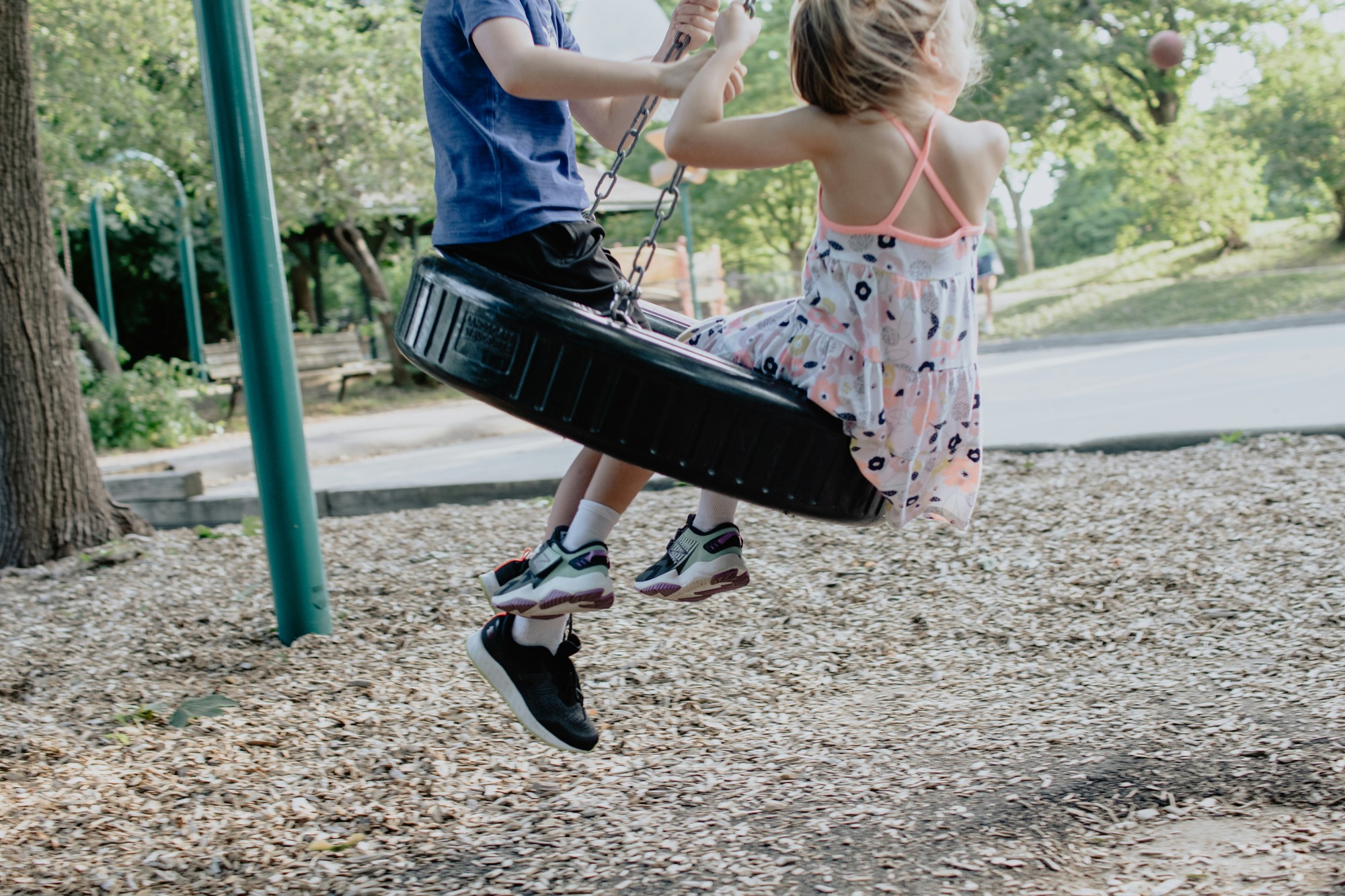
Surface Matters More Than You Think
One of the biggest factors in playground injuries isn’t the slide or swing set. It’s what’s underneath. Falls are the leading cause of playground injuries, and the type of surface beneath the equipment can be the difference between a bruise and a broken bone.
Ideal playground surfaces include:
- Rubber mats or tiles
- Engineered wood fiber
- Sand
- Pea gravel
- Mulch (with proper depth)
Hard surfaces like concrete, asphalt, or packed dirt offer little protection and should be avoided. Depth matters, too. A minimum of 12 inches of impact-absorbing material is typically recommended for proper cushioning.
Dress Kids for Safety
While it might seem unrelated, what your child wears to the playground plays a role in safety. Avoid clothing with drawstrings, long scarves, or loose accessories that can get caught in equipment and pose strangulation hazards.
Closed-toe shoes with good grip are best. Sandals, flip-flops, or shoes with slick soles can make it easier to slip on climbing equipment or ladders. And always make sure shoelaces are tied tight to avoid tripping.
Teach the Rules of Safe Play
Children thrive on freedom but even play needs structure. Set basic ground rules before your child runs off to explore: no pushing, no shoving, and wait your turn on the slide or swings.
Help younger kids understand how to navigate around moving equipment like swings or merry-go-rounds, and explain why climbing up a slide the wrong way isn’t safe (even if it looks fun).
By reinforcing these rules regularly and consistently, kids start to internalize them, and it becomes second nature to play more safely.
Active Supervision Is Key
Even the most well-designed playground isn’t a substitute for adult supervision. Injuries happen quickly, and your presence can make all the difference. Keep your phone in your pocket, maintain visual contact, and be ready to step in if a situation looks risky.
That doesn’t mean hovering or limiting fun. It just means being present and engaged enough to help prevent dangerous behavior before it starts.
Check Equipment Temperature
On sunny days, playground surfaces, especially metal or dark-colored slides, can reach dangerously high temperatures. Before letting your child use equipment, touch it yourself to see if it’s too hot. Burn injuries from overheated surfaces are more common than you might think.
When possible, visit playgrounds earlier in the morning or later in the evening during hot months. Always use sunscreen or protective clothing for UV protection.
Keep the Playground Clean
Playgrounds can attract more than just children. Sometimes, they’re home to litter, broken glass, or even sharp objects. Take a quick look around the area for trash or hazards before letting your kids loose. While it’s frustrating to see litter, a quick cleanup with a spare bag can go a long way in making the space safer for everyone.
You might also want to carry a small first-aid kit in your bag, just in case of minor scrapes or bruises.
Stay Updated on Recalls
From time to time, playground equipment or accessories (like swing seats or climbing ropes) are recalled due to safety concerns. Stay informed by checking websites like CPSC.gov or signing up for alerts. If your local park is publicly managed, you can also call the parks department if you notice something unsafe or suspect a recall has gone unaddressed.
Safe Play Makes Happy Memories
Playgrounds are a vital part of growing up. They help children build confidence, develop physical skills, and enjoy screen-free time outdoors. With a few smart precautions and a watchful eye, you can help ensure those adventures don’t end with a trip to the ER.
Because when kids feel safe, they play freely. And when parents feel prepared, they can enjoy the laughter too.
Read More:
Playground Dangers: 8 Pieces of Playground Equipment That Could Seriously Injure Your Child
7 Things You Should Never Buy for Your Kids – But Everyone Does
