• Home
  • About Us
  • Toolkit
  • Archives
  • Advertise
  • Privacy Policy

Kids Ain't Cheap

But They Sure Are Worth It

  • Parenting
    • Baby Stuff
    • Books and Reading
      • Aesops Fables
      • Comic Books
    • Education
    • Family Time
    • Green Living
    • Growing Up
    • Healthy Living & Eating
    • Holidays
    • Parenting
    • Random Musings
    • Shopping
    • Stuff to Do
  • Money
  • Product Reviews
    • Books and Magazines
    • Discount Sites
    • Furniture
    • House Keeping
    • Reviews News
    • Toys and Games
  • Contact Us
  • Our Editorial Commitment
  • Search

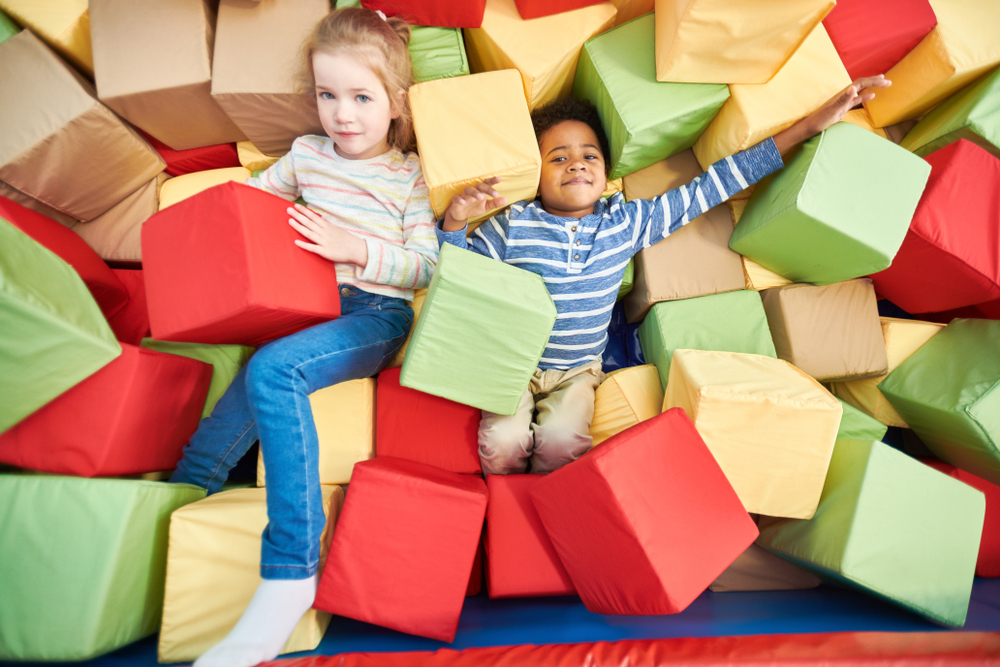
7 “Clean Play” Trends That Are Denying Kids Real Risk Experience

December 20, 2025 | Leave a Comment

7 “Clean Play” Trends That Are Denying Kids Real Risk Experience
Image source: shutterstock.com

A lot of modern parenting advice sounds like it’s helping kids thrive, but sometimes it’s quietly sanding down the very experiences that build real confidence. When every bump gets prevented, every mess gets avoided, and every conflict gets managed by adults, kids lose chances to practice judgment. That doesn’t mean parents should chase danger or ignore safety—it means kids need manageable risk to learn what their bodies can do and what their choices cause. The issue isn’t caring too much; it’s overengineering childhood until it becomes a supervised performance. Let’s talk about the clean play trends that look wholesome on the surface but can shrink kids’ real-world skill-building.

1. Foam-Only Play That Never Gets Truly Messy

Soft sensory bins and foam stations can be fun, but they often replace the kind of play that teaches kids to tolerate discomfort. Mud, sand, water, and grass are where kids learn balance, grip, patience, and problem-solving. When clean play trends keep everything contained in a plastic tub, kids miss the surprise of “too slippery” or “too heavy” and the chance to adjust. Messy play also teaches cleanup responsibility, which is a life skill, not a punishment. A simple fix is setting clear boundaries—messy outside, towels ready, and kids involved in restoring the space.

2. “Safe” Playgrounds With No Challenge Points

Modern playgrounds sometimes remove anything that looks intimidating, even if it’s developmentally useful. Kids need to climb high enough to feel their heart race a little, then decide what to do next. When clean play trends push for only low, padded, predictable structures, kids lose practice with controlled fear and body awareness. Challenge points also teach kids to take turns, plan routes, and watch for others, which builds social coordination. Look for parks with a mix of options, and stay close without narrating every move.

3. Adults Who Constantly Spot, Steer, And Direct

It’s normal to want to help, but constant hovering can turn kids into passengers in their own play. When adults preempt every wobble, kids stop learning how to recover, adjust, and self-correct. Some clean play trends frame independence as “unsafe,” when it’s actually how kids build competence in small steps. Kids don’t need adults to disappear; they need adults to pause before stepping in. Try a simple rule: wait five seconds before helping, unless there’s a true emergency.

4. No-Conflict Play Rules That Prevent Natural Negotiation

A lot of families try to eliminate conflict by designing play that avoids disagreement entirely. But kids learn fairness by bumping into unfairness, then working it out with support. When clean play trends insist on constant sharing, zero arguing, and instant adult mediation, kids don’t practice persuasion, compromise, or standing up for themselves. Conflict doesn’t have to mean chaos, and it definitely doesn’t mean bullying gets a pass. The goal is coaching after the moment, not erasing the moment before it happens.

5. Over-Scheduled “Enrichment Play” That Leaves No Room For Boredom

Structured activities can be great, but nonstop scheduling crowds out the open-ended time where kids invent games. Boredom is the doorway to creativity, and creativity requires trial, error, and sometimes frustration. When clean play trends replace free play with constant classes and curated stations, kids lose chances to lead their own ideas. They also lose practice managing time, building stamina, and working through “I don’t know what to do.” Protect at least a few weekly blocks where nothing is planned and kids have to figure it out.

6. Sanitized Outdoor Time That Avoids Weather And Rough Terrain

Many families still do outdoor time, but it’s often limited to perfect weather and easy surfaces. Real risk experience includes wind, uneven ground, cold fingers, and figuring out how to stay comfortable. When clean play trends treat nature like a backdrop instead of a place to interact with, kids miss grit-building moments. They also miss learning how to prepare—shoes that fit, layers that work, and pacing themselves. A practical shift is embracing “almost any weather” with smart gear and a shorter start time if needed.

7. Kid Life That Never Includes Tools, Heat, Or Real Materials

Kids can learn to handle real materials safely long before they’re teens, but many households avoid them completely. Scissors, whisks, small hammers, glue guns with supervision, and simple kitchen tasks teach focus and respect for boundaries. When clean play trends keep kids in soft, toy-only environments, kids miss the satisfaction of real competence. They also miss learning what “careful” feels like in their hands and bodies. Start with one “real” task a week and build gradually, using clear rules and close supervision without constant micromanaging.

Raising Brave Kids In A Cushioned World

Kids don’t need dangerous childhoods, but they do need childhoods where manageable risk exists, and learning happens through doing. The clean play trends that remove mess, discomfort, conflict, and challenge can unintentionally remove confidence-building, too. Parents can keep kids safe while still letting them stretch, stumble, and try again in ways that fit their age and temperament. A few small shifts—more outdoor unpredictability, less adult steering, and more real-world materials—can rebuild the kind of resilience kids carry for life. The goal isn’t chaos; it’s capability.

Which of these trends do you see most often, and what’s one small way your family could bring back safer real-world risk this week?

What to Read Next…

10 Playground Designs That Are Quietly Disappearing

8 Unexpected Benefits of Boredom in Children

9 Ways to Encourage Independent Play (So You Can Finally Pee Alone)

The Parent Trap: Why We Feel Guilty About Children Being Bored

8 Reasons Your Kids Should Be Playing Video Games

Catherine Reed
Catherine Reed

Catherine is a tech-savvy writer who has focused on the personal finance space for more than eight years. She has a Bachelor’s in Information Technology and enjoys showcasing how tech can simplify everyday personal finance tasks like budgeting, spending tracking, and planning for the future. Additionally, she’s explored the ins and outs of the world of side hustles and loves to share what she’s learned along the way. When she’s not working, you can find her relaxing at home in the Pacific Northwest with her two cats or enjoying a cup of coffee at her neighborhood cafe.
Filed Under: Parenting Tagged With: child development, free play, Outdoor Play, parenting trends, playground safety, raising confident kids, resilience, risk and safety

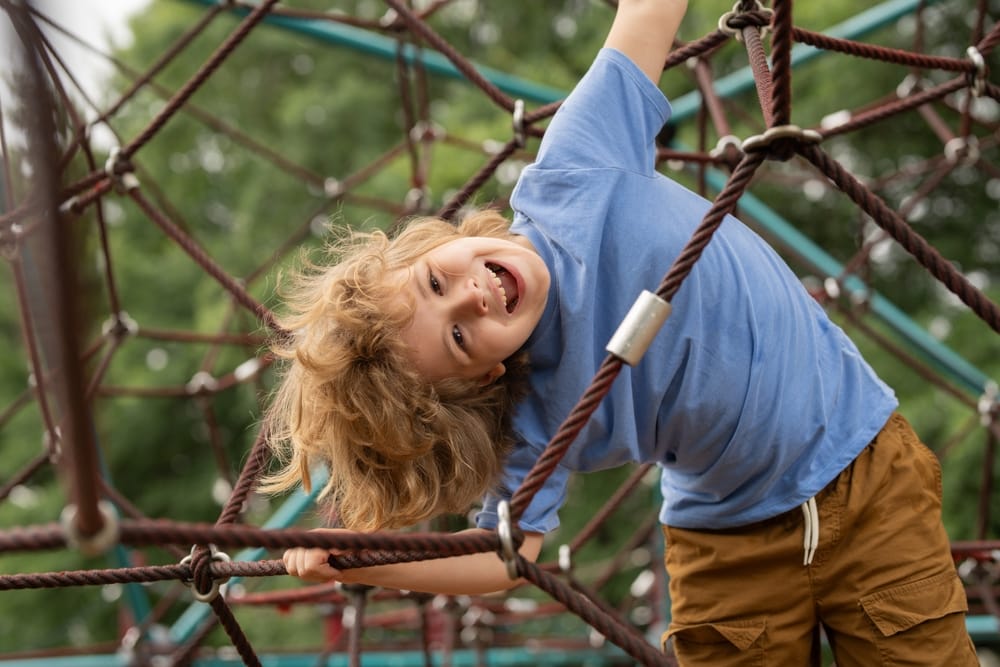
10 Playground Designs That Are Quietly Disappearing

November 22, 2025 | Leave a Comment

10 Playground Designs That Are Quietly Disappearing
Image source: shutterstock.com

Playgrounds have changed dramatically over the last few decades, and many parents are surprised to realize how many familiar setups are fading away. Some shifts come from updated safety research, while others reflect changes in manufacturing, maintenance costs, and evolving community expectations. Understanding which playground designs are disappearing helps parents appreciate why newer play spaces look so different today and what children may be missing out on. It also gives families ideas for what to look for in local parks, especially if they want their kids to enjoy a wide range of physical and imaginative experiences.

1. Classic Metal Slides Losing Their Shine

Classic metal slides were once the centerpiece of many playground designs, but they are becoming increasingly rare due to safety and temperature concerns. Many parks have replaced them with plastic alternatives that stay cooler and reduce the risk of burns. While metal slides were incredibly durable, they required more maintenance to prevent rust and sharp edges. Parents who remember the thrill of extra fast sliding won’t find that same experience as often anymore. Communities continue to phase out these traditional structures in favor of safer, modern materials.

2. Wooden Play Structures Showing Their Age

Wooden structures were a nostalgic favorite, offering a natural look that blended into parks and neighborhoods. Over time, however, these playground designs have declined because wood can splinter, warp, or rot. Even treated wood needs frequent inspections and expensive upkeep that many communities struggle to fund. As a result, plastic coated and metal hybrid structures have become the standard. Many families miss the charm of wooden forts, but safety requirements have made them less common.

3. Old School Merry Go Rounds Spinning Away

The classic metal merry go round allowed kids to test their strength, coordination, and bravery. Yet many of these playground designs have disappeared due to the high risk of falls and injuries. Modern versions exist, but they turn more slowly and have added safety brakes. Traditional spinning platforms required more supervision, which many parks couldn’t consistently provide. Today’s alternatives are designed to offer movement without overwhelming speed.

4. High Monkey Bars No Longer Reaching New Heights

Tall monkey bars were once a rite of passage for adventurous kids. These elevated playground designs are now disappearing as standards shift toward lower fall heights and softer landing zones. Many parks have replaced tall bars with shorter climbing structures that still promote strength while minimizing injury risk. Parents may notice that playgrounds today focus more on inclusive and low access climbing options. Safety has taken priority over height when it comes to modern play structures.

5. Seesaws Balancing on the Edge of Extinction

Traditional seesaws, with their sudden drops and potential for rough landings, are being phased out rapidly. Older playground designs featured seesaws with metal seats and simple pivot points that required skill and cooperation. Many parks now opt for spring based or platform style designs that reduce the risk of kids getting bumped or bounced hard. While safer, these versions offer a very different experience compared to the original. The classic up and down motion is fading from many play spaces.

6. Tire Swings Fading from the Picture

Tire swings brought a wild mix of spinning and swinging that kids loved. But as playground designs evolve, tire swings have become less common due to maintenance, pest concerns, and unpredictable movement patterns. They can hold water, attract insects, and require frequent sanitation. Many parks have replaced them with molded seat swings or inclusive bucket designs instead. While beloved by many parents, tire swings are disappearing from modern public playgrounds.

7. Long Metal Balance Beams Losing Ground

Balance beams used to be a standard feature that helped children develop coordination and stability. Today, many of these playground designs are being replaced with low, wide beams or stepping pods that have less fall risk. Older versions were narrow and often made of metal, which could become slippery in wet weather. Modern playgrounds aim to offer similar challenges with fewer safety hazards. Though different, alternative balancing features still help children build key motor skills.

8. Stand Up Spinners Slowing to a Stop

Stand-up spinners let children grip a vertical pole and rotate quickly by leaning their bodies. Yet these classic playground designs are disappearing as parks move toward controlled speed equipment. Traditional spinners allowed for high-speed rotations that often led to dizziness or falls. Newer models include built-in speed limits for safer play. Parents nostalgic for old school spinners may need to search harder to find one still standing.

9. Rope Climbs and Nets Shrinking in Size

Large rope nets and climbing webs once offered big physical challenges. Over time, many communities have reduced or removed these playground designs due to entanglement concerns and wear issues. Smaller nets and protective anchoring systems are becoming more common. Parks want to maintain climbing opportunities while meeting stricter guidelines. The result is gentler, more managed versions of what used to be large-scale rope challenges.

10. Metal Fire Poles Sliding Out of Sight

The fire pole was once a favorite feature that allowed kids to slide quickly from upper platforms to the ground. These fast-paced playground designs have faded due to fall risks and difficulty ensuring proper landing surfaces. Fire poles demand a strong grip, upper body strength, and coordination that not all kids possess. Many newer playgrounds have replaced them with enclosed slides or gradual ramps. While exciting, fire poles are becoming rare in public play areas.

Why Old Favorites Matter More Than We Realize

Seeing familiar playground designs disappear can feel like losing a piece of childhood. Many of these structures encouraged risk-taking, confidence-building, and physical skill development. While today’s safer playgrounds are invaluable, parents can still seek out parks that offer a mix of tradition and modern design. When families recognize what’s changing, they can advocate for balanced play spaces that blend safety with challenge.

What disappearing playground feature do you miss most? Share your thoughts in the comments.

What to Read Next…

  • 9 Unwritten Playground Rules That Cause Real Conflict
  • Playground Safety: How to Ensure Kids Stay Injury-Free
  • 11 Class Field Trips That Come With Unexpected Risks
  • Playground Dangers: 8 Pieces of Playground Equipment That Could Seriously Injure Your Child
  • 7 Family Outings That Sound Fun—Until Someone Ends Up in the ER
Catherine Reed
Catherine Reed

Catherine is a tech-savvy writer who has focused on the personal finance space for more than eight years. She has a Bachelor’s in Information Technology and enjoys showcasing how tech can simplify everyday personal finance tasks like budgeting, spending tracking, and planning for the future. Additionally, she’s explored the ins and outs of the world of side hustles and loves to share what she’s learned along the way. When she’s not working, you can find her relaxing at home in the Pacific Northwest with her two cats or enjoying a cup of coffee at her neighborhood cafe.

Filed Under: Safety Tagged With: childhood development, disappearing playgrounds, Outdoor Play, parenting tips, playground safety

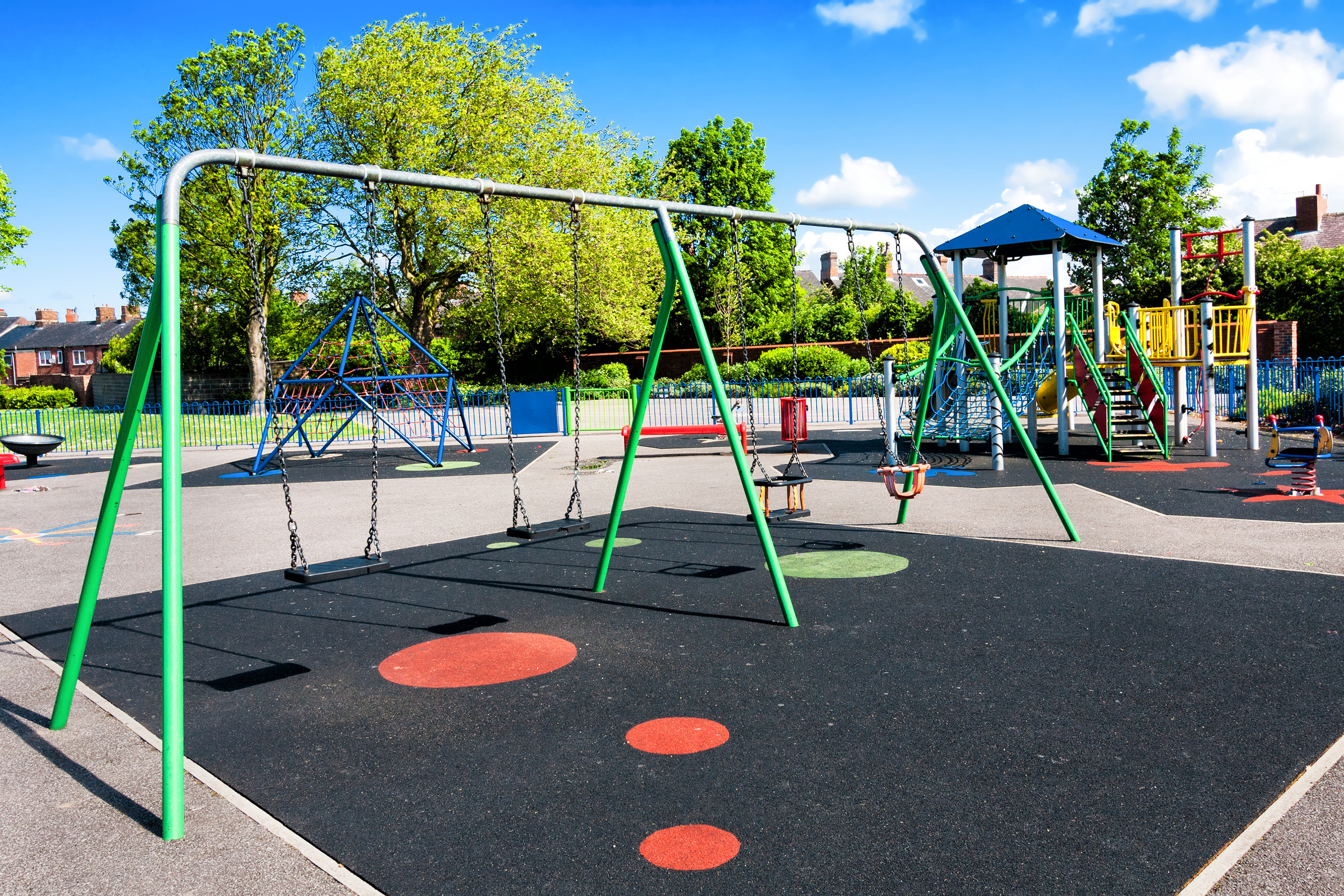
6 Seemingly Safe Places That Could Actually Be Dangerous for Kids

May 12, 2025 | 1 Comment

6 Seemingly Safe Places That Could Actually Be Dangerous for Kids

As parents, we work hard to keep our kids out of harm’s way. But sometimes, the places we assume are the safest can pose unexpected risks. Whether it’s a family-friendly environment or a location filled with helpful adults, hidden dangers for kids can lurk in spots that look completely harmless. And because those dangers don’t always jump out at us, we may not notice them until it’s too late. Staying informed and alert is the first step to making any space truly safe for your child.
Here are six everyday places that might look innocent—but deserve a second look from every parent or caregiver.

1. The Local Playground

Playgrounds are designed for fun, but even the most modern ones aren’t without risk. Worn-down equipment, rusted bolts, and poorly maintained surfaces can cause falls, scrapes, and more serious injuries. Then there’s the hidden hazard of scorching hot metal or plastic slides during warmer months, which can burn skin within seconds. Supervision is crucial, especially around climbing structures, swings, and monkey bars. And while they may seem kid-safe by default, it’s important to inspect each visit with fresh eyes.

2. Public Restrooms

Public restrooms might seem like quick and harmless stops, but they come with their own set of concerns. Loose or automatic door locks, heavy stall doors, and unsupervised entrances can create risky situations—especially for young children using the facilities alone. Some restrooms have multiple exit points, and children can easily slip out without a parent noticing in time. There’s also the matter of strangers and the lack of visibility when kids go in solo. Whenever possible, accompany your child or wait just outside to keep eyes and ears alert.

3. The Grocery Store

A place as ordinary as the grocery store can pose several hidden dangers for kids. Shopping carts tip over more easily than many realize, especially when kids climb in and out or lean too far over the edge. Items on low shelves can be pulled down, and automatic doors at entrances can lead to quick escapes if your child wanders ahead. Busy crowds make it easier to become separated in a moment of distraction. Holding hands, setting boundaries, and avoiding letting kids ride on carts unsupervised can go a long way.

4. Friends’ or Relatives’ Homes

We naturally feel comfortable when visiting people we know and trust—but their homes aren’t always childproofed. Medications, cleaning supplies, pet food, and sharp objects may be left in reach because the homeowners aren’t used to little visitors. Even well-behaved pets can act unpredictably around unfamiliar children, especially if startled or overwhelmed. It’s easy to relax in familiar spaces, but staying vigilant about hazards is just as important in someone else’s home as in your own. A quick scan of the area and a conversation with your host can help avoid unwanted surprises.

5. School Parking Lots

We think of school as one of the safest places for kids—but the parking lot or pickup area is another story. With parents rushing to drop off or pick up their children, visibility can be poor, and accidents can happen in the blink of an eye. Kids may dart out unexpectedly, or drivers may not see them as they back out or turn. Distractions like phones or conversations make the danger even greater. Teaching your child about parking lot safety and practicing caution as a driver are essential every school day.

6. Indoor Play Areas

Whether at a restaurant, mall, or daycare, indoor play areas might look perfectly padded and safe—but they aren’t always well-maintained. Broken equipment, slippery surfaces, and unsupervised older kids can lead to bumps, bruises, or worse. Germs also thrive in enclosed spaces with shared toys and limited ventilation, increasing the risk of illness. Supervision is often limited in these environments, and not all kids play with kindness or caution. Before letting your child loose, take a moment to scan the space and stay nearby if possible.

Awareness Over Alarm: Stay Safe Without Panic

The takeaway isn’t to bubble-wrap your kids or live in constant fear—it’s to stay aware of hidden dangers for kids in everyday spaces. Most of the time, a little extra attention and preparation can keep your child safe without ruining the fun. By asking the right questions, supervising when needed, and trusting your instincts, you can create a safer experience no matter where you are. The goal isn’t to limit exploration—it’s to support it with smart, informed choices.
Have you ever spotted a danger in a place you didn’t expect? Let’s start a conversation—share your experience in the comments below!

Read More:

Teaching Kids How to Recognize and Escape Dangerous Situations

The ‘Stranger Danger’ Myth: Teaching Kids About Real Safety Risks

Catherine Reed
Catherine Reed

Catherine is a tech-savvy writer who has focused on the personal finance space for more than eight years. She has a Bachelor’s in Information Technology and enjoys showcasing how tech can simplify everyday personal finance tasks like budgeting, spending tracking, and planning for the future. Additionally, she’s explored the ins and outs of the world of side hustles and loves to share what she’s learned along the way. When she’s not working, you can find her relaxing at home in the Pacific Northwest with her two cats or enjoying a cup of coffee at her neighborhood cafe.
Filed Under: Safety Tagged With: child safety, hidden dangers for kids, parenting tips, playground safety, public safety for children, risk prevention, safe places for kids, safety awareness

Playground Safety: How to Ensure Kids Stay Injury-Free

May 3, 2025 | Leave a Comment

Image by Dave Sherrill 

Playgrounds are where childhood memories are made—where kids learn to swing, climb, run, and explore. But while the laughter and energy are contagious, so is the risk of injury if proper safety measures aren’t in place. According to the CDC, more than 200,000 children visit emergency rooms each year due to playground-related injuries. Many of these could be prevented with just a few proactive steps.

As parents and caregivers, we can’t wrap our kids in bubble wrap, but we can help create a safe space that allows them to explore while minimizing risks. Here’s how to ensure your child stays safe and has fun at the playground.

Start With the Right Playground

Not all playgrounds are created equal. Before letting your child dive into play, take a quick scan of the area. Look for age-appropriate equipment, clear signage, and properly maintained structures. The best playgrounds are designed with safety zones that separate equipment for younger kids from structures intended for older children.

Also, check for hazards like broken swings, exposed bolts, rust, or splintering wood. Equipment should be securely anchored, and surfaces should be level and stable.

Surface Matters More Than You Think

One of the biggest factors in playground injuries isn’t the slide or swing set. It’s what’s underneath. Falls are the leading cause of playground injuries, and the type of surface beneath the equipment can be the difference between a bruise and a broken bone.

Ideal playground surfaces include:

  • Rubber mats or tiles
  • Engineered wood fiber
  • Sand
  • Pea gravel
  • Mulch (with proper depth)

Hard surfaces like concrete, asphalt, or packed dirt offer little protection and should be avoided. Depth matters, too. A minimum of 12 inches of impact-absorbing material is typically recommended for proper cushioning.

Dress Kids for Safety

While it might seem unrelated, what your child wears to the playground plays a role in safety. Avoid clothing with drawstrings, long scarves, or loose accessories that can get caught in equipment and pose strangulation hazards.

Closed-toe shoes with good grip are best. Sandals, flip-flops, or shoes with slick soles can make it easier to slip on climbing equipment or ladders. And always make sure shoelaces are tied tight to avoid tripping.

Teach the Rules of Safe Play

Children thrive on freedom but even play needs structure. Set basic ground rules before your child runs off to explore: no pushing, no shoving, and wait your turn on the slide or swings.

Help younger kids understand how to navigate around moving equipment like swings or merry-go-rounds, and explain why climbing up a slide the wrong way isn’t safe (even if it looks fun).

By reinforcing these rules regularly and consistently, kids start to internalize them, and it becomes second nature to play more safely.

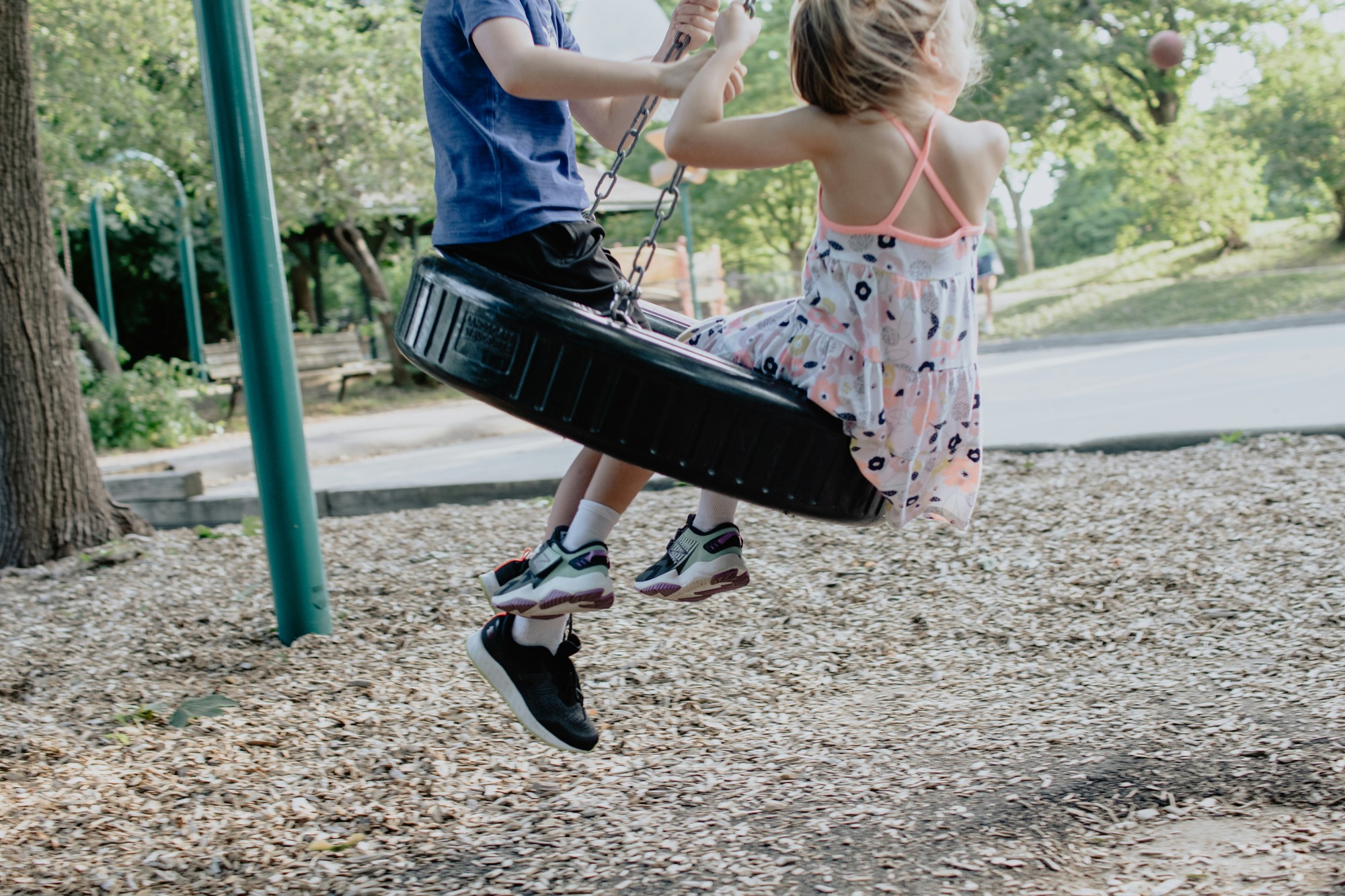
Image by Kelly Sikkema 

Active Supervision Is Key

Even the most well-designed playground isn’t a substitute for adult supervision. Injuries happen quickly, and your presence can make all the difference. Keep your phone in your pocket, maintain visual contact, and be ready to step in if a situation looks risky.

That doesn’t mean hovering or limiting fun. It just means being present and engaged enough to help prevent dangerous behavior before it starts.

Check Equipment Temperature

On sunny days, playground surfaces, especially metal or dark-colored slides, can reach dangerously high temperatures. Before letting your child use equipment, touch it yourself to see if it’s too hot. Burn injuries from overheated surfaces are more common than you might think.

When possible, visit playgrounds earlier in the morning or later in the evening during hot months. Always use sunscreen or protective clothing for UV protection.

Keep the Playground Clean

Playgrounds can attract more than just children. Sometimes, they’re home to litter, broken glass, or even sharp objects. Take a quick look around the area for trash or hazards before letting your kids loose. While it’s frustrating to see litter, a quick cleanup with a spare bag can go a long way in making the space safer for everyone.

You might also want to carry a small first-aid kit in your bag, just in case of minor scrapes or bruises.

Stay Updated on Recalls

From time to time, playground equipment or accessories (like swing seats or climbing ropes) are recalled due to safety concerns. Stay informed by checking websites like CPSC.gov or signing up for alerts. If your local park is publicly managed, you can also call the parks department if you notice something unsafe or suspect a recall has gone unaddressed.

Safe Play Makes Happy Memories

Playgrounds are a vital part of growing up. They help children build confidence, develop physical skills, and enjoy screen-free time outdoors. With a few smart precautions and a watchful eye, you can help ensure those adventures don’t end with a trip to the ER.

Because when kids feel safe, they play freely. And when parents feel prepared, they can enjoy the laughter too.

Read More:

Playground Dangers: 8 Pieces of Playground Equipment That Could Seriously Injure Your Child

7 Things You Should Never Buy for Your Kids – But Everyone Does

Filed Under: Parenting Tagged With: child safety tips, family health, injury prevention, kids and parks, outdoor play safety, parenting advice, playground injuries, playground safety, safe play equipment, toddler safety

  • Facebook
  • Pinterest
  • RSS
  • Twitter

Basic Principles Of Good Parenting

Here some basic principles for good parenting:

  1. What You Do Matters: Your kids are watching you. So, be purposeful about what you want to accomplish.
  2. You Can’t be Too Loving: Don’t replace love with material possessions, lowered expectations or leniency.
  3. Be Involved Your Kids Life: Arrange your priorities to focus on what your kid’s needs. Be there mentally and physically.
  4. Adapt Your Parenting: Children grow quickly, so keep pace with your child’s development.
  5. Establish and Set Rules: The rules you set for children will establish the rules they set for themselves later.  Avoid harsh discipline and be consistent.
  6. Explain Your Decisions: What is obvious to you may not be evident to your child. They don’t have the experience you do.
  7. Be Respectful To Your Child: How you treat your child is how they will treat others.  Be polite, respectful and make an effort to pay attention.
Best Parenting Blogs

Most Popular

Baby

9 Unusual Baby Names That Sound Like They Belong to Future CEOs

Evan Morgan
Baby

10 Baby Names That Were Once Considered “Grandparent Names” but Feel Cool Again

Evan Morgan
Target Store

Choking Incident Prompts Recall of 49,000 Target Gigglescape “Under the Sea” Popping Toys

Evan Morgan
Frustrated Girl

Why Some Students on the Spectrum Are Labeled With ODD

Evan Morgan
Coke Bottles

12 Things Kids Took to School in the ’70s That Would Never Be Allowed Today

Evan Morgan

All content on Kids Ain’t Cheap is for entertainment purposes only. By reading this blog, you agree that Kids Ain’t Cheap is not responsible for any actions taken after reading this blog. For the full disclaimer, see our privacy policy.

Please note that Kids Ain’t Cheap has financial relationships with some of the merchants mentioned here. Kids Ain’t Cheap is funded by banner advertising, commission sales and search optimization consulting.

Copyright © 2006–2026 | District Media | All Rights Reserved | Privacy Policy

Copyright © 2026 Runway Pro Theme by Viva la Violette