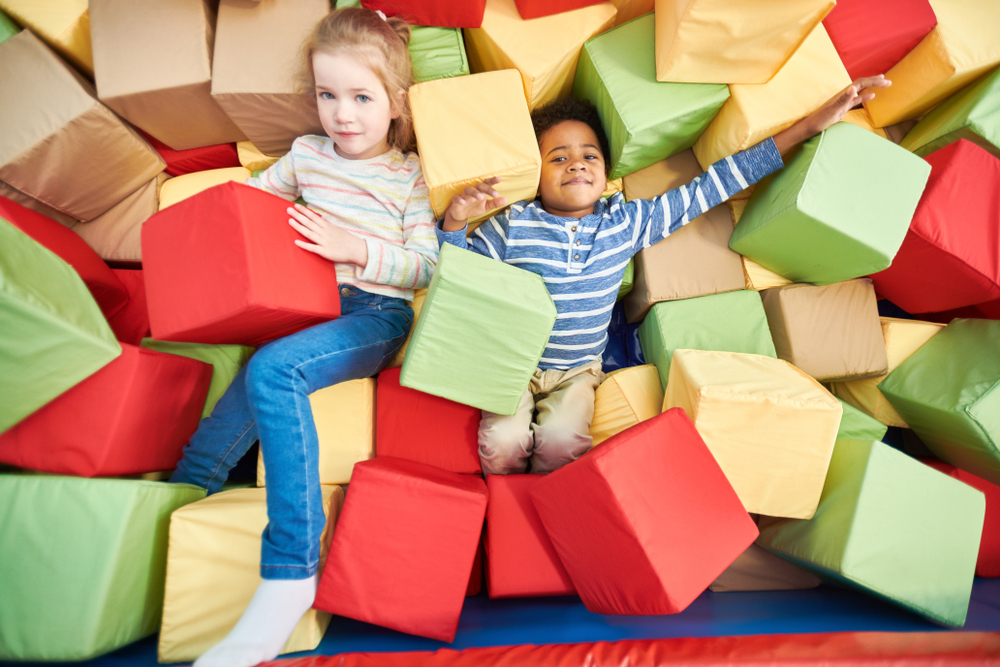
A lot of modern parenting advice sounds like it’s helping kids thrive, but sometimes it’s quietly sanding down the very experiences that build real confidence. When every bump gets prevented, every mess gets avoided, and every conflict gets managed by adults, kids lose chances to practice judgment. That doesn’t mean parents should chase danger or ignore safety—it means kids need manageable risk to learn what their bodies can do and what their choices cause. The issue isn’t caring too much; it’s overengineering childhood until it becomes a supervised performance. Let’s talk about the clean play trends that look wholesome on the surface but can shrink kids’ real-world skill-building.
1. Foam-Only Play That Never Gets Truly Messy
Soft sensory bins and foam stations can be fun, but they often replace the kind of play that teaches kids to tolerate discomfort. Mud, sand, water, and grass are where kids learn balance, grip, patience, and problem-solving. When clean play trends keep everything contained in a plastic tub, kids miss the surprise of “too slippery” or “too heavy” and the chance to adjust. Messy play also teaches cleanup responsibility, which is a life skill, not a punishment. A simple fix is setting clear boundaries—messy outside, towels ready, and kids involved in restoring the space.
2. “Safe” Playgrounds With No Challenge Points
Modern playgrounds sometimes remove anything that looks intimidating, even if it’s developmentally useful. Kids need to climb high enough to feel their heart race a little, then decide what to do next. When clean play trends push for only low, padded, predictable structures, kids lose practice with controlled fear and body awareness. Challenge points also teach kids to take turns, plan routes, and watch for others, which builds social coordination. Look for parks with a mix of options, and stay close without narrating every move.
3. Adults Who Constantly Spot, Steer, And Direct
It’s normal to want to help, but constant hovering can turn kids into passengers in their own play. When adults preempt every wobble, kids stop learning how to recover, adjust, and self-correct. Some clean play trends frame independence as “unsafe,” when it’s actually how kids build competence in small steps. Kids don’t need adults to disappear; they need adults to pause before stepping in. Try a simple rule: wait five seconds before helping, unless there’s a true emergency.
4. No-Conflict Play Rules That Prevent Natural Negotiation
A lot of families try to eliminate conflict by designing play that avoids disagreement entirely. But kids learn fairness by bumping into unfairness, then working it out with support. When clean play trends insist on constant sharing, zero arguing, and instant adult mediation, kids don’t practice persuasion, compromise, or standing up for themselves. Conflict doesn’t have to mean chaos, and it definitely doesn’t mean bullying gets a pass. The goal is coaching after the moment, not erasing the moment before it happens.
5. Over-Scheduled “Enrichment Play” That Leaves No Room For Boredom
Structured activities can be great, but nonstop scheduling crowds out the open-ended time where kids invent games. Boredom is the doorway to creativity, and creativity requires trial, error, and sometimes frustration. When clean play trends replace free play with constant classes and curated stations, kids lose chances to lead their own ideas. They also lose practice managing time, building stamina, and working through “I don’t know what to do.” Protect at least a few weekly blocks where nothing is planned and kids have to figure it out.
6. Sanitized Outdoor Time That Avoids Weather And Rough Terrain
Many families still do outdoor time, but it’s often limited to perfect weather and easy surfaces. Real risk experience includes wind, uneven ground, cold fingers, and figuring out how to stay comfortable. When clean play trends treat nature like a backdrop instead of a place to interact with, kids miss grit-building moments. They also miss learning how to prepare—shoes that fit, layers that work, and pacing themselves. A practical shift is embracing “almost any weather” with smart gear and a shorter start time if needed.
7. Kid Life That Never Includes Tools, Heat, Or Real Materials
Kids can learn to handle real materials safely long before they’re teens, but many households avoid them completely. Scissors, whisks, small hammers, glue guns with supervision, and simple kitchen tasks teach focus and respect for boundaries. When clean play trends keep kids in soft, toy-only environments, kids miss the satisfaction of real competence. They also miss learning what “careful” feels like in their hands and bodies. Start with one “real” task a week and build gradually, using clear rules and close supervision without constant micromanaging.
Raising Brave Kids In A Cushioned World
Kids don’t need dangerous childhoods, but they do need childhoods where manageable risk exists, and learning happens through doing. The clean play trends that remove mess, discomfort, conflict, and challenge can unintentionally remove confidence-building, too. Parents can keep kids safe while still letting them stretch, stumble, and try again in ways that fit their age and temperament. A few small shifts—more outdoor unpredictability, less adult steering, and more real-world materials—can rebuild the kind of resilience kids carry for life. The goal isn’t chaos; it’s capability.
Which of these trends do you see most often, and what’s one small way your family could bring back safer real-world risk this week?
What to Read Next…
10 Playground Designs That Are Quietly Disappearing
8 Unexpected Benefits of Boredom in Children
9 Ways to Encourage Independent Play (So You Can Finally Pee Alone)
The Parent Trap: Why We Feel Guilty About Children Being Bored
8 Reasons Your Kids Should Be Playing Video Games

Catherine is a tech-savvy writer who has focused on the personal finance space for more than eight years. She has a Bachelor’s in Information Technology and enjoys showcasing how tech can simplify everyday personal finance tasks like budgeting, spending tracking, and planning for the future. Additionally, she’s explored the ins and outs of the world of side hustles and loves to share what she’s learned along the way. When she’s not working, you can find her relaxing at home in the Pacific Northwest with her two cats or enjoying a cup of coffee at her neighborhood cafe.
