• Home
  • About Us
  • Toolkit
  • Archives
  • Advertise
  • Privacy Policy

Kids Ain't Cheap

But They Sure Are Worth It

  • Parenting
    • Baby Stuff
    • Books and Reading
      • Aesops Fables
      • Comic Books
    • Education
    • Family Time
    • Green Living
    • Growing Up
    • Healthy Living & Eating
    • Holidays
    • Parenting
    • Random Musings
    • Shopping
    • Stuff to Do
  • Money
  • Product Reviews
    • Books and Magazines
    • Discount Sites
    • Furniture
    • House Keeping
    • Reviews News
    • Toys and Games
  • Contact Us
  • Our Editorial Commitment
  • Search

Pet Parents vs. Kid Parents: Is There Really a Difference?

April 27, 2025 | Leave a Comment

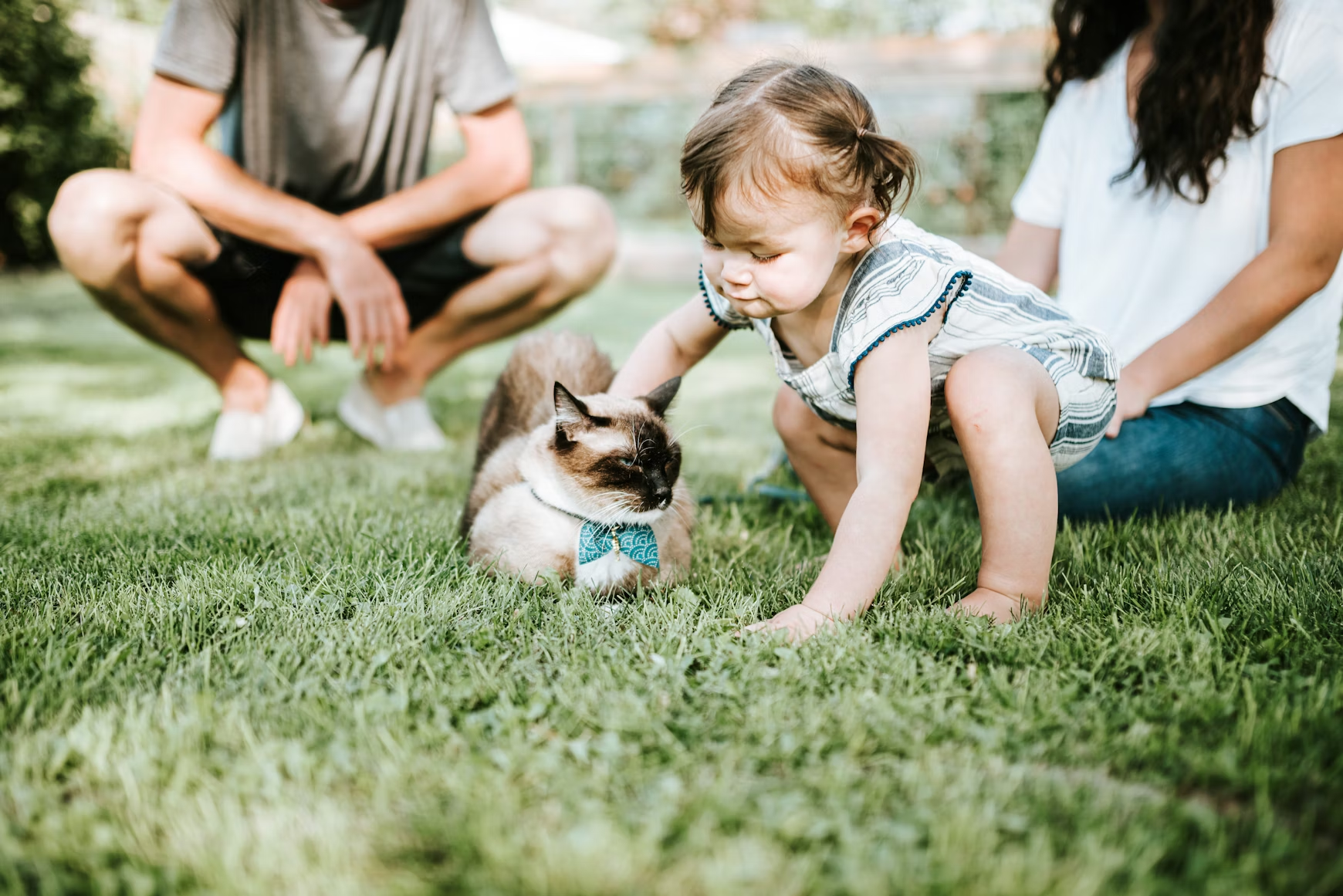
Toddler gently petting a cat on the grass with adults nearby.
Image Source: Unsplash

If you’ve ever called yourself a “dog mom” or joked that your cat is your “fur baby,” you’re not alone. These terms have become more common as pet ownership increasingly mirrors family life, especially for those who haven’t yet had children or choose to keep their pets as the heart of the home.

But for those who juggle parenting children alongside pets, comparisons can feel misplaced. What’s the truth? Are the experiences of pet parents and kid parents truly the same, or are we talking apples and oranges? The answer is a little bit of both. Let’s dive into the emotional bonds, practical goals, and real impacts of both roles.

The Emotional Bonds Are More Alike Than You’d Think

Many pet parents form relationships with their animals that echo the deep bonds humans have with their children. According to science, these connections influence decisions, habits, and even finances. Much like parents who plan their day around school pickups or soccer games, pet parents often rearrange their schedules for vet visits or regular walks.

This emotional investment isn’t superficial—it’s biologically rooted. Research has shown that the attachment felt for pets activates the same brain areas associated with nurturing and emotional bonding as it does with human relationships.

These bonds are no less significant because they involve pets instead of children. Whether caring for a furry friend or raising a child, the emotional commitment you make impacts your daily life, sense of responsibility, and even your happiness. These parent-child-like relationships go far beyond “just a pet.”

Practical Goals of Raising a Child vs. A Pet Differ

Though the emotional bonds may feel the same, the practical goals of pet parenting and child-rearing differ significantly. Humans grow into independent adults with their own goals, challenges, and future generations to guide. Pets, on the other hand, remain dependent, regardless of age.

Children are raised to eventually make their own decisions and live independently, while pets will always rely on their owners for food, shelter, and emotional care. Whether you proudly wear the “dog mom” title or see parenting as an entirely different journey, it’s vital to acknowledge the unique roles these relationships play in our lives. It’s crucial to recognize that while the emotional components can overlap, their long-term implications are not the same.

Pets Teach Kids More Than You Might Expect

Here’s where both roles intersect beautifully—kids can learn valuable life skills from growing up with pets. Studies show that children who grow up with animals demonstrate higher levels of compassion, empathy, and responsibility. They learn the importance of nurturing another living being, and this shapes their emotional and social intelligence.

However, younger children still need guidance and supervision when interacting with pets. While a child under 10 may not fully be able to take responsibility for a pet, adult supervision ensures both the child’s and the pet’s well-being. Through this partnership, children also learn what it means to care for someone else—skills that will benefit them throughout their lives.

Pet Care Evolves With Your Child’s Age

As children grow, so too does their ability to manage responsibilities around pets. Early on, a child’s contribution might be simple tasks, like feeding the pet or filling the water bowl. But as they get older, kids can take on more complex pet care duties, such as walking the dog or grooming. Research shows that children’s capacity to take responsibility for pets increases with age, especially as they transition from elementary to middle school.

In many families, by the time children reach their teens, they’re often responsible for pet care, including walking the dog, cleaning the cat litter box, and ensuring the pet’s needs are met. During this period, they develop problem-solving skills, responsibility, and empathy. It’s a way to help them build their emotional muscle and establish a routine of care and respect.

Attachments to Pets Boost Children’s Emotional Health

The attachment between children and their pets often becomes one of their most significant early emotional bonds. Much like a trusted family member, pets provide comfort and companionship, offering a sense of security.

Studies have found that children who form strong attachments to pets tend to experience lower levels of anxiety and depression, increased self-esteem, and a higher quality of life. Pets offer a constant presence that isn’t swayed by peer pressure, school drama, or social dynamics—something that can be especially grounding for children during stressful times.

As kids navigate difficult transitions, such as moving or family changes, the emotional stability a pet provides can help anchor them. These relationships offer a safe space for children to express and process emotions, building emotional resilience for the future.

Why the Comparison Matters—And When It Doesn’t

So, are pet parenting and raising a child the same thing? Not exactly. The demands, outcomes, and societal expectations are different. However, both roles involve love, sacrifice, and a commitment to nurturing a life that relies on us.

While pet parents may not face the same long-term responsibilities as child parents, the emotional labor involved is undeniably real. The bond you build with your pet—whether through care, patience, or companionship—is equally worthy of recognition.

Ultimately, both types of parents offer the same thing: a loving, steady environment in which growth, healing, and learning take place. And that’s a beautiful thing—whether it’s on four legs or two.

Are you both a pet parent and a kid parent? We’d love to hear how the two roles compare in your household—share your thoughts in the comments below!

Read More:

  • Focus On Wellness: Keeping Your Family And Pets As Healthy As Possible
  • These Are The 8 Best Pets For Small Children
Samantha Warren
Samantha

Samantha Warren is a holistic marketing strategist with 8+ years of experience partnering with startups, Fortune 500 companies, and everything in between. With an entrepreneurial mindset, she excels at shaping brand narratives through data-driven, creative content. When she’s not working, Samantha loves to travel and draws inspiration from her trips to Thailand, Spain, Costa Rica, and beyond.
Filed Under: Parenting Tagged With: children and mental health, Parenting, pet parents, pets and kids, pets for children

The Safest Ways to Introduce Pets to Young Children

April 1, 2025 | Leave a Comment

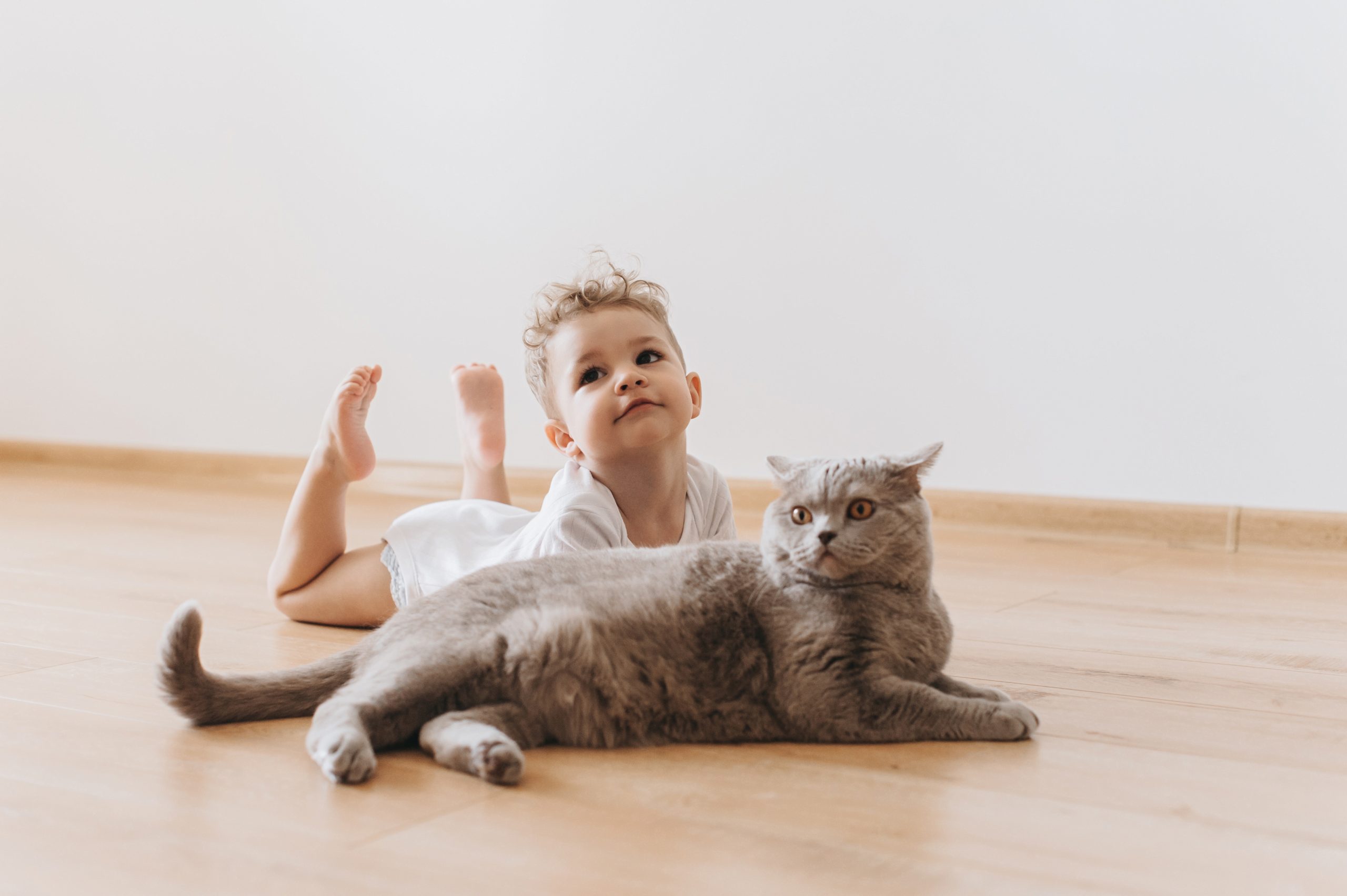
adorable toddler boy and grey british shorthair cat lying on floor together at home
Image Source: 123rf.com

Bringing a new pet into the family is exciting—but also a little nerve-wracking when you have small children. Both your child and the animal need time, space, and structure to build a healthy relationship. Rushing the process can lead to misunderstandings, injuries, or stress on both sides. That’s why pet introductions should be handled with care. Here’s how to do it safely and smoothly.

1. Set the Scene Beforehand

Before the pet even walks in, talk to your child about what to expect. Let them know the animal might feel nervous or shy, and that’s perfectly normal. Go over gentle behavior—no grabbing, yelling, or chasing. Prepare a quiet space for the pet to retreat if overwhelmed. Creating a calm environment from the start sets the tone.

2. Supervise Every Interaction

Never leave a young child and a pet alone during the first days—or even weeks. Stay close to observe body language and step in if either seems uncomfortable. This lets you gently correct behavior, like pulling fur or rough petting. In some cases, incorrect handling can stress your pet. For example, grabbing a Bearded Dragon by the tail can be interpreted as predatory behavior by the animal. Similarly, hugging an elderly dog too tightly may stress the dog.

In any event, supervision also builds your child’s confidence as they learn how to interact appropriately with the pet.

3. Teach Boundaries Early

Children should learn that pets have feelings, too. Help them recognize when a dog or cat wants space—ears back, tail down, moving away. Use age-appropriate language like “That means she needs a break.” Encourage calm, slow approaches and praise gentle touch. Kids who understand boundaries early form stronger, safer bonds with animals.

4. Reward Positive Behavior

Positive behavior support symbol. Concept words Positive behavior on wooden blocks on a beautiful yellow background. Business, psychological and Positive behavior support concept. Copy space.
Image Source: 123rf.com

Reinforce every safe, gentle interaction your child has with the pet. Compliment them for being calm, listening to instructions, or noticing when the animal walked away. This builds confidence and teaches them that kindness earns trust. You can also include the pet in praise—“See how happy she is when you’re gentle?” Celebrate their progress together. Small wins lead to lifelong pet friendships.

5. Take It Slow

There’s no need to rush friendship. Let the child and pet set the pace, even if it takes days or weeks. Some pets need more time to adjust, especially rescues or shy animals. Pushing them together too soon can create fear or resentment. Respecting the timeline shows both the child and the pet that their comfort matters.

Building Trust Together

When done safely, introducing pets to young children can be a magical experience. It teaches empathy, responsibility, and patience. With careful steps, you can foster a bond that lasts a lifetime. Just remember—supervision and gentle guidance are key to everyone feeling safe.

Do you remember your child’s first meeting with a pet? Share your story in the comments!

Read More:

These Are The 8 Best Pets For Small Children

Can School Be Bad For Your Child?

Latrice Perez

Latrice is a dedicated professional with a rich background in social work, complemented by an Associate Degree in the field. Her journey has been uniquely shaped by the rewarding experience of being a stay-at-home mom to her two children, aged 13 and 5. This role has not only been a testament to her commitment to family but has also provided her with invaluable life lessons and insights.  As a mother, Latrice has embraced the opportunity to educate her children on essential life skills, with a special focus on financial literacy.

Filed Under: Pets Tagged With: child safety, first pet tips, introducing pets, kids and animals, parenting tips, pet safety, pets and kids

  • Facebook
  • Pinterest
  • RSS
  • Twitter

Basic Principles Of Good Parenting

Here some basic principles for good parenting:

  1. What You Do Matters: Your kids are watching you. So, be purposeful about what you want to accomplish.
  2. You Can’t be Too Loving: Don’t replace love with material possessions, lowered expectations or leniency.
  3. Be Involved Your Kids Life: Arrange your priorities to focus on what your kid’s needs. Be there mentally and physically.
  4. Adapt Your Parenting: Children grow quickly, so keep pace with your child’s development.
  5. Establish and Set Rules: The rules you set for children will establish the rules they set for themselves later.  Avoid harsh discipline and be consistent.
  6. Explain Your Decisions: What is obvious to you may not be evident to your child. They don’t have the experience you do.
  7. Be Respectful To Your Child: How you treat your child is how they will treat others.  Be polite, respectful and make an effort to pay attention.
Best Parenting Blogs

Most Popular

Baby Girl

12 “Grandma” Baby Names That Are Suddenly Cool Again

Evan Morgan
Baby

9 Baby Names That Sound Rare Without Being Hard to Spell

Evan Morgan
Target Store

Choking Incident Prompts Recall of 49,000 Target Gigglescape “Under the Sea” Popping Toys

Evan Morgan
Frustrated Girl

Why Some Students on the Spectrum Are Labeled With ODD

Evan Morgan
Coke Bottles

12 Things Kids Took to School in the ’70s That Would Never Be Allowed Today

Evan Morgan

All content on Kids Ain’t Cheap is for entertainment purposes only. By reading this blog, you agree that Kids Ain’t Cheap is not responsible for any actions taken after reading this blog. For the full disclaimer, see our privacy policy.

Please note that Kids Ain’t Cheap has financial relationships with some of the merchants mentioned here. Kids Ain’t Cheap is funded by banner advertising, commission sales and search optimization consulting.

Copyright © 2006–2026 | District Media | All Rights Reserved | Privacy Policy

Copyright © 2026 Runway Pro Theme by Viva la Violette