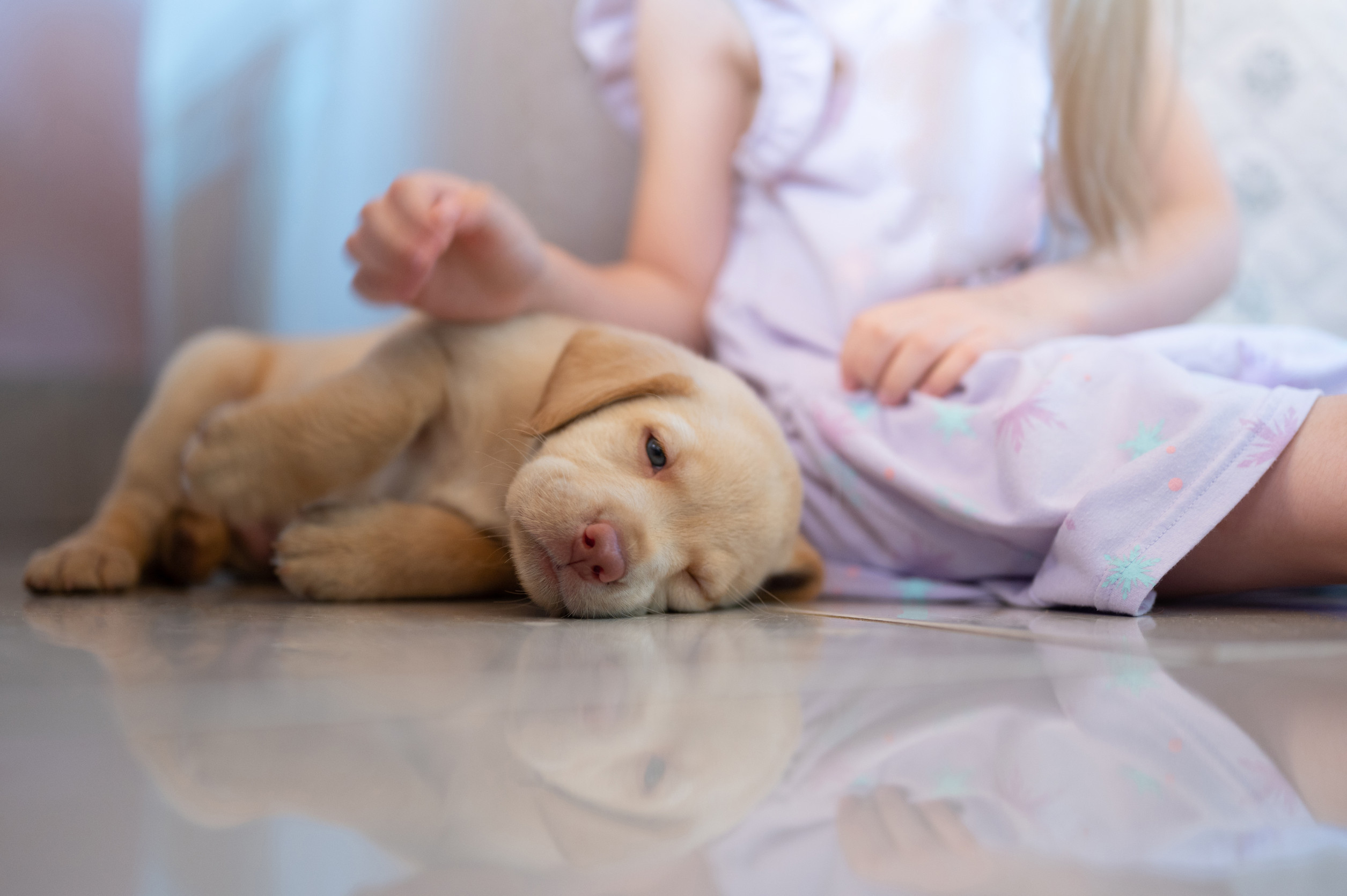
Finding the right support system for a child with autism can make all the difference—and sometimes, that support has four legs, a wagging tail, and an unconditional heart. Certain dog breeds naturally provide the calm, loyalty, and patience that many autistic children need in a companion. These dogs don’t just offer comfort and play—they can help with emotional regulation, sensory processing, and building social skills. But not every breed is ideal for every child. The dogs that are great companions for autistic children tend to share key traits: gentleness, consistency, intelligence, and a deep bond with their humans.
1. Golden Retriever
Golden Retrievers top the list of dogs that are great companions for autistic children because of their friendly nature and easy-going temperament. They’re highly trainable and respond well to routine, which can be incredibly important for kids who thrive on structure. Golden Retrievers are gentle with children, patient during meltdowns, and eager to offer affection when it’s needed most. They are also intuitive, often sensing when a child is overwhelmed and responding with calmness. These dogs make wonderful emotional anchors during unpredictable days.
2. Labrador Retriever
Labrador Retrievers are known for their loyalty, energy, and love for people—all of which make them excellent companions for autistic children. Labs are playful but gentle, which can help with physical activity and sensory integration in a safe and positive way. Their patience and ability to form strong bonds can support communication development and reduce anxiety. Because they are eager to please, they can be trained to assist with tasks or provide sensory comfort. For families seeking a dog that is both active and adaptable, Labradors are a dependable choice.
3. Poodle
Poodles are intelligent, hypoallergenic, and come in a variety of sizes, which makes them one of the most versatile dogs that are great companions for autistic children. They’re quick learners, which allows for specific training to meet the unique needs of a child on the autism spectrum. Poodles are also low-shedding, which helps reduce allergens and mess—an added bonus for sensory-sensitive kids. Their calm but alert demeanor helps them read situations and offer comfort when needed. Whether toy, miniature, or standard size, poodles can be great emotional and physical support dogs.
4. Bernese Mountain Dog
These gentle giants may be large, but their loving nature makes them ideal for kids who benefit from physical closeness and a calm presence. Bernese Mountain Dogs are incredibly patient, even with high-energy or unpredictable behaviors, and often serve as a grounding presence for autistic children. Their calm energy makes them reliable during transitions or overstimulating environments. With proper training, they can provide sensory pressure or companionship during quiet moments. Their size also provides a sense of security and reassurance to children who find comfort in physical proximity.
5. Boxer
Boxers are loyal, protective, and incredibly loving, making them great dogs for families with autistic children who need a confident but kind companion. Boxers are known to be especially bonded with children, often developing a strong sense of duty and affection toward them. They are playful enough to encourage activity and social engagement but also know when to settle down and relax. Their expressive faces and responsive nature can help children with nonverbal communication or emotional awareness. With proper exercise and training, boxers become joyful additions to the home.
6. Beagle
Beagles may be small, but their hearts are huge. These curious, affectionate dogs are ideal for kids who benefit from a gentle but alert companion. Beagles are naturally friendly and can adapt to various environments, whether a quiet home or a more bustling one. Their size makes them easy to manage, and their playful attitude can be great for encouraging engagement and sensory play. Though sometimes stubborn, beagles are loving and loyal when given structure and affection.
7. Collie
Immortalized by the character of Lassie, collies are deeply intuitive and nurturing dogs that make wonderful companions for children with autism. They’re easy to train, loyal to their family, and naturally inclined to protect and comfort. Collies are calm and even-tempered, often knowing just how to respond when a child is upset or overstimulated. Their herding instincts can also be helpful when families are out and about, as collies tend to stay close and attentive. For kids who respond well to emotional intelligence and physical softness, the collie is a beautiful match.
Finding the Right Fit for Your Family
Every child with autism is different, and so is every dog. While there are many dogs that are great companions for autistic children, the key is finding the breed and personality that align with your child’s unique needs. Think about your family’s routine, your child’s sensory sensitivities, and the time you can dedicate to training and bonding. With the right match, a dog can become more than a pet—they can be a source of calm, confidence, and unconditional friendship.
Do you have a dog that’s been an amazing support for your autistic child? Share your story in the comments—we’d love to hear about your family’s perfect match!
Read More:
6 Dog Breeds That Will Fiercely Protect Your Children
7 Behaviors That Make Dogs Bite Children

Catherine is a tech-savvy writer who has focused on the personal finance space for more than eight years. She has a Bachelor’s in Information Technology and enjoys showcasing how tech can simplify everyday personal finance tasks like budgeting, spending tracking, and planning for the future. Additionally, she’s explored the ins and outs of the world of side hustles and loves to share what she’s learned along the way. When she’s not working, you can find her relaxing at home in the Pacific Northwest with her two cats or enjoying a cup of coffee at her neighborhood cafe.
