• Home
  • About Us
  • Toolkit
  • Archives
  • Advertise
  • Privacy Policy

Kids Ain't Cheap

But They Sure Are Worth It

  • Parenting
    • Baby Stuff
    • Books and Reading
      • Aesops Fables
      • Comic Books
    • Education
    • Family Time
    • Green Living
    • Growing Up
    • Healthy Living & Eating
    • Holidays
    • Parenting
    • Random Musings
    • Shopping
    • Stuff to Do
  • Money
  • Product Reviews
    • Books and Magazines
    • Discount Sites
    • Furniture
    • House Keeping
    • Reviews News
    • Toys and Games
  • Contact Us
  • Our Editorial Commitment
  • Search

Check Your Doorways: 150,000 Retractable Baby Gates Recalled for ‘Torso Entrapment’

April 5, 2026 | Leave a Comment

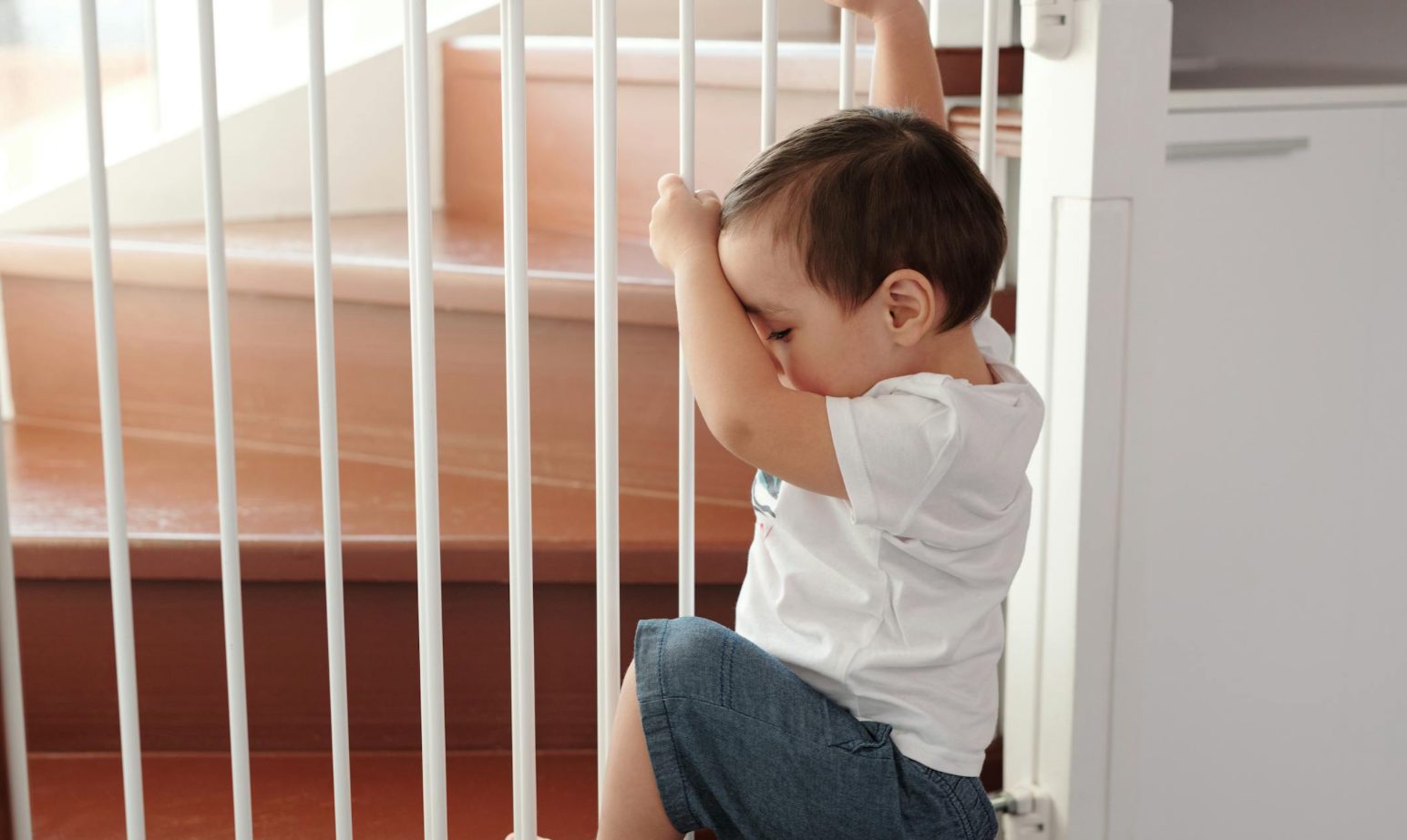
Baby Gate
Image Source: Pexels

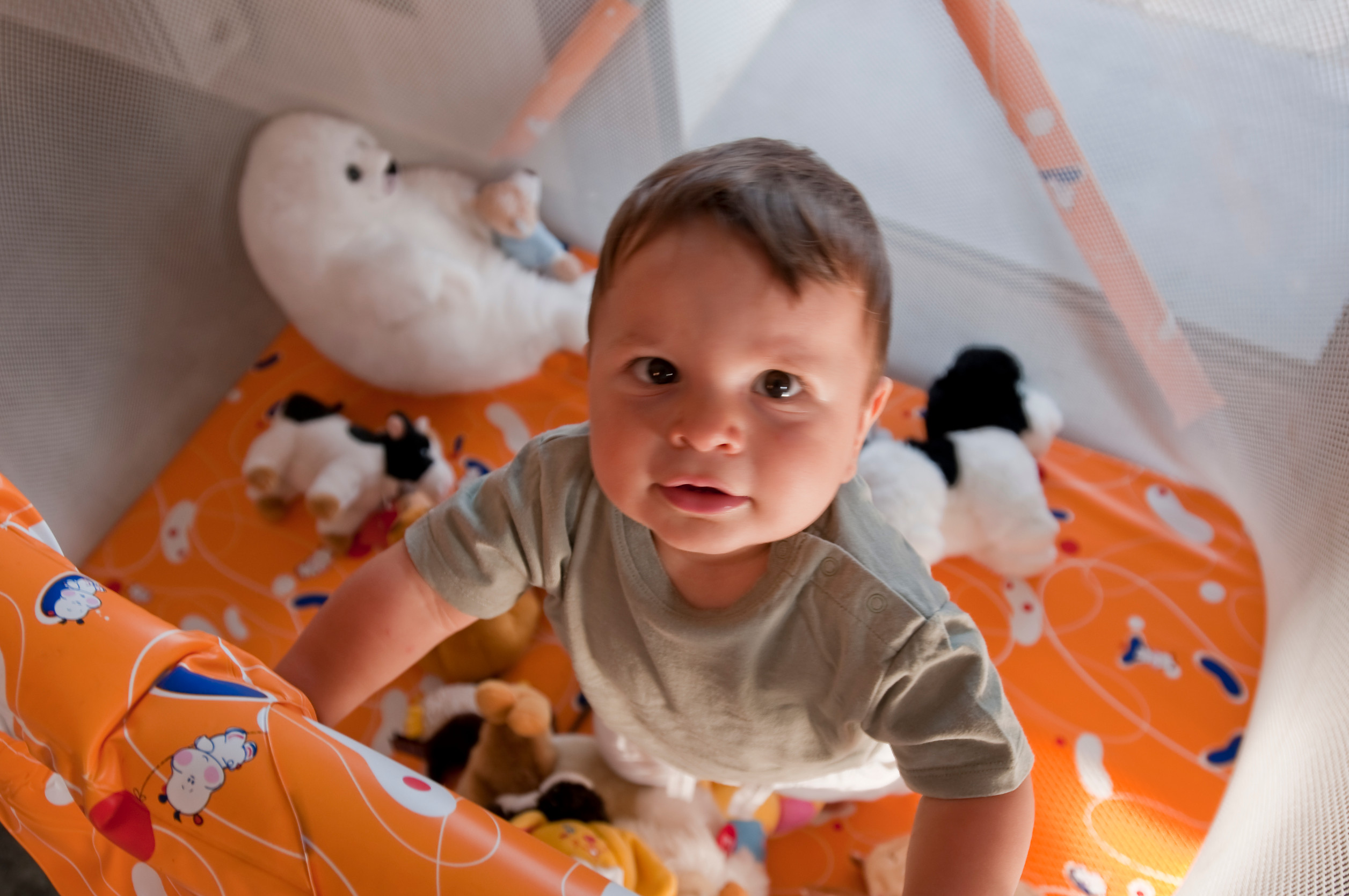
Parents rely on baby gates to create safe boundaries, but a recent recall is raising serious concerns. Around 150,000 retractable baby gates have been pulled from the market due to a dangerous “torso entrapment” risk. This issue can allow a child’s body to slip through while their head remains trapped, creating a potentially life-threatening situation. If you have a retractable gate installed in your home, now is the time to take a closer look. Let’s break down what this recall means and what you should do next.

What Is the Recall About?

The recall centers on retractable baby gates that fail to meet federal safety standards for openings and spacing. In some cases, the mesh material stretches or gaps widen, allowing a child’s torso to pass through while their head cannot. This creates a serious entrapment hazard that can lead to injury or suffocation. Reports indicate that the issue may not be immediately noticeable, making it especially dangerous for unsuspecting parents. Understanding the exact nature of the defect is the first step in protecting your child.

Why “Torso Entrapment” Is So Dangerous

Torso entrapment is particularly alarming because it combines restriction with limited mobility. When a child becomes stuck in this way, they may panic and struggle, increasing the risk of injury. In worst-case scenarios, restricted breathing can occur if pressure is placed on the chest or neck. Unlike simple falls, this hazard can go unnoticed for critical moments if a caregiver is not nearby. That’s why safety experts emphasize immediate action when a recall like this is announced.

How to Identify If Your Gate Is Affected

Start by checking the brand, model number, and purchase date of your baby gate. Most recalled products are listed on retailer websites or included in recall announcements from manufacturers. Look for signs such as overly flexible mesh, loose mounting hardware, or gaps that widen under pressure. If your gate retracts but doesn’t lock firmly into place, that could also be a red flag. When in doubt, it’s better to stop using the gate until you confirm whether it’s safe.

What You Should Do Right Now

If you suspect your gate is part of the recall, remove it immediately to eliminate the risk. Contact the manufacturer or retailer to request a refund, replacement, or repair kit if available. In the meantime, consider using a pressure-mounted or hardware-mounted gate that meets current safety standards. Always supervise your child closely, especially in areas like staircases where the risk is higher. Taking quick action can make all the difference in preventing a serious accident.

Choosing a Safer Alternative

Not all baby gates are created equal, so it’s important to choose one designed with safety in mind. Look for models that meet ASTM and JPMA certification standards, as these indicate rigorous testing. Hardware-mounted gates are often more secure for stairways, while pressure-mounted options work well for doorways. Pay attention to locking mechanisms and ensure they are difficult for children to manipulate. Investing in a reliable gate now can provide long-term peace of mind.

Preventing Future Safety Risks at Home

Beyond replacing a recalled gate, take time to evaluate your entire home safety setup. Check for loose screws, worn materials, or outdated equipment that may pose risks. Regularly test gates and other childproofing tools to ensure they function properly under pressure. Educate caregivers and family members about proper installation and use. A proactive approach helps reduce the likelihood of accidents and keeps your home a safer environment for your child.

Stay Alert and Act Fast

This recall is a reminder that even trusted safety products can sometimes fall short. Staying informed and regularly checking your childproofing equipment is essential for preventing harm. If you own a retractable baby gate, take a few minutes today to inspect it and confirm its safety. Small steps like these can have a big impact on your child’s well-being.

What about you—have you checked your baby gate recently, and do you feel confident it’s truly safe? Share your thoughts in the comments and help other parents stay informed.

What to Read Next

7 Hidden Chemicals in Natural Baby Wipes That Pediatricians Are Now Flagging

Why Parents Are Ditching the Traditional Baby Shower for Diaper Parties

Teachers Admit: These 6 Baby Names Create Instant Bias in the Classroom

Evan Morgan

Evan Morgan has been a full-time freelance writer and editor for 10+ years. When not working, he enjoys catching the latest true crime documentary or getting lost in a good book.

Filed Under: Parenting Tagged With: baby gate recall, baby safety, childproofing, home safety, parenting tips, toddler safety

Recall Alert: Thousands Of Minoxidil Serums Pulled for Child Poisoning Risk (Check Your Bathroom)

January 26, 2026 | Leave a Comment

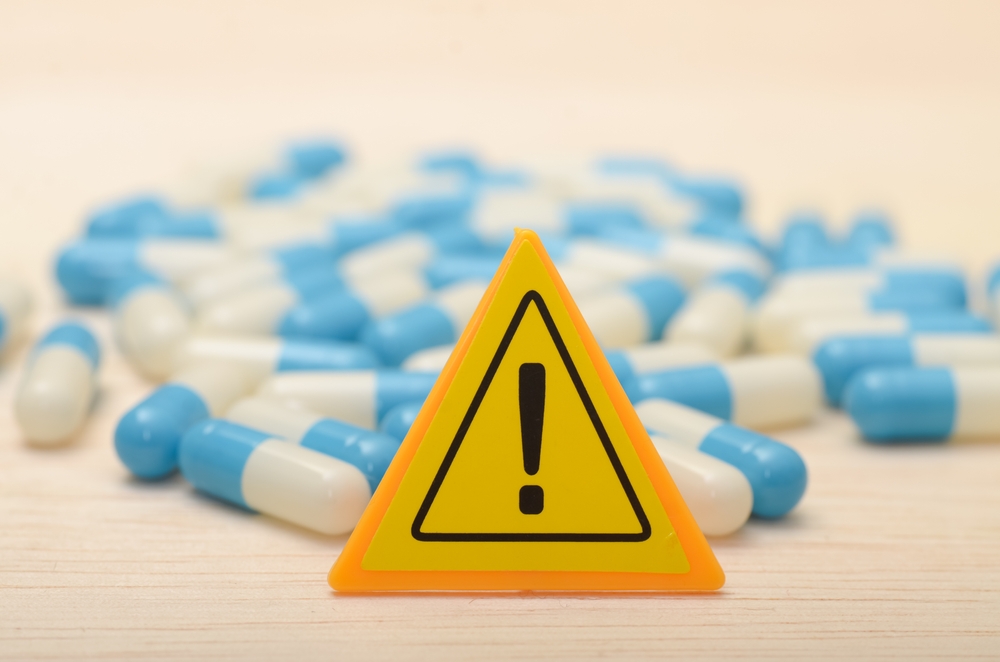
Recall Alert: Thousands Of Minoxidil Serums Pulled for Child Poisoning Risk (Check Your Bathroom)
Image Source: Shutterstock.com

Parents in Fayetteville, GA recently woke up to an unprecedented shift hiding in plain sight. Volusia County families felt it too, quietly, realizing that a grooming staple had transformed into a pediatric risk for the 2025–2026 season.

The hidden reality: a recall alert pulled more than 42,000 minoxidil serums over a child poisoning risk, and the rollout stayed quiet enough to miss the evening news. This danger sits at arm’s length, tucked behind sink cabinets and vanity drawers, where toddlers roam. And if parents don’t comply, they could endanger their child – and their pocketbooks.

The Law Now Treats This as a Safety Failure

The Consumer Product Safety Commission forced the issue into daylight, shocking families across the country. Recall notices cite ingestion risks for children, stating that they can lead to serious harm or even death. This is not just panic; this is a real threat.

To make matters even worse, a new law could escalate the situation for families in the region. In Georgia, O.C.G.A. § 19-7-5 compels mandated reporters to act when caregivers overlook known hazards. Meanwhile, Florida Statute 39 triggers similar obligations, defining environmental poisoning risks as reportable neglect when adults ignore warnings. Parents are sounding the alarm because the law now expects it. A simple misstep could lead to fines and even criminal charges.

Virginia’s enforcement posture tightened this year, aligning consumer safety recalls with child welfare thresholds. Retailers now flag minoxidil serums alongside other common household toxins. The message reads clinical and unforgiving: secure, discard, or face scrutiny. This shift landed without press conferences, without school flyers, without the courtesy of time.

What Changed in 2026

Regulators tied the recall to packaging failures and concentrated formulations that attract children. The commission said that companies failed to sell the product in child-resistant packaging, which lays the groundwork for access and then harm.

While 2026 school policy debates dominate headlines, bathrooms quietly became the frontline. Virginia parenting forums now trade screenshots of recall SKUs, because official channels lag. Parents have been encouraged to simply pour the serums down the sink, assured that they will receive a replacement due to a receall.

Recall Alert: 40,000 Minoxidil Serums Pulled for Child Poisoning Risk (Check Your Bathroom)
Image Source: Shutterstock.com

The Bill Lands on Parents

Kids aren’t cheap, and hidden costs of kids multiply when safety issue such as this one slip through the cracks. Ignore this, and you lose money, privacy, and leverage. ER visits torch deductibles. Missed work dents credit scores. Replace products, install locks, document compliance—each step extracts cash and time. High-stakes parenting now includes auditing your bathroom like a compliance officer. This recall also exposes a tax on trust: parents pay to fix a system that failed to warn them.

Delay costs more than action. One incident rewrites your family’s paper trail. One ignored alert reshapes how institutions judge your household.

Do parents accept tighter safety controls that intrude on home autonomy, or do they defend liberty and absorb the financial risk when systems fail? Let’s hear about it in the comments section below.

You May Also Like…

How to Budget for Home Repairs as a Single Mother

Ways to Make a Simple Hot Chocolate Bar at Home That Would Cost a Fortune Elsewhere

Is It Better For Single Parents to Rent or Buy A Home?

Before The First Step: 8 Hidden Dangers In Your Bathroom Threatening Toddlers

10 Things You Should NEVER Do In Your Bathroom

Brandon Marcus
Brandon Marcus
Brandon Marcus is a writer who has been sharing the written word since a very young age. His interests include sports, history, pop culture, and so much more. When he isn’t writing, he spends his time jogging, drinking coffee, or attempting to read a long book he may never complete.

Filed Under: Household Tagged With: bathroom, bathrooms, Home, home maintenance, home safety, homeowners, homeownership, household items, household responsibilities, rules and regulations

7 Common Chores That May Be Too Dangerous for Young Children

October 27, 2025 | Leave a Comment

7 Common Chores That May Be Too Dangerous for Young Children
Image source: shutterstock.com

Assigning chores is a great way to teach kids responsibility, teamwork, and independence. However, not every household task is suitable for small hands or developing coordination. Some chores that may be too dangerous for young children carry hidden risks that parents often overlook—sharp tools, heavy objects, chemicals, or even falls from simple height differences. Knowing which chores to avoid can help families maintain a safe environment while still encouraging helpful habits. Here are seven everyday chores that may look harmless but can pose real dangers for younger kids.

1. Taking Out the Trash Can Lead to Hidden Hazards

One of the chores that may be too dangerous for young children is taking out the trash. Trash bags can contain broken glass, metal lids, or leaking chemicals that cut or irritate skin. The bags themselves can also be heavy or awkward to lift, putting strain on growing joints and backs. Outside, trash bins may attract pests or tip over easily, leading to injuries. Instead, parents can involve kids by having them collect smaller wastebaskets or separate recyclables until they are old enough to handle outdoor disposal safely.

2. Washing Dishes Isn’t Always Safe for Little Hands

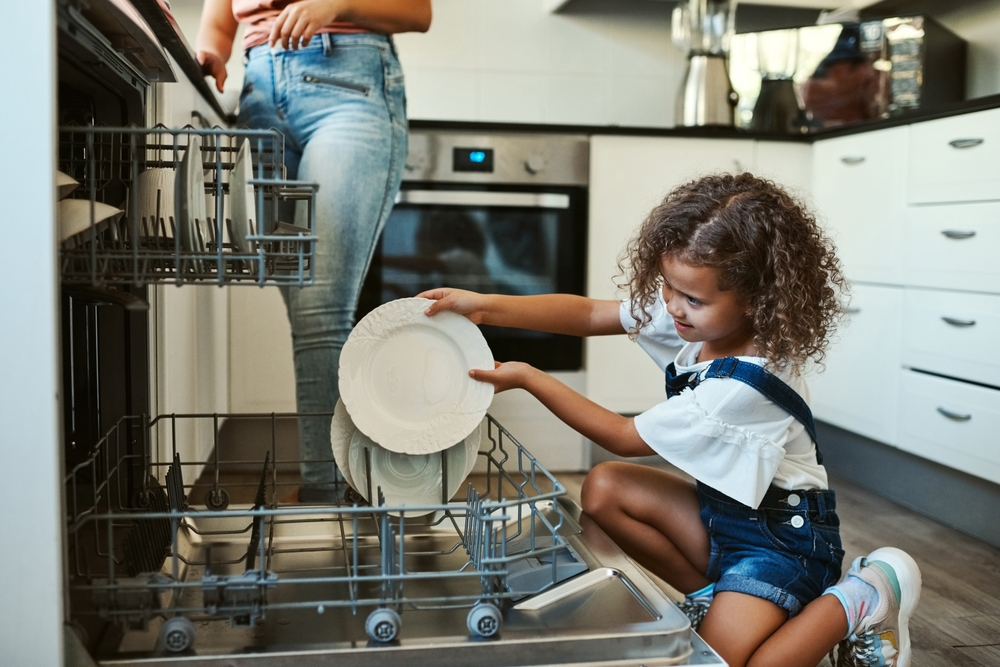
Washing dishes seems simple, but it’s another one of the chores that may be too dangerous for young children. Sharp knives, broken glassware, or hot water can easily cause cuts or burns. Many dish detergents are also harsh on sensitive skin, creating rashes or irritation if not properly rinsed. Even the act of standing at a sink for too long can cause slips if the floor becomes wet. A safer alternative is having children help by drying unbreakable items or setting the table.

3. Yard Work Can Expose Kids to Unexpected Risks

Outdoor chores are often fun, but certain types of yard work belong firmly in the “chores that may be too dangerous” category for young children. Mowers, trimmers, and hedge clippers can cause severe injuries even when used under supervision. Garden chemicals or fertilizers may also contain toxins that are harmful if inhaled or touched. Additionally, lifting heavy bags of mulch or soil can lead to strains or back pain. Encourage little helpers to pull weeds by hand, water plants with a small can, or collect fallen leaves instead of operating equipment.

4. Cleaning Bathrooms Involves Dangerous Chemicals

Bathroom cleaning is one of the most common chores that may be too dangerous for young children. Many cleaning products contain bleach, ammonia, or acid-based ingredients that can burn skin and irritate lungs. Children may also mix products accidentally, creating toxic fumes without realizing it. The small, enclosed space of a bathroom makes it even riskier if ventilation is poor. Instead of using harsh chemicals, let children wipe down mirrors with vinegar and water or help refill soap dispensers while an adult handles the deeper cleaning.

5. Cooking and Using Kitchen Appliances Requires More Maturity

Cooking is often a favorite family activity, but it’s also one of the chores that may be too dangerous for young children without close supervision. Stovetops, ovens, and even microwaves can cause burns or fires when used incorrectly. Knives and peelers introduce additional risks if motor skills aren’t fully developed. Children may also forget to turn off appliances or handle hot pans safely. Parents can still involve them by assigning safe prep tasks like rinsing vegetables or mixing batter while teaching proper kitchen safety over time.

6. Doing Laundry Involves More Than Just Pressing Buttons

Laundry duty might seem harmless, but it’s another of the chores that may be too dangerous for young children. Washing machines and dryers are heavy, moving machines that can cause injury if children climb or lean on them. Detergent pods, in particular, pose a serious poisoning risk because their colorful appearance can be mistaken for candy. Even liquid detergent can cause burns or eye irritation if splashed. Until children are old enough to handle chemicals carefully, parents can have them fold clean clothes or match socks instead.

7. Climbing to Dust or Organize High Shelves

Many parents encourage kids to help tidy up, but reaching high areas is one of those chores that may be too dangerous for young children. Climbing stools or small ladders introduces a significant fall risk, especially for kids who may overreach or lose balance. Objects stored overhead can also fall and cause injuries if not handled properly. Dusting within arm’s reach or organizing lower shelves is a safer way to teach tidiness. As kids grow, they can gradually move on to higher or more complex cleaning tasks with adult guidance.

Balancing Independence and Safety in Household Responsibilities

Recognizing chores that may be too dangerous for young children doesn’t mean removing them from household responsibilities altogether. It’s about adjusting tasks to match their physical abilities and understanding of risk. Parents can gradually introduce more challenging chores as kids demonstrate maturity and safety awareness. The goal is to teach responsibility while preventing injuries, accidents, or exposure to unsafe materials. With the right balance, children learn valuable life skills safely—one age-appropriate task at a time.

Which household chore do you think is the riskiest for young kids to handle? Share your experiences or safety tips in the comments below.

What to Read Next…

7 After-School Activities That Are Quietly Putting Kids in Danger

Beyond The Toys: 8 Hidden Dangers In Your Child’s Toys

Kids’ Meds: 5 Dangerous Prescriptions You Didn’t Question for Kids

The Danger In Your Bathtub: 8 Hidden Dangers In Your Child’s Bathtub

Baby Danger: 10 Household Items That Hurt Babies You Own

Catherine Reed
Catherine Reed

Catherine is a tech-savvy writer who has focused on the personal finance space for more than eight years. She has a Bachelor’s in Information Technology and enjoys showcasing how tech can simplify everyday personal finance tasks like budgeting, spending tracking, and planning for the future. Additionally, she’s explored the ins and outs of the world of side hustles and loves to share what she’s learned along the way. When she’s not working, you can find her relaxing at home in the Pacific Northwest with her two cats or enjoying a cup of coffee at her neighborhood cafe.

Filed Under: Safety Tagged With: child safety, family life, home safety, household chores, kids and chores, parenting advice, parenting tips

The Unseen Threat: 5 Home Areas That Are Hidden Pest Hotspots Near Your Kids

July 25, 2025 | Leave a Comment

The Unseen Threat 5 Home Areas That Are Hidden Pest Hotspots Near Your Kids
Image source: 123rf.com

No matter how clean your home looks, pests can be hiding in places you’d never expect—especially near areas where your kids play, eat, and sleep. These hidden pest hotspots can attract insects and rodents that carry bacteria, bite, or trigger allergies, putting your little ones at risk. The scary part is, most parents don’t notice these problem areas until an infestation is already underway. By understanding where pests like to hide and why, you can take simple steps to protect your family. Let’s shine a light on five sneaky areas around the house that could be harboring pests without you even knowing it.

1. Toy Storage Bins Are a Hidden Haven

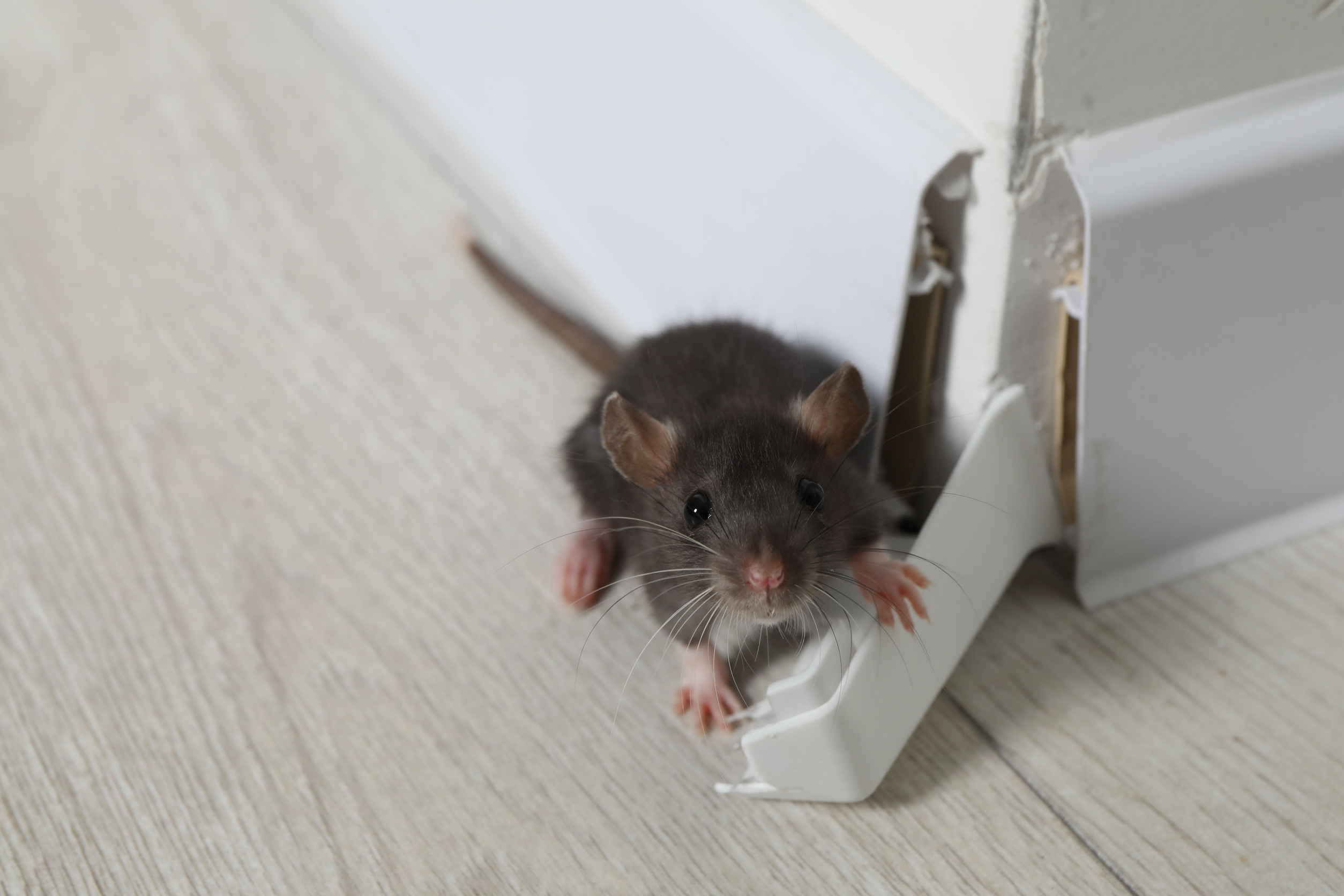
Kids’ toys are often tossed into bins, baskets, or toy chests—but these cozy, cluttered spaces can become ideal hidden pest hotspots. Crumbs from snack-time, forgotten juice box straws, or sticky residue from candy attract ants, roaches, and even mice. Since many parents store toys in playrooms or bedrooms, pests in these bins can end up right where your child sleeps or spends time on the floor. Soft toys, in particular, can harbor dust mites and flea eggs if pets are around. Make it a habit to wipe down toys regularly, vacuum storage areas, and inspect bins for signs of unwanted visitors.

2. Highchair Padding and Underneath the Tray

Highchairs might look clean on the surface, but underneath that tray or deep in the seams of the padding, food particles can build up fast. These leftover crumbs and spills become irresistible snacks for ants and fruit flies. The padding and crevices often stay damp from wipe down cloths or spilled milk, creating a moist environment where mold and bacteria can thrive too. Since your child eats in this space daily, it’s important to clean every part—not just the visible ones. Remove and scrub trays, wash fabric parts according to instructions, and inspect underneath the chair often.

3. Underneath and Behind the Couch

Kids love to snack while watching TV or playing on the living room floor, which makes the area behind and under the couch a pest paradise. Bits of cereal, cracker crumbs, and sticky juice spills often fall between cushions or end up under furniture, out of sight and out of reach. Rodents, roaches, and even silverfish find this combination of food and dark hiding spots extremely appealing. Since couches are rarely moved or deep cleaned, these hidden pest hotspots can go unchecked for long stretches. Schedule regular vacuuming under and behind your furniture to keep pests away.

4. Bathroom Cabinets and Under-Sink Areas

Bathrooms are often humid and dark, which makes them perfect environments for silverfish, cockroaches, and even spiders to hide—especially under the sink. Leaky pipes or damp cleaning cloths create just enough moisture for pests to thrive. If you store baby wipes, bath toys, or grooming tools for your child in these cabinets, they could be coming into close contact with pest droppings or bacteria. To prevent this, seal any leaks, store products in airtight bins, and keep the area dry. Adding a dehumidifier or moisture absorber can also make the space less appealing to insects.

5. Crib Skirts and Under-Crib Storage

Many parents store diapers, wipes, clothes, and toys under the crib using soft baskets or bins covered by a crib skirt. While it looks tidy, it’s another one of those hidden pest hotspots where insects or mice can hide undetected. Dust buildup, pet dander, and even a stray snack or two can attract unwanted guests right under where your baby sleeps. Since the crib skirt conceals what’s underneath, it can go unchecked for weeks. Clean the area regularly, inspect stored items, and avoid using fabric containers that pests can easily nest in or chew through.

Awareness Makes All the Difference

When it comes to protecting your children, keeping an eye out for hidden pest hotspots is just as important as baby-proofing cabinets or covering electrical outlets. Many pests thrive in cozy, dark places filled with crumbs or moisture, which unfortunately describes quite a few kid-centered areas in the home. The good news is, a little extra awareness and regular cleaning can go a long way in keeping pests at bay. Make a checklist of these problem areas and add them to your weekly or monthly cleaning rotation. You’ll gain peace of mind knowing your child’s favorite spaces are both fun and safe.

Have you discovered pests hiding in a place you never expected? Share your story or tips in the comments below!

Read More:

The Quiet Killer: 8 Hidden Hazards In Your Nursery You’re Not Checking

Silent Danger: 8 Common Foods That Are Choking Hazards for Young Children

Catherine Reed
Catherine Reed

Catherine is a tech-savvy writer who has focused on the personal finance space for more than eight years. She has a Bachelor’s in Information Technology and enjoys showcasing how tech can simplify everyday personal finance tasks like budgeting, spending tracking, and planning for the future. Additionally, she’s explored the ins and outs of the world of side hustles and loves to share what she’s learned along the way. When she’s not working, you can find her relaxing at home in the Pacific Northwest with her two cats or enjoying a cup of coffee at her neighborhood cafe.

Filed Under: Home and Living Tagged With: baby proofing, child health, family wellness, hidden pest hotspots, home safety, parenting tips, pest control, safe cleaning routines

Baby Danger: 10 Household Items That Hurt Babies You Own

July 15, 2025 | Leave a Comment

Baby Danger 10 Household Items That Hurt Babies You Own
123rf.com

Your home may feel like a safe haven, but when you have a baby, even the most ordinary household objects can pose serious risks. Many of the products you use every day without a second thought can lead to injury, choking, or even long-term health concerns for your little one. Babies are naturally curious and have no idea what’s dangerous, so it’s up to parents to spot the hazards hiding in plain sight. The good news? With a few smart changes, you can make your home much safer. Let’s take a closer look at 10 common household items that hurt babies more often than you think.

1. Cords and Blinds

One of the most dangerous household items that hurt babies is something almost every home has: window blind cords. These long, dangling cords can quickly become a strangulation hazard, especially once your baby starts to crawl or pull up. Even if you’re watching closely, accidents can happen in seconds. Cordless blinds or cord shorteners can reduce the risk significantly. Make sure all cords are either removed or secured out of reach as soon as your baby is mobile.

2. Button Batteries

Tiny button batteries power many household items like remotes, musical toys, and even greeting cards. If swallowed, they can cause severe internal burns in as little as two hours. These household items that hurt babies often go unnoticed until it’s too late. Always secure battery compartments with tape, check toys and gadgets regularly, and keep spare batteries locked away. If you suspect your child has swallowed one, seek emergency care immediately.

3. Detergent Pods

Those colorful, squishy detergent pods may look like candy to a baby, but they’re filled with highly concentrated chemicals. Ingesting even a small amount can cause vomiting, respiratory distress, or chemical burns. The packaging might be child-resistant, but it’s not child-proof. These household items that hurt babies are best stored in high, locked cabinets. Better yet, switch to powdered or liquid detergents and keep everything far from reach.

4. Heavy Furniture and TVs

Unsecured furniture is a major hazard that can result in serious injury or even death if it tips over. Curious babies often try to climb dressers, bookshelves, or TV stands. When these items aren’t anchored to the wall, they can fall with even minimal force. These are household items that hurt babies far too often, but the fix is simple: use wall anchors or anti-tip kits. Don’t store enticing items like toys or remotes on top, which might encourage climbing.

5. Cleaning Products

You may think storing cleaners under the sink is fine if you have child locks, but those aren’t always foolproof. Many cleaning products contain toxic chemicals that can cause burns, poisoning, or breathing issues if ingested or spilled. It’s safest to treat all cleaning products as household items that hurt babies and keep them in locked or out-of-reach locations. Look for baby-safe, non-toxic alternatives when possible. Always use and store cleaners carefully, even when your child is in another room.

6. Space Heaters

Space heaters may be convenient for keeping a nursery warm, but they can easily burn delicate baby skin or tip over and cause a fire. These are household items that hurt babies both directly and indirectly. If you must use one, choose a model with automatic shutoff, tip-over protection, and cool-touch surfaces. Keep it far from cribs, blankets, and anything flammable. Better yet, regulate the room temperature through a central thermostat or safe baseboard heating.

7. Decorative Plants

Plants brighten up a home, but not all of them are baby-safe. Some common houseplants like pothos, peace lilies, and philodendrons are toxic if chewed or swallowed. Babies love exploring with their mouths, and plant leaves can be tempting. These seemingly harmless items are household items that hurt babies more than many realize. Choose only non-toxic varieties and keep all plants out of crawling or climbing range.

8. Small Toys and Accessories

It’s easy to overlook older siblings’ toys, loose buttons, or beads lying around the house. Anything small enough to fit through a toilet paper roll is a choking hazard for babies. These household items that hurt babies often blend into the background but can become a crisis in moments. Regularly scan floors, under couches, and in play areas for stray items. Teach older kids to keep their toys in a separate area and always check new items for loose parts.

9. Plastic Bags and Packaging

Plastic bags, food wrappers, and packaging materials like bubble wrap are household items that hurt babies through suffocation or entanglement. Babies can quickly get tangled or cover their faces with these items. Always throw away or recycle packaging immediately after use. Store grocery bags well out of reach and never leave packaging in a play area. Even crinkly chip bags pose more risk than most people think.

10. Unstable Highchairs and Baby Gear

You might assume that baby gear made for infants is safe, but poorly assembled or recalled products can pose serious risks. Highchairs that aren’t strapped down properly or baby swings with missing parts can tip, pinch, or fall. Always check for product recalls and follow instructions to the letter. These household items that hurt babies are supposed to help, but only when used as intended. Make regular safety checks part of your weekly routine.

Safe Babies Start with Smart Awareness

Keeping your baby safe at home isn’t about paranoia—it’s about staying informed and one step ahead of curiosity. By identifying the household items that hurt babies and making simple changes, you create a safer environment without turning your home into a fortress. Most accidents can be prevented with proactive thinking and a little preparation. Your baby’s world may be small, but it’s full of discovery, and your watchful eye is their best line of defense.

What hidden household hazards have you discovered since becoming a parent? Share your tips and stories in the comments!

Read More:

8 Hidden Dangers in Your Child’s Bathtub

Fire Danger: 5 Home Areas That Are Fire Magnets for Kids

Catherine Reed
Catherine Reed

Catherine is a tech-savvy writer who has focused on the personal finance space for more than eight years. She has a Bachelor’s in Information Technology and enjoys showcasing how tech can simplify everyday personal finance tasks like budgeting, spending tracking, and planning for the future. Additionally, she’s explored the ins and outs of the world of side hustles and loves to share what she’s learned along the way. When she’s not working, you can find her relaxing at home in the Pacific Northwest with her two cats or enjoying a cup of coffee at her neighborhood cafe.

Filed Under: Parenting Tagged With: baby hazards, baby safety, babyproofing checklist, childproofing, home safety, household items that hurt babies, parenting tips, toddler safety

Child-Proof Now: 6 Urgent Steps to Protect Your Home from Kids’ Dangers

July 12, 2025 | Leave a Comment

Child Proof Now 6 Urgent Steps to Protect Your Home from Kids Dangers
123rf.com

Toddlers and young kids are naturally curious, and while their curiosity is part of healthy development, it also puts them at risk inside the home. Everyday items that seem harmless to adults—cleaning supplies, cords, even furniture—can turn dangerous in a flash. That’s why taking action to protect your home isn’t just helpful, it’s urgent. Whether you’re a new parent or just haven’t updated safety features in a while, a few practical changes can go a long way in keeping your little ones safe. Let’s break down six must-do steps you can take today to child-proof your home effectively.

1. Secure Furniture to Prevent Tipping Hazards

Tall furniture like dressers, bookshelves, and TV stands can be incredibly dangerous if they’re not anchored properly. Young kids often use drawers and shelves to climb, unaware of the danger. Use anti-tip brackets or wall anchors to secure heavy furniture to the wall, especially in bedrooms and living spaces. This quick fix can prevent serious injuries caused by falling furniture, which are more common than many parents realize. Regularly check fastenings to make sure nothing has loosened over time.

2. Lock Away Hazardous Products

Cleaning supplies, medications, alcohol, and sharp objects should always be stored in locked cabinets well out of reach. It only takes a moment for a child to ingest or handle something dangerous when your back is turned. Install child-proof locks on cabinets in kitchens, bathrooms, and garages to block access to harmful products. Don’t rely on high shelves alone, since kids are resourceful climbers. Keeping these hazards locked up is one of the most important ways to protect your home from unintentional poisoning and injuries.

3. Cover Electrical Outlets and Hide Cords

Little fingers are drawn to anything they can poke, pull, or chew—including electrical outlets and cords. Use sliding outlet covers or plug-in protectors to keep outlets safe when not in use. Hide or bundle loose cords from lamps, TVs, and chargers to reduce tripping and strangulation risks. You can purchase cord management kits or secure cords behind furniture where they’re harder to reach. Taking these steps doesn’t just improve home safety, it also helps keep your space neat and tidy.

4. Use Safety Gates in High-Risk Areas

If your home has stairs or rooms with dangerous objects like tools or fireplaces, safety gates are essential. Install pressure-mounted or hardware-mounted gates depending on the area and level of risk. Gates are not just for stairs—use them to block off the kitchen during cooking time or laundry areas with chemical products. Make sure gates are tall and sturdy enough that your child can’t climb over or dislodge them. Choosing the right safety gate is a powerful way to protect your home by limiting access to high-risk areas.

5. Soften Sharp Corners and Edges

Coffee tables, fireplace hearths, and low countertops often have sharp corners that are right at toddler-head level. Corner guards and edge bumpers can reduce the impact if your child falls or bumps into furniture. These are affordable, easy to install, and come in styles that blend with your home décor. Even a minor trip can result in a serious head injury, so taking this extra step is well worth the effort. Routinely check bumpers for wear and tear to ensure they stay securely in place.

6. Be Mindful of Water Safety at All Times

Bathtubs, sinks, toilets, and even buckets of water can pose a drowning risk for small children. Never leave a child unattended in or near water, even for a second. Install toilet locks and drain bathtubs immediately after use to eliminate hazards. If you have a backyard pool, it should be surrounded by a locked fence and monitored constantly. Water safety starts with prevention and active supervision to protect your home from one of the most silent household dangers.

Kid Safety is Built on Intentional Habits

Protecting your home from hidden dangers doesn’t mean turning it into a fortress. It’s about making intentional choices that create a safer environment for your child to grow, play, and explore with fewer risks. Many of these changes can be done in an afternoon, but the peace of mind they bring lasts much longer. As kids grow, their ability to access new things changes, so stay observant and adjust your safety strategies accordingly. A protected home doesn’t just happen by chance—it’s created with care.

Which step have you already taken to protect your home, and what’s next on your child-proofing list? Share your tips or questions in the comments!

Read More:

Value Killer: 5 Home Renovations Decreasing Kids’ Safety

How to Create a Child-Friendly Home Design During Your Remodel

Catherine Reed
Catherine Reed

Catherine is a tech-savvy writer who has focused on the personal finance space for more than eight years. She has a Bachelor’s in Information Technology and enjoys showcasing how tech can simplify everyday personal finance tasks like budgeting, spending tracking, and planning for the future. Additionally, she’s explored the ins and outs of the world of side hustles and loves to share what she’s learned along the way. When she’s not working, you can find her relaxing at home in the Pacific Northwest with her two cats or enjoying a cup of coffee at her neighborhood cafe.

Filed Under: Home and Living Tagged With: babyproofing, child safety tools, child-proofing tips, home safety, kids at home, parenting safety, protect your home, toddler hazards

Everything You Should Teach Your Kids About Fire Safety

April 23, 2025 | Leave a Comment

Child in a fire chief costume with real firefighters, symbolizing fire safety lessons.
Image Source: Unsplash

Fires can be terrifying—especially for children. In a crisis, instinct alone may not be enough; knowledge and preparation make all the difference.

Teaching fire safety early is crucial, equipping kids with the awareness and confidence to react appropriately in an emergency. Understanding how fires start, how to safely escape, and when to call for help can make a life-saving difference. The sooner kids learn, the more empowered they’ll be to protect themselves and others.

The following tips help turn safety lessons into everyday habits the whole family can practice and remember—creating a safer home and a well-prepared child.

1. Create and Practice a Fire Escape Plan

Every family needs two ways out of every room and a single meeting spot outside.

  • Draw it together. Use markers or stickers to trace windows and doors on a big sheet of paper; let kids color the “outside safe tree” or mailbox meeting point.
  • Name the exits aloud. As you tuck them in, ask: “If smoke came from the hall, which window would you use?”
  • Drill twice a year—day and night. Set a timer; aim to reach the meeting spot in under two minutes. Vary scenarios (blocked hallway, parent in another room) so problem‑solving becomes automatic.
  • Review older‑kid roles. Tweens can practice guiding younger siblings by holding hands and staying low.

For step‑by‑step planning templates, check the National Fire Protection Association’s (NFPA) free resources.

2. Keep Children Three Feet Away from Hot Objects

Stovetops, space heaters, and even a steaming mug of cocoa can cause painful burns.

  • Add barriers. A sturdy safety gate around fireplaces keeps curious toddlers at bay without constant reminders.
  • Mark a “kid‑free zone.” Place bright painter’s tape three feet around ranges and portable heaters; remind little chefs to stand behind the line.
  • Narrate your moves. Say, “I’m turning pot handles inward so you can’t bump them,” to model caution.
  • Use visual timers. While soup simmers, set a sand timer kids can watch; when the sand runs out, they know ‘look, don’t touch’ time is over.

3. Fire Starters Are for Grown‑Ups Only

Matches and lighters should be stored up high and out of sight. Role‑play what to do if they ever find one—walk away and tell an adult. Reinforcing this message reduces the risk of child‑set fires.

4. Install and Test Smoke Alarms Regularly

Place alarms on every level and outside each bedroom. Test them monthly together so the sound is familiar, then choose a yearly “battery birthday” for replacements. You should replace the entire unit every ten years to ensure reliability.

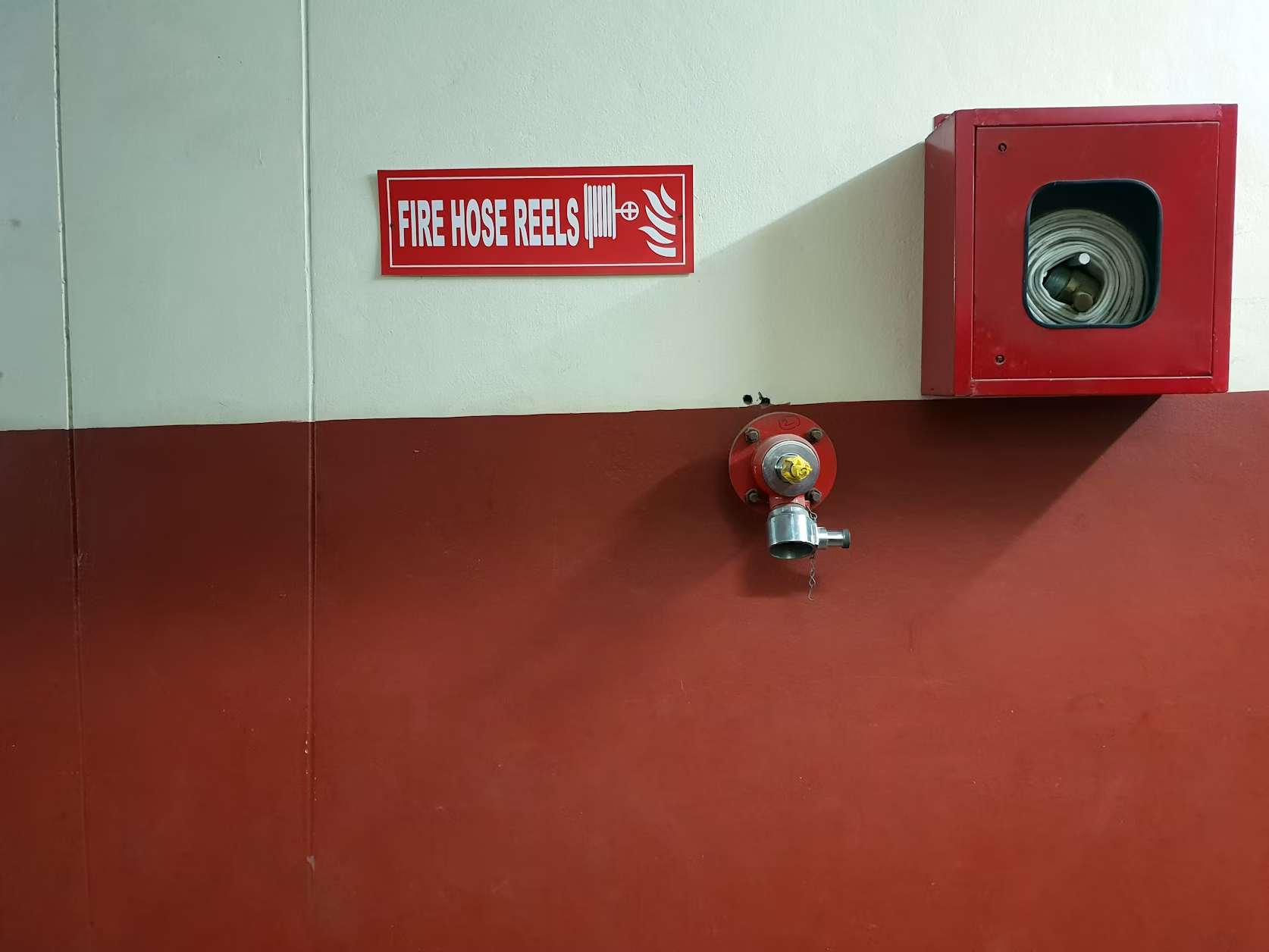
A fire hose reel and sign, highlighting the need for early fire safety education.
Image Source: Unsplash

5. Fire Safety Education Works—Start Early

Preschool‑level programs that use songs, puppet shows, or picture books help kids remember key rules. Look for materials that encourage hands‑on practice and positive reinforcement rather than fear.

6. Teach Stop, Drop, and Roll (and When to Use It)

Make practice fun—count to three, then roll together like logs. Emphasize that this technique is only for clothing on fire, not every emergency.

7. Remind Kids Not to Hide During a Fire

Fear can send children under beds or into closets. Explain that hiding makes it hard for firefighters to help. Show pictures of firefighters in gear so the masks and suits look friendly, not scary.

8. Use Fire Safety Stories and Games

Interactive books and online games turn safety rules into memorable adventures. Try a “find the smoke alarm” scavenger hunt or craft a beaded bracelet spelling your home’s emergency number.

Keep Safety Simple and Ongoing

Fire safety shouldn’t be a one‑time lecture. Bring it up during ordinary moments: while cooking, hearing a siren, or replacing alarm batteries. A calm, age‑appropriate approach empowers kids without scaring them—building knowledge they’ll carry for life.

Have you talked about fire safety with your kids? Share your tips or questions in the comments—we’d love to hear what works in your home.

Read More

  • Living in Risk: 13 Most Hazardous Places to Reside In The US
  • Keep Your Home Safe From Fires Using These Tips

Samantha Warren
Samantha

Samantha Warren is a holistic marketing strategist with 8+ years of experience partnering with startups, Fortune 500 companies, and everything in between. With an entrepreneurial mindset, she excels at shaping brand narratives through data-driven, creative content. When she’s not working, Samantha loves to travel and draws inspiration from her trips to Thailand, Spain, Costa Rica, and beyond.

Filed Under: Parenting Tagged With: burn prevention, child safety tips, emergency preparedness, family fire escape plan, fire safety for kids, home safety, kids fire education | Parenting, parenting advice, Safety

8 Babysitter Safety Tips Every Parent Wishes They Knew Sooner

April 1, 2025 | Leave a Comment

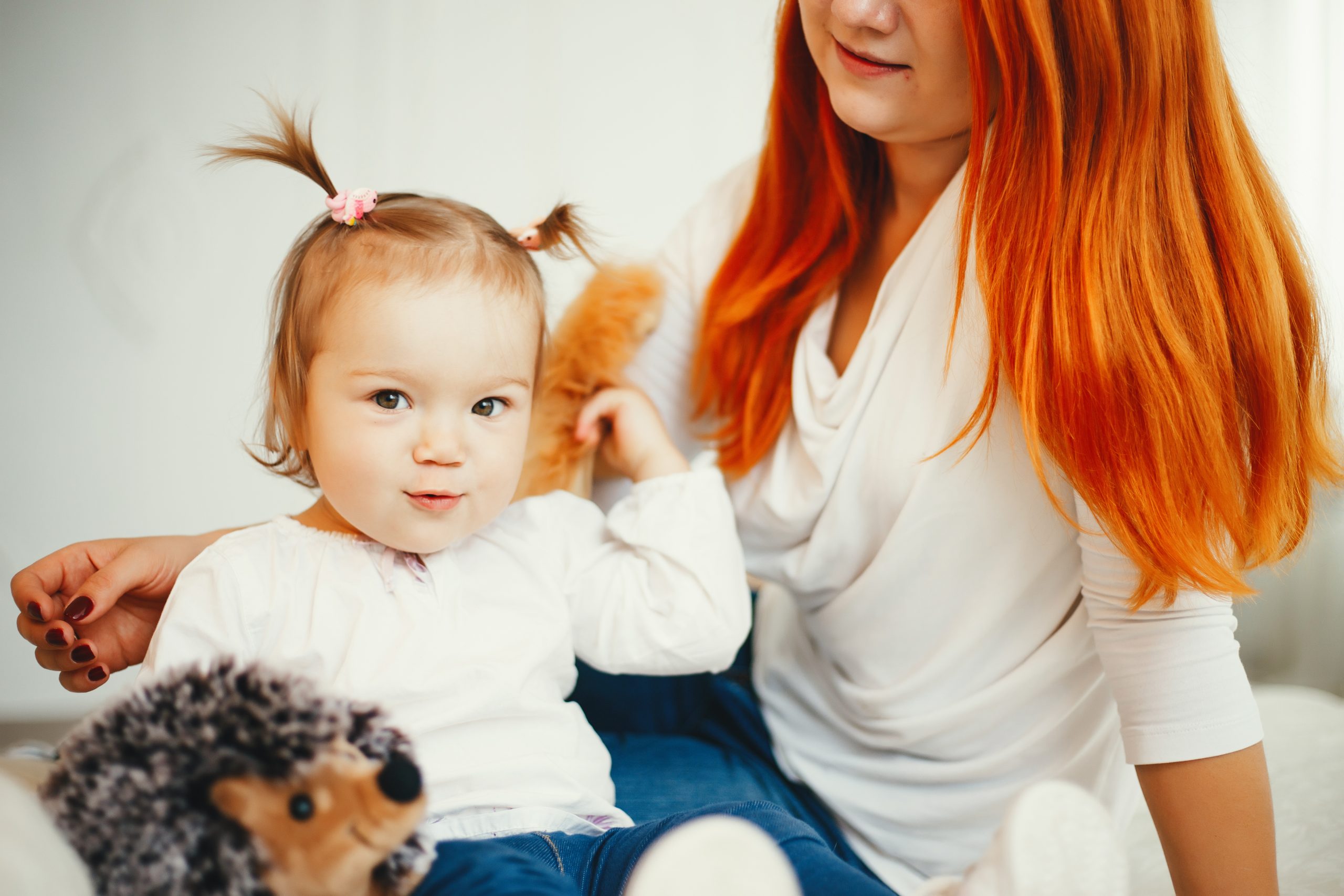
Beatuful ginger mother playing with daughter. Little girl sitting on a bed at home. A young mother clinging to a daughter of hair
Image Source: 123rf.com

Hiring a babysitter should bring peace of mind, not added stress. But how can you be sure your child is truly safe when you’re not around? Many parents don’t realize the small steps that can make a huge difference in babysitter safety. Whether it’s your first sitter or your fifth, these eight tips can help you feel more secure. Trust is important—but preparation is even better.

1. Always Do a Background Check

Even if it’s someone you know, run a quick background check. Ask for references, and don’t skip calling them. You want to know about past experiences, strengths, and any red flags. Trust your gut if something feels off. A few extra minutes of research can prevent future stress.

2. Introduce Them Gradually

Let your child meet the babysitter with you present before leaving them alone together. Watch how they interact—does the sitter talk directly to your child, show patience, and respect boundaries? Gradual introductions build comfort for everyone. Stay nearby during the first few visits if possible. You’ll see how they manage behavior and handle small issues.

3. Go Over House Rules Clearly

Don’t assume sitters know your family’s boundaries. Explain rules around bedtime, snacks, screen time, and who’s allowed in the house. Write everything down in a quick-reference note for them. Clear expectations reduce confusion and help your sitter feel confident.

4. Create an Emergency Plan

Make sure your sitter knows what to do in case of fire, injury, or illness. Leave a printed list of emergency contacts and allergy or medication details. Walk them through the plan so they feel prepared, not overwhelmed. The more they know, the faster they can react if needed. Preparation can be a lifesaver.

5. Use Check-Ins

close up beautiful young redhead woman with glasses, outdoors talking on the phone and laughing.
Image Source: 123rf.com

It’s okay to check in with a quick text or call. Let your sitter know you’ll be doing this ahead of time—it’s not about mistrust but staying connected. A short update helps ease your mind and keeps communication open. If something feels off, you’ll know sooner. And it shows your sitter you’re involved and paying attention.

6. Trust Your Child’s Feedback

After the babysitter leaves, ask your child how they felt. Were they comfortable? Did anything happen that made them nervous or confused? Kids may not always know how to describe bad behavior, so listen closely to tone and body language. If something doesn’t sit right, follow up.

7. Use Video or Audio Monitoring

If it helps your peace of mind, install a baby cam or audio monitor in main play areas. Let the sitter know in advance—transparency matters. Most professional sitters won’t mind, and it offers another layer of safety. This can also help you give helpful feedback if you notice anything. Just don’t forget to review footage only if needed, not obsessively.

8. Build a Trusted Sitter List

Once you find a great babysitter, keep them close! Share recommendations with other parents, and ask for theirs in return. Building a reliable babysitter list gives you options and peace of mind. These are the people you’ll trust when something unexpected comes up. A strong network makes everything easier.

Safety Starts with Preparation

A little preparation goes a long way in babysitter safety. Trust your instincts, stay involved, and make communication a priority. With the right steps, you can walk out the door knowing your child is in good hands. Parenting is hard—but feeling safe when you step away shouldn’t be.

What do you always check before hiring a babysitter? Drop your top tip in the comments!

Read More:

What’s Your Parenting Style?

Free-Range Parenting: Is it Too Scary to Consider?

Latrice Perez

Latrice is a dedicated professional with a rich background in social work, complemented by an Associate Degree in the field. Her journey has been uniquely shaped by the rewarding experience of being a stay-at-home mom to her two children, aged 13 and 5. This role has not only been a testament to her commitment to family but has also provided her with invaluable life lessons and insights.  As a mother, Latrice has embraced the opportunity to educate her children on essential life skills, with a special focus on financial literacy.

Filed Under: Baby sitting Tagged With: babysitter checklist, babysitter safety, child care, emergency planning, home safety, parenting tips, trusted sitter

7 Terrifying Things Parents Forget That Can Have Devastating Consequences

March 22, 2025 | Leave a Comment

Happy father and mother holding children playing together in park with sunset view, Cheerful family father mother and children enjoying picnic at park, Family with healthy lifestyle, Life insurance
Image Source: 123rf.com

Parents have an endless list of responsibilities, and with so much going on, it’s easy to forget things. While most oversights are harmless, some can have terrifying consequences. A moment of forgetfulness can put a child in danger, sometimes with life-altering results. These mistakes don’t always happen due to negligence—often, they occur simply because parents are overwhelmed, distracted, or running on autopilot.

Here are seven terrifying things parents forget that can lead to serious consequences.

Forgetting a Baby in the Car

Every summer, heartbreaking headlines remind us of the dangers of leaving a baby in a hot car. Many parents assume they could never make this mistake, yet it happens every year, often to loving and responsible caregivers.

Heatstroke can occur within minutes, as temperatures inside a parked car can rise rapidly. Babies and young children are particularly vulnerable because their bodies overheat faster than adults. Some parents forget because of a break in routine—such as a different parent dropping the baby off at daycare—or simply because they are exhausted and distracted.

To prevent this, some experts recommend leaving a purse, phone, or even a shoe in the backseat as a reminder to check before locking the car. Apps and car seat alarms are also available to alert parents if they accidentally leave their child behind.

Forgetting to Secure Furniture and TVs

Many parents take precautions to baby-proof electrical outlets and sharp corners, but one of the most overlooked dangers in a home is unsecured furniture. Dressers, bookshelves, and TVs can become deadly if a child tries to climb on them and they tip over.

Each year, children are seriously injured or killed in furniture-related accidents. It only takes a moment for a child to pull out a drawer, use it as a step, and cause a heavy piece of furniture to fall. Anchoring furniture to the wall with anti-tip straps can prevent these tragedies. Parents often assume it won’t happen to their child—until it does.

Forgetting About Medication and Cleaning Supplies

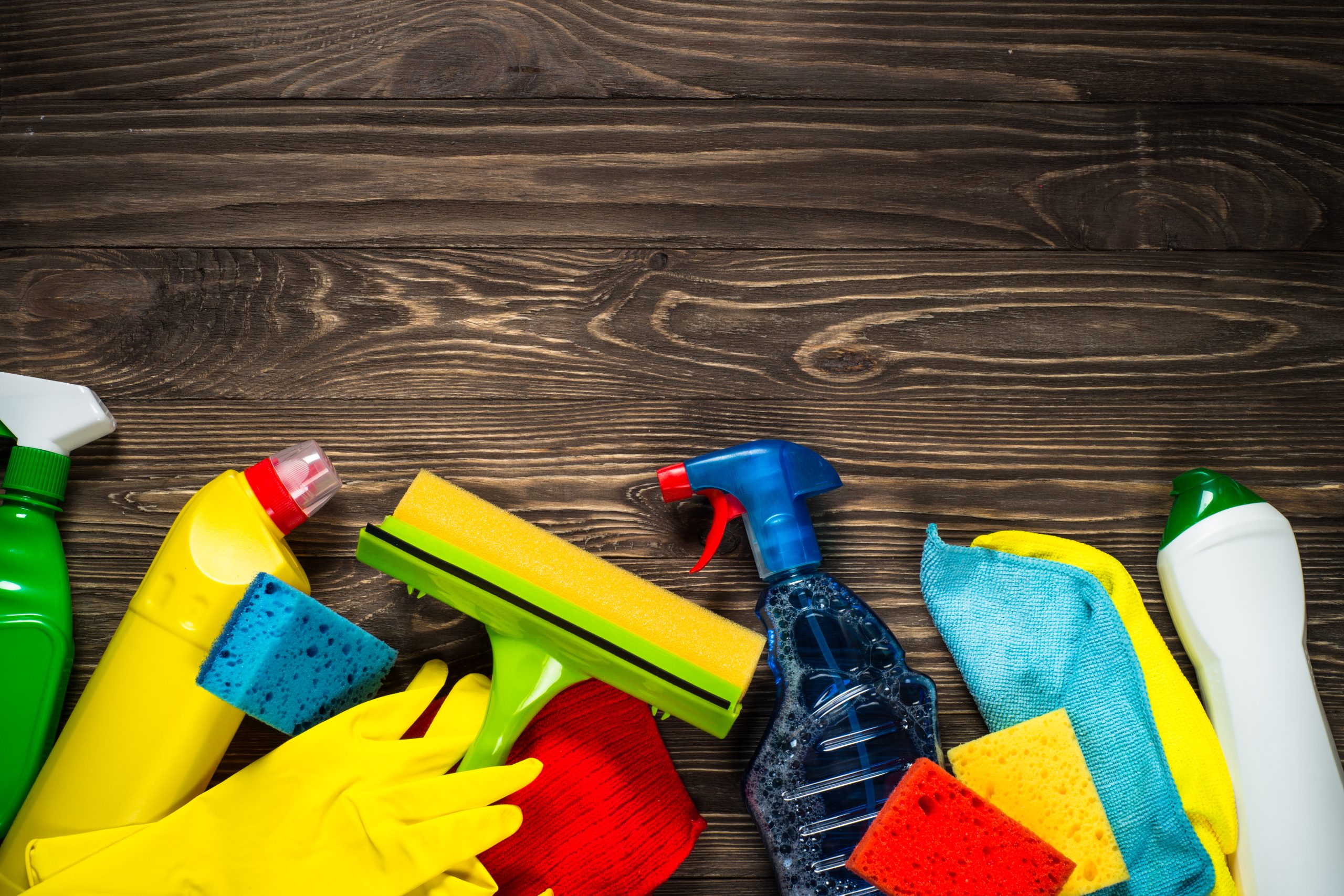
Cleaning product, household, sanitary supplies on wooden table. Top view with copy space.
Image Source: 123rf.com

Most parents keep medication and cleaning products out of reach, but accidents happen when items are left out just for a moment. A bottle of pain relievers on the counter, an open purse with prescription medication inside, or a cleaning spray left near a sink can quickly become accessible to a curious child.

Small children explore with their hands and mouths, and many everyday items can be extremely toxic. Child-resistant packaging helps, but it’s not foolproof. Keeping all medications and household cleaners locked away, even when in use, can prevent life-threatening poisoning incidents.

Forgetting to Check the Bathwater Temperature

A hot bath may seem harmless, but scalding water can cause severe burns in seconds. Young children’s skin is much more sensitive than an adult’s, and they can suffer third-degree burns at temperatures above 120°F (49°C).

Parents sometimes forget to test the water before placing their child in the tub or assume that adjusting the faucet mid-bath will cool things down quickly. A sudden burst of hot water or a slight mistake in temperature control can result in painful injuries. Installing anti-scald devices on faucets and always checking the water with a thermometer or wrist can prevent unnecessary burns.

Forgetting to Lock or Secure Pools and Water Sources

Drowning is one of the leading causes of death for young children, and it happens faster and more silently than most parents realize. Many accidents occur not because parents are unaware of the dangers of water but because they forget to secure it properly.

A backyard pool, an inflatable kiddie pool, or even a bucket of water can pose a serious risk. Children can drown in as little as two inches of water, and it takes just a moment of distraction for an accident to occur. Pool fences with self-latching gates, door alarms, and strict water safety rules can help prevent devastating tragedies.

Forgetting to Check Car Seat Straps and Installations

Car seats are one of the most important safety tools for children, but they only work if used correctly. Many parents make small but dangerous mistakes, such as forgetting to buckle the chest clip at the right level, leaving straps too loose, or not realizing the car seat is improperly installed.

Even in minor car accidents, an improperly secured child can suffer severe injuries. Studies show that a large percentage of car seats are used incorrectly. Double-checking that straps are snug, the chest clip is positioned correctly, and the seat is properly anchored can mean the difference between life and death in a crash.

Forgetting About Small Objects That Can Be Choking Hazards

Young children will put almost anything in their mouths, and small objects can quickly become deadly choking hazards. Parents often baby-proof their homes when their child first starts crawling, but as kids grow, new risks appear.

Coins, small toy parts, batteries, pen caps, and even food that is too large or the wrong shape can cause a choking emergency. Parents sometimes forget to scan the floor or check for small, overlooked items that could be within reach. Learning CPR and keeping a close eye on small objects can help prevent a life-threatening situation.

Awareness Can Prevent Tragedy

No parent is perfect, and forgetting things happens to everyone. But when it comes to child safety, even small mistakes can lead to serious consequences. The best way to prevent these terrifying accidents is to stay aware, build habits that reinforce safety, and use reminders when necessary.

Parenting is exhausting, and distractions are everywhere. A little extra caution and a few simple precautions can go a long way in keeping children safe.

Have you ever caught yourself forgetting something potentially dangerous? Share your thoughts in the comments below.

Read more: 7 Terrifying Things Parents Forget That Can Have Devastating Consequences

Latrice Perez

Latrice is a dedicated professional with a rich background in social work, complemented by an Associate Degree in the field. Her journey has been uniquely shaped by the rewarding experience of being a stay-at-home mom to her two children, aged 13 and 5. This role has not only been a testament to her commitment to family but has also provided her with invaluable life lessons and insights.  As a mother, Latrice has embraced the opportunity to educate her children on essential life skills, with a special focus on financial literacy.

Filed Under: Parenting Tagged With: baby safety, car seat safety, child accidents, childproofing, childproofing tips, drowning prevention, home safety, parenting mistakes, parenting safety

  • Facebook
  • Pinterest
  • RSS
  • Twitter

Basic Principles Of Good Parenting

Here some basic principles for good parenting:

  1. What You Do Matters: Your kids are watching you. So, be purposeful about what you want to accomplish.
  2. You Can’t be Too Loving: Don’t replace love with material possessions, lowered expectations or leniency.
  3. Be Involved Your Kids Life: Arrange your priorities to focus on what your kid’s needs. Be there mentally and physically.
  4. Adapt Your Parenting: Children grow quickly, so keep pace with your child’s development.
  5. Establish and Set Rules: The rules you set for children will establish the rules they set for themselves later.  Avoid harsh discipline and be consistent.
  6. Explain Your Decisions: What is obvious to you may not be evident to your child. They don’t have the experience you do.
  7. Be Respectful To Your Child: How you treat your child is how they will treat others.  Be polite, respectful and make an effort to pay attention.
Best Parenting Blogs

Most Popular

11 Ways Kids Are Outsmarting Parental Controls 1. Using Alternate Devices One common trick is simply turning to another device. If a child’s main phone or tablet is restricted, they may borrow a sibling’s, friend’s, or even a school laptop. This instantly gives them access to content outside of parental oversight. Parents often focus on one device, forgetting that others in the household can serve as loopholes. Knowing this tactic helps families tighten controls across all electronics. 2. Clearing Browsing Histories Many kids quickly learn that clearing browsing history hides evidence of restricted activity. With just a few clicks, they can erase any trace of websites visited. This makes it harder for parents to notice when rules are being broken. Parents may assume no history means no browsing, but the reality is often the opposite. Kids are outsmarting parental controls by making it seem like nothing happened at all. 3. Using Private Browsing Modes Most browsers offer “incognito” or private browsing features. Kids use this mode to access websites without leaving a record in the history. To parents checking later, everything looks clean and safe. This simple trick is often one of the first ways kids discover how to bypass restrictions. Conversations about private browsing can help close this gap. 4. Guessing or Resetting Passwords Children who are persistent may try to guess passwords to parental control apps or accounts. Others may find ways to reset them through email prompts or security questions. Once inside, they can disable restrictions entirely. Parents may not even realize controls have been altered until much later. Stronger, less predictable passwords can make this more difficult. 5. Using VPNs to Hide Activity Virtual private networks, or VPNs, let kids disguise their online locations. With one downloaded app, they can bypass geographic or parental restrictions. Some children learn about VPNs through friends or even social media. This makes it easy for them to reach content that should be blocked. Parents often underestimate just how simple it is for kids to use these tools. 6. Creating Fake Accounts When parents monitor social media, kids may create hidden accounts. These “finstas” or fake profiles allow them to interact freely without parental oversight. While their main account appears harmless, the secondary one tells a different story. Kids are outsmarting parental controls by playing both sides at once. Checking for duplicate accounts can help parents stay more aware. 7. Exploiting Time Zone Settings Some kids change the time zone on their devices to bypass screen time limits. This trick allows them to gain extra hours of usage undetected. Parents may assume controls are working, but in reality, the child is bending the clock. It’s a clever loophole that highlights just how resourceful kids can be. Monitoring device settings regularly can catch this tactic. 8. Disabling or Uninstalling Apps Parental control apps can be deleted or disabled with surprising ease. Some kids even reinstall them before a parent checks, making it seem like nothing changed. Others may simply restrict permissions to prevent apps from functioning properly. When apps aren’t monitored closely, parents may not notice they’ve been tampered with. This shows the importance of consistent follow-up. 9. Turning to Friends for Access If a child can’t get past restrictions on their own, they may rely on friends. Visiting a friend’s house or borrowing their phone can give them a free pass. Parents often forget that peer environments can override restrictions set at home. This kind of social workaround is especially common with gaming or social media. Open conversations about trust and responsibility are essential. 10. Hiding Apps in Plain Sight Kids sometimes download apps that look innocent but serve as gateways to hidden activity. These apps may disguise themselves as calculators or utilities. In reality, they allow file storage, private messaging, or browser access. Parents glancing at a home screen may overlook them entirely. Learning to recognize these disguised apps can help parents stay informed. 11. Outpacing Parents’ Tech Knowledge Finally, kids often know more about devices than their parents do. Whether through YouTube tutorials, TikTok hacks, or peer groups, they quickly learn advanced workarounds. This knowledge gap means controls can be bypassed before parents even realize the loophole exists. Staying informed and continually learning about new technology is the best defense. Kids are outsmarting parental controls because they adapt faster than most adults. The Real Solution Lies Beyond Restrictions While controls and filters are important, no system is perfect. Kids will always find creative ways around barriers, making communication the strongest safeguard. Setting clear expectations, building trust, and having ongoing conversations about online behavior matter more than apps alone. Parents who combine technology with open dialogue create a safer digital environment. The goal isn’t to win a battle of wits but to build a relationship that keeps kids both safe and honest. Do you think kids are outsmarting parental controls faster than parents can keep up? Share your experiences in the comments below. What to Read Next... 6 Parenting Tech Shortcuts That Can Expose Your Child to Strangers How Much Screen Time Is Too Much—Legally Speaking? Is Your Child’s School Quietly Tracking Their Location Without Your Consent? How Much Screen Time Is Quietly Reshaping Childhood Behavior? Why Some Parents Are Being Investigated Over Homeschooling Records

11 Ways Kids Are Outsmarting Parental Controls

Catherine Reed
Smiling grandfather holding a happy baby indoors.

Why Grandparents Shouldn’t Babysit Their Grandkids Every Week – The Unspoken Issue

Samantha
Girl getting makeup done, referencing psychologist-approved age.

Wearing Makeup: Here Is the Age That Psychologists Agree It’s Okay for Girls to Wear Makeup

Samantha
birthday gifts

7 Birthday Gifts Your Child Should Never Bring to a Party

Latrice Perez

Babysitting Without Cash: 10 Ways to Barter Your Way Out of Childcare Costs

Ashleigh Clyde

All content on Kids Ain’t Cheap is for entertainment purposes only. By reading this blog, you agree that Kids Ain’t Cheap is not responsible for any actions taken after reading this blog. For the full disclaimer, see our privacy policy.

Please note that Kids Ain’t Cheap has financial relationships with some of the merchants mentioned here. Kids Ain’t Cheap is funded by banner advertising, commission sales and search optimization consulting.

Copyright © 2006–2026 | District Media | All Rights Reserved | Privacy Policy

Copyright © 2026 Runway Pro Theme by Viva la Violette