• Home
  • About Us
  • Toolkit
  • Archives
  • Advertise
  • Privacy Policy

Kids Ain't Cheap

But They Sure Are Worth It

  • Parenting
    • Baby Stuff
    • Books and Reading
      • Aesops Fables
      • Comic Books
    • Education
    • Family Time
    • Green Living
    • Growing Up
    • Healthy Living & Eating
    • Holidays
    • Parenting
    • Random Musings
    • Shopping
    • Stuff to Do
  • Money
  • Product Reviews
    • Books and Magazines
    • Discount Sites
    • Furniture
    • House Keeping
    • Reviews News
    • Toys and Games
  • Contact Us
  • Our Editorial Commitment
  • Search

The Unseen Threat: 5 Home Areas That Are Hidden Pest Hotspots Near Your Kids

July 25, 2025 | Leave a Comment

The Unseen Threat 5 Home Areas That Are Hidden Pest Hotspots Near Your Kids
Image source: 123rf.com

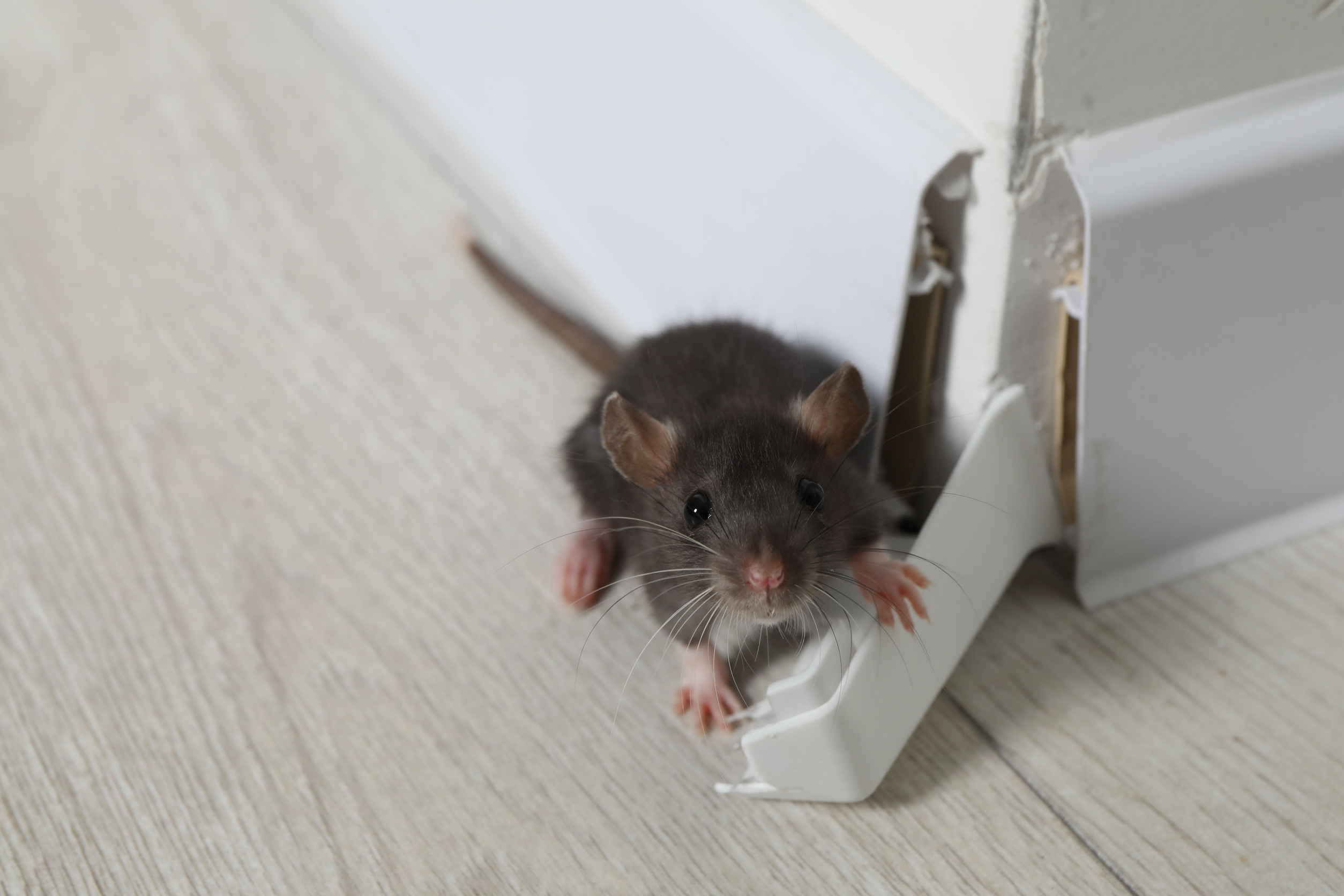
No matter how clean your home looks, pests can be hiding in places you’d never expect—especially near areas where your kids play, eat, and sleep. These hidden pest hotspots can attract insects and rodents that carry bacteria, bite, or trigger allergies, putting your little ones at risk. The scary part is, most parents don’t notice these problem areas until an infestation is already underway. By understanding where pests like to hide and why, you can take simple steps to protect your family. Let’s shine a light on five sneaky areas around the house that could be harboring pests without you even knowing it.

1. Toy Storage Bins Are a Hidden Haven

Kids’ toys are often tossed into bins, baskets, or toy chests—but these cozy, cluttered spaces can become ideal hidden pest hotspots. Crumbs from snack-time, forgotten juice box straws, or sticky residue from candy attract ants, roaches, and even mice. Since many parents store toys in playrooms or bedrooms, pests in these bins can end up right where your child sleeps or spends time on the floor. Soft toys, in particular, can harbor dust mites and flea eggs if pets are around. Make it a habit to wipe down toys regularly, vacuum storage areas, and inspect bins for signs of unwanted visitors.

2. Highchair Padding and Underneath the Tray

Highchairs might look clean on the surface, but underneath that tray or deep in the seams of the padding, food particles can build up fast. These leftover crumbs and spills become irresistible snacks for ants and fruit flies. The padding and crevices often stay damp from wipe down cloths or spilled milk, creating a moist environment where mold and bacteria can thrive too. Since your child eats in this space daily, it’s important to clean every part—not just the visible ones. Remove and scrub trays, wash fabric parts according to instructions, and inspect underneath the chair often.

3. Underneath and Behind the Couch

Kids love to snack while watching TV or playing on the living room floor, which makes the area behind and under the couch a pest paradise. Bits of cereal, cracker crumbs, and sticky juice spills often fall between cushions or end up under furniture, out of sight and out of reach. Rodents, roaches, and even silverfish find this combination of food and dark hiding spots extremely appealing. Since couches are rarely moved or deep cleaned, these hidden pest hotspots can go unchecked for long stretches. Schedule regular vacuuming under and behind your furniture to keep pests away.

4. Bathroom Cabinets and Under-Sink Areas

Bathrooms are often humid and dark, which makes them perfect environments for silverfish, cockroaches, and even spiders to hide—especially under the sink. Leaky pipes or damp cleaning cloths create just enough moisture for pests to thrive. If you store baby wipes, bath toys, or grooming tools for your child in these cabinets, they could be coming into close contact with pest droppings or bacteria. To prevent this, seal any leaks, store products in airtight bins, and keep the area dry. Adding a dehumidifier or moisture absorber can also make the space less appealing to insects.

5. Crib Skirts and Under-Crib Storage

Many parents store diapers, wipes, clothes, and toys under the crib using soft baskets or bins covered by a crib skirt. While it looks tidy, it’s another one of those hidden pest hotspots where insects or mice can hide undetected. Dust buildup, pet dander, and even a stray snack or two can attract unwanted guests right under where your baby sleeps. Since the crib skirt conceals what’s underneath, it can go unchecked for weeks. Clean the area regularly, inspect stored items, and avoid using fabric containers that pests can easily nest in or chew through.

Awareness Makes All the Difference

When it comes to protecting your children, keeping an eye out for hidden pest hotspots is just as important as baby-proofing cabinets or covering electrical outlets. Many pests thrive in cozy, dark places filled with crumbs or moisture, which unfortunately describes quite a few kid-centered areas in the home. The good news is, a little extra awareness and regular cleaning can go a long way in keeping pests at bay. Make a checklist of these problem areas and add them to your weekly or monthly cleaning rotation. You’ll gain peace of mind knowing your child’s favorite spaces are both fun and safe.

Have you discovered pests hiding in a place you never expected? Share your story or tips in the comments below!

Read More:

The Quiet Killer: 8 Hidden Hazards In Your Nursery You’re Not Checking

Silent Danger: 8 Common Foods That Are Choking Hazards for Young Children

Catherine Reed
Catherine Reed

Catherine is a tech-savvy writer who has focused on the personal finance space for more than eight years. She has a Bachelor’s in Information Technology and enjoys showcasing how tech can simplify everyday personal finance tasks like budgeting, spending tracking, and planning for the future. Additionally, she’s explored the ins and outs of the world of side hustles and loves to share what she’s learned along the way. When she’s not working, you can find her relaxing at home in the Pacific Northwest with her two cats or enjoying a cup of coffee at her neighborhood cafe.
Filed Under: Home and Living Tagged With: baby proofing, child health, family wellness, hidden pest hotspots, home safety, parenting tips, pest control, safe cleaning routines

The Quiet Threat: 5 Home Areas That Are Hidden Pest Hotspots Near Kids

July 22, 2025 | Leave a Comment

The Quiet Threat 5 Home Areas That Are Hidden Pest Hotspots Near Kids
Image source: 123rf.com

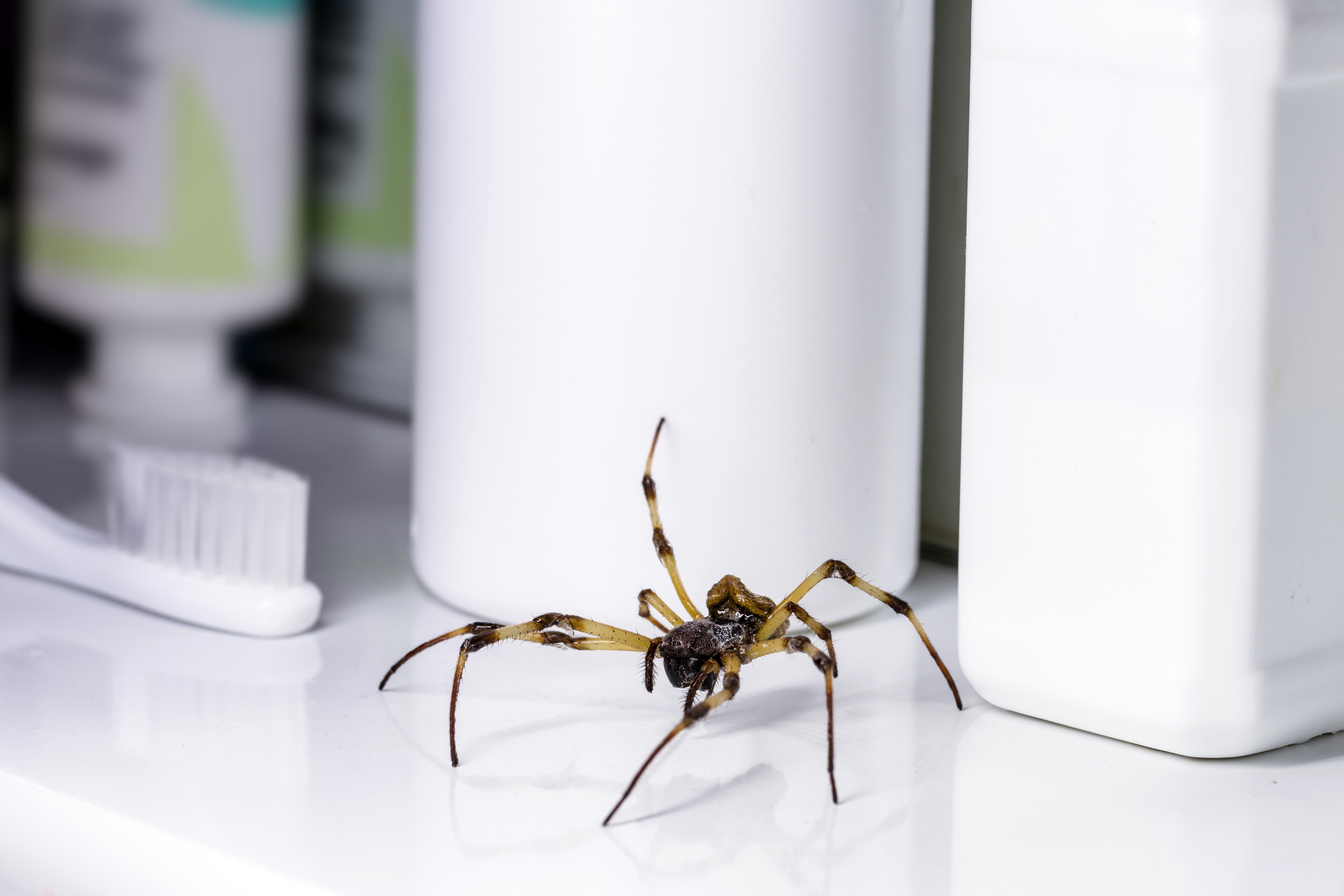
When we think of home safety for our kids, we often jump to sharp corners, electrical outlets, or chemical cleaners. But there’s another silent danger creeping in—pests. From cockroaches to rodents, these uninvited guests love to hide in places we don’t often check, and unfortunately, some of the worst offenders are areas where children spend a lot of time. Understanding hidden pest hotspots near kids can help you take action before an infestation becomes a health hazard. Let’s look at five commonly overlooked spots in your home where pests love to gather, often just steps away from your little ones.

1. Underneath Highchairs and Dining Areas

Crumbs and spills are magnets for pests, and the area beneath your child’s highchair is like a 24-hour buffet for ants, roaches, and even mice. Even if you clean regularly, tiny food particles can easily lodge in floor cracks, rug fibers, or along baseboards. This makes dining zones one of the most common hidden pest hotspots near kids. Pests drawn to this area don’t just pose cleanliness concerns—they can also introduce allergens or bacteria that impact young immune systems. To prevent infestations, use a washable mat under the highchair, vacuum daily, and inspect for pest signs like droppings or chewed corners.

2. Inside Toy Chests and Plush Toy Storage

Stuffed animals and toy boxes aren’t just beloved by your toddler—they’re appealing to pests as warm, soft hiding spots. Dust mites, spiders, and even carpet beetles can take up residence, especially if toys aren’t regularly cleaned or rotated. This makes these zones surprising hidden pest hotspots near kids, where bugs can quietly multiply unnoticed. Add to that the fact that many plush toys are frequently held, slept with, or even chewed on, and it becomes a real health concern. Wash soft toys monthly, vacuum storage bins, and avoid storing toys directly on carpeted floors.

3. Behind and Under Cribs or Beds

Most parents clean sheets and surfaces regularly, but the space behind or under your child’s bed often goes untouched for weeks—or even months. Dust bunnies, food wrappers, dropped pacifiers, and lost toys create the perfect storm for pests like spiders, ants, or silverfish. These hidden pest hotspots near kids are particularly problematic because your child is exposed to them while sleeping or playing nearby. Check for signs like webbing or pepper-like droppings during your regular cleaning routine. Move cribs or toddler beds a few inches away from walls and do deep cleanings monthly to minimize risk.

4. Diaper Pails and Trash Bins

Diaper pails are convenient but notorious for attracting flies and roaches if not emptied regularly and cleaned thoroughly. Even with a lid, the odor and moisture can draw pests from other parts of the house. Since these bins are often placed close to changing tables, this makes them another prime example of hidden pest hotspots near kids. A pest problem here puts your baby at risk during one of the most hands-on parts of your day. Clean bins with vinegar or disinfectant weekly, use tight-fitting lids, and consider sealing dirty diapers in smaller bags before tossing them out.

5. Behind Curtains and Window Blinds in Play Areas

Curtains and blinds can trap dust, moisture, and even insect nests, especially in corners and folds that are rarely disturbed. If your child has a playroom with a cozy reading nook by the window, this could unknowingly be one of the worst hidden pest hotspots near kids. Spiders, ants, or even wasps can set up camp unnoticed, and many kids love to peek through or tug on curtains without realizing what’s hiding inside. Dust and wash curtains regularly and check for insect activity along windowsills and frames during your usual cleaning sessions.

Safer Spaces Start with Awareness

Protecting your kids from pests doesn’t require turning your home upside down—it just takes a bit more awareness of where problems tend to start. By recognizing hidden pest hotspots near kids, you can target those overlooked spaces that are quietly inviting trouble. From cleaning routines to small layout adjustments, minor changes make a big difference in keeping bugs and rodents away. And as a bonus, a cleaner, more hygienic space is just more pleasant for everyone. The earlier you address potential pest zones, the safer your home becomes for curious little explorers.

Have you ever found pests in an unexpected part of your home? Share your experience and tips in the comments—we’d love to hear how you tackled it!

Read More:

8 Hidden Dangers Lurking in Your Child’s Toys

Mail Exposure: 6 Ways Your Child’s Mail Gives Them Away

Catherine Reed
Catherine Reed

Catherine is a tech-savvy writer who has focused on the personal finance space for more than eight years. She has a Bachelor’s in Information Technology and enjoys showcasing how tech can simplify everyday personal finance tasks like budgeting, spending tracking, and planning for the future. Additionally, she’s explored the ins and outs of the world of side hustles and loves to share what she’s learned along the way. When she’s not working, you can find her relaxing at home in the Pacific Northwest with her two cats or enjoying a cup of coffee at her neighborhood cafe.

Filed Under: Home and Living Tagged With: baby proofing, child-friendly cleaning, hidden pest hotspots near kids, home hygiene, kids and bugs, parenting safety, pest control tips, toddler home safety

Gear Safety: 6 Urgent Safety Checks for Baby Gear

July 9, 2025 | Leave a Comment

Gear Safety 6 Urgent Safety Checks for Baby Gear
123rf.com

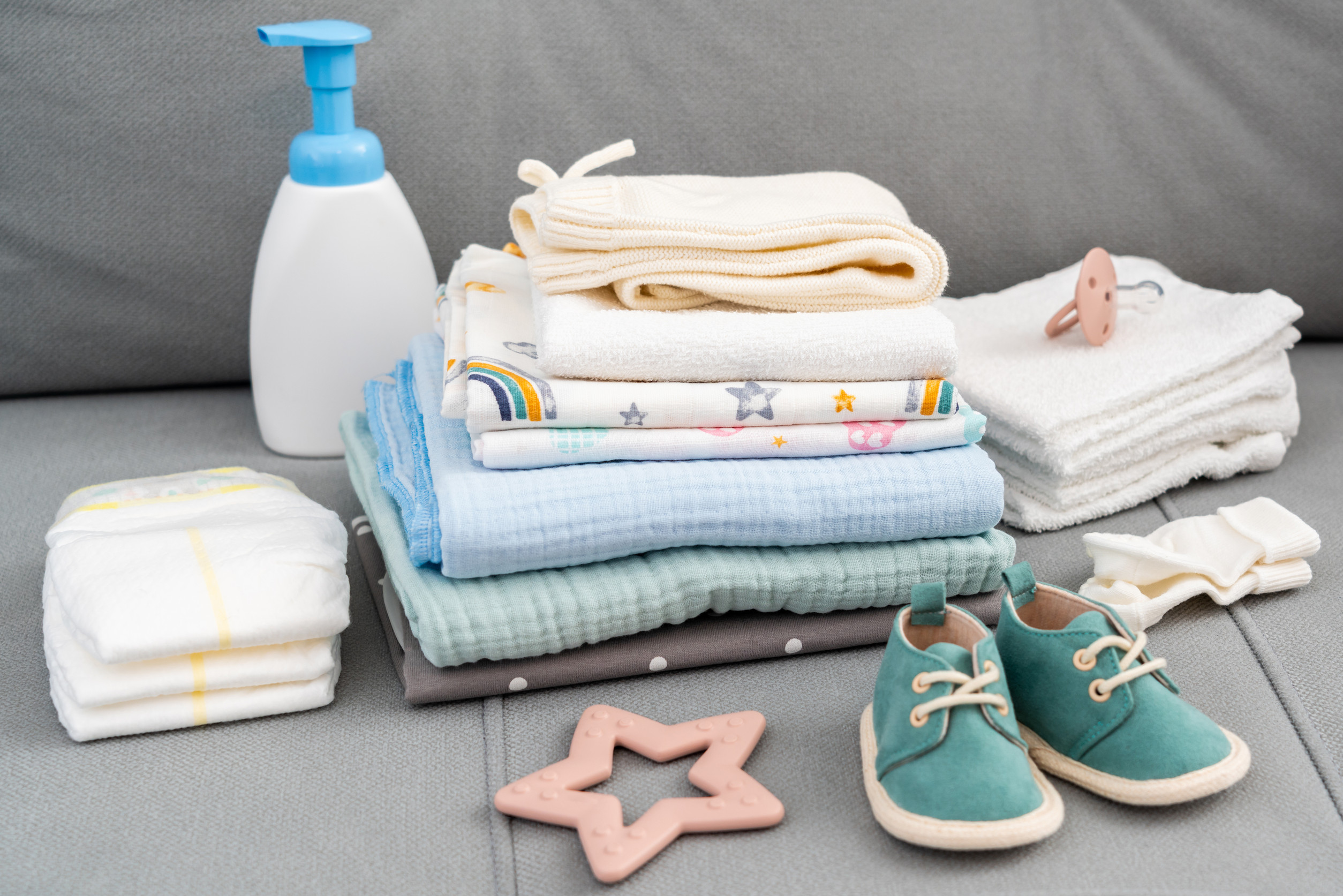
When it comes to baby gear, peace of mind comes from knowing your child’s essentials are safe, secure, and functioning the way they should. Whether it’s a hand-me-down stroller or a brand-new crib, even the best-reviewed gear can pose risks if it isn’t regularly checked. Many parents assume that once an item is purchased, it’s good to go for the long haul—but that’s not always true. Everyday wear and tear, forgotten recalls, or improper assembly can quickly turn baby gear into a hazard. These six gear safety checks should be part of your routine to keep your little one protected from preventable dangers.

1. Check for Recalls on All Gear

Before using any baby gear, especially secondhand items, it’s important to check if the item has been recalled. Recalls often happen because a product poses a risk of injury, suffocation, entrapment, or even death. You can visit the Consumer Product Safety Commission (CPSC) website and search by brand or product name. Don’t assume that popular or expensive items are immune recalls affect products at all price points. Staying informed about recalls is one of the most critical gear safety steps you can take.

2. Inspect for Loose or Broken Parts

Over time, baby gear can develop loose screws, missing bolts, or cracks that compromise its safety. Car seats, highchairs, swings, and playpens should all be inspected regularly to ensure all components are secure and intact. Any broken or worn-down part should be replaced immediately with a manufacturer-approved piece. Never attempt to DIY a fix with makeshift solutions, as that can make things worse. Consistent inspection helps prevent sudden failures that could cause harm.

3. Examine Harnesses and Straps for Wear

Harnesses are designed to keep babies securely in place, but frayed or stretched-out straps can reduce their effectiveness. Check the stitching, buckles, and tension points on car seats, strollers, bouncers, and highchairs. If the straps no longer stay tight or have visible signs of damage, they could pose a serious risk during use. Make sure all harnesses are adjusted properly each time you use the gear. Functional, snug-fitting straps are a core part of gear safety that should never be overlooked.

4. Confirm Proper Assembly and Setup

Improper assembly is a common cause of baby gear malfunctions and injuries. Always read the instruction manual thoroughly, even if the gear seems self-explanatory. Items like cribs and bassinets must be assembled with precision to avoid collapse, entrapment, or tipping. Double-check that all locks are engaged, wheels are locked, and adjustable parts are secure. Don’t forget to re-check setup after travel or if someone else has moved or used the item.

5. Look for Stability and Tip Hazards

Any gear that sits on the floor—think jumpers, swings, or activity centers—should be tested for stability. Babies can easily shift their weight, causing lighter or poorly designed gear to tip over. Give each item a gentle nudge and test it with a bit of simulated movement to see how stable it is. Make sure the base is wide enough and sits flush with the floor, especially on uneven surfaces like carpet. Avoid placing gear near furniture or walls where it could shift or topple onto something else.

6. Monitor Age and Weight Limits

Every piece of baby gear has a recommended age and weight range, and exceeding those limits can increase risk. A car seat that’s too small or a swing meant for a newborn but used for a 20-pound baby can fail to provide adequate support. Keep track of your baby’s growth and check that their gear still fits their current needs. If an item is too snug, too loose, or lacks head and neck support, it’s time to retire it. Respecting the manufacturer’s limits is a smart and simple gear safety practice.

Safe Gear, Safer Babies

Taking a few minutes to perform gear safety checks can prevent avoidable injuries and give you greater confidence every time your baby uses their essentials. These aren’t one-and-done tasks—they’re habits that can evolve with your child’s needs and growth. Whether you’re a new parent or a seasoned one, a quick safety inspection is always worth your time. Trusting your gear starts with knowing it’s reliable, secure, and ready to support your child. When safety is part of the routine, peace of mind naturally follows.

Which baby gear safety checks do you make a habit of? Share your go-to tips in the comments!

Read More:

Too Safe? 8 Modern Safety Gear Items Parents Didn’t Grow Up With

8 Baby Nursery Ideas That’ll Make Your Friends Jealous

Catherine Reed
Catherine Reed

Catherine is a tech-savvy writer who has focused on the personal finance space for more than eight years. She has a Bachelor’s in Information Technology and enjoys showcasing how tech can simplify everyday personal finance tasks like budgeting, spending tracking, and planning for the future. Additionally, she’s explored the ins and outs of the world of side hustles and loves to share what she’s learned along the way. When she’s not working, you can find her relaxing at home in the Pacific Northwest with her two cats or enjoying a cup of coffee at her neighborhood cafe.

Filed Under: Parenting Tagged With: Baby Gear, baby proofing, baby safety tips, car seat checks, gear safety, parenting safety, safe baby products, stroller safety

  • Facebook
  • Pinterest
  • RSS
  • Twitter

Basic Principles Of Good Parenting

Here some basic principles for good parenting:

  1. What You Do Matters: Your kids are watching you. So, be purposeful about what you want to accomplish.
  2. You Can’t be Too Loving: Don’t replace love with material possessions, lowered expectations or leniency.
  3. Be Involved Your Kids Life: Arrange your priorities to focus on what your kid’s needs. Be there mentally and physically.
  4. Adapt Your Parenting: Children grow quickly, so keep pace with your child’s development.
  5. Establish and Set Rules: The rules you set for children will establish the rules they set for themselves later.  Avoid harsh discipline and be consistent.
  6. Explain Your Decisions: What is obvious to you may not be evident to your child. They don’t have the experience you do.
  7. Be Respectful To Your Child: How you treat your child is how they will treat others.  Be polite, respectful and make an effort to pay attention.
Best Parenting Blogs

Most Popular

Baby

9 Unusual Baby Names That Sound Like They Belong to Future CEOs

Evan Morgan
Baby

10 Baby Names That Were Once Considered “Grandparent Names” but Feel Cool Again

Evan Morgan
Target Store

Choking Incident Prompts Recall of 49,000 Target Gigglescape “Under the Sea” Popping Toys

Evan Morgan
Frustrated Girl

Why Some Students on the Spectrum Are Labeled With ODD

Evan Morgan
Coke Bottles

12 Things Kids Took to School in the ’70s That Would Never Be Allowed Today

Evan Morgan

All content on Kids Ain’t Cheap is for entertainment purposes only. By reading this blog, you agree that Kids Ain’t Cheap is not responsible for any actions taken after reading this blog. For the full disclaimer, see our privacy policy.

Please note that Kids Ain’t Cheap has financial relationships with some of the merchants mentioned here. Kids Ain’t Cheap is funded by banner advertising, commission sales and search optimization consulting.

Copyright © 2006–2026 | District Media | All Rights Reserved | Privacy Policy

Copyright © 2026 Runway Pro Theme by Viva la Violette