• Home
  • About Us
  • Toolkit
  • Archives
  • Advertise
  • Privacy Policy

Kids Ain't Cheap

But They Sure Are Worth It

  • Parenting
    • Baby Stuff
    • Books and Reading
      • Aesops Fables
      • Comic Books
    • Education
    • Family Time
    • Green Living
    • Growing Up
    • Healthy Living & Eating
    • Holidays
    • Parenting
    • Random Musings
    • Shopping
    • Stuff to Do
  • Money
  • Product Reviews
    • Books and Magazines
    • Discount Sites
    • Furniture
    • House Keeping
    • Reviews News
    • Toys and Games
  • Contact Us
  • Our Editorial Commitment
  • Search

7 Common Chores That May Be Too Dangerous for Young Children

October 27, 2025 | Leave a Comment

7 Common Chores That May Be Too Dangerous for Young Children
Image source: shutterstock.com

Assigning chores is a great way to teach kids responsibility, teamwork, and independence. However, not every household task is suitable for small hands or developing coordination. Some chores that may be too dangerous for young children carry hidden risks that parents often overlook—sharp tools, heavy objects, chemicals, or even falls from simple height differences. Knowing which chores to avoid can help families maintain a safe environment while still encouraging helpful habits. Here are seven everyday chores that may look harmless but can pose real dangers for younger kids.

1. Taking Out the Trash Can Lead to Hidden Hazards

One of the chores that may be too dangerous for young children is taking out the trash. Trash bags can contain broken glass, metal lids, or leaking chemicals that cut or irritate skin. The bags themselves can also be heavy or awkward to lift, putting strain on growing joints and backs. Outside, trash bins may attract pests or tip over easily, leading to injuries. Instead, parents can involve kids by having them collect smaller wastebaskets or separate recyclables until they are old enough to handle outdoor disposal safely.

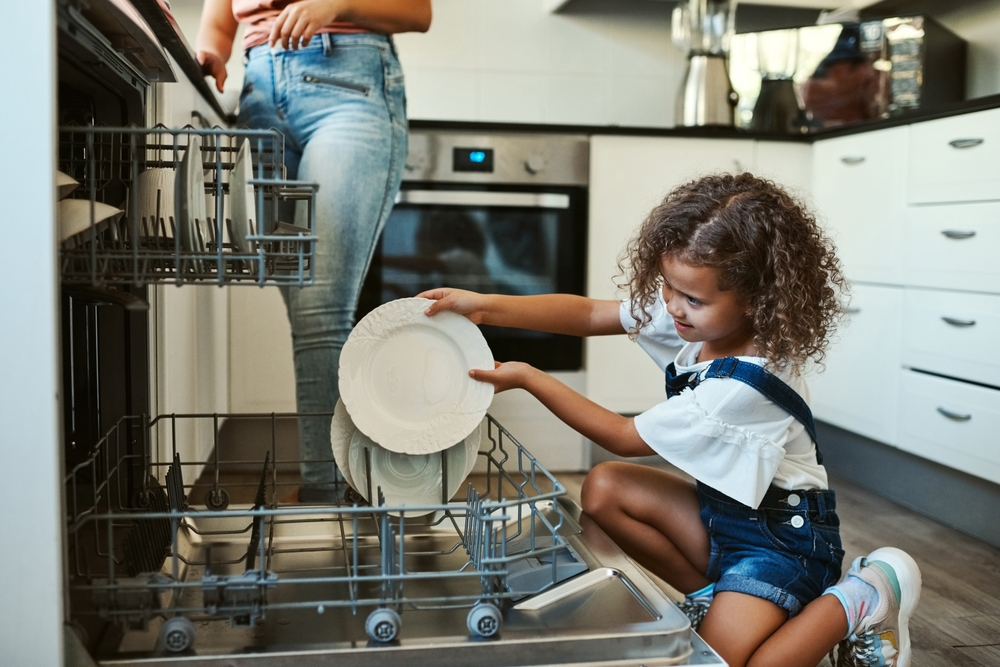
2. Washing Dishes Isn’t Always Safe for Little Hands

Washing dishes seems simple, but it’s another one of the chores that may be too dangerous for young children. Sharp knives, broken glassware, or hot water can easily cause cuts or burns. Many dish detergents are also harsh on sensitive skin, creating rashes or irritation if not properly rinsed. Even the act of standing at a sink for too long can cause slips if the floor becomes wet. A safer alternative is having children help by drying unbreakable items or setting the table.

3. Yard Work Can Expose Kids to Unexpected Risks

Outdoor chores are often fun, but certain types of yard work belong firmly in the “chores that may be too dangerous” category for young children. Mowers, trimmers, and hedge clippers can cause severe injuries even when used under supervision. Garden chemicals or fertilizers may also contain toxins that are harmful if inhaled or touched. Additionally, lifting heavy bags of mulch or soil can lead to strains or back pain. Encourage little helpers to pull weeds by hand, water plants with a small can, or collect fallen leaves instead of operating equipment.

4. Cleaning Bathrooms Involves Dangerous Chemicals

Bathroom cleaning is one of the most common chores that may be too dangerous for young children. Many cleaning products contain bleach, ammonia, or acid-based ingredients that can burn skin and irritate lungs. Children may also mix products accidentally, creating toxic fumes without realizing it. The small, enclosed space of a bathroom makes it even riskier if ventilation is poor. Instead of using harsh chemicals, let children wipe down mirrors with vinegar and water or help refill soap dispensers while an adult handles the deeper cleaning.

5. Cooking and Using Kitchen Appliances Requires More Maturity

Cooking is often a favorite family activity, but it’s also one of the chores that may be too dangerous for young children without close supervision. Stovetops, ovens, and even microwaves can cause burns or fires when used incorrectly. Knives and peelers introduce additional risks if motor skills aren’t fully developed. Children may also forget to turn off appliances or handle hot pans safely. Parents can still involve them by assigning safe prep tasks like rinsing vegetables or mixing batter while teaching proper kitchen safety over time.

6. Doing Laundry Involves More Than Just Pressing Buttons

Laundry duty might seem harmless, but it’s another of the chores that may be too dangerous for young children. Washing machines and dryers are heavy, moving machines that can cause injury if children climb or lean on them. Detergent pods, in particular, pose a serious poisoning risk because their colorful appearance can be mistaken for candy. Even liquid detergent can cause burns or eye irritation if splashed. Until children are old enough to handle chemicals carefully, parents can have them fold clean clothes or match socks instead.

7. Climbing to Dust or Organize High Shelves

Many parents encourage kids to help tidy up, but reaching high areas is one of those chores that may be too dangerous for young children. Climbing stools or small ladders introduces a significant fall risk, especially for kids who may overreach or lose balance. Objects stored overhead can also fall and cause injuries if not handled properly. Dusting within arm’s reach or organizing lower shelves is a safer way to teach tidiness. As kids grow, they can gradually move on to higher or more complex cleaning tasks with adult guidance.

Balancing Independence and Safety in Household Responsibilities

Recognizing chores that may be too dangerous for young children doesn’t mean removing them from household responsibilities altogether. It’s about adjusting tasks to match their physical abilities and understanding of risk. Parents can gradually introduce more challenging chores as kids demonstrate maturity and safety awareness. The goal is to teach responsibility while preventing injuries, accidents, or exposure to unsafe materials. With the right balance, children learn valuable life skills safely—one age-appropriate task at a time.

Which household chore do you think is the riskiest for young kids to handle? Share your experiences or safety tips in the comments below.

What to Read Next…

7 After-School Activities That Are Quietly Putting Kids in Danger

Beyond The Toys: 8 Hidden Dangers In Your Child’s Toys

Kids’ Meds: 5 Dangerous Prescriptions You Didn’t Question for Kids

The Danger In Your Bathtub: 8 Hidden Dangers In Your Child’s Bathtub

Baby Danger: 10 Household Items That Hurt Babies You Own

Catherine Reed
Catherine Reed

Catherine is a tech-savvy writer who has focused on the personal finance space for more than eight years. She has a Bachelor’s in Information Technology and enjoys showcasing how tech can simplify everyday personal finance tasks like budgeting, spending tracking, and planning for the future. Additionally, she’s explored the ins and outs of the world of side hustles and loves to share what she’s learned along the way. When she’s not working, you can find her relaxing at home in the Pacific Northwest with her two cats or enjoying a cup of coffee at her neighborhood cafe.

Filed Under: Safety Tagged With: child safety, family life, home safety, household chores, kids and chores, parenting advice, parenting tips

7 Ways You’re Failing to Teach Responsibility Without Realizing It

May 10, 2025 | Leave a Comment

Teaching responsibility

You might be doing things with the best intentions: keeping the peace, saving time, or just wanting to make your child’s life easier. But those small habits can quietly chip away at your child’s opportunity to grow into a capable, dependable adult. Teaching responsibility doesn’t require perfection—it just takes awareness, consistency, and the courage to let your child struggle a little. If you’ve been wondering why your kid resists chores or avoids accountability, one of these silent sabotages might be to blame.

1. Doing Tasks for Them “Because It’s Faster”

It’s so tempting to tie the shoes, clean the room, or pack the backpack yourself—especially on busy mornings. But when you always step in, you send the message that they cannot do it on their own. Kids learn responsibility by doing things, not watching them get done. Sure, it takes longer at first, but the long-term payoff is independence and pride. Letting your child handle age-appropriate tasks is a powerful vote of confidence in their abilities.

2. Giving In When They Push Back

No kid jumps for joy when asked to take out the trash or feed the dog, but responsibility isn’t built on enthusiasm; it’s built on consistency. If you assign a task but give up at the first complaint, you’ve taught them that resistance works. It’s okay for kids to grumble; what matters is that the expectation remains steady. Stand your ground with calm firmness, not frustration. Over time, the pushback will fade, and the habit will stick.

3. Avoiding Chores Because “They’re Too Young”

Many parents delay household responsibilities until kids are older, assuming they’ll take it more seriously with age. But waiting too long robs kids of the early foundation they need to develop a responsible mindset. Even toddlers can start with simple jobs like putting toys in a bin or helping set the table. Small tasks grow into bigger responsibilities—and the sooner they start, the more natural it becomes. Don’t underestimate what your child can do when you teach with patience.

4. Not Following Through on Consequences

If your child forgets their homework or skips a chore, but nothing happens afterward, they learn that responsibility is optional. Consequences aren’t punishments—they’re opportunities to connect actions with outcomes. When you let things slide “just this once,” the lesson gets muddied. Stick to clear, reasonable consequences that match the action, and apply them every time. Consistency builds trust and helps your child understand that follow-through matters.

5. Cleaning Up Their Messes—Literally and Figuratively

Whether it’s a spilled cup or a forgotten permission slip, constantly rescuing your child keeps them from learning ownership. Mistakes are a natural part of growing up; responsibility includes fixing what goes wrong. Step back and let your child experience the impact of their choices—even if it’s uncomfortable. Offer guidance, not a bailout, so they can figure out how to recover on their own. That’s where real confidence and responsibility start to take root.

6. Failing to Set Clear Expectations

Kids can’t meet expectations they don’t understand. If you assume your child “should know better” without laying it out clearly, you’re setting them up to miss the mark. Be specific about what needs to happen, when, and how. Clear instructions and simple routines help kids stay on track without constant reminders. Over time, the consistency becomes internalized, and they start taking initiative on their own.

7. Praising Outcomes Instead of Effort

When responsibility is only acknowledged after a perfect result, kids may become afraid to try. Instead of focusing solely on clean rooms or high grades, praise the effort and follow-through behind the action. “I noticed you remembered to do that without being asked,” goes a long way in reinforcing responsible behavior. Encouraging the process shows your child that responsibility is about showing up, not just succeeding. This creates a lasting sense of ownership and pride in their actions.

Building Better Habits Starts With Awareness

Teaching responsibility isn’t about tough love or endless lectures—it’s about stepping back and letting kids step up. When you spot the ways you might be overhelping or under-expecting, you can start making small but powerful changes. Giving kids the room to mess up, try again, and eventually get it right builds the kind of confidence that sticks. It’s not always easy to hold the line, but the reward is a child who believes they’re capable—and shows it. And that’s worth every extra minute or meltdown along the way.
Which habit surprised you the most? Have you caught yourself accidentally holding your child back? Let’s talk about it in the comments!

Read More:

Why Your Child Needs to Learn the Hard Way – Financially

8 Parenting Trends That Sound Great (But Might Be Hurting Your Kids)

Catherine Reed
Catherine Reed

Catherine is a tech-savvy writer who has focused on the personal finance space for more than eight years. She has a Bachelor’s in Information Technology and enjoys showcasing how tech can simplify everyday personal finance tasks like budgeting, spending tracking, and planning for the future. Additionally, she’s explored the ins and outs of the world of side hustles and loves to share what she’s learned along the way. When she’s not working, you can find her relaxing at home in the Pacific Northwest with her two cats or enjoying a cup of coffee at her neighborhood cafe.

Filed Under: Parenting Tagged With: accountability for children, age-appropriate chores, child development, kids and chores, life skills for kids, parenting advice, parenting mistakes, parenting tips, raising responsible kids, teaching responsibility

These Are The 10 Best Excuses Kids Use To Get Out of Doing Chores

April 30, 2025 | Leave a Comment

Two kids lying on wooden stairs, appearing tired or resting.
Image Source: Unsplash

If there’s one arena where children show unbridled creativity, it’s in dodging housework. Whether a sudden limp appears at laundry time or a last-minute homework crisis erupts as the dishwasher opens, kids can spin imaginative reasons to avoid responsibility.

While these excuses often prompt parental eye-rolls, they also reveal deeper motivations—fear of mistakes, hunger for autonomy, or simple overwhelm. Understanding the excuses kids make helps you replace power struggles with coaching moments that build lifelong responsibility.

1. “I Think I Hurt Myself”

The moment a chore is mentioned, your child may suddenly clutch an elbow as if struck by lightning. A tiny scrape turns into a full-blown limp, and the pained expression rivals an awards-show performance. This showmanship buys precious minutes and tests whether you’ll swap the broom for a bandage. Kids are masters at gauging how quickly sympathy can override responsibility. They also know that an injury—real or exaggerated—puts them in the spotlight.

Even if the hurt is minor, they relish the pause in routine. The theatrics can feel frustrating, yet they reveal a need for comfort and reassurance. Prompt care paired with steady expectations keeps drama from dictating the day.

Decode it: Kids might fear they’ll do the chore “wrong” or want reassurance you’ll come to their rescue.
Try this: Offer a quick check-up (“Let’s wash that scratch”) and set a gentle timer to resume the task. You meet their need for comfort but keep the expectation intact.

2. “I Forgot I Had Homework!”

Homework materializes the minute chores are assigned. Parenting columnist Rachel Toalson notes this is a go-to stall tactic because schoolwork sounds noble compared to folding towels.

Sometimes they truly feel cornered by clashing priorities and worry about disappointing teachers. Other times, the tactic simply shifts your focus from household duty to scholastic success. A well-structured routine removes the guessing game and deflates this excuse. Posting a clear timetable makes priorities visible, leaving little wiggle room. When each hour has a job, surprises lose power. Praise smooth transitions to reinforce that both school and home duties matter.

Decode it: They’re prioritizing what feels urgent—or hoping you’ll do the same.
Try this: Establish a consistent routine: homework from 4 to 5, chores at 5:15. Predictability leaves little wiggle room, and a visible timetable prevents feigned surprise.

3. “But Angie Doesn’t Have to!”

Fairness complaints can derail order faster than you can say “not negotiable.” Kids compare siblings, friends, or mythical classmates who never lift a finger. When they suspect imbalance, resentment skyrockets and chores stall. Acknowledge that fairness matters to everyone, adults included.

Then explain that tasks rotate based on age, ability, and need, not popularity. Short family meetings to review chore charts help keep transparency high and frustration low. When kids see balance over time, the leverage in comparisons fades. They begin to trust the system instead of challenging it at every turn.

Decode it: They seek leverage or worry that responsibilities aren’t distributed evenly.
Try this: Rotate chores weekly and hold short family meetings to explain the why behind assignments. When children feel tasks are balanced—and understand the purpose—they complain less.

4. “I Don’t Feel Like It”

This blunt confession is strangely refreshing because it’s honest—most chores aren’t thrilling. Children live in the present, so wiping counters feels like lost playtime. By naming disinterest outright, they test whether excuses must be elaborate or if raw truth works just as well. A simple “don’t wanna” also gauges your willingness to push past feelings into action.

Acknowledge that boredom is real, then spotlight the payoff of shared clean spaces. Linking effort to a weekend movie night or extra screen time transforms drudgery into investment. Over time, external rewards morph into internal pride as kids notice the difference their effort makes. A tidy home becomes a team win, not a parent mandate.

Decode it: They struggle to push past boredom and see the payoff.
Try this: Link chores to a motivating reward, such as weekend screen time or a family movie night. Reinforce how small daily tasks contribute to a comfortable, clean home everyone enjoys.

5. “Can You Help Me First?”

What sounds like a sweet request for guidance can hide skillful avoidance. Inviting you to start “just this once” taps your teaching instinct and delays independence. Children might crave attention more than assistance, turning a simple duty into extended together time. Confidence gaps also lurk here; if a task feels overwhelming, having you dive in lowers the stakes.

Demonstrate each step clearly—two plates loaded, two cups rinsed—so the process feels manageable. Then switch to gradual release: side-by-side for a minute, then the child solo. Celebrate small milestones to cement their competence. Soon, “help me first” fades as they realize they truly can do it alone.

Decode it: They lack confidence or dread tedious work.
Try this: Demonstrate once, then break tasks into steps. “You wash one dish, I’ll wash the next. After that, it’s your turn to finish.” Gradual release builds competence and reduces repeat pleas.

6. “I Forgot”

The simplest excuse in the book still packs power. The Center for Parenting Education reminds us that kids’ executive-function skills—like memory and planning—are still developing. Re-issuing reminders trains you to shoulder their mental load, so visual aids help transfer that burden. A colorful chore chart in a high-traffic spot catches the eye better than verbal nags.

Digital reminders or timer apps can ping at task time for tech-savvy families. Checking off completed boxes turns chores into a game board and progress into visible pride. Over weeks, the habit of double-checking the chart replaces the reflex to claim forgetfulness. Accountability migrates from parent to child, strengthening memory muscles in the process.

Decode it: Sometimes it’s a stall; sometimes they truly forgot.
Try this: Post a chore chart in a high-traffic spot. Use color-coded checkboxes or digital reminders. Consistent visual cues train memory and shift responsibility from you to them.

Young boy sitting at a table eating a cookie.
Image Source: Unsplash

7. “I Need a Snack First”

Hunger flares precisely when trash duty calls—convenient timing, yet plausible because bodies do need fuel. This stalls the chore clock and reframes refusal as self-care. Ignoring genuine hunger feels harsh, so many parents cave. Meet the need without ditching the plan by embedding snack time into a mini routine. Offer quick, low-mess foods so cleanup doesn’t spark another delay.

A five-minute buffer respects their appetite while preserving momentum toward chores. Over time, the structured sequence—snack, break, task—becomes automatic, and whining vanishes. Kids learn that needs are honored and responsibilities still get done.

Decode it: They might legitimately need energy or simply crave delay.
Try this: Build mini routines: snack, five-minute break, then chores. A structured sequence honors hunger without letting it derail the plan.

8. “You Didn’t Tell Me”

Few lines rattle caregivers faster than an accusation of poor communication. It plants doubt about whether instructions were actually given. Kids wield this to dodge blame and see if disorganization grants them freedom.

Combat the uncertainty with tangible proof. Whiteboards, sticky notes, or a shared family app record tasks in real time. Referencing the written cue neutralizes debate and models self-tracking for kids. Eventually they learn that responsibilities are documented and arguing semantics is pointless. The result is a household where clarity replaces confusion and follow-through becomes the norm.

Decode it: Children test boundaries or hope disorganization buys them freedom.
Try this: Record requests in real time—whiteboard lists, sticky notes, or a shared family app. Tangible proof removes debate and teaches self-tracking skills.

9. “I Did That Yesterday”

Kids treat chores like one-time favors instead of ongoing maintenance. Changing sheets once feels like a lifetime achievement.

Explaining that messes regenerate teaches why maintenance is constant. Rotating duties keeps resentment low, demonstrating shared investment rather than fixed punishments. A visible calendar showing recurring chores underscores their frequency.

Tracking “streaks” of on-time completion gamifies repetition and rewards consistency. Over time, kids realize that teamwork lightens the load and chores aren’t punishments but routine upkeep. Familiarity reduces protest, replacing grumbles with predictable action.

Decode it: They struggle to grasp repetitive tasks’ importance.
Try this: Explain that chores are cyclical—meals create dishes daily. Rotate duties so no one gets stuck with the same task, reinforcing that upkeep is constant but shared.

10. “Do I Haaaaaave To?”

The elongated whine, eye roll, and dramatic slump aim to wear you down by sheer persistence. Keeping calm counters the emotional volley and shows that volume doesn’t sway decisions. State expectations once, firmly and kindly—“Yes, it’s your job.” Offer a limited choice within boundaries: start before reading time or after, but finish tonight.

Acknowledge feelings without budging on outcomes: chores are non-negotiable in family life. When they comply, deliver genuine thanks to reinforce positive follow-through rather than focusing only on the struggle. Over repeated cycles, kids learn that persistence doesn’t rewrite rules, and cooperation earns quicker freedom. The whine loses its payoff and eventually fades from their playbook.

Decode it: They’re testing consistency and hoping persistence earns a pass.
Try this: Maintain calm firmness: “Yes, it’s your job. You may choose when to start—before or after reading time—but it must be done tonight.” Offering limited choice keeps control while preserving their autonomy.

What These Excuses Are Really Saying

Most excuses kids make are coded messages:

  • Overwhelm – The task seems too large or complex.
  • Need for attention – They crave connection; delaying chores grants extra interaction.
  • Fear of failure – They’d rather not try than risk doing it wrong.
  • Desire for autonomy – They want a say in when and how chores happen.

By decoding the subtext, you shift from policing to mentoring. Instead of defaulting to punishment, you offer tools—clear steps, shared choices, positive reinforcement—to help kids succeed.

Turning Excuses into Life Skills

  1. Set crystal-clear expectations. Written lists or charts reduce confusion.
  2. Teach technique. A five-minute demo prevents “I can’t” and builds confidence.
  3. Use natural consequences. No clean laundry? Fewer outfits to choose from. Reality bites gently but memorably.
  4. Celebrate progress. High-fives, verbal praise, or family game night highlight effort.
  5. Model consistency. When kids see you complete your own tasks—even ones you dislike—they learn integrity in action.

With patience, repeated practice, and empathy, excuses fade as capability grows. Children discover that pitching in is less about drudgery and more about pride, teamwork, and community.

What’s the funniest chore-dodging excuse you’ve heard? Share your story below—your creativity (and your child’s) might give another parent a supportive laugh.

Read More

  • How Much, If Any, Should You Pay Your Kids For Chores?
  • 5 Chores That Teach Work Ethic Principles to Toddlers

Samantha Warren
Samantha

Samantha Warren is a holistic marketing strategist with 8+ years of experience partnering with startups, Fortune 500 companies, and everything in between. With an entrepreneurial mindset, she excels at shaping brand narratives through data-driven, creative content. When she’s not working, Samantha loves to travel and draws inspiration from her trips to Thailand, Spain, Costa Rica, and beyond.

Filed Under: Parenting Tagged With: child behavior, excuses kids make | Parenting Advice, family life, family routines, kids and chores, parenting tips

  • Facebook
  • Pinterest
  • RSS
  • Twitter

Basic Principles Of Good Parenting

Here some basic principles for good parenting:

  1. What You Do Matters: Your kids are watching you. So, be purposeful about what you want to accomplish.
  2. You Can’t be Too Loving: Don’t replace love with material possessions, lowered expectations or leniency.
  3. Be Involved Your Kids Life: Arrange your priorities to focus on what your kid’s needs. Be there mentally and physically.
  4. Adapt Your Parenting: Children grow quickly, so keep pace with your child’s development.
  5. Establish and Set Rules: The rules you set for children will establish the rules they set for themselves later.  Avoid harsh discipline and be consistent.
  6. Explain Your Decisions: What is obvious to you may not be evident to your child. They don’t have the experience you do.
  7. Be Respectful To Your Child: How you treat your child is how they will treat others.  Be polite, respectful and make an effort to pay attention.
Best Parenting Blogs

Most Popular

Baby

9 Unusual Baby Names That Sound Like They Belong to Future CEOs

Evan Morgan
Baby

10 Baby Names That Were Once Considered “Grandparent Names” but Feel Cool Again

Evan Morgan
Target Store

Choking Incident Prompts Recall of 49,000 Target Gigglescape “Under the Sea” Popping Toys

Evan Morgan
Frustrated Girl

Why Some Students on the Spectrum Are Labeled With ODD

Evan Morgan
Coke Bottles

12 Things Kids Took to School in the ’70s That Would Never Be Allowed Today

Evan Morgan

All content on Kids Ain’t Cheap is for entertainment purposes only. By reading this blog, you agree that Kids Ain’t Cheap is not responsible for any actions taken after reading this blog. For the full disclaimer, see our privacy policy.

Please note that Kids Ain’t Cheap has financial relationships with some of the merchants mentioned here. Kids Ain’t Cheap is funded by banner advertising, commission sales and search optimization consulting.

Copyright © 2006–2026 | District Media | All Rights Reserved | Privacy Policy

Copyright © 2026 Runway Pro Theme by Viva la Violette