• Home
  • About Us
  • Toolkit
  • Archives
  • Advertise
  • Privacy Policy

Kids Ain't Cheap

But They Sure Are Worth It

  • Parenting
    • Baby Stuff
    • Books and Reading
      • Aesops Fables
      • Comic Books
    • Education
    • Family Time
    • Green Living
    • Growing Up
    • Healthy Living & Eating
    • Holidays
    • Parenting
    • Random Musings
    • Shopping
    • Stuff to Do
  • Money
  • Product Reviews
    • Books and Magazines
    • Discount Sites
    • Furniture
    • House Keeping
    • Reviews News
    • Toys and Games
  • Contact Us
  • Our Editorial Commitment
  • Search

7 Common Chores That May Be Too Dangerous for Young Children

October 27, 2025 | Leave a Comment

7 Common Chores That May Be Too Dangerous for Young Children
Image source: shutterstock.com

Assigning chores is a great way to teach kids responsibility, teamwork, and independence. However, not every household task is suitable for small hands or developing coordination. Some chores that may be too dangerous for young children carry hidden risks that parents often overlook—sharp tools, heavy objects, chemicals, or even falls from simple height differences. Knowing which chores to avoid can help families maintain a safe environment while still encouraging helpful habits. Here are seven everyday chores that may look harmless but can pose real dangers for younger kids.

1. Taking Out the Trash Can Lead to Hidden Hazards

One of the chores that may be too dangerous for young children is taking out the trash. Trash bags can contain broken glass, metal lids, or leaking chemicals that cut or irritate skin. The bags themselves can also be heavy or awkward to lift, putting strain on growing joints and backs. Outside, trash bins may attract pests or tip over easily, leading to injuries. Instead, parents can involve kids by having them collect smaller wastebaskets or separate recyclables until they are old enough to handle outdoor disposal safely.

2. Washing Dishes Isn’t Always Safe for Little Hands

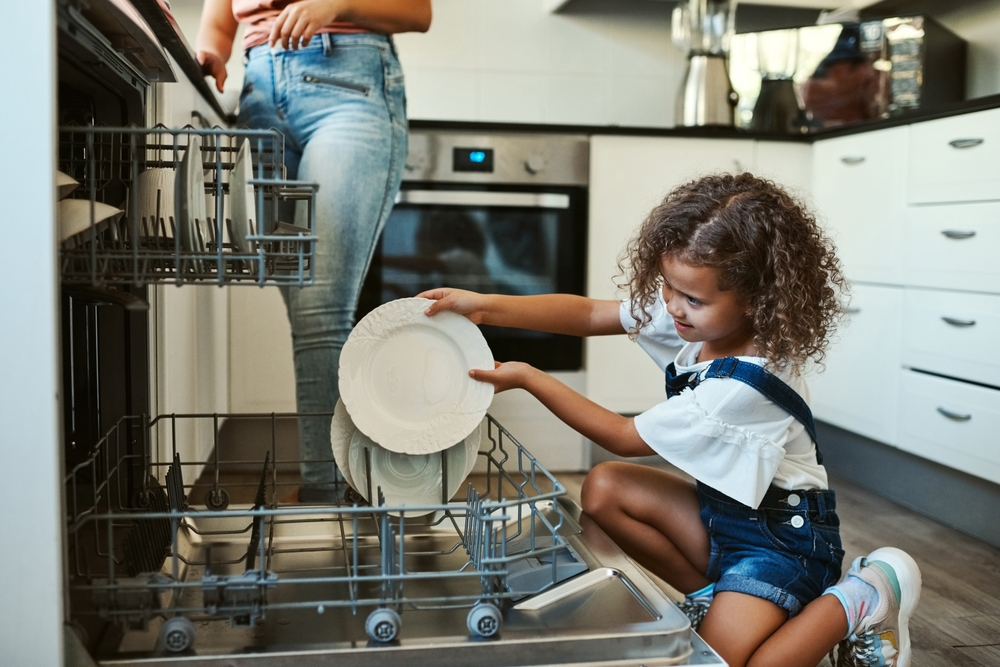
Washing dishes seems simple, but it’s another one of the chores that may be too dangerous for young children. Sharp knives, broken glassware, or hot water can easily cause cuts or burns. Many dish detergents are also harsh on sensitive skin, creating rashes or irritation if not properly rinsed. Even the act of standing at a sink for too long can cause slips if the floor becomes wet. A safer alternative is having children help by drying unbreakable items or setting the table.

3. Yard Work Can Expose Kids to Unexpected Risks

Outdoor chores are often fun, but certain types of yard work belong firmly in the “chores that may be too dangerous” category for young children. Mowers, trimmers, and hedge clippers can cause severe injuries even when used under supervision. Garden chemicals or fertilizers may also contain toxins that are harmful if inhaled or touched. Additionally, lifting heavy bags of mulch or soil can lead to strains or back pain. Encourage little helpers to pull weeds by hand, water plants with a small can, or collect fallen leaves instead of operating equipment.

4. Cleaning Bathrooms Involves Dangerous Chemicals

Bathroom cleaning is one of the most common chores that may be too dangerous for young children. Many cleaning products contain bleach, ammonia, or acid-based ingredients that can burn skin and irritate lungs. Children may also mix products accidentally, creating toxic fumes without realizing it. The small, enclosed space of a bathroom makes it even riskier if ventilation is poor. Instead of using harsh chemicals, let children wipe down mirrors with vinegar and water or help refill soap dispensers while an adult handles the deeper cleaning.

5. Cooking and Using Kitchen Appliances Requires More Maturity

Cooking is often a favorite family activity, but it’s also one of the chores that may be too dangerous for young children without close supervision. Stovetops, ovens, and even microwaves can cause burns or fires when used incorrectly. Knives and peelers introduce additional risks if motor skills aren’t fully developed. Children may also forget to turn off appliances or handle hot pans safely. Parents can still involve them by assigning safe prep tasks like rinsing vegetables or mixing batter while teaching proper kitchen safety over time.

6. Doing Laundry Involves More Than Just Pressing Buttons

Laundry duty might seem harmless, but it’s another of the chores that may be too dangerous for young children. Washing machines and dryers are heavy, moving machines that can cause injury if children climb or lean on them. Detergent pods, in particular, pose a serious poisoning risk because their colorful appearance can be mistaken for candy. Even liquid detergent can cause burns or eye irritation if splashed. Until children are old enough to handle chemicals carefully, parents can have them fold clean clothes or match socks instead.

7. Climbing to Dust or Organize High Shelves

Many parents encourage kids to help tidy up, but reaching high areas is one of those chores that may be too dangerous for young children. Climbing stools or small ladders introduces a significant fall risk, especially for kids who may overreach or lose balance. Objects stored overhead can also fall and cause injuries if not handled properly. Dusting within arm’s reach or organizing lower shelves is a safer way to teach tidiness. As kids grow, they can gradually move on to higher or more complex cleaning tasks with adult guidance.

Balancing Independence and Safety in Household Responsibilities

Recognizing chores that may be too dangerous for young children doesn’t mean removing them from household responsibilities altogether. It’s about adjusting tasks to match their physical abilities and understanding of risk. Parents can gradually introduce more challenging chores as kids demonstrate maturity and safety awareness. The goal is to teach responsibility while preventing injuries, accidents, or exposure to unsafe materials. With the right balance, children learn valuable life skills safely—one age-appropriate task at a time.

Which household chore do you think is the riskiest for young kids to handle? Share your experiences or safety tips in the comments below.

What to Read Next…

7 After-School Activities That Are Quietly Putting Kids in Danger

Beyond The Toys: 8 Hidden Dangers In Your Child’s Toys

Kids’ Meds: 5 Dangerous Prescriptions You Didn’t Question for Kids

The Danger In Your Bathtub: 8 Hidden Dangers In Your Child’s Bathtub

Baby Danger: 10 Household Items That Hurt Babies You Own

Catherine Reed
Catherine Reed

Catherine is a tech-savvy writer who has focused on the personal finance space for more than eight years. She has a Bachelor’s in Information Technology and enjoys showcasing how tech can simplify everyday personal finance tasks like budgeting, spending tracking, and planning for the future. Additionally, she’s explored the ins and outs of the world of side hustles and loves to share what she’s learned along the way. When she’s not working, you can find her relaxing at home in the Pacific Northwest with her two cats or enjoying a cup of coffee at her neighborhood cafe.
Filed Under: Safety Tagged With: child safety, family life, home safety, household chores, kids and chores, parenting advice, parenting tips

8 Chores Your Child Should Master By The Age of 12

June 4, 2025 | Leave a Comment

8 Chores Your Child Should Master By The Age of 12

Raising responsible kids doesn’t just happen—it takes intention, patience, and a willingness to hand over the broom. Giving children age-appropriate tasks helps build confidence, independence, and a strong work ethic that will serve them well in every stage of life. But knowing which chores your child should master by the age of 12 can make all the difference between creating helpful habits and causing daily frustration. These aren’t about perfection—they’re about participation and life skills. So if you want to raise a capable preteen, here are the essential household tasks they should have down by the time they hit a dozen candles on their birthday cake.

1. Doing Their Own Laundry

Doing laundry is one of the most practical chores your child should master by the age of 12. Kids this age can learn how to separate lights from darks, measure detergent, and operate the washing machine and dryer safely. It also helps them take responsibility for their clothes, especially when they realize what happens to a red sock in a load of whites. Folding and putting away their clean laundry completes the process and teaches ownership of their belongings. This chore builds independence and reduces your load—literally and figuratively.

2. Washing Dishes or Loading the Dishwasher

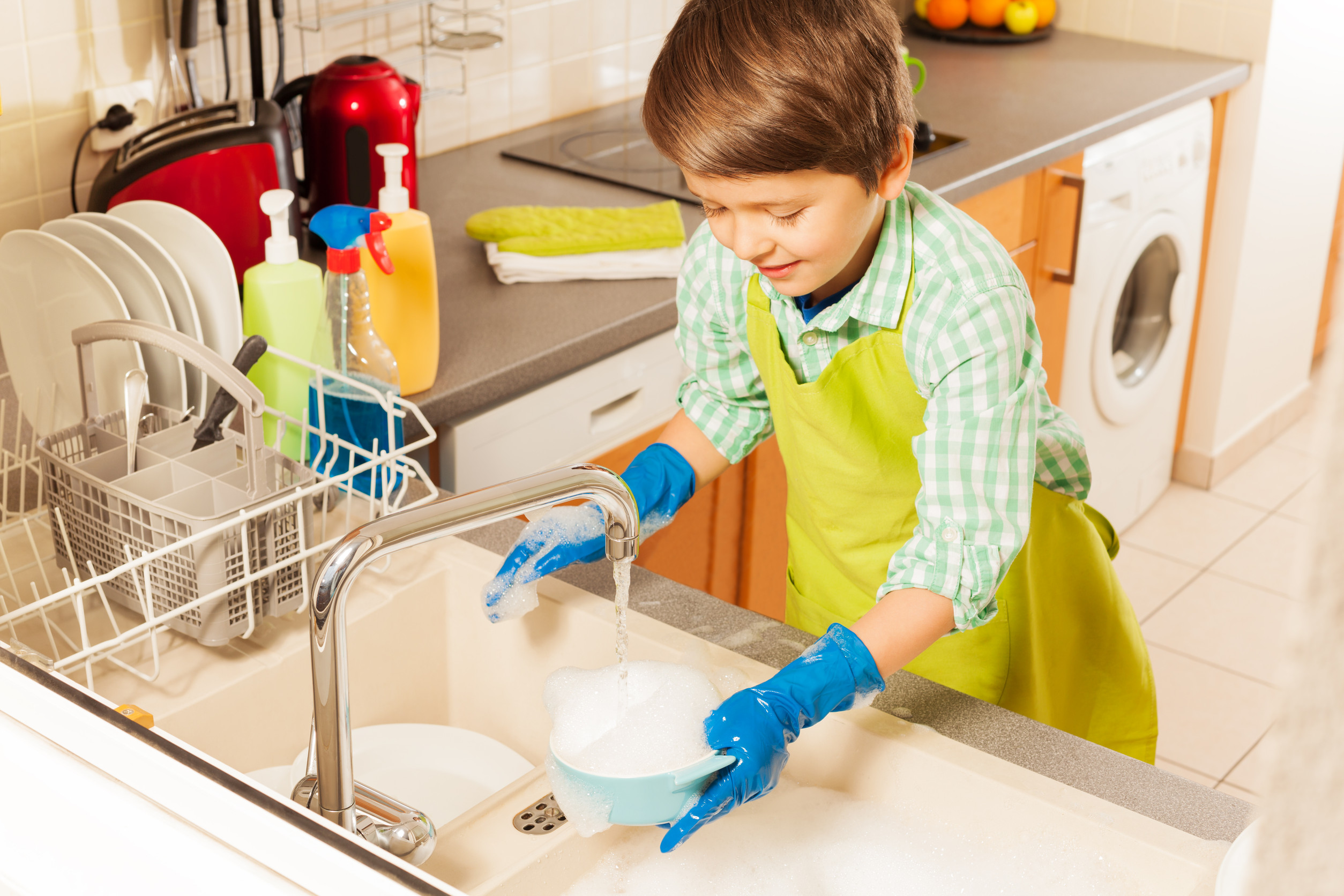
By 12, kids should be fully capable of clearing the table, rinsing dishes, and either washing by hand or loading a dishwasher correctly. It’s one of those chores your child should master by the age of 12 because it’s simple, repetitive, and reinforces the idea of teamwork after meals. Teach them how to handle fragile items carefully and the importance of rinsing food off to avoid caked-on messes. If your child complains, remind them that their contribution is essential to keeping the household running smoothly. It’s also a great chance to teach time-saving hacks and basic kitchen hygiene.

3. Vacuuming and Sweeping

These chores may seem basic, but they require focus and follow-through—qualities every 12-year-old should develop. Sweeping and vacuuming help kids recognize messes and understand the importance of cleanliness. Whether it’s cleaning crumbs from the kitchen or pet hair from the living room, this task teaches attention to detail. Plus, using household tools safely and effectively is a skill they’ll carry into adulthood. Make it more manageable by assigning specific zones or days to maintain consistency.

4. Preparing a Simple Meal

Cooking is not just a survival skill—it’s an empowering one, which makes it one of the top chores your child should master by the age of 12. Start with simple dishes like grilled cheese, scrambled eggs, pasta, or smoothies, and build from there. Learning how to prep ingredients, follow instructions, and safely use kitchen appliances gives kids a real sense of accomplishment. It also encourages healthier eating habits and appreciation for the time that goes into meals. With supervision, they can even prepare lunch for the family once a week.

5. Cleaning the Bathroom

No one loves scrubbing a toilet, but that’s exactly why it’s one of the chores your child should master by the age of 12. From wiping down sinks to cleaning mirrors and taking out trash, bathroom upkeep teaches responsibility and respect for shared spaces. Show them how to use safe cleaning products and protect themselves with gloves if needed. While it may not be fun, it’s part of learning that life includes tasks we don’t always enjoy but still need to do. The earlier kids learn this, the easier adulthood becomes.

6. Taking Out the Trash and Recycling

By 12, kids should know how to gather household trash, separate recycling, and wheel the bins to the curb if needed. It’s a straightforward task, but it’s one of those chores your child should master by the age of 12 because it connects them to the rhythms of the household. It also introduces them to environmental awareness—understanding what can be reused or recycled instead of tossed away. Make sure they know the schedule, the proper bins, and how to replace liners. It’s a task with built-in routine and responsibility.

7. Making Their Bed and Tidying Their Room

Personal responsibility starts in their own space, and that’s why making the bed and keeping a tidy room are foundational chores your child should master by the age of 12. A clean room helps kids stay organized and reduces stress. Daily habits like putting away clothes, organizing toys or books, and dusting shelves instill discipline. You’re not asking for showroom quality—just consistent effort and pride in their personal space. Once they master this, it’s easier to extend that effort to shared spaces in the home.

8. Caring for Pets

If your family has pets, daily feeding, fresh water, cleaning cages, or walking the dog should become part of your child’s routine. Caring for animals is one of the most meaningful chores your child should master by the age of 12 because it builds empathy, consistency, and patience. Explain how pets rely on humans and why their well-being matters. When kids take on this task, they learn that being responsible means showing up every day—no matter what. It’s also a great way to connect emotionally and physically with another living being.

Raising Helpers, Not Houseguests

These chores your child should master by the age of 12 aren’t about making kids “pull their weight” like mini adults—they’re about teaching responsibility, respect, and resilience. By gradually introducing these tasks and praising effort over perfection, you’ll raise someone who feels confident and capable. The bonus? You’ll also reduce your own stress while creating a stronger, more cooperative family dynamic.

What chores have been the most helpful for your kids to learn? Share your experiences and advice in the comments—we’d love to hear from you!

Read More:

7 Reasons Parents Must Enforce Chores

If You’re Not Teaching Them This by Age 10, You’re Already Behind

Catherine Reed
Catherine Reed

Catherine is a tech-savvy writer who has focused on the personal finance space for more than eight years. She has a Bachelor’s in Information Technology and enjoys showcasing how tech can simplify everyday personal finance tasks like budgeting, spending tracking, and planning for the future. Additionally, she’s explored the ins and outs of the world of side hustles and loves to share what she’s learned along the way. When she’s not working, you can find her relaxing at home in the Pacific Northwest with her two cats or enjoying a cup of coffee at her neighborhood cafe.

Filed Under: Parenting Tagged With: age-appropriate chores, child development, child responsibility, family routine, household chores, life skills, parenting tips, raising independent kids

  • Facebook
  • Pinterest
  • RSS
  • Twitter

Basic Principles Of Good Parenting

Here some basic principles for good parenting:

  1. What You Do Matters: Your kids are watching you. So, be purposeful about what you want to accomplish.
  2. You Can’t be Too Loving: Don’t replace love with material possessions, lowered expectations or leniency.
  3. Be Involved Your Kids Life: Arrange your priorities to focus on what your kid’s needs. Be there mentally and physically.
  4. Adapt Your Parenting: Children grow quickly, so keep pace with your child’s development.
  5. Establish and Set Rules: The rules you set for children will establish the rules they set for themselves later.  Avoid harsh discipline and be consistent.
  6. Explain Your Decisions: What is obvious to you may not be evident to your child. They don’t have the experience you do.
  7. Be Respectful To Your Child: How you treat your child is how they will treat others.  Be polite, respectful and make an effort to pay attention.
Best Parenting Blogs

Most Popular

Baby

9 Unusual Baby Names That Sound Like They Belong to Future CEOs

Evan Morgan
Baby

10 Baby Names That Were Once Considered “Grandparent Names” but Feel Cool Again

Evan Morgan
Target Store

Choking Incident Prompts Recall of 49,000 Target Gigglescape “Under the Sea” Popping Toys

Evan Morgan
Frustrated Girl

Why Some Students on the Spectrum Are Labeled With ODD

Evan Morgan
Coke Bottles

12 Things Kids Took to School in the ’70s That Would Never Be Allowed Today

Evan Morgan

All content on Kids Ain’t Cheap is for entertainment purposes only. By reading this blog, you agree that Kids Ain’t Cheap is not responsible for any actions taken after reading this blog. For the full disclaimer, see our privacy policy.

Please note that Kids Ain’t Cheap has financial relationships with some of the merchants mentioned here. Kids Ain’t Cheap is funded by banner advertising, commission sales and search optimization consulting.

Copyright © 2006–2026 | District Media | All Rights Reserved | Privacy Policy

Copyright © 2026 Runway Pro Theme by Viva la Violette