• Home
  • About Us
  • Toolkit
  • Archives
  • Advertise
  • Privacy Policy

Kids Ain't Cheap

But They Sure Are Worth It

  • Parenting
    • Baby Stuff
    • Books and Reading
      • Aesops Fables
      • Comic Books
    • Education
    • Family Time
    • Green Living
    • Growing Up
    • Healthy Living & Eating
    • Holidays
    • Parenting
    • Random Musings
    • Shopping
    • Stuff to Do
  • Money
  • Product Reviews
    • Books and Magazines
    • Discount Sites
    • Furniture
    • House Keeping
    • Reviews News
    • Toys and Games
  • Contact Us
  • Our Editorial Commitment
  • Search

FDA Alert: Stop Using This Anti‑Choking Device Now

March 13, 2026 | Leave a Comment

FDA anti-choking device alert
Image source: shutterstock.com

As a parent, your greatest fear is seeing your child unable to breathe. It is a primal, terrifying moment where seconds feel like hours. Naturally, when a product promises to be a “miracle” for choking, many of us buy it without a second thought. However, the FDA just issued a critical update that every family needs to hear. You must understand this new ruling before you reach for that device in your kitchen drawer.

It is not your fault for wanting to be prepared. In an emergency, the wrong tool can actually be more dangerous than no tool at all. The device you bought on social media might delay the life-saving help your child needs. Here is the breakdown of the March 2026 FDA ruling.

The LifeVac Shift: From “Unauthorized” to “Second-Line”

For years, the FDA maintained a strict stance on suction anti-choking devices. In late 2025, the agency issued a warning letter to manufacturers for marketing unauthorized medical equipment. However, as of March 4, 2026, the landscape has changed. The FDA officially granted De Novo classification to LifeVac, recognizing it as a legitimate medical tool for the first time.

But—and this is the part that could save your child’s life—they classified it strictly as a “second-line treatment.” This means you are going against federal safety guidelines if you use it first. The FDA insists that you must attempt traditional methods before reaching for a suction device.

Why Order Matters in an Emergency

The primary concern is that fumbling with a device can waste precious seconds. The FDA Safety Communication emphasizes that established protocols have a high rate of success. These techniques do not require you to find, unwrap, or assemble a tool.

Suction devices are meant to be a backup, not a replacement for traditional life-saving techniques. You should use the device only as a second-line treatment after Basic Life Support (BLS) protocols fail. Furthermore, ensure the device is for children at least one year old. Suction devices are generally unsafe for infants due to their fragile airways and lungs.

Avoiding the Dangerous “Knock-Off” Trap

The market is currently flooded with cheap, unbranded suction devices that look exactly like the authorized versions. These “knock-offs” found on social media have not undergone the same rigorous testing for suction strength or material safety. In an emergency, these unregulated products may fail to provide consistent suction or could even break during use.

Check for the De Novo classification or the specific Class II medical device label on the packaging. Only devices with this official FDA authorization have been tested for emergency effectiveness. If you didn’t buy your device directly from a reputable medical supplier, you should consider it a dangerous paperweight.

Your preparation is a sign of your love and dedication as a parent. By following the “second-line” rule, you ensure that you are giving your child every possible chance in a crisis. Have you recently checked the expiration or “use-by” dates on your emergency rescue tools? Think about your home safety kit and leave a comment below to share how you stay prepared.

What to Read Next…

  • Safety Shred: 10 Documents to Shred for Child Safety
  • 5 Popular Children’s Toys That Should Be Banned for Safety Reasons
  • 7 Old-School Parenting Habits That Still Save Families Money
Latrice Perez

Latrice is a dedicated professional with a rich background in social work, complemented by an Associate Degree in the field. Her journey has been uniquely shaped by the rewarding experience of being a stay-at-home mom to her two children, aged 13 and 5. This role has not only been a testament to her commitment to family but has also provided her with invaluable life lessons and insights.  As a mother, Latrice has embraced the opportunity to educate her children on essential life skills, with a special focus on financial literacy.

Filed Under: Parenting Tagged With: anti-choking device, child safety alert, choking rescue, emergency preparedness, FDA warning 2026, Heimlich maneuver, LifeVac FDA approval

Beyond The Babysitter: 10 Legal Papers You Need For Child Care Before An Emergency

July 31, 2025 | Leave a Comment

Beyond The Babysitter 10 Legal Papers You Need For Child Care Before An Emergency
Image source: 123rf.com

Most parents have a babysitter or relative on call for everyday help—but in a real emergency, good intentions aren’t enough. If you’re unexpectedly hospitalized, out of town, or otherwise unavailable, the person watching your child may not have the authority to make critical decisions. Having the right legal papers ready ahead of time ensures your child gets timely care, access to services, and protection without delays or confusion. It also gives you peace of mind, knowing your family won’t be stuck in a holding pattern when every second counts. Here are 10 legal papers every parent should have in place before an emergency hits.

1. Medical Consent Form

This is one of the most essential legal papers for childcare during emergencies. A medical consent form gives your chosen caregiver legal permission to seek treatment for your child. Without it, hospitals may delay non-life-threatening care until a legal guardian is contacted. The form should include the child’s health insurance info, allergies, medications, and your pediatrician’s contact details. Sign and notarize it, then keep a copy with your caregiver and in your child’s backpack or diaper bag.

2. Temporary Guardianship Agreement

If you’ll be away for an extended period—or in case of an unexpected event—this agreement allows a trusted adult to act as your child’s temporary guardian. It grants the authority to make legal, educational, and medical decisions. This legal paper is especially important if the caregiver is not a close relative. Most states require this to be notarized and include start and end dates. It’s a powerful tool that helps avoid delays in care or access to schooling during emergencies.

3. Power of Attorney for Minor Child

A power of attorney is broader than a temporary guardianship and allows another adult to manage your child’s affairs during your absence. This legal paper can cover medical, educational, and financial decisions. It’s ideal for military parents, extended trips, or health-related separations. Unlike guardianship, it doesn’t remove your parental rights—it simply shares them for a set time. Make sure it complies with your state’s laws and is kept up to date.

4. Emergency Contact Information Sheet

While not as formal as other legal papers, an emergency contact sheet is vital. It should list parents’ names, phone numbers, a backup contact, and details for your child’s doctor, dentist, and school. Include health insurance info, known allergies, and medications. This sheet should be easy to find and placed near the front door, in your child’s backpack, and with your caregiver. Having it ready helps first responders or caregivers act fast and accurately.

5. Health Care Proxy (for Older Children)

If your child is 16 or older in some states, they may need to sign a health care proxy so you or a guardian can make decisions on their behalf. This legal paper becomes critical if your teen is unconscious or unable to communicate. It helps doctors know who has authority without confusion. Talk through this with your teen so they understand why it’s necessary. Many parents skip this step, but it’s a smart move for families with older kids.

6. Child’s Birth Certificate (Copy)

Having a copy of your child’s birth certificate may not seem urgent, but in emergencies it can be required to confirm identity, enroll in school, or authorize medical care. Keep a photocopy in your emergency file and give one to your designated caregiver. This document can also help clarify parental relationships in more complex custody situations. If you’re a single parent or guardian, this becomes even more important. Don’t rely on digital copies alone—paper backups matter.

7. Custody Agreement or Parenting Plan

If you share custody, having a copy of your parenting plan or custody order helps resolve potential legal issues in an emergency. This document clarifies who has legal decision-making authority. It also outlines visitation schedules, school choices, and more. Make sure your co-parent has access to it as well. These legal papers reduce confusion and protect your rights during high-stress situations.

8. School Authorization Letter

Many schools require written permission for someone else to pick up or sign out your child. A school authorization letter allows a non-parent to interact with your child’s school when you’re unavailable. It should be signed, dated, and filed with the school in advance. Keep an extra copy with your caregiver. This ensures your child doesn’t get stuck at school due to a missing piece of paper.

9. Insurance Authorization Form

If someone else may need to speak with your health or dental insurance provider on your behalf, fill out an insurance authorization form. This gives them permission to manage billing issues, access plan details, or clarify benefits. It’s one of the legal papers that makes it easier to navigate claims and approvals. Without it, even routine matters can turn into major headaches. Contact your insurance provider for the right version of this form.

10. Family Emergency Plan

Wrap all your legal papers into one clear emergency plan. This document should outline who takes over in different situations, where to find important forms, and how to access medical, school, and legal information. Store it in a labeled folder in a secure but accessible place. Review it yearly and update as needed. When chaos hits, having a well-organized plan keeps everyone calm and prepared.

Planning Now Means Peace Later

Emergencies don’t wait for convenience. Having the right legal papers in place before one happens protects your child, reduces confusion, and gives you confidence that your family is covered. Even if these documents never get used, knowing they’re ready is one of the best gifts you can give yourself and your child. Preparedness isn’t about expecting the worst—it’s about being strong enough to handle anything that comes your way.

Have you started collecting the legal papers needed for your child’s emergency care? What documents are on your checklist? Let us know in the comments!

Read More:

6 Legal Protections for Your Child’s Digital Footprint

8 Legal Battles Families Face Over Inheritance and Children’s Rights

Catherine Reed
Catherine Reed

Catherine is a tech-savvy writer who has focused on the personal finance space for more than eight years. She has a Bachelor’s in Information Technology and enjoys showcasing how tech can simplify everyday personal finance tasks like budgeting, spending tracking, and planning for the future. Additionally, she’s explored the ins and outs of the world of side hustles and loves to share what she’s learned along the way. When she’s not working, you can find her relaxing at home in the Pacific Northwest with her two cats or enjoying a cup of coffee at her neighborhood cafe.

Filed Under: Parenting Tagged With: child care documents, child safety planning, emergency legal forms, emergency preparedness, family planning, guardianship, legal papers, parenting tips

Child Care Checklist: 10 Key Items to Prepare Before an Emergency Hits

July 30, 2025 | Leave a Comment

Child Care Checklist 10 Key Items to Prepare Before an Emergency Hits
Image source: 123rf.com

Emergencies rarely come with a warning, and when they hit, the last thing you want to be doing is scrambling for supplies or information—especially when kids are involved. Whether it’s a weather disaster, sudden illness, or power outage, having a solid child care checklist in place can make all the difference. The more prepared you are, the calmer and more secure your children will feel in uncertain moments. It’s not just about stocking up on batteries and bandages—it’s about creating a plan that protects your child’s comfort, health, and safety. Here’s what every parent should have ready before an emergency strikes.

1. Emergency Contact Information Sheet

Create a printed and laminated emergency contact list that includes your phone numbers, your child’s pediatrician, close relatives, and trusted neighbors. Include any allergies or medical conditions your child has, as well as insurance details. Keep copies in your emergency bag, your child’s backpack, and with any caregivers. This part of your childcare checklist ensures anyone stepping in can act quickly and correctly. Make sure to review and update the list at least every six months.

2. Authorization Letter for Temporary Guardianship

In case you’re separated from your child or unable to make decisions during an emergency, having a temporary guardian can be a lifesaver. This gives someone else permission to make medical or custodial decisions if needed. Include copies in your emergency binder and give one to the person named in the document. This is one item on your childcare checklist that many overlook until it’s too late. Don’t wait—prepare it when everything is calm and clear.

3. A Well-Stocked Go Bag

Each child should have a small backpack with basic emergency supplies: water bottle, non-perishable snacks, flashlight, a change of clothes, diapers if applicable, and a comfort item. Include a small first aid kit, hand sanitizer, and a lightweight blanket. Label the bag clearly and store it in an accessible place. Refresh it every few months as your child grows and seasons change. A personalized go bag helps meet immediate needs during chaos.

4. Child-Friendly First Aid Kit

Standard first aid kits often don’t include items specifically for children. Your childcare checklist should include a kid-specific kit with age-appropriate medications (like infant acetaminophen or allergy meds), adhesive bandages in fun designs, thermometer, and child-sized masks. Be sure you know the proper dosages and keep a printed guide inside. Add sunscreen and bug spray if you live in areas prone to outdoor threats. It’s peace of mind packed in a small box.

5. Printed Photos of Your Child

It may sound outdated in a digital world, but if your phone dies or internet is down, printed photos become essential. Choose clear, up-to-date headshots and full-body images, and keep them in your emergency binder and child’s go bag. These photos help authorities or other caregivers quickly identify your child. Write their name, date of birth, height, and weight on the back. This item is a low-effort but high-impact part of your childcare checklist.

6. Copies of Medical and Immunization Records

Having medical records on hand saves valuable time if you need emergency care from someone unfamiliar with your child’s history. Keep a folder with vaccine records, recent prescriptions, diagnosis notes, and any specialist contact info. This can be especially important if your child has asthma, allergies, or chronic conditions. Add digital backups to a password-protected USB drive as well. Being able to hand a doctor accurate info in a moment of stress is priceless.

7. List of Daily Routines and Comfort Items

Children thrive on predictability, even when the world around them feels uncertain. Your childcare checklist should include a brief summary of your child’s routines—like nap times, favorite songs, or food preferences. This helps substitute caregivers or emergency responders soothe your child more effectively. Also note comfort items like favorite stuffed animals or bedtime rituals. When things feel scary, small familiar routines can provide powerful emotional stability.

8. Emergency Communication Plan

If phones are down, your child needs to know how and where to find help. Create a basic communication plan with a family meeting spot, an out-of-town emergency contact, and directions your child can understand. Rehearse the plan together periodically, like a fire drill. Include it in writing in your emergency kit. When kids know what to expect, they feel less fear and confusion.

9. Extra Essentials for Babies and Toddlers

If you’re caring for very young children, your childcare checklist should include enough diapers, formula or breast milk storage options, wipes, baby-safe water, and baby food pouches for at least 72 hours. Don’t forget pacifiers, bibs, and a baby carrier if evacuation is needed. Babies have unique needs that can’t wait during a crisis. Always rotate your stash so nothing expires or outgrows its usefulness.

10. A Comfort and Distraction Kit

Fear and boredom can amplify stress, especially for children. Pack a small kit with coloring books, crayons, storybooks, puzzle toys, or even a favorite music playlist on a portable player with batteries. Choose items that are calming, quiet, and age appropriate. These distractions help children feel emotionally safe, even in unfamiliar surroundings. A comfort kit is a must-have part of any childcare checklist.

Prepared, Not Panicked

Emergencies are unpredictable, but your response doesn’t have to be. Taking time now to build a reliable childcare checklist gives you more control and peace of mind if disaster strikes. It also shows your child that their safety is your top priority, even in the most uncertain moments. Preparedness is love in action—and the effort you make today could be life-changing tomorrow. Being ready isn’t about fear, it’s about protection.

What’s one item you’ve added to your childcare checklist that others might not have thought of? Share your ideas in the comments!

Read More:

Are You Ready? 11 Parenting Decisions That Require Urgent Action This Year

The Cost of Complacency: 9 Parenting Planning Errors That Cost Decades of Stress

Catherine Reed
Catherine Reed

Catherine is a tech-savvy writer who has focused on the personal finance space for more than eight years. She has a Bachelor’s in Information Technology and enjoys showcasing how tech can simplify everyday personal finance tasks like budgeting, spending tracking, and planning for the future. Additionally, she’s explored the ins and outs of the world of side hustles and loves to share what she’s learned along the way. When she’s not working, you can find her relaxing at home in the Pacific Northwest with her two cats or enjoying a cup of coffee at her neighborhood cafe.

Filed Under: Parenting Tagged With: child care checklist, children safety, crisis planning, disaster planning for kids, emergency preparedness, family safety, kids emergency kit, parenting tips

Medical Update: 6 Urgent Updates to Your Child’s Medical History

July 18, 2025 | Leave a Comment

Medical Update 6 Urgent Updates to Your Childs Medical History
Image source: 123rf.com

When was the last time you looked at your child’s medical records? If it wasn’t recent, there’s a good chance something important is missing or outdated. A timely medical update can make a huge difference in an emergency or even during a routine checkup. From allergy changes to new diagnoses, keeping everything current ensures your child gets the best care possible—without surprises. Here are six key areas where a medical update might be urgently needed, and why staying on top of them can protect your child’s health and safety.

1. Newly Discovered Allergies

Children develop and outgrow allergies at a rapid pace, especially in their early years. If your child has had a reaction to food, medications, or environmental triggers, that should be reflected in their records immediately. Failing to add this medical update could put your child at risk for exposure or incorrect treatment during emergencies. Even minor symptoms like rashes or stomach discomfort after eating something new could point to an allergy. Keep your pediatrician and school nurse in the loop with every confirmed or suspected allergy.

2. Medication Changes or Dosage Adjustments

Whether it’s a prescription for asthma or ADHD, keeping current medication details is critical. Kids grow quickly, and dosages often need adjusting—even if they’re on a long-term treatment plan. If your child starts or stops a medication, that’s a medical update your provider needs to track properly. You should also let other caregivers, schools, and sports coaches know if your child requires medication during their care. Having the wrong dosage or outdated medication on file can cause unnecessary delays or side effects in treatment.

3. Hospital Visits or Emergency Room Care

If your child has visited the ER or been admitted to a hospital since their last well-child checkup, that information may not be automatically shared with their pediatrician. Emergency care often involves diagnostic tests, prescriptions, or temporary treatments that should be added to their long-term health record. Leaving this out can lead to duplicate testing, missed follow-up care, or overlooked issues. After a hospital visit, always ask for a discharge summary and bring it to your child’s regular doctor. It’s one of the most overlooked but necessary types of medical update.

4. Updated Vaccination Records

Vaccination schedules can vary depending on your child’s age, school requirements, or any health concerns that delay doses. Any time your child receives a vaccine—whether it’s a seasonal flu shot or a required immunization—make sure it gets recorded in their official file. Keeping this information updated avoids confusion when enrolling in school, summer camps, or daycare. Many healthcare providers also use digital systems that flag overdue vaccines or upcoming ones. A consistent vaccination medical update can prevent administrative headaches and keep your child protected.

5. Developmental or Behavioral Diagnoses

If your child has recently received a diagnosis like autism, speech delay, anxiety, or sensory processing disorder, it’s essential to update their medical records. This allows pediatricians to tailor care and make appropriate referrals for therapy, specialists, or educational support. It also helps schools and other healthcare providers better understand your child’s unique needs. These updates ensure continuity of care and prevent gaps that might delay early intervention. Don’t wait until the next scheduled visit—send a message or call to add these important changes right away.

6. Family History Changes

A less obvious but equally important medical update involves changes to your family’s health history. If a close relative has been diagnosed with a chronic illness, genetic condition, or mental health disorder, your child’s doctor should know. This information can influence which screenings your child needs and when to start them. Family medical history plays a big role in predicting future health risks. Even if the diagnosis doesn’t seem directly related, your child’s provider may adjust their care plan accordingly.

Staying Ahead of the Curve Keeps Kids Safer

It’s easy to assume your child’s doctor has everything on file, but the truth is, they rely on you to share the most up-to-date information. A small medical update—like noting an allergy or new medication—can have a big impact during an emergency, appointment, or referral. Staying organized with your child’s health details not only prevents confusion, it empowers you as an advocate for their care. Set a reminder every few months to review and share any updates with your provider. It’s a simple habit that makes a huge difference in your child’s well-being.

How do you keep your child’s medical updates organized? Share your best tips or tools in the comments below!

Read More:

Act Fast: 11 Parenting Decisions That Require Urgent Action

7 Health Symptoms Demanding Immediate Attention in Kids

Catherine Reed
Catherine Reed

Catherine is a tech-savvy writer who has focused on the personal finance space for more than eight years. She has a Bachelor’s in Information Technology and enjoys showcasing how tech can simplify everyday personal finance tasks like budgeting, spending tracking, and planning for the future. Additionally, she’s explored the ins and outs of the world of side hustles and loves to share what she’s learned along the way. When she’s not working, you can find her relaxing at home in the Pacific Northwest with her two cats or enjoying a cup of coffee at her neighborhood cafe.

Filed Under: Parenting Tagged With: child health records, child safety, emergency preparedness, family medical history, medical update, parenting tips, pediatric care, updated vaccinations

10 Reasons You Should Have a Copy of Your Child’s Medical Records

May 13, 2025 | Leave a Comment

10 Reasons You Should Have a Copy of Your Childs Medical Records

When you’re juggling meals, school schedules, sports practice, and doctor’s appointments, organizing paperwork might not feel like a priority. But when it comes to your child’s medical records, being prepared can make a massive difference – especially when life throws an unexpected curveball. From emergency visits to switching doctors, having quick access to your child’s health history can save time, prevent errors, and reduce stress. Most importantly, it helps you advocate confidently for your child’s well-being.
Here are ten important reasons every parent should have a copy of their child’s medical records – no matter how healthy they may seem today.

1. Quick Reference in Emergencies

In an emergency, every second counts. If your child ends up in urgent care or the ER, having their full medical history on hand can speed up treatment and prevent dangerous mistakes. Details like allergies, past surgeries, or current medications aren’t always top-of-mind in a crisis. Having a printed or digital copy of your child’s medical records ensures no critical information is missed. It’s peace of mind that’s priceless when time matters most.

2. Smoother Transitions Between Doctors

Whether you’re changing pediatricians, specialists, or moving to a new city, transferring medical care can be stressful. Having your own copy of your child’s records makes it easier to bridge the gap and avoid repeating tests or filling out endless forms. It also helps new providers get a full picture of your child’s health history right away. Medical offices can take days – or even weeks – to release records. With your own copy, you’re not at their mercy.

3. Tracking Vaccination History

Keeping up with vaccines can feel like a moving target, especially with school requirements, sports physicals, and travel plans. Having your child’s immunization record readily available helps you stay organized and up-to-date. It also avoids the hassle of tracking down records from previous providers or schools. Many activities, from summer camps to college admissions, require proof of immunization. With a clear record in hand, you’re always ready to submit what’s needed.

4. Coordinating Care for Chronic Conditions

If your child has asthma, diabetes, ADHD, or any ongoing condition, their medical history is more complex – and more essential to track. Coordinating care between pediatricians, specialists, therapists, and schools means sharing consistent, detailed information. Having your child’s medical records makes you the central point of communication, ensuring everyone’s on the same page. You can easily compare notes, question discrepancies, and advocate more effectively. You become not just a parent – but a partner in your child’s healthcare.

5. Preventing Medical Errors

When providers don’t have full access to a patient’s history, mistakes can happen. Doses may be wrong. Allergies may be missed. Critical history might not be mentioned. Having your child’s records on hand helps protect against these errors and ensures more accurate diagnoses. Your copy becomes a second line of defense – especially when systems don’t talk to each other.

6. Supporting Special Education Needs

If your child has an IEP or 504 plan at school, medical documentation may be required to support accommodations. Conditions like ADHD, anxiety, or learning delays often require professional confirmation. Having copies of relevant evaluations, diagnoses, and therapy notes can streamline the process. Schools may also need updates each year, so keeping records organized avoids delays. It’s another way your child’s medical records help advocate for what they need in the classroom.

7. Understanding Family Health Patterns

Medical records aren’t just about your child – they can reveal patterns that help you make better decisions. Recurring symptoms, shared allergies, or hereditary conditions may become more obvious when looking at a full history. That insight can help you ask better questions and push for preventative care. It can also prepare you to support future siblings or extended family. A complete health record often reveals more than you expect.

8. Reducing Stress During Travel

Traveling with kids? Whether you’re going across the country or just across the state, medical surprises can happen. If your child gets sick far from home, urgent care providers won’t have access to their files. Having a digital copy of your child’s medical records on your phone or in cloud storage allows for faster, safer care – even on the go. It’s one of those “hope you never need it” resources that’s worth having anyway.

9. Keeping Insurance Claims in Check

Health insurance claims often require detailed records, especially if you’re dealing with reimbursements, disputes, or out-of-network providers. Having access to office visit notes, test results, or procedure details can help you fight incorrect charges or denied claims. It also makes tracking expenses easier at tax time or during open enrollment. Organized medical records = fewer billing headaches down the road.

10. Helping Teens Learn Responsibility

As kids grow into teens, helping them understand their own health history empowers them to take charge of their well-being. Sharing information from their medical record – like allergies, past injuries, or mental health care – gives them context and confidence. It also helps when they start managing appointments or prescriptions on their own. Gradually involving them in their medical journey starts with having accurate, accessible records. It’s a subtle but powerful step toward independence.

A Little Organization Now, A Lot Less Stress Later

Keeping a copy of your child’s medical records may not seem urgent – until it’s suddenly critical. From emergencies to everyday paperwork, having the right information at your fingertips makes life easier, safer, and more manageable. Whether you go old-school with a binder or digital with a secure app, the key is keeping it current and accessible. Because when it comes to your child’s health, being organized is one of the best ways to protect them.
What tips or tools have helped you stay organized with your child’s medical records? Share your ideas in the comments!

Read More:

7 Types of Behavioral Disorders in Children Every Parent Should Know

5 Inexpensive Ways to Pay for Your Child’s Braces

Catherine Reed
Catherine Reed

Catherine is a tech-savvy writer who has focused on the personal finance space for more than eight years. She has a Bachelor’s in Information Technology and enjoys showcasing how tech can simplify everyday personal finance tasks like budgeting, spending tracking, and planning for the future. Additionally, she’s explored the ins and outs of the world of side hustles and loves to share what she’s learned along the way. When she’s not working, you can find her relaxing at home in the Pacific Northwest with her two cats or enjoying a cup of coffee at her neighborhood cafe.

Filed Under: healthcare Tagged With: child health, child's medical records, emergency preparedness, family organization, health records for kids, parenting advice, parenting tips, pediatric care

7 Terrifying Late Night Knocks Parents Should Never Ignore

May 8, 2025 | Leave a Comment

Image source: Unsplash

It’s the kind of sound that yanks you from sleep: a knock at the door. Your heart jumps. Your mind races. Who’s there? And why now?

While most late-night knocks turn out to be false alarms—a neighbor with a package mix-up or a teen pulling a prank—there are times when they signal something more dangerous. Parents, especially, have every right to pause before answering. Because protecting your home and your children often starts with trusting your gut and staying calm under pressure.

Here are seven nighttime knocks that no parent should ignore and what you should do when they happen.

1. The Knock with No One There (and It Keeps Happening)

A single knock, then silence. You peek through the window and see no one. Minutes later, another knock. Still no one.

This isn’t a ghost story. Criminals sometimes use this tactic to see if anyone’s home. If no one answers after repeated tries, it can signal an opportunity to break in.

Parents should avoid flinging open the door in panic or frustration. Instead, turn on exterior lights, stay inside, and check security cameras if available. Call local authorities if the knocking continues or feels methodical.

2. A Knock Paired with a Cry for Help

A panicked voice pleads, “Help! I’ve been hurt!” or “Someone’s after me!” While your instincts may scream to help, this could be a setup. Criminals sometimes use fake distress calls to lure people out of their homes.

Instead of opening the door, speak through it. Ask for a name. Offer to call 911 for them, but never unlock or open the door until help arrives and the situation is verified. Your compassion can coexist with caution.

3. The “Delivery” Knock That Doesn’t Make Sense

A knock at 10 p.m. followed by someone claiming to be a delivery driver without a uniform, badge, or vehicle in sight. Delivery scams are on the rise, especially after dark. Some are casing homes; others aim to get you to unlock your door under false pretenses.

If you didn’t order anything or weren’t expecting a drop-off, don’t open up. Ask them to leave the package on the porch. Check for identification through a peephole or camera, and verify with the delivery service app if needed.

4. The Silent Knock That Triggers Your Dog

Dogs don’t lie about fear. If your normally mellow pup growls low after a quiet knock, take it seriously. Pets can sense body language, tone, and intention in ways we can’t. A protective dog reacting to an unspoken presence might be your first and only warning.

In these cases, secure your family in a safe room, turn on outside lights, and monitor the situation. Don’t ignore your dog’s instincts—sometimes, they’re the earliest alarm system you have.

5. The Knock You Hear After Suspicious Activity Online

Did your teen have a heated online gaming session earlier? Did someone in the house post a controversial video or reveal a home address?

Unfortunately, online spats can spill into real life. “Swatting,” a dangerous prank involving fake emergency calls, is still happening. Or, someone may show up looking to settle an online score.

If you hear a knock after something questionable online, take it seriously. Secure your home. Avoid opening the door and alert authorities if anything feels off.

6. The Knock from Someone “Looking for a Lost Dog”

It’s late. A stranger knocks and asks if you’ve seen their missing pet. Their eyes scan your home, not your street. While some people genuinely lose pets, criminals have used this line to justify knocking at odd hours—and to scope out who’s home and who isn’t.

Politely decline interaction. Let them know you’ll keep an eye out, but don’t invite them in or step outside. If the situation feels suspicious, report it.

7. The Banging Knock That Comes Right After You Lock Up

You’ve just turned off the porch light, locked the door, and climbed into bed. Then bang bang bang. That timing isn’t a coincidence. Criminals may watch homes and wait for visible signs that everyone is down for the night. It’s a test to see who might answer in a groggy, unguarded state.

Instead of scrambling toward the noise, pause. Flip on every exterior light. Speak through a closed door or use a smart doorbell if you have one. Never ignore your instincts. That timing could be everything.

How to Prepare Without Living in Fear

It’s easy to brush these scenarios off as rare or overly paranoid, but the truth is that preparedness doesn’t require panic. The safest families aren’t the ones who live in fear. They’re the ones who build habits, teach awareness, and trust their gut without dismissing it.

Simple actions like installing a peephole, adding floodlights, teaching kids not to open the door, and having a nighttime family safety plan can make all the difference. Even one late-night knock deserves a response rooted in calm, not chaos.

What would you do if someone knocked on your door in the middle of the night and your kids were sleeping just down the hall?

5 Easy Safety Drills You Can Practice at Home With Kids

8 Safety Measures Parents Often Overlook at Home

Filed Under: Parenting, Safety Tagged With: emergency preparedness, family protection, home security for families, late night knock, parenting instincts, parenting safety, suspicious activity

5 Easy Safety Drills You Can Practice at Home With Kids

May 6, 2025 | Leave a Comment

Image by Piotr Chrobot 

When we think of emergencies, it’s easy to picture the worst: fires, earthquakes, or break-ins. But what often gets overlooked is just how unprepared many families feel when those situations happen, especially children. The truth is, in moments of panic, kids don’t rise to the occasion. They fall back on whatever training they’ve received. That’s why safety drills at home aren’t just helpful. They’re essential.

Practicing basic safety drills doesn’t have to be scary or overwhelming. In fact, when done thoughtfully and age-appropriately, they can empower your children to feel calm, confident, and ready to act if something unexpected ever happens. And when you keep the tone light, interactive, and routine, it becomes just another part of growing up smart—not something to dread.

Here are five easy safety drills you can start practicing at home today. You don’t need any fancy tools or programs. Just a little time, some conversation, and a commitment to creating a safer home.

Fire Escape Drill

Few things are more terrifying than a house fire, especially because it moves fast. Children often freeze or hide when they smell smoke or hear alarms, especially if they haven’t practiced what to do.

Start by testing your smoke detectors and letting your kids hear what the alarm sounds like. Explain that this sound means you must get outside quickly without grabbing toys or looking for pets. Then, walk through the house together and pick two ways out of each room, like a door and a window, and decide on a safe meeting spot outside, such as the mailbox or a specific tree.

Do a slow walk-through first. Then, try a timed drill so kids get used to moving with urgency. If they sleep through alarms, consider practicing during bedtime and investing in alert systems designed for heavy sleepers. Practicing regularly, even just once a month, can reduce panic if the real thing ever happens.

Stranger Danger at the Door

While home intrusions are rare, kids are often home during the day, whether with a sitter, older sibling, or even alone as they grow older. Knowing what to do when someone rings the doorbell is just as important as knowing how to react to a fire.

Teach children never to open the door to someone they don’t recognize, no matter how polite or friendly the person may seem. Practice safe phrases like, “My mom can’t come to the door right now,” that they can shout through the door without revealing they’re home alone or unattended. If your family uses a video doorbell, show your kids how it works and let them rehearse watching from a safe distance.

Even older kids can benefit from understanding how to stay calm, avoid confrontation, and prioritize calling a trusted adult or 911 if they ever feel unsafe.

What To Do in a Lockdown

Though it’s heartbreaking to think about, active shooter or intruder lockdowns are realities many schools already prepare for. Practicing a similar version at home in an age-appropriate and gentle way can help reinforce smart decision-making.

Explain that sometimes, we need to stay quiet and hidden inside the house if there’s danger outside—like a police chase, break-in, or other threat. Pick a few spots in your home that would be safest to hide quietly, ideally away from windows and doors. Practice turning off lights, locking doors, and staying still while pretending to listen for updates.

Be sure to remind your children that they’re not alone and that staying safe doesn’t mean they’ve done something wrong. Frame it like a safety superhero mission. It’s about staying smart, not scared.

Calling for Help

Even young kids can learn how to dial 911, but many freeze when the moment actually arises. Teaching your children how to call emergency services and clearly communicate the problem can be life-saving.

Start by showing them how to unlock your phone if it’s password-protected and how to find the emergency call feature. Practice reciting your address and phone number clearly. You can even role-play with you, pretending to be the dispatcher and your child practicing what they’d say.

Be clear about when calling 911 is appropriate and when it isn’t, and remind them that they won’t get in trouble for asking for help if they think someone is in danger or hurt. This is also a great time to create a “trusted adults” list of phone numbers they can memorize or access easily if they ever need to reach someone quickly.

What To Do If You’re Lost

Whether at a park, shopping mall, or crowded event, getting separated from a parent is one of the most common and stressful scenarios for young children. A simple drill can make all the difference.

Teach your kids to stop where they are, look for a “safe person” like a police officer, store employee, or another mom with kids, and ask for help. Role-play what they would say: their name, your name, and your phone number. For younger children, ID bracelets or cards in their pockets can provide an extra layer of reassurance.

When you’re out in public, take a minute to point out what uniforms store employees wear or show them name tags so they can recognize who to approach if needed. The more confident they feel about knowing what to do, the faster they can get help and stay safe.

These Drills Save Lives

Building safety habits doesn’t have to be frightening. It can actually bring your family closer and help your kids feel more in control. These drills aren’t about scaring children but rather teaching them how to stay calm, smart, and confident in a moment of chaos. When practiced consistently and with compassion, they become second nature—just like brushing teeth or tying shoes.

Have you ever practiced a safety drill at home with your kids? What worked well, or what do you wish you had started sooner?

Read More:

The Beach Safety Tips Lifeguards Wish You Knew

8 Safety Measures Parents Often Overlook at Home

Filed Under: Parenting Tagged With: emergency preparedness, family safety, home safety drills, kid-friendly safety drills, parenting tips, safety tips for kids

Everything You Should Teach Your Kids About Fire Safety

April 23, 2025 | Leave a Comment

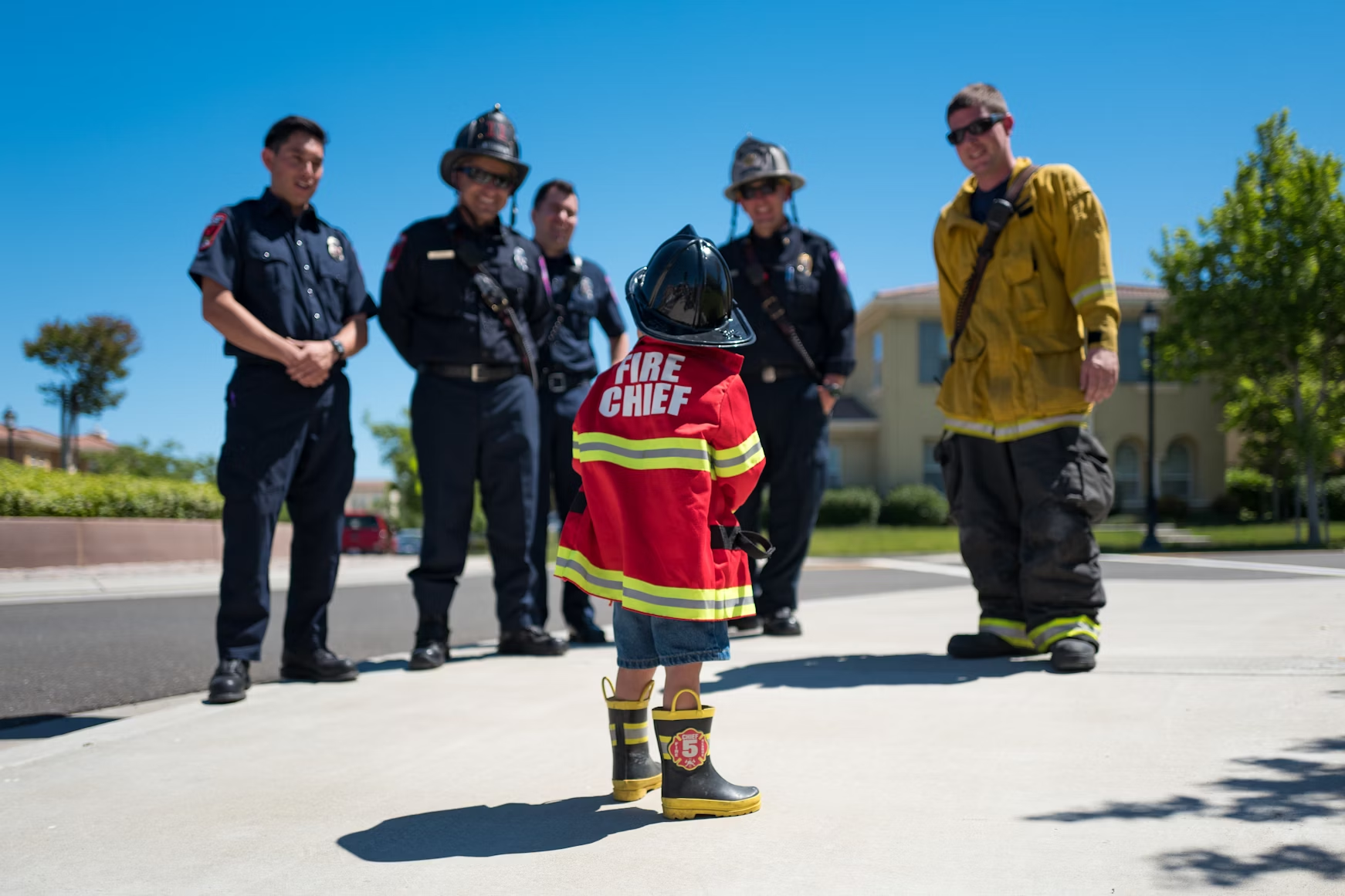
Child in a fire chief costume with real firefighters, symbolizing fire safety lessons.
Image Source: Unsplash

Fires can be terrifying—especially for children. In a crisis, instinct alone may not be enough; knowledge and preparation make all the difference.

Teaching fire safety early is crucial, equipping kids with the awareness and confidence to react appropriately in an emergency. Understanding how fires start, how to safely escape, and when to call for help can make a life-saving difference. The sooner kids learn, the more empowered they’ll be to protect themselves and others.

The following tips help turn safety lessons into everyday habits the whole family can practice and remember—creating a safer home and a well-prepared child.

1. Create and Practice a Fire Escape Plan

Every family needs two ways out of every room and a single meeting spot outside.

  • Draw it together. Use markers or stickers to trace windows and doors on a big sheet of paper; let kids color the “outside safe tree” or mailbox meeting point.
  • Name the exits aloud. As you tuck them in, ask: “If smoke came from the hall, which window would you use?”
  • Drill twice a year—day and night. Set a timer; aim to reach the meeting spot in under two minutes. Vary scenarios (blocked hallway, parent in another room) so problem‑solving becomes automatic.
  • Review older‑kid roles. Tweens can practice guiding younger siblings by holding hands and staying low.

For step‑by‑step planning templates, check the National Fire Protection Association’s (NFPA) free resources.

2. Keep Children Three Feet Away from Hot Objects

Stovetops, space heaters, and even a steaming mug of cocoa can cause painful burns.

  • Add barriers. A sturdy safety gate around fireplaces keeps curious toddlers at bay without constant reminders.
  • Mark a “kid‑free zone.” Place bright painter’s tape three feet around ranges and portable heaters; remind little chefs to stand behind the line.
  • Narrate your moves. Say, “I’m turning pot handles inward so you can’t bump them,” to model caution.
  • Use visual timers. While soup simmers, set a sand timer kids can watch; when the sand runs out, they know ‘look, don’t touch’ time is over.

3. Fire Starters Are for Grown‑Ups Only

Matches and lighters should be stored up high and out of sight. Role‑play what to do if they ever find one—walk away and tell an adult. Reinforcing this message reduces the risk of child‑set fires.

4. Install and Test Smoke Alarms Regularly

Place alarms on every level and outside each bedroom. Test them monthly together so the sound is familiar, then choose a yearly “battery birthday” for replacements. You should replace the entire unit every ten years to ensure reliability.

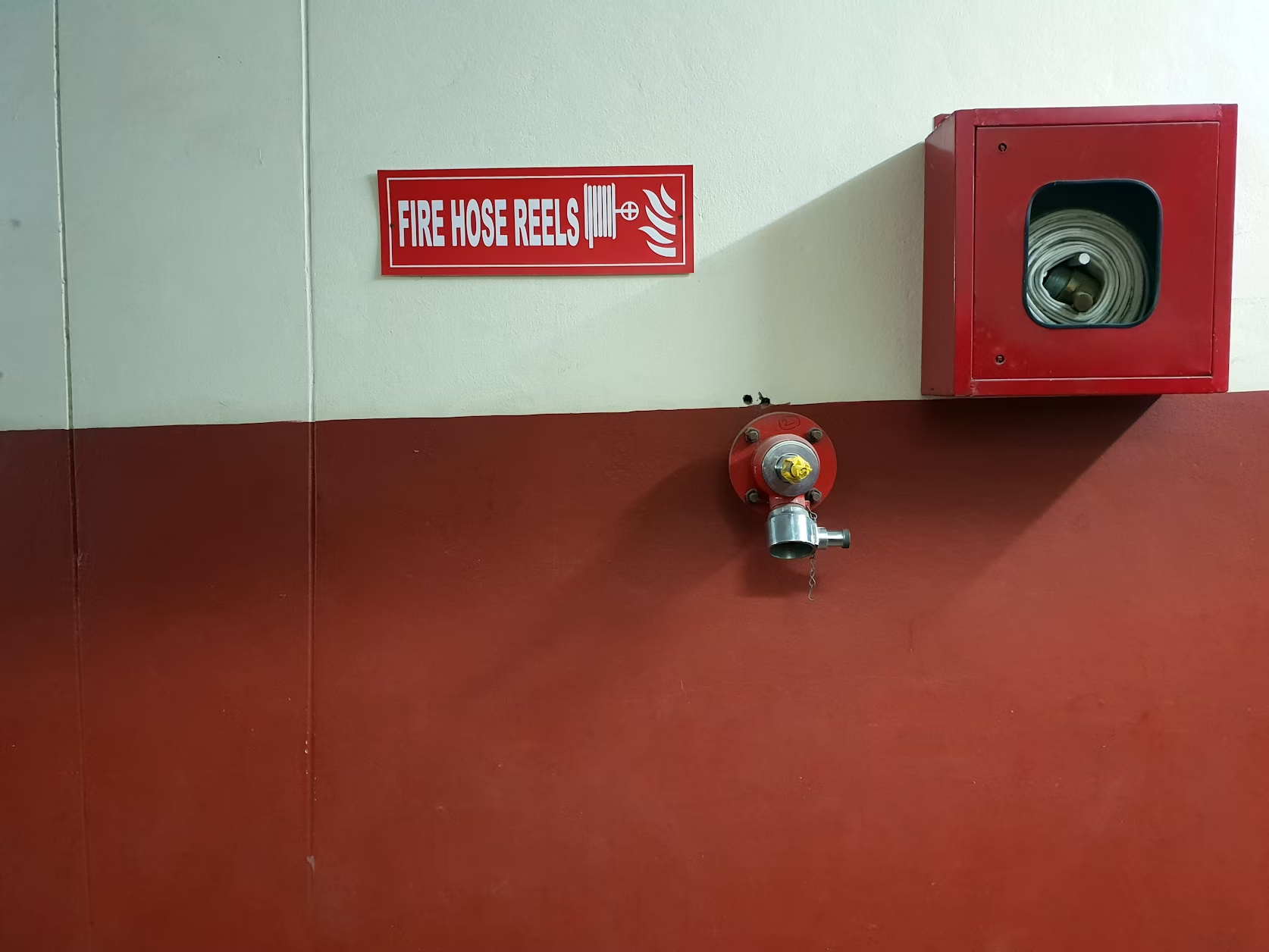
A fire hose reel and sign, highlighting the need for early fire safety education.
Image Source: Unsplash

5. Fire Safety Education Works—Start Early

Preschool‑level programs that use songs, puppet shows, or picture books help kids remember key rules. Look for materials that encourage hands‑on practice and positive reinforcement rather than fear.

6. Teach Stop, Drop, and Roll (and When to Use It)

Make practice fun—count to three, then roll together like logs. Emphasize that this technique is only for clothing on fire, not every emergency.

7. Remind Kids Not to Hide During a Fire

Fear can send children under beds or into closets. Explain that hiding makes it hard for firefighters to help. Show pictures of firefighters in gear so the masks and suits look friendly, not scary.

8. Use Fire Safety Stories and Games

Interactive books and online games turn safety rules into memorable adventures. Try a “find the smoke alarm” scavenger hunt or craft a beaded bracelet spelling your home’s emergency number.

Keep Safety Simple and Ongoing

Fire safety shouldn’t be a one‑time lecture. Bring it up during ordinary moments: while cooking, hearing a siren, or replacing alarm batteries. A calm, age‑appropriate approach empowers kids without scaring them—building knowledge they’ll carry for life.

Have you talked about fire safety with your kids? Share your tips or questions in the comments—we’d love to hear what works in your home.

Read More

  • Living in Risk: 13 Most Hazardous Places to Reside In The US
  • Keep Your Home Safe From Fires Using These Tips

Samantha Warren
Samantha

Samantha Warren is a holistic marketing strategist with 8+ years of experience partnering with startups, Fortune 500 companies, and everything in between. With an entrepreneurial mindset, she excels at shaping brand narratives through data-driven, creative content. When she’s not working, Samantha loves to travel and draws inspiration from her trips to Thailand, Spain, Costa Rica, and beyond.

Filed Under: Parenting Tagged With: burn prevention, child safety tips, emergency preparedness, family fire escape plan, fire safety for kids, home safety, kids fire education | Parenting, parenting advice, Safety

Does Your Child Know Your Phone Number and Full Name? Here’s Why They Should

April 23, 2025 | Leave a Comment

Child on a phone, underscoring the importance of knowing contact details.
Image Source: Unsplash

In a world where technology makes communication effortless, it’s easy to assume our kids will never struggle to reach us. But what happens in an emergency, when they need help and don’t have access to a device? Teaching children their parents’ phone numbers and full names isn’t just a useful skill—it’s a potentially life-saving one. Here’s why making this information second nature can empower them in crucial moments. That’s why children memorizing phone numbers—along with their parents’ full names—matters more than ever.

1. It’s Essential for Safety and Security

Kids can wander off at a park or get separated in a store faster than you can say “ice cream line.” If your child can calmly state, “My dad is Marc Rivera and his number is 555‑678‑1234,” staff or first responders can act within seconds instead of minutes. Fast reunification:

  • Speeds response. Security teams can verify identity, page you by name, and bypass jammed public address systems or spotty cell reception.
  • Minimizes fear. Children spend less time feeling lost and panicked.
  • Reduces risk. The shorter a child is unaccounted for, the lower the chance of harm.

2. It Enhances Communication and Confidence

Mastering a phone number isn’t just rote memory; it’s an early lesson in self‑advocacy. When kids can give clear, complete contact details, they:

  • Feel capable. Success in one “grown‑up” skill encourages them to tackle others—ordering food, asking for directions, or introducing themselves to new teachers.
  • Speak up under pressure. Sharing information confidently with store clerks or police officers becomes a doable task rather than a terrifying hurdle.
  • Practice social skills. Eye contact, enunciation, and polite greetings all come with repeating a phone number to adults.

3. It Fosters Independence and Responsibility

Memorizing “grown‑up” details signals trust. Children think, If Mom believes I can handle this, maybe I can handle other things too. Over time that pride spills into:

  • Personal accountability. Recognizing they have an active role in their own well‑being.
  • School habits. Remembering homework due dates or lunch money.
  • Daily logistics. Learning the family address, important birthdays, or sibling allergies.

4. It Supports Cognitive and Memory Development

Teaching a phone number involves patterns, rhythm, and repetition—all great brain workouts. Experts explain that this kind of memorization sharpens short‑term memory, making it easier for kids to retain new facts in the classroom.

5. It Prepares Kids for Emergencies

If normal systems fail—phones die, contact lists disappear—verbal recall can be a lifesaver. Schools and camps often rely on children to provide accurate information if digital records aren’t accessible.

Simple Ways to Teach and Reinforce It

  • Turn it into a song or rhyme. Catchy rhythms stick.
  • Post it where they’ll see it. Fridge notes, bedroom doors, and bathroom mirrors keep the numbers top of mind.
  • Make a craft. A beaded bracelet or keychain with number beads turns learning into play.
  • Quiz casually. Ask during car rides or while setting the table. Short, relaxed practice sessions keep stress low and memory high.

Why Full Names Matter Too

Authorities can’t page “Mom” or “Dad” over a loudspeaker. Teaching your child both your full name and theirs streamlines identification and speeds reunions. Role‑play scenarios where they practice saying: “My name is Maya Johnson. My mom is Alicia Johnson, and her phone number is …”

Child on a swing, supported by an adult, symbolizing empowerment.
Image Source: Unsplash

Helping Kids Feel Empowered, Not Scared

Frame the lesson alongside everyday safety habits—like seatbelts or crossing the street—so it feels normal, not frightening. Emphasize that knowing this info is what “smart, prepared kids” do, and reassure them that most outings are perfectly safe.

Give Them Tools They’ll Use for Life

From quick reunions in a mall to confident conversations with teachers, memorizing a phone number and full name sets your child up for safety, independence, and clear communication. Five minutes of practice today can deliver peace of mind for years.

Have you taught your child your phone number yet? Share your best tips in the comments!

Read More

  • The ‘Stranger Danger’ Myth: Teaching Kids About Real Safety Risks
  • 7 Ways to Teach Kids to Trust Their Instincts About Safety
Samantha Warren
Samantha

Samantha Warren is a holistic marketing strategist with 8+ years of experience partnering with startups, Fortune 500 companies, and everything in between. With an entrepreneurial mindset, she excels at shaping brand narratives through data-driven, creative content. When she’s not working, Samantha loves to travel and draws inspiration from her trips to Thailand, Spain, Costa Rica, and beyond.

Filed Under: Parenting Tagged With: child safety, children's communication skills, emergency preparedness, memorizing phone number, parenting tips, phone number lessons for kids | Parenting

10 Emergencies A Parent Should Always Be Prepared For

March 24, 2025 | Leave a Comment

Portrait of happy young family playing on bed in the bedroom
Image Source: 123rf.com

Parenting is a journey filled with joy, challenges, and unexpected situations. While we hope for the best, it’s crucial to be prepared for emergencies that can arise. Being equipped to handle these situations can make a significant difference in outcomes for your child. Here are ten emergencies every parent should be ready for.​

1. Severe Allergic Reactions

Allergies can develop unexpectedly and escalate quickly. Symptoms like swelling, difficulty breathing, or hives require immediate attention. It’s essential to recognize these signs early and act promptly. Having antihistamines or an epinephrine auto-injector on hand can be lifesaving. Consult with your pediatrician about potential allergens and appropriate responses.​

2. Choking Incidents

Children, especially toddlers, are prone to putting objects in their mouths, increasing the risk of choking. Foods like grapes, nuts, and hard candies are common culprits. Learning the Heimlich maneuver and CPR can empower you to respond effectively. Always supervise meal and playtime to minimize risks. Regularly inspect toys for small, detachable parts that could pose hazards.

3. High Fevers

A sudden spike in your child’s temperature can be alarming. While fevers are often the body’s way of fighting infections, extremely high temperatures can lead to seizures. Keep a reliable thermometer at home to monitor fevers accurately. Administer fever reducers as advised by your healthcare provider. Seek medical attention if the fever persists or is accompanied by other concerning symptoms.​

4. Severe Asthma Attacks

Asthma can cause sudden breathing difficulties, which can be frightening for both parent and child. Recognizing early signs like wheezing or shortness of breath is crucial. Ensure your child has access to prescribed inhalers at all times. Develop an asthma action plan with your child’s doctor. Educate caregivers and teachers about your child’s condition and emergency procedures.

5. Poisoning

Open glass bottle of poison with warning sign on black table. Space for text
Image Source: 123rf.com

Household items like cleaning products, medications, and certain plants can be toxic if ingested. Children are naturally curious, making it vital to store hazardous substances out of their reach. Familiarize yourself with the national poison control hotline number. In case of suspected poisoning, seek immediate medical advice rather than attempting home remedies. Keep products in their original containers to avoid confusion.​

6. Burns and Scalds

Hot liquids, stoves, and electrical outlets pose burn risks to children. Even a brief touch can cause significant injury. Implement safety measures like using stove guards and covering outlets. In the event of a burn, cool the area with running water and seek medical evaluation for severe cases. Educate your child about the dangers of heat sources as they grow older.​

7. Drowning

Drowning can occur quickly and silently, even in shallow water. Always supervise children during bath time and around pools or open water. Enroll your child in age-appropriate swimming lessons to build water safety skills. Learn CPR to be prepared for water-related emergencies. Install barriers or alarms around home pools to prevent unsupervised access.​

8. Fractures and Sprains

Active play can sometimes lead to falls resulting in broken bones or sprains. Symptoms include swelling, pain, and limited movement. Immobilize the injured area and apply ice to reduce swelling. Seek medical attention to assess the severity and determine appropriate treatment. Encourage safe play practices and use protective gear during sports activities.

9. Seizures

Witnessing your child have a seizure can be terrifying. Maintain a calm environment to prevent injury during the episode. Time the seizure and note any specific behaviors to inform healthcare providers. Avoid placing anything in the child’s mouth during a seizure. Consult with a neurologist for evaluation and guidance if seizures occur.​

10. Natural Disasters

Events like earthquakes, floods, or storms can disrupt normal life and pose risks. Develop a family emergency plan that includes communication strategies and meeting points. Assemble an emergency kit with essentials like water, food, and medical supplies. Educate your children on safety protocols specific to different disasters. Stay informed about local emergency alerts and evacuation procedures.

Preparation Can Impact Outcomes

While it’s impossible to predict every emergency, being prepared can significantly impact outcomes. Equip yourself with knowledge, maintain essential supplies, and establish clear plans. Regularly review and practice emergency procedures with your family. By taking proactive steps, you can navigate unforeseen situations with greater confidence and ensure your child’s safety.​

Have you encountered any unexpected emergencies as a parent? How did you handle them, and what advice would you share with others? Feel free to share your experiences in the comments below.

Read More:

Why Your Family Absolutely Needs an Emergency Fund

14 Misguided Parental Advice We Need to Abandon for Our Children’s Sake

Latrice Perez

Latrice is a dedicated professional with a rich background in social work, complemented by an Associate Degree in the field. Her journey has been uniquely shaped by the rewarding experience of being a stay-at-home mom to her two children, aged 13 and 5. This role has not only been a testament to her commitment to family but has also provided her with invaluable life lessons and insights.  As a mother, Latrice has embraced the opportunity to educate her children on essential life skills, with a special focus on financial literacy.
Filed Under: Money and Finances Tagged With: child safety, emergency preparedness, parental guidance, parenting emergencies

  • Facebook
  • Pinterest
  • RSS
  • Twitter

Basic Principles Of Good Parenting

Here some basic principles for good parenting:

  1. What You Do Matters: Your kids are watching you. So, be purposeful about what you want to accomplish.
  2. You Can’t be Too Loving: Don’t replace love with material possessions, lowered expectations or leniency.
  3. Be Involved Your Kids Life: Arrange your priorities to focus on what your kid’s needs. Be there mentally and physically.
  4. Adapt Your Parenting: Children grow quickly, so keep pace with your child’s development.
  5. Establish and Set Rules: The rules you set for children will establish the rules they set for themselves later.  Avoid harsh discipline and be consistent.
  6. Explain Your Decisions: What is obvious to you may not be evident to your child. They don’t have the experience you do.
  7. Be Respectful To Your Child: How you treat your child is how they will treat others.  Be polite, respectful and make an effort to pay attention.
Best Parenting Blogs

Most Popular

Baby

9 Unusual Baby Names That Sound Like They Belong to Future CEOs

Evan Morgan
Baby

10 Baby Names That Were Once Considered “Grandparent Names” but Feel Cool Again

Evan Morgan
Target Store

Choking Incident Prompts Recall of 49,000 Target Gigglescape “Under the Sea” Popping Toys

Evan Morgan
Frustrated Girl

Why Some Students on the Spectrum Are Labeled With ODD

Evan Morgan
Coke Bottles

12 Things Kids Took to School in the ’70s That Would Never Be Allowed Today

Evan Morgan

All content on Kids Ain’t Cheap is for entertainment purposes only. By reading this blog, you agree that Kids Ain’t Cheap is not responsible for any actions taken after reading this blog. For the full disclaimer, see our privacy policy.

Please note that Kids Ain’t Cheap has financial relationships with some of the merchants mentioned here. Kids Ain’t Cheap is funded by banner advertising, commission sales and search optimization consulting.

Copyright © 2006–2026 | District Media | All Rights Reserved | Privacy Policy

Copyright © 2026 Runway Pro Theme by Viva la Violette