• Home
  • About Us
  • Toolkit
  • Archives
  • Advertise
  • Privacy Policy

Kids Ain't Cheap

But They Sure Are Worth It

  • Parenting
    • Baby Stuff
    • Books and Reading
      • Aesops Fables
      • Comic Books
    • Education
    • Family Time
    • Green Living
    • Growing Up
    • Healthy Living & Eating
    • Holidays
    • Parenting
    • Random Musings
    • Shopping
    • Stuff to Do
  • Money
  • Product Reviews
    • Books and Magazines
    • Discount Sites
    • Furniture
    • House Keeping
    • Reviews News
    • Toys and Games
  • Contact Us
  • Our Editorial Commitment
  • Search

Child Care Checklist: 10 Key Items to Prepare Before an Emergency Hits

July 30, 2025 | Leave a Comment

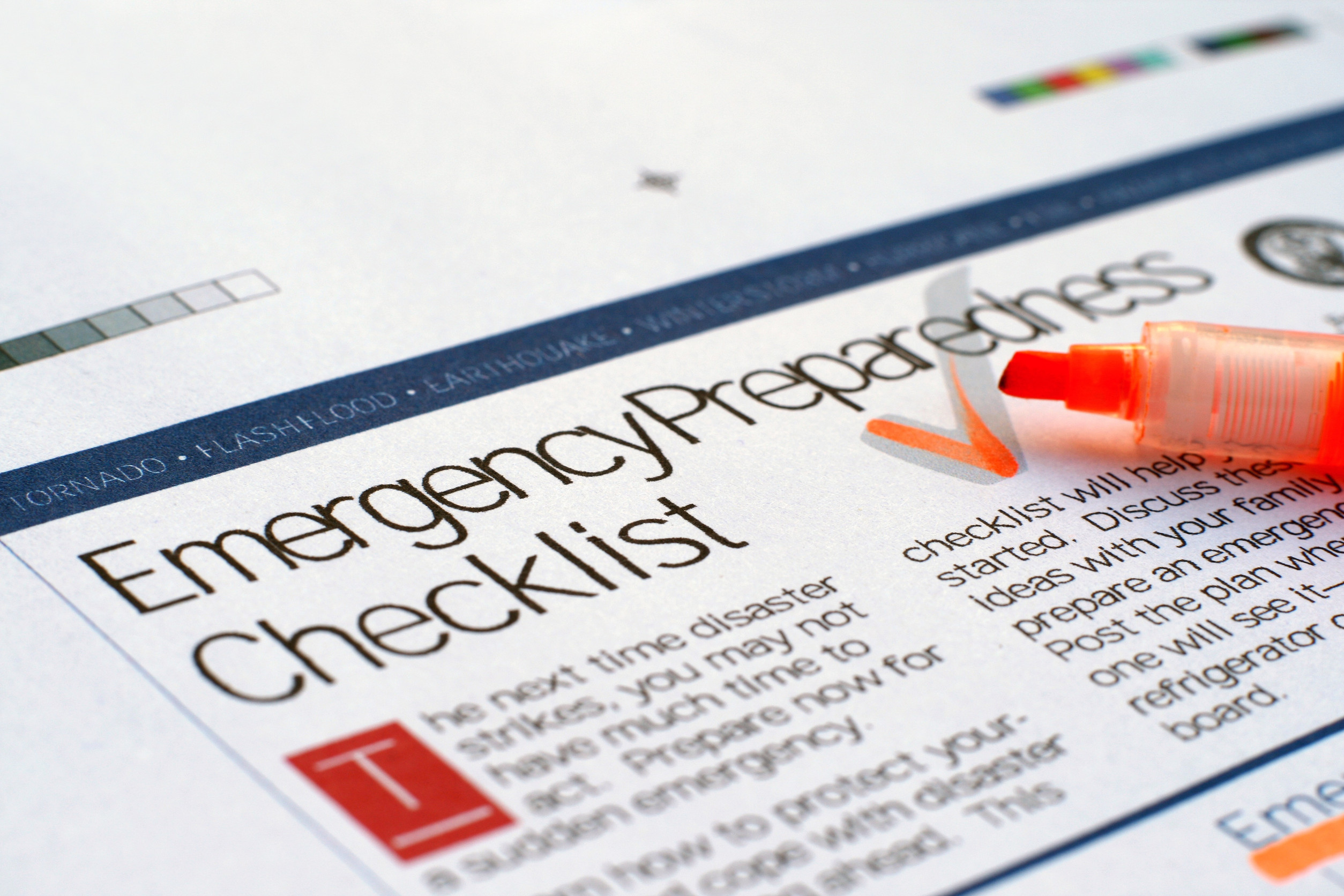
Child Care Checklist 10 Key Items to Prepare Before an Emergency Hits
Image source: 123rf.com

Emergencies rarely come with a warning, and when they hit, the last thing you want to be doing is scrambling for supplies or information—especially when kids are involved. Whether it’s a weather disaster, sudden illness, or power outage, having a solid child care checklist in place can make all the difference. The more prepared you are, the calmer and more secure your children will feel in uncertain moments. It’s not just about stocking up on batteries and bandages—it’s about creating a plan that protects your child’s comfort, health, and safety. Here’s what every parent should have ready before an emergency strikes.

1. Emergency Contact Information Sheet

Create a printed and laminated emergency contact list that includes your phone numbers, your child’s pediatrician, close relatives, and trusted neighbors. Include any allergies or medical conditions your child has, as well as insurance details. Keep copies in your emergency bag, your child’s backpack, and with any caregivers. This part of your childcare checklist ensures anyone stepping in can act quickly and correctly. Make sure to review and update the list at least every six months.

2. Authorization Letter for Temporary Guardianship

In case you’re separated from your child or unable to make decisions during an emergency, having a temporary guardian can be a lifesaver. This gives someone else permission to make medical or custodial decisions if needed. Include copies in your emergency binder and give one to the person named in the document. This is one item on your childcare checklist that many overlook until it’s too late. Don’t wait—prepare it when everything is calm and clear.

3. A Well-Stocked Go Bag

Each child should have a small backpack with basic emergency supplies: water bottle, non-perishable snacks, flashlight, a change of clothes, diapers if applicable, and a comfort item. Include a small first aid kit, hand sanitizer, and a lightweight blanket. Label the bag clearly and store it in an accessible place. Refresh it every few months as your child grows and seasons change. A personalized go bag helps meet immediate needs during chaos.

4. Child-Friendly First Aid Kit

Standard first aid kits often don’t include items specifically for children. Your childcare checklist should include a kid-specific kit with age-appropriate medications (like infant acetaminophen or allergy meds), adhesive bandages in fun designs, thermometer, and child-sized masks. Be sure you know the proper dosages and keep a printed guide inside. Add sunscreen and bug spray if you live in areas prone to outdoor threats. It’s peace of mind packed in a small box.

5. Printed Photos of Your Child

It may sound outdated in a digital world, but if your phone dies or internet is down, printed photos become essential. Choose clear, up-to-date headshots and full-body images, and keep them in your emergency binder and child’s go bag. These photos help authorities or other caregivers quickly identify your child. Write their name, date of birth, height, and weight on the back. This item is a low-effort but high-impact part of your childcare checklist.

6. Copies of Medical and Immunization Records

Having medical records on hand saves valuable time if you need emergency care from someone unfamiliar with your child’s history. Keep a folder with vaccine records, recent prescriptions, diagnosis notes, and any specialist contact info. This can be especially important if your child has asthma, allergies, or chronic conditions. Add digital backups to a password-protected USB drive as well. Being able to hand a doctor accurate info in a moment of stress is priceless.

7. List of Daily Routines and Comfort Items

Children thrive on predictability, even when the world around them feels uncertain. Your childcare checklist should include a brief summary of your child’s routines—like nap times, favorite songs, or food preferences. This helps substitute caregivers or emergency responders soothe your child more effectively. Also note comfort items like favorite stuffed animals or bedtime rituals. When things feel scary, small familiar routines can provide powerful emotional stability.

8. Emergency Communication Plan

If phones are down, your child needs to know how and where to find help. Create a basic communication plan with a family meeting spot, an out-of-town emergency contact, and directions your child can understand. Rehearse the plan together periodically, like a fire drill. Include it in writing in your emergency kit. When kids know what to expect, they feel less fear and confusion.

9. Extra Essentials for Babies and Toddlers

If you’re caring for very young children, your childcare checklist should include enough diapers, formula or breast milk storage options, wipes, baby-safe water, and baby food pouches for at least 72 hours. Don’t forget pacifiers, bibs, and a baby carrier if evacuation is needed. Babies have unique needs that can’t wait during a crisis. Always rotate your stash so nothing expires or outgrows its usefulness.

10. A Comfort and Distraction Kit

Fear and boredom can amplify stress, especially for children. Pack a small kit with coloring books, crayons, storybooks, puzzle toys, or even a favorite music playlist on a portable player with batteries. Choose items that are calming, quiet, and age appropriate. These distractions help children feel emotionally safe, even in unfamiliar surroundings. A comfort kit is a must-have part of any childcare checklist.

Prepared, Not Panicked

Emergencies are unpredictable, but your response doesn’t have to be. Taking time now to build a reliable childcare checklist gives you more control and peace of mind if disaster strikes. It also shows your child that their safety is your top priority, even in the most uncertain moments. Preparedness is love in action—and the effort you make today could be life-changing tomorrow. Being ready isn’t about fear, it’s about protection.

What’s one item you’ve added to your childcare checklist that others might not have thought of? Share your ideas in the comments!

Read More:

Are You Ready? 11 Parenting Decisions That Require Urgent Action This Year

The Cost of Complacency: 9 Parenting Planning Errors That Cost Decades of Stress

Catherine Reed
Catherine Reed

Catherine is a tech-savvy writer who has focused on the personal finance space for more than eight years. She has a Bachelor’s in Information Technology and enjoys showcasing how tech can simplify everyday personal finance tasks like budgeting, spending tracking, and planning for the future. Additionally, she’s explored the ins and outs of the world of side hustles and loves to share what she’s learned along the way. When she’s not working, you can find her relaxing at home in the Pacific Northwest with her two cats or enjoying a cup of coffee at her neighborhood cafe.

Read More

  • Things to Consider Before Moving
    Things to Consider Before Moving

    Ok, so it’s been ages since my last post and with good reason.  I had…

  • 4 Lifestyle Changes Parents Can Make to Save Money

    As a parent, you know too well how fast money can get spent on your…

  • 8 Things Parents Say That Create Lifelong Guilt
    8 Things Parents Say That Create Lifelong Guilt

    Words matter, especially when they come from parents. A single comment said in frustration or…

  • The 'Silent Sibling' Syndrome: Why Your Well-Behaved Child Is Actually the One at Highest Risk for Burnout
    The 'Silent Sibling' Syndrome: Why Your Well-Behaved Child Is Actually the One at Highest Risk for Burnout

    An unprecedented, quiet rollout of 2026 school policy adjustments in Fayetteville and Volusia County has…

  • Teachers Beg Parents: Stop Buying These 7 Expensive School Supplies
    Teachers Beg Parents: Stop Buying These 7 Expensive School Supplies

    Every school year starts the same way: packed aisles, frantic parents, colorful packaging screaming “must-have,”…

  • Why Some Parents Are Going Into Debt to Hide Financial Struggles from Their Kids
    Why Some Parents Are Going Into Debt to Hide Financial Struggles from Their Kids

    In an age of rising costs and constant comparison, more parents are quietly swiping credit…

Filed Under: Parenting Tagged With: child care checklist, children safety, crisis planning, disaster planning for kids, emergency preparedness, family safety, kids emergency kit, parenting tips

Leave a Reply Cancel reply

Your email address will not be published. Required fields are marked *

This site uses Akismet to reduce spam. Learn how your comment data is processed.

  • Facebook
  • Pinterest
  • RSS
  • Twitter
Best Parenting Blogs

Most Popular

Baby names

Teachers Admit: These 6 Baby Names Create Instant Bias in the Classroom

Latrice Perez
These Are 6 Baby Names Inspired by Vintage TV and Movies

6 Baby Names Inspired by Vintage TV and Movies

Brandon Marcus
6 Baby Names That Sound Cute Now but Cause Problems Later

6 Baby Names That Sound Cute Now but Cause Problems Later

Brandon Marcus
11 Ways Kids Are Outsmarting Parental Controls 1. Using Alternate Devices One common trick is simply turning to another device. If a child’s main phone or tablet is restricted, they may borrow a sibling’s, friend’s, or even a school laptop. This instantly gives them access to content outside of parental oversight. Parents often focus on one device, forgetting that others in the household can serve as loopholes. Knowing this tactic helps families tighten controls across all electronics. 2. Clearing Browsing Histories Many kids quickly learn that clearing browsing history hides evidence of restricted activity. With just a few clicks, they can erase any trace of websites visited. This makes it harder for parents to notice when rules are being broken. Parents may assume no history means no browsing, but the reality is often the opposite. Kids are outsmarting parental controls by making it seem like nothing happened at all. 3. Using Private Browsing Modes Most browsers offer “incognito” or private browsing features. Kids use this mode to access websites without leaving a record in the history. To parents checking later, everything looks clean and safe. This simple trick is often one of the first ways kids discover how to bypass restrictions. Conversations about private browsing can help close this gap. 4. Guessing or Resetting Passwords Children who are persistent may try to guess passwords to parental control apps or accounts. Others may find ways to reset them through email prompts or security questions. Once inside, they can disable restrictions entirely. Parents may not even realize controls have been altered until much later. Stronger, less predictable passwords can make this more difficult. 5. Using VPNs to Hide Activity Virtual private networks, or VPNs, let kids disguise their online locations. With one downloaded app, they can bypass geographic or parental restrictions. Some children learn about VPNs through friends or even social media. This makes it easy for them to reach content that should be blocked. Parents often underestimate just how simple it is for kids to use these tools. 6. Creating Fake Accounts When parents monitor social media, kids may create hidden accounts. These “finstas” or fake profiles allow them to interact freely without parental oversight. While their main account appears harmless, the secondary one tells a different story. Kids are outsmarting parental controls by playing both sides at once. Checking for duplicate accounts can help parents stay more aware. 7. Exploiting Time Zone Settings Some kids change the time zone on their devices to bypass screen time limits. This trick allows them to gain extra hours of usage undetected. Parents may assume controls are working, but in reality, the child is bending the clock. It’s a clever loophole that highlights just how resourceful kids can be. Monitoring device settings regularly can catch this tactic. 8. Disabling or Uninstalling Apps Parental control apps can be deleted or disabled with surprising ease. Some kids even reinstall them before a parent checks, making it seem like nothing changed. Others may simply restrict permissions to prevent apps from functioning properly. When apps aren’t monitored closely, parents may not notice they’ve been tampered with. This shows the importance of consistent follow-up. 9. Turning to Friends for Access If a child can’t get past restrictions on their own, they may rely on friends. Visiting a friend’s house or borrowing their phone can give them a free pass. Parents often forget that peer environments can override restrictions set at home. This kind of social workaround is especially common with gaming or social media. Open conversations about trust and responsibility are essential. 10. Hiding Apps in Plain Sight Kids sometimes download apps that look innocent but serve as gateways to hidden activity. These apps may disguise themselves as calculators or utilities. In reality, they allow file storage, private messaging, or browser access. Parents glancing at a home screen may overlook them entirely. Learning to recognize these disguised apps can help parents stay informed. 11. Outpacing Parents’ Tech Knowledge Finally, kids often know more about devices than their parents do. Whether through YouTube tutorials, TikTok hacks, or peer groups, they quickly learn advanced workarounds. This knowledge gap means controls can be bypassed before parents even realize the loophole exists. Staying informed and continually learning about new technology is the best defense. Kids are outsmarting parental controls because they adapt faster than most adults. The Real Solution Lies Beyond Restrictions While controls and filters are important, no system is perfect. Kids will always find creative ways around barriers, making communication the strongest safeguard. Setting clear expectations, building trust, and having ongoing conversations about online behavior matter more than apps alone. Parents who combine technology with open dialogue create a safer digital environment. The goal isn’t to win a battle of wits but to build a relationship that keeps kids both safe and honest. Do you think kids are outsmarting parental controls faster than parents can keep up? Share your experiences in the comments below. What to Read Next... 6 Parenting Tech Shortcuts That Can Expose Your Child to Strangers How Much Screen Time Is Too Much—Legally Speaking? Is Your Child’s School Quietly Tracking Their Location Without Your Consent? How Much Screen Time Is Quietly Reshaping Childhood Behavior? Why Some Parents Are Being Investigated Over Homeschooling Records

11 Ways Kids Are Outsmarting Parental Controls

Catherine Reed
Smiling grandfather holding a happy baby indoors.

Why Grandparents Shouldn’t Babysit Their Grandkids Every Week – The Unspoken Issue

Samantha

All content on Kids Ain’t Cheap is for entertainment purposes only. By reading this blog, you agree that Kids Ain’t Cheap is not responsible for any actions taken after reading this blog. For the full disclaimer, see our privacy policy.

Please note that Kids Ain’t Cheap has financial relationships with some of the merchants mentioned here. Kids Ain’t Cheap is funded by banner advertising, commission sales and search optimization consulting.

Copyright © 2006–2026 | District Media | All Rights Reserved | Privacy Policy

Copyright © 2026 Runway Pro Theme by Viva la Violette