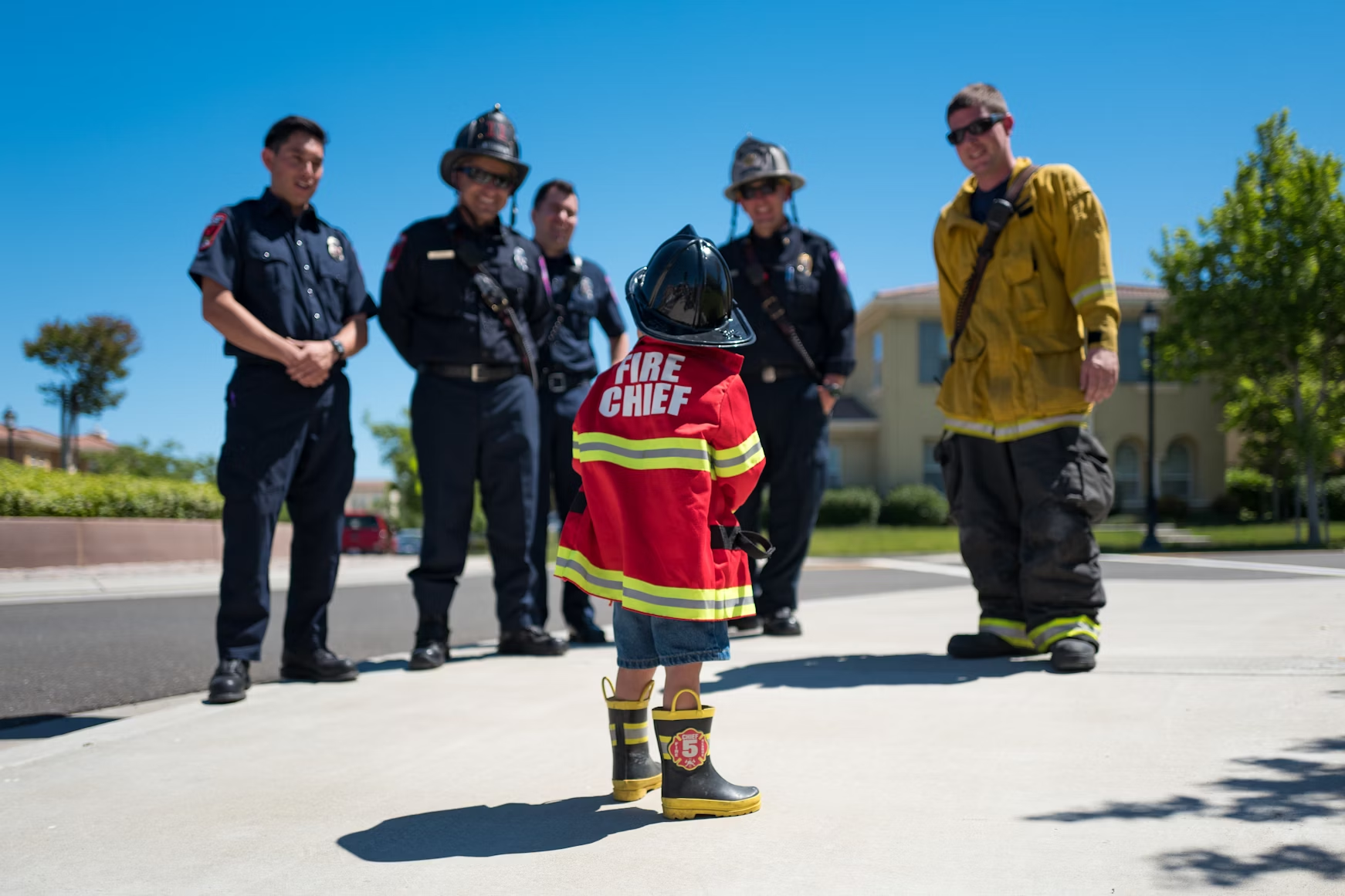
Fires can be terrifying—especially for children. In a crisis, instinct alone may not be enough; knowledge and preparation make all the difference.
Teaching fire safety early is crucial, equipping kids with the awareness and confidence to react appropriately in an emergency. Understanding how fires start, how to safely escape, and when to call for help can make a life-saving difference. The sooner kids learn, the more empowered they’ll be to protect themselves and others.
The following tips help turn safety lessons into everyday habits the whole family can practice and remember—creating a safer home and a well-prepared child.
1. Create and Practice a Fire Escape Plan
Every family needs two ways out of every room and a single meeting spot outside.
- Draw it together. Use markers or stickers to trace windows and doors on a big sheet of paper; let kids color the “outside safe tree” or mailbox meeting point.
- Name the exits aloud. As you tuck them in, ask: “If smoke came from the hall, which window would you use?”
- Drill twice a year—day and night. Set a timer; aim to reach the meeting spot in under two minutes. Vary scenarios (blocked hallway, parent in another room) so problem‑solving becomes automatic.
- Review older‑kid roles. Tweens can practice guiding younger siblings by holding hands and staying low.
For step‑by‑step planning templates, check the National Fire Protection Association’s (NFPA) free resources.
2. Keep Children Three Feet Away from Hot Objects
Stovetops, space heaters, and even a steaming mug of cocoa can cause painful burns.
- Add barriers. A sturdy safety gate around fireplaces keeps curious toddlers at bay without constant reminders.
- Mark a “kid‑free zone.” Place bright painter’s tape three feet around ranges and portable heaters; remind little chefs to stand behind the line.
- Narrate your moves. Say, “I’m turning pot handles inward so you can’t bump them,” to model caution.
- Use visual timers. While soup simmers, set a sand timer kids can watch; when the sand runs out, they know ‘look, don’t touch’ time is over.
3. Fire Starters Are for Grown‑Ups Only
Matches and lighters should be stored up high and out of sight. Role‑play what to do if they ever find one—walk away and tell an adult. Reinforcing this message reduces the risk of child‑set fires.
4. Install and Test Smoke Alarms Regularly
Place alarms on every level and outside each bedroom. Test them monthly together so the sound is familiar, then choose a yearly “battery birthday” for replacements. You should replace the entire unit every ten years to ensure reliability.
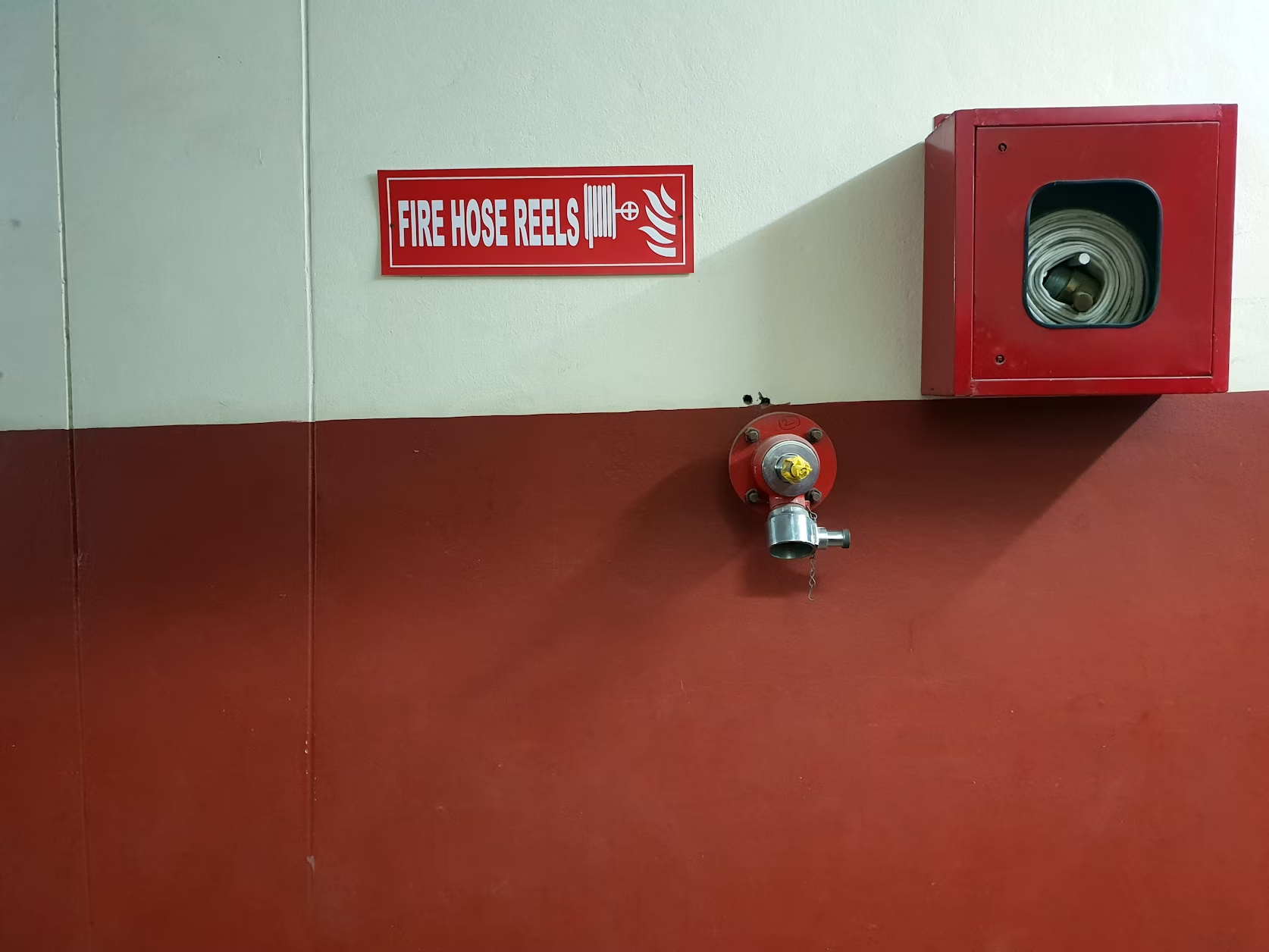
5. Fire Safety Education Works—Start Early
Preschool‑level programs that use songs, puppet shows, or picture books help kids remember key rules. Look for materials that encourage hands‑on practice and positive reinforcement rather than fear.
6. Teach Stop, Drop, and Roll (and When to Use It)
Make practice fun—count to three, then roll together like logs. Emphasize that this technique is only for clothing on fire, not every emergency.
7. Remind Kids Not to Hide During a Fire
Fear can send children under beds or into closets. Explain that hiding makes it hard for firefighters to help. Show pictures of firefighters in gear so the masks and suits look friendly, not scary.
8. Use Fire Safety Stories and Games
Interactive books and online games turn safety rules into memorable adventures. Try a “find the smoke alarm” scavenger hunt or craft a beaded bracelet spelling your home’s emergency number.
Keep Safety Simple and Ongoing
Fire safety shouldn’t be a one‑time lecture. Bring it up during ordinary moments: while cooking, hearing a siren, or replacing alarm batteries. A calm, age‑appropriate approach empowers kids without scaring them—building knowledge they’ll carry for life.
Have you talked about fire safety with your kids? Share your tips or questions in the comments—we’d love to hear what works in your home.
Read More
- Living in Risk: 13 Most Hazardous Places to Reside In The US
- Keep Your Home Safe From Fires Using These Tips

Samantha Warren is a holistic marketing strategist with 8+ years of experience partnering with startups, Fortune 500 companies, and everything in between. With an entrepreneurial mindset, she excels at shaping brand narratives through data-driven, creative content. When she’s not working, Samantha loves to travel and draws inspiration from her trips to Thailand, Spain, Costa Rica, and beyond.
