• Home
  • About Us
  • Toolkit
  • Archives
  • Advertise
  • Privacy Policy

Kids Ain't Cheap

But They Sure Are Worth It

  • Parenting
    • Baby Stuff
    • Books and Reading
      • Aesops Fables
      • Comic Books
    • Education
    • Family Time
    • Green Living
    • Growing Up
    • Healthy Living & Eating
    • Holidays
    • Parenting
    • Random Musings
    • Shopping
    • Stuff to Do
  • Money
  • Product Reviews
    • Books and Magazines
    • Discount Sites
    • Furniture
    • House Keeping
    • Reviews News
    • Toys and Games
  • Contact Us
  • Our Editorial Commitment
  • Search

8 DIY Projects at Home That Put Curious Toddlers at Risk

November 16, 2025 | Leave a Comment

8 DIY Projects at Home That Put Curious Toddlers at Risk
Image source: shutterstock.com

When you have toddlers running around, even the most innocent home improvement task can turn into a safety hazard. While creativity and productivity often thrive when you tackle DIY projects at home, it’s easy to overlook how dangerous certain tools, materials, or setups can be for little explorers. From choking risks to chemical exposure, many popular DIY projects contain hidden hazards that parents should know before picking up the toolbox. Here’s a look at eight common home projects that can unintentionally put curious toddlers in harm’s way—and how to make them safer.

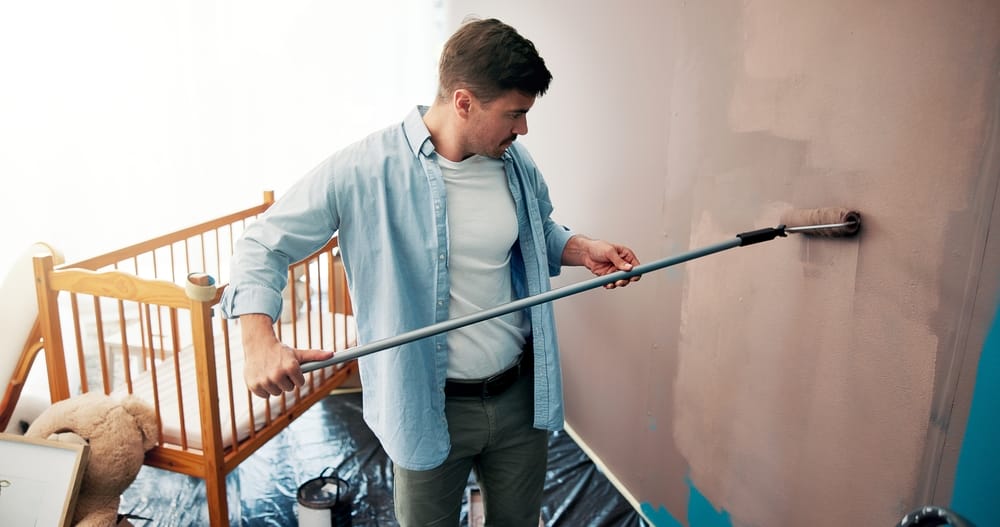
1. Painting Rooms and Furniture

Painting might seem like one of the simplest DIY projects at home, but it comes with major safety concerns for toddlers. Paint fumes can irritate a child’s lungs, eyes, and skin, even if you’re using low-VOC formulas. Wet paint also attracts curious fingers, and lead paint exposure remains a risk in older homes. If painting while parenting, always ensure proper ventilation, restrict toddler access to the room, and store brushes, rollers, and paint cans well out of reach. Even better, schedule painting projects during daycare hours or naps.

2. Installing or Sanding Floors

New floors are exciting, but sanding, staining, or installing wood or laminate can produce dust and fumes that harm developing lungs. Sawdust and adhesives may contain chemicals like formaldehyde, and even small nails or staples can become choking hazards. Toddlers are notorious for putting things in their mouths, so any loose debris is a serious concern. Always seal off the workspace with barriers, vacuum regularly, and keep protective masks nearby. For major flooring work, consider a short family staycation elsewhere until the dust literally settles.

3. Building or Refinishing Furniture

Furniture restoration is one of the most popular DIY projects at home, but it often involves power tools, solvents, and heavy pieces that can topple over. The smell of varnish or wood glue might fascinate toddlers, but those fumes can cause headaches or nausea quickly. Small screws, knobs, and fasteners also present serious swallowing hazards. Parents should work in a well-ventilated, locked-off area and use baby gates to prevent accidental entry. If you’re refinishing nursery furniture, make sure all materials are certified non-toxic once dry.

4. Crafting or Sewing Projects

It’s easy to forget how sharp and tiny crafting materials can be until a toddler grabs one. Pins, needles, scissors, and beads are irresistible to little hands and mouths, making these projects deceptively risky. Even fabric glue and markers can contain chemicals that irritate skin or eyes. To minimize danger, store all supplies in containers with secure lids and avoid leaving work-in-progress projects on low tables. Encourage your child’s curiosity safely by setting up a toddler-friendly craft zone with big crayons and soft felt pieces instead.

5. Outdoor Yard Work and Gardening

Gardening sounds harmless, but some outdoor DIY projects at home involve hidden hazards. Fertilizers, insecticides, and even potting soil can contain bacteria or chemicals unsafe for toddlers. Power tools like trimmers or lawnmowers add another layer of risk, especially when kids are nearby. Parents should supervise closely, store garden tools in locked sheds, and choose non-toxic alternatives for pest control. Remember that even decorative gravel or mulch can become a choking danger when a curious toddler decides to “taste-test” the yard.

6. Home Repairs Using Power Tools

Few things fascinate toddlers more than noise and movement, which makes drills, saws, and hammers irresistible. Unfortunately, these are among the most dangerous tools in any home. Power tools can send debris flying or cause serious injury in seconds. Even unplugged, their cords and attachments invite unwanted play. When taking on repair-based DIY projects at home, always unplug tools when not in use, secure cords, and create a physical barrier so little ones can’t wander into the workspace.

7. Installing Wall Décor or Shelving

Hanging décor or adding shelves can transform a space, but these tasks come with surprising toddler hazards. Screws, nails, and wall anchors are small enough to choke on, while improperly mounted shelves may collapse under curious tugs. Falling décor like mirrors or picture frames can also cause injury. Always double-check weight limits, use secure wall studs, and avoid hanging heavy items near play areas. If toddlers are home, postpone installation until another adult can supervise them elsewhere.

8. Mixing Homemade Cleaners or Solutions

Homemade cleaners are trendy, but they can quickly turn risky when kids are around. Vinegar, baking soda, and essential oils might seem natural, yet they can cause burns or poisoning if ingested or mixed improperly. Curious toddlers love watching bubbles form during chemical reactions—making this type of experiment especially tempting. Always mix and store cleaning solutions far from their reach, using clear labels and childproof lids. Even natural ingredients should be treated with the same caution as store-bought chemicals.

Keeping DIY Dreams Safe for Little Ones

DIY projects at home can be rewarding and cost-effective, but safety should always come first when toddlers are in the picture. With planning, supervision, and the right protective measures, parents can still enjoy creative projects without putting their children in harm’s way. Establish clear zones where your child can play safely, and involve them in non-hazardous parts of the process, like choosing paint colors or holding soft brushes. The key is to strike a balance between your child’s need for safety and exploration, and your own creative drive.

What DIY safety tips do you use to keep your toddler protected while working on home projects? Share your thoughts in the comments below!

What to Read Next…

  • The “Harmless” Habit: 7 Health Habits Shortening Childhood For Many
  • Toddler Falls: 5 Home Areas Where Toddlers Get Hurt Most (Are Yours Safe?)
  • Is Your Home Toxic? 8 Everyday Items Poisoning Your Toddler
  • Is Your Toddler Already Experiencing Burnout?
  • The Hidden Truth: 8 Everyday Products Poisonous To Toddlers
Catherine Reed
Catherine Reed

Catherine is a tech-savvy writer who has focused on the personal finance space for more than eight years. She has a Bachelor’s in Information Technology and enjoys showcasing how tech can simplify everyday personal finance tasks like budgeting, spending tracking, and planning for the future. Additionally, she’s explored the ins and outs of the world of side hustles and loves to share what she’s learned along the way. When she’s not working, you can find her relaxing at home in the Pacific Northwest with her two cats or enjoying a cup of coffee at her neighborhood cafe.
Filed Under: Home and Living Tagged With: childproofing, DIY home projects, family safety, home improvement, indoor projects, parenting hacks, parenting tips, toddler safety

Value Killer: 5 Home Renovations Decreasing Kids’ Safety

July 7, 2025 | Leave a Comment

Value Killer 5 Home Renovations Decreasing Kids Safety
123rf.com

That dream kitchen or trendy open staircase might boost your home’s resale appeal, but not all upgrades are kid-friendly. Some popular design choices unintentionally put little ones at greater risk of injury, turning aesthetic gains into safety losses. When you’re remodeling a home with children in the picture, it’s important to weigh more than just beauty and value. You also need to ask: will this make the house safer—or more dangerous—for my child? Here are five common home renovations decreasing kids’ safety and what to consider before moving forward with them.

1. Open Staircases with Minimal Railings

Modern, floating staircases look sleek, but they’re one of the riskiest home renovations decreasing kids’ safety. Open treads, minimal railings, and wide gaps between bars make it easier for children to slip, fall, or get stuck. Even if the staircase meets building code, that doesn’t mean it’s safe for toddlers or young kids. Retrofitting with safety gates or custom barriers can be costly and may alter the original design. When planning a remodel, prioritize sturdy railings, closed risers, and grip-friendly materials to protect curious climbers.

2. Fireplace Makeovers with Hard Edges

Turning an old fireplace into a modern centerpiece often involves sharp stone or tile finishes. While they may look clean and high-end, these hard surfaces pose a real threat if a child falls against them. Even padded hearth guards are often removed once kids start walking, leaving the area wide open to injury. Some renovations also involve raised hearths, which become tempting platforms for jumping. Consider softer edge materials, or build in safety-first design features if a fireplace update is on your renovation checklist.

3. Expanding Kitchens with High Counter Seating

Large kitchen islands with barstools are a popular remodel, but they come with hidden hazards for families. Children can easily fall off backless stools, especially if the seating is tall or on slippery flooring. Plus, open-concept kitchens often mean fewer visual barriers, making it easier for kids to reach stovetops or sharp tools left on counters. Home renovations decreasing kids’ safety often start with prioritizing adult convenience over kid-proofing. To balance both, choose stools with backs, add anti-tip features, and keep climbing temptations out of reach.

4. Slick Flooring Materials

Swapping carpet for hardwood or polished concrete might seem like a smart style or cleaning upgrade. But many of these surfaces become slick hazards, especially when paired with socks, spills, or wet shoes. Kids learning to walk or run indoors are more likely to slip and suffer injuries on hard floors. Some materials, like tile, are especially unforgiving in high-traffic areas like bathrooms or entryways. If you’re set on a hard surface, look into textured finishes or area rugs with non-slip pads to minimize the risk.

5. Wall-Mounted Shelving and Furniture

Minimalist design trends often include floating shelves, wall-mounted desks, and anchored dressers to free up floor space. But if these aren’t properly installed into studs—or if kids decide to climb them—they can become dangerous. Wall-mounted TV units and shelves that look sturdy may collapse under even a small child’s weight. This makes them one of the sneakier home renovations decreasing kids’ safety. Always use professional mounting hardware, secure furniture with anti-tip kits, and consider age-appropriate alternatives for furniture your kids will use daily.

A Safer Home Is a Smarter Investment

While style and home value matter, no upgrade is worth the risk to your child’s safety. Home renovations decreasing kids’ safety often seem harmless on the surface, but they can lead to injuries, regrets, or costly fixes down the road. The good news is you don’t have to sacrifice aesthetics for safety. With smart planning and a family-first mindset, your home can be both beautiful and secure. Safe design doesn’t just protect kids—it protects your peace of mind.

Have you come across a renovation that seemed great until kids got involved? Share your story or tips in the comments to help other parents stay safe.

Read More:

How to Create a Child-Friendly Home Design During Your Remodel

What to Do When Your House Is Too Big for You?

Catherine Reed
Catherine Reed

Catherine is a tech-savvy writer who has focused on the personal finance space for more than eight years. She has a Bachelor’s in Information Technology and enjoys showcasing how tech can simplify everyday personal finance tasks like budgeting, spending tracking, and planning for the future. Additionally, she’s explored the ins and outs of the world of side hustles and loves to share what she’s learned along the way. When she’s not working, you can find her relaxing at home in the Pacific Northwest with her two cats or enjoying a cup of coffee at her neighborhood cafe.

Filed Under: Home and Living Tagged With: babyproofing, child safety, family-friendly design, home improvement, home renovations, kids and home design, parenting tips, renovation safety

  • Facebook
  • Pinterest
  • RSS
  • Twitter

Basic Principles Of Good Parenting

Here some basic principles for good parenting:

  1. What You Do Matters: Your kids are watching you. So, be purposeful about what you want to accomplish.
  2. You Can’t be Too Loving: Don’t replace love with material possessions, lowered expectations or leniency.
  3. Be Involved Your Kids Life: Arrange your priorities to focus on what your kid’s needs. Be there mentally and physically.
  4. Adapt Your Parenting: Children grow quickly, so keep pace with your child’s development.
  5. Establish and Set Rules: The rules you set for children will establish the rules they set for themselves later.  Avoid harsh discipline and be consistent.
  6. Explain Your Decisions: What is obvious to you may not be evident to your child. They don’t have the experience you do.
  7. Be Respectful To Your Child: How you treat your child is how they will treat others.  Be polite, respectful and make an effort to pay attention.
Best Parenting Blogs

Most Popular

Baby

9 Baby Names That Sound Rare Without Being Hard to Spell

Evan Morgan
Baby

9 Unusual Baby Names That Sound Like They Belong to Future CEOs

Evan Morgan
Target Store

Choking Incident Prompts Recall of 49,000 Target Gigglescape “Under the Sea” Popping Toys

Evan Morgan
Frustrated Girl

Why Some Students on the Spectrum Are Labeled With ODD

Evan Morgan
Coke Bottles

12 Things Kids Took to School in the ’70s That Would Never Be Allowed Today

Evan Morgan

All content on Kids Ain’t Cheap is for entertainment purposes only. By reading this blog, you agree that Kids Ain’t Cheap is not responsible for any actions taken after reading this blog. For the full disclaimer, see our privacy policy.

Please note that Kids Ain’t Cheap has financial relationships with some of the merchants mentioned here. Kids Ain’t Cheap is funded by banner advertising, commission sales and search optimization consulting.

Copyright © 2006–2026 | District Media | All Rights Reserved | Privacy Policy

Copyright © 2026 Runway Pro Theme by Viva la Violette