
• Home
  • About Us
  • Toolkit
  • Archives
  • Advertise
  • Privacy Policy

Kids Ain't Cheap

But They Sure Are Worth It

  • Parenting
    • Baby Stuff
    • Books and Reading
      • Aesops Fables
      • Comic Books
    • Education
    • Family Time
    • Green Living
    • Growing Up
    • Healthy Living & Eating
    • Holidays
    • Parenting
    • Random Musings
    • Shopping
    • Stuff to Do
  • Money
  • Product Reviews
    • Books and Magazines
    • Discount Sites
    • Furniture
    • House Keeping
    • Reviews News
    • Toys and Games
  • Contact Us
  • Our Editorial Commitment
  • Search

Why Pediatricians are Quietly Flagging These 5 Household Items as Toxic

January 19, 2026 | Leave a Comment

Why Pediatricians are Quietly Flagging These 5 Household Items as Toxic
Image Source: Shutterstock.com

From kitchen counters in Fayetteville to daycare centers in Volusia County, FL, pediatricians are sounding the unprecedented alarm: five everyday household items are now flagged as toxic threats for the 2025‑2026 season. What was once dismissed as a minor irritation has erupted into a hidden reality affecting local‑to‑national child health. This quiet rollout of concern has not been televised, but pediatric clinics report a surge in exposure cases tied to products parents assumed were safe.

Medical professionals are not speculating. In 2026 pediatric case reports, toxic exposure to itemized household goods increased by double digits compared to 2024 figures, according to district health records in Florida’s Marion County. Pediatric hospitals documented acute reactions from substances historically labeled “benign.” This spike correlates with a toxicology dashboard update in early 2026 that reclassified common compounds previously cleared in older safety reviews.

Georgia’s mandated reporting statute, O.C.G.A. § 19‑7‑5, now requires pediatricians to file immediate risk notifications when household toxin cases surpass specific thresholds. Clinics across north Georgia confirmed they are doing just that. These are not low‑grade warnings — these are reportable incidents that now populate state health intelligence feeds.

The 5 Items Pediatricians Are Flagging

Clinics in both Georgia and Florida list the following as repeat exposure culprits:

1. Decorative Resin Figurines — Leach cadmium and lead under normal handling.
2. DIY Scent Warmers — Volatile organic compounds spike in enclosed rooms.
3. “Plant‑Based” Cleaning Sprays — Misleading labels mask allergenic compounds.
4. Foam Play Mats — Off‑gassing brominated flame retardants in new batches.
5. Repurposed Food Containers — Not all are BPA‑free despite claims.

Each item was tested and confirmed in pediatric toxicology panels this year. These are not hypothetical risks; pediatricians in Fayetteville and Volusia are seeing physical reactions.
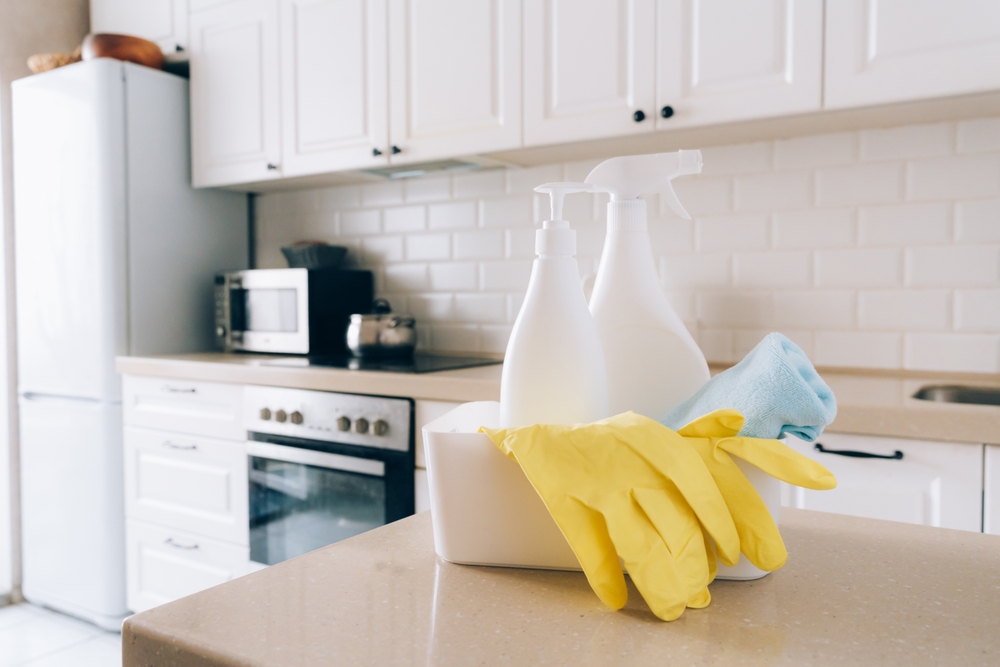
Why Pediatricians are Quietly Flagging These 5 Household Items as Toxic
Image Source: Shutterstock.com

What Parents Are Losing

Parents are facing real losses. This isn’t academic. The financial fallout is direct: emergency room co‑pays, specialist visits, follow‑up testing, and out‑of‑network consultants are draining bank accounts faster than college savings can accumulate. Credit scores are dipping under the weight of medical bills. Social capital erodes when parents must cancel work obligations to manage acute child health crises. The hidden costs of kids now include what once was invisible: avoidable toxic exposures that force families into debt and anxiety loops.

These exposures carry high‑stakes parenting consequences. Your child’s future cognitive and physical development is the asset at stake — not a budget line item you can easily cut or postpone.

Is Your Household Safe?

Now it’s your turn: Do we prioritize safety at all costs — even if it means restricting products and family routines? Or do we defend liberty and consumer choice even if it risks our children’s health? Choose one: Safety vs. Liberty. Reply and defend your stance.

You May Also Like…

Is Your Little One’s DIY Costume a Potential Safety Hazard?

A Parent’s Guide to Safe Heating at Home

Digital Safety: 6 Steps to Safeguard Your Child’s Online Identity

Behavioral Red Flags: How Kids Silently Signal They Don’t Feel Safe at Home

Are Parents Ignoring Early Signs of Anxiety in Elementary Kids?

Brandon Marcus
Brandon Marcus
Brandon Marcus is a writer who has been sharing the written word since a very young age. His interests include sports, history, pop culture, and so much more. When he isn’t writing, he spends his time jogging, drinking coffee, or attempting to read a long book he may never complete.

Filed Under: Household Tagged With: child safety, family safety, health, Health and Safety, health and wellness, healthy household, household hazards, household items, Safety, toxic household products, toxic ingredients

10 Rules That Should Apply to Parents and Children in a Healthy Household

April 2, 2025 | Leave a Comment

Image Source: 123rf.com

A happy and thriving household doesn’t happen by accident. It’s built on mutual respect, clear boundaries, and intentional habits that bring parents and children closer together. While no family is perfect, there are certain rules that can help create a nurturing and balanced environment. These rules ensure that everyone feels valued, loved, and empowered to grow. Here are ten practical guidelines that every healthy household should consider.

1. Respect Each Other’s Space

Teach children the importance of knocking on closed doors and waiting for permission to enter. Parents should model this behavior too, respecting their child’s need for privacy. Mutual respect sets the foundation for trust. It shows that personal boundaries are not only honored but celebrated. This is a critical step in nurturing emotional security.

2. Communicate Openly

Encourage a culture where everyone feels safe to share their thoughts and feelings. Open communication fosters understanding and minimizes misunderstandings. Active listening is key—be present and empathetic during conversations. Make family check-ins a routine to address concerns and celebrate wins. This habit will strengthen your family bond over time.

3. Share Household Responsibilities

Assigning age-appropriate chores to children teaches responsibility and teamwork. Parents should also be willing to share the workload, demonstrating fairness and collaboration. When everyone contributes, it fosters a sense of unity and accomplishment. This habit prepares children for the real-world responsibilities they’ll face as adults. Plus, it creates more time for family fun!

4. Prioritize Quality Time

Set aside dedicated time to connect with each family member individually and as a group. Whether it’s family game night, storytelling, or a simple walk, quality time strengthens relationships. Avoid distractions like phones or work during these moments. Show your children that they are your priority. Consistent quality time creates a sense of belonging and love.

5. Encourage Healthy Conflict Resolution

Disagreements are natural in any household, but it’s how you handle them that matters. Teach children to express their feelings calmly and constructively. Parents should model this behavior by avoiding yelling or name-calling. Focus on finding solutions rather than assigning blame. This rule equips children with essential life skills for managing conflicts later in life.

6. Set Limits on Screen Time

Create a family agreement on how much time can be spent on electronic devices daily. Encourage offline activities like reading, outdoor play, or creative hobbies. Parents should lead by example, demonstrating balance in their own screen use. Excessive screen time can interfere with relationships and healthy routines. Clear boundaries ensure that technology remains a tool, not a distraction.

7. Celebrate Milestones and Small Wins

Take time to recognize achievements, no matter how big or small. Celebrating successes boosts self-esteem and motivates everyone to keep striving. This can be as simple as a heartfelt compliment or a special dinner. Acknowledging efforts reinforces positive behavior and builds family morale. Gratitude and celebration create a joyful household culture.

8. Practice Gratitude Daily

Image Source: 123rf.com

Encourage everyone to share one thing they’re grateful for each day. Gratitude shifts focus from what’s lacking to what’s abundant. Parents who model gratitude teach their children an invaluable perspective. This habit fosters happiness and strengthens emotional resilience. It’s a simple yet powerful way to bond and uplift the family spirit.

9. Maintain Consistent Routines

Children thrive on consistency, so set regular mealtimes, bedtimes, and family rituals. Predictable routines create a sense of security and help manage expectations. Parents should also stick to their commitments, reinforcing reliability. While flexibility is important, consistency provides the structure children need. This balance helps the household function smoothly.

10. Support Each Other’s Individual Growth

Encourage children to explore their interests and pursue their dreams. Parents should also make time for their own hobbies and personal development. Celebrate each family member’s unique talents and aspirations. Growth shouldn’t feel like a competition but a shared journey. Supporting individuality strengthens the family unit as a whole.

No Household Is Perfect

No household is perfect, but these ten rules can lay the groundwork for a supportive and loving environment. By focusing on respect, communication, and shared growth, families can navigate challenges with grace. Remember, the goal isn’t perfection—it’s progress and connection.

Which of these rules resonates most with your family? Share your thoughts in the comments below!

Read More:

10 Clues Your Child Is Too Young To Have Unrestricted Internet Use

8 Boomer Parenting Ideas That Made Their Children Strong (Follow Their Lead)


Tamila McDonald
Tamila McDonald

Tamila McDonald is a U.S. Army veteran with 20 years of service, including five years as a military financial advisor. After retiring from the Army, she spent eight years as an AFCPE-certified personal financial advisor for wounded warriors and their families. Now she writes about personal finance and benefits programs for numerous financial websites.

Filed Under: Parenting Tagged With: child development, family rules, healthy household, mutual respect, parenting tips

  • Facebook
  • Pinterest
  • RSS
  • Twitter

Basic Principles Of Good Parenting

Here some basic principles for good parenting:

  1. What You Do Matters: Your kids are watching you. So, be purposeful about what you want to accomplish.
  2. You Can’t be Too Loving: Don’t replace love with material possessions, lowered expectations or leniency.
  3. Be Involved Your Kids Life: Arrange your priorities to focus on what your kid’s needs. Be there mentally and physically.
  4. Adapt Your Parenting: Children grow quickly, so keep pace with your child’s development.
  5. Establish and Set Rules: The rules you set for children will establish the rules they set for themselves later.  Avoid harsh discipline and be consistent.
  6. Explain Your Decisions: What is obvious to you may not be evident to your child. They don’t have the experience you do.
  7. Be Respectful To Your Child: How you treat your child is how they will treat others.  Be polite, respectful and make an effort to pay attention.
Best Parenting Blogs

Most Popular

11 Ways Kids Are Outsmarting Parental Controls 1. Using Alternate Devices One common trick is simply turning to another device. If a child’s main phone or tablet is restricted, they may borrow a sibling’s, friend’s, or even a school laptop. This instantly gives them access to content outside of parental oversight. Parents often focus on one device, forgetting that others in the household can serve as loopholes. Knowing this tactic helps families tighten controls across all electronics. 2. Clearing Browsing Histories Many kids quickly learn that clearing browsing history hides evidence of restricted activity. With just a few clicks, they can erase any trace of websites visited. This makes it harder for parents to notice when rules are being broken. Parents may assume no history means no browsing, but the reality is often the opposite. Kids are outsmarting parental controls by making it seem like nothing happened at all. 3. Using Private Browsing Modes Most browsers offer “incognito” or private browsing features. Kids use this mode to access websites without leaving a record in the history. To parents checking later, everything looks clean and safe. This simple trick is often one of the first ways kids discover how to bypass restrictions. Conversations about private browsing can help close this gap. 4. Guessing or Resetting Passwords Children who are persistent may try to guess passwords to parental control apps or accounts. Others may find ways to reset them through email prompts or security questions. Once inside, they can disable restrictions entirely. Parents may not even realize controls have been altered until much later. Stronger, less predictable passwords can make this more difficult. 5. Using VPNs to Hide Activity Virtual private networks, or VPNs, let kids disguise their online locations. With one downloaded app, they can bypass geographic or parental restrictions. Some children learn about VPNs through friends or even social media. This makes it easy for them to reach content that should be blocked. Parents often underestimate just how simple it is for kids to use these tools. 6. Creating Fake Accounts When parents monitor social media, kids may create hidden accounts. These “finstas” or fake profiles allow them to interact freely without parental oversight. While their main account appears harmless, the secondary one tells a different story. Kids are outsmarting parental controls by playing both sides at once. Checking for duplicate accounts can help parents stay more aware. 7. Exploiting Time Zone Settings Some kids change the time zone on their devices to bypass screen time limits. This trick allows them to gain extra hours of usage undetected. Parents may assume controls are working, but in reality, the child is bending the clock. It’s a clever loophole that highlights just how resourceful kids can be. Monitoring device settings regularly can catch this tactic. 8. Disabling or Uninstalling Apps Parental control apps can be deleted or disabled with surprising ease. Some kids even reinstall them before a parent checks, making it seem like nothing changed. Others may simply restrict permissions to prevent apps from functioning properly. When apps aren’t monitored closely, parents may not notice they’ve been tampered with. This shows the importance of consistent follow-up. 9. Turning to Friends for Access If a child can’t get past restrictions on their own, they may rely on friends. Visiting a friend’s house or borrowing their phone can give them a free pass. Parents often forget that peer environments can override restrictions set at home. This kind of social workaround is especially common with gaming or social media. Open conversations about trust and responsibility are essential. 10. Hiding Apps in Plain Sight Kids sometimes download apps that look innocent but serve as gateways to hidden activity. These apps may disguise themselves as calculators or utilities. In reality, they allow file storage, private messaging, or browser access. Parents glancing at a home screen may overlook them entirely. Learning to recognize these disguised apps can help parents stay informed. 11. Outpacing Parents’ Tech Knowledge Finally, kids often know more about devices than their parents do. Whether through YouTube tutorials, TikTok hacks, or peer groups, they quickly learn advanced workarounds. This knowledge gap means controls can be bypassed before parents even realize the loophole exists. Staying informed and continually learning about new technology is the best defense. Kids are outsmarting parental controls because they adapt faster than most adults. The Real Solution Lies Beyond Restrictions While controls and filters are important, no system is perfect. Kids will always find creative ways around barriers, making communication the strongest safeguard. Setting clear expectations, building trust, and having ongoing conversations about online behavior matter more than apps alone. Parents who combine technology with open dialogue create a safer digital environment. The goal isn’t to win a battle of wits but to build a relationship that keeps kids both safe and honest. Do you think kids are outsmarting parental controls faster than parents can keep up? Share your experiences in the comments below. What to Read Next... 6 Parenting Tech Shortcuts That Can Expose Your Child to Strangers How Much Screen Time Is Too Much—Legally Speaking? Is Your Child’s School Quietly Tracking Their Location Without Your Consent? How Much Screen Time Is Quietly Reshaping Childhood Behavior? Why Some Parents Are Being Investigated Over Homeschooling Records

11 Ways Kids Are Outsmarting Parental Controls

Catherine Reed
Smiling grandfather holding a happy baby indoors.

Why Grandparents Shouldn’t Babysit Their Grandkids Every Week – The Unspoken Issue

Samantha
Girl getting makeup done, referencing psychologist-approved age.

Wearing Makeup: Here Is the Age That Psychologists Agree It’s Okay for Girls to Wear Makeup

Samantha
birthday gifts

7 Birthday Gifts Your Child Should Never Bring to a Party

Latrice Perez

Babysitting Without Cash: 10 Ways to Barter Your Way Out of Childcare Costs

Ashleigh Clyde

All content on Kids Ain’t Cheap is for entertainment purposes only. By reading this blog, you agree that Kids Ain’t Cheap is not responsible for any actions taken after reading this blog. For the full disclaimer, see our privacy policy.

Please note that Kids Ain’t Cheap has financial relationships with some of the merchants mentioned here. Kids Ain’t Cheap is funded by banner advertising, commission sales and search optimization consulting.

Copyright © 2006–2026 | District Media | All Rights Reserved | Privacy Policy

Copyright © 2026 Runway Pro Theme by Viva la Violette