• Home
  • About Us
  • Toolkit
  • Archives
  • Advertise
  • Privacy Policy

Kids Ain't Cheap

But They Sure Are Worth It

  • Parenting
    • Baby Stuff
    • Books and Reading
      • Aesops Fables
      • Comic Books
    • Education
    • Family Time
    • Green Living
    • Growing Up
    • Healthy Living & Eating
    • Holidays
    • Parenting
    • Random Musings
    • Shopping
    • Stuff to Do
  • Money
  • Product Reviews
    • Books and Magazines
    • Discount Sites
    • Furniture
    • House Keeping
    • Reviews News
    • Toys and Games
  • Contact Us
  • Our Editorial Commitment
  • Search

8 Silent Symptoms of “Walking Pneumonia” Spiking in Virginia Schools This Week

January 28, 2026 | Leave a Comment

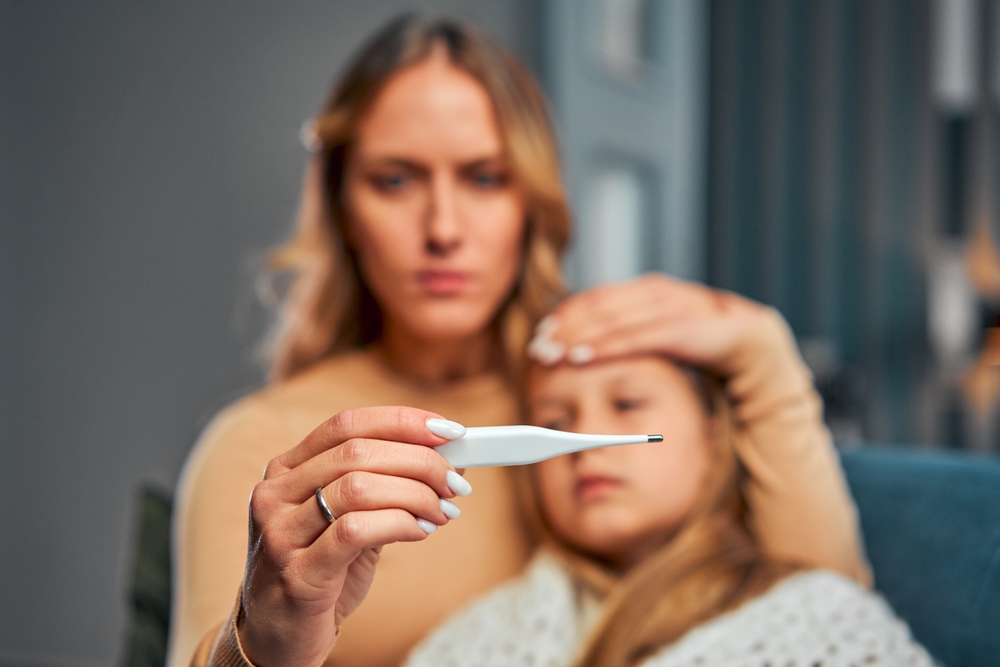
These Are 7 Silent Symptoms of
Image Source: Shutterstock.com

If your kid comes home from school with what seems like a stubborn cold that just won’t quit, it might be more than sniffles — especially this week in Virginia, where walking pneumonia cases may be rising in classrooms. Parents and teachers alike are seeing a mix of lingering coughs and fatigue that feels familiar yet not quite ordinary, and understanding the subtle signs can make all the difference in catching it early.

The tricky thing about walking pneumonia is that kids often look well enough to go about their day — they’re literally “walking” around — while their lungs are quietly inflamed. Being alert to symptoms that stray from a typical cold can help you act fast and get your child the right care before things get worse. Here are eight symptoms that creep up that you should take note of.

1. Persistent Cough That Outstays Its Welcome

One of the first silent signs of walking pneumonia is a cough that sticks around long after a typical cold should have faded, especially when it’s dry and nagging. Unlike a fleeting cough that clears up in a few days, this one can linger for weeks and wear your child down slowly as school days go by. A persistent cough is often the earliest clue that their lungs are irritated beyond ordinary seasonal sniffles, and doctors say this is one of the most common reasons families finally seek care.

Keeping track of how long the cough lasts — especially if it’s worsening or interrupting sleep — helps pediatricians decide if further evaluation is needed. If your child’s cough has lasted more than a week without clear improvement, it’s worthwhile to check in with their healthcare provider.

2. Low-Grade Fever That Comes And Goes

A low-grade fever can be sneaky — mild enough that your child still seems functional but persistent enough to signal infection. In walking pneumonia, fevers often stay below 101°F yet continue for days, blending into the background of everyday sickness.

Fevers often accompany many respiratory bugs. But what makes this one worth noting is its longevity, paired with other symptoms like cough and fatigue.

3. Fatigue That Feels Out Of Proportion

When your child uses up their energy just getting through school and homework, that tired feeling might be more than ordinary exhaustion. Kids with walking pneumonia often appear unusually tired, dragging through activities they usually enjoy without much overt sickness. Fatigue in this context usually persists with other symptoms like cough or sore throat, painting a picture of an immune system working overtime.
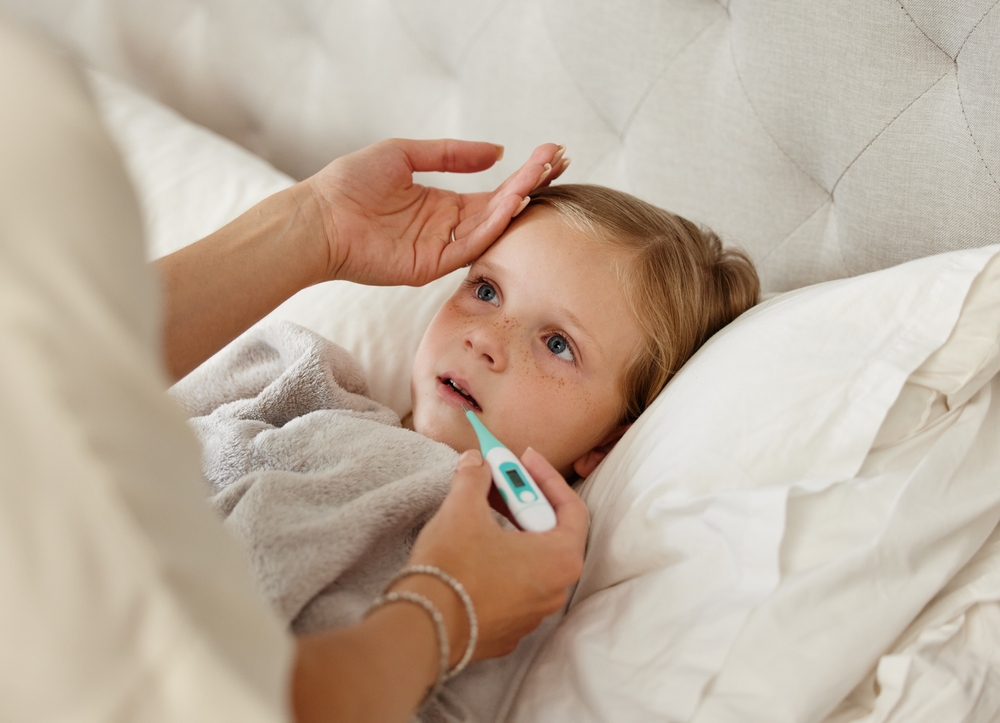
These Are 7 Silent Symptoms of
Image Source: Shutterstock.com

4. Headache And Sore Throat That Lingers

While headaches and sore throats often accompany common colds, in the case of walking pneumonia they tend to stick around alongside other respiratory symptoms.

These aches can feel minor but show that the infection is affecting more than just one part of the body. If your child complains repeatedly of discomfort that doesn’t resolve in a day or two, it might be tied to the underlying lung irritation.

5. Sneezing Or Runny Nose That Lingers Too Long

Sneezing and a runny nose can easily be dismissed as seasonal allergies or colds, especially in active kids. But with walking pneumonia, these symptoms may stick around well past the usual duration. Because this illness can mimic cold-like symptoms, it often hides in plain sight until the cough or fatigue becomes unmistakable.

If your child’s cold symptoms don’t begin to improve after a week, or if they’re accompanied by the other signs listed here, it’s important to consider a different diagnosis. Documenting symptom patterns makes conversations with healthcare professionals more productive.

6. Chest Discomfort Or Mild Pain

It might sound dramatic, but mild chest discomfort — especially when coughing — can be a real clue that the infection is deeper than it appears on the surface.

Children with walking pneumonia may complain about their chest hurting, or they might simply protect the area unconsciously by breathing shallowly. This discomfort isn’t always intense, and because it can come and go, parents can easily overlook it.

7. Loss Of Appetite Or Stomach Complaints

Gastrointestinal symptoms like loss of appetite, vomiting, or stomachache can show up with walking pneumonia, especially in younger children. These signs may feel unrelated at first. However, when paired with respiratory symptoms, they help complete the “picture” of an atypical pneumonia infection. Especially noticeable if your child normally eats well or complains more frequently at mealtimes, this symptom deserves a second look.

Keeping an eye on eating patterns alongside cough and fatigue helps parents make informed decisions about next steps. Any troubling changes in appetite should prompt a healthcare check.

8. Symptoms That Don’t Respond To Typical Cold Care

If your usual at-home cold remedies — rest, liquids, time — aren’t making a noticeable difference after several days, it could be a sign that something else is going on. Walking pneumonia often won’t respond to typical over-the-counter treatments in the same way a cold does because the underlying infection is deeper in the lungs.

If symptoms persist, intensify, or spread to include multiple areas like the neck, chest, or stomach, it’s time to reach out to a clinician for further evaluation rather than waiting it out indefinitely. Early medical guidance can make recovery smoother and help prevent the spread to others.

What Parents Should Do Now

Recognizing walking pneumonia early — especially when cases surge in schools — means families can act before symptoms become severe. Keep track of your child’s symptoms day by day. Also, don’t hesitate to call a pediatrician if more than a few signs show up together or persist. Encourage good hygiene, like frequent handwashing and respiratory etiquette, to slow the spread. And always make sure your child gets plenty of rest and fluids while recovering.

What signs have you noticed in your child this school season that made you wonder if it was more than just a common cold?

You May Also Like…

7 Summer Habits That Can Lead to Sickness Fast

9 Warning Signs That Your Child’s Daycare Is Cutting Corners

8 Parenting Rules That Were Invented by Social Media—Not Experts

Parenting Hacks for College Students: 8 Tips to Juggle Studies and Kids

6 Co-Parenting Habits That Breed Quiet Resentment Over Time

Brandon Marcus
Brandon Marcus
Brandon Marcus is a writer who has been sharing the written word since a very young age. His interests include sports, history, pop culture, and so much more. When he isn’t writing, he spends his time jogging, drinking coffee, or attempting to read a long book he may never complete.

Filed Under: Education Tagged With: atypical pneumonia, child health, health, health and wellness, healthcare, kids respiratory infection, pneumonia symptoms, school illness, student behavior, student concerns, student safety, students, Virginia health, walking pneumonia

The ‘January Fever’ Warning: 3 Pediatric Symptoms Parents are Dismissing as ‘Just a Cold’—Until It’s Too Late.

January 23, 2026 | Leave a Comment

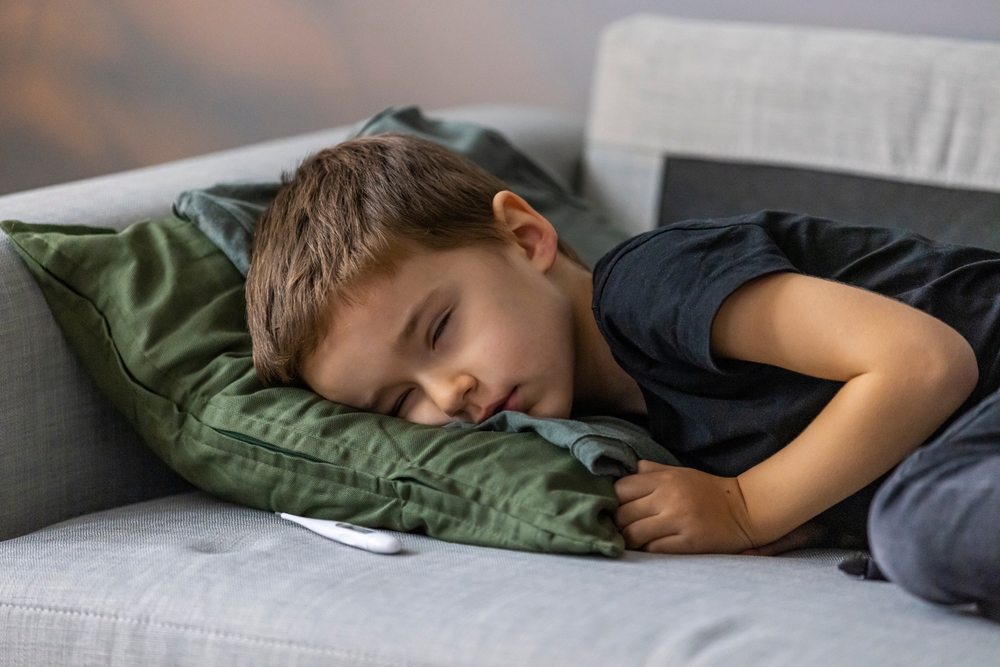
The 'January Fever' Warning: 3 Pediatric Symptoms Parents are Dismissing as 'Just a Cold'—Until It’s Too Late.
Image Source: Shutterstock.com

Fayetteville, GA parents are swapping notes in carpool lines. Volusia County, Florida administrators are quietly updating attendance guidance. Something unprecedented shifted for the 2025–2026 season, and most families missed the memo.

Pediatricians now track a “January Fever” pattern through a quiet rollout of school health policies and reporting thresholds. This hidden reality sits inside a legal loophole that treats early warning signs as routine absences—until the window to act slams shut.

The Quiet Policy Shift You Didn’t Read

Georgia’s 2026 school environment changed under HB 268 and HB 340, laws that expanded behavioral monitoring and tightened distraction controls in classrooms. Schools now flag patterns earlier, but parents still shrug off symptoms at home, especially because it seems like there are always so many of them.

Florida districts, including Volusia County, aligned with Florida Statute 39’s mandated reporting framework, which escalates concerns faster when health issues intersect with attendance. Translation: what parents dismiss as “just a cold” now triggers institutional scrutiny sooner—and consequences cascade.

The Three Symptoms Everyone Minimizes

  1. Low-grade fever with morning lethargy. Parents send kids anyway. Schools log it as a pattern. Pediatricians see viral-to-inflammatory pivots that demand early labs.
  2. Persistent cough plus headaches. Parents call it seasonal. Clinicians flag post-viral complications that spike in January after winter breaks.
  3. Stomach pain with irritability. Parents chalk it up to stress. Mandated reporters see a red flag when absences cluster under O.C.G.A. § 19-7-5 obligations.

These symptoms don’t look dramatic. That’s the trap. The 2026 School Policy environment treats patterns—not drama—as the trigger.

The Authority Parents Can’t Outrun

Doctors and districts now share thresholds. Georgia HB 268 normalized monitoring. Florida Statute 39 accelerated reporting timelines. Parents no longer control the clock once schools document patterns.

The popular Authoritative 2.0 movement calls this friction-maxxing: fewer excuses, more intervention. Burnout didn’t loosen standards; it hardened them.

The 'January Fever' Warning: 3 Pediatric Symptoms Parents are Dismissing as 'Just a Cold'—Until It’s Too Late.
Image Source: Shutterstock.com

The Hidden Costs That Empty Your Wallet

Ignore the January fever and pay the price. Parents lose money to urgent care roulette, duplicate copays, and last-minute childcare. Credit scores take hits when medical bills stack before deductibles reset.

Social capital erodes when schools escalate and families scramble to explain gaps. The hidden costs of kids in 2026 don’t whisper—they compound. Delay steals privacy as records spread across systems. Delay steals futures when absences harden into labels.

What High-Stakes Parenting Demands Now

Act early. Document symptoms. Demand same-week pediatric evaluation. Coordinate with schools before patterns form. This isn’t panic. This is arithmetic.

Pick a Side

Do you choose safety through early intervention or liberty through delay—and which bill are you willing to pay when the system decides for you?

You May Also Like…

7 Summer Habits That Can Lead to Sickness Fast

8 Parent-Teacher Conversations That Can Hurt a Child’s Mental Health

8 Health Fads Parents Are Pushing on Their Kids Without Science

Do Modern Parenting Hacks Leave Out Crucial Emotional Support?

7 Old-School Parenting Habits That Still Save Families Money

Brandon Marcus
Brandon Marcus
Brandon Marcus is a writer who has been sharing the written word since a very young age. His interests include sports, history, pop culture, and so much more. When he isn’t writing, he spends his time jogging, drinking coffee, or attempting to read a long book he may never complete.

Filed Under: healthcare Tagged With: children, cold, Florida, Georgia, health, Health and Safety, health and wellness, healthcare, January, Kids, Parenting, parenting tips, Parents, sick children, sickness, Weather

Why Pediatricians are Quietly Flagging These 5 Household Items as Toxic

January 19, 2026 | Leave a Comment

Why Pediatricians are Quietly Flagging These 5 Household Items as Toxic
Image Source: Shutterstock.com

From kitchen counters in Fayetteville to daycare centers in Volusia County, FL, pediatricians are sounding the unprecedented alarm: five everyday household items are now flagged as toxic threats for the 2025‑2026 season. What was once dismissed as a minor irritation has erupted into a hidden reality affecting local‑to‑national child health. This quiet rollout of concern has not been televised, but pediatric clinics report a surge in exposure cases tied to products parents assumed were safe.

Medical professionals are not speculating. In 2026 pediatric case reports, toxic exposure to itemized household goods increased by double digits compared to 2024 figures, according to district health records in Florida’s Marion County. Pediatric hospitals documented acute reactions from substances historically labeled “benign.” This spike correlates with a toxicology dashboard update in early 2026 that reclassified common compounds previously cleared in older safety reviews.

Georgia’s mandated reporting statute, O.C.G.A. § 19‑7‑5, now requires pediatricians to file immediate risk notifications when household toxin cases surpass specific thresholds. Clinics across north Georgia confirmed they are doing just that. These are not low‑grade warnings — these are reportable incidents that now populate state health intelligence feeds.

The 5 Items Pediatricians Are Flagging

Clinics in both Georgia and Florida list the following as repeat exposure culprits:

1. Decorative Resin Figurines — Leach cadmium and lead under normal handling.
2. DIY Scent Warmers — Volatile organic compounds spike in enclosed rooms.
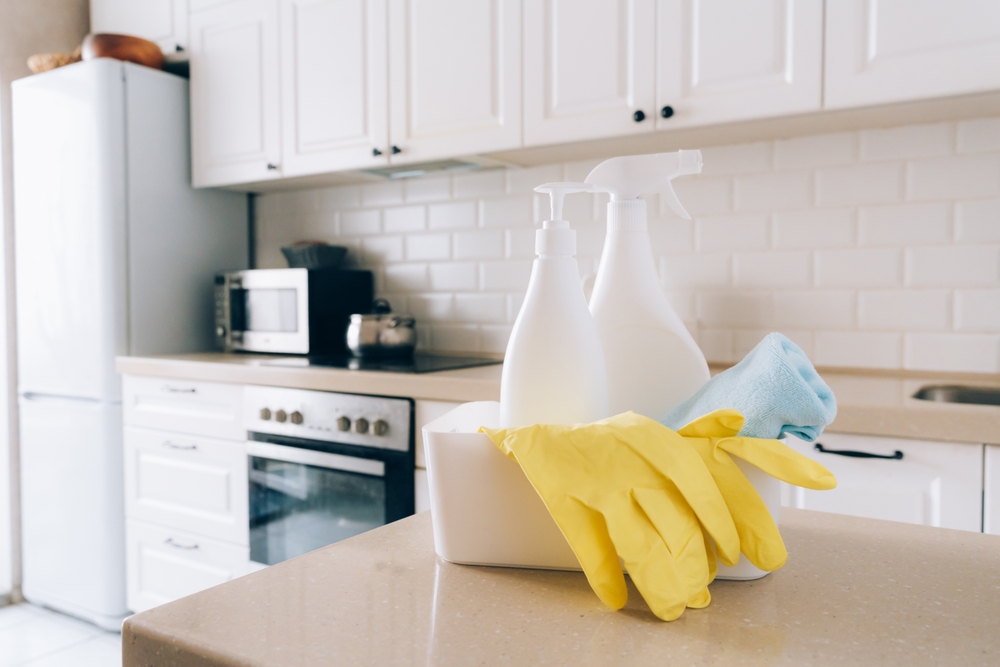
3. “Plant‑Based” Cleaning Sprays — Misleading labels mask allergenic compounds.
4. Foam Play Mats — Off‑gassing brominated flame retardants in new batches.
5. Repurposed Food Containers — Not all are BPA‑free despite claims.

Each item was tested and confirmed in pediatric toxicology panels this year. These are not hypothetical risks; pediatricians in Fayetteville and Volusia are seeing physical reactions.

Why Pediatricians are Quietly Flagging These 5 Household Items as Toxic
Image Source: Shutterstock.com

What Parents Are Losing

Parents are facing real losses. This isn’t academic. The financial fallout is direct: emergency room co‑pays, specialist visits, follow‑up testing, and out‑of‑network consultants are draining bank accounts faster than college savings can accumulate. Credit scores are dipping under the weight of medical bills. Social capital erodes when parents must cancel work obligations to manage acute child health crises. The hidden costs of kids now include what once was invisible: avoidable toxic exposures that force families into debt and anxiety loops.

These exposures carry high‑stakes parenting consequences. Your child’s future cognitive and physical development is the asset at stake — not a budget line item you can easily cut or postpone.

Is Your Household Safe?

Now it’s your turn: Do we prioritize safety at all costs — even if it means restricting products and family routines? Or do we defend liberty and consumer choice even if it risks our children’s health? Choose one: Safety vs. Liberty. Reply and defend your stance.

You May Also Like…

Is Your Little One’s DIY Costume a Potential Safety Hazard?

A Parent’s Guide to Safe Heating at Home

Digital Safety: 6 Steps to Safeguard Your Child’s Online Identity

Behavioral Red Flags: How Kids Silently Signal They Don’t Feel Safe at Home

Are Parents Ignoring Early Signs of Anxiety in Elementary Kids?

Brandon Marcus
Brandon Marcus
Brandon Marcus is a writer who has been sharing the written word since a very young age. His interests include sports, history, pop culture, and so much more. When he isn’t writing, he spends his time jogging, drinking coffee, or attempting to read a long book he may never complete.

Filed Under: Household Tagged With: child safety, family safety, health, Health and Safety, health and wellness, healthy household, household hazards, household items, Safety, toxic household products, toxic ingredients

  • Facebook
  • Pinterest
  • RSS
  • Twitter

Basic Principles Of Good Parenting

Here some basic principles for good parenting:

  1. What You Do Matters: Your kids are watching you. So, be purposeful about what you want to accomplish.
  2. You Can’t be Too Loving: Don’t replace love with material possessions, lowered expectations or leniency.
  3. Be Involved Your Kids Life: Arrange your priorities to focus on what your kid’s needs. Be there mentally and physically.
  4. Adapt Your Parenting: Children grow quickly, so keep pace with your child’s development.
  5. Establish and Set Rules: The rules you set for children will establish the rules they set for themselves later.  Avoid harsh discipline and be consistent.
  6. Explain Your Decisions: What is obvious to you may not be evident to your child. They don’t have the experience you do.
  7. Be Respectful To Your Child: How you treat your child is how they will treat others.  Be polite, respectful and make an effort to pay attention.
Best Parenting Blogs

Most Popular

Baby

9 Unusual Baby Names That Sound Like They Belong to Future CEOs

Evan Morgan
Baby

10 Baby Names That Were Once Considered “Grandparent Names” but Feel Cool Again

Evan Morgan
Target Store

Choking Incident Prompts Recall of 49,000 Target Gigglescape “Under the Sea” Popping Toys

Evan Morgan
Frustrated Girl

Why Some Students on the Spectrum Are Labeled With ODD

Evan Morgan
Coke Bottles

12 Things Kids Took to School in the ’70s That Would Never Be Allowed Today

Evan Morgan

All content on Kids Ain’t Cheap is for entertainment purposes only. By reading this blog, you agree that Kids Ain’t Cheap is not responsible for any actions taken after reading this blog. For the full disclaimer, see our privacy policy.

Please note that Kids Ain’t Cheap has financial relationships with some of the merchants mentioned here. Kids Ain’t Cheap is funded by banner advertising, commission sales and search optimization consulting.

Copyright © 2006–2026 | District Media | All Rights Reserved | Privacy Policy

Copyright © 2026 Runway Pro Theme by Viva la Violette