• Home
  • About Us
  • Toolkit
  • Archives
  • Advertise
  • Privacy Policy

Kids Ain't Cheap

But They Sure Are Worth It

  • Parenting
    • Baby Stuff
    • Books and Reading
      • Aesops Fables
      • Comic Books
    • Education
    • Family Time
    • Green Living
    • Growing Up
    • Healthy Living & Eating
    • Holidays
    • Parenting
    • Random Musings
    • Shopping
    • Stuff to Do
  • Money
  • Product Reviews
    • Books and Magazines
    • Discount Sites
    • Furniture
    • House Keeping
    • Reviews News
    • Toys and Games
  • Contact Us
  • Our Editorial Commitment
  • Search

8 Silent Symptoms of “Walking Pneumonia” Spiking in Virginia Schools This Week

January 28, 2026 | Leave a Comment

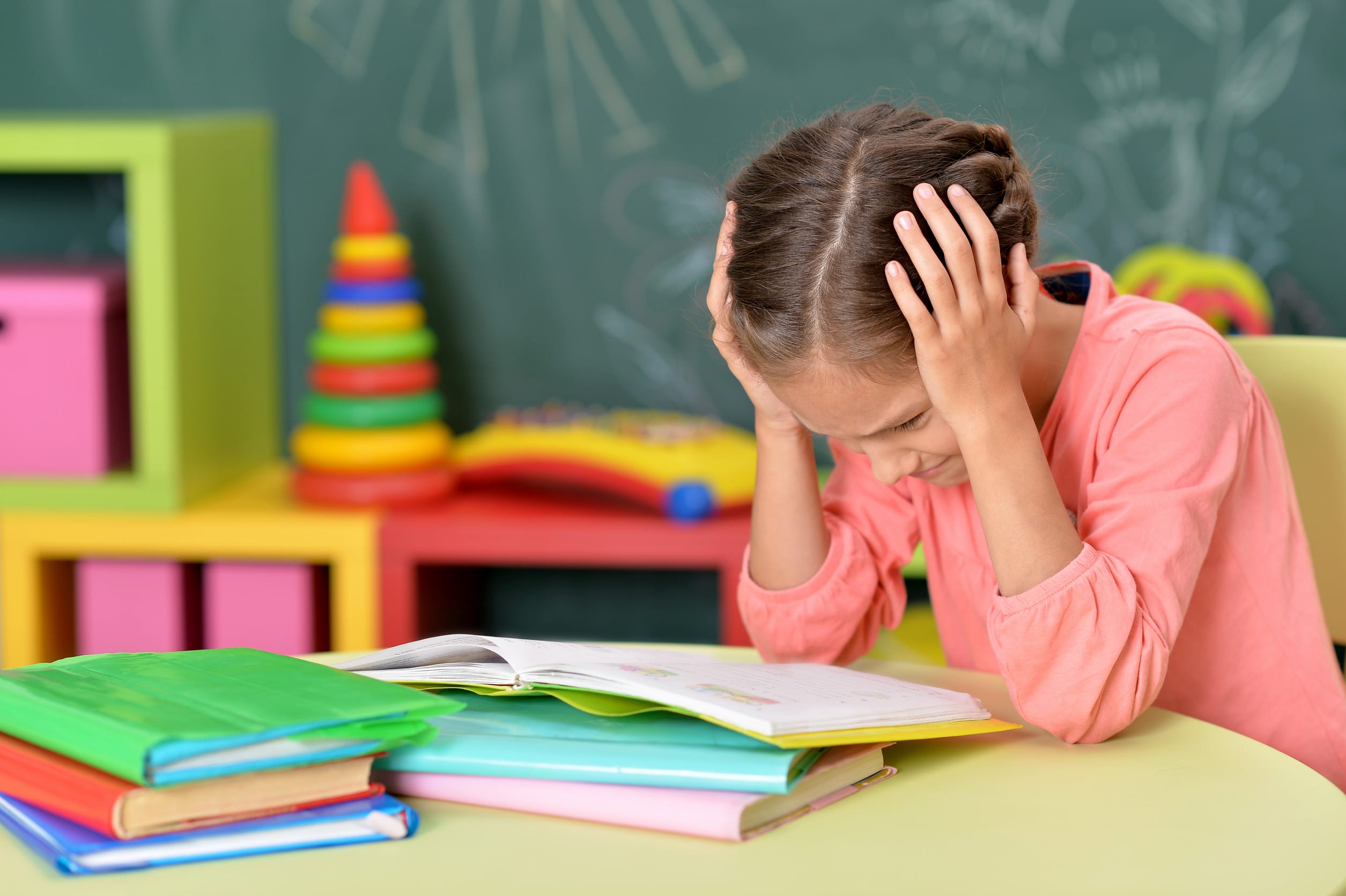
These Are 7 Silent Symptoms of
Image Source: Shutterstock.com

If your kid comes home from school with what seems like a stubborn cold that just won’t quit, it might be more than sniffles — especially this week in Virginia, where walking pneumonia cases may be rising in classrooms. Parents and teachers alike are seeing a mix of lingering coughs and fatigue that feels familiar yet not quite ordinary, and understanding the subtle signs can make all the difference in catching it early.

The tricky thing about walking pneumonia is that kids often look well enough to go about their day — they’re literally “walking” around — while their lungs are quietly inflamed. Being alert to symptoms that stray from a typical cold can help you act fast and get your child the right care before things get worse. Here are eight symptoms that creep up that you should take note of.

1. Persistent Cough That Outstays Its Welcome

One of the first silent signs of walking pneumonia is a cough that sticks around long after a typical cold should have faded, especially when it’s dry and nagging. Unlike a fleeting cough that clears up in a few days, this one can linger for weeks and wear your child down slowly as school days go by. A persistent cough is often the earliest clue that their lungs are irritated beyond ordinary seasonal sniffles, and doctors say this is one of the most common reasons families finally seek care.

Keeping track of how long the cough lasts — especially if it’s worsening or interrupting sleep — helps pediatricians decide if further evaluation is needed. If your child’s cough has lasted more than a week without clear improvement, it’s worthwhile to check in with their healthcare provider.

2. Low-Grade Fever That Comes And Goes

A low-grade fever can be sneaky — mild enough that your child still seems functional but persistent enough to signal infection. In walking pneumonia, fevers often stay below 101°F yet continue for days, blending into the background of everyday sickness.

Fevers often accompany many respiratory bugs. But what makes this one worth noting is its longevity, paired with other symptoms like cough and fatigue.

3. Fatigue That Feels Out Of Proportion

When your child uses up their energy just getting through school and homework, that tired feeling might be more than ordinary exhaustion. Kids with walking pneumonia often appear unusually tired, dragging through activities they usually enjoy without much overt sickness. Fatigue in this context usually persists with other symptoms like cough or sore throat, painting a picture of an immune system working overtime.
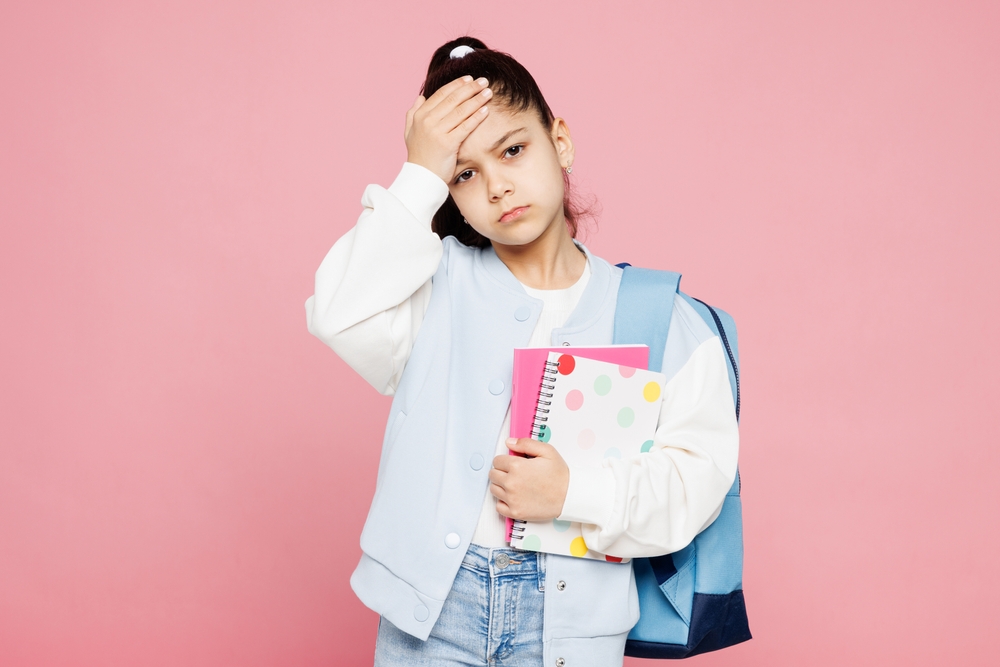
These Are 7 Silent Symptoms of
Image Source: Shutterstock.com

4. Headache And Sore Throat That Lingers

While headaches and sore throats often accompany common colds, in the case of walking pneumonia they tend to stick around alongside other respiratory symptoms.

These aches can feel minor but show that the infection is affecting more than just one part of the body. If your child complains repeatedly of discomfort that doesn’t resolve in a day or two, it might be tied to the underlying lung irritation.

5. Sneezing Or Runny Nose That Lingers Too Long

Sneezing and a runny nose can easily be dismissed as seasonal allergies or colds, especially in active kids. But with walking pneumonia, these symptoms may stick around well past the usual duration. Because this illness can mimic cold-like symptoms, it often hides in plain sight until the cough or fatigue becomes unmistakable.

If your child’s cold symptoms don’t begin to improve after a week, or if they’re accompanied by the other signs listed here, it’s important to consider a different diagnosis. Documenting symptom patterns makes conversations with healthcare professionals more productive.

6. Chest Discomfort Or Mild Pain

It might sound dramatic, but mild chest discomfort — especially when coughing — can be a real clue that the infection is deeper than it appears on the surface.

Children with walking pneumonia may complain about their chest hurting, or they might simply protect the area unconsciously by breathing shallowly. This discomfort isn’t always intense, and because it can come and go, parents can easily overlook it.

7. Loss Of Appetite Or Stomach Complaints

Gastrointestinal symptoms like loss of appetite, vomiting, or stomachache can show up with walking pneumonia, especially in younger children. These signs may feel unrelated at first. However, when paired with respiratory symptoms, they help complete the “picture” of an atypical pneumonia infection. Especially noticeable if your child normally eats well or complains more frequently at mealtimes, this symptom deserves a second look.

Keeping an eye on eating patterns alongside cough and fatigue helps parents make informed decisions about next steps. Any troubling changes in appetite should prompt a healthcare check.

8. Symptoms That Don’t Respond To Typical Cold Care

If your usual at-home cold remedies — rest, liquids, time — aren’t making a noticeable difference after several days, it could be a sign that something else is going on. Walking pneumonia often won’t respond to typical over-the-counter treatments in the same way a cold does because the underlying infection is deeper in the lungs.

If symptoms persist, intensify, or spread to include multiple areas like the neck, chest, or stomach, it’s time to reach out to a clinician for further evaluation rather than waiting it out indefinitely. Early medical guidance can make recovery smoother and help prevent the spread to others.

What Parents Should Do Now

Recognizing walking pneumonia early — especially when cases surge in schools — means families can act before symptoms become severe. Keep track of your child’s symptoms day by day. Also, don’t hesitate to call a pediatrician if more than a few signs show up together or persist. Encourage good hygiene, like frequent handwashing and respiratory etiquette, to slow the spread. And always make sure your child gets plenty of rest and fluids while recovering.

What signs have you noticed in your child this school season that made you wonder if it was more than just a common cold?

You May Also Like…

7 Summer Habits That Can Lead to Sickness Fast

9 Warning Signs That Your Child’s Daycare Is Cutting Corners

8 Parenting Rules That Were Invented by Social Media—Not Experts

Parenting Hacks for College Students: 8 Tips to Juggle Studies and Kids

6 Co-Parenting Habits That Breed Quiet Resentment Over Time

Brandon Marcus
Brandon Marcus
Brandon Marcus is a writer who has been sharing the written word since a very young age. His interests include sports, history, pop culture, and so much more. When he isn’t writing, he spends his time jogging, drinking coffee, or attempting to read a long book he may never complete.

Filed Under: Education Tagged With: atypical pneumonia, child health, health, health and wellness, healthcare, kids respiratory infection, pneumonia symptoms, school illness, student behavior, student concerns, student safety, students, Virginia health, walking pneumonia

What Happens When Your Child Is Accused of Harassment at School?

September 23, 2025 | Leave a Comment

What Happens When Your Child Is Accused of Harassment at School?
Image source: 123rf.com

Few situations catch parents off guard quite like learning their child is accused of harassment at school. Whether the allegation involves bullying, inappropriate comments, or online behavior, emotions run high and the consequences can be serious. Parents may feel shocked, defensive, or uncertain about what steps to take. Schools treat these situations with increasing seriousness, and mishandling the response can impact your child’s education, reputation, and even future opportunities. Knowing what to expect helps you navigate the process with clarity and protect your child’s rights while ensuring accountability.

1. The Initial Notification From the School

When a child is accused of harassment, schools usually contact parents right away. This initial phone call or email can feel overwhelming, but staying calm is crucial. Administrators will outline the basic allegation and may request a meeting. It’s important to listen carefully without immediately defending or dismissing the situation. Taking notes during the conversation helps you stay organized as more details unfold.

2. Understanding the Allegations Clearly

Parents should ask for specific information about what their child is accused of harassment for. Vague claims like “inappropriate behavior” are not enough to respond effectively. Schools should provide examples, dates, and details about the reported incident. Clarity allows parents to better assess the seriousness and discuss the situation with their child. Without concrete facts, it’s nearly impossible to guide a proper response.

3. Talking to Your Child About the Situation

The next step is to have an open, non-judgmental conversation with your child. Accusations of harassment can be frightening for kids, and they may withhold details out of fear of punishment. Encourage honesty by creating a safe space to share their side of the story. Remind them that telling the truth is essential, even if it’s difficult. This discussion helps parents understand context while showing the child that they are supported.

4. Attending Meetings with School Officials

When a child is accused of harassment, parents are usually invited to attend meetings with teachers, counselors, or administrators. These sessions provide an opportunity to hear evidence, ask questions, and discuss next steps. Parents should remain professional and respectful, even if emotions run high. Bringing written notes or questions can prevent important details from being overlooked. A calm, cooperative approach often makes a positive impression on school staff.

5. Reviewing the School’s Policies and Code of Conduct

Every school has written guidelines on harassment, bullying, and disciplinary procedures. Parents should carefully review these documents to understand how accusations are handled. This step ensures that the school follows its own rules fairly. It also helps parents identify whether their child’s rights are being protected throughout the process. Familiarity with policies strengthens your position during discussions with administrators.

6. Possible Consequences for the Student

If the school determines the accusation is valid, consequences may range from warnings to suspensions or even expulsion. The severity usually depends on the nature of the behavior and whether it is a repeat offense. Parents should prepare their child for the possibility of disciplinary action while encouraging them to accept responsibility if necessary. Consequences may also involve counseling, conflict resolution programs, or behavior contracts. The goal is often both accountability and rehabilitation.

7. Considering Outside Support and Resources

Sometimes, navigating an accusation requires more than just school involvement. Parents may want to consult an educational advocate or attorney if the situation is especially complex. Counseling can also help children understand the seriousness of their actions and develop healthier behaviors. Even if the accusation is unfounded, therapy may provide emotional support during a stressful time. Seeking outside resources shows that parents take the matter seriously and are committed to positive change.

8. Monitoring Social and Emotional Impact

Accusations of harassment can damage a child’s self-esteem and social standing at school. Parents should watch for signs of anxiety, isolation, or changes in behavior. Supporting the child emotionally is just as important as addressing the disciplinary process. Encourage positive friendships, open communication, and stress-relieving activities. Keeping a strong home foundation helps children rebuild confidence after difficult experiences.

Helping Children Learn and Grow from Mistakes

When a child is accused of harassment at school, it can feel like a crisis, but it is also an opportunity for growth. Families that approach the situation with honesty, accountability, and compassion often come out stronger. Teaching children how to make better choices, respect boundaries, and take responsibility builds resilience. The key is to treat the process as a chance to guide rather than just punish. With the right approach, children can learn valuable lessons that last well beyond the classroom.

How would you handle it if your child was accused of harassment at school? Share your perspective in the comments below.

What to Read Next…

8 Legal Battles That Can Tear Apart a Co-Parenting Agreement

6 Things Kids Say That Could Be Used Against You in Court

How Much Screen Time Is Too Much—Legally Speaking?

Can You Lose Custody for Letting Your Kid Walk to the Park Alone?

When a Child’s Lie Leads to a CPS Investigation

Catherine Reed
Catherine Reed

Catherine is a tech-savvy writer who has focused on the personal finance space for more than eight years. She has a Bachelor’s in Information Technology and enjoys showcasing how tech can simplify everyday personal finance tasks like budgeting, spending tracking, and planning for the future. Additionally, she’s explored the ins and outs of the world of side hustles and loves to share what she’s learned along the way. When she’s not working, you can find her relaxing at home in the Pacific Northwest with her two cats or enjoying a cup of coffee at her neighborhood cafe.

Filed Under: Legal Tagged With: bullying, child is accused of harassment, family guidance, Parenting, school discipline, school policies, student behavior

10 School Mistakes That Follow Kids for Years

May 11, 2025 | Leave a Comment

10 School Mistakes That Follow Kids for Years

Some school mistakes don’t just affect grades—they shape habits, confidence, and even future success. Kids make plenty of slip-ups, and most are easily fixable. But some school habits, if left unchecked, can quietly follow them through middle school, high school, and beyond. These aren’t just academic issues—they can influence a child’s self-esteem, work ethic, and social development. Recognizing and correcting these common school mistakes early gives kids a better shot at thriving both in and out of the classroom.

1. Falling Behind in Reading

Reading is the foundation of nearly every subject, so falling behind early can create long-term hurdles. Kids who struggle with reading often avoid it, which only widens the gap over time. This can lead to embarrassment, poor test scores, and low confidence. Reading delays in elementary school can resurface in middle school science, social studies, and even math word problems. Regular reading at home and early support from teachers are essential for long-term progress.

2. Not Asking for Help

Many kids believe asking for help makes them look weak or “stupid,” but this mindset can hold them back for years. Staying silent when confused can lead to deeper misunderstandings and falling behind. Worse, they may develop anxiety around certain subjects or a fear of speaking up. Teaching kids that questions are part of learning—not a sign of failure—builds confidence and resourcefulness. The earlier they learn to self-advocate, the better.

3. Developing Poor Study Habits

Cramming the night before a test might work once or twice, but it doesn’t teach real comprehension or long-term retention. Kids who don’t learn how to study properly early on often struggle with time management and academic pressure later. Without these skills, homework becomes overwhelming and school feels like a constant uphill battle. Good study habits—like planning ahead, breaking tasks into chunks, and reviewing regularly—lay the groundwork for academic success. These skills are just as important as the material itself.

4. Skipping Homework

It starts with one missed assignment, then two—and suddenly, there’s a pattern. Kids who regularly skip homework often fall behind and feel more discouraged with each missed grade. They also risk losing the trust of teachers and forming a reputation for not following through. Homework isn’t just about grades—it reinforces learning and teaches responsibility. Helping kids manage homework early can prevent bigger issues later.

5. Blaming Others Instead of Taking Responsibility

It’s easy for kids to blame a teacher, a classmate, or even the clock for poor performance. But when they never take ownership of their choices, they miss out on learning from mistakes. This habit can affect their relationships, school reputation, and even future jobs. Owning up doesn’t mean being hard on themselves—it means being honest and open to improvement. Accountability is a life skill that starts with the small stuff.

6. Copying or Cheating

Whether it’s copying a friend’s homework or peeking during a quiz, cheating forms a habit that’s hard to break. Kids may do it once and get away with it, which reinforces the behavior. Over time, it leads to academic gaps, dishonesty, and a shaky sense of integrity. They’re missing out on learning key skills even if they’re not caught. Addressing cheating early teaches the value of effort, even when it’s hard.

7. Ignoring Feedback

Kids who brush off corrections or refuse to read teacher comments often struggle to improve. Feedback is meant to guide growth, but only if it’s taken seriously. Ignoring it stalls progress and can create a false sense of ability or a fear of failure. Learning to accept constructive criticism helps build resilience and emotional maturity. It also shows kids that learning is a process, not a one-and-done task.

8. Avoiding Challenging Work

Some kids stick to what they already know because it feels safe, but this limits their growth. Avoiding hard problems or advanced opportunities can keep them from reaching their potential. Over time, they may lose motivation or assume they’re not capable of more. Encouraging kids to try—even if they don’t get it right the first time—teaches persistence. Success is built on challenge, not comfort.

9. Constantly Switching Friend Groups

While it’s normal for friendships to shift, kids who change social circles every few weeks may be struggling with self-esteem or conflict resolution. It can lead to social anxiety, isolation, or unhealthy patterns of people-pleasing. Kids need stable relationships to feel supported and grounded at school. Helping them learn how to navigate disagreements and build lasting friendships sets them up for better emotional health. Friendships matter just as much as academics.

10. Letting School Define Their Self-Worth

Kids who base their value entirely on grades, awards, or teacher approval can develop unhealthy perfectionism. One bad grade or tough year can shatter their confidence if they don’t see their worth beyond school. While academic success is important, it shouldn’t be the only source of identity. Encouraging hobbies, passions, and kindness helps kids develop a balanced sense of self. School is a part of their life, not the whole picture.

School Mistakes Are Inevitable—But Not Irreversible

Every child will make school mistakes—it’s part of growing up. But when those mistakes turn into habits, they can quietly shape academic paths, relationships, and self-esteem. The good news? With the right support and attention, most of these habits can be changed long before they do lasting damage. As a parent, your encouragement and involvement can help your child recover and grow stronger.

What school mistake have you helped your child overcome? Share your tips or stories in the comments—we’d love to hear from you!

Read More:

12 Reasons Why Your Kids are Behind Academically

School Success Starts at Home—Here’s How to Prep Your Kids

Catherine Reed
Catherine Reed

Catherine is a tech-savvy writer who has focused on the personal finance space for more than eight years. She has a Bachelor’s in Information Technology and enjoys showcasing how tech can simplify everyday personal finance tasks like budgeting, spending tracking, and planning for the future. Additionally, she’s explored the ins and outs of the world of side hustles and loves to share what she’s learned along the way. When she’s not working, you can find her relaxing at home in the Pacific Northwest with her two cats or enjoying a cup of coffee at her neighborhood cafe.

Filed Under: Parenting Tagged With: academic habits, child development, classroom struggles, kids and learning, parenting advice, parenting tips, school mistakes, school success, student behavior

  • Facebook
  • Pinterest
  • RSS
  • Twitter

Basic Principles Of Good Parenting

Here some basic principles for good parenting:

  1. What You Do Matters: Your kids are watching you. So, be purposeful about what you want to accomplish.
  2. You Can’t be Too Loving: Don’t replace love with material possessions, lowered expectations or leniency.
  3. Be Involved Your Kids Life: Arrange your priorities to focus on what your kid’s needs. Be there mentally and physically.
  4. Adapt Your Parenting: Children grow quickly, so keep pace with your child’s development.
  5. Establish and Set Rules: The rules you set for children will establish the rules they set for themselves later.  Avoid harsh discipline and be consistent.
  6. Explain Your Decisions: What is obvious to you may not be evident to your child. They don’t have the experience you do.
  7. Be Respectful To Your Child: How you treat your child is how they will treat others.  Be polite, respectful and make an effort to pay attention.
Best Parenting Blogs

Most Popular

Baby

9 Unusual Baby Names That Sound Like They Belong to Future CEOs

Evan Morgan
Baby

10 Baby Names That Were Once Considered “Grandparent Names” but Feel Cool Again

Evan Morgan
Target Store

Choking Incident Prompts Recall of 49,000 Target Gigglescape “Under the Sea” Popping Toys

Evan Morgan
Frustrated Girl

Why Some Students on the Spectrum Are Labeled With ODD

Evan Morgan
Coke Bottles

12 Things Kids Took to School in the ’70s That Would Never Be Allowed Today

Evan Morgan

All content on Kids Ain’t Cheap is for entertainment purposes only. By reading this blog, you agree that Kids Ain’t Cheap is not responsible for any actions taken after reading this blog. For the full disclaimer, see our privacy policy.

Please note that Kids Ain’t Cheap has financial relationships with some of the merchants mentioned here. Kids Ain’t Cheap is funded by banner advertising, commission sales and search optimization consulting.

Copyright © 2006–2026 | District Media | All Rights Reserved | Privacy Policy

Copyright © 2026 Runway Pro Theme by Viva la Violette