
• Home
  • About Us
  • Toolkit
  • Archives
  • Advertise
  • Privacy Policy

Kids Ain't Cheap

But They Sure Are Worth It

  • Parenting
    • Baby Stuff
    • Books and Reading
      • Aesops Fables
      • Comic Books
    • Education
    • Family Time
    • Green Living
    • Growing Up
    • Healthy Living & Eating
    • Holidays
    • Parenting
    • Random Musings
    • Shopping
    • Stuff to Do
  • Money
  • Product Reviews
    • Books and Magazines
    • Discount Sites
    • Furniture
    • House Keeping
    • Reviews News
    • Toys and Games
  • Contact Us
  • Our Editorial Commitment
  • Search

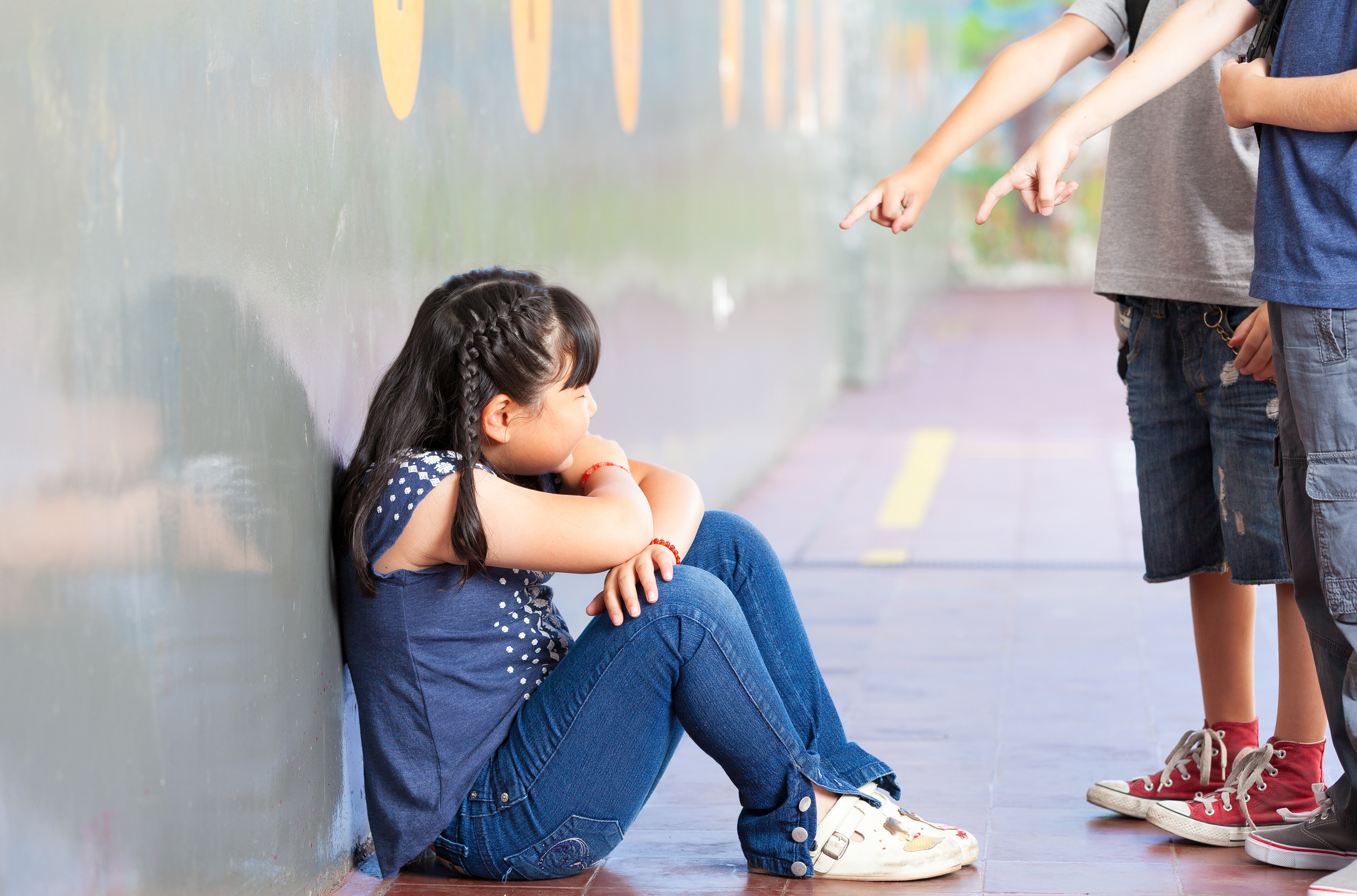
What Happens When Your Child Is Accused of Harassment at School?

September 23, 2025 | Leave a Comment

What Happens When Your Child Is Accused of Harassment at School?
Image source: 123rf.com

Few situations catch parents off guard quite like learning their child is accused of harassment at school. Whether the allegation involves bullying, inappropriate comments, or online behavior, emotions run high and the consequences can be serious. Parents may feel shocked, defensive, or uncertain about what steps to take. Schools treat these situations with increasing seriousness, and mishandling the response can impact your child’s education, reputation, and even future opportunities. Knowing what to expect helps you navigate the process with clarity and protect your child’s rights while ensuring accountability.

1. The Initial Notification From the School

When a child is accused of harassment, schools usually contact parents right away. This initial phone call or email can feel overwhelming, but staying calm is crucial. Administrators will outline the basic allegation and may request a meeting. It’s important to listen carefully without immediately defending or dismissing the situation. Taking notes during the conversation helps you stay organized as more details unfold.

2. Understanding the Allegations Clearly

Parents should ask for specific information about what their child is accused of harassment for. Vague claims like “inappropriate behavior” are not enough to respond effectively. Schools should provide examples, dates, and details about the reported incident. Clarity allows parents to better assess the seriousness and discuss the situation with their child. Without concrete facts, it’s nearly impossible to guide a proper response.

3. Talking to Your Child About the Situation

The next step is to have an open, non-judgmental conversation with your child. Accusations of harassment can be frightening for kids, and they may withhold details out of fear of punishment. Encourage honesty by creating a safe space to share their side of the story. Remind them that telling the truth is essential, even if it’s difficult. This discussion helps parents understand context while showing the child that they are supported.

4. Attending Meetings with School Officials

When a child is accused of harassment, parents are usually invited to attend meetings with teachers, counselors, or administrators. These sessions provide an opportunity to hear evidence, ask questions, and discuss next steps. Parents should remain professional and respectful, even if emotions run high. Bringing written notes or questions can prevent important details from being overlooked. A calm, cooperative approach often makes a positive impression on school staff.

5. Reviewing the School’s Policies and Code of Conduct

Every school has written guidelines on harassment, bullying, and disciplinary procedures. Parents should carefully review these documents to understand how accusations are handled. This step ensures that the school follows its own rules fairly. It also helps parents identify whether their child’s rights are being protected throughout the process. Familiarity with policies strengthens your position during discussions with administrators.

6. Possible Consequences for the Student

If the school determines the accusation is valid, consequences may range from warnings to suspensions or even expulsion. The severity usually depends on the nature of the behavior and whether it is a repeat offense. Parents should prepare their child for the possibility of disciplinary action while encouraging them to accept responsibility if necessary. Consequences may also involve counseling, conflict resolution programs, or behavior contracts. The goal is often both accountability and rehabilitation.

7. Considering Outside Support and Resources

Sometimes, navigating an accusation requires more than just school involvement. Parents may want to consult an educational advocate or attorney if the situation is especially complex. Counseling can also help children understand the seriousness of their actions and develop healthier behaviors. Even if the accusation is unfounded, therapy may provide emotional support during a stressful time. Seeking outside resources shows that parents take the matter seriously and are committed to positive change.

8. Monitoring Social and Emotional Impact

Accusations of harassment can damage a child’s self-esteem and social standing at school. Parents should watch for signs of anxiety, isolation, or changes in behavior. Supporting the child emotionally is just as important as addressing the disciplinary process. Encourage positive friendships, open communication, and stress-relieving activities. Keeping a strong home foundation helps children rebuild confidence after difficult experiences.

Helping Children Learn and Grow from Mistakes

When a child is accused of harassment at school, it can feel like a crisis, but it is also an opportunity for growth. Families that approach the situation with honesty, accountability, and compassion often come out stronger. Teaching children how to make better choices, respect boundaries, and take responsibility builds resilience. The key is to treat the process as a chance to guide rather than just punish. With the right approach, children can learn valuable lessons that last well beyond the classroom.

How would you handle it if your child was accused of harassment at school? Share your perspective in the comments below.

What to Read Next…

8 Legal Battles That Can Tear Apart a Co-Parenting Agreement

6 Things Kids Say That Could Be Used Against You in Court

How Much Screen Time Is Too Much—Legally Speaking?

Can You Lose Custody for Letting Your Kid Walk to the Park Alone?

When a Child’s Lie Leads to a CPS Investigation

Catherine Reed
Catherine Reed

Catherine is a tech-savvy writer who has focused on the personal finance space for more than eight years. She has a Bachelor’s in Information Technology and enjoys showcasing how tech can simplify everyday personal finance tasks like budgeting, spending tracking, and planning for the future. Additionally, she’s explored the ins and outs of the world of side hustles and loves to share what she’s learned along the way. When she’s not working, you can find her relaxing at home in the Pacific Northwest with her two cats or enjoying a cup of coffee at her neighborhood cafe.

Filed Under: Legal Tagged With: bullying, child is accused of harassment, family guidance, Parenting, school discipline, school policies, student behavior

What Are You Legally Responsible For If Your Child Bullies Someone?

August 10, 2025 | Leave a Comment

What Are You Legally Responsible For If Your Child Bullies Someone?
Image source: 123rf.com

It’s a scenario no parent wants to face—your child has been accused of bullying another kid. As you process the emotional weight of the situation, you may also start wondering about something more concrete: are you legally on the hook for their actions? Understanding what you are legally responsible for if your child bullies someone isn’t just important for protecting yourself, but also for making informed parenting decisions. The legal and financial consequences can vary by state, but in many cases, parents can be held accountable for the behavior of their children. Let’s break down the potential liabilities and what you need to know to protect both your child and your family.

1. Civil Liability for Damages

One of the most common concerns parents face is whether they can be sued if their child causes harm. In cases of bullying, if a child causes emotional distress, physical injury, or property damage, the victim’s family may take civil action. Some states have parental responsibility laws that hold parents financially accountable for damages caused by a minor’s intentional actions. This could mean paying for medical bills, therapy, or even replacing damaged belongings. Understanding what you are legally responsible for if your child bullies someone can help you avoid financial surprises down the line.

2. School-Based Legal Consequences

While schools are primarily responsible for addressing bullying within their walls, they may take legal steps if parents are uncooperative. Some school districts enforce truancy or neglect laws when parents fail to take action to correct a child’s repeated harmful behavior. If bullying violates school policy and your child is suspended or expelled, you could be called into legal hearings or required to attend counseling sessions. In extreme cases, schools may involve juvenile courts. It’s crucial to stay informed and work with school officials if your child is accused of bullying.

3. Criminal Charges Against Parents (Yes, It Happens)

Though rare, some jurisdictions have begun exploring laws that hold parents criminally liable when they ignore or encourage their child’s bullying. These laws are typically aimed at severe, repeated offenses that result in lasting harm. Criminal charges might range from misdemeanors like contributing to the delinquency of a minor to more serious negligence-related offenses. If prosecutors believe a parent knowingly allowed harmful behavior to continue, legal action could be taken. Staying involved and proactive is the best way to prevent these worst-case scenarios.

4. Cyberbullying and Online Harassment Laws

Digital bullying can be harder to monitor, but it’s increasingly covered under state-specific cyberbullying laws. If your child uses phones, apps, or social media to harass or threaten another child, you could face legal consequences depending on your local laws. Some states include parents in liability if they fail to monitor or limit their child’s internet usage or devices. Understanding what you are legally responsible for if your child bullies someone also includes staying aware of what happens online. Keeping tabs on digital behavior is a modern parenting must.

5. Court-Ordered Parental Education or Counseling

In some bullying-related legal cases, judges may order parents to participate in parenting classes, counseling, or mediation. These aren’t punishments in the traditional sense, but they are legal obligations you’re required to fulfill. Failure to comply can result in fines, additional court appearances, or even contempt charges. Courts may view these programs as an opportunity to improve parenting skills and repair family dynamics. Taking these orders seriously shows you’re committed to making meaningful changes.

6. Your Insurance May or May Not Cover It

If your child’s bullying results in a civil lawsuit, your homeowners or renters insurance may help cover legal costs or damages—but don’t count on it. Many policies exclude intentional acts or actions deemed criminal, which bullying often qualifies as. If your child’s behavior results in serious harm and a lawsuit follows, you may be paying out of pocket. Before trouble strikes, check with your insurance provider to understand what’s covered. Knowing your policy could save you major financial stress later.

Taking Accountability Seriously Can Make All the Difference

While it may feel overwhelming to learn what you are legally responsible for if your child bullies someone, staying informed is a powerful step toward preventing long-term damage. The more involved you are in your child’s behavior—both online and offline—the more likely you are to correct harmful actions early. Open communication, early intervention, and consistent consequences at home can help shift a child’s behavior before the legal system ever gets involved. Responsibility doesn’t just mean responding when something goes wrong—it means guiding your child with empathy and accountability every step of the way. When you take bullying seriously, your child is far more likely to as well.

Have you ever had to address your child’s behavior toward others? Share your thoughts or experiences in the comments, and let’s support each other through tough parenting moments.

Read More:

Could a Simple Snapchat Post Ruin Your Kid’s Reputation Forever?

No Respect? 13 Ways to Recognize Disrespectful Behavior in Kids

Catherine Reed
Catherine Reed

Catherine is a tech-savvy writer who has focused on the personal finance space for more than eight years. She has a Bachelor’s in Information Technology and enjoys showcasing how tech can simplify everyday personal finance tasks like budgeting, spending tracking, and planning for the future. Additionally, she’s explored the ins and outs of the world of side hustles and loves to share what she’s learned along the way. When she’s not working, you can find her relaxing at home in the Pacific Northwest with her two cats or enjoying a cup of coffee at her neighborhood cafe.
Filed Under: Parenting Tagged With: bullying, child behavior, child discipline, Cyberbullying, family law, legal consequences, parental liability, parenting responsibility, school policies

5 Baby Names That Could Set Your Child Up for a Lifetime of Bullying

March 29, 2025 | Leave a Comment

Baby Names Bullying
Image Source: 123rf.com

Naming your child is a milestone filled with excitement, anticipation, and often a bit of anxiety. Many parents desire uniqueness in the names they choose, hoping their child will stand out from the crowd. However, sometimes the pursuit of originality can unintentionally lead to lifelong difficulties for the child. It’s essential to strike a balance between creativity and practicality, especially considering how easily names can become targets for teasing and bullying. Here are five highly unusual baby names that might unwittingly set your child up for unwanted attention.

When selecting a name, think about how it will sound in every setting—from the classroom to the playground. Unique names can create memorable first impressions, but they can also invite continuous questions and comments. The weight of a name can follow a child into adolescence and even adulthood. Consider potential mispronunciations and the possibility of ridicule from peers. Thoughtful reflection and feedback from trusted friends or family can be invaluable during this decision-making process.

1. Abcde

Pronounced “ab-suh-dee,” Abcde has occasionally surfaced in name registries, surprising many who encounter it. The novelty of choosing a name composed of the first five letters of the alphabet might seem whimsical at first. Unfortunately, most people seeing it written down will assume it’s either a typo or a joke. Children named Abcde might endure endless teasing or confusion every time they’re introduced. Though creativity is admirable, consider the emotional weight your child will carry with such an unconventional choice.

2. Hashtag

In the digital age, it’s tempting to infuse tech-inspired creativity into baby names. Hashtag emerged in recent years as an overly enthusiastic nod to social media culture. While it may seem trendy and clever initially, your child might struggle to be taken seriously in everyday situations. Imagine the frequent explanations your child will have to provide, and how tiresome these interactions could become over time. Choosing a name based on a fleeting internet trend may not age gracefully.

3. Lucifer

Although rooted in historical and literary contexts, Lucifer carries unavoidable negative connotations. Some parents may select it for its original meaning—light-bringer—but society overwhelmingly associates it with darker symbolism. A child with this name could face continuous, unwanted attention, misunderstandings, or even hostility from peers and adults alike. Regardless of personal beliefs, it’s crucial to consider how such a heavily loaded name might impact your child’s emotional and social well-being. The lifelong struggle of constantly defending their name can be deeply exhausting.

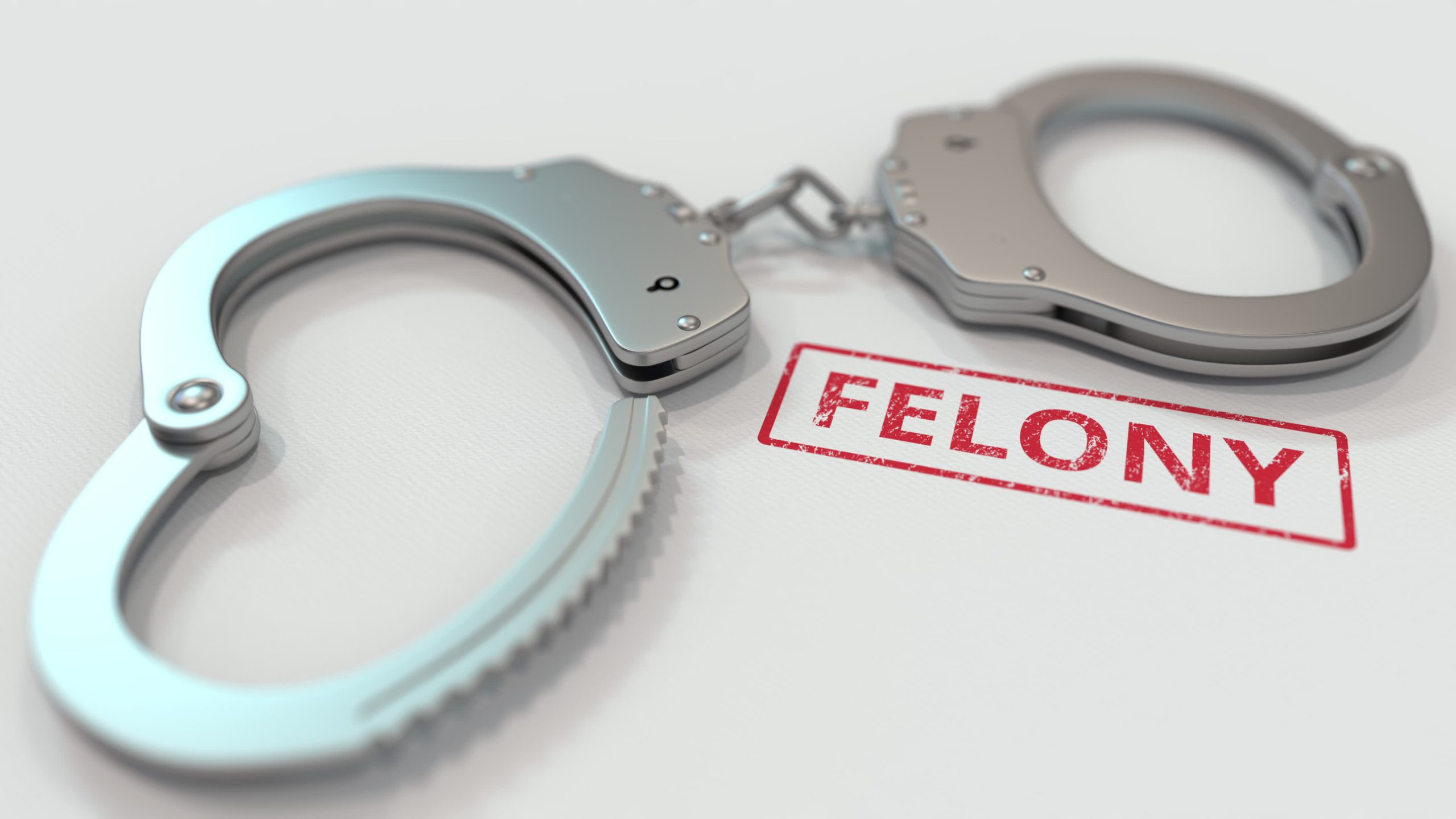
4. Felony

Felony
Image Source: 123rf.com

Surprisingly, Felony has appeared in a few rare instances on birth certificates. Parents who select it may do so for shock value or uniqueness, but they overlook significant implications. Naming a child after a crime could invite unfair judgment or biased expectations from teachers, peers, and employers throughout life. Consider how challenging it would be to overcome the negative impressions associated with a criminal reference. A child bearing the name Felony might unnecessarily carry a burden they never chose.

5. Nimrod

Originally a Biblical name meaning “great hunter,” Nimrod has evolved negatively in modern slang to describe someone foolish or incompetent. Despite the name’s strong historical roots, popular culture has irreversibly altered its meaning. A child named Nimrod will likely encounter ridicule, mockery, and teasing from classmates who interpret the name differently from its traditional meaning. The gap between historical respectability and contemporary slang could lead to significant social hardships for your child. It’s vital to be aware of evolving language and slang to avoid unintentional harm.

Thoughtful Naming for a Positive Future

Choosing a baby name is thrilling, but your child’s future social and emotional well-being should guide your decision-making. While distinctive names may seem appealing, always consider the potential implications for teasing or bullying. Your child’s name should empower them, not subject them to lifelong struggles. Before settling on an unconventional name, ask yourself how your child might feel explaining it throughout their life.

Have you come across unusual names that left you puzzled? Share your thoughts and experiences in the comments below!

Read More:

Naming Regrets: 8 Types of Names That Could Spell Trouble for Your Child’s Future

15 Baby Names Handed Down From The Rich to The Poor

Latrice Perez

Latrice is a dedicated professional with a rich background in social work, complemented by an Associate Degree in the field. Her journey has been uniquely shaped by the rewarding experience of being a stay-at-home mom to her two children, aged 13 and 5. This role has not only been a testament to her commitment to family but has also provided her with invaluable life lessons and insights.  As a mother, Latrice has embraced the opportunity to educate her children on essential life skills, with a special focus on financial literacy.

Filed Under: Baby Stuff Tagged With: baby names, bullying, Parenting

  • Facebook
  • Pinterest
  • RSS
  • Twitter

Basic Principles Of Good Parenting

Here some basic principles for good parenting:

  1. What You Do Matters: Your kids are watching you. So, be purposeful about what you want to accomplish.
  2. You Can’t be Too Loving: Don’t replace love with material possessions, lowered expectations or leniency.
  3. Be Involved Your Kids Life: Arrange your priorities to focus on what your kid’s needs. Be there mentally and physically.
  4. Adapt Your Parenting: Children grow quickly, so keep pace with your child’s development.
  5. Establish and Set Rules: The rules you set for children will establish the rules they set for themselves later.  Avoid harsh discipline and be consistent.
  6. Explain Your Decisions: What is obvious to you may not be evident to your child. They don’t have the experience you do.
  7. Be Respectful To Your Child: How you treat your child is how they will treat others.  Be polite, respectful and make an effort to pay attention.
Best Parenting Blogs

Most Popular

Baby

9 Unusual Baby Names That Sound Like They Belong to Future CEOs

Evan Morgan
Baby

10 Baby Names That Were Once Considered “Grandparent Names” but Feel Cool Again

Evan Morgan
Target Store

Choking Incident Prompts Recall of 49,000 Target Gigglescape “Under the Sea” Popping Toys

Evan Morgan
Frustrated Girl

Why Some Students on the Spectrum Are Labeled With ODD

Evan Morgan
Coke Bottles

12 Things Kids Took to School in the ’70s That Would Never Be Allowed Today

Evan Morgan

All content on Kids Ain’t Cheap is for entertainment purposes only. By reading this blog, you agree that Kids Ain’t Cheap is not responsible for any actions taken after reading this blog. For the full disclaimer, see our privacy policy.

Please note that Kids Ain’t Cheap has financial relationships with some of the merchants mentioned here. Kids Ain’t Cheap is funded by banner advertising, commission sales and search optimization consulting.

Copyright © 2006–2026 | District Media | All Rights Reserved | Privacy Policy

Copyright © 2026 Runway Pro Theme by Viva la Violette