• Home
  • About Us
  • Toolkit
  • Archives
  • Advertise
  • Privacy Policy

Kids Ain't Cheap

But They Sure Are Worth It

  • Parenting
    • Baby Stuff
    • Books and Reading
      • Aesops Fables
      • Comic Books
    • Education
    • Family Time
    • Green Living
    • Growing Up
    • Healthy Living & Eating
    • Holidays
    • Parenting
    • Random Musings
    • Shopping
    • Stuff to Do
  • Money
  • Product Reviews
    • Books and Magazines
    • Discount Sites
    • Furniture
    • House Keeping
    • Reviews News
    • Toys and Games
  • Contact Us
  • Our Editorial Commitment
  • Search

5 Ways Schools Are Secretly Shifting Costs to Parents in 2026

February 15, 2026 | Leave a Comment

These Are 5 Ways Schools Are Secretly Shifting Costs to Parents in 2026
Image Source: Shutterstock.com

Schools in 2026 are operating in a financial squeeze, and instead of trimming budgets in ways that actually protect students, many districts are quietly nudging parents into covering gaps.

It’s not always a sneaky plot—it often comes in the form of policies that sound practical on paper—but the reality hits in your wallet. From tech fees that feel invisible to mandatory supply lists that keep growing, schools are finding clever ways to shift expenses off their balance sheets and onto families. Understanding these moves is the first step in keeping your household budget intact while still supporting your child’s education.

1. Tech Fees That Aren’t Just “Optional”

Technology in schools has become essential, but it’s also a growing cost that parents are increasingly shouldering. Many districts now require students to use specific tablets, laptops, or software subscriptions, often branded as “classroom essentials.”

These fees aren’t always included in standard tuition or public funding, yet schools will frame them as necessary for participation. Families can see bills ranging from $50 to several hundred dollars per year, depending on the device and software licenses. If you think this is a one-time purchase, think again: upgrades, mandatory apps, and even repair costs often land squarely on parents. Being proactive means asking the school for full disclosure on tech fees and exploring options to buy or lease devices independently.

2. Hidden Extracurricular Costs That Sneak Up

Clubs, sports, and field trips are supposed to enrich the school experience, yet they have become a subtle cash trap. While these activities appear as optional enrichment, schools often make participation contingent on parent contributions for uniforms, travel, or event fees. A soccer season may be listed as “free,” but uniforms, league registrations, and travel expenses quickly add up to hundreds of dollars.

Schools argue that these charges fund opportunities for all students, but the result is a system where families with fewer resources struggle to keep kids involved. Checking the full scope of costs before committing and seeking fundraising options or school grants can help balance participation with your budget.

3. Standardized Testing Costs You Didn’t Anticipate

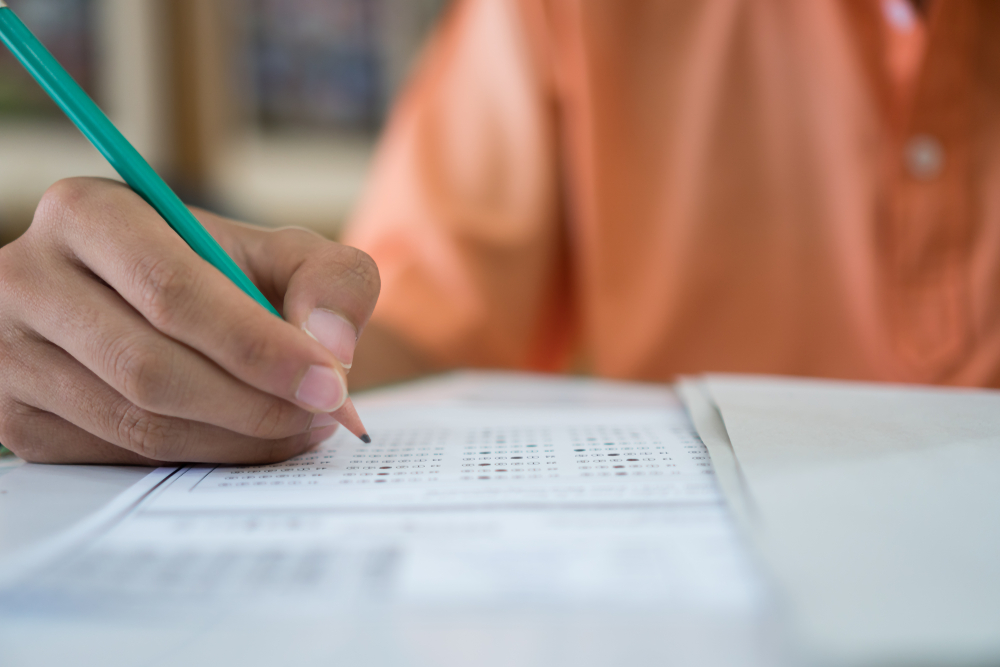
Standardized testing has ballooned in both frequency and cost over the last decade. Schools pass on the expenses for tests like AP exams, SAT prep courses, or even state assessments that once were fully covered by public funding. Some districts now require parents to pay registration fees for tests or for supplementary materials, which can amount to hundreds of dollars each year.

What’s worse, these fees often affect students’ eligibility for honors programs or scholarships, effectively making a “mandatory” cost optional in theory but unavoidable in practice. Families can mitigate this by exploring fee waivers offered by testing agencies or working directly with school counselors to understand exactly what is mandatory.
These Are 5 Ways Schools Are Secretly Shifting Costs to Parents in 2026
Image Source: Shutterstock.com

4. Classroom Supplies Become a Family Obligation

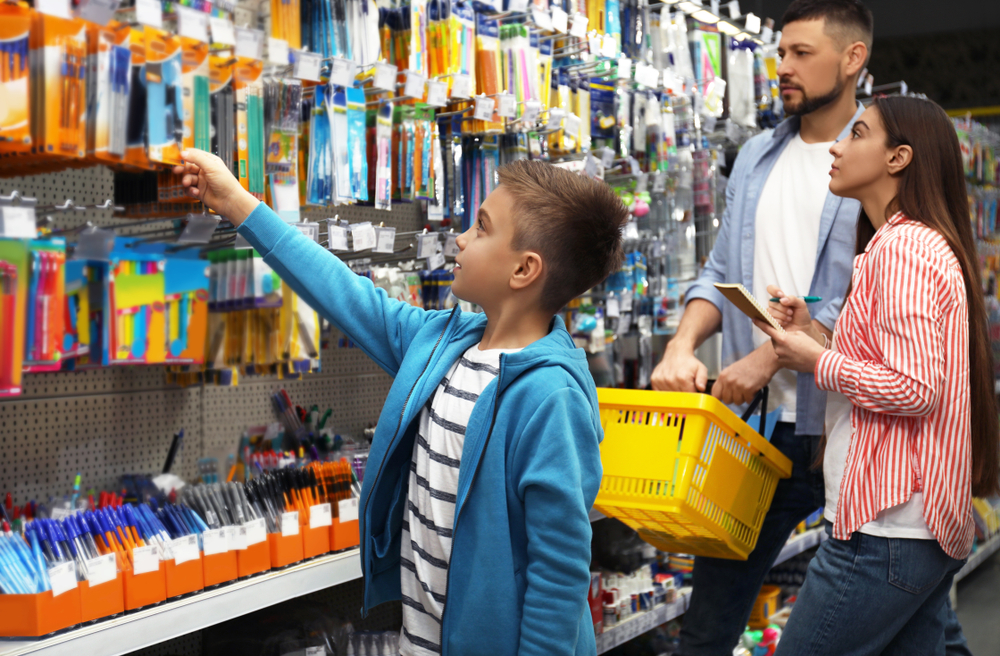
Even in public schools, parents increasingly carry the weight of basic classroom supplies. The supply list keeps expanding—think beyond notebooks and pencils to art materials, hand sanitizer, and sometimes even disinfecting wipes. Schools justify this by citing budget limitations, but the cumulative cost per child can reach several hundred dollars annually.

It’s more than an inconvenience; it can create inequities between students whose families can contribute and those who can’t. Being strategic means buying in bulk, seeking community supply drives, and gently negotiating with the school for clarity on what is truly optional versus expected.

5. Fees Disguised as “Enhancements”

Schools are leaning on creative labels to mask real costs. Terms like “enhanced curriculum fee,” “facility improvement contribution,” or “resource access charge” often appear on statements that look like minor add-ons. Parents may assume these fees fund optional programs, yet in many cases, they support basic classroom operations or standard school functions.

Transparency is minimal, and families end up footing bills that historically came from district budgets or state funding. Advocating for clear line items in school budgets and attending PTA or school board meetings can help ensure these “enhancements” are scrutinized and justified rather than quietly passed on to parents.

Keeping Your Budget Healthy While Supporting Education

Awareness is your best defense. Every line item matters, and every fee deserves a question. Families who dig into school communications, explore alternative funding sources, and connect with other parents can often reduce or offset costs without sacrificing educational opportunities. Look for parent-teacher associations that run supply drives, scholarship programs for activities, and district-level fee waivers.

Don’t accept the language of “mandatory” at face value—schools want participation, but they also want families to be informed and empowered. Tracking expenses and asking for transparency benefits everyone: students receive the support they need, and parents retain control over household finances.

Empowering Families to Take Back Control

In 2026, every expense matters, and families hold the power to question, negotiate, and seek alternatives. Understanding the full spectrum of costs—from tech fees to so-called enhancements—helps parents make informed decisions that protect their wallets and their children’s educational experiences.

Are you ready to take control of school costs this year, and maybe even start a conversation at your school about fairness and transparency? Give us your thoughts in our comments section.

You May Also Like…

6 Ways Parents Are Quiet Quitting Expensive School Spirit Days

6 After-School Activities Parents Regret Paying For (Because the “Benefits” Don’t Show Up)

Nutritionists Warn: 6 “Healthy” Lunchbox Staples That Spike Sugar Crashes at School

Parenting Hacks for College Students: 8 Tips to Juggle Studies and Kids

8 Once-Normal ’70s Kids Hobbies That Helicopter Parenting Quietly Killed

Brandon Marcus
Brandon Marcus
Brandon Marcus is a writer who has been sharing the written word since a very young age. His interests include sports, history, pop culture, and so much more. When he isn’t writing, he spends his time jogging, drinking coffee, or attempting to read a long book he may never complete.

Filed Under: Education Tagged With: 2026 trends, back-to-school, education costs, extracurricular costs, family finances, hidden fees, Parents, school budgeting, school policies, student expenses

7 School Policies That Secretly Undermine Parental Authority

November 1, 2025 | Leave a Comment

7 School Policies That Secretly Undermine Parental Authority
Image source: shutterstock.com

Parents trust schools to educate and protect their children, but in many cases, modern school policies have quietly expanded beyond academics. Some of these rules, often introduced with good intentions, have begun to erode parental influence and decision-making power. From health matters to behavioral interventions, schools sometimes make choices that parents never agreed to—or even knew about. This growing tension between home and classroom authority leaves many families wondering where to draw the line. Here are seven school policies that may be undermining parental authority more than most parents realize.

1. Health Decisions Without Parental Notification

One of the most controversial school policies involves allowing certain health decisions to be made without parental involvement. Some schools now permit students to access mental health counseling, contraception, or even certain medical services during school hours without notifying parents. While these programs are often designed to protect student privacy, they can also create confusion or conflict at home. Parents who believe they should be part of these decisions feel left out of crucial conversations about their child’s well-being. Over time, these policies can erode the trust between families and schools.

2. Curriculum Choices That Limit Transparency

Many parents are discovering that curriculum transparency is not as clear-cut as they assumed. Some schools implement classroom materials, reading lists, or social learning programs without fully disclosing the content to families. When parents question what’s being taught, they may encounter vague responses or resistance. This lack of openness makes it harder for parents to align school lessons with their family’s values or beliefs. The result is growing frustration and mistrust toward school policies that seem to prioritize institutional agendas over parental input.

3. Restricting Parental Access to Student Records

Another area where school policies subtly undermine parental authority is access to student records. Some schools have tightened privacy rules to the point that even parents struggle to obtain details about grades, disciplinary actions, or counseling notes. While privacy protections are important, overregulation can prevent parents from effectively supporting their children. It creates a system where schools hold more control over information than families do. When parents are kept at arm’s length, collaboration becomes nearly impossible.

4. Behavioral Interventions Without Parental Approval

Behavior management programs have become a staple in many schools, but not all of them involve parents in the process. Some teachers or administrators use specific emotional regulation techniques, social contracts, or disciplinary alternatives without parental consent. These interventions may be well-meaning, but they can conflict with the discipline methods used at home. When children receive mixed messages about consequences or boundaries, it weakens both the authority of the school and that of parents. Parents should always be informed when behavioral strategies extend beyond standard classroom rules.

5. Policies on Gender Identity and Pronouns

Few school policies have sparked more debate in recent years than those related to gender identity and pronoun use. Some districts now allow students to adopt new names or pronouns at school without requiring parental notification. Supporters argue this protects student privacy, but critics say it sidelines parents from deeply personal matters involving their own children. These policies can cause emotional confusion and conflict within families. Regardless of personal beliefs, parents want to be part of such important conversations about their child’s identity.

6. Technology Use and Data Tracking

Technology has transformed education, but it’s also introduced new ways for school policies to bypass parental oversight. Many schools use digital learning platforms that collect data on student performance, behavior, and even browsing habits. Parents are often unaware of how much personal information is being stored or shared with third parties. This data collection raises serious privacy concerns, especially when parents have a limited ability to opt out. Without full transparency, digital learning can quietly shift control of information away from families and toward institutions.

7. After-School Programs That Replace Family Time

Even after the final bell, school policies can still influence how much control parents have over their children’s lives. Some schools encourage extensive after-school programs, late tutoring sessions, or weekend enrichment activities that leave little room for family time. While these programs are designed to boost academic performance, they often blur the line between school and home. Parents may feel pressured to participate or risk their child falling behind. Over time, this constant involvement in school activities can erode the family’s role as the child’s primary source of guidance and connection.

Reclaiming the Balance Between Home and School

Parents and schools are meant to be partners, not competitors, in a child’s development. Yet as more school policies expand into areas traditionally reserved for families, that balance is becoming harder to maintain. Reclaiming parental authority doesn’t mean rejecting schools—it means advocating for transparency, collaboration, and mutual respect. Parents can start by attending board meetings, reviewing district handbooks, and asking for clear communication about classroom decisions. When families are empowered to participate, schools become stronger partners in raising confident, well-rounded children.

Have you noticed school policies that seem to overstep parental boundaries? Share your experiences and thoughts in the comments below.

What to Read Next…

  • 9 School Dress Code Rules That Are Now Considered Discriminatory
  • Is Your Child’s School Quietly Tracking Their Location Without Your Consent?
  • 8 School Rules That Should’ve Changed Decades Ago
  • 5 Things Kids Are Saying at School That Should Worry You
  • 9 Reasons The Principal Keeps Calling You To The School (And It Might Be Your Fault)
Catherine Reed
Catherine Reed

Catherine is a tech-savvy writer who has focused on the personal finance space for more than eight years. She has a Bachelor’s in Information Technology and enjoys showcasing how tech can simplify everyday personal finance tasks like budgeting, spending tracking, and planning for the future. Additionally, she’s explored the ins and outs of the world of side hustles and loves to share what she’s learned along the way. When she’s not working, you can find her relaxing at home in the Pacific Northwest with her two cats or enjoying a cup of coffee at her neighborhood cafe.

Filed Under: Education Tagged With: education reform, education system, family rights, parental authority, Parenting, public schools, school policies, student privacy

9 School Dress Code Rules That Are Now Considered Discriminatory

September 27, 2025 | Leave a Comment

9 School Dress Code Rules That Are Now Considered Discriminatory
Image source: 123rf.com

School policies were once viewed as simple guidelines to keep classrooms orderly, but many are now being challenged for unfairly targeting certain groups of students. What once seemed like harmless rules are being recognized as discriminatory, reinforcing outdated ideas about gender, race, and personal expression. Parents, educators, and students are questioning whether these policies protect learning environments or simply reinforce bias. Understanding which school dress code rules have come under fire can help families navigate conversations about fairness and inclusivity.

1. Banning Natural Hairstyles

One of the most criticized school dress code rules has been the restriction on natural hairstyles. Policies that forbid braids, locs, or Afros have disproportionately targeted Black students. These rules often reflect cultural bias rather than legitimate concerns about learning environments. Several states have now passed legislation, like the CROWN Act, to protect students’ rights to wear natural hair. This shift highlights the importance of respecting cultural identity in schools.

2. Restricting Headscarves and Religious Attire

Another set of school dress code rules that are now considered discriminatory involves headscarves, turbans, or yarmulkes. Banning these items has been seen as a violation of religious freedom. For Muslim, Sikh, and Jewish students, these garments are expressions of faith, not fashion statements. Denying them the right to wear religious attire creates unnecessary exclusion. Many schools have updated their codes to ensure religious accommodations are respected.

3. Gender-Specific Clothing Requirements

Some schools have long required skirts for girls and pants for boys, enforcing rigid gender roles. These school dress code rules are now considered discriminatory because they fail to recognize gender diversity. Students who identify differently or simply prefer other clothing choices may feel alienated. Modern policies increasingly focus on general standards, like modesty or neatness, without assigning specific garments by gender. This approach supports inclusivity and reduces unnecessary pressure.

4. Length Restrictions on Skirts and Shorts

Rules about skirt or short lengths often apply only to female students, reinforcing unfair standards. Measuring inches above the knee or requiring fingertip tests has been criticized for body-shaming young girls. These school dress code rules not only distract from learning but also place undue focus on appearance. Critics argue that they create an uncomfortable environment where students feel policed for their bodies. More schools are shifting toward gender-neutral expectations that emphasize respect over restriction.

5. Prohibiting Cultural Clothing

Some schools have historically banned clothing associated with specific cultural traditions. Whether it’s a kimono, dashiki, or traditional Mexican attire, these bans can send the message that cultural expression is not welcome. These school dress code rules are now considered discriminatory because they ignore the value of diversity. Allowing cultural attire helps students embrace their heritage proudly. Inclusion of cultural expression fosters understanding among peers rather than division.

6. Limiting Makeup and Nail Polish for Boys

Makeup restrictions typically targeted male students, reinforcing outdated ideas about masculinity. These school dress code rules are now considered discriminatory as they deny boys and non-binary students the same freedom of expression given to girls. Appearance should not determine whether a student is accepted in school. Allowing self-expression through makeup promotes individuality without harming the learning process. Many schools are revising their codes to remove gender-based restrictions on cosmetics.

7. Forbidding Clothing with Political or Social Messages

Some school dress codes have restricted clothing with political slogans, LGBTQ+ pride symbols, or social justice messages. Critics argue these policies silence student voices and disproportionately affect marginalized groups. These school dress code rules are now considered discriminatory because they suppress free expression. Courts have ruled that students don’t lose their rights at the schoolhouse gate, making such bans legally questionable. Schools are learning to balance free speech with respect in their policies.

8. Penalizing Students for Wearing Hoodies

While hoodies may seem harmless, some schools have restricted them due to stereotypes linking the clothing to misconduct. These school dress code rules are now considered discriminatory because they often target students of color unfairly. Hoodies are practical garments, and banning them creates tension rather than solving problems. Students argue that being comfortable helps them focus better in class. Many schools are moving toward guidelines that discourage stereotypes instead of restricting clothing.

9. Overly Strict Shoe Requirements

Shoes may seem like a small detail, but some dress codes have banned sneakers, sandals, or specific styles associated with certain groups. These restrictions have been criticized as classist and discriminatory, especially for students who cannot afford multiple pairs of shoes. These school dress code rules highlight how policies can unintentionally penalize families with fewer resources. Relaxing shoe requirements allows schools to focus on education rather than fashion policing. Addressing this issue helps create a fairer environment for all students.

Shifting Toward Fair and Inclusive Policies

The evolution of school dress code rules shows a growing awareness that fairness and inclusivity matter more than outdated restrictions. By eliminating discriminatory practices, schools can create environments where all students feel respected and supported. Parents and educators play a vital role in questioning and updating these policies. Students deserve to learn without worrying that their culture, gender identity, or personal expression will be judged. A shift toward inclusive codes ensures schools reflect the values of respect and equality they aim to teach.

Do you think current school dress code rules go too far, or are they still necessary? Share your perspective in the comments.

What to Read Next…

  • 7 Unreasonable Demands From Schools That Are Breaking Parents
  • Are Parental Rights Being Ignored in Public School Curriculums?
  • 8 School Rules That Should’ve Changed Decades Ago
  • 9 Ways Modern Classrooms Are Disrupting Childhood Focus
  • 10 School Supply Lists That Now Feel Financially Impossible
Catherine Reed
Catherine Reed

Catherine is a tech-savvy writer who has focused on the personal finance space for more than eight years. She has a Bachelor’s in Information Technology and enjoys showcasing how tech can simplify everyday personal finance tasks like budgeting, spending tracking, and planning for the future. Additionally, she’s explored the ins and outs of the world of side hustles and loves to share what she’s learned along the way. When she’s not working, you can find her relaxing at home in the Pacific Northwest with her two cats or enjoying a cup of coffee at her neighborhood cafe.

Filed Under: Education Tagged With: cultural expression, discriminatory policies, education equality, gender inclusivity, school dress code rules, school policies, student rights

What Happens When Your Child Is Accused of Harassment at School?

September 23, 2025 | Leave a Comment

What Happens When Your Child Is Accused of Harassment at School?
Image source: 123rf.com

Few situations catch parents off guard quite like learning their child is accused of harassment at school. Whether the allegation involves bullying, inappropriate comments, or online behavior, emotions run high and the consequences can be serious. Parents may feel shocked, defensive, or uncertain about what steps to take. Schools treat these situations with increasing seriousness, and mishandling the response can impact your child’s education, reputation, and even future opportunities. Knowing what to expect helps you navigate the process with clarity and protect your child’s rights while ensuring accountability.

1. The Initial Notification From the School

When a child is accused of harassment, schools usually contact parents right away. This initial phone call or email can feel overwhelming, but staying calm is crucial. Administrators will outline the basic allegation and may request a meeting. It’s important to listen carefully without immediately defending or dismissing the situation. Taking notes during the conversation helps you stay organized as more details unfold.

2. Understanding the Allegations Clearly

Parents should ask for specific information about what their child is accused of harassment for. Vague claims like “inappropriate behavior” are not enough to respond effectively. Schools should provide examples, dates, and details about the reported incident. Clarity allows parents to better assess the seriousness and discuss the situation with their child. Without concrete facts, it’s nearly impossible to guide a proper response.

3. Talking to Your Child About the Situation

The next step is to have an open, non-judgmental conversation with your child. Accusations of harassment can be frightening for kids, and they may withhold details out of fear of punishment. Encourage honesty by creating a safe space to share their side of the story. Remind them that telling the truth is essential, even if it’s difficult. This discussion helps parents understand context while showing the child that they are supported.

4. Attending Meetings with School Officials

When a child is accused of harassment, parents are usually invited to attend meetings with teachers, counselors, or administrators. These sessions provide an opportunity to hear evidence, ask questions, and discuss next steps. Parents should remain professional and respectful, even if emotions run high. Bringing written notes or questions can prevent important details from being overlooked. A calm, cooperative approach often makes a positive impression on school staff.

5. Reviewing the School’s Policies and Code of Conduct

Every school has written guidelines on harassment, bullying, and disciplinary procedures. Parents should carefully review these documents to understand how accusations are handled. This step ensures that the school follows its own rules fairly. It also helps parents identify whether their child’s rights are being protected throughout the process. Familiarity with policies strengthens your position during discussions with administrators.

6. Possible Consequences for the Student

If the school determines the accusation is valid, consequences may range from warnings to suspensions or even expulsion. The severity usually depends on the nature of the behavior and whether it is a repeat offense. Parents should prepare their child for the possibility of disciplinary action while encouraging them to accept responsibility if necessary. Consequences may also involve counseling, conflict resolution programs, or behavior contracts. The goal is often both accountability and rehabilitation.

7. Considering Outside Support and Resources

Sometimes, navigating an accusation requires more than just school involvement. Parents may want to consult an educational advocate or attorney if the situation is especially complex. Counseling can also help children understand the seriousness of their actions and develop healthier behaviors. Even if the accusation is unfounded, therapy may provide emotional support during a stressful time. Seeking outside resources shows that parents take the matter seriously and are committed to positive change.

8. Monitoring Social and Emotional Impact

Accusations of harassment can damage a child’s self-esteem and social standing at school. Parents should watch for signs of anxiety, isolation, or changes in behavior. Supporting the child emotionally is just as important as addressing the disciplinary process. Encourage positive friendships, open communication, and stress-relieving activities. Keeping a strong home foundation helps children rebuild confidence after difficult experiences.

Helping Children Learn and Grow from Mistakes

When a child is accused of harassment at school, it can feel like a crisis, but it is also an opportunity for growth. Families that approach the situation with honesty, accountability, and compassion often come out stronger. Teaching children how to make better choices, respect boundaries, and take responsibility builds resilience. The key is to treat the process as a chance to guide rather than just punish. With the right approach, children can learn valuable lessons that last well beyond the classroom.

How would you handle it if your child was accused of harassment at school? Share your perspective in the comments below.

What to Read Next…

8 Legal Battles That Can Tear Apart a Co-Parenting Agreement

6 Things Kids Say That Could Be Used Against You in Court

How Much Screen Time Is Too Much—Legally Speaking?

Can You Lose Custody for Letting Your Kid Walk to the Park Alone?

When a Child’s Lie Leads to a CPS Investigation

Catherine Reed
Catherine Reed

Catherine is a tech-savvy writer who has focused on the personal finance space for more than eight years. She has a Bachelor’s in Information Technology and enjoys showcasing how tech can simplify everyday personal finance tasks like budgeting, spending tracking, and planning for the future. Additionally, she’s explored the ins and outs of the world of side hustles and loves to share what she’s learned along the way. When she’s not working, you can find her relaxing at home in the Pacific Northwest with her two cats or enjoying a cup of coffee at her neighborhood cafe.

Filed Under: Legal Tagged With: bullying, child is accused of harassment, family guidance, Parenting, school discipline, school policies, student behavior

8 School Rules That Should’ve Changed Decades Ago

August 16, 2025 | Leave a Comment

8 School Rules That Should’ve Changed Decades Ago
Image source: 123rf.com

Schools are meant to prepare kids for the real world, yet some outdated policies do more harm than good. While many rules serve an important purpose, others feel stuck in a time that doesn’t reflect the needs, values, or challenges of today’s students. When certain school rules no longer support learning or well-being, they can create frustration, disengagement, and unnecessary conflict. By rethinking these policies, schools can create environments that are more inclusive, supportive, and aligned with modern education goals. Here are eight rules that deserve a long-overdue update.

1. Strict Dress Codes That Target Certain Styles

Many school dress codes were created decades ago with little consideration for diversity or self-expression. Unfortunately, these rules often single out certain hairstyles, clothing styles, or cultural dress. While the intention may be to maintain a “professional” environment, the result can be unfair targeting of specific groups of students. Schools could benefit from focusing on comfort, safety, and respect instead of outdated style restrictions. Updating these school rules to reflect inclusivity can foster a stronger sense of belonging for every student.

2. Zero-Tolerance Discipline Policies

Zero-tolerance policies were designed to maintain order, but they’ve often led to unnecessarily harsh punishments for minor infractions. Students can end up suspended or even expelled for mistakes that could have been resolved through conversation and guidance. This approach can harm long-term academic success and disproportionately affect certain student populations. Instead, restorative justice practices can encourage accountability and learning without derailing a child’s education. Modernizing these school rules would help create a more balanced and fair discipline system.

3. Outdated Technology Restrictions

Some schools still strictly limit access to devices, even for educational purposes. While it’s important to prevent distractions, the world students are preparing for is heavily tech-driven. Completely banning phones, tablets, or laptops misses opportunities for digital literacy and responsible tech use lessons. Schools could implement structured guidelines that teach students how to use technology wisely instead of avoiding it altogether. Updating these school rules would help kids build skills they need beyond graduation.

4. One-Size-Fits-All Physical Education Requirements

Traditional gym class formats don’t always consider different abilities, interests, or health needs. Some students thrive in team sports, while others prefer yoga, walking, or strength training. Yet many schools still require all students to follow the same fitness tests and activities. This can discourage participation and create unnecessary stress. Adjusting these school rules to allow for variety and personal choice could make physical activity a more positive experience for everyone.

5. Rigid Bathroom Pass Systems

The idea of restricting bathroom breaks is rooted in control rather than health or respect. Forcing kids to wait or justify a personal need can lead to discomfort, embarrassment, and even medical issues. While schools need to prevent misuse of time, a more flexible system could balance trust with accountability. Respecting students’ bodily autonomy is part of building a safe and supportive environment. Updating these school rules could remove unnecessary tension from the classroom.

6. Homework Overload Without Clear Purpose

Homework can reinforce learning, but excessive amounts often create stress without significantly improving outcomes. Some schools still operate under the belief that more homework equals better achievement. In reality, quality matters far more than quantity. Assignments should have a clear purpose, be manageable in time, and allow for rest and family time. Rethinking these school rules could support better mental health and engagement in learning.

7. Punishing Tardiness Without Considering Circumstances

Chronic tardiness can disrupt learning, but immediate punishment doesn’t always address the root cause. Students may be late due to transportation issues, family responsibilities, or other factors outside their control. Rather than instantly resorting to detention, schools could look at supportive solutions like flexible scheduling or problem-solving meetings. This approach fosters understanding while still encouraging punctuality. Updating these school rules would help address lateness in a constructive way.

8. Limiting Student Voice in Decision-Making

Many school policies are created without direct input from the students they affect. This can lead to rules that feel irrelevant or unfair to those who must follow them. Giving students a seat at the table can improve compliance and strengthen school culture. Student councils, surveys, and feedback sessions are easy ways to involve them in shaping policies. Updating these school rules to include student perspectives could lead to more practical and respected guidelines.

Building Schools That Reflect Today’s Needs

Schools thrive when their policies grow alongside the communities they serve. Updating outdated school rules isn’t about throwing structure out the window — it’s about creating guidelines that actually support learning, health, and respect. When rules are fair, inclusive, and relevant, they can inspire rather than restrict. By making these changes, schools can better prepare students not just for tests, but for life beyond the classroom. Change is long overdue, and the next generation deserves an education system that works with them, not against them.

Which outdated rule from your school days do you think needs to go first? Share your opinion in the comments and let’s talk about it.

Read More:

12 Reasons Why Your Kids Are Behind Academically

7 Ways Schools Are Secretly Tracking Kids and Parents

Catherine Reed
Catherine Reed

Catherine is a tech-savvy writer who has focused on the personal finance space for more than eight years. She has a Bachelor’s in Information Technology and enjoys showcasing how tech can simplify everyday personal finance tasks like budgeting, spending tracking, and planning for the future. Additionally, she’s explored the ins and outs of the world of side hustles and loves to share what she’s learned along the way. When she’s not working, you can find her relaxing at home in the Pacific Northwest with her two cats or enjoying a cup of coffee at her neighborhood cafe.

Filed Under: Education Tagged With: education reform, inclusive education, modern learning, school policies, school rules, student rights

What Are You Legally Responsible For If Your Child Bullies Someone?

August 10, 2025 | Leave a Comment

What Are You Legally Responsible For If Your Child Bullies Someone?
Image source: 123rf.com

It’s a scenario no parent wants to face—your child has been accused of bullying another kid. As you process the emotional weight of the situation, you may also start wondering about something more concrete: are you legally on the hook for their actions? Understanding what you are legally responsible for if your child bullies someone isn’t just important for protecting yourself, but also for making informed parenting decisions. The legal and financial consequences can vary by state, but in many cases, parents can be held accountable for the behavior of their children. Let’s break down the potential liabilities and what you need to know to protect both your child and your family.

1. Civil Liability for Damages

One of the most common concerns parents face is whether they can be sued if their child causes harm. In cases of bullying, if a child causes emotional distress, physical injury, or property damage, the victim’s family may take civil action. Some states have parental responsibility laws that hold parents financially accountable for damages caused by a minor’s intentional actions. This could mean paying for medical bills, therapy, or even replacing damaged belongings. Understanding what you are legally responsible for if your child bullies someone can help you avoid financial surprises down the line.

2. School-Based Legal Consequences

While schools are primarily responsible for addressing bullying within their walls, they may take legal steps if parents are uncooperative. Some school districts enforce truancy or neglect laws when parents fail to take action to correct a child’s repeated harmful behavior. If bullying violates school policy and your child is suspended or expelled, you could be called into legal hearings or required to attend counseling sessions. In extreme cases, schools may involve juvenile courts. It’s crucial to stay informed and work with school officials if your child is accused of bullying.

3. Criminal Charges Against Parents (Yes, It Happens)

Though rare, some jurisdictions have begun exploring laws that hold parents criminally liable when they ignore or encourage their child’s bullying. These laws are typically aimed at severe, repeated offenses that result in lasting harm. Criminal charges might range from misdemeanors like contributing to the delinquency of a minor to more serious negligence-related offenses. If prosecutors believe a parent knowingly allowed harmful behavior to continue, legal action could be taken. Staying involved and proactive is the best way to prevent these worst-case scenarios.

4. Cyberbullying and Online Harassment Laws

Digital bullying can be harder to monitor, but it’s increasingly covered under state-specific cyberbullying laws. If your child uses phones, apps, or social media to harass or threaten another child, you could face legal consequences depending on your local laws. Some states include parents in liability if they fail to monitor or limit their child’s internet usage or devices. Understanding what you are legally responsible for if your child bullies someone also includes staying aware of what happens online. Keeping tabs on digital behavior is a modern parenting must.

5. Court-Ordered Parental Education or Counseling

In some bullying-related legal cases, judges may order parents to participate in parenting classes, counseling, or mediation. These aren’t punishments in the traditional sense, but they are legal obligations you’re required to fulfill. Failure to comply can result in fines, additional court appearances, or even contempt charges. Courts may view these programs as an opportunity to improve parenting skills and repair family dynamics. Taking these orders seriously shows you’re committed to making meaningful changes.

6. Your Insurance May or May Not Cover It

If your child’s bullying results in a civil lawsuit, your homeowners or renters insurance may help cover legal costs or damages—but don’t count on it. Many policies exclude intentional acts or actions deemed criminal, which bullying often qualifies as. If your child’s behavior results in serious harm and a lawsuit follows, you may be paying out of pocket. Before trouble strikes, check with your insurance provider to understand what’s covered. Knowing your policy could save you major financial stress later.

Taking Accountability Seriously Can Make All the Difference

While it may feel overwhelming to learn what you are legally responsible for if your child bullies someone, staying informed is a powerful step toward preventing long-term damage. The more involved you are in your child’s behavior—both online and offline—the more likely you are to correct harmful actions early. Open communication, early intervention, and consistent consequences at home can help shift a child’s behavior before the legal system ever gets involved. Responsibility doesn’t just mean responding when something goes wrong—it means guiding your child with empathy and accountability every step of the way. When you take bullying seriously, your child is far more likely to as well.

Have you ever had to address your child’s behavior toward others? Share your thoughts or experiences in the comments, and let’s support each other through tough parenting moments.

Read More:

Could a Simple Snapchat Post Ruin Your Kid’s Reputation Forever?

No Respect? 13 Ways to Recognize Disrespectful Behavior in Kids

Catherine Reed
Catherine Reed

Catherine is a tech-savvy writer who has focused on the personal finance space for more than eight years. She has a Bachelor’s in Information Technology and enjoys showcasing how tech can simplify everyday personal finance tasks like budgeting, spending tracking, and planning for the future. Additionally, she’s explored the ins and outs of the world of side hustles and loves to share what she’s learned along the way. When she’s not working, you can find her relaxing at home in the Pacific Northwest with her two cats or enjoying a cup of coffee at her neighborhood cafe.

Filed Under: Parenting Tagged With: bullying, child behavior, child discipline, Cyberbullying, family law, legal consequences, parental liability, parenting responsibility, school policies

These Ridiculous School Rules Are Actually Enforced in 2025

June 3, 2025 | 1 Comment

These Ridiculous School Rules Are Actually Enforced in 2025

Parents might think they’ve seen it all—until they get a call that their child was written up for humming too loudly or wearing a hoodie. In 2025, some schools have adopted rules that go beyond strict and cross the line into straight-up bizarre. While discipline and structure are important, the rise of ultra-controlled environments has many families scratching their heads. From rules about breathing too hard to banning birthday cupcakes, the policies some schools are enforcing today are as real as they are ridiculous. Let’s look at some of the most outrageous, over-the-top, and downright ridiculous school rules currently being enforced.

1. No Talking During Lunch—At All

One of the most common ridiculous school rules in 2025 is the no-talking lunch policy. In some schools, kids are expected to eat silently, without socializing, laughing, or even whispering. The reasoning? To keep the cafeteria calm and avoid food fights or disruptions. But for many students, lunch is the one break in the day to unwind and connect with friends. Silencing kids during their only real downtime creates unnecessary tension and makes school feel more like a detention center than a place for learning.

2. Banned From Bringing Their Own Water Bottles

Yes, this one is real. Some schools have implemented policies that forbid students from bringing their own water bottles from home. The concern is that students may hide prohibited substances or that outside bottles can’t be properly monitored. But this means students are often left relying on school fountains or approved branded bottles, which may not be clean or easily accessible. In an era where health and hydration are emphasized, banning reusable water bottles is one of the more baffling ridiculous school rules. It ends up punishing everyone instead of solving an isolated issue.

3. Hoodies = Detention

At many schools, simply wearing a hoodie—especially with the hood up—is a fast track to disciplinary action. Administrators claim it prevents hiding headphones or disrupts dress code standards, but for kids, hoodies are often about comfort, warmth, or sensory regulation. With no evidence that a hoodie affects learning outcomes, these rigid rules have left many parents and students frustrated. In colder climates and drafty classrooms, banning hoodies just seems petty. It’s a dress code choice that says more about control than classroom focus.

4. Hand-Holding Is “Public Display of Affection”

A few districts now consider hand-holding—yes, even between friends or siblings—a violation of PDA rules. In schools enforcing this, students can receive warnings or even disciplinary write-ups for what used to be considered harmless or supportive behavior. These policies are often enforced inconsistently and can make kids feel shamed for showing affection or empathy. While inappropriate behavior should be addressed, lumping hand-holding in with making out sends the wrong message. It teaches kids to suppress connection rather than express kindness.

5. No Backpacks in Classrooms

To reduce clutter or minimize the risk of contraband, some schools have implemented a no-backpacks-in-classroom policy. Students are expected to carry only what they need or use clear bags provided by the school. The problem? Kids end up juggling armfuls of supplies, losing things in the hallway, or being late to class because of extra locker trips. It’s another example of ridiculous school rules that create more hassle than safety. Organization should be taught—not made more difficult.

6. Assigned Bathroom Times

Some schools have started enforcing rigid bathroom schedules, where students are only allowed to go at designated times. Need to go between periods or during a lesson? Too bad. While the rule aims to prevent hallway roaming or phone use, it often leads to unnecessary discomfort or embarrassment. These policies ignore the fact that every child’s body is different—and that emergencies aren’t always predictable. Punishing kids for basic needs isn’t discipline, it’s micromanagement.

7. No Celebrating Birthdays

Gone are the days of cupcakes and birthday songs in some schools, which now ban all birthday celebrations during class time. The justification is to prevent food allergies, time disruption, or “exclusion.” But removing even a simple acknowledgment—like allowing a sticker or birthday pencil—has made school environments feel overly sanitized. While inclusivity matters, many parents and students feel these bans go too far. It’s a small joy that could be managed, not erased.

8. Zero-Tolerance for Pencil Dropping

Believe it or not, students in some schools have been disciplined for intentionally dropping pencils. Administrators argue that it’s used to create distractions or signal classmates during tests. While it’s true that some students use subtle antics to disrupt, treating a dropped pencil as a criminal act stretches logic. Not every action needs to be policed with zero tolerance. It’s another one of those ridiculous school rules where common sense would go a long way.

9. No Running… Even Outside

In some elementary schools, students are prohibited from running during recess. That’s right—recess, the time meant for physical play, comes with a “no running” rule. School officials cite injury prevention or crowd control, but kids are being punished for doing what comes naturally. It contradicts everything we know about child development and healthy activity. When a school bans running during free time, it’s not just ridiculous—it’s counterproductive.

10. No Talking in Hallways Between Classes

Finally, some schools have implemented silent transitions, where kids are expected to move between classes without speaking. The goal is to maintain order, but it creates a robotic and cold environment. Talking is how kids connect, decompress, and feel human between academic demands. Enforcing silence in the hallways is not only unrealistic, it’s damaging to school culture. Of all the ridiculous school rules, this one feels especially out of touch with real child behavior.

When Common Sense Gets Left Behind

Rules are supposed to keep kids safe and help them learn—but when enforcement becomes overzealous, schools risk creating joyless environments that do more harm than good. These ridiculous school rules show how policies can quickly go from reasonable to extreme, leaving students stressed and families frustrated. Parents have the power to speak up when policies don’t make sense. Because if we want kids to thrive, school needs to feel like a place built for humans, not robots.

Has your child’s school enforced a rule that made you do a double take? Share the most ridiculous school rules you’ve encountered in the comments!

Read More:

If Your Child Is an Introvert, These 7 School Rules Might Be Crushing Them

Are Parental Rights Being Ignored in Public School Curriculums?

Catherine Reed
Catherine Reed

Catherine is a tech-savvy writer who has focused on the personal finance space for more than eight years. She has a Bachelor’s in Information Technology and enjoys showcasing how tech can simplify everyday personal finance tasks like budgeting, spending tracking, and planning for the future. Additionally, she’s explored the ins and outs of the world of side hustles and loves to share what she’s learned along the way. When she’s not working, you can find her relaxing at home in the Pacific Northwest with her two cats or enjoying a cup of coffee at her neighborhood cafe.

Filed Under: Education Tagged With: Back to School, parenting and education, ridiculous school rules, school culture, school discipline, school dress code, school policies, school policy 2025

  • Facebook
  • Pinterest
  • RSS
  • Twitter

Basic Principles Of Good Parenting

Here some basic principles for good parenting:

  1. What You Do Matters: Your kids are watching you. So, be purposeful about what you want to accomplish.
  2. You Can’t be Too Loving: Don’t replace love with material possessions, lowered expectations or leniency.
  3. Be Involved Your Kids Life: Arrange your priorities to focus on what your kid’s needs. Be there mentally and physically.
  4. Adapt Your Parenting: Children grow quickly, so keep pace with your child’s development.
  5. Establish and Set Rules: The rules you set for children will establish the rules they set for themselves later.  Avoid harsh discipline and be consistent.
  6. Explain Your Decisions: What is obvious to you may not be evident to your child. They don’t have the experience you do.
  7. Be Respectful To Your Child: How you treat your child is how they will treat others.  Be polite, respectful and make an effort to pay attention.
Best Parenting Blogs

Most Popular

Baby

9 Unusual Baby Names That Sound Like They Belong to Future CEOs

Evan Morgan
Baby

10 Baby Names That Were Once Considered “Grandparent Names” but Feel Cool Again

Evan Morgan
Target Store

Choking Incident Prompts Recall of 49,000 Target Gigglescape “Under the Sea” Popping Toys

Evan Morgan
Frustrated Girl

Why Some Students on the Spectrum Are Labeled With ODD

Evan Morgan
Coke Bottles

12 Things Kids Took to School in the ’70s That Would Never Be Allowed Today

Evan Morgan

All content on Kids Ain’t Cheap is for entertainment purposes only. By reading this blog, you agree that Kids Ain’t Cheap is not responsible for any actions taken after reading this blog. For the full disclaimer, see our privacy policy.

Please note that Kids Ain’t Cheap has financial relationships with some of the merchants mentioned here. Kids Ain’t Cheap is funded by banner advertising, commission sales and search optimization consulting.

Copyright © 2006–2026 | District Media | All Rights Reserved | Privacy Policy

Copyright © 2026 Runway Pro Theme by Viva la Violette