• Home
  • About Us
  • Toolkit
  • Archives
  • Advertise
  • Privacy Policy

Kids Ain't Cheap

But They Sure Are Worth It

  • Parenting
    • Baby Stuff
    • Books and Reading
      • Aesops Fables
      • Comic Books
    • Education
    • Family Time
    • Green Living
    • Growing Up
    • Healthy Living & Eating
    • Holidays
    • Parenting
    • Random Musings
    • Shopping
    • Stuff to Do
  • Money
  • Product Reviews
    • Books and Magazines
    • Discount Sites
    • Furniture
    • House Keeping
    • Reviews News
    • Toys and Games
  • Contact Us
  • Our Editorial Commitment
  • Search

5 Ways Schools Are Secretly Shifting Costs to Parents in 2026

February 15, 2026 | Leave a Comment

These Are 5 Ways Schools Are Secretly Shifting Costs to Parents in 2026
Image Source: Shutterstock.com

Schools in 2026 are operating in a financial squeeze, and instead of trimming budgets in ways that actually protect students, many districts are quietly nudging parents into covering gaps.

It’s not always a sneaky plot—it often comes in the form of policies that sound practical on paper—but the reality hits in your wallet. From tech fees that feel invisible to mandatory supply lists that keep growing, schools are finding clever ways to shift expenses off their balance sheets and onto families. Understanding these moves is the first step in keeping your household budget intact while still supporting your child’s education.

1. Tech Fees That Aren’t Just “Optional”

Technology in schools has become essential, but it’s also a growing cost that parents are increasingly shouldering. Many districts now require students to use specific tablets, laptops, or software subscriptions, often branded as “classroom essentials.”

These fees aren’t always included in standard tuition or public funding, yet schools will frame them as necessary for participation. Families can see bills ranging from $50 to several hundred dollars per year, depending on the device and software licenses. If you think this is a one-time purchase, think again: upgrades, mandatory apps, and even repair costs often land squarely on parents. Being proactive means asking the school for full disclosure on tech fees and exploring options to buy or lease devices independently.

2. Hidden Extracurricular Costs That Sneak Up

Clubs, sports, and field trips are supposed to enrich the school experience, yet they have become a subtle cash trap. While these activities appear as optional enrichment, schools often make participation contingent on parent contributions for uniforms, travel, or event fees. A soccer season may be listed as “free,” but uniforms, league registrations, and travel expenses quickly add up to hundreds of dollars.

Schools argue that these charges fund opportunities for all students, but the result is a system where families with fewer resources struggle to keep kids involved. Checking the full scope of costs before committing and seeking fundraising options or school grants can help balance participation with your budget.

3. Standardized Testing Costs You Didn’t Anticipate

Standardized testing has ballooned in both frequency and cost over the last decade. Schools pass on the expenses for tests like AP exams, SAT prep courses, or even state assessments that once were fully covered by public funding. Some districts now require parents to pay registration fees for tests or for supplementary materials, which can amount to hundreds of dollars each year.

What’s worse, these fees often affect students’ eligibility for honors programs or scholarships, effectively making a “mandatory” cost optional in theory but unavoidable in practice. Families can mitigate this by exploring fee waivers offered by testing agencies or working directly with school counselors to understand exactly what is mandatory.

These Are 5 Ways Schools Are Secretly Shifting Costs to Parents in 2026
Image Source: Shutterstock.com

4. Classroom Supplies Become a Family Obligation

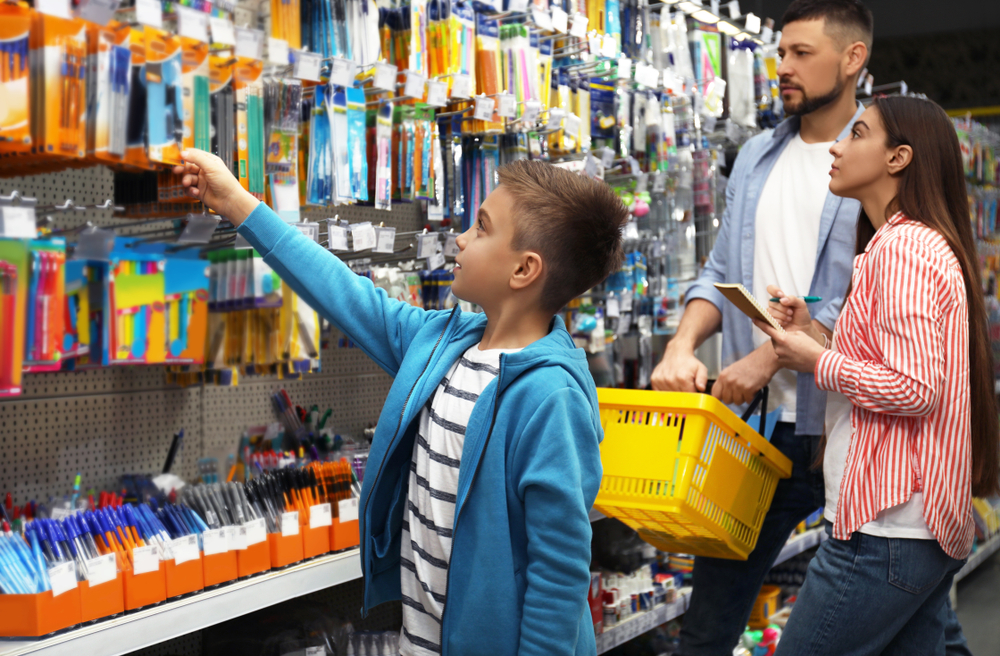
Even in public schools, parents increasingly carry the weight of basic classroom supplies. The supply list keeps expanding—think beyond notebooks and pencils to art materials, hand sanitizer, and sometimes even disinfecting wipes. Schools justify this by citing budget limitations, but the cumulative cost per child can reach several hundred dollars annually.

It’s more than an inconvenience; it can create inequities between students whose families can contribute and those who can’t. Being strategic means buying in bulk, seeking community supply drives, and gently negotiating with the school for clarity on what is truly optional versus expected.

5. Fees Disguised as “Enhancements”

Schools are leaning on creative labels to mask real costs. Terms like “enhanced curriculum fee,” “facility improvement contribution,” or “resource access charge” often appear on statements that look like minor add-ons. Parents may assume these fees fund optional programs, yet in many cases, they support basic classroom operations or standard school functions.

Transparency is minimal, and families end up footing bills that historically came from district budgets or state funding. Advocating for clear line items in school budgets and attending PTA or school board meetings can help ensure these “enhancements” are scrutinized and justified rather than quietly passed on to parents.

Keeping Your Budget Healthy While Supporting Education

Awareness is your best defense. Every line item matters, and every fee deserves a question. Families who dig into school communications, explore alternative funding sources, and connect with other parents can often reduce or offset costs without sacrificing educational opportunities. Look for parent-teacher associations that run supply drives, scholarship programs for activities, and district-level fee waivers.

Don’t accept the language of “mandatory” at face value—schools want participation, but they also want families to be informed and empowered. Tracking expenses and asking for transparency benefits everyone: students receive the support they need, and parents retain control over household finances.

Empowering Families to Take Back Control

In 2026, every expense matters, and families hold the power to question, negotiate, and seek alternatives. Understanding the full spectrum of costs—from tech fees to so-called enhancements—helps parents make informed decisions that protect their wallets and their children’s educational experiences.

Are you ready to take control of school costs this year, and maybe even start a conversation at your school about fairness and transparency? Give us your thoughts in our comments section.

You May Also Like…

6 Ways Parents Are Quiet Quitting Expensive School Spirit Days

6 After-School Activities Parents Regret Paying For (Because the “Benefits” Don’t Show Up)

Nutritionists Warn: 6 “Healthy” Lunchbox Staples That Spike Sugar Crashes at School

Parenting Hacks for College Students: 8 Tips to Juggle Studies and Kids

8 Once-Normal ’70s Kids Hobbies That Helicopter Parenting Quietly Killed

Brandon Marcus
Brandon Marcus
Brandon Marcus is a writer who has been sharing the written word since a very young age. His interests include sports, history, pop culture, and so much more. When he isn’t writing, he spends his time jogging, drinking coffee, or attempting to read a long book he may never complete.

Filed Under: Education Tagged With: 2026 trends, back-to-school, education costs, extracurricular costs, family finances, hidden fees, Parents, school budgeting, school policies, student expenses

Here’s Why School Supplies Continue to Cost More and More Every Year

May 28, 2025 | Leave a Comment

Heres Why School Supplies Continue to Cost More and More Every Year

Every year, parents brace for the back-to-school season—not just for the new routines, but for the rising cost of everything from pencils to backpacks. What used to be a quick \$20 run to the store has ballooned into a triple-digit shopping spree for many families. The truth is, school supplies continue to cost more every year, and it’s not just inflation. A mix of economic shifts, changing classroom expectations, and marketing trends has turned basic supplies into big business. If you’ve been wondering why your back-to-school bill keeps growing, here’s what’s really driving the increase.

1. Inflation Hits Every Industry—Including Education

One of the most obvious reasons school supplies continue to cost more is general inflation. Just like groceries, gas, and rent, the price of manufacturing and distributing goods is going up. Companies that produce notebooks, markers, and glue sticks are passing those higher costs on to consumers. Shipping delays and rising labor costs only add to the problem. While inflation affects everything, parents feel it sharply during back-to-school season when multiple purchases stack up quickly.

2. Teachers Rely More on Parent-Supplied Materials

School budgets are tighter than ever, and many teachers are forced to ask families to supply more of what classrooms used to provide. From cleaning wipes to paper towels to printer paper, school supply lists have expanded beyond the basics. As schools shift more responsibility onto parents, the demand—and cost—goes up. It’s not uncommon for parents to purchase classroom materials that serve 20 students, not just their own child. The more that’s added to the list, the more school supplies continue to cost more.

3. Trendy and Branded Items Drive Prices Higher

That sparkly pencil pouch with a popular cartoon character? It costs significantly more than the generic version. Retailers know how to market to kids, and children often influence purchasing decisions. While basic supplies haven’t changed much in function, branding and design can double or triple the price. When kids beg for trending items and parents want to avoid a meltdown, budgets can quickly balloon. Even simple items like folders and lunchboxes are often more about style than substance.

4. Supply Chain Disruptions Are Still Rippling Through

Global supply chain issues that started during the pandemic haven’t fully recovered. Shortages of materials like plastic and paper, combined with slowdowns at shipping ports, have driven up prices for everyday goods. School supplies continue to cost more in part because it’s harder and more expensive to produce and transport them. When fewer items are available, prices naturally climb due to higher demand. These disruptions are often invisible to consumers but deeply impact what ends up on shelves.

5. More Tech Means More Expenses

Today’s school supply lists often include earbuds, USB drives, or even tablets, especially in districts that expect students to engage in digital learning. As classrooms become more tech-focused, the financial burden shifts to families to provide those tools. Tech accessories aren’t just more expensive—they often need to be replaced more frequently. As schools integrate more online learning, traditional supply lists grow to include items that stretch the budget even further. This digital shift is a key reason school supplies continue to cost more year after year.

6. Bulk Buying Isn’t Always the Best Deal

Buying in bulk seems like a smart money-saving move, but it can backfire. Some teachers request very specific brands or types of items, meaning that value packs go unused or aren’t acceptable. Additionally, warehouse stores often carry larger quantities than needed, which may cost more upfront even if the per-item price is lower. It’s not uncommon for families to overbuy, leading to waste rather than savings. Even when trying to save, many parents end up spending more than planned.

7. Uniform Policies and Dress Codes Add Up

While not technically “supplies,” clothing expenses tied to school are often included in families’ back-to-school budgeting. Many schools have strict dress codes or uniform requirements, forcing parents to purchase specific styles or brands. These items can be surprisingly pricey, especially if you have to buy multiple outfits, shoes, or accessories. When combined with traditional supplies, these expenses help explain why school supplies continue to cost more each year. It’s a hidden cost that often gets overlooked in average price estimates.

8. More Grade Levels, More Specialized Needs

As kids grow, so do their school supply needs. Older students may require scientific calculators, graph paper, art supplies, or more advanced writing tools. These specialty items often come with higher price tags and aren’t reusable year to year. Parents of multiple children in different grades feel this impact even more. It’s not just the quantity of supplies—it’s the complexity that causes school supplies to continue to cost more as students move through the system.

Why the Back-to-School Budget Feels Heavier Every Year

What once felt like a manageable seasonal task has turned into a full-blown financial event. From inflation to branded trends to shifting school policies, there’s no single reason school supplies continue to cost more—it’s the combined weight of many small changes over time. While some of these factors are out of your hands, being a savvy shopper, avoiding brand traps, and coordinating with teachers can help lighten the load. When families and schools work together, it’s easier to keep costs in check and focus on what really matters: giving kids the tools they need to learn and succeed.

Have you noticed your back-to-school costs rising? What tips have helped you manage the growing expense? Share your thoughts in the comments!

Read More:

12 Reasons Why Your Kids are Behind Academically

10 Surprising Facts About How Much School Uniforms Really Cost

Catherine Reed
Catherine Reed

Catherine is a tech-savvy writer who has focused on the personal finance space for more than eight years. She has a Bachelor’s in Information Technology and enjoys showcasing how tech can simplify everyday personal finance tasks like budgeting, spending tracking, and planning for the future. Additionally, she’s explored the ins and outs of the world of side hustles and loves to share what she’s learned along the way. When she’s not working, you can find her relaxing at home in the Pacific Northwest with her two cats or enjoying a cup of coffee at her neighborhood cafe.

Filed Under: Finances Tagged With: Back To School Shopping, education costs, family finances, parenting expenses, rising prices, school budgeting, school supply costs, student supplies

  • Facebook
  • Pinterest
  • RSS
  • Twitter

Basic Principles Of Good Parenting

Here some basic principles for good parenting:

  1. What You Do Matters: Your kids are watching you. So, be purposeful about what you want to accomplish.
  2. You Can’t be Too Loving: Don’t replace love with material possessions, lowered expectations or leniency.
  3. Be Involved Your Kids Life: Arrange your priorities to focus on what your kid’s needs. Be there mentally and physically.
  4. Adapt Your Parenting: Children grow quickly, so keep pace with your child’s development.
  5. Establish and Set Rules: The rules you set for children will establish the rules they set for themselves later.  Avoid harsh discipline and be consistent.
  6. Explain Your Decisions: What is obvious to you may not be evident to your child. They don’t have the experience you do.
  7. Be Respectful To Your Child: How you treat your child is how they will treat others.  Be polite, respectful and make an effort to pay attention.
Best Parenting Blogs

Most Popular

11 Ways Kids Are Outsmarting Parental Controls 1. Using Alternate Devices One common trick is simply turning to another device. If a child’s main phone or tablet is restricted, they may borrow a sibling’s, friend’s, or even a school laptop. This instantly gives them access to content outside of parental oversight. Parents often focus on one device, forgetting that others in the household can serve as loopholes. Knowing this tactic helps families tighten controls across all electronics. 2. Clearing Browsing Histories Many kids quickly learn that clearing browsing history hides evidence of restricted activity. With just a few clicks, they can erase any trace of websites visited. This makes it harder for parents to notice when rules are being broken. Parents may assume no history means no browsing, but the reality is often the opposite. Kids are outsmarting parental controls by making it seem like nothing happened at all. 3. Using Private Browsing Modes Most browsers offer “incognito” or private browsing features. Kids use this mode to access websites without leaving a record in the history. To parents checking later, everything looks clean and safe. This simple trick is often one of the first ways kids discover how to bypass restrictions. Conversations about private browsing can help close this gap. 4. Guessing or Resetting Passwords Children who are persistent may try to guess passwords to parental control apps or accounts. Others may find ways to reset them through email prompts or security questions. Once inside, they can disable restrictions entirely. Parents may not even realize controls have been altered until much later. Stronger, less predictable passwords can make this more difficult. 5. Using VPNs to Hide Activity Virtual private networks, or VPNs, let kids disguise their online locations. With one downloaded app, they can bypass geographic or parental restrictions. Some children learn about VPNs through friends or even social media. This makes it easy for them to reach content that should be blocked. Parents often underestimate just how simple it is for kids to use these tools. 6. Creating Fake Accounts When parents monitor social media, kids may create hidden accounts. These “finstas” or fake profiles allow them to interact freely without parental oversight. While their main account appears harmless, the secondary one tells a different story. Kids are outsmarting parental controls by playing both sides at once. Checking for duplicate accounts can help parents stay more aware. 7. Exploiting Time Zone Settings Some kids change the time zone on their devices to bypass screen time limits. This trick allows them to gain extra hours of usage undetected. Parents may assume controls are working, but in reality, the child is bending the clock. It’s a clever loophole that highlights just how resourceful kids can be. Monitoring device settings regularly can catch this tactic. 8. Disabling or Uninstalling Apps Parental control apps can be deleted or disabled with surprising ease. Some kids even reinstall them before a parent checks, making it seem like nothing changed. Others may simply restrict permissions to prevent apps from functioning properly. When apps aren’t monitored closely, parents may not notice they’ve been tampered with. This shows the importance of consistent follow-up. 9. Turning to Friends for Access If a child can’t get past restrictions on their own, they may rely on friends. Visiting a friend’s house or borrowing their phone can give them a free pass. Parents often forget that peer environments can override restrictions set at home. This kind of social workaround is especially common with gaming or social media. Open conversations about trust and responsibility are essential. 10. Hiding Apps in Plain Sight Kids sometimes download apps that look innocent but serve as gateways to hidden activity. These apps may disguise themselves as calculators or utilities. In reality, they allow file storage, private messaging, or browser access. Parents glancing at a home screen may overlook them entirely. Learning to recognize these disguised apps can help parents stay informed. 11. Outpacing Parents’ Tech Knowledge Finally, kids often know more about devices than their parents do. Whether through YouTube tutorials, TikTok hacks, or peer groups, they quickly learn advanced workarounds. This knowledge gap means controls can be bypassed before parents even realize the loophole exists. Staying informed and continually learning about new technology is the best defense. Kids are outsmarting parental controls because they adapt faster than most adults. The Real Solution Lies Beyond Restrictions While controls and filters are important, no system is perfect. Kids will always find creative ways around barriers, making communication the strongest safeguard. Setting clear expectations, building trust, and having ongoing conversations about online behavior matter more than apps alone. Parents who combine technology with open dialogue create a safer digital environment. The goal isn’t to win a battle of wits but to build a relationship that keeps kids both safe and honest. Do you think kids are outsmarting parental controls faster than parents can keep up? Share your experiences in the comments below. What to Read Next... 6 Parenting Tech Shortcuts That Can Expose Your Child to Strangers How Much Screen Time Is Too Much—Legally Speaking? Is Your Child’s School Quietly Tracking Their Location Without Your Consent? How Much Screen Time Is Quietly Reshaping Childhood Behavior? Why Some Parents Are Being Investigated Over Homeschooling Records

11 Ways Kids Are Outsmarting Parental Controls

Catherine Reed
Smiling grandfather holding a happy baby indoors.

Why Grandparents Shouldn’t Babysit Their Grandkids Every Week – The Unspoken Issue

Samantha
Girl getting makeup done, referencing psychologist-approved age.

Wearing Makeup: Here Is the Age That Psychologists Agree It’s Okay for Girls to Wear Makeup

Samantha
birthday gifts

7 Birthday Gifts Your Child Should Never Bring to a Party

Latrice Perez

Babysitting Without Cash: 10 Ways to Barter Your Way Out of Childcare Costs

Ashleigh Clyde

All content on Kids Ain’t Cheap is for entertainment purposes only. By reading this blog, you agree that Kids Ain’t Cheap is not responsible for any actions taken after reading this blog. For the full disclaimer, see our privacy policy.

Please note that Kids Ain’t Cheap has financial relationships with some of the merchants mentioned here. Kids Ain’t Cheap is funded by banner advertising, commission sales and search optimization consulting.

Copyright © 2006–2026 | District Media | All Rights Reserved | Privacy Policy

Copyright © 2026 Runway Pro Theme by Viva la Violette