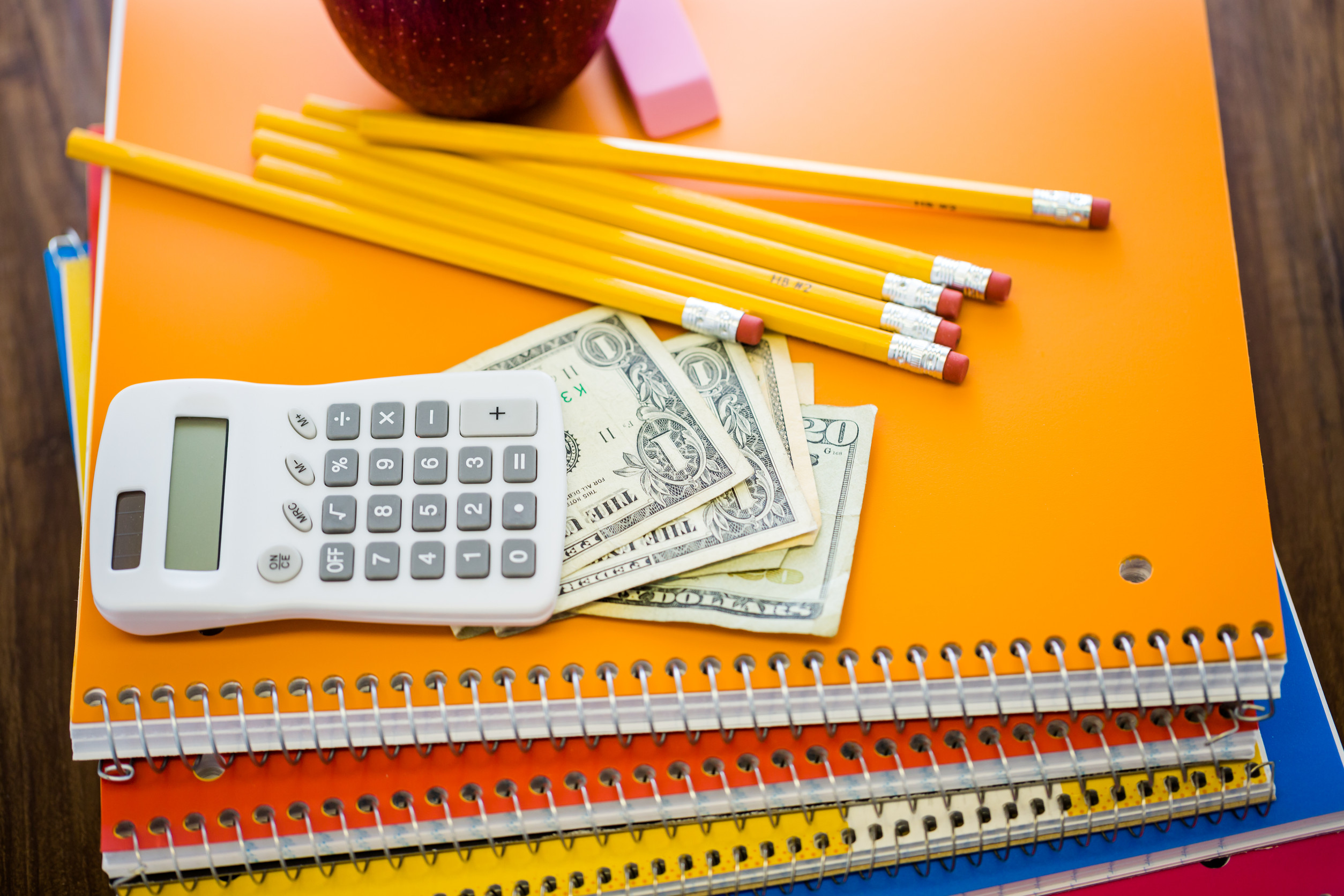
Every year, parents brace for the back-to-school season—not just for the new routines, but for the rising cost of everything from pencils to backpacks. What used to be a quick \$20 run to the store has ballooned into a triple-digit shopping spree for many families. The truth is, school supplies continue to cost more every year, and it’s not just inflation. A mix of economic shifts, changing classroom expectations, and marketing trends has turned basic supplies into big business. If you’ve been wondering why your back-to-school bill keeps growing, here’s what’s really driving the increase.
1. Inflation Hits Every Industry—Including Education
One of the most obvious reasons school supplies continue to cost more is general inflation. Just like groceries, gas, and rent, the price of manufacturing and distributing goods is going up. Companies that produce notebooks, markers, and glue sticks are passing those higher costs on to consumers. Shipping delays and rising labor costs only add to the problem. While inflation affects everything, parents feel it sharply during back-to-school season when multiple purchases stack up quickly.
2. Teachers Rely More on Parent-Supplied Materials
School budgets are tighter than ever, and many teachers are forced to ask families to supply more of what classrooms used to provide. From cleaning wipes to paper towels to printer paper, school supply lists have expanded beyond the basics. As schools shift more responsibility onto parents, the demand—and cost—goes up. It’s not uncommon for parents to purchase classroom materials that serve 20 students, not just their own child. The more that’s added to the list, the more school supplies continue to cost more.
3. Trendy and Branded Items Drive Prices Higher
That sparkly pencil pouch with a popular cartoon character? It costs significantly more than the generic version. Retailers know how to market to kids, and children often influence purchasing decisions. While basic supplies haven’t changed much in function, branding and design can double or triple the price. When kids beg for trending items and parents want to avoid a meltdown, budgets can quickly balloon. Even simple items like folders and lunchboxes are often more about style than substance.
4. Supply Chain Disruptions Are Still Rippling Through
Global supply chain issues that started during the pandemic haven’t fully recovered. Shortages of materials like plastic and paper, combined with slowdowns at shipping ports, have driven up prices for everyday goods. School supplies continue to cost more in part because it’s harder and more expensive to produce and transport them. When fewer items are available, prices naturally climb due to higher demand. These disruptions are often invisible to consumers but deeply impact what ends up on shelves.
5. More Tech Means More Expenses
Today’s school supply lists often include earbuds, USB drives, or even tablets, especially in districts that expect students to engage in digital learning. As classrooms become more tech-focused, the financial burden shifts to families to provide those tools. Tech accessories aren’t just more expensive—they often need to be replaced more frequently. As schools integrate more online learning, traditional supply lists grow to include items that stretch the budget even further. This digital shift is a key reason school supplies continue to cost more year after year.
6. Bulk Buying Isn’t Always the Best Deal
Buying in bulk seems like a smart money-saving move, but it can backfire. Some teachers request very specific brands or types of items, meaning that value packs go unused or aren’t acceptable. Additionally, warehouse stores often carry larger quantities than needed, which may cost more upfront even if the per-item price is lower. It’s not uncommon for families to overbuy, leading to waste rather than savings. Even when trying to save, many parents end up spending more than planned.
7. Uniform Policies and Dress Codes Add Up
While not technically “supplies,” clothing expenses tied to school are often included in families’ back-to-school budgeting. Many schools have strict dress codes or uniform requirements, forcing parents to purchase specific styles or brands. These items can be surprisingly pricey, especially if you have to buy multiple outfits, shoes, or accessories. When combined with traditional supplies, these expenses help explain why school supplies continue to cost more each year. It’s a hidden cost that often gets overlooked in average price estimates.
8. More Grade Levels, More Specialized Needs
As kids grow, so do their school supply needs. Older students may require scientific calculators, graph paper, art supplies, or more advanced writing tools. These specialty items often come with higher price tags and aren’t reusable year to year. Parents of multiple children in different grades feel this impact even more. It’s not just the quantity of supplies—it’s the complexity that causes school supplies to continue to cost more as students move through the system.
Why the Back-to-School Budget Feels Heavier Every Year
What once felt like a manageable seasonal task has turned into a full-blown financial event. From inflation to branded trends to shifting school policies, there’s no single reason school supplies continue to cost more—it’s the combined weight of many small changes over time. While some of these factors are out of your hands, being a savvy shopper, avoiding brand traps, and coordinating with teachers can help lighten the load. When families and schools work together, it’s easier to keep costs in check and focus on what really matters: giving kids the tools they need to learn and succeed.
Have you noticed your back-to-school costs rising? What tips have helped you manage the growing expense? Share your thoughts in the comments!
Read More:
12 Reasons Why Your Kids are Behind Academically
10 Surprising Facts About How Much School Uniforms Really Cost

Catherine is a tech-savvy writer who has focused on the personal finance space for more than eight years. She has a Bachelor’s in Information Technology and enjoys showcasing how tech can simplify everyday personal finance tasks like budgeting, spending tracking, and planning for the future. Additionally, she’s explored the ins and outs of the world of side hustles and loves to share what she’s learned along the way. When she’s not working, you can find her relaxing at home in the Pacific Northwest with her two cats or enjoying a cup of coffee at her neighborhood cafe.
