• Home
  • About Us
  • Toolkit
  • Archives
  • Advertise
  • Privacy Policy

Kids Ain't Cheap

But They Sure Are Worth It

  • Parenting
    • Baby Stuff
    • Books and Reading
      • Aesops Fables
      • Comic Books
    • Education
    • Family Time
    • Green Living
    • Growing Up
    • Healthy Living & Eating
    • Holidays
    • Parenting
    • Random Musings
    • Shopping
    • Stuff to Do
  • Money
  • Product Reviews
    • Books and Magazines
    • Discount Sites
    • Furniture
    • House Keeping
    • Reviews News
    • Toys and Games
  • Contact Us
  • Our Editorial Commitment
  • Search

Teachers Say These 5 Dress Code Items Are Causing Students to Be Sent Home in 2026

February 20, 2026 | Leave a Comment

Dress code
Image source: Pexels.com

You spent Sunday night ensuring your child’s outfit was perfect for the school week ahead. However, a quiet wave of strict enforcement is sweeping through hallways, and your morning efforts might end with a phone call from the front office. It is frustrating to realize that the rules have shifted while your back was turned. Honestly, the system often prioritizes rigid aesthetics over actual learning, leaving you to deal with the logistical mess. Here is the truth about the dress code items that are triggering removals in 2026 and how you can avoid the mid-day pickup trap.

The Blanket and Hooded Sweatshirt Ban

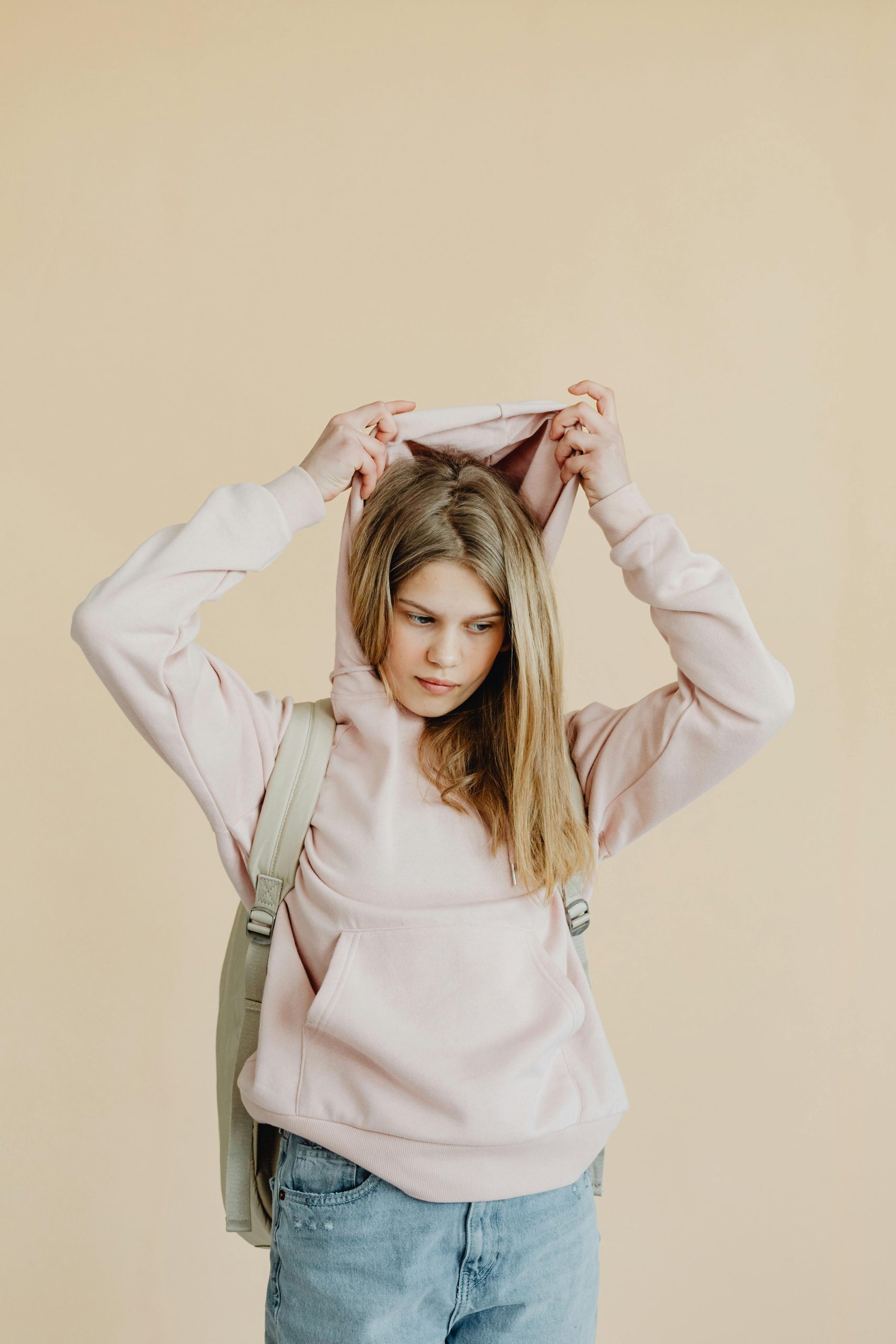
As classroom temperatures fluctuate, many students have turned to carrying small blankets or wearing oversized hoodies to stay comfortable. Surprisingly, administrators in 2026 are cracking down on these as major safety and identification hazards. Teachers report that blankets are being confiscated because they can hide prohibited items or cause a tripping hazard during transitions. Furthermore, hooded sweatshirts are under fire not just for the hood, but for the large front pockets. The logic is that these garments make it harder for staff to identify students on security cameras, leading to immediate change or go home orders.

Visible Skin in Ripped Denim

Distressed jeans have been a fashion staple for years, but the tolerance for them has officially hit a breaking point this year. Many districts now enforce a [zero-skin policy](https://www.youthrights.org/issues/student-rights/dress-codes-and-uniforms/) for any rips or frays located above the knee. Even if you bought the jeans with the holes pre-made, teachers are required to send students to the office if skin is visible. On the other hand, some schools allow the style only if leggings or patches are worn underneath. If your child’s favorite pair has a hole higher than a few inches above the kneecap, they are essentially walking in a target for a violation.

The Pajama and Loungewear Crackdown

The comfort-first trend of the last few years has finally met its match in the 2026 academic standards. Pajama pants and bedroom slippers are being treated as disruptive to the educational environment in a way we haven’t seen in a decade. Administrators argue that sleepwear creates a psychological relaxation mode that hinders productivity. While your child might argue that flannel pants are just comfortable, teachers are being told to enforce a professional baseline. Sending a student home to change out of pajamas is becoming the standard response to what schools call a lack of neatness and modesty.

Head Coverings and Identity Concealment

Hats, beanies, and especially ski-mask style balaclavas are top of the list for immediate removal. In an era where campus security is the highest priority, anything that obscures a student’s face is a non-negotiable violation. While exceptions are made for religious head wraps, the generic beanie or baseball cap is no longer tolerated inside the building. Teachers are often caught in the middle, forced to take up hats that students wear to hide a bad hair day. If it covers the ears and forehead, it is likely going to cause a trip to the principal’s office.

Leggings and the Midthigh Rule

Leggings and yoga pants remain one of the most contentious items in the student handbook. In 2026, the old fingertip rule has evolved into a strict midthigh requirement for any top worn over spandex. If your child’s shirt does not completely cover their bottom and reach down to the midthigh, they are being flagged for immodest attire. This rule often disproportionately targets female students, creating a relatable frustration for parents. It is not your fault that the fashion industry produces shorter tops, but the school system expects you to bridge that gap.

Protect Your Child’s Seat in the Classroom

Dress code enforcement is a machine that often ignores the personal style and comfort of the student. By understanding these specific triggers, you can ensure your child stays in their seat instead of in the principal’s office. You have enough on your plate without adding a mid-morning clothing crisis to the list. Stay one step ahead of the handbook and keep those risky items for the weekend. Your student’s education is too important to be sidelined by a pair of ripped jeans.

Has your child ever been sent home for a dress code violation that felt totally unfair? Leave a comment below and share your story so other parents know what to watch out for.

What to Read Next…

  • The 5 Educational Apps That Teachers Say Are Actually Hurting Grades
  • 8 Budget Cuts in Education That Directly Impact Your Kids
  • The Teacher Shortage Crisis: How Its Affecting Your Childs Education
Latrice Perez

Latrice is a dedicated professional with a rich background in social work, complemented by an Associate Degree in the field. Her journey has been uniquely shaped by the rewarding experience of being a stay-at-home mom to her two children, aged 13 and 5. This role has not only been a testament to her commitment to family but has also provided her with invaluable life lessons and insights.  As a mother, Latrice has embraced the opportunity to educate her children on essential life skills, with a special focus on financial literacy.

Filed Under: Education Tagged With: 2026 School Rules, Back to School, Dress Code Violations, Education News, parenting struggles, parenting tips, school dress code

10 Clothing Choices That May Trigger Unfair School Discipline

November 24, 2025 | Leave a Comment

10 Clothing Choices That May Trigger Unfair School Discipline
Image source: shutterstock.com

It surprises many parents how often clothing choices end up at the center of school discipline, leading to detentions, call-home warnings, or even suspensions. While dress codes aim for consistency, these rules are often applied unevenly, leaving some students punished for outfits others wear without issue. Families deserve to understand which clothing choices may trigger unnecessary problems so they can help their kids avoid being singled out. Below are the most common items that prompt unfair consequences and what parents can do about them.

1. Graphic Tees With Vague or Misinterpreted Messages

Some clothing choices include graphic tees featuring phrases or symbols adults may interpret differently than students intend. A harmless slogan may be labeled distracting, inappropriate, or disruptive based on personal judgment. Teens often wear shirts to express humor or identity, but inconsistent enforcement leads to unfair treatment. This unpredictability can embarrass students who had no intention of breaking rules. Parents can review tees with their kids beforehand to anticipate potential misunderstandings.

2. Ripped Jeans That Meet Style Trends

Ripped jeans remain popular, but they frequently get flagged during dress code enforcement. Rules about rip size or placement are often interpreted differently from one staff member to another. Jeans acceptable in one class may be cited as a violation elsewhere. This inconsistency leaves kids unsure of what is allowed. Families often must translate vague guidelines themselves.

3. Tank Tops or Sleeveless Shirts

Sleeveless tops appear often in discipline discussions because strap-width rules are among the most inconsistently applied. A student may receive a warning simply because fabric shifted during normal movement. These awkward moments can embarrass students and disrupt learning. Clearer standards would reduce uncertainty. Until then, layering options can help avoid unnecessary attention.

4. Hoodies Worn for Comfort or Sensory Support

Many students rely on hoodies for warmth or sensory regulation, but they are sometimes penalized when a hood is lifted or pockets are used too often. Some teachers associate hood wearing with disengagement, leading to avoidable discipline. Kids who are anxious or cold may be punished for harmless behavior. Families can request accommodations if a hoodie meets emotional or sensory needs. Consistent communication with staff can help prevent misunderstandings.

5. Leggings Paired With Longer Tops

Leggings are extremely common yet frequently spark disputes due to subjective modesty rules. Students wearing nearly identical outfits may face different outcomes depending on who notices them. This inconsistency makes clothing decisions stressful for kids. When rules rely on interpretation rather than clarity, fairness becomes difficult to maintain. Schools with more specific guidelines reduce confusion and frustration.

6. Cultural or Religious Clothing Items

Traditional garments tied to cultural identity or religious practice are sometimes mistakenly labeled as violations. These misunderstandings can make students feel excluded or disrespected. Families often must explain the meaning behind specific garments so staff can respond appropriately. Increased cultural awareness among educators prevents avoidable conflicts. Respectful dialogue helps protect students’ dignity.

7. Clothes That Look “Too Casual”

Dress codes often include vague expectations about looking professional or appropriate for learning. These unclear standards allow outfits to be judged inconsistently, creating unequal enforcement. A student may be reprimanded for sweatpants on a day when others dress similarly without issue. Kids may feel targeted rather than supported. Parents can ask administrators for clarification when patterns of discipline appear unfair.

8. Color Restrictions That Are Not Clearly Explained

Uniform policies or safety guidelines sometimes dictate approved colors, but these rules are not always communicated clearly. Clothing choices outside approved colors can lead to discipline even when students were unaware of the restriction. Jackets, hats, or layers worn for warmth can unintentionally break rules. Seasonal changes make this problem more noticeable. Consistent messaging from schools would help families prepare more effectively.

9. Accessories That Are Considered Distracting

Accessories such as bracelets, headbands, or small chains may be harmless but are sometimes viewed as distractions. These items can trigger discipline even without disrupting learning. Kids who enjoy expressing themselves through accessories may feel discouraged when creativity is misinterpreted. Enforcement often varies widely between teachers. Families can request more specific examples of what is or isn’t allowed.

10. Clothing That Doesn’t Fit Uniform Standards

Uniform schools still face disagreements over what counts as acceptable. Slight color variations or minor fabric differences may lead to unnecessary violations. Children grow quickly, and uniforms don’t always fit perfectly year-round. A too-short skirt or faded shirt should not result in harsh consequences, yet it sometimes does. Families can request flexibility when growth or wear affects compliance.

Helping Kids Navigate Unfair Dress Code Enforcement

Dress codes are intended to set expectations, but unclear or unevenly enforced rules place unfair burdens on students. Families can support kids by reviewing dress code language together, asking schools for clarification when needed, and encouraging children to speak up if something feels unfair. When schools and parents work collaboratively, kids feel more respected and prepared for the day. Understanding how clothing choices lead to discipline allows families to advocate more effectively for their children.

Which clothing choices have caused the most unexpected issues at your child’s school?

What to Read Next…

9 School Dress Code Rules That Are Now Considered Discriminatory

8 School Rules That Should’ve Changed Decades Ago

10 Surprising Facts About How Much School Uniforms Really Cost

These Ridiculous School Rules Are Actually Enforced in 2025

How Much You’re Really Spending on Kids’ Clothes Each Year

Catherine Reed
Catherine Reed

Catherine is a tech-savvy writer who has focused on the personal finance space for more than eight years. She has a Bachelor’s in Information Technology and enjoys showcasing how tech can simplify everyday personal finance tasks like budgeting, spending tracking, and planning for the future. Additionally, she’s explored the ins and outs of the world of side hustles and loves to share what she’s learned along the way. When she’s not working, you can find her relaxing at home in the Pacific Northwest with her two cats or enjoying a cup of coffee at her neighborhood cafe.

Filed Under: Education Tagged With: Back to School, clothing rules, parenting tips, school discipline, school dress code, student rights

These Ridiculous School Rules Are Actually Enforced in 2025

June 3, 2025 | 1 Comment

These Ridiculous School Rules Are Actually Enforced in 2025

Parents might think they’ve seen it all—until they get a call that their child was written up for humming too loudly or wearing a hoodie. In 2025, some schools have adopted rules that go beyond strict and cross the line into straight-up bizarre. While discipline and structure are important, the rise of ultra-controlled environments has many families scratching their heads. From rules about breathing too hard to banning birthday cupcakes, the policies some schools are enforcing today are as real as they are ridiculous. Let’s look at some of the most outrageous, over-the-top, and downright ridiculous school rules currently being enforced.

1. No Talking During Lunch—At All

One of the most common ridiculous school rules in 2025 is the no-talking lunch policy. In some schools, kids are expected to eat silently, without socializing, laughing, or even whispering. The reasoning? To keep the cafeteria calm and avoid food fights or disruptions. But for many students, lunch is the one break in the day to unwind and connect with friends. Silencing kids during their only real downtime creates unnecessary tension and makes school feel more like a detention center than a place for learning.

2. Banned From Bringing Their Own Water Bottles

Yes, this one is real. Some schools have implemented policies that forbid students from bringing their own water bottles from home. The concern is that students may hide prohibited substances or that outside bottles can’t be properly monitored. But this means students are often left relying on school fountains or approved branded bottles, which may not be clean or easily accessible. In an era where health and hydration are emphasized, banning reusable water bottles is one of the more baffling ridiculous school rules. It ends up punishing everyone instead of solving an isolated issue.

3. Hoodies = Detention

At many schools, simply wearing a hoodie—especially with the hood up—is a fast track to disciplinary action. Administrators claim it prevents hiding headphones or disrupts dress code standards, but for kids, hoodies are often about comfort, warmth, or sensory regulation. With no evidence that a hoodie affects learning outcomes, these rigid rules have left many parents and students frustrated. In colder climates and drafty classrooms, banning hoodies just seems petty. It’s a dress code choice that says more about control than classroom focus.

4. Hand-Holding Is “Public Display of Affection”

A few districts now consider hand-holding—yes, even between friends or siblings—a violation of PDA rules. In schools enforcing this, students can receive warnings or even disciplinary write-ups for what used to be considered harmless or supportive behavior. These policies are often enforced inconsistently and can make kids feel shamed for showing affection or empathy. While inappropriate behavior should be addressed, lumping hand-holding in with making out sends the wrong message. It teaches kids to suppress connection rather than express kindness.

5. No Backpacks in Classrooms

To reduce clutter or minimize the risk of contraband, some schools have implemented a no-backpacks-in-classroom policy. Students are expected to carry only what they need or use clear bags provided by the school. The problem? Kids end up juggling armfuls of supplies, losing things in the hallway, or being late to class because of extra locker trips. It’s another example of ridiculous school rules that create more hassle than safety. Organization should be taught—not made more difficult.

6. Assigned Bathroom Times

Some schools have started enforcing rigid bathroom schedules, where students are only allowed to go at designated times. Need to go between periods or during a lesson? Too bad. While the rule aims to prevent hallway roaming or phone use, it often leads to unnecessary discomfort or embarrassment. These policies ignore the fact that every child’s body is different—and that emergencies aren’t always predictable. Punishing kids for basic needs isn’t discipline, it’s micromanagement.

7. No Celebrating Birthdays

Gone are the days of cupcakes and birthday songs in some schools, which now ban all birthday celebrations during class time. The justification is to prevent food allergies, time disruption, or “exclusion.” But removing even a simple acknowledgment—like allowing a sticker or birthday pencil—has made school environments feel overly sanitized. While inclusivity matters, many parents and students feel these bans go too far. It’s a small joy that could be managed, not erased.

8. Zero-Tolerance for Pencil Dropping

Believe it or not, students in some schools have been disciplined for intentionally dropping pencils. Administrators argue that it’s used to create distractions or signal classmates during tests. While it’s true that some students use subtle antics to disrupt, treating a dropped pencil as a criminal act stretches logic. Not every action needs to be policed with zero tolerance. It’s another one of those ridiculous school rules where common sense would go a long way.

9. No Running… Even Outside

In some elementary schools, students are prohibited from running during recess. That’s right—recess, the time meant for physical play, comes with a “no running” rule. School officials cite injury prevention or crowd control, but kids are being punished for doing what comes naturally. It contradicts everything we know about child development and healthy activity. When a school bans running during free time, it’s not just ridiculous—it’s counterproductive.

10. No Talking in Hallways Between Classes

Finally, some schools have implemented silent transitions, where kids are expected to move between classes without speaking. The goal is to maintain order, but it creates a robotic and cold environment. Talking is how kids connect, decompress, and feel human between academic demands. Enforcing silence in the hallways is not only unrealistic, it’s damaging to school culture. Of all the ridiculous school rules, this one feels especially out of touch with real child behavior.

When Common Sense Gets Left Behind

Rules are supposed to keep kids safe and help them learn—but when enforcement becomes overzealous, schools risk creating joyless environments that do more harm than good. These ridiculous school rules show how policies can quickly go from reasonable to extreme, leaving students stressed and families frustrated. Parents have the power to speak up when policies don’t make sense. Because if we want kids to thrive, school needs to feel like a place built for humans, not robots.

Has your child’s school enforced a rule that made you do a double take? Share the most ridiculous school rules you’ve encountered in the comments!

Read More:

If Your Child Is an Introvert, These 7 School Rules Might Be Crushing Them

Are Parental Rights Being Ignored in Public School Curriculums?

Catherine Reed
Catherine Reed

Catherine is a tech-savvy writer who has focused on the personal finance space for more than eight years. She has a Bachelor’s in Information Technology and enjoys showcasing how tech can simplify everyday personal finance tasks like budgeting, spending tracking, and planning for the future. Additionally, she’s explored the ins and outs of the world of side hustles and loves to share what she’s learned along the way. When she’s not working, you can find her relaxing at home in the Pacific Northwest with her two cats or enjoying a cup of coffee at her neighborhood cafe.

Filed Under: Education Tagged With: Back to School, parenting and education, ridiculous school rules, school culture, school discipline, school dress code, school policies, school policy 2025

  • Facebook
  • Pinterest
  • RSS
  • Twitter

Basic Principles Of Good Parenting

Here some basic principles for good parenting:

  1. What You Do Matters: Your kids are watching you. So, be purposeful about what you want to accomplish.
  2. You Can’t be Too Loving: Don’t replace love with material possessions, lowered expectations or leniency.
  3. Be Involved Your Kids Life: Arrange your priorities to focus on what your kid’s needs. Be there mentally and physically.
  4. Adapt Your Parenting: Children grow quickly, so keep pace with your child’s development.
  5. Establish and Set Rules: The rules you set for children will establish the rules they set for themselves later.  Avoid harsh discipline and be consistent.
  6. Explain Your Decisions: What is obvious to you may not be evident to your child. They don’t have the experience you do.
  7. Be Respectful To Your Child: How you treat your child is how they will treat others.  Be polite, respectful and make an effort to pay attention.
Best Parenting Blogs

Most Popular

Baby names

Teachers Admit: These 6 Baby Names Create Instant Bias in the Classroom

Latrice Perez
These Are 6 Baby Names Inspired by Vintage TV and Movies

6 Baby Names Inspired by Vintage TV and Movies

Brandon Marcus
6 Baby Names That Sound Cute Now but Cause Problems Later

6 Baby Names That Sound Cute Now but Cause Problems Later

Brandon Marcus
11 Ways Kids Are Outsmarting Parental Controls 1. Using Alternate Devices One common trick is simply turning to another device. If a child’s main phone or tablet is restricted, they may borrow a sibling’s, friend’s, or even a school laptop. This instantly gives them access to content outside of parental oversight. Parents often focus on one device, forgetting that others in the household can serve as loopholes. Knowing this tactic helps families tighten controls across all electronics. 2. Clearing Browsing Histories Many kids quickly learn that clearing browsing history hides evidence of restricted activity. With just a few clicks, they can erase any trace of websites visited. This makes it harder for parents to notice when rules are being broken. Parents may assume no history means no browsing, but the reality is often the opposite. Kids are outsmarting parental controls by making it seem like nothing happened at all. 3. Using Private Browsing Modes Most browsers offer “incognito” or private browsing features. Kids use this mode to access websites without leaving a record in the history. To parents checking later, everything looks clean and safe. This simple trick is often one of the first ways kids discover how to bypass restrictions. Conversations about private browsing can help close this gap. 4. Guessing or Resetting Passwords Children who are persistent may try to guess passwords to parental control apps or accounts. Others may find ways to reset them through email prompts or security questions. Once inside, they can disable restrictions entirely. Parents may not even realize controls have been altered until much later. Stronger, less predictable passwords can make this more difficult. 5. Using VPNs to Hide Activity Virtual private networks, or VPNs, let kids disguise their online locations. With one downloaded app, they can bypass geographic or parental restrictions. Some children learn about VPNs through friends or even social media. This makes it easy for them to reach content that should be blocked. Parents often underestimate just how simple it is for kids to use these tools. 6. Creating Fake Accounts When parents monitor social media, kids may create hidden accounts. These “finstas” or fake profiles allow them to interact freely without parental oversight. While their main account appears harmless, the secondary one tells a different story. Kids are outsmarting parental controls by playing both sides at once. Checking for duplicate accounts can help parents stay more aware. 7. Exploiting Time Zone Settings Some kids change the time zone on their devices to bypass screen time limits. This trick allows them to gain extra hours of usage undetected. Parents may assume controls are working, but in reality, the child is bending the clock. It’s a clever loophole that highlights just how resourceful kids can be. Monitoring device settings regularly can catch this tactic. 8. Disabling or Uninstalling Apps Parental control apps can be deleted or disabled with surprising ease. Some kids even reinstall them before a parent checks, making it seem like nothing changed. Others may simply restrict permissions to prevent apps from functioning properly. When apps aren’t monitored closely, parents may not notice they’ve been tampered with. This shows the importance of consistent follow-up. 9. Turning to Friends for Access If a child can’t get past restrictions on their own, they may rely on friends. Visiting a friend’s house or borrowing their phone can give them a free pass. Parents often forget that peer environments can override restrictions set at home. This kind of social workaround is especially common with gaming or social media. Open conversations about trust and responsibility are essential. 10. Hiding Apps in Plain Sight Kids sometimes download apps that look innocent but serve as gateways to hidden activity. These apps may disguise themselves as calculators or utilities. In reality, they allow file storage, private messaging, or browser access. Parents glancing at a home screen may overlook them entirely. Learning to recognize these disguised apps can help parents stay informed. 11. Outpacing Parents’ Tech Knowledge Finally, kids often know more about devices than their parents do. Whether through YouTube tutorials, TikTok hacks, or peer groups, they quickly learn advanced workarounds. This knowledge gap means controls can be bypassed before parents even realize the loophole exists. Staying informed and continually learning about new technology is the best defense. Kids are outsmarting parental controls because they adapt faster than most adults. The Real Solution Lies Beyond Restrictions While controls and filters are important, no system is perfect. Kids will always find creative ways around barriers, making communication the strongest safeguard. Setting clear expectations, building trust, and having ongoing conversations about online behavior matter more than apps alone. Parents who combine technology with open dialogue create a safer digital environment. The goal isn’t to win a battle of wits but to build a relationship that keeps kids both safe and honest. Do you think kids are outsmarting parental controls faster than parents can keep up? Share your experiences in the comments below. What to Read Next... 6 Parenting Tech Shortcuts That Can Expose Your Child to Strangers How Much Screen Time Is Too Much—Legally Speaking? Is Your Child’s School Quietly Tracking Their Location Without Your Consent? How Much Screen Time Is Quietly Reshaping Childhood Behavior? Why Some Parents Are Being Investigated Over Homeschooling Records

11 Ways Kids Are Outsmarting Parental Controls

Catherine Reed
Smiling grandfather holding a happy baby indoors.

Why Grandparents Shouldn’t Babysit Their Grandkids Every Week – The Unspoken Issue

Samantha

All content on Kids Ain’t Cheap is for entertainment purposes only. By reading this blog, you agree that Kids Ain’t Cheap is not responsible for any actions taken after reading this blog. For the full disclaimer, see our privacy policy.

Please note that Kids Ain’t Cheap has financial relationships with some of the merchants mentioned here. Kids Ain’t Cheap is funded by banner advertising, commission sales and search optimization consulting.

Copyright © 2006–2026 | District Media | All Rights Reserved | Privacy Policy

Copyright © 2026 Runway Pro Theme by Viva la Violette