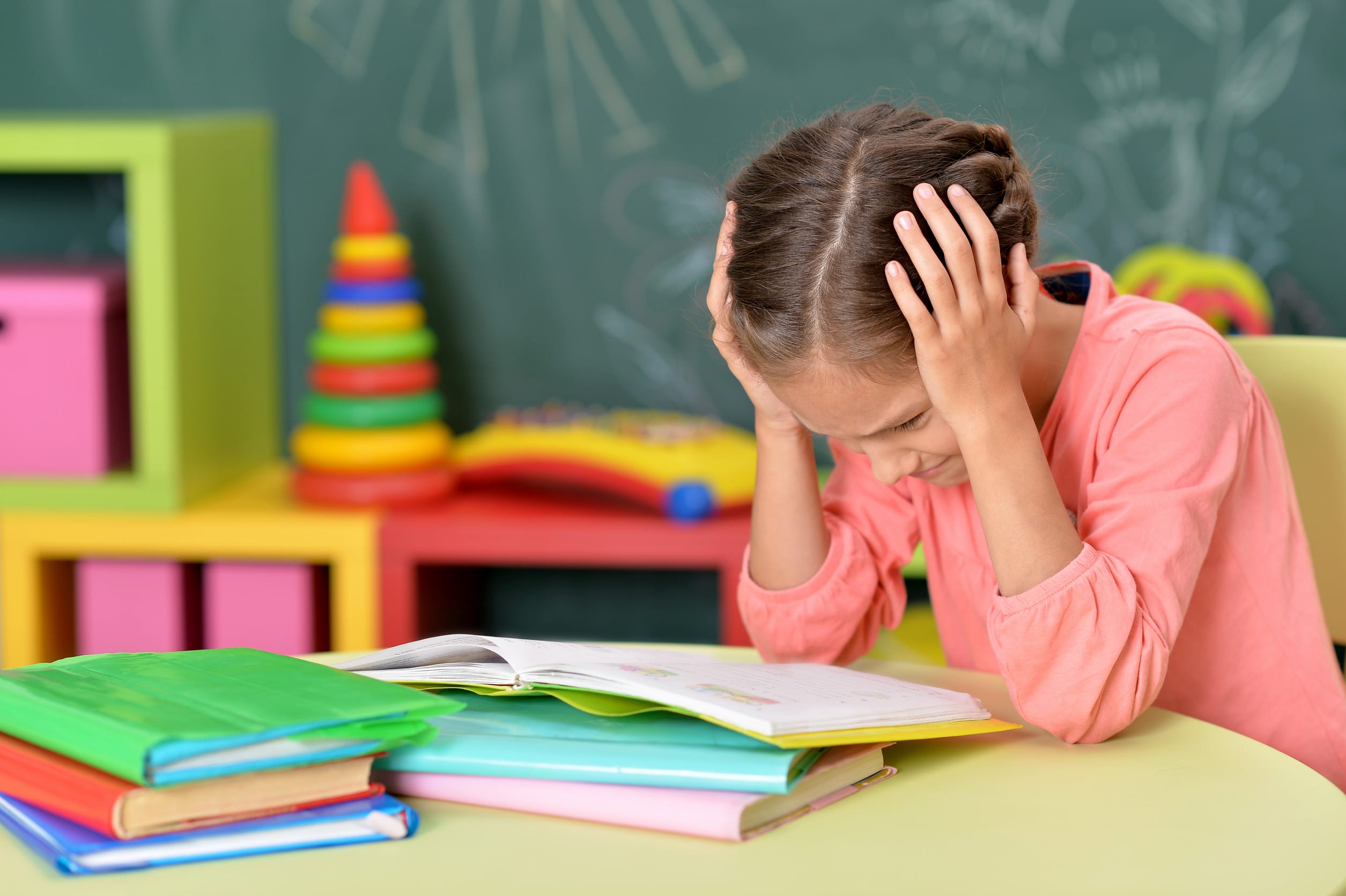
Some school mistakes don’t just affect grades—they shape habits, confidence, and even future success. Kids make plenty of slip-ups, and most are easily fixable. But some school habits, if left unchecked, can quietly follow them through middle school, high school, and beyond. These aren’t just academic issues—they can influence a child’s self-esteem, work ethic, and social development. Recognizing and correcting these common school mistakes early gives kids a better shot at thriving both in and out of the classroom.
1. Falling Behind in Reading
Reading is the foundation of nearly every subject, so falling behind early can create long-term hurdles. Kids who struggle with reading often avoid it, which only widens the gap over time. This can lead to embarrassment, poor test scores, and low confidence. Reading delays in elementary school can resurface in middle school science, social studies, and even math word problems. Regular reading at home and early support from teachers are essential for long-term progress.
2. Not Asking for Help
Many kids believe asking for help makes them look weak or “stupid,” but this mindset can hold them back for years. Staying silent when confused can lead to deeper misunderstandings and falling behind. Worse, they may develop anxiety around certain subjects or a fear of speaking up. Teaching kids that questions are part of learning—not a sign of failure—builds confidence and resourcefulness. The earlier they learn to self-advocate, the better.
3. Developing Poor Study Habits
Cramming the night before a test might work once or twice, but it doesn’t teach real comprehension or long-term retention. Kids who don’t learn how to study properly early on often struggle with time management and academic pressure later. Without these skills, homework becomes overwhelming and school feels like a constant uphill battle. Good study habits—like planning ahead, breaking tasks into chunks, and reviewing regularly—lay the groundwork for academic success. These skills are just as important as the material itself.
4. Skipping Homework
It starts with one missed assignment, then two—and suddenly, there’s a pattern. Kids who regularly skip homework often fall behind and feel more discouraged with each missed grade. They also risk losing the trust of teachers and forming a reputation for not following through. Homework isn’t just about grades—it reinforces learning and teaches responsibility. Helping kids manage homework early can prevent bigger issues later.
5. Blaming Others Instead of Taking Responsibility
It’s easy for kids to blame a teacher, a classmate, or even the clock for poor performance. But when they never take ownership of their choices, they miss out on learning from mistakes. This habit can affect their relationships, school reputation, and even future jobs. Owning up doesn’t mean being hard on themselves—it means being honest and open to improvement. Accountability is a life skill that starts with the small stuff.
6. Copying or Cheating
Whether it’s copying a friend’s homework or peeking during a quiz, cheating forms a habit that’s hard to break. Kids may do it once and get away with it, which reinforces the behavior. Over time, it leads to academic gaps, dishonesty, and a shaky sense of integrity. They’re missing out on learning key skills even if they’re not caught. Addressing cheating early teaches the value of effort, even when it’s hard.
7. Ignoring Feedback
Kids who brush off corrections or refuse to read teacher comments often struggle to improve. Feedback is meant to guide growth, but only if it’s taken seriously. Ignoring it stalls progress and can create a false sense of ability or a fear of failure. Learning to accept constructive criticism helps build resilience and emotional maturity. It also shows kids that learning is a process, not a one-and-done task.
8. Avoiding Challenging Work
Some kids stick to what they already know because it feels safe, but this limits their growth. Avoiding hard problems or advanced opportunities can keep them from reaching their potential. Over time, they may lose motivation or assume they’re not capable of more. Encouraging kids to try—even if they don’t get it right the first time—teaches persistence. Success is built on challenge, not comfort.
9. Constantly Switching Friend Groups
While it’s normal for friendships to shift, kids who change social circles every few weeks may be struggling with self-esteem or conflict resolution. It can lead to social anxiety, isolation, or unhealthy patterns of people-pleasing. Kids need stable relationships to feel supported and grounded at school. Helping them learn how to navigate disagreements and build lasting friendships sets them up for better emotional health. Friendships matter just as much as academics.
10. Letting School Define Their Self-Worth
Kids who base their value entirely on grades, awards, or teacher approval can develop unhealthy perfectionism. One bad grade or tough year can shatter their confidence if they don’t see their worth beyond school. While academic success is important, it shouldn’t be the only source of identity. Encouraging hobbies, passions, and kindness helps kids develop a balanced sense of self. School is a part of their life, not the whole picture.
School Mistakes Are Inevitable—But Not Irreversible
Every child will make school mistakes—it’s part of growing up. But when those mistakes turn into habits, they can quietly shape academic paths, relationships, and self-esteem. The good news? With the right support and attention, most of these habits can be changed long before they do lasting damage. As a parent, your encouragement and involvement can help your child recover and grow stronger.
What school mistake have you helped your child overcome? Share your tips or stories in the comments—we’d love to hear from you!
Read More:
12 Reasons Why Your Kids are Behind Academically
School Success Starts at Home—Here’s How to Prep Your Kids

Catherine is a tech-savvy writer who has focused on the personal finance space for more than eight years. She has a Bachelor’s in Information Technology and enjoys showcasing how tech can simplify everyday personal finance tasks like budgeting, spending tracking, and planning for the future. Additionally, she’s explored the ins and outs of the world of side hustles and loves to share what she’s learned along the way. When she’s not working, you can find her relaxing at home in the Pacific Northwest with her two cats or enjoying a cup of coffee at her neighborhood cafe.