• Home
  • About Us
  • Toolkit
  • Archives
  • Advertise
  • Privacy Policy

Kids Ain't Cheap

But They Sure Are Worth It

  • Parenting
    • Baby Stuff
    • Books and Reading
      • Aesops Fables
      • Comic Books
    • Education
    • Family Time
    • Green Living
    • Growing Up
    • Healthy Living & Eating
    • Holidays
    • Parenting
    • Random Musings
    • Shopping
    • Stuff to Do
  • Money
  • Product Reviews
    • Books and Magazines
    • Discount Sites
    • Furniture
    • House Keeping
    • Reviews News
    • Toys and Games
  • Contact Us
  • Our Editorial Commitment
  • Search

The “Unteachable” Label: How Some Students Are Quietly Flagged

June 22, 2026 | Leave a Comment

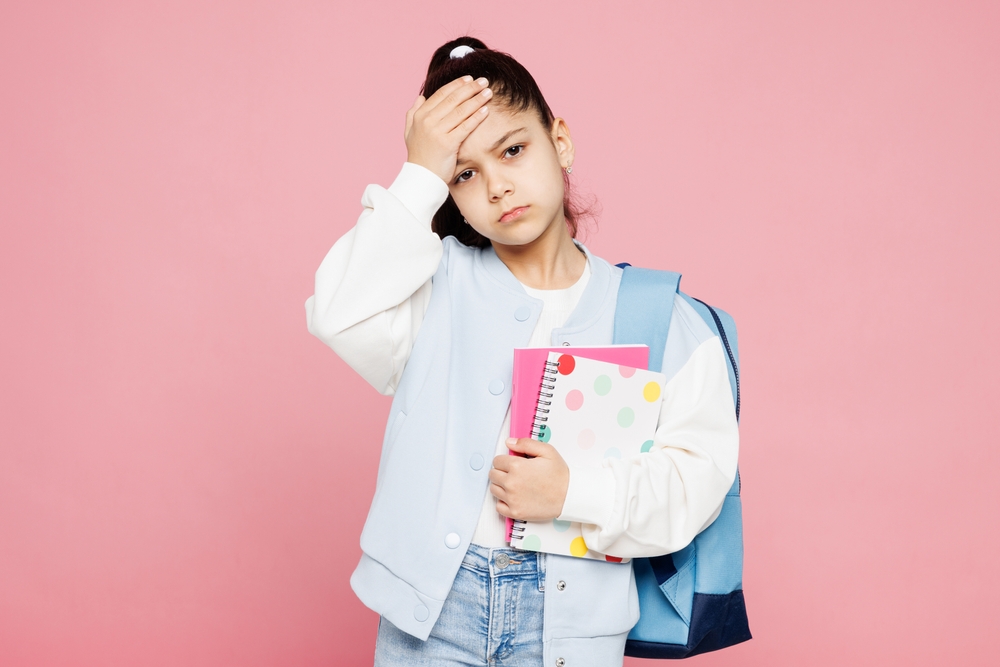
Kid In School
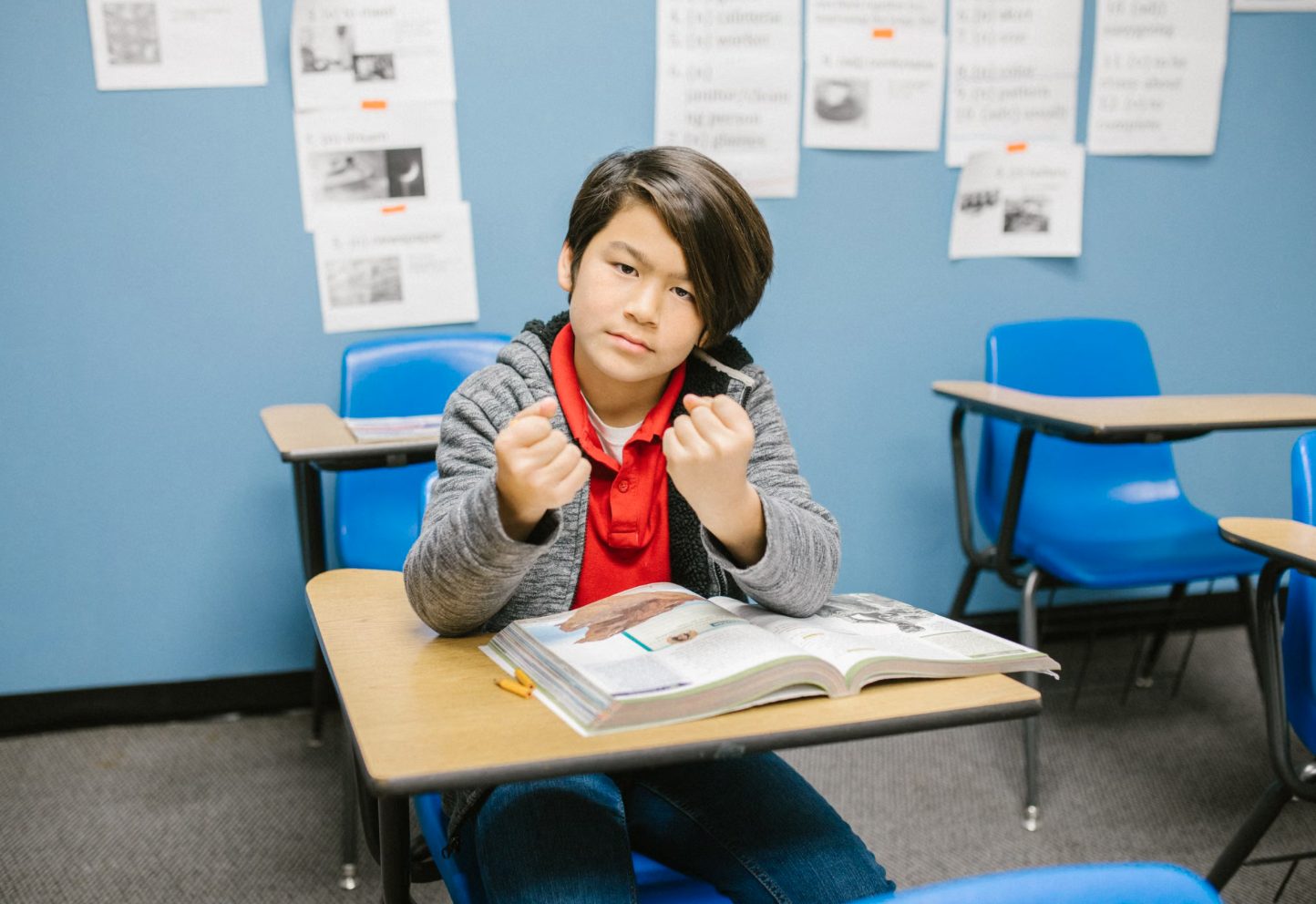
A student’s classroom behavior often tells only part of the story. Early assumptions can shape expectations, making support and understanding more important than labels. (Pexels).

Every school has students who seem to receive more warnings, more hallway conversations, or more skeptical looks than their classmates. Sometimes it happens after repeated behavioral challenges, but other times it begins with a single difficult year or a misunderstanding that quietly follows a child from classroom to classroom. While no school officially labels a student as “unteachable,” many educators and parents acknowledge that informal reputations can shape expectations long before a report card does. Those early impressions matter because research shows that teacher expectations and disciplinary patterns can influence student confidence, classroom participation, and long-term academic success.

How the “Unteachable” Label Can Quietly Take Hold

The unteachable label rarely appears in official records, yet it can develop through informal conversations, cumulative behavior notes, or assumptions shared among staff members. A student who frequently interrupts class, struggles with emotional regulation, or falls behind academically may gradually become viewed through a negative lens instead of a supportive one. Once expectations change, even positive behavior may receive less recognition than similar actions from classmates. Educational researchers have long warned that expectations can influence student performance through what psychologists call the “Pygmalion Effect,” where higher expectations often lead to stronger outcomes. That does not mean teachers intentionally give up on students, but it highlights how powerful first impressions can become.

Behavior Is Often a Signal, Not the Whole Story

Many challenging behaviors have underlying causes that are easy to overlook during a busy school day. Anxiety, learning disabilities, ADHD, trauma, family stress, or sleep problems can all affect how a child behaves in class without being immediately obvious. A student who appears defiant may actually be overwhelmed by work they cannot yet understand or embarrassed about reading aloud. Research on exclusionary discipline continues to show that removing students from learning environments rarely addresses those root causes and may actually worsen academic outcomes. The most effective schools increasingly focus on identifying why behaviors occur before deciding how to respond.

Small Decisions Can Create Lasting Consequences

Being sent out of class occasionally may seem minor, but repeated exclusions can slowly disconnect students from learning and their peers. Recent education research has drawn attention to informal classroom removals that often go undocumented, making them difficult for schools to monitor or address fairly. Students who miss instruction repeatedly can develop larger academic gaps, leading to even more frustration and behavior challenges. This cycle can leave families feeling as though their child has already been judged before receiving meaningful support. Breaking that pattern requires schools to recognize when discipline begins replacing intervention.

What Effective Schools Are Doing Differently

Many schools are moving toward restorative practices, Positive Behavioral Interventions and Supports (PBIS), and stronger social-emotional learning programs. These approaches encourage educators to understand the reason behind behavior while maintaining clear expectations and classroom safety. Teachers still hold students accountable, but they also create opportunities to rebuild trust and teach replacement skills instead of relying solely on punishment. Studies have found that schools implementing evidence-based alternatives often reduce suspensions while improving school climate and student engagement. Success depends on consistent training, adequate staffing, and collaboration between teachers, counselors, and families.

Parents and Teachers Share the Same Goal

Most teachers enter education because they genuinely want students to succeed, and most parents simply want their children to feel safe, respected, and capable of learning. Open communication can prevent misunderstandings before they become lasting reputations. Parents who ask specific questions about classroom challenges, learning needs, and available support services often build stronger partnerships with educators. Likewise, teachers who share strengths alongside concerns help families see a more complete picture of their child. When everyone works from the assumption that growth is possible, students benefit the most.

The Bigger Lesson We Should Remember

No child should be defined by their hardest semester, toughest behavior, or worst day at school. The unteachable label becomes dangerous when it limits opportunities instead of encouraging solutions. Every student deserves adults who remain curious enough to ask what is driving the behavior rather than assuming they already know the answer. Building supportive classrooms does not mean lowering expectations—it means providing the right tools for students to meet them. If we want schools to help every child succeed, we must ensure that labels never become louder than potential.

Have you seen a student overcome unfair expectations, or do you believe schools need better ways to support struggling children? Share your thoughts in the comments and join the conversation.

What to Read Next

Illinois Parents Say School Behavior Policies Are Disproportionately Impacting Autistic Kids

SUN Bucks 2026: How Families of Special Needs Students Can Claim Summer EBT Grocery Benefits

New York Parents Warn About Rising Transportation Issues for Special Needs Students

Evan Morgan

Evan Morgan has been a full-time freelance writer and editor for 10+ years. When not working, he enjoys catching the latest true crime documentary or getting lost in a good book.
Filed Under: Education Tagged With: child development, classroom behavior, education, education policy, Learning, Parenting, school discipline, Schools, students, teachers, unteachable label

8 Silent Symptoms of “Walking Pneumonia” Spiking in Virginia Schools This Week

January 28, 2026 | Leave a Comment

These Are 7 Silent Symptoms of
Image Source: Shutterstock.com

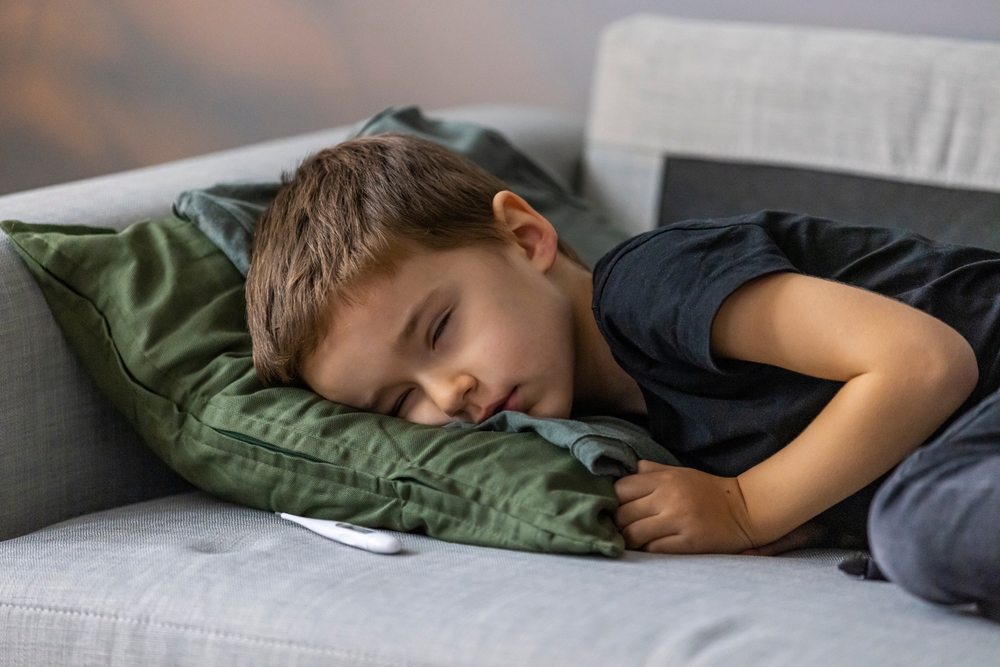
If your kid comes home from school with what seems like a stubborn cold that just won’t quit, it might be more than sniffles — especially this week in Virginia, where walking pneumonia cases may be rising in classrooms. Parents and teachers alike are seeing a mix of lingering coughs and fatigue that feels familiar yet not quite ordinary, and understanding the subtle signs can make all the difference in catching it early.

The tricky thing about walking pneumonia is that kids often look well enough to go about their day — they’re literally “walking” around — while their lungs are quietly inflamed. Being alert to symptoms that stray from a typical cold can help you act fast and get your child the right care before things get worse. Here are eight symptoms that creep up that you should take note of.

1. Persistent Cough That Outstays Its Welcome

One of the first silent signs of walking pneumonia is a cough that sticks around long after a typical cold should have faded, especially when it’s dry and nagging. Unlike a fleeting cough that clears up in a few days, this one can linger for weeks and wear your child down slowly as school days go by. A persistent cough is often the earliest clue that their lungs are irritated beyond ordinary seasonal sniffles, and doctors say this is one of the most common reasons families finally seek care.

Keeping track of how long the cough lasts — especially if it’s worsening or interrupting sleep — helps pediatricians decide if further evaluation is needed. If your child’s cough has lasted more than a week without clear improvement, it’s worthwhile to check in with their healthcare provider.

2. Low-Grade Fever That Comes And Goes

A low-grade fever can be sneaky — mild enough that your child still seems functional but persistent enough to signal infection. In walking pneumonia, fevers often stay below 101°F yet continue for days, blending into the background of everyday sickness.

Fevers often accompany many respiratory bugs. But what makes this one worth noting is its longevity, paired with other symptoms like cough and fatigue.

3. Fatigue That Feels Out Of Proportion

When your child uses up their energy just getting through school and homework, that tired feeling might be more than ordinary exhaustion. Kids with walking pneumonia often appear unusually tired, dragging through activities they usually enjoy without much overt sickness. Fatigue in this context usually persists with other symptoms like cough or sore throat, painting a picture of an immune system working overtime.

These Are 7 Silent Symptoms of
Image Source: Shutterstock.com

4. Headache And Sore Throat That Lingers

While headaches and sore throats often accompany common colds, in the case of walking pneumonia they tend to stick around alongside other respiratory symptoms.

These aches can feel minor but show that the infection is affecting more than just one part of the body. If your child complains repeatedly of discomfort that doesn’t resolve in a day or two, it might be tied to the underlying lung irritation.

5. Sneezing Or Runny Nose That Lingers Too Long

Sneezing and a runny nose can easily be dismissed as seasonal allergies or colds, especially in active kids. But with walking pneumonia, these symptoms may stick around well past the usual duration. Because this illness can mimic cold-like symptoms, it often hides in plain sight until the cough or fatigue becomes unmistakable.

If your child’s cold symptoms don’t begin to improve after a week, or if they’re accompanied by the other signs listed here, it’s important to consider a different diagnosis. Documenting symptom patterns makes conversations with healthcare professionals more productive.

6. Chest Discomfort Or Mild Pain

It might sound dramatic, but mild chest discomfort — especially when coughing — can be a real clue that the infection is deeper than it appears on the surface.

Children with walking pneumonia may complain about their chest hurting, or they might simply protect the area unconsciously by breathing shallowly. This discomfort isn’t always intense, and because it can come and go, parents can easily overlook it.

7. Loss Of Appetite Or Stomach Complaints

Gastrointestinal symptoms like loss of appetite, vomiting, or stomachache can show up with walking pneumonia, especially in younger children. These signs may feel unrelated at first. However, when paired with respiratory symptoms, they help complete the “picture” of an atypical pneumonia infection. Especially noticeable if your child normally eats well or complains more frequently at mealtimes, this symptom deserves a second look.

Keeping an eye on eating patterns alongside cough and fatigue helps parents make informed decisions about next steps. Any troubling changes in appetite should prompt a healthcare check.

8. Symptoms That Don’t Respond To Typical Cold Care

If your usual at-home cold remedies — rest, liquids, time — aren’t making a noticeable difference after several days, it could be a sign that something else is going on. Walking pneumonia often won’t respond to typical over-the-counter treatments in the same way a cold does because the underlying infection is deeper in the lungs.

If symptoms persist, intensify, or spread to include multiple areas like the neck, chest, or stomach, it’s time to reach out to a clinician for further evaluation rather than waiting it out indefinitely. Early medical guidance can make recovery smoother and help prevent the spread to others.

What Parents Should Do Now

Recognizing walking pneumonia early — especially when cases surge in schools — means families can act before symptoms become severe. Keep track of your child’s symptoms day by day. Also, don’t hesitate to call a pediatrician if more than a few signs show up together or persist. Encourage good hygiene, like frequent handwashing and respiratory etiquette, to slow the spread. And always make sure your child gets plenty of rest and fluids while recovering.

What signs have you noticed in your child this school season that made you wonder if it was more than just a common cold?

You May Also Like…

7 Summer Habits That Can Lead to Sickness Fast

9 Warning Signs That Your Child’s Daycare Is Cutting Corners

8 Parenting Rules That Were Invented by Social Media—Not Experts

Parenting Hacks for College Students: 8 Tips to Juggle Studies and Kids

6 Co-Parenting Habits That Breed Quiet Resentment Over Time

Brandon Marcus
Brandon Marcus
Brandon Marcus is a writer who has been sharing the written word since a very young age. His interests include sports, history, pop culture, and so much more. When he isn’t writing, he spends his time jogging, drinking coffee, or attempting to read a long book he may never complete.

Filed Under: Education Tagged With: atypical pneumonia, child health, health, health and wellness, healthcare, kids respiratory infection, pneumonia symptoms, school illness, student behavior, student concerns, student safety, students, Virginia health, walking pneumonia

The “Smart Locker” Trap: Why Schools Are Quietly Auditing Your Child’s Private Devices

January 21, 2026 | Leave a Comment

The
Image Source: Shutterstock.com

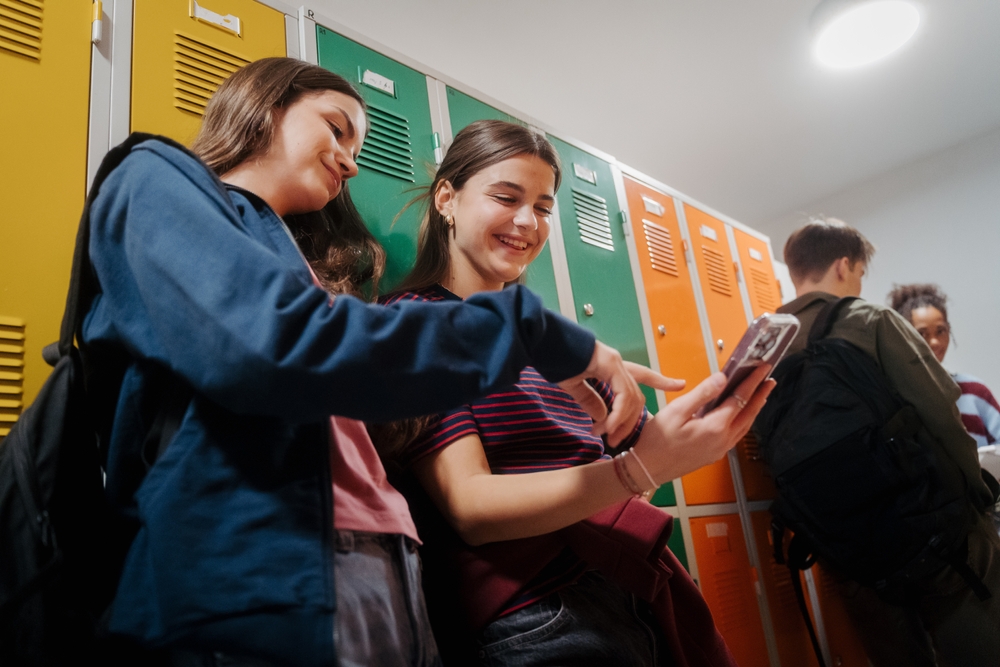
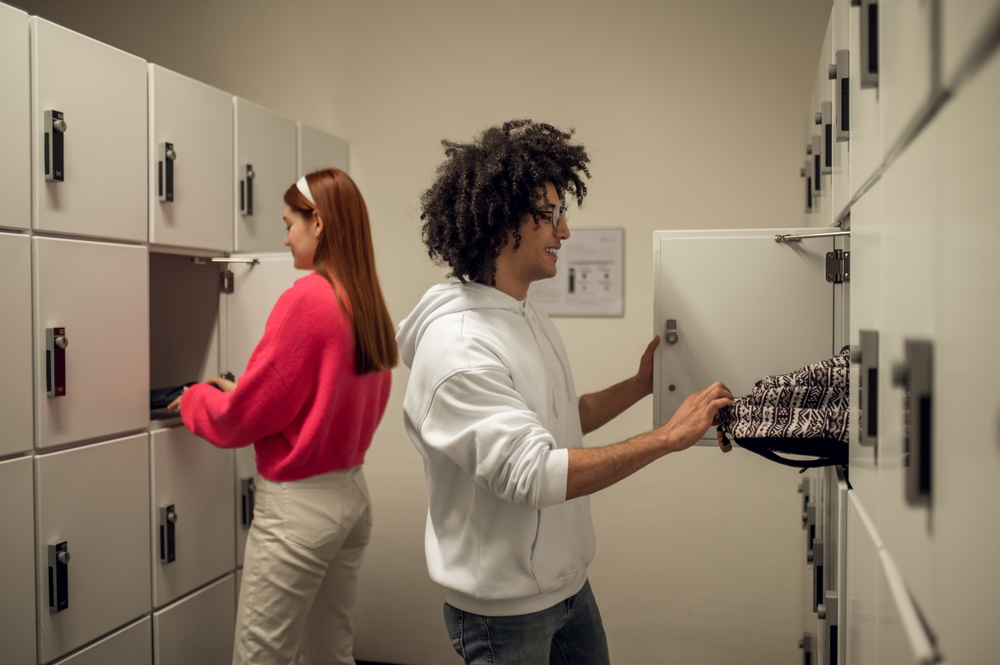
From Fayetteville, Georgia, to major districts across Florida, the traditional metal locker is being phased out. In its place are “Intelligent Storage Solutions”—high-tech bays featuring biometric scanners, RFID access, and integrated charging ports. Administrators sell these to parents as a way to prevent theft and “phone-free” distractions. However, they are quietly becoming a new frontier for student surveillance.

The “Consent” Loophole

The real danger isn’t the locker door; it’s the charging cable. In 2026, many districts (including those in the Fayette County area) have ended “Bring Your Own Device” (BYOD) policies in favor of district-managed Chromebooks and tablets. When a student plugs their device into a “Smart Locker” charging port, they are often inadvertently agreeing to the school’s Acceptable Use Policy (AUP). This policy gives the school the legal right to monitor any data passing through their network or hardware—including the locker’s internal data-syncing hub.

AI-Driven “Vape and Vibe” Detection

It’s not just about data. The latest generation of sensors—like the HALO Smart Sensor 3C now common in Florida schools—are being integrated into locker banks. These devices are equipped with:

  • Chemical Signatures: They don’t just “smell” smoke; they use AI to detect the specific chemical footprint of THC and nicotine vapes.
  • Aggression Analytics: Using “keyword” sensors, these lockers can flag “stress-inducing” language or loud shouting in what students think are private hallways, triggering a silent alert to the principal’s office.

Why Your “Expectation of Privacy” Just Vanished

For decades, the Supreme Court ruling in New Jersey v. T.L.O. protected students from “unreasonable” searches. However, the court also ruled that schools only need “reasonable suspicion” to search a student’s belongings.

In 2026, schools are arguing that an AI “flag”—whether from a chemical sensor or a digital keyword detected during a locker-charge audit—constitutes that suspicion. This effectively replaces a human teacher’s judgment with an algorithm’s “hit.” This allows the school to open the locker and search personal bags without a parent ever being called.

The
Image Source: Shutterstock.com

The Hidden Cost of “Safety”

We are told these measures are for safety, yet they represent a massive shift in the parent-school relationship. If a “Smart Locker” can audit a child’s digital journal or detect a private conversation, the locker is no longer a storage space. Instead, it’s an informant.

Would you let your child use these high-tech bays? Or is it time for parents to demand a return to old-school padlocks? Share your thoughts below.

You May Also Like…

Cops Confirm: The New “Smart” School Lockers That Are Secretly Scanning Your Child’s Belongings

Why Are Some Schools Replacing Lunch With Vending Machines?

7 Ways Schools Fail to Hold Bullies Accountable

Parenting Hacks for College Students: 8 Tips to Juggle Studies and Kids

8 Budget Cuts in Education That Directly Impact Your Kids

Brandon Marcus
Brandon Marcus
Brandon Marcus is a writer who has been sharing the written word since a very young age. His interests include sports, history, pop culture, and so much more. When he isn’t writing, he spends his time jogging, drinking coffee, or attempting to read a long book he may never complete.

Filed Under: Education Tagged With: Back to School, education, educational issues, modern schools, school, smart locker, student, students, teachers

  • Facebook
  • Pinterest
  • RSS
  • Twitter

Basic Principles Of Good Parenting

Here some basic principles for good parenting:

  1. What You Do Matters: Your kids are watching you. So, be purposeful about what you want to accomplish.
  2. You Can’t be Too Loving: Don’t replace love with material possessions, lowered expectations or leniency.
  3. Be Involved Your Kids Life: Arrange your priorities to focus on what your kid’s needs. Be there mentally and physically.
  4. Adapt Your Parenting: Children grow quickly, so keep pace with your child’s development.
  5. Establish and Set Rules: The rules you set for children will establish the rules they set for themselves later.  Avoid harsh discipline and be consistent.
  6. Explain Your Decisions: What is obvious to you may not be evident to your child. They don’t have the experience you do.
  7. Be Respectful To Your Child: How you treat your child is how they will treat others.  Be polite, respectful and make an effort to pay attention.
Best Parenting Blogs

Most Popular

11 Ways Kids Are Outsmarting Parental Controls 1. Using Alternate Devices One common trick is simply turning to another device. If a child’s main phone or tablet is restricted, they may borrow a sibling’s, friend’s, or even a school laptop. This instantly gives them access to content outside of parental oversight. Parents often focus on one device, forgetting that others in the household can serve as loopholes. Knowing this tactic helps families tighten controls across all electronics. 2. Clearing Browsing Histories Many kids quickly learn that clearing browsing history hides evidence of restricted activity. With just a few clicks, they can erase any trace of websites visited. This makes it harder for parents to notice when rules are being broken. Parents may assume no history means no browsing, but the reality is often the opposite. Kids are outsmarting parental controls by making it seem like nothing happened at all. 3. Using Private Browsing Modes Most browsers offer “incognito” or private browsing features. Kids use this mode to access websites without leaving a record in the history. To parents checking later, everything looks clean and safe. This simple trick is often one of the first ways kids discover how to bypass restrictions. Conversations about private browsing can help close this gap. 4. Guessing or Resetting Passwords Children who are persistent may try to guess passwords to parental control apps or accounts. Others may find ways to reset them through email prompts or security questions. Once inside, they can disable restrictions entirely. Parents may not even realize controls have been altered until much later. Stronger, less predictable passwords can make this more difficult. 5. Using VPNs to Hide Activity Virtual private networks, or VPNs, let kids disguise their online locations. With one downloaded app, they can bypass geographic or parental restrictions. Some children learn about VPNs through friends or even social media. This makes it easy for them to reach content that should be blocked. Parents often underestimate just how simple it is for kids to use these tools. 6. Creating Fake Accounts When parents monitor social media, kids may create hidden accounts. These “finstas” or fake profiles allow them to interact freely without parental oversight. While their main account appears harmless, the secondary one tells a different story. Kids are outsmarting parental controls by playing both sides at once. Checking for duplicate accounts can help parents stay more aware. 7. Exploiting Time Zone Settings Some kids change the time zone on their devices to bypass screen time limits. This trick allows them to gain extra hours of usage undetected. Parents may assume controls are working, but in reality, the child is bending the clock. It’s a clever loophole that highlights just how resourceful kids can be. Monitoring device settings regularly can catch this tactic. 8. Disabling or Uninstalling Apps Parental control apps can be deleted or disabled with surprising ease. Some kids even reinstall them before a parent checks, making it seem like nothing changed. Others may simply restrict permissions to prevent apps from functioning properly. When apps aren’t monitored closely, parents may not notice they’ve been tampered with. This shows the importance of consistent follow-up. 9. Turning to Friends for Access If a child can’t get past restrictions on their own, they may rely on friends. Visiting a friend’s house or borrowing their phone can give them a free pass. Parents often forget that peer environments can override restrictions set at home. This kind of social workaround is especially common with gaming or social media. Open conversations about trust and responsibility are essential. 10. Hiding Apps in Plain Sight Kids sometimes download apps that look innocent but serve as gateways to hidden activity. These apps may disguise themselves as calculators or utilities. In reality, they allow file storage, private messaging, or browser access. Parents glancing at a home screen may overlook them entirely. Learning to recognize these disguised apps can help parents stay informed. 11. Outpacing Parents’ Tech Knowledge Finally, kids often know more about devices than their parents do. Whether through YouTube tutorials, TikTok hacks, or peer groups, they quickly learn advanced workarounds. This knowledge gap means controls can be bypassed before parents even realize the loophole exists. Staying informed and continually learning about new technology is the best defense. Kids are outsmarting parental controls because they adapt faster than most adults. The Real Solution Lies Beyond Restrictions While controls and filters are important, no system is perfect. Kids will always find creative ways around barriers, making communication the strongest safeguard. Setting clear expectations, building trust, and having ongoing conversations about online behavior matter more than apps alone. Parents who combine technology with open dialogue create a safer digital environment. The goal isn’t to win a battle of wits but to build a relationship that keeps kids both safe and honest. Do you think kids are outsmarting parental controls faster than parents can keep up? Share your experiences in the comments below. What to Read Next... 6 Parenting Tech Shortcuts That Can Expose Your Child to Strangers How Much Screen Time Is Too Much—Legally Speaking? Is Your Child’s School Quietly Tracking Their Location Without Your Consent? How Much Screen Time Is Quietly Reshaping Childhood Behavior? Why Some Parents Are Being Investigated Over Homeschooling Records

11 Ways Kids Are Outsmarting Parental Controls

Catherine Reed
Smiling grandfather holding a happy baby indoors.

Why Grandparents Shouldn’t Babysit Their Grandkids Every Week – The Unspoken Issue

Samantha
Girl getting makeup done, referencing psychologist-approved age.

Wearing Makeup: Here Is the Age That Psychologists Agree It’s Okay for Girls to Wear Makeup

Samantha
birthday gifts

7 Birthday Gifts Your Child Should Never Bring to a Party

Latrice Perez

Babysitting Without Cash: 10 Ways to Barter Your Way Out of Childcare Costs

Ashleigh Clyde

All content on Kids Ain’t Cheap is for entertainment purposes only. By reading this blog, you agree that Kids Ain’t Cheap is not responsible for any actions taken after reading this blog. For the full disclaimer, see our privacy policy.

Please note that Kids Ain’t Cheap has financial relationships with some of the merchants mentioned here. Kids Ain’t Cheap is funded by banner advertising, commission sales and search optimization consulting.

Copyright © 2006–2026 | District Media | All Rights Reserved | Privacy Policy

Copyright © 2026 Runway Pro Theme by Viva la Violette