
• Home
  • About Us
  • Toolkit
  • Archives
  • Advertise
  • Privacy Policy

Kids Ain't Cheap

But They Sure Are Worth It

  • Parenting
    • Baby Stuff
    • Books and Reading
      • Aesops Fables
      • Comic Books
    • Education
    • Family Time
    • Green Living
    • Growing Up
    • Healthy Living & Eating
    • Holidays
    • Parenting
    • Random Musings
    • Shopping
    • Stuff to Do
  • Money
  • Product Reviews
    • Books and Magazines
    • Discount Sites
    • Furniture
    • House Keeping
    • Reviews News
    • Toys and Games
  • Contact Us
  • Our Editorial Commitment
  • Search

The “Toxic” Household List: 5 Everyday Items Pediatricians Are Flagging for Toddler Safety

April 6, 2026 | Leave a Comment

Cleaning Supplies
Image Source: Pexels

Toddlers are naturally curious, and that curiosity is exactly what helps them learn—but it can also put them at risk. What many parents don’t realize is that some of the most dangerous items in the home are the ones we use every single day. Pediatricians are increasingly raising concerns about common household products that pose hidden hazards to young children. These items often fly under the radar because they seem harmless to adults. By becoming aware of these risks, parents can make simple changes that significantly improve toddler safety.

1. Laundry Pods: Colorful but Dangerous

Laundry detergent pods may look like candy to toddlers, making them especially tempting and risky. Pediatricians warn that even a small amount of detergent can cause serious harm if ingested or if it comes into contact with eyes. The bright colors and squishy texture only increase their appeal to curious little hands. Many poisoning incidents happen in seconds, often when a caregiver is momentarily distracted. To reduce risk, always store pods in a locked cabinet and consider switching to less concentrated liquid detergents.

2. Button Batteries: Tiny but Powerful Threats

Button batteries are found in many everyday items like remote controls, toys, and even greeting cards. Despite their small size, they can cause severe internal burns if swallowed, sometimes within just two hours. Pediatricians emphasize that these batteries are one of the most dangerous ingestion risks for toddlers. Symptoms can be subtle at first, which makes early detection difficult. Parents should secure battery compartments with tape or screws and keep spare batteries completely out of reach.

3. Essential Oils: Natural Doesn’t Mean Safe

Essential oils are often marketed as natural wellness solutions, but they can be harmful to toddlers if misused. Many oils are toxic when ingested or applied directly to a child’s skin without proper dilution. Even inhalation from diffusers can cause respiratory irritation in sensitive children. Pediatricians caution that oils like eucalyptus, tea tree, and peppermint can be particularly problematic. Always store oils safely, use them sparingly, and consult a healthcare professional before introducing them into your child’s environment.

4. Cleaning Supplies: Everyday Hazards in Plain Sight

Household cleaners are among the most common sources of accidental poisoning in young children. Products like bleach, disinfectant sprays, and toilet cleaners often contain harsh chemicals that can burn skin or damage internal organs. Many of these items are stored under sinks or in easily accessible cabinets. Pediatricians stress the importance of using childproof locks and never leaving cleaning products unattended during use. Switching to non-toxic or plant-based cleaners can also reduce the risk while maintaining a clean home.

5. Cords and Window Blind Strings: Silent Safety Risks

Cords from blinds, curtains, and electronics may not seem dangerous at first glance, but they pose a serious strangulation hazard. Toddlers can easily become entangled while playing or exploring their surroundings. Pediatricians frequently highlight these risks because incidents can happen quickly and silently. Looping cords or those hanging within reach are especially dangerous. To improve safety, install cordless window coverings and keep all cords securely tied up and out of reach.

Small Changes, Big Impact

Creating a safe environment for toddlers doesn’t require a complete home overhaul, but it does demand awareness and proactive choices. Many of the items pediatricians warn about are already in your home, which makes education the first line of defense. By identifying potential hazards and making simple adjustments, parents can prevent accidents before they happen. It’s about balancing a child’s natural curiosity with thoughtful safety measures. Even small changes can make a big difference in keeping your little one protected.

What’s one everyday item in your home that surprised you as a potential hazard? Have you made any simple changes that improved your child’s safety? Share your thoughts, tips, and experiences in the comments below—your insight could help another parent create a safer home.

What to Read Next

6 Ways to Entertain a Toddler for Free Without a Tablet

Stop Posting Your Kids Online: The 2026 Safety Warning Every Parent Needs to Hear

Are Parents Talking Enough About Emotional Safety at Home?

Evan Morgan

Evan Morgan has been a full-time freelance writer and editor for 10+ years. When not working, he enjoys catching the latest true crime documentary or getting lost in a good book.
Filed Under: Parenting Tagged With: baby safety, childproofing home, home safety hazards, household dangers, parenting tips, toddler health, toddler safety

Fire Danger: 5 Home Areas That Are Fire Magnets for Kids

July 8, 2025 | Leave a Comment

Fire Danger 5 Home Areas That Are Fire Magnets for Kids
123rf.com

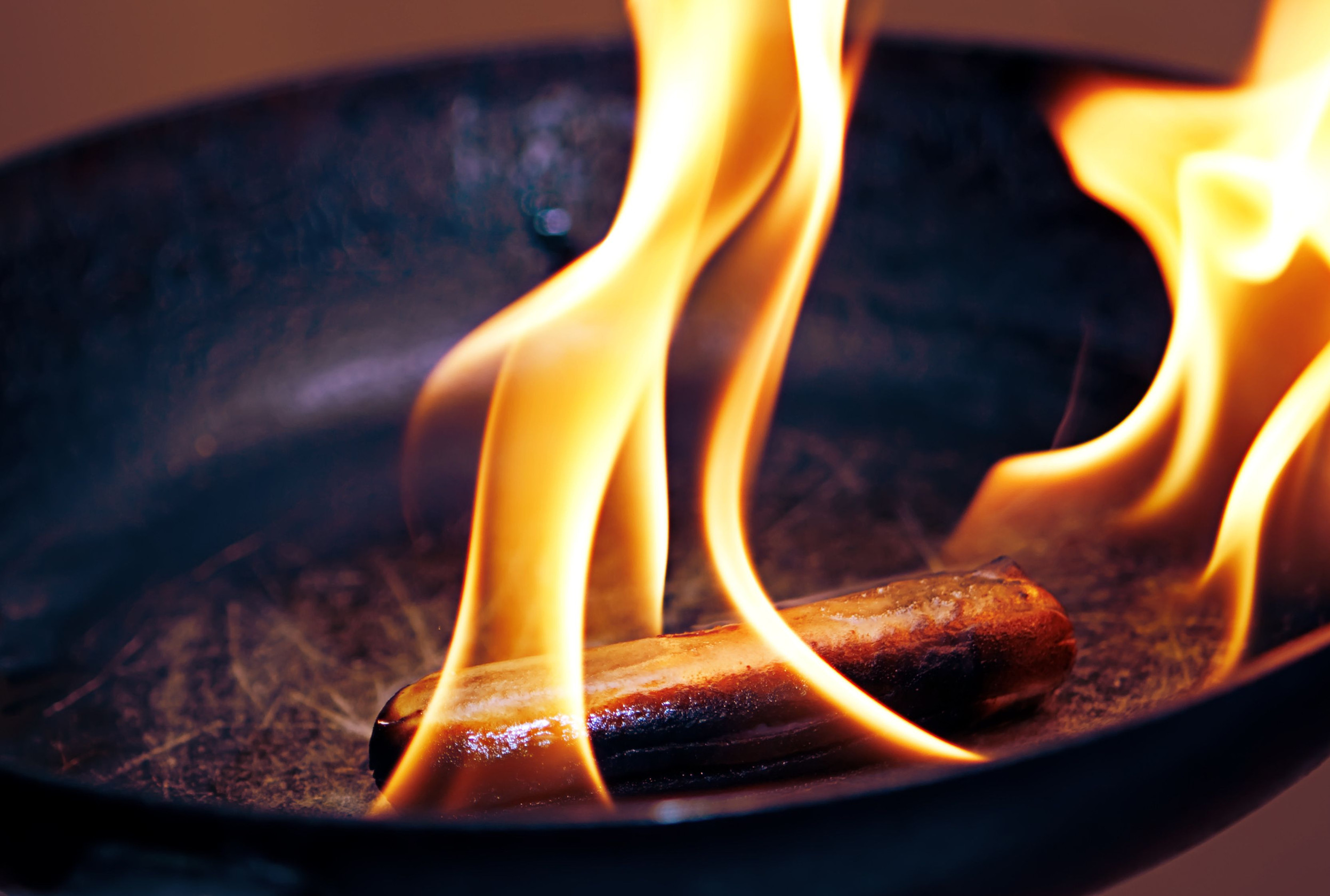
Kids are naturally curious, which is great for learning—but not so great when it comes to fire safety. In fact, some of the most common areas in your home double as fire magnets for kids, creating major hazards when left unchecked. Whether it’s a kitchen drawer packed with lighters or a bedroom crowded with charging devices, your child’s surroundings might be riskier than you think. Fire accidents can happen fast, especially in spots that seem harmless at first glance. Here are five areas in your home that deserve a second look if you want to reduce fire risks for little ones.

1. Kitchen Counters and Stovetops

The kitchen is the heart of the home, but it’s also one of the biggest fire magnets for kids. Stovetops, ovens, and even toasters are hot zones for accidental burns and fires. Kids might reach for a dangling cord, climb on counters, or knock over something flammable like a dish towel. Grease, forgotten pans, or an unattended burner can escalate from a minor slip-up to a major emergency in seconds. Always keep hot surfaces and appliances off-limits, and turn pot handles inward so they can’t be grabbed.

2. Bedrooms Packed with Electronics

Between tablets, nightlights, gaming consoles, and chargers, kids’ bedrooms are often loaded with electronic devices. When outlets are overloaded or cheap chargers are used, these spaces become fire magnets for kids. Add in blankets, curtains, and stuffed animals near a heat source, and you’ve got a recipe for danger. Encourage unplugging devices at night and never let electronics charge under a pillow or blanket. Invest in surge protectors and remind kids not to yank cords or stack plugs.

3. Laundry Room Lint Traps and Heaters

You might not think of the laundry room as a risky space, but dryer lint is one of the most flammable things in your home. If the lint trap isn’t cleaned regularly, heat from the dryer can ignite it. Kids may also be tempted to toss clothing or toys behind the dryer where they can block vents or sit too close to the heater. Some homes have hot water heaters in the same space, creating even more heat exposure. Keep this area clean, off-limits to children, and free from clutter or hanging items.

4. Living Room Candles and Fireplaces

The cozy glow of a candle or fireplace may feel relaxing to adults, but for kids, it’s pure temptation. Candles on low tables or mantelpieces are fire magnets for kids, who may try to touch the flame or knock them over. Fireplaces can also send sparks onto rugs or pajamas if they don’t have a proper screen. Make sure all open flames are out of reach and never left unattended. Battery-powered candles or electric fireplaces offer safer alternatives for homes with young children.

5. Garage or Utility Shelves

Garages are often packed with flammable items like gasoline, paint, lighter fluid, and power tools. These are major fire magnets for kids, especially when stored low or in open containers. One curious moment with a match or battery-powered tool can lead to disaster. Lock up hazardous materials and teach kids that the garage isn’t a play area. You should also keep a fire extinguisher nearby in case something does spark or catch.

Make Fire Safety a Family Habit

The best defense against fire magnets for kids is education and prevention. Walk through your home with fresh eyes and look at each area from a child’s perspective. What might look harmless to you could be an irresistible hazard to them. Make sure your smoke detectors are working, teach kids what to do in case of a fire, and establish a no-play zone around heat sources. Fire safety isn’t a one-time conversation—it’s a habit that protects everyone in the family.

Have you childproofed your home for fire safety? Which area surprised you the most? Share your fire safety tips or stories in the comments!

Read More:

The Silent Danger Lurking in Your Child’s Daily Routine

6 Seemingly Safe Places That Could Actually Be Dangerous for Kids

Catherine Reed
Catherine Reed

Catherine is a tech-savvy writer who has focused on the personal finance space for more than eight years. She has a Bachelor’s in Information Technology and enjoys showcasing how tech can simplify everyday personal finance tasks like budgeting, spending tracking, and planning for the future. Additionally, she’s explored the ins and outs of the world of side hustles and loves to share what she’s learned along the way. When she’s not working, you can find her relaxing at home in the Pacific Northwest with her two cats or enjoying a cup of coffee at her neighborhood cafe.

Filed Under: Parenting Tagged With: child safety, childproofing tips, fire hazards, fire magnets for kids, fire prevention, home fire safety, household dangers, parenting safety tips

  • Facebook
  • Pinterest
  • RSS
  • Twitter

Basic Principles Of Good Parenting

Here some basic principles for good parenting:

  1. What You Do Matters: Your kids are watching you. So, be purposeful about what you want to accomplish.
  2. You Can’t be Too Loving: Don’t replace love with material possessions, lowered expectations or leniency.
  3. Be Involved Your Kids Life: Arrange your priorities to focus on what your kid’s needs. Be there mentally and physically.
  4. Adapt Your Parenting: Children grow quickly, so keep pace with your child’s development.
  5. Establish and Set Rules: The rules you set for children will establish the rules they set for themselves later.  Avoid harsh discipline and be consistent.
  6. Explain Your Decisions: What is obvious to you may not be evident to your child. They don’t have the experience you do.
  7. Be Respectful To Your Child: How you treat your child is how they will treat others.  Be polite, respectful and make an effort to pay attention.
Best Parenting Blogs

Most Popular

Baby

9 Baby Names That Sound Rare Without Being Hard to Spell

Evan Morgan
Baby

9 Unusual Baby Names That Sound Like They Belong to Future CEOs

Evan Morgan
Target Store

Choking Incident Prompts Recall of 49,000 Target Gigglescape “Under the Sea” Popping Toys

Evan Morgan
Frustrated Girl

Why Some Students on the Spectrum Are Labeled With ODD

Evan Morgan
Coke Bottles

12 Things Kids Took to School in the ’70s That Would Never Be Allowed Today

Evan Morgan

All content on Kids Ain’t Cheap is for entertainment purposes only. By reading this blog, you agree that Kids Ain’t Cheap is not responsible for any actions taken after reading this blog. For the full disclaimer, see our privacy policy.

Please note that Kids Ain’t Cheap has financial relationships with some of the merchants mentioned here. Kids Ain’t Cheap is funded by banner advertising, commission sales and search optimization consulting.

Copyright © 2006–2026 | District Media | All Rights Reserved | Privacy Policy

Copyright © 2026 Runway Pro Theme by Viva la Violette