As much as we want to shield our children from harm, we can’t always be there to protect them. One of the greatest tools we can give them is the ability to recognize danger and take action when something doesn’t feel right. It’s not about making them fearful—it’s about making them aware, prepared, and confident.
Stranger danger is only one piece of the puzzle. Children may face threatening situations from people they know, unsafe environments, or digital threats that aren’t always obvious. The good news? You can teach kids how to identify danger and respond without overwhelming them or creating anxiety.
Start with Age-Appropriate Conversations
Children don’t need to be exposed to every worst-case scenario. Instead, use real-world examples they can relate to. Frame safety as something empowering, not scary. For younger kids, use simple language: “If someone makes you feel uncomfortable or asks you to keep a secret from Mom or Dad, that’s not okay.”
With older kids, you can begin to talk more openly about peer pressure, online grooming, and manipulative behavior. The key is to create an ongoing dialogue. Safety isn’t a one-time talk. It’s a habit of communication.
Teach the “Uh-Oh Feeling”
One of the most effective tools for kids of all ages is helping them recognize their intuition. Teach them to trust their gut—the “uh-oh feeling.” That uncomfortable sense when something doesn’t feel right is their brain warning them.
Encourage them to say no, leave the situation, or get help when they feel this way, even if they’re not sure why. Remind them that they never have to stay in a situation that feels weird, scary, or confusing, even if the person is someone they know.
Introduce the “No, Go, Yell, Tell” Method
This four-step safety strategy gives kids a simple, memorable plan for reacting to danger:
No – Say “No!” loudly and firmly.
Go – Run away from the situation quickly.
Yell – Scream for help to draw attention.
Tell – Find a safe adult and explain what happened.
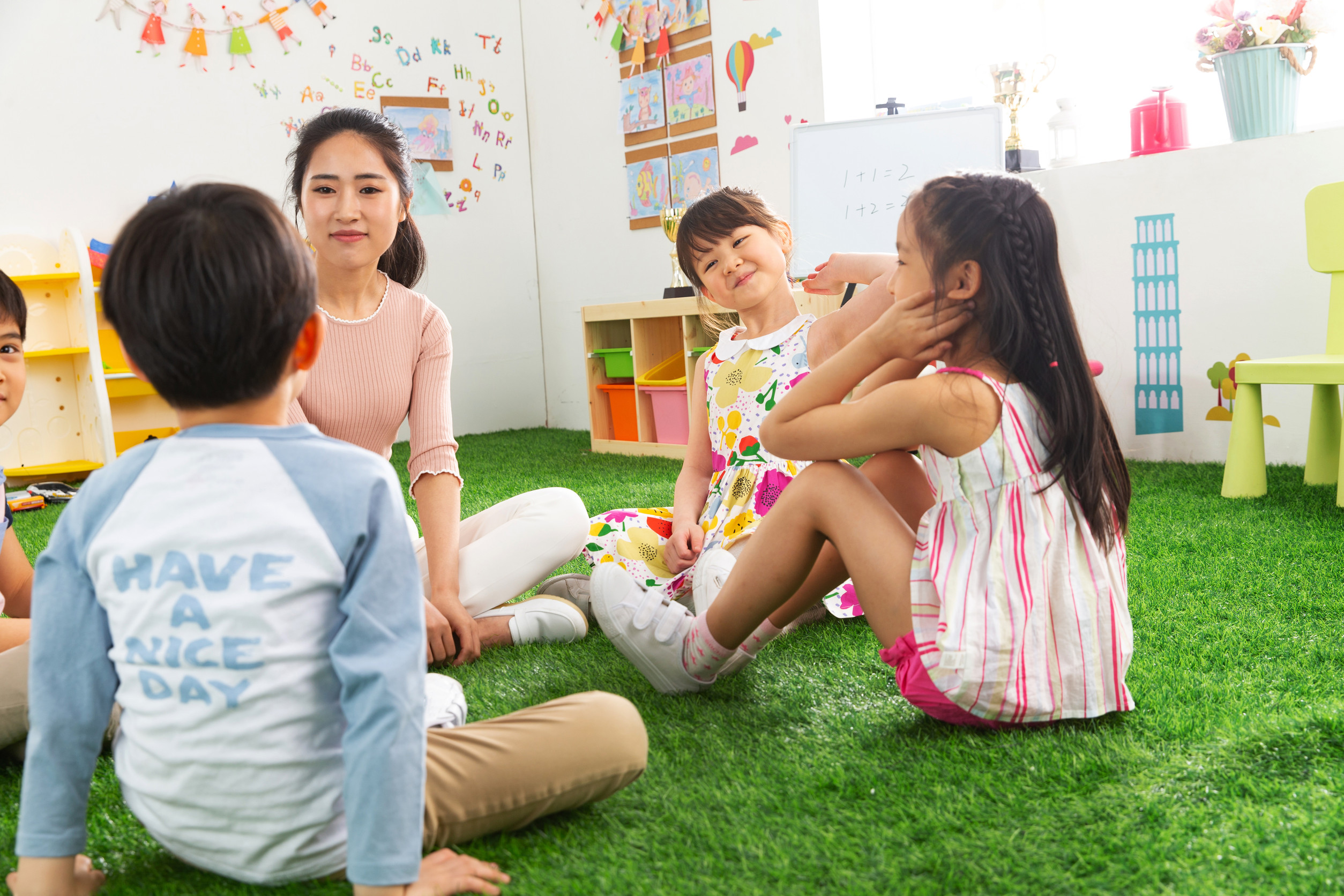
Practice these steps through role-playing. Pretend scenarios where someone tries to get them to go somewhere or makes them uncomfortable. Make the practice playful, not scary, so the lessons stick.
Identify Safe Adults and Safe Places
Children need to know who they can trust if something goes wrong. Talk about what a “safe adult” looks like—someone in uniform, a teacher, a store clerk, or a parent with kids. Help them understand that not all adults are automatically safe, even if they seem nice.
Also, teach them to look for “safe places” in their environment: the front desk of a store, a neighbor’s house you trust, or the school office. Show them how to spot landmarks or safe exits in unfamiliar areas.
Role-Play Tricky Situations
It’s one thing to tell kids what to do. It’s another to help them practice. Use role-play to walk through different scenarios. For example:
- What would you do if a stranger offered you a toy or treat to follow them?
- What if someone you know asks you to keep a secret that makes you uncomfortable?
- What would you do if you got lost in a store?
These scenarios help reinforce instincts and build confidence in their ability to act quickly and smartly.
Don’t Forget Digital Dangers
The internet presents its own set of risks. Teach kids never to share personal information online, accept friend requests from strangers, or send photos to anyone they don’t know in real life. Emphasize that predators often pretend to be someone else and that no one should ask them to keep online conversations a secret from their parents.
For younger kids, keep devices in shared spaces and use parental controls. For tweens and teens, focus on open communication. You want them to come to you when something feels off, not hide it out of fear of punishment.
Reassure Them That Safety Isn’t the Same as Fear
Some kids may become overly anxious when learning about dangers. That’s why it’s so important to remind them that being prepared doesn’t mean they need to worry. The goal is to give them tools—not nightmares.
Balance every lesson with reassurance. You’re not teaching them that the world is bad; you’re showing them they have the power to handle tough moments and get help when needed.
Empowered kids are safer kids. When we teach our children how to spot danger and trust their instincts, we equip them to navigate the world with more confidence and less fear.
How do you talk to your kids about safety without making them anxious? Let us know in the comments below!
Read More: