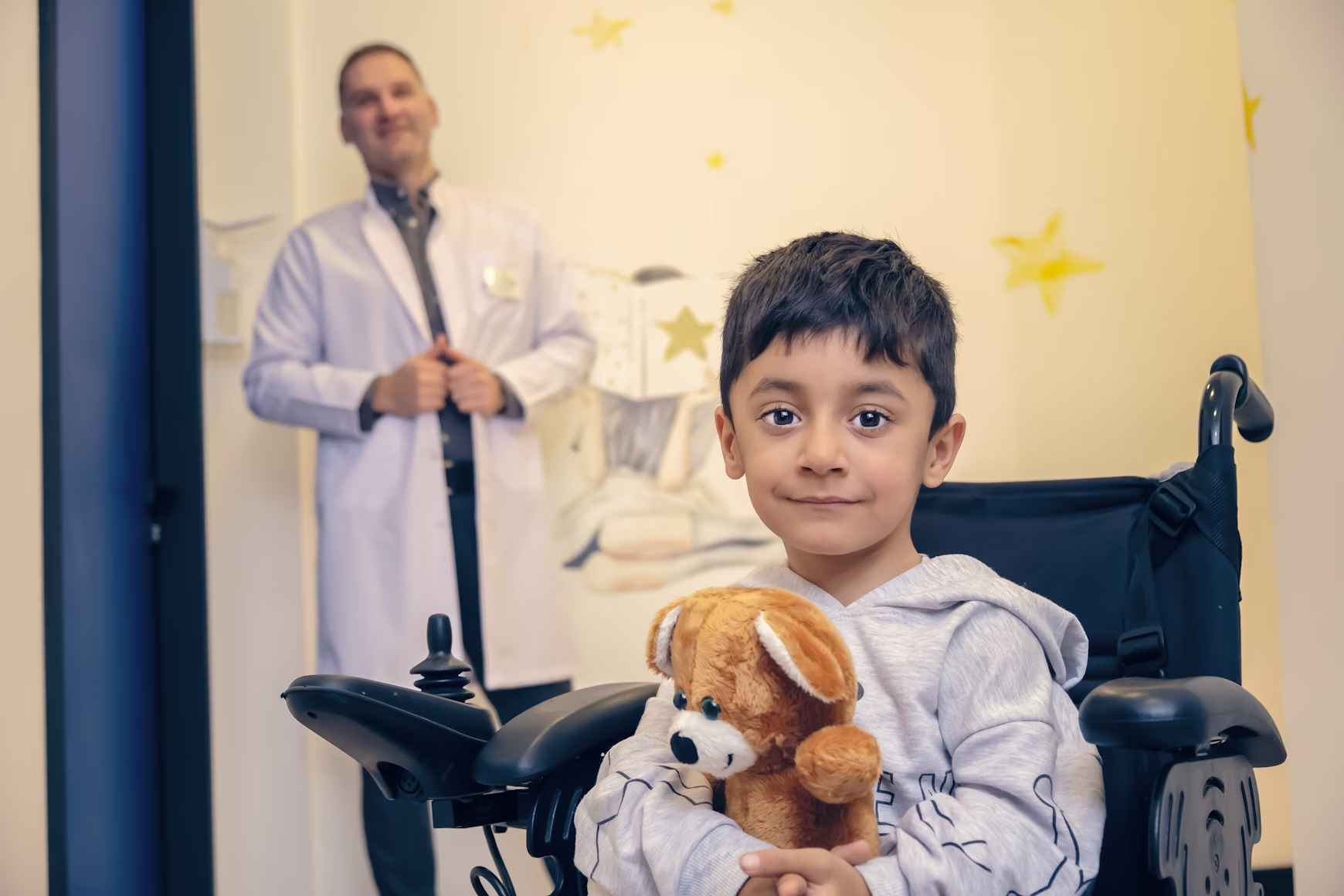
Despite the rising awareness of attention‑deficit/hyperactivity disorder (ADHD), many parents wonder whether we’re labeling normal childhood energy as a disorder just to manage behavior.
ADHD diagnosis rates have surged over the past two decades. For some kids, a diagnosis opens the door to meaningful support; for others, it can mean medication and misunderstanding. Is your child struggling with a disorder, or do they simply need a different kind of attention?
Understanding What ADHD Really Means
An ADHD diagnosis requires much more than forgetfulness or an inability to sit still. According to the National Institute of Mental Health, children must show clear symptoms—such as impulsivity or hyperactivity—before age 12, and those symptoms must disrupt everyday life in multiple settings. A fidgety child isn’t automatically ADHD if they’re calm and focused at home but struggle only in one classroom. ADHD is a clinical condition, not a judgment on personality or parenting.
Diagnosis Is Complex—And It Should Be
When behavior feels outside the norm, it’s natural to want answers. A proper ADHD diagnosis should never hinge on a single checklist. We recommend a comprehensive evaluation that includes input from teachers, parents, and medical professionals while ruling out anxiety, depression, or learning disorders. Each of these conditions can mimic ADHD symptoms, and mistaking one for the other can lead to the wrong treatment.
Not Every Wiggly Kid Has ADHD
Researchers warn that ADHD is sometimes overdiagnosed—especially in children with mild symptoms. A large‑scale NIH review found growing evidence of overdiagnosis and overtreatment, leading to unnecessary medication use. Some kids who simply need more movement, hands‑on learning, or emotional guidance may instead receive a clinical label. The goal is to recognize genuine disorder while avoiding the quick pathologizing of normal development.
A Closer Look at Inequities in Diagnosis
Diagnosis isn’t evenly distributed. A Penn State study found white children—particularly high achievers—are more likely to be overdiagnosed, while children of color may be overlooked even with clear symptoms. Diagnostic rates also vary widely across regions; kids in rural areas are more frequently labeled than those in urban schools. Bias, access, and cultural misunderstandings all influence who receives an ADHD diagnosis.
Why One Label Can Change Everything
Once a child receives an ADHD diagnosis, it can become their defining trait. Labels can guide school support, shape peer perceptions, and affect self‑esteem. For some families, the diagnosis brings relief and resources; for others it feels like a box that doesn’t fit. A label should start a conversation about tailored support, not end it.
What You Can Do as a Parent
- Observe, don’t panic. Track when behaviors appear and what triggers them.
- Gather perspectives. Ask teachers, pediatricians, and caregivers what they notice.
- Question the process. Ensure evaluations include rating scales, interviews, and developmental history.
- Look for underlying needs. Boredom, stress, or grief can mimic ADHD symptoms.
- Advocate. If a plan feels off, seek a second opinion.
Choosing Thoughtful Paths Over Quick Fixes
Peer reactions can sting more than any academic hurdle. Role‑play common scenarios—blurting out in class, impatience during games—and brainstorm calmer responses.
Encourage friendship circles built around shared interests (Robotics Club, dance team) where focus morphs into passion. When mistakes happen, model non‑shaming language: “Looks like your brain was on turbo mode—how can we hit reset together?” Repairing quickly helps children view slip‑ups as data, not defects.
Parents need clear, compassionate guidance—rooted in evidence and empathy. ADHD is real, but so is overdiagnosis. Let’s aim for assessments that fit each unique child, not just the system.
Has your family navigated an ADHD diagnosis? Share your story in the comments.
Read More

Samantha Warren is a holistic marketing strategist with 8+ years of experience partnering with startups, Fortune 500 companies, and everything in between. With an entrepreneurial mindset, she excels at shaping brand narratives through data-driven, creative content. When she’s not working, Samantha loves to travel and draws inspiration from her trips to Thailand, Spain, Costa Rica, and beyond.
