• Home
  • About Us
  • Toolkit
  • Archives
  • Advertise
  • Privacy Policy

Kids Ain't Cheap

But They Sure Are Worth It

  • Parenting
    • Baby Stuff
    • Books and Reading
      • Aesops Fables
      • Comic Books
    • Education
    • Family Time
    • Green Living
    • Growing Up
    • Healthy Living & Eating
    • Holidays
    • Parenting
    • Random Musings
    • Shopping
    • Stuff to Do
  • Money
  • Product Reviews
    • Books and Magazines
    • Discount Sites
    • Furniture
    • House Keeping
    • Reviews News
    • Toys and Games
  • Contact Us
  • Our Editorial Commitment
  • Search

Are We Over‑Diagnosing Kids With ADHD Just to Keep Them in Line?

April 17, 2025 | Leave a Comment

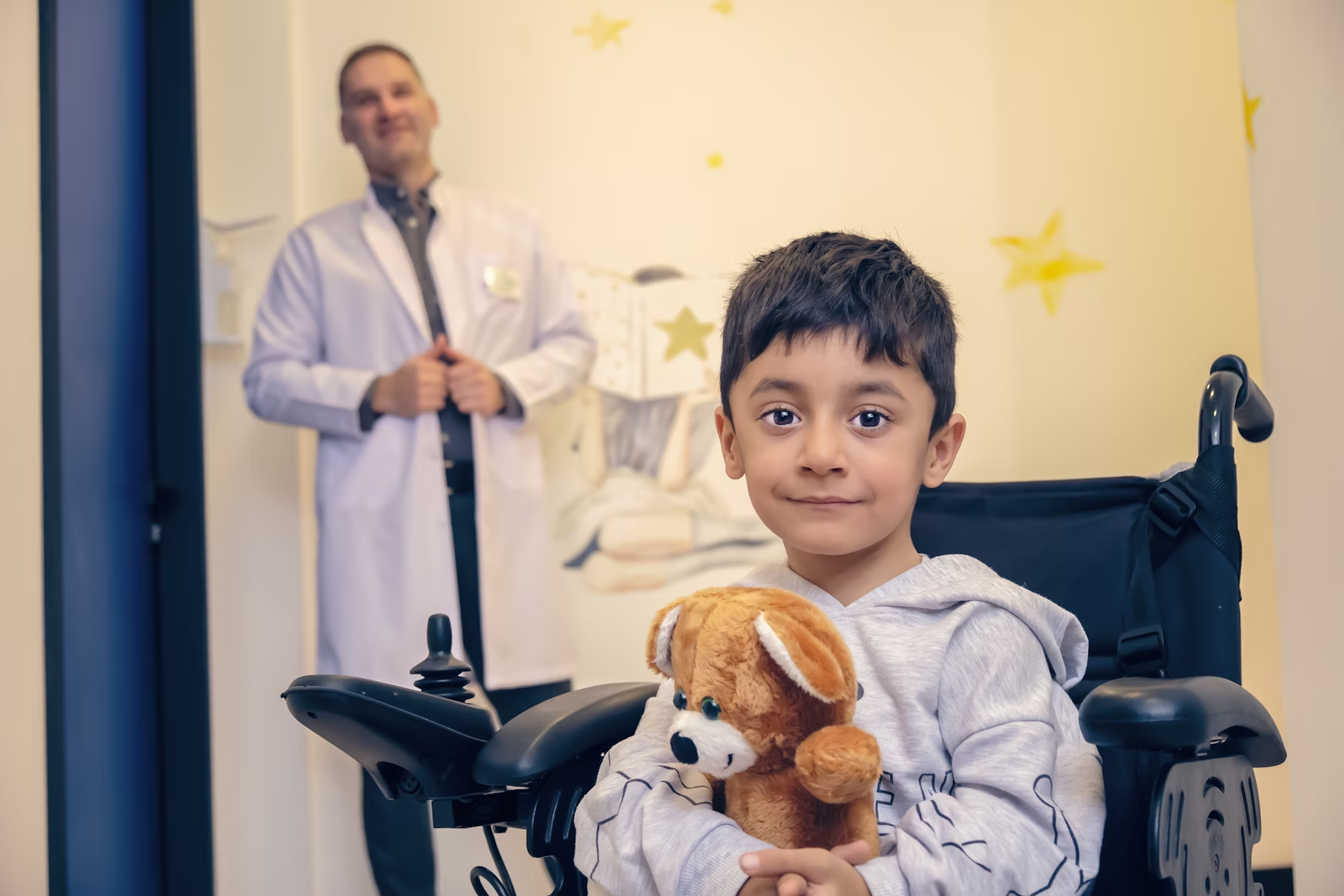
Child in hospital wheelchair, undergoing ADHD assessment
Image Source: Unsplash

Despite the rising awareness of attention‑deficit/hyperactivity disorder (ADHD), many parents wonder whether we’re labeling normal childhood energy as a disorder just to manage behavior.

ADHD diagnosis rates have surged over the past two decades. For some kids, a diagnosis opens the door to meaningful support; for others, it can mean medication and misunderstanding. Is your child struggling with a disorder, or do they simply need a different kind of attention?

Understanding What ADHD Really Means

An ADHD diagnosis requires much more than forgetfulness or an inability to sit still. According to the National Institute of Mental Health, children must show clear symptoms—such as impulsivity or hyperactivity—before age 12, and those symptoms must disrupt everyday life in multiple settings. A fidgety child isn’t automatically ADHD if they’re calm and focused at home but struggle only in one classroom. ADHD is a clinical condition, not a judgment on personality or parenting.

Diagnosis Is Complex—And It Should Be

When behavior feels outside the norm, it’s natural to want answers. A proper ADHD diagnosis should never hinge on a single checklist. We recommend a comprehensive evaluation that includes input from teachers, parents, and medical professionals while ruling out anxiety, depression, or learning disorders. Each of these conditions can mimic ADHD symptoms, and mistaking one for the other can lead to the wrong treatment.

Not Every Wiggly Kid Has ADHD

Researchers warn that ADHD is sometimes overdiagnosed—especially in children with mild symptoms. A large‑scale NIH review found growing evidence of overdiagnosis and overtreatment, leading to unnecessary medication use. Some kids who simply need more movement, hands‑on learning, or emotional guidance may instead receive a clinical label. The goal is to recognize genuine disorder while avoiding the quick pathologizing of normal development.
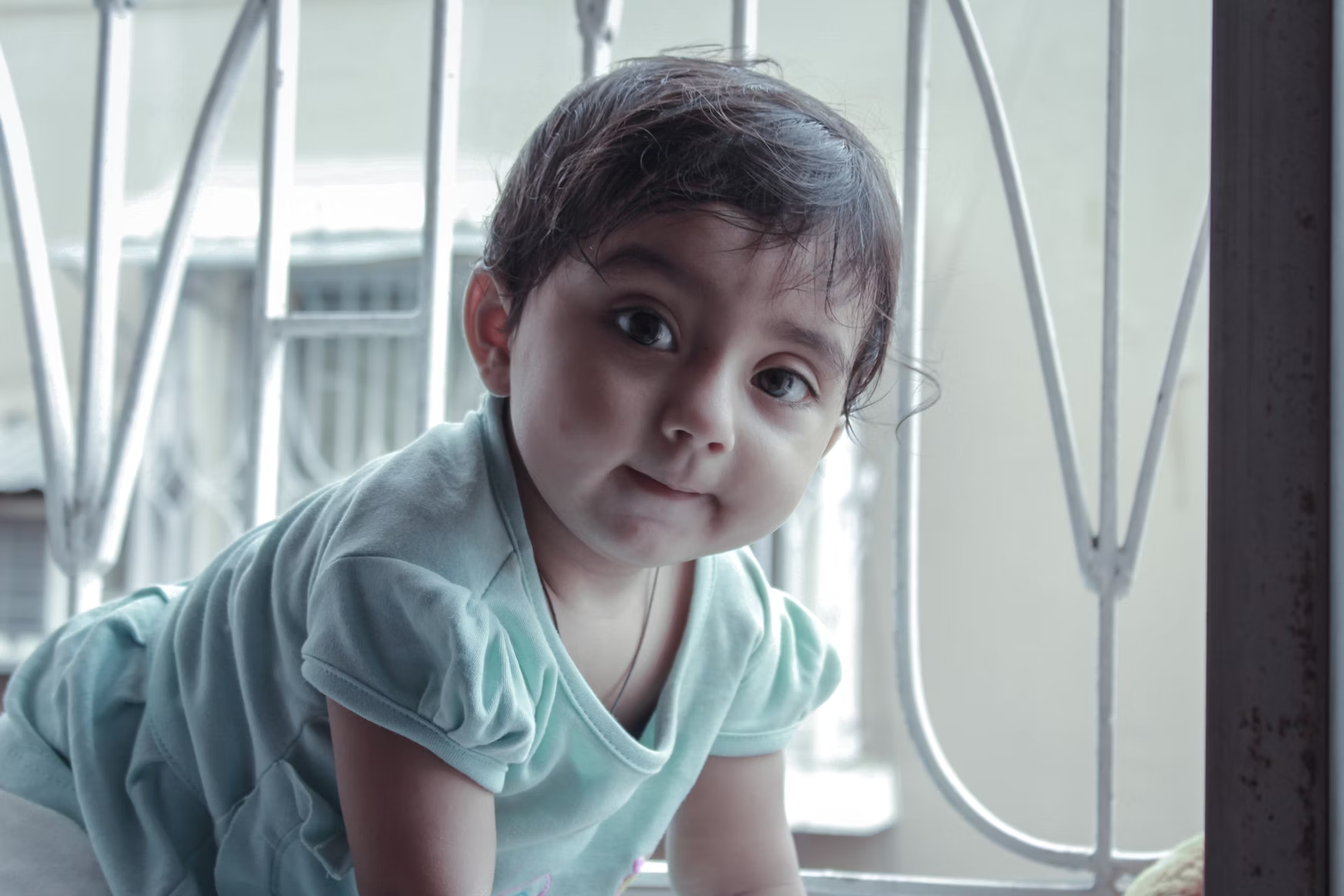
a closer look with a baby
Image Source: Unsplash

A Closer Look at Inequities in Diagnosis

Diagnosis isn’t evenly distributed. A Penn State study found white children—particularly high achievers—are more likely to be overdiagnosed, while children of color may be overlooked even with clear symptoms. Diagnostic rates also vary widely across regions; kids in rural areas are more frequently labeled than those in urban schools. Bias, access, and cultural misunderstandings all influence who receives an ADHD diagnosis.

Why One Label Can Change Everything

Once a child receives an ADHD diagnosis, it can become their defining trait. Labels can guide school support, shape peer perceptions, and affect self‑esteem. For some families, the diagnosis brings relief and resources; for others it feels like a box that doesn’t fit. A label should start a conversation about tailored support, not end it.

What You Can Do as a Parent

  1. Observe, don’t panic. Track when behaviors appear and what triggers them.
  2. Gather perspectives. Ask teachers, pediatricians, and caregivers what they notice.
  3. Question the process. Ensure evaluations include rating scales, interviews, and developmental history.
  4. Look for underlying needs. Boredom, stress, or grief can mimic ADHD symptoms.
  5. Advocate. If a plan feels off, seek a second opinion.

Choosing Thoughtful Paths Over Quick Fixes

Peer reactions can sting more than any academic hurdle. Role‑play common scenarios—blurting out in class, impatience during games—and brainstorm calmer responses.

Encourage friendship circles built around shared interests (Robotics Club, dance team) where focus morphs into passion. When mistakes happen, model non‑shaming language: “Looks like your brain was on turbo mode—how can we hit reset together?” Repairing quickly helps children view slip‑ups as data, not defects.

Parents need clear, compassionate guidance—rooted in evidence and empathy. ADHD is real, but so is overdiagnosis. Let’s aim for assessments that fit each unique child, not just the system.

Has your family navigated an ADHD diagnosis? Share your story in the comments.

Read More

  • When The Kids Are Sick
  • How to Afford Raising a Child with Special Needs

Samantha Warren
Samantha

Samantha Warren is a holistic marketing strategist with 8+ years of experience partnering with startups, Fortune 500 companies, and everything in between. With an entrepreneurial mindset, she excels at shaping brand narratives through data-driven, creative content. When she’s not working, Samantha loves to travel and draws inspiration from her trips to Thailand, Spain, Costa Rica, and beyond.


Filed Under: Parenting Tagged With: ADHD diagnosis, child behavior, children’s mental health, overdiagnosis in kids, parenting advice, parenting support, school discipline

Why Kids Today Are Struggling More Than Ever—And What Parents Can Do

April 8, 2025 | Leave a Comment

child looking sad while sitting down
Image Source: Unsplash

If you’ve ever looked at your child and wondered, “Why does life seem harder for them than it did for me at their age?”—you’re not imagining it. The world our kids are growing up in looks dramatically different from the one we knew—and not always in ways that make life easier.

Escalating mental health struggles, digital overload, and the lingering effects of the pandemic are putting unprecedented pressure on young people. The good news? With awareness and empathy, parents can take meaningful steps to protect and support their children’s mental well-being in this new landscape.

Let’s explore five key reasons kids today are struggling more than ever—along with what you can do to help.

1. Mental Health Issues Are on the Rise

More than 1 in 5 U.S. adolescents—around 5.3 million kids—were diagnosed with a mental or behavioral health condition in 2023, according to data from the Arkansas Center for Health Improvement. Children’s mental health is being shaped by rising rates of anxiety, depression, and conduct issues. Girls are more prone to mood-related challenges, while boys are more likely to struggle with behavioral concerns. It can be tough to process if you’re facing these issues in your own household. But rather than getting stuck on the “why,” focus on next steps. Seek professional input, involve school counselors, or simply make time for open conversations at home—your steady support can make a profound difference.

2. Digital Life Is Rewiring Childhood

Screens and social media are woven into nearly every aspect of modern life. A Pew Research study revealed that two-thirds of U.S. parents feel parenting is harder now than it was 20 years ago, often because of technology and online pressures. Constant comparisons, unfiltered content, and cyberbullying can distort a child’s self-image. Rather than banning devices outright, aim for balanced digital habits: set screen-time boundaries, model healthy online behaviors, and check in regularly about what your child sees and feels in their virtual world.

sad child staring into the distance
Image Source: Unsplash

3. Many Kids Aren’t Getting the Help They Need

As mental health issues climb, access to care remains limited. A concerning 60% of youth with major depression don’t receive formal treatment. Disparities are even more pronounced for children in marginalized or underserved communities. Financial barriers, lack of local providers, and social stigma can keep families from seeking or receiving help. As a parent, any effort you make—whether it’s exploring telehealth services, talking to your child’s pediatrician, or advocating for mental health resources at their school—signals to your child that you’re in their corner.

4. The Pandemic Took a Hidden Emotional Toll

COVID-19 may no longer dominate headlines, but its emotional aftershocks linger. While routines may have stabilized, many kids are still grappling with unfinished grief, anxiety, and social gaps left by periods of isolation. You might see younger kids becoming clingier or teens withdrawing. Validating these feelings and offering consistent emotional check-ins can help them slowly rebuild a sense of normalcy.

5. Parental Involvement Makes a Big Difference

Kids thrive when parents, caregivers, and schools work together, but it’s not always easy. Time constraints, financial stress, and language barriers can all get in the way. Even small acts of involvement—joining a parent-teacher conference, helping with homework, or emailing a guidance counselor—can reassure kids that you’re on their team. It’s not about being perfect. Simply being present and letting your child know they’re not alone can bolster their sense of security and well-being.

Practical Ways You Can Support Your Child

  • Create Daily Connection: Schedule a consistent “together time” for sharing highs and lows of the day—no screens allowed.
  • Validate Their Feelings: Instead of rushing to fix, offer empathy—“It sounds like that was really tough.”
  • Encourage Self-Expression: Explore hobbies, from art and music to sports, to help kids find positive outlets for stress.
  • Watch for Red Flags: Sudden mood changes, withdrawing from activities, or drastic shifts in eating or sleeping can be signs of deeper struggles.
  • Seek Professional Help: Therapy or counseling isn’t a last resort; it’s a proactive step when issues feel overwhelming.

A New Kind of Childhood Needs a New Kind of Support

Yes, the pressures our kids face may seem heavier than ever—but that doesn’t mean you’re powerless. By staying informed, engaging with your child’s world, and making mental health a priority in day-to-day life, you can help them build resilience and a sense of hope. You can’t control everything that touches your child’s life, but you can be the steady anchor they need. And sometimes, that anchor is exactly what makes all the difference.

Have you noticed changes in your child’s emotional well-being? Share what’s helped your family stay connected in the comments below.

Read More

  • 10 Of The Hardest Foods To Get Young Children To Eat
  • Come Back Here: 8 Dangers of Running Away You Need to Teach Your Child
Samantha Warren
Samantha

Samantha Warren is a holistic marketing strategist with 8+ years of experience partnering with startups, Fortune 500 companies, and everything in between. With an entrepreneurial mindset, she excels at shaping brand narratives through data-driven, creative content. When she’s not working, Samantha loves to travel and draws inspiration from her trips to Thailand, Spain, Costa Rica, and beyond.

Filed Under: Parenting Tagged With: children’s mental health, digital parenting, mental health support, parenting advice, teen anxiety

  • Facebook
  • Pinterest
  • RSS
  • Twitter

Basic Principles Of Good Parenting

Here some basic principles for good parenting:

  1. What You Do Matters: Your kids are watching you. So, be purposeful about what you want to accomplish.
  2. You Can’t be Too Loving: Don’t replace love with material possessions, lowered expectations or leniency.
  3. Be Involved Your Kids Life: Arrange your priorities to focus on what your kid’s needs. Be there mentally and physically.
  4. Adapt Your Parenting: Children grow quickly, so keep pace with your child’s development.
  5. Establish and Set Rules: The rules you set for children will establish the rules they set for themselves later.  Avoid harsh discipline and be consistent.
  6. Explain Your Decisions: What is obvious to you may not be evident to your child. They don’t have the experience you do.
  7. Be Respectful To Your Child: How you treat your child is how they will treat others.  Be polite, respectful and make an effort to pay attention.
Best Parenting Blogs

Most Popular

Baby

10 Baby Names That Were Once Considered “Grandparent Names” but Feel Cool Again

Evan Morgan
Baby

9 Baby Names Inspired by Fall Without Naming Your Child Autumn

Evan Morgan
Baby

9 Baby Names That Sound Expensive Even Though Naming Your Baby Is Still Free

Evan Morgan
Baby names

Teachers Admit: These 6 Baby Names Create Instant Bias in the Classroom

Latrice Perez
6 Baby Names That Sound Cute Now but Cause Problems Later

6 Baby Names That Sound Cute Now but Cause Problems Later

Brandon Marcus

All content on Kids Ain’t Cheap is for entertainment purposes only. By reading this blog, you agree that Kids Ain’t Cheap is not responsible for any actions taken after reading this blog. For the full disclaimer, see our privacy policy.

Please note that Kids Ain’t Cheap has financial relationships with some of the merchants mentioned here. Kids Ain’t Cheap is funded by banner advertising, commission sales and search optimization consulting.

Copyright © 2006–2026 | District Media | All Rights Reserved | Privacy Policy

Copyright © 2026 Runway Pro Theme by Viva la Violette