
• Home
  • About Us
  • Toolkit
  • Archives
  • Advertise
  • Privacy Policy

Kids Ain't Cheap

But They Sure Are Worth It

  • Parenting
    • Baby Stuff
    • Books and Reading
      • Aesops Fables
      • Comic Books
    • Education
    • Family Time
    • Green Living
    • Growing Up
    • Healthy Living & Eating
    • Holidays
    • Parenting
    • Random Musings
    • Shopping
    • Stuff to Do
  • Money
  • Product Reviews
    • Books and Magazines
    • Discount Sites
    • Furniture
    • House Keeping
    • Reviews News
    • Toys and Games
  • Contact Us
  • Our Editorial Commitment
  • Search

How to Protect Your Child’s Rights When Moving Districts

June 27, 2026 | Leave a Comment

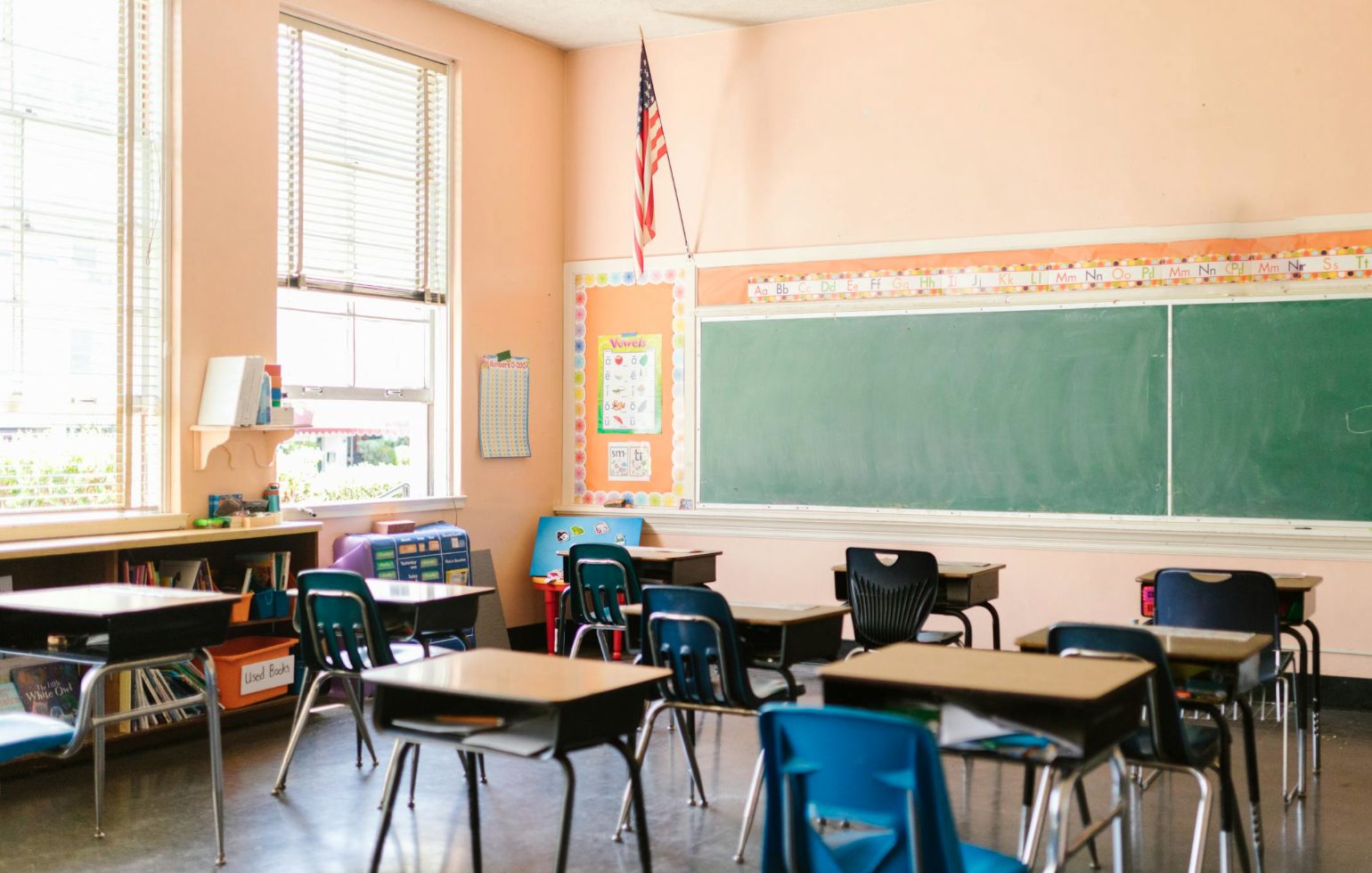
Child In School
Parents who understand student rights and prepare school records before moving can help ensure a smoother transition and protect their child’s educational opportunities. (Pexels).

Moving to a new school district is a major life change, and it often comes with questions about your child’s educational rights. From enrollment requirements to transferring academic records, parents can feel overwhelmed by unfamiliar policies. The good news is that federal protections and state education laws help ensure students continue receiving appropriate educational services during a move. For students receiving special education or Section 504 accommodations, early communication with the new district can help prevent interruptions in services during the transition.

Know Which Student Rights Stay the Same

One of the biggest misconceptions parents have is that changing school districts means starting over with educational rights. In reality, protections under the Family Educational Rights and Privacy Act (FERPA) continue regardless of where your child enrolls, giving parents access to education records and control over certain information sharing.

Students receiving services through an Individualized Education Program (IEP) or Section 504 Plan also retain important protections, and new districts must provide comparable services while reviewing existing plans. Federal law generally requires the new district to provide services comparable to those in the previous IEP while it reviews existing records and decides whether to adopt the current IEP or develop a new one.

If your child has experienced bullying, discrimination, or other documented issues, keep copies of all records because they may be important during enrollment discussions. Knowing these rights before moving allows you to advocate confidently if questions arise.

Gather Important Records Before Leaving

Waiting until after you move to collect paperwork can create unnecessary delays. Request copies of report cards, transcripts, attendance records, immunization records, standardized test scores, disciplinary records, if applicable, and any gifted, special education, or 504 documentation before withdrawing your child. Also consider requesting:

  • recent evaluations
  • psychological reports
  • behavior intervention plans (if applicable)
  • medication or healthcare plans kept by the school
  • contact information for previous teachers or service providers

Although schools typically transfer records electronically, having your own copies can speed up class placement and reduce administrative errors. Parents should also save email communications related to academic concerns or accommodations because they provide valuable context for the receiving school. A simple folder with organized documents often saves weeks of back-and-forth during enrollment.

Understand the New District’s Enrollment Policies

Every school district has its own enrollment procedures, residency requirements, and transfer deadlines, even though student rights remain protected. If possible, begin the enrollment process before your move is complete. Many districts allow families to start paperwork once they have documentation showing an upcoming residence within district boundaries.

Some districts require proof of residency, birth certificates, immunization documentation, and previous school records before finalizing enrollment. Families interested in open enrollment or transferring outside neighborhood boundaries should apply as early as possible because available seats may be limited. Transportation policies, extracurricular eligibility, and specialized academic programs can also vary significantly between districts. Reviewing these requirements before moving reduces surprises and helps your child begin school without unnecessary interruptions.

Speak Up if Your Child Needs Continued Support

Children receiving special education services, language assistance, or academic interventions benefit when parents communicate early with the new school. Schedule a meeting with counselors, teachers, or special education staff before classes begin whenever possible. Then, during the first week of school, hold a brief introductory check-in to discuss how the transition is going and answer any questions the new team may have.

Sharing your child’s strengths, challenges, and successful accommodations helps educators provide appropriate support from day one instead of relying solely on paperwork. If services appear delayed or significantly different from previous supports, ask for clarification in writing and request a formal meeting to discuss concerns. Open communication often resolves misunderstandings quickly while protecting your child’s educational progress.

Stay Involved After the Transition

The first several weeks after changing districts are just as important as enrollment day. Check in regularly with your child about academics, friendships, and classroom experiences because children sometimes hesitate to mention problems while adjusting. Monitor grades, attendance, and teacher communications through the district’s parent portal to catch concerns early before they become larger issues. Building relationships with teachers, counselors, and administrators also makes future conversations more productive if questions arise.

Research consistently links strong family engagement with better attendance, stronger academic performance, and improved student well-being, making parental involvement one of the most effective supports during a school transition.

Helping Your Child Thrive Through the Move

Moving districts can feel intimidating, but preparation makes a tremendous difference. Understanding your child’s rights, organizing records, learning district requirements, and maintaining open communication with educators creates a smoother transition for the entire family. Every child deserves equal access to educational opportunities, regardless of a change in address, and informed parents are often their strongest advocates.

A move may change your child’s address, teachers, and classmates, but it should never take away the educational rights and protections they’ve already earned. Knowing those rights—and speaking up when necessary—can make all the difference during a new beginning.

What challenges have you faced when moving your child to a new school district, and what advice would you share with other parents? Leave a comment below and join the conversation.

What to Read Next

What Changes for Your Child’s IEP When They Turn 18

504 Plan Red Flags: 6 Signs Your Child’s Accommodations Aren’t Being Followed

The Financial Toll of Advocating for Your Child’s IEP

Evan Morgan

Evan Morgan has been a full-time freelance writer and editor for 10+ years. When not working, he enjoys catching the latest true crime documentary or getting lost in a good book.
Filed Under: Parenting Tagged With: education, FERPA, IEP, moving with children, Parenting, protect your child’s rights when moving districts, school district transfer, school enrollment, Section 504, student rights

What Schools Legally Can’t Put in Writing About Your Child’s Behavior

May 14, 2026 | Leave a Comment

Classroom
A classroom in school – Pexels

Parents are often surprised to learn that schools face legal limits on what they can officially document about a child’s behavior. While teachers and administrators can describe incidents, patterns, and disciplinary concerns, they cannot include statements that are discriminatory, speculative, or unsupported by evidence in a student’s educational record. These protections matter because written school records can follow a child for years and potentially affect evaluations, disciplinary decisions, and even future educational opportunities. Families who understand these rights are often better prepared to advocate for fair treatment and accurate documentation. In today’s increasingly data-driven school systems, knowing what schools legally cannot put in writing has become more important than ever.

Schools Cannot Label a Child With Unofficial Diagnoses

One of the biggest legal boundaries schools face involves labeling students with medical or psychological conditions they are not qualified to diagnose. A teacher cannot legally write that a child is “bipolar,” “psychotic,” or “autistic” unless that diagnosis comes from a qualified professional and is documented appropriately. Even casually written comments in emails, behavior logs, or internal reports can become problematic if they imply a medical judgment without evidence. Under laws connected to educational privacy and disability protections, schools must avoid speculative language that could unfairly stigmatize a student. Instead, staff members are expected to describe observable behavior, such as “the student left the classroom repeatedly,” rather than assigning an unsupported mental health label.

Discriminatory Statements Are Strictly Prohibited

Federal civil rights laws prohibit schools from documenting discriminatory opinions tied to race, disability, religion, gender, or national origin. For example, a school employee cannot write that a child is “dangerous because of their disability” or imply misconduct based on ethnicity or cultural background. Courts and education agencies have repeatedly warned districts that biased documentation can become evidence of discrimination claims. In some cases, parents have successfully challenged disciplinary records after discovering comments that reflected stereotypes rather than objective observations. Schools are expected to focus on factual incidents and avoid emotionally charged language that could appear prejudiced or retaliatory.

Schools Cannot Present Opinions as Facts

Another major issue involves the difference between factual reporting and personal opinion. Teachers may document that a student disrupted class, but they generally cannot state that the child is “manipulative,” “lazy,” or “trying to cause trouble” without supporting evidence tied to specific actions. Parents often discover these kinds of comments during record reviews or special education disputes, and they can become central to legal complaints. Educational records are supposed to remain accurate, objective, and relevant to the student’s educational needs. When opinions are written as facts, families may have grounds to request corrections or challenge the record formally.

Confidential Family Information Has Legal Protections

Schools also face limits on documenting private family matters unrelated to education or safety concerns. Information about divorce disputes, financial struggles, immigration status, or medical history generally cannot be freely included in student records unless directly relevant to the child’s educational needs. Privacy protections under the Family Educational Rights and Privacy Act, commonly called FERPA, restrict how schools collect, store, and share sensitive information. For example, a teacher frustrated with repeated tardiness cannot legally document rumors about a parent’s personal life as an explanation. Schools are expected to separate verified educational concerns from gossip, assumptions, or unrelated family issues.

Disability-Related Behavior Requires Careful Documentation

Students with disabilities receive additional legal protections regarding behavioral documentation. Under the Individuals with Disabilities Education Act, schools must consider whether behavior is connected to a documented disability before framing it as misconduct. A child with ADHD, autism, or emotional disabilities may display behaviors linked directly to their condition, and schools must avoid language that ignores those protections. For example, repeatedly documenting a child as “defiant” without acknowledging disability-related triggers can create legal problems for a district. Many special education attorneys encourage parents to regularly review behavior reports to ensure descriptions remain objective and legally compliant.

Parents Have the Right to Challenge Inaccurate Records

Many parents do not realize they can request access to their child’s educational records and dispute misleading information. Under FERPA, families can formally seek corrections if they believe records are inaccurate, misleading, or violate privacy rights. This process becomes especially important when negative behavioral documentation affects discipline decisions, special education eligibility, or school placement. In real-world disputes, parents often uncover emotionally charged language that should never have appeared in official records. Keeping copies of emails, disciplinary notices, and meeting notes can help families identify patterns and advocate more effectively when concerns arise.

Why Accurate School Documentation Matters More Than Ever

School records carry long-term consequences that many families underestimate until problems emerge later. Behavioral notes can influence teacher perceptions, disciplinary outcomes, and even recommendations for specialized programs or interventions. That is why schools legally cannot put unsupported, discriminatory, or speculative statements into official documentation about your child’s behavior. Parents who understand these protections are often in a stronger position to ensure schools focus on facts rather than harmful assumptions.

Have you ever reviewed your child’s school records and found language that concerned you? Share your experience in the comments and join the conversation with other parents navigating today’s education system.

What to Read Next

7 Things Schools Are No Longer Automatically Providing to Special Ed Students

Colorado Schools: New Policies Strengthen IEP Enforcement

8 Ways Schools Are Supporting Children With Sensory Processing Issues

Evan Morgan

Evan Morgan has been a full-time freelance writer and editor for 10+ years. When not working, he enjoys catching the latest true crime documentary or getting lost in a good book.

Filed Under: Parenting Tagged With: child advocacy, disability rights, Education Law, FERPA, Parenting, school behavior records, school discipline, special education, student rights

7 Things Teachers Can’t Legally Tell Parents in 2026

March 11, 2026 | Leave a Comment

teachers can't tell parents
Image source: shutterstock.com

Have you ever walked out of a parent-teacher conference feeling like you were only getting half the story? You are not imagining it. An invisible wall stands between what a teacher knows and what they can actually say. In 2026, the classroom landscape is a minefield of privacy laws and district mandates. It is not that your child’s teacher wants to keep secrets. The system simply tied their hands with red tape. Understanding these boundaries is the only way to truly advocate for your child. Here is the truth about what stays behind closed doors and why.

1. The Gender Disclosure Flip: Mirabelli v. Bonta

For a long time, a child’s social transition was a significant secret in many schools. Administrators often told teachers to hide a student’s new name or pronouns from parents. That changed on March 2, 2026. The Supreme Court effectively blocked policies that allowed schools to mislead parents about their child’s gender identity. This ruling in Mirabelli v. Bonta serves as a massive win for parental rights. However, a catch remains. While they can no longer lie to you, they still cannot discuss other students’ transitions. If you ask about your child’s best friend, the teacher must remain silent.

2. The Discipline Shield

If your child comes home with a bruise or a story about a bully, your first instinct is to ask for details. Honestly, the teacher wants to tell you, but they cannot. Under FERPA laws, a teacher cannot disclose the disciplinary actions taken against another child. They cannot tell you if the bully faced suspension. Furthermore, they cannot say if the student has a behavior plan. You are only entitled to information regarding your own child. This often leaves parents feeling like justice hasn’t been served.

3. Confidential Academic Records

Accessing the academic performance of classmates is a strict violation of federal privacy laws. Teachers cannot share where your child ranks compared to others by name. They must keep grades and test scores completely private. This protection ensures that every student’s academic journey remains their own. Consequently, you will only see data that pertains to your child’s individual progress.

4. Home Life and Trauma Boundaries

Teachers often know the messy details of every family in the room. They are legally barred from sharing a classmate’s personal struggles with you. This includes information about foster care, domestic issues, or financial hardships. While these factors might affect the classroom environment, the law keeps them confidential. Maintaining this boundary protects the dignity of every family in the school system.

5. Personnel and Security Restrictions

If you have a complaint about a different staff member, the teacher cannot give you the inside scoop. They are prohibited from discussing an employee’s history or current status. Similarly, specific details of internal security protocols remain off-limits. For safety reasons, teachers cannot disclose exact lockdown procedures or security blind spots. These rules exist to prevent sensitive information from falling into the wrong hands.

6. Medical and Disability Specifics

You might notice a student receiving special accommodations or using medical equipment. Even if it impacts your child’s learning environment, the teacher cannot explain the “why.” Federal laws protect the medical privacy and IEP specifics of every student. Teachers can discuss how the environment is managed for the whole class. However, they can never single out the specific diagnosis or needs of another parent’s child.

7. The Classroom Bias Secret

We have already seen how certain names or behaviors create an instant bias in the classroom. While a teacher would never admit it, they often navigate their own internal blacklist. They must provide a fair environment, but they cannot tell you if the school culture is biased. You have to read between the lines of their reports. See if the school is truly seeing your child or just managing them.

Reclaiming Your Voice as a Parent

The classroom is no longer just a place for learning. It is a legal fortress. Knowing that teachers act under the threat of lawsuits should change your approach. Instead of asking what another kid did, ask what steps ensure your child’s safety. By asking the right questions, you bypass the legal gag orders. You get the information you actually need.

The system is designed to protect every student, which sometimes feels like it excludes you. By understanding these seven legal boundaries, you can stop fighting the wall and start finding the right doors to open. Focus on your child’s specific needs and rights within these laws. You will navigate the 2026 school year with the authority you deserve.

What do you think about the legal boundaries placed on your child’s teacher? Leave a comment below.

What to Read Next…

  • 7 Things Schools Say Parents Should Do Immediately If Bullying Starts
  • The Hidden Costs of Theme Park Vacations That Shock Parents
  • 7 Things Parents With ADHD Kids Say Schools Still Don’t Understand
Latrice Perez

Latrice is a dedicated professional with a rich background in social work, complemented by an Associate Degree in the field. Her journey has been uniquely shaped by the rewarding experience of being a stay-at-home mom to her two children, aged 13 and 5. This role has not only been a testament to her commitment to family but has also provided her with invaluable life lessons and insights.  As a mother, Latrice has embraced the opportunity to educate her children on essential life skills, with a special focus on financial literacy.

Filed Under: Parenting Tagged With: FERPA, Mirabelli v Bonta, parent teacher conference, parental rights 2026, school disclosure, school privacy laws, teacher secrets

  • Facebook
  • Pinterest
  • RSS
  • Twitter

Basic Principles Of Good Parenting

Here some basic principles for good parenting:

  1. What You Do Matters: Your kids are watching you. So, be purposeful about what you want to accomplish.
  2. You Can’t be Too Loving: Don’t replace love with material possessions, lowered expectations or leniency.
  3. Be Involved Your Kids Life: Arrange your priorities to focus on what your kid’s needs. Be there mentally and physically.
  4. Adapt Your Parenting: Children grow quickly, so keep pace with your child’s development.
  5. Establish and Set Rules: The rules you set for children will establish the rules they set for themselves later.  Avoid harsh discipline and be consistent.
  6. Explain Your Decisions: What is obvious to you may not be evident to your child. They don’t have the experience you do.
  7. Be Respectful To Your Child: How you treat your child is how they will treat others.  Be polite, respectful and make an effort to pay attention.
Best Parenting Blogs

Most Popular

Baby

9 Baby Names That Sound Expensive Even Though Naming Your Baby Is Still Free

Evan Morgan
Baby

The Rise of “Aggressive” Baby Names Is Raising Eyebrows — Here’s What Parents Are Choosing

Evan Morgan
Baby names

Teachers Admit: These 6 Baby Names Create Instant Bias in the Classroom

Latrice Perez
6 Baby Names That Sound Cute Now but Cause Problems Later

6 Baby Names That Sound Cute Now but Cause Problems Later

Brandon Marcus
11 Ways Kids Are Outsmarting Parental Controls 1. Using Alternate Devices One common trick is simply turning to another device. If a child’s main phone or tablet is restricted, they may borrow a sibling’s, friend’s, or even a school laptop. This instantly gives them access to content outside of parental oversight. Parents often focus on one device, forgetting that others in the household can serve as loopholes. Knowing this tactic helps families tighten controls across all electronics. 2. Clearing Browsing Histories Many kids quickly learn that clearing browsing history hides evidence of restricted activity. With just a few clicks, they can erase any trace of websites visited. This makes it harder for parents to notice when rules are being broken. Parents may assume no history means no browsing, but the reality is often the opposite. Kids are outsmarting parental controls by making it seem like nothing happened at all. 3. Using Private Browsing Modes Most browsers offer “incognito” or private browsing features. Kids use this mode to access websites without leaving a record in the history. To parents checking later, everything looks clean and safe. This simple trick is often one of the first ways kids discover how to bypass restrictions. Conversations about private browsing can help close this gap. 4. Guessing or Resetting Passwords Children who are persistent may try to guess passwords to parental control apps or accounts. Others may find ways to reset them through email prompts or security questions. Once inside, they can disable restrictions entirely. Parents may not even realize controls have been altered until much later. Stronger, less predictable passwords can make this more difficult. 5. Using VPNs to Hide Activity Virtual private networks, or VPNs, let kids disguise their online locations. With one downloaded app, they can bypass geographic or parental restrictions. Some children learn about VPNs through friends or even social media. This makes it easy for them to reach content that should be blocked. Parents often underestimate just how simple it is for kids to use these tools. 6. Creating Fake Accounts When parents monitor social media, kids may create hidden accounts. These “finstas” or fake profiles allow them to interact freely without parental oversight. While their main account appears harmless, the secondary one tells a different story. Kids are outsmarting parental controls by playing both sides at once. Checking for duplicate accounts can help parents stay more aware. 7. Exploiting Time Zone Settings Some kids change the time zone on their devices to bypass screen time limits. This trick allows them to gain extra hours of usage undetected. Parents may assume controls are working, but in reality, the child is bending the clock. It’s a clever loophole that highlights just how resourceful kids can be. Monitoring device settings regularly can catch this tactic. 8. Disabling or Uninstalling Apps Parental control apps can be deleted or disabled with surprising ease. Some kids even reinstall them before a parent checks, making it seem like nothing changed. Others may simply restrict permissions to prevent apps from functioning properly. When apps aren’t monitored closely, parents may not notice they’ve been tampered with. This shows the importance of consistent follow-up. 9. Turning to Friends for Access If a child can’t get past restrictions on their own, they may rely on friends. Visiting a friend’s house or borrowing their phone can give them a free pass. Parents often forget that peer environments can override restrictions set at home. This kind of social workaround is especially common with gaming or social media. Open conversations about trust and responsibility are essential. 10. Hiding Apps in Plain Sight Kids sometimes download apps that look innocent but serve as gateways to hidden activity. These apps may disguise themselves as calculators or utilities. In reality, they allow file storage, private messaging, or browser access. Parents glancing at a home screen may overlook them entirely. Learning to recognize these disguised apps can help parents stay informed. 11. Outpacing Parents’ Tech Knowledge Finally, kids often know more about devices than their parents do. Whether through YouTube tutorials, TikTok hacks, or peer groups, they quickly learn advanced workarounds. This knowledge gap means controls can be bypassed before parents even realize the loophole exists. Staying informed and continually learning about new technology is the best defense. Kids are outsmarting parental controls because they adapt faster than most adults. The Real Solution Lies Beyond Restrictions While controls and filters are important, no system is perfect. Kids will always find creative ways around barriers, making communication the strongest safeguard. Setting clear expectations, building trust, and having ongoing conversations about online behavior matter more than apps alone. Parents who combine technology with open dialogue create a safer digital environment. The goal isn’t to win a battle of wits but to build a relationship that keeps kids both safe and honest. Do you think kids are outsmarting parental controls faster than parents can keep up? Share your experiences in the comments below. What to Read Next... 6 Parenting Tech Shortcuts That Can Expose Your Child to Strangers How Much Screen Time Is Too Much—Legally Speaking? Is Your Child’s School Quietly Tracking Their Location Without Your Consent? How Much Screen Time Is Quietly Reshaping Childhood Behavior? Why Some Parents Are Being Investigated Over Homeschooling Records

11 Ways Kids Are Outsmarting Parental Controls

Catherine Reed

All content on Kids Ain’t Cheap is for entertainment purposes only. By reading this blog, you agree that Kids Ain’t Cheap is not responsible for any actions taken after reading this blog. For the full disclaimer, see our privacy policy.

Please note that Kids Ain’t Cheap has financial relationships with some of the merchants mentioned here. Kids Ain’t Cheap is funded by banner advertising, commission sales and search optimization consulting.

Copyright © 2006–2026 | District Media | All Rights Reserved | Privacy Policy

Copyright © 2026 Runway Pro Theme by Viva la Violette