
• Home
  • About Us
  • Toolkit
  • Archives
  • Advertise
  • Privacy Policy

Kids Ain't Cheap

But They Sure Are Worth It

  • Parenting
    • Baby Stuff
    • Books and Reading
      • Aesops Fables
      • Comic Books
    • Education
    • Family Time
    • Green Living
    • Growing Up
    • Healthy Living & Eating
    • Holidays
    • Parenting
    • Random Musings
    • Shopping
    • Stuff to Do
  • Money
  • Product Reviews
    • Books and Magazines
    • Discount Sites
    • Furniture
    • House Keeping
    • Reviews News
    • Toys and Games
  • Contact Us
  • Our Editorial Commitment
  • Search

From Chaos to Calm: Strategies for Difficult Toddler Behavior

April 27, 2025 | Leave a Comment

Toddler yelling while wearing a jacket and hat outdoors.
Image Source: Unsplash

Some days with a toddler feel like living with a tiny whirlwind—one who hurls snack cups, insists pants are optional, and sobs because a banana broke “wrong.” If you’ve ever hidden in the pantry to regroup, you’re not alone. Difficult toddler behavior can upend even the most patient parent, but it doesn’t have to rule your household. With a handful of proven tools, a lot of empathy, and steady consistency, you can guide your child from meltdown to mastery and regain a sense of calm along the way.

Below are five expert-backed strategies that turn daily chaos into teachable moments. Each one is simple enough to start today and powerful enough to transform tomorrow.

1. Set Clear, Positive Expectations

Toddlers spend their days testing cause and effect: What happens if I throw this cup? How loud can I scream before Dad reacts? Vague commands like “Be good” or “Stop it” leave them guessing. Swap those for specific, observable directions:

  • “Food stays on the table.”
  • “Feet stay on the floor.”
  • “We use indoor voices.”

Phrase expectations in the positive—tell your child what to do, not just what not to do. Research shows positive wording reduces stress and helps young children process instructions faster. Post simple picture cues at toddler eye-level (a pair of feet on the floor, a spoon staying in a bowl) to reinforce the message without constant nagging.

Parent shortcut: Before entering a store or restaurant, kneel to eye level and preview 1–2 rules. Toddlers remember better when the information is fresh, short, and interactive (“Can you show me what ‘walking feet’ look like?”).

2. Anchor the Day With Predictable Routines

Imagine an adult schedule that changed hourly with no warning—you’d melt down too. Toddlers crave predictability because it makes their big world feel safe. Establish consistent meal, nap, and bedtime windows; add micro-routines for tricky transitions:

  1. Play → Cleanup song → Snack
  2. Brush teeth → Pick two books → Lights out

Use a visual schedule with photos or drawings: breakfast plate, toy box, bath, pajamas. Point to the next step so your child sees what’s coming instead of feeling blindsided. Stable routines reduce tantrums because children spend less energy fighting the unknown.

Tip for shifts: Life happens—doctor visits, travel, relatives. When routine must change, give a toddler-sized heads-up: “After lunch, Grandma will pick you up. Then we’ll have playground time later.” Even a brief preview lowers anxiety.

3. Lead With Positive Reinforcement

Think of attention as fertilizer: whatever you water grows. If 90 percent of your words focus on whining, throwing, or yelling, guess what behavior blossoms? Flip the script: notice the good—loudly and often.

  • “You shared your blocks. That was kind!”
  • “Thank you for using gentle hands with the cat.”
  • “Wow, you put your shoes on the first time I asked!”

Keep praise immediate and specific; pair it with a smile, high-five, or brief hug. Experts recommend a 4-to-1 ratio of positive to corrective comments for toddlers.

For minor misbehaviors (whining, foot stomping), try planned ignoring. When the unwanted action no longer earns a reaction, it often fades.

Mini-reward system: Place five clothespins on a “Fantastic Day” jar each morning. Each time you catch positive behavior, drop a pin into the jar so your toddler hears the clink. When all pins move, celebrate with a dance party or extra story—no candy needed.

Father and daughter sitting indoors doing a calming hand game.
Image Source: Unsplash

4. Teach Emotional Skills Through Empathy

A toddler’s brain is under construction; the part that controls impulse and language lags behind raw emotion. Meltdowns are often cries for help, not defiance. Start with empathy:

  1. Name the feeling —“You’re mad your tower fell.”
  2. Validate —“It’s okay to feel mad.”
  3. Guide —“Let’s take two big balloon breaths and rebuild.”

Using feeling words builds your child’s vocabulary for self-expression.

Pair that with simple calming tools (blowing bubbles, squeezing a pillow, stomping like dinosaurs) and practice them outside crisis moments so the skills are ready when the storm hits. Children whose parents respond with empathy develop better emotional regulation and fewer behavior problems later (source).

Remember: you’re not indulging bad behavior—you’re teaching a life skill.

5. Sync Up With All Caregivers

Mixed messages confuse toddlers and undercut progress. Share your key phrases, routines, and reward systems with partners, grandparents, babysitters, and daycare teachers:

  • Expectation: “Shoes stay on.”
  • Cue: “Remember, walking feet.”
  • Praise method: high-five + “Great listening!”

Regular 5-minute check-ins (text or voice memo) keep everyone aligned and allow quick tweaks: “Skipping morning nap made bedtime rough. Let’s keep the nap tomorrow.” If your child attends daycare, ask what strategies work there and mirror them at home. Consistency across environments accelerates learning and sparks confidence: rules are clear, adults are united, and the world feels less chaotic.

Keeping Yourself Calm While Teaching Calm

All the strategies above rely on one priceless ingredient—your composure. A dysregulated adult can’t coach regulation in a child. Build tiny self-care pauses into the day: sip water before intervening, breathe while counting to five, tag-team with a partner for a 10-minute reset. Modeling self-control shows your toddler that big feelings are manageable, not dangerous.

From Tantrums to Teach-able Moments

Difficult toddler behavior is normal, temporary, and (believe it or not) an opportunity. When you set clear expectations, ground the day in routine, highlight the positive, teach feelings, and team up with other caregivers, you’re not just surviving; you’re laying foundations for empathy, resilience, and self-discipline. That tiny whirlwind will calm in time, and thanks to your guidance, they’ll emerge ready to navigate the bigger storms life sends their way.

What tactic calmed your latest toddler tornado? Share your wins (and epic fails—we all have them) in the comments. Every story helps another parent feel less alone.

Read More

  • 4 Cheap Recreational Activities for the Whole Family
  • Tired of Chaos? Blunt Advice for Restoring Order at Home

Samantha Warren
Samantha

Samantha Warren is a holistic marketing strategist with 8+ years of experience partnering with startups, Fortune 500 companies, and everything in between. With an entrepreneurial mindset, she excels at shaping brand narratives through data-driven, creative content. When she’s not working, Samantha loves to travel and draws inspiration from her trips to Thailand, Spain, Costa Rica, and beyond.

Filed Under: Parenting Tagged With: behavior management, communication, empathy, parenting tips, Positive Reinforcement, routines, Tantrums, toddler behavior, toddler challenges

The School Is Calling Again: 5 Ways to Help Change a Child’s Bad Behavior at School

April 23, 2025 | Leave a Comment

Child getting face paint, symbolizing efforts to address misbehavior in school.
Image Source: Unsplash

That mid‑morning buzz from the school office can fill any parent with dread. Another report of disruptive behavior? It’s frustrating and often isolating—but you’re not alone. Many families navigate the same terrain, and there are concrete, research‑informed steps that can encourage lasting change.

1. Establish Clear Expectations and Open Communication

When children know exactly what’s expected, they’re better positioned to succeed. Regular, friendly check‑ins with teachers—via brief emails or five‑minute conferences—build trust and keep everyone on the same page.

Here are some more tips:

  • Spell out the “how” as well as the “what.” Instead of “Behave in class,” try “Raise your hand before speaking” or “Keep hands to yourself during circle time.”
  • Create a quick‑reference card. Write three key rules on an index card and tape it inside the homework folder. Kids (and teachers) can point to it when reminders are needed.
  • Use two‑way check‑ins. Send or request a brief email every Friday summarizing wins and challenges. Respond with appreciation, not just concerns, so teachers feel valued partners.
  • Loop in your child. Review classroom rules together and ask, “Which one feels hardest? Which one do you feel confident about?” Their answers guide where to focus coaching at home.

Open, friendly communication keeps everyone aligned and reduces the chance of surprises—good or bad—mid‑semester.

2. Create a Structured Environment with Predictable Routines

Structure gives kids a sense of safety and control, which lowers anxiety and impulsive behavior.

  • Morning anchor: Same wake‑up window each day, followed by a visual checklist (teeth, uniform, breakfast, backpack).
  • Homework zone: A consistent, distraction‑free spot stocked with sharpened pencils, paper, and a timer. Starting homework within 30 minutes of arriving home helps maintain the school mindset.
  • Evening wind‑down: Dim lights an hour before bed, swap screens for quiet play or reading, and use a short “tomorrow preview” so kids know what’s coming.

Classrooms thrive on predictable procedures; mirroring that rhythm at home strengthens children’s ability to transition calmly from environment to environment.

3. Encourage Positive Behavior Through Reinforcement

Children thrive on attention; when it’s mostly negative, they often double down on unwanted actions. Instead, spotlight the good: “I noticed you finished your worksheet before recess. Nice focus!”

The Child Mind Institute confirms that specific, sincere praise paired with small privileges builds self‑esteem and sustains better choices. 

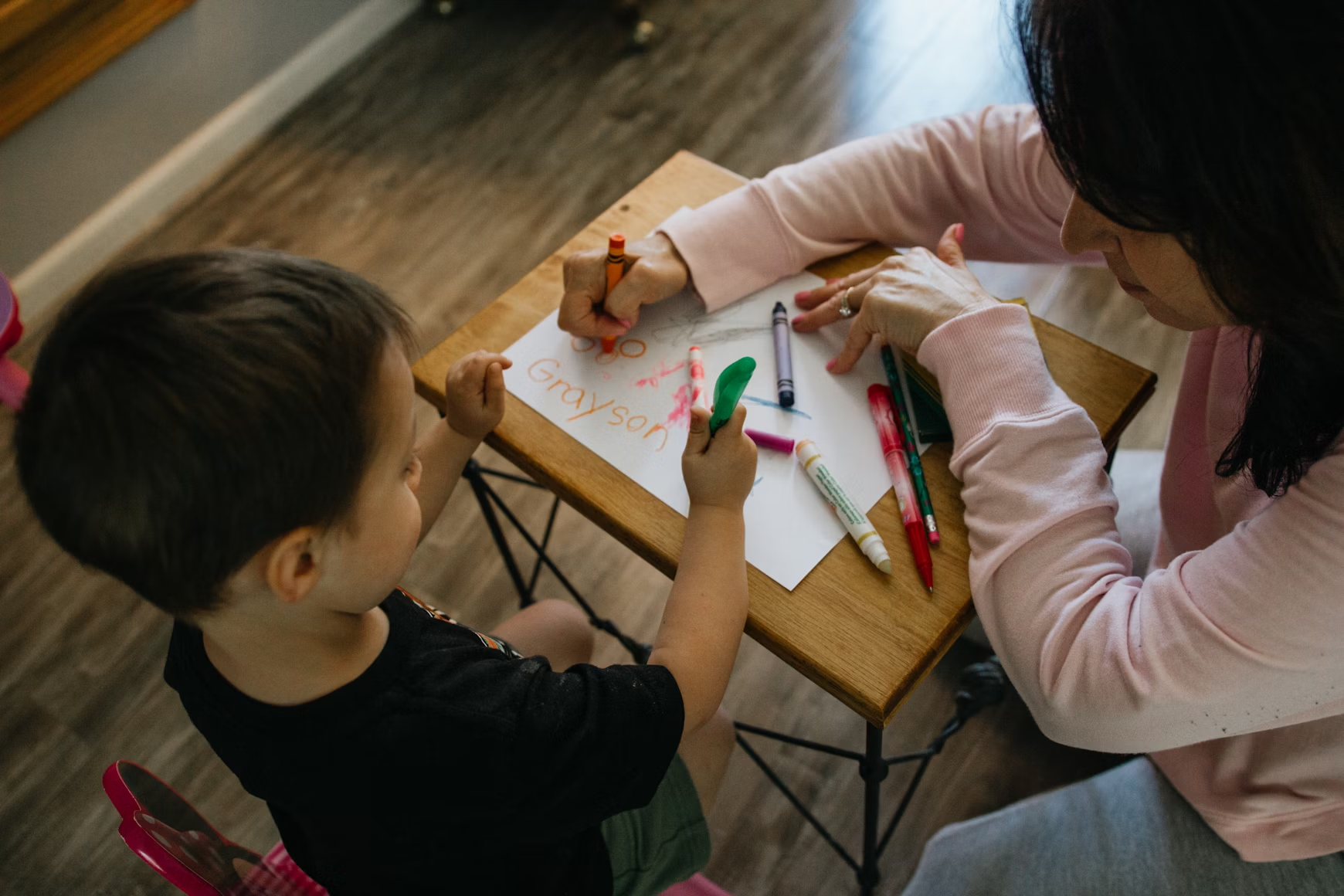
Child and adult working on an art project, illustrating adapted learning strategies.
Image Source: Unsplash

4. Adapt Learning Strategies to Your Child’s Needs

Acting out can be a signal that something in the learning process isn’t clicking.

  • Check task difficulty. Ask the teacher, “Is the work too challenging, or does my child finish early and get bored?” Adjust accordingly by simplifying or enriching assignments.
  • Break learning into chunks. Ten quick math problems can feel more achievable than a sheet of forty. Short, timed bursts followed by movement breaks often keep focus sharp.
  • Offer sensory outlets. Fidgets, wiggle cushions, or quiet stretch corners help kids who need physical input to stay regulated.
  • Leverage strengths. If your child is a visual learner, request graphic organizers or color‑coded steps. Kinesthetic? Ask for hands‑on materials or role‑play options.

When academic demands align with a child’s readiness and learning style, frustration—and misbehavior—usually fade on their own.

5. Collaborate on a Clear Behavior Management Plan

If patterns persist, a formal plan can help everyone move from reacting to proactively teaching new skills.

  • Functional Behavior Assessment (FBA): Pinpoints the triggers (time of day, task type, peer interactions) and the payoff your child gets from acting out (attention, escape, sensory input).
  • Behavior Intervention Plan (BIP): Lists replacement behaviors (“ask for a break” instead of “leave seat”), prompts adults will use, and specific rewards for success.
  • Daily or weekly data tracking: Simple smiley‑face charts or color zones let your child see progress—and help adults adjust strategies quickly.
  • Celebrate publicly, correct privately. Praise successes where peers can overhear; discuss missteps quietly to preserve dignity and motivation.
  • Schedule regular reviews. A 10‑minute check‑in every two weeks keeps goals fresh and collaboration strong.

When children feel they’re part of the team crafting solutions, they’re more likely to buy in—and to practice the new skills that replace disruptive habits.

Progress, Not Perfection

Transforming a child’s bad behavior at school is a process. Empathy, consistency, and teamwork—both at home and in the classroom—lay the groundwork for resilience and growth. Every tricky day is an opportunity to practice new skills, and every small win is worth celebrating.

Have you ever tried any of these strategies? Let us know in the comments!

Read More

  • Your Child Should Be Homeschooled If You Notice These Behaviors
  • 7 Common Types of Behavioral Disorders in Children Every Parent Should Know
Samantha Warren
Samantha

Samantha Warren is a holistic marketing strategist with 8+ years of experience partnering with startups, Fortune 500 companies, and everything in between. With an entrepreneurial mindset, she excels at shaping brand narratives through data-driven, creative content. When she’s not working, Samantha loves to travel and draws inspiration from her trips to Thailand, Spain, Costa Rica, and beyond.

Filed Under: Parenting Tagged With: behavior management, child behavior, emotional development | Parenting, parenting tips, Positive Reinforcement, school discipline, teacher communication

Should Parents Pay Their Children for Good Grades? A Closer Look at the Pros and Cons

April 10, 2025 | Leave a Comment

A smiling child proudly holding up a report card with high grades while a parent hands over money, symbolizing the reward system and raising questions about the impact of paying kids for academic performance.
Image Source: Unsplash

Is it a reward or a bribe? A smart strategy or a slippery slope? For many parents, deciding whether to pay children for good grades is both an emotional and practical dilemma. With nearly half of U.S. parents offering financial rewards—around $16.60 per A on average—it’s a widespread practice. Yet, what works for one family may not feel right for another.

If you’re on the fence, let’s explore what the research, experts, and real families say—and how to choose the best path for your household.

1. Rewarding Grades Can Motivate Kids—At Least in the Short Term

Some parents find that money talks: a promise of $10 or $20 per A can be enough to get their kids to study harder. In fact, a GreatSchools.org article suggests that paying kids for high marks often produces short-term improvement in study habits. One family, for instance, pays $20 per A plus a bonus for a high GPA to maintain consistent academic effort. For students who have the skills but lack motivation, financial incentives might jump-start their work ethic. If your child’s just hit a rough patch and needs an immediate push, this system can help get them back on track.

2. But It Can Undermine a Child’s Internal Drive

Critics caution that paying children for good grades may undermine intrinsic motivation. If kids learn to associate studying with “What’s my reward?” rather than curiosity or pride, they could lose genuine interest in learning. Once the money disappears, so might their effort. Researchers and educators note that the most enduring academic success often springs from curiosity, passion, and personal goals. A Scholastic Parents piece points out that parental involvement and encouragement often matter more in the long run than any monetary incentive. If you hear “What do I get if I…” more than “I want to learn this because…,” it may be time to rethink your approach.

3. It’s a Form of Positive Reinforcement—When Used with Care

Some parenting experts consider paying for grades as part of a bigger toolbox of positive reinforcement. When paired with conversations about effort, goals, and responsibility, the cash reward can acknowledge your child’s hard work. Tying the reward to specific milestones or improvements—rather than just a final report card—can reinforce the idea that consistent effort matters. Plus, if you’re also giving non-monetary praise and support, it balances out the potential downsides. This approach says, “We appreciate your dedication,” not “We’ll pay you to study.”

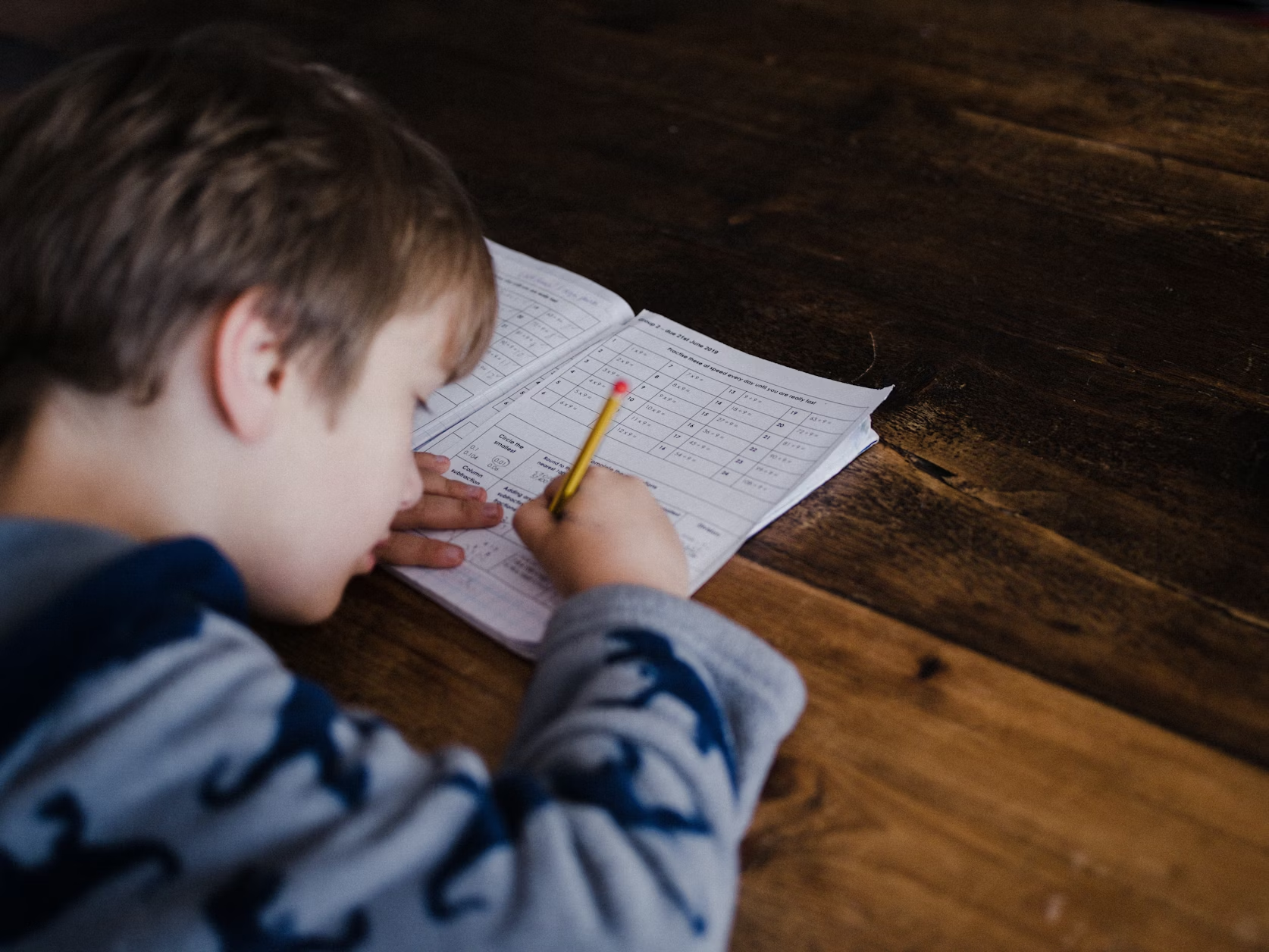
illustrating the idea that investing in school success early may reduce educational costs later on.
Image Source: Unsplash

4. Paying for Grades Could Save Families Money Later

Here’s a twist: small payments now could translate into big savings later. Some parents argue that if paying kids for top grades leads to scholarships, grants, or honors programs, those early investments pay off. While it’s not guaranteed, a bit of extra motivation might put your child in a better position for merit-based aid down the road. If they’re hovering near a crucial GPA cutoff, a financial nudge could make a real difference in unlocking future academic opportunities—and help you avoid hefty tuition bills.

5. Every Child (and Family) Responds Differently

No single rule applies to everyone. Some kids become hyper-focused on “gaming the system,” others thrive with a clear, immediate payoff, while some remain indifferent to money altogether. The key is understanding your child’s personality and tailoring your strategy to their needs. Open communication is crucial: explain why you’re adopting (or rejecting) a reward system and how it aligns with your family’s values. Whether it’s $10 for an A or simply verbal praise, the real motivator should be your child’s sense of being seen, supported, and believed in.

Finding a Balance That Works for Your Family

There’s no universally “right” answer to whether you should pay children for good grades—but there is a mindful way to approach it. Some families find strict monetary incentives helpful, others prefer to foster intrinsic motivation, and many combine both. Consistency, openness, and attentiveness to your child’s reactions are vital. Instead of relying solely on money, consider blending it with privileges, one-on-one outings, or experiences that reflect your child’s interests. By pairing encouragement with clear expectations, you help your child develop not only good grades but also resilience, pride in their achievements, and long-term self-motivation.

Have you tried paying your child for report card results? Tell us in the comments what worked or what lessons you learned—we’d love to hear about your experiences!

Read More

  • Rewarding Students for Good Grades?
  • Should You Reward Kids for Good Grades?
Samantha Warren
Samantha

Samantha Warren is a holistic marketing strategist with 8+ years of experience partnering with startups, Fortune 500 companies, and everything in between. With an entrepreneurial mindset, she excels at shaping brand narratives through data-driven, creative content. When she’s not working, Samantha loves to travel and draws inspiration from her trips to Thailand, Spain, Costa Rica, and beyond.
Filed Under: Parenting Tagged With: academic rewards, motivation for kids, parenting strategies, parenting tips, paying kids for grades, Positive Reinforcement, school success

Unlock the Heart of Your Child: 10 Life-Changing Ways to Build an Emotional Bond

March 27, 2024 | Leave a Comment

123rf

Establishing a deep emotional bond with your child is one of the most profound and rewarding experiences a parent can have. In today’s fast-paced world, where digital distractions abound and time is at a premium, it can be challenging to create meaningful connections that resonate at the heart level. “Unlock the Heart of Your Child: 10 Life-Changing Ways to Build an Emotional Bond” is a guide designed to help parents navigate the intricacies of emotional connectivity, providing practical, heartfelt strategies to foster a loving and understanding relationship.

This journey is not just about nurturing a bond; it’s about unlocking the very essence of your child’s emotional world, paving the way for a relationship that is rich, fulfilling, and deeply connected. Through intentional actions, empathetic listening, and shared moments of joy and vulnerability, parents can bridge the gap between mere coexistence and a profound, lasting bond that transcends the ordinary, shaping the foundation of their child’s emotional well-being.

1. Active Listening

123rf

Active listening goes beyond hearing words; it’s about understanding your child’s feelings and perspectives. Show genuine interest in what they say, maintain eye contact, and avoid interrupting. Reflect on their feelings to show you comprehend their emotions. This practice validates their experiences and shows that you value their thoughts. Active listening fosters trust and encourages open communication. It’s a powerful tool in building a strong, empathetic bond with your child.

2. Quality Time

123rf

Dedicate uninterrupted time to your child, engaging in activities they love. Quality time doesn’t require grand gestures; it’s about being fully present in the moment. Create a special routine or tradition that’s just for the two of you. This could be as simple as reading a book together every night or having a weekly game night. Such moments are precious and reinforce the message that they are important to you. Quality time strengthens the bond and creates lasting memories.

3. Empathetic Support

123rf

Empathy involves seeing the world through your child’s eyes and understanding their feelings. Offer comfort and understanding during tough times, validating their emotions without judgment. Teach them how to express and manage their feelings healthily. Being a consistent source of support builds a secure emotional foundation. Your child learns to trust and rely on you, knowing you’re their safe haven. Empathetic support nurtures a deep, trusting relationship.

4. Positive Reinforcement

123rf

Celebrate your child’s achievements and positive behaviors with praise and encouragement. Focus on their efforts and progress, not just outcomes. Positive reinforcement boosts self-esteem and motivation. It communicates your belief in their abilities and values their accomplishments. Constructive feedback, when necessary, should be given lovingly and should focus on growth and improvement. This approach strengthens the bond through mutual respect and positive interaction.

5. Shared Learning Experiences

123rf

Learning together creates a unique bond. Engage in activities that stimulate curiosity and growth, like exploring a museum, reading a book, or starting a hobby together. These shared experiences not only educate but also allow for fun and interactive moments. They demonstrate your commitment to growing together. Shared learning fosters mutual respect and intellectual connection, enriching your emotional bond.

6. Open Communication

123rf

Encourage open dialogue where your child feels free to express thoughts and feelings without fear of judgment or reprimand. Establish a family environment where communication is a two-way street. Teach them how to articulate their emotions and thoughts clearly. Listening to and respecting their opinions fosters self-expression and confidence. Open communication is the cornerstone of a trusting and emotionally connected relationship.

7. Unconditional Love

123rf

Express love unconditionally, not based on achievements or behavior. Let your child know you love them for who they are, not what they do. Unconditional love provides the security and acceptance necessary for healthy emotional development. This form of love teaches children their intrinsic value and fosters a strong self-identity. It’s the purest form of emotional connection, reinforcing a deep-seated bond.

8. Set Boundaries with Love

123rf

Setting clear, consistent boundaries with love and respect teaches children about limits and responsibilities. Explain the reasons behind rules to foster understanding and cooperation. Boundaries enforced with love and respect, rather than fear or punishment, promote trust and respect. They help children feel safe and secure, knowing what’s expected of them. This structure supports a healthy, respectful bond.

9. Encourage Independence

123rf

Fostering independence in your child builds confidence and trust. Provide opportunities for them to make choices and solve problems on their own. Supporting their independence shows your trust in their abilities and judgment. Celebrate their successes and guide them through their failures. Encouraging independence while providing a safety net strengthens the bond through trust and respect.

10. Practice Self-Reflection

123rf

Be aware of your own emotions and reactions in parenting. Self-reflection helps you understand how your behavior impacts your child. It allows you to model the emotional intelligence you wish to see in them. Acknowledge your mistakes and learn from them, showing your child that growth is a lifelong process. Practicing self-reflection not only improves your own emotional well-being but also enhances your relationship with your child.

Nurturing the Soulful Connection

123rf

In wrapping up, building an emotional bond with your child is a journey of love, patience, and intentional effort that transcends the daily hustle and bustle of life. It’s about finding those moments that speak volumes in the silent language of love, crafting a relationship that stands the test of time and challenges.

These 10 strategies offer a pathway to understand and connect with your child on a deeper level, fostering an environment where trust, communication, and mutual respect flourish. As parents, embracing these practices means embarking on a transformative journey that not only strengthens the bond with your child but also enriches your own emotional landscape.

By investing in these emotional building blocks, you’re setting the stage for a lifetime of love, understanding, and connectedness, ensuring that the heart of your child is not just unlocked but also nurtured with the utmost care and affection.

Latrice Perez

Latrice is a dedicated professional with a rich background in social work, complemented by an Associate Degree in the field. Her journey has been uniquely shaped by the rewarding experience of being a stay-at-home mom to her two children, aged 13 and 5. This role has not only been a testament to her commitment to family but has also provided her with invaluable life lessons and insights.  As a mother, Latrice has embraced the opportunity to educate her children on essential life skills, with a special focus on financial literacy.

Filed Under: Parenting Tagged With: active listening, Emotional Bond, Empathetic Support, Open Communication, Positive Reinforcement, quality time

  • Facebook
  • Pinterest
  • RSS
  • Twitter

Basic Principles Of Good Parenting

Here some basic principles for good parenting:

  1. What You Do Matters: Your kids are watching you. So, be purposeful about what you want to accomplish.
  2. You Can’t be Too Loving: Don’t replace love with material possessions, lowered expectations or leniency.
  3. Be Involved Your Kids Life: Arrange your priorities to focus on what your kid’s needs. Be there mentally and physically.
  4. Adapt Your Parenting: Children grow quickly, so keep pace with your child’s development.
  5. Establish and Set Rules: The rules you set for children will establish the rules they set for themselves later.  Avoid harsh discipline and be consistent.
  6. Explain Your Decisions: What is obvious to you may not be evident to your child. They don’t have the experience you do.
  7. Be Respectful To Your Child: How you treat your child is how they will treat others.  Be polite, respectful and make an effort to pay attention.
Best Parenting Blogs

Most Popular

Baby

9 Unusual Baby Names That Sound Like They Belong to Future CEOs

Evan Morgan
Baby

10 Baby Names That Were Once Considered “Grandparent Names” but Feel Cool Again

Evan Morgan
Target Store

Choking Incident Prompts Recall of 49,000 Target Gigglescape “Under the Sea” Popping Toys

Evan Morgan
Frustrated Girl

Why Some Students on the Spectrum Are Labeled With ODD

Evan Morgan
Coke Bottles

12 Things Kids Took to School in the ’70s That Would Never Be Allowed Today

Evan Morgan

All content on Kids Ain’t Cheap is for entertainment purposes only. By reading this blog, you agree that Kids Ain’t Cheap is not responsible for any actions taken after reading this blog. For the full disclaimer, see our privacy policy.

Please note that Kids Ain’t Cheap has financial relationships with some of the merchants mentioned here. Kids Ain’t Cheap is funded by banner advertising, commission sales and search optimization consulting.

Copyright © 2006–2026 | District Media | All Rights Reserved | Privacy Policy

Copyright © 2026 Runway Pro Theme by Viva la Violette