• Home
  • About Us
  • Toolkit
  • Archives
  • Advertise
  • Privacy Policy

Kids Ain't Cheap

But They Sure Are Worth It

  • Parenting
    • Baby Stuff
    • Books and Reading
      • Aesops Fables
      • Comic Books
    • Education
    • Family Time
    • Green Living
    • Growing Up
    • Healthy Living & Eating
    • Holidays
    • Parenting
    • Random Musings
    • Shopping
    • Stuff to Do
  • Money
  • Product Reviews
    • Books and Magazines
    • Discount Sites
    • Furniture
    • House Keeping
    • Reviews News
    • Toys and Games
  • Contact Us
  • Our Editorial Commitment
  • Search

Early Intervention Services Parents Can Request Without Waiting for School

July 28, 2026 | Leave a Comment

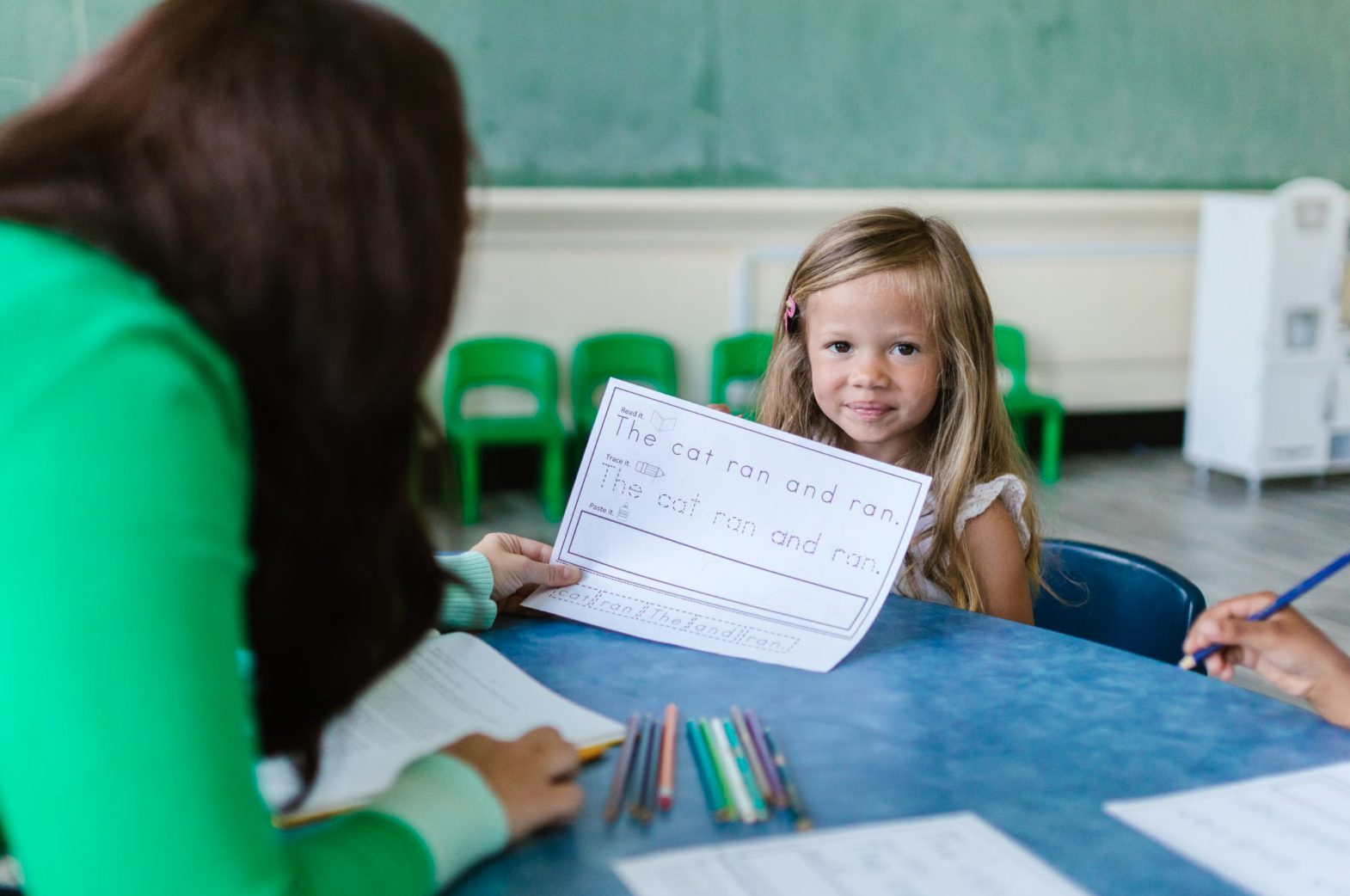
Young Girl In School
A therapist works with a young child during a developmental activity, demonstrating how early intervention services can begin. (Pexels).

Many parents assume they have to wait until preschool or kindergarten before asking for developmental support, but that simply isn’t true. If you notice your child struggling with speech, movement, communication, or other developmental milestones, you can often request help long before the school system becomes involved. Taking action early can make a meaningful difference during the years when a child’s brain is developing most rapidly. Understanding your options empowers you to advocate for your child with confidence instead of waiting and hoping concerns will resolve on their own.

Request a Free Early Intervention Evaluation

The first step many parents can take is requesting a free developmental evaluation through their state’s Early Intervention program if their child is younger than age three. Parents do not need to wait for a teacher’s recommendation, and in many states they can refer their own child without a doctor’s referral. The evaluation looks at communication, motor skills, social-emotional development, cognitive abilities, and daily living skills to determine whether services are appropriate. For example, a two-year-old with very few spoken words may qualify for speech therapy even without a formal diagnosis. Experts consistently recommend acting on concerns early because eligibility is based on an evaluation rather than a confirmed medical condition.

Ask for Speech, Occupational, or Physical Therapy

Many families don’t realize therapy services may begin before a child enters a classroom. Depending on the evaluation results, children may receive speech-language therapy, occupational therapy, physical therapy, or developmental instruction tailored to their individual needs. These services often take place in the child’s home, daycare, or another familiar environment, making therapy part of everyday routines instead of feeling overwhelming. A toddler struggling to feed themselves or climb stairs, for example, may benefit from occupational or physical therapy that builds practical daily skills. Early support focuses on helping children participate more successfully in family life while building skills for future learning.

Request Family Coaching and Developmental Support

Early intervention is designed to support families as well as children. Providers frequently coach parents on activities that encourage communication, play, motor development, and social interaction during normal daily routines. Instead of relying only on weekly therapy appointments, parents learn practical strategies they can use while reading books, preparing meals, or playing at the park. Imagine a therapist demonstrating simple ways to encourage eye contact and language during snack time, giving parents tools they can use every day. This family-centered approach often leads to greater progress because learning continues between scheduled sessions.

Seek a Comprehensive Developmental Assessment Without Waiting

Parents sometimes hear advice to ‘wait and see,’ especially when developmental differences appear mild. While every child develops at a unique pace, waiting without an evaluation can delay access to valuable services during critical developmental years. If concerns involve language delays, limited social interaction, repetitive behaviors, or motor difficulties, requesting an assessment provides objective information instead of relying on guesswork. Even if a child ultimately does not qualify for services, parents receive valuable guidance about developmental milestones and next steps. Asking questions early does not label a child; it simply gives families more information to make informed decisions.

Know Your Rights as a Parent

Parents have more authority than many people realize throughout the early intervention process. Federal law requires parental consent before evaluations or services begin, and families may accept or decline specific services without automatically losing access to others. Parents are encouraged to ask questions, participate in planning, and work with professionals to create goals that reflect their child’s individual needs. Keeping notes, documenting concerns, and saving developmental observations can make conversations with providers more productive. Knowing your rights allows you to advocate effectively while building a collaborative relationship with therapists and specialists.

Early Action Can Open Doors for Your Child

Taking the first step toward early intervention services can feel intimidating, but waiting rarely provides more answers than a professional evaluation. Whether your child qualifies for therapy or simply receives reassurance, seeking support early gives families valuable information during an important stage of development. Remember that requesting an evaluation is not an admission that something is wrong—it is an opportunity to understand your child’s strengths and challenges more clearly. Every child develops differently, but parents who trust their instincts and seek guidance early often feel more prepared for the journey ahead.

What experiences have you had with early intervention services, or what questions do you still have? Share your thoughts in the comments and join the conversation.

What to Read Next

The Screen-Time Paradox: How Digital Isolation Masks Early Autism Signs

6 Ways Early Diagnosis Can Support Children With Autism

8 Ways Early Intervention Reaches More Children Under Age 3 in Minnesota

Evan Morgan

Evan Morgan has been a full-time freelance writer and editor for 10+ years. When not working, he enjoys catching the latest true crime documentary or getting lost in a good book.
Filed Under: Parenting Tagged With: child development, developmental milestones, early intervention services, family support, occupational therapy, Parenting, physical therapy, preschool, special education, speech therapy, toddlers

Why Are More Parents Questioning the Value of Preschool?

October 20, 2025 | Leave a Comment

Why Are More Parents Questioning the Value of Preschool?
Image source: shutterstock.com

For decades, preschool was considered a near-essential stepping stone for young children, preparing them for academic and social success. But lately, more parents are rethinking whether the benefits truly outweigh the costs. Rising tuition, shifting work patterns, and access to alternative learning options have changed how families approach early education. As more studies emerge showing mixed results, the debate over the value of preschool is growing louder—and parents are taking a closer look at what children really need before kindergarten.

1. The Rising Cost of Early Education

For many families, the financial strain of preschool is the first reason to question the value of preschool. In some areas, tuition can rival college expenses, with full-time programs costing thousands of dollars per year. Parents are asking whether these costs make sense when many children could receive similar developmental support at home or through community programs. Financially savvy families often weigh the long-term impact of early tuition against future needs like college savings or debt reduction. For many, the math simply doesn’t add up.

2. Remote Work Has Changed Family Dynamics

The shift toward remote or hybrid work has given parents more flexibility to be hands-on with their children during the early years. This change has led many to reconsider the traditional value of preschool when home learning and parent-led activities can provide similar benefits. Parents who once needed childcare for long office hours are finding new ways to blend work and early education at home. Storytime, play-based learning, and outdoor exploration can replace structured classroom time in many households. As a result, preschool is no longer the automatic default for every family.

3. Inconsistent Quality Across Programs

Not all preschools deliver the same developmental or educational outcomes, and that inconsistency has parents questioning the true value of preschool. While some programs focus on creativity, exploration, and emotional growth, others emphasize rigid academics far too early. The difference in philosophy can make or break a child’s first school experience. Parents are increasingly cautious about programs that push standardized learning before children are ready. Many now seek alternatives that respect childhood pace and curiosity, rather than emphasizing early achievement.

4. Socialization Can Happen Outside the Classroom

A common argument for preschool is that it teaches kids to socialize, share, and cooperate. Yet, more parents are realizing that these skills can develop naturally in everyday environments. When questioning the value of preschool, families often point to playdates, community events, and sibling interaction as equally valid ways to build social confidence. Homeschooling groups and local libraries now offer structured social opportunities for preschool-age children. The assumption that preschool is the only path to social readiness is being steadily dismantled.

5. The Emotional Impact of Early Separation

For some children, starting preschool too early can create stress rather than stability. Parents questioning the value of preschool often cite the emotional toll of separating from caregivers before a child is ready. Early attachment and security are crucial to emotional development, and not all children thrive in group care settings. While some benefit from structure and new experiences, others feel anxious or overstimulated. Recognizing that readiness varies widely, parents are becoming more comfortable delaying preschool enrollment until their child shows signs of emotional readiness.

6. The Rise of Alternative Learning Models

Today’s parents have more choices than ever before when it comes to early learning. Micro-schools, co-ops, forest schools, and Montessori-inspired programs offer diverse approaches that challenge the traditional value of preschool. Many of these models emphasize hands-on learning and self-directed exploration over worksheets and tests. Parents drawn to these alternatives believe they offer better balance between structure and freedom. This shift shows that “preschool” no longer has one universal definition—and that’s changing the conversation entirely.

7. Mixed Research on Long-Term Benefits

Decades of research have supported early education, but newer studies reveal that the long-term academic advantages may not be as strong as once believed. Some experts argue that while preschool can give short-term gains in literacy and numeracy, those benefits often level out as the child progresses. This has made many parents question the long-term value of preschool when compared with consistent, supportive parenting at home. Critics also warn that early academic pressure can backfire, creating burnout or resistance to learning later on. Families are learning to balance early education goals with emotional development and play.

8. Cultural and Community Shifts

Parenting norms are shifting, and with them, so are expectations about early education. Families questioning the value of preschool are often motivated by broader cultural conversations about childhood, family balance, and the pace of modern life. Some parents are choosing to slow down, prioritizing unstructured time and creativity over early academics. Others find support in multigenerational households, where grandparents or relatives play active teaching roles. The result is a more personalized approach to early education that challenges the one-size-fits-all preschool model.

9. The Push for Universal Pre-K Raises New Questions

Even as some states expand access to universal preschool, many families remain unconvinced. While affordability improves, questions about curriculum, teacher quality, and class size persist. Parents who question the value of preschool worry that universal systems may prioritize enrollment numbers over individualized care. Others feel that taxpayer-funded programs could inadvertently pressure families to participate even when it’s not the right fit. The debate highlights the tension between access and autonomy in early education.

Rethinking Readiness: What Matters Most Before Kindergarten

Ultimately, the conversation about the value of preschool isn’t just about cost or convenience—it’s about redefining readiness. Children develop on unique timelines, and learning begins long before any classroom setting. For some, preschool offers a positive start; for others, home-based learning or part-time programs are just as effective. Parents questioning early education aren’t rejecting learning; they’re personalizing it. The most valuable lesson may be that a child’s readiness, not society’s expectations, should guide the path forward.

Are you reconsidering preschool for your child? What factors most influence your decision about early education? Share your perspective in the comments.

What to Read Next…

9 Times Schools Asked Parents for Money in Questionable Ways

7 Reasons Your Kids Are Faking Illness to Avoid School (And What to Do About It)

8 After-School Activities That Drain Family Budgets the Fastest

9 Elementary School Activities That Disappear as Budgets Shrink

7 Preschool Programs That Might Be Hurting Kids Socially

Catherine Reed
Catherine Reed

Catherine is a tech-savvy writer who has focused on the personal finance space for more than eight years. She has a Bachelor’s in Information Technology and enjoys showcasing how tech can simplify everyday personal finance tasks like budgeting, spending tracking, and planning for the future. Additionally, she’s explored the ins and outs of the world of side hustles and loves to share what she’s learned along the way. When she’s not working, you can find her relaxing at home in the Pacific Northwest with her two cats or enjoying a cup of coffee at her neighborhood cafe.

Filed Under: Parenting Tagged With: child development, childcare costs, early education, education trends, Family Finance, family life, Parenting, parenting decisions, preschool

The Biggest Childhood Expenses You’re Likely to Face – Ages 0 to 5

January 2, 2017 | Leave a Comment

Children are a gift.They make us laugh, they make us cry and they make our lives worth living. On the flip side, children are also one of life’s greatest financial expenses. If you’re a new parent or will be soon, it may seem like you hear about a never ending list of things your child needs. Today I’m breaking down the biggest childhood expenses from age 0 to 5.

The Biggest Childhood Expenses You’re Likely to Face

Age 0 to 1: Diapers

Diapers are expensive. Not only is the price daunting ($20+ to $40+), the amount that a new parent goes through can be astounding. On average, a baby will go through over 2,000 diapers in his or her first year of life.

How to Save: To get a leg up on that expense, open a second checking or savings account just for baby expenses. Drop an allotted amount of cash in the account every month. You’ll soon have a steady cash flow for that expensive diaper fund.

Age 2 to 3: Day Care

I have known day cares to charge under $200 a week, to up to $1,000 a week depending on the region. For example, the $1,000 dollar a week

For example, the $1,000 per week day care in my area caters to the children of doctors, judges, lawyers and prominent corporations. However, no matter if you are a high-income earner or average Joe, day care can be brutal on a family’s budget.

The average cost of day care in the U.S. is $11,666 per year. However, the range can fluctuate depending on the area you are in between $3,582 to $18,773 a year.

How to Save: Sometimes you can offset the cost a little if you:

  • Consider working at a day care to receive an employee discount.
  • Find a center that offers a discount for siblings.
  • Price the cost of living and decide if it’s financially healthier for you to work less and stay home with your child.

Age 4 to 5: Preschool and Health Care

Depending on where you live and the quality of the school, the price for preschool could be very high. The average cost of sending your child to preschool is between $4,460-$13,158 per year.

Health care is another big expense, especially in the early years. Not only do little ones get sick more often because their immune systems are not built up, but other health care expenses can arise too. Things like special therapies (speech, occupational, etc) or disabilities may not be covered under some insurance plans. Special surgeries or uncommon injuries may not be covered, either.

This means parents have to pay outrageous amounts of out of pocket expenses for things not covered under their plan.

How to Save: Find out what your insurance plan does and doesn’t cover. Consider opening a Health Savings Account and stockpiling it for unknown health-related expenses. The great thing about an HSA is that its contributions are tax deductible.

In Conclusion

There are many things to think about when you have a new baby. Focus on the biggest childhood expenses and figure out how you are going to best navigate each one. This will help to ensure a financially sound first five years.

How do you save money for your family’s biggest childhood expenses? Share one or two ways with us below.

Filed Under: Medical, Money and Finances, Parenting Tagged With: biggest childhood expenses, cost of day care, cost of diapers, medical expenses, preschool

  • Facebook
  • Pinterest
  • RSS
  • Twitter

Basic Principles Of Good Parenting

Here some basic principles for good parenting:

  1. What You Do Matters: Your kids are watching you. So, be purposeful about what you want to accomplish.
  2. You Can’t be Too Loving: Don’t replace love with material possessions, lowered expectations or leniency.
  3. Be Involved Your Kids Life: Arrange your priorities to focus on what your kid’s needs. Be there mentally and physically.
  4. Adapt Your Parenting: Children grow quickly, so keep pace with your child’s development.
  5. Establish and Set Rules: The rules you set for children will establish the rules they set for themselves later.  Avoid harsh discipline and be consistent.
  6. Explain Your Decisions: What is obvious to you may not be evident to your child. They don’t have the experience you do.
  7. Be Respectful To Your Child: How you treat your child is how they will treat others.  Be polite, respectful and make an effort to pay attention.
Best Parenting Blogs

Most Popular

Baby

9 Unusual Baby Names That Sound Like They Belong to Future CEOs

Evan Morgan
Baby

10 Baby Names That Were Once Considered “Grandparent Names” but Feel Cool Again

Evan Morgan
Target Store

Choking Incident Prompts Recall of 49,000 Target Gigglescape “Under the Sea” Popping Toys

Evan Morgan
Frustrated Girl

Why Some Students on the Spectrum Are Labeled With ODD

Evan Morgan
Coke Bottles

12 Things Kids Took to School in the ’70s That Would Never Be Allowed Today

Evan Morgan

All content on Kids Ain’t Cheap is for entertainment purposes only. By reading this blog, you agree that Kids Ain’t Cheap is not responsible for any actions taken after reading this blog. For the full disclaimer, see our privacy policy.

Please note that Kids Ain’t Cheap has financial relationships with some of the merchants mentioned here. Kids Ain’t Cheap is funded by banner advertising, commission sales and search optimization consulting.

Copyright © 2006–2026 | District Media | All Rights Reserved | Privacy Policy

Copyright © 2026 Runway Pro Theme by Viva la Violette