• Home
  • About Us
  • Toolkit
  • Archives
  • Advertise
  • Privacy Policy

Kids Ain't Cheap

But They Sure Are Worth It

  • Parenting
    • Baby Stuff
    • Books and Reading
      • Aesops Fables
      • Comic Books
    • Education
    • Family Time
    • Green Living
    • Growing Up
    • Healthy Living & Eating
    • Holidays
    • Parenting
    • Random Musings
    • Shopping
    • Stuff to Do
  • Money
  • Product Reviews
    • Books and Magazines
    • Discount Sites
    • Furniture
    • House Keeping
    • Reviews News
    • Toys and Games
  • Contact Us
  • Our Editorial Commitment
  • Search

The Hidden Costs of Theme Park Vacations That Shock Parents

March 9, 2026 | Leave a Comment

Disney Cruise

You saved for a year and booked your flights. You finally stepped through those magical gates. Suddenly, you realize your wallet leaks money faster than a broken water ride. It feels like a betrayal when your earned vacation becomes financial stress. Many families expect a set price, but the system triggers impulse spending at every turn. Beyond the ticket, a web of psychological traps and logistical surcharges awaits you. Today, we pull back the curtain on expenses that shiny brochures conveniently forget.

The Invisible Price of Food and Water

Honestly, the biggest shock hits before lunch even starts. Most parks master the “captive audience” pricing model. A single bottle of water can cost as much as a gallon of gas. Dehydration isn’t an option when you walk ten miles in the sun. The parks know this well.

Character-themed snacks look adorable in photos, but they rarely satisfy a hungry child for long. Instead of a one-time cost, you enter a cycle of constant grazing. This habit easily doubles your daily budget. Planning for these price surges keeps your sanity intact while you navigate the crowds. You can check current Disney World food prices to estimate your daily meal costs before you leave.

Why Premium Access Is No Longer Optional

The standard ticket is increasingly a “base model” that offers a frustrating experience. You are often forced to buy digital skip-the-line passes to ride the best attractions. These costs are frequently dynamic. They get more expensive as the park gets more crowded.

This creates a tiered system. Parents feel pressured to pay a “sanity tax” to avoid three-hour queues. You might choose between your budget and your children’s happiness if you ignore these upgrades. Recognizing this shift allows you to prioritize which days require the extra investment. Use this Universal Express Pass price tracker to see how much more you might pay on busy weekends.

The Logistics Trap of Parking and Lockers

Surprisingly, some frustrating costs happen before you even see a roller coaster. Parking fees now rival major city centers. Most parents view this as an unavoidable evil. Once inside, the need for lockers during high-speed rides adds another layer of nickel-and-diming.

These small transactions feel insignificant individually. However, they aggregate into a massive sum by the end of the week. Many parents realize too late that their “all-inclusive” mindset was a myth. You take control by seeing these hidden costs as deliberate hurdles. Review this breakdown of parking and locker fees to avoid surprises at the gate.

Winning the Battle Against the Theme Park Machine

Mastering a theme park vacation requires more than just a map. You must acknowledge the system is rigged to encourage overspending. Identify the triggers, from strategic gift shop placements to convenience fees. This knowledge gives you the power to say no.

Your memories should feature your kids’ smiles, not your credit card balance. You can navigate the gates with your eyes open and your budget protected. What was the most unexpected expense during your last big family trip? Think about the one cost that caught you off guard and leave a comment below.


What to Read Next…

  • 6 Budgeting Hacks from Depression Era Grandmothers
  • 5 Hidden Costs of Owning a Pet That Parents Forget to Budget For
  • The Real Cost: 10 Spending Habits That Drain Your Family Budget Fast
Latrice Perez

Latrice is a dedicated professional with a rich background in social work, complemented by an Associate Degree in the field. Her journey has been uniquely shaped by the rewarding experience of being a stay-at-home mom to her two children, aged 13 and 5. This role has not only been a testament to her commitment to family but has also provided her with invaluable life lessons and insights.  As a mother, Latrice has embraced the opportunity to educate her children on essential life skills, with a special focus on financial literacy.

Filed Under: Budgeting Tagged With: family travel, hidden costs, Money Saving, parenting tips, theme park vacations, travel budget, vacation planning

6 Times Parents Should Cancel a Family Vacation (and Why It’s the Right Call)

May 12, 2025 | Leave a Comment

Times Parents Should Cancel a Family Vacation

Family vacations are often seen as untouchable—something you power through no matter what because memories must be made, money’s already spent, and the kids are counting on it. But here’s the truth: not every family vacation should happen as planned. Sometimes, life throws curveballs that make canceling the smarter, kinder, and more responsible option. It doesn’t mean you’ve failed as a parent—it means you’re making the hard choice with your family’s well-being in mind.
Here are six times canceling your trip is not just okay—it’s the best decision you can make.

1. When Someone’s Seriously Sick

A runny nose might not be reason enough to pull the plug, but if someone in your family is dealing with a high fever, the flu, or a contagious illness, hitting the road can make things worse. Traveling while sick is uncomfortable, potentially dangerous, and inconsiderate to others around you. Plus, the recovery time might drag on if your child can’t rest properly while on the move. Instead of creating fun memories, you’re more likely to rack up doctor visits and added stress. Canceling gives everyone the chance to heal—and enjoy the trip another time.

2. When Mental Health Needs Come First

Vacations aren’t always relaxing for everyone. If someone in your family—child or adult—is struggling with anxiety, depression, or emotional overload, forcing a trip can push them further into distress. Travel disruptions, crowds, new environments, and lack of routine can be especially overwhelming. Ignoring these signs just to stick to a schedule rarely ends well. Prioritizing mental health over a packed itinerary sends the powerful message that your family’s emotional needs matter more than a destination.

3. When the Budget Just Doesn’t Work Anymore

Financial stress can suck the joy out of even the most beautiful setting. If your circumstances change—a job loss, unexpected bills, or rising costs—going through with a family vacation you can’t afford may lead to guilt, tension, or debt. Kids are surprisingly resilient and often happier with a relaxed weekend picnic than a whirlwind trip filled with financial pressure. Canceling or rescheduling for a more affordable time shows financial responsibility and models smart decision-making for your children. Peace of mind is worth more than a plane ticket.

4. When There’s a Crisis at Home

Emergencies don’t care about your travel plans. If there’s a family emergency, major home issue (like flooding or a broken furnace), or a crisis involving loved ones, it’s time to reassess. Leaving during chaos at home can leave you distracted, anxious, or needing to cut the trip short anyway. While canceling may be disappointing, it also lets you be fully present where you’re needed most. Vacations can be rescheduled—handling a crisis often can’t wait.

5. When Everyone Is Burnt Out

It’s easy to think a family vacation will be the cure for stress, but sometimes the planning, packing, and pressure just add to the burnout. If everyone is already overwhelmed and barely getting through the day, adding travel to the mix might backfire. Kids who are cranky or overstimulated may not handle long car rides or airport lines well, and tired parents might have shorter tempers. A staycation or low-key weekend at home might be the recharge everyone actually needs. Canceling doesn’t mean giving up—it means tuning in to what your family truly needs.

6. When Safety Is at Risk

Whether it’s a natural disaster forecast, political unrest, unsafe accommodations, or a sudden health advisory, safety concerns should always be a top priority. No matter how much you’ve planned, it’s not worth risking your family’s well-being. Kids are incredibly intuitive and can pick up on stress when parents are trying to “make it work” in unsafe conditions. Canceling under these circumstances is an act of protection, not fear. It’s far better to delay than to regret ignoring red flags.

Sometimes the Best Memories Come From Doing What’s Right

Canceling a family vacation might feel like a loss in the moment, but in the bigger picture, it’s often a loving and wise decision. Kids remember how they felt more than where they went. Choosing their health, safety, and emotional well-being over packed bags teaches them that people come before plans. It’s not about the trip—it’s about showing up for your family, however that looks.
Have You Ever Canceled a Trip for the Right Reasons? What made you hit pause—and what did your family gain from staying home? Share your stories and reflections in the comments!

Read More:

Family Vacation Ideas on a Budget: 8 Destinations hat Are Big on Fun, Small on Cost

The Secret to Stress-Free Travel: 12 Tips for a Seamless Vacation

Catherine Reed
Catherine Reed

Catherine is a tech-savvy writer who has focused on the personal finance space for more than eight years. She has a Bachelor’s in Information Technology and enjoys showcasing how tech can simplify everyday personal finance tasks like budgeting, spending tracking, and planning for the future. Additionally, she’s explored the ins and outs of the world of side hustles and loves to share what she’s learned along the way. When she’s not working, you can find her relaxing at home in the Pacific Northwest with her two cats or enjoying a cup of coffee at her neighborhood cafe.

Filed Under: Travel Tagged With: canceling trips, family travel tips, family vacation, family wellness, mental health travel, parenting advice, parenting during crisis, vacation planning

The Secrets to Stress-Free Travel: 12 Tips for a Seamless Vacation

June 12, 2024 | Leave a Comment

The Secrets to Stress-Free Travel 12 Tips for a Seamless Vacation

Traveling should be an exciting and enriching experience, yet it often comes with its fair share of stress. From booking flights to navigating new cities, many factors can turn a dream vacation into a nightmare. However, you can ensure a smooth and enjoyable trip with proper planning and a few solid strategies. Discover the secrets to stress-free travel and transform your next vacation into a seamless adventure.

1. Plan Ahead

Plan Ahead

One of the most critical secrets to stress-free travel is planning ahead. Book your flights, accommodations, and major attractions well in advance. This not only secures the best deals but also gives you peace of mind. Having a detailed itinerary also allows you to avoid last-minute chaos and make the most of your time away.

2. Pack SmartPack Smart

Packing can make or break your travel experience. Start by creating a checklist to ensure you don’t forget essentials. Choose versatile clothing items that can be mixed and matched, and always pack a few extra outfits for unexpected situations. Remember, packing smart means packing light, saving you from lugging around heavy bags.

3. Use Travel Apps

Use Travel Apps

In today’s digital age, utilizing travel apps can significantly reduce travel-related stress. Apps like Google Maps, TripIt, and Skyscanner help you organize your trip, navigate new places, and find the best deals. These tools can simplify travel logistics, allowing you to focus on enjoying your vacation. Make sure to download them before you leave.

4. Stay Flexible

Stay Flexible

Flexibility is vital to enjoying a stress-free vacation. Things may not always go as planned, so be prepared to adapt. Whether it’s a delayed flight or a sudden change in weather, having a flexible mindset can turn potential stress into an adventure. Embrace the unexpected and make the most of every situation.

5. Keep Important Documents Handy

Keep Important Documents Handy

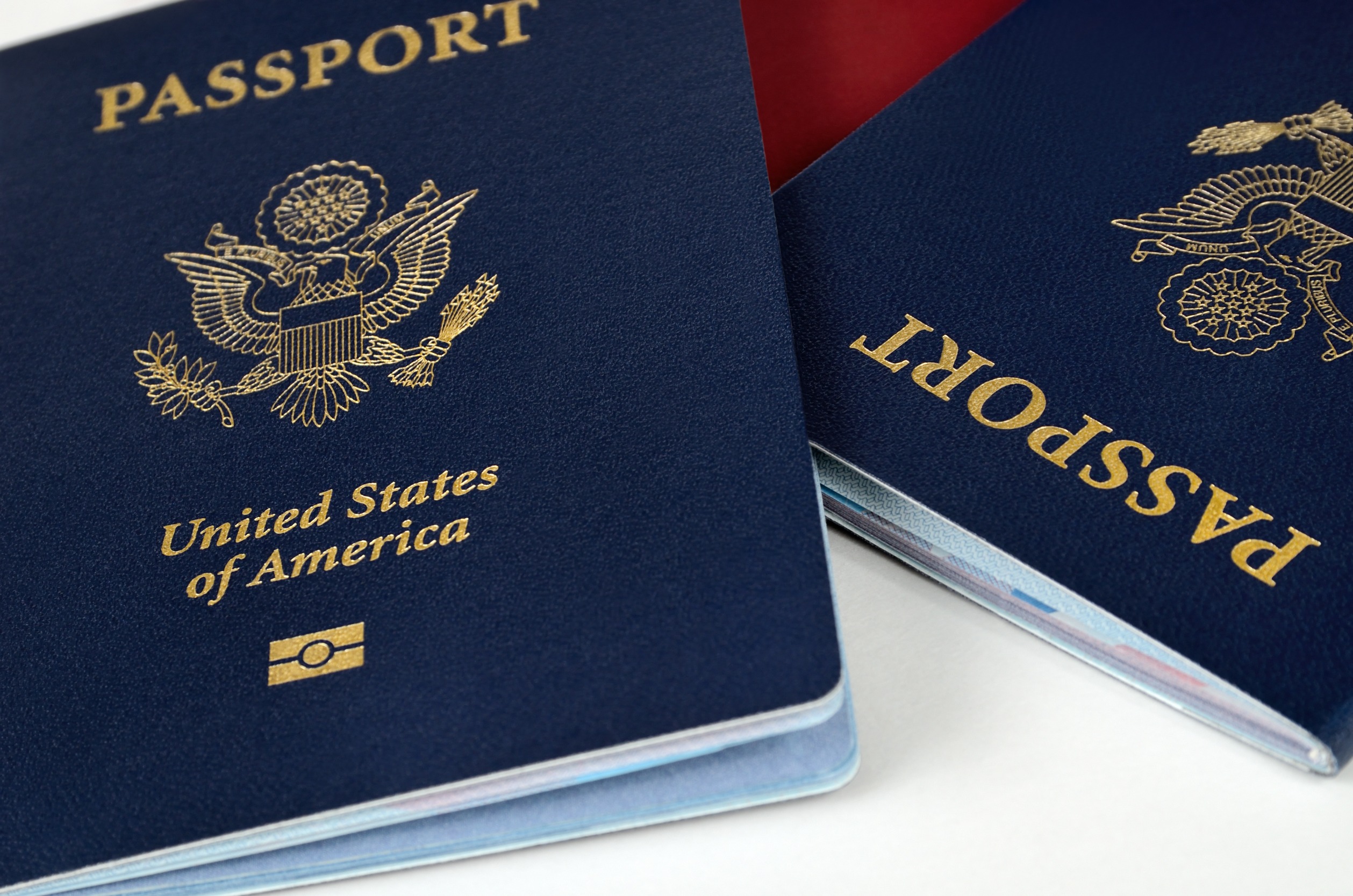
Ensure all your important documents are easily accessible. This includes your passport, visa, travel insurance, and copies of bookings and reservations. Keep both digital and hard copies in case of emergencies. Having everything organized can save you from unnecessary panic and delays.

6. Prioritize Health and Wellness

Prioritize Health and Wellness

Taking care of your health while traveling is essential for a stress-free experience. Stay hydrated, eat balanced meals, and get enough rest. Bring a small first aid kit with medications for common ailments. By prioritizing your well-being, you can fully enjoy your trip without health-related disruptions.

7. Book Accommodations Wisely

Book Accommodations Wisely

Choosing the right accommodations can significantly influence your travel experience. Consider factors like location, amenities, and reviews before making a decision. Staying in a comfortable and convenient place can reduce stress and make your vacation more enjoyable. Booking through reliable platforms can also ensure a hassle-free stay.

8. Budget Accordingly

Budget Accordingly

Financial worries can add unnecessary stress to your vacation. Set a realistic budget before your trip and stick to it. Use budgeting apps to track your expenses and avoid overspending. Planning your finances can help you enjoy your vacation without constant money concerns.

9. Learn Basic Phrases

Learn Basic Phrases

Learning a few basic phrases can be incredibly helpful if you’re traveling to a country where you don’t speak the language. Simple greetings, thank you, and asking for directions can go a long way in making your trip smoother. Locals appreciate the effort, and it can enhance your overall travel experience. This small step can prevent communication barriers from becoming stressful situations.

10. Stay Connected

Stay Connected

Staying connected with family and friends can provide a sense of security while traveling. Make sure your phone plan includes international coverage, or get a local SIM card upon arrival. Apps like WhatsApp and Skype allow you to stay in touch and share updates. Having this connection can alleviate worries and keep you informed.

11. Take Time to Relax

Take Time to Relax

Amid the excitement of exploring new places, taking time to relax is essential. Schedule downtime in your itinerary to unwind and recharge. Whether it’s a quiet afternoon at a café or a leisurely walk in a park, these moments of relaxation can prevent burnout. Balancing activity with rest ensures a more enjoyable vacation.

12. Travel Insurance

Travel Insurance

Investing in travel insurance is one of the best secrets to stress-free travel. It provides coverage for unexpected events like medical emergencies, trip cancellations, and lost luggage. Knowing you’re protected can give you peace of mind throughout your journey. Choose a comprehensive plan that suits your travel needs.

Take Advantage of These Secrets to Stress-Free Travel for a Seamless Vacation

Take Advantage of These Secrets to Stress-Free Travel for a Seamless Vacation

A stress-free vacation is achievable with thoughtful planning and the right strategies. By following these secrets to stress-free travel, you can minimize common travel hassles and maximize enjoyment. Whether you’re embarking on a solo adventure or a family trip, these tips will help ensure your journey is smooth and memorable. Enjoy your seamless vacation and make the most of every moment.

Read More:

Amazing Reasons to Travel with Your Children

How to Travel with a Kid Who Isn’t a Great Traveler

Catherine Reed
Catherine Reed

Catherine is a tech-savvy writer who has focused on the personal finance space for more than eight years. She has a Bachelor’s in Information Technology and enjoys showcasing how tech can simplify everyday personal finance tasks like budgeting, spending tracking, and planning for the future. Additionally, she’s explored the ins and outs of the world of side hustles and loves to share what she’s learned along the way. When she’s not working, you can find her relaxing at home in the Pacific Northwest with her two cats or enjoying a cup of coffee at her neighborhood cafe.

Filed Under: Travel Tagged With: family trip, stress-free travel, Travel, travel plan, Vacation, vacation planning

  • Facebook
  • Pinterest
  • RSS
  • Twitter

Basic Principles Of Good Parenting

Here some basic principles for good parenting:

  1. What You Do Matters: Your kids are watching you. So, be purposeful about what you want to accomplish.
  2. You Can’t be Too Loving: Don’t replace love with material possessions, lowered expectations or leniency.
  3. Be Involved Your Kids Life: Arrange your priorities to focus on what your kid’s needs. Be there mentally and physically.
  4. Adapt Your Parenting: Children grow quickly, so keep pace with your child’s development.
  5. Establish and Set Rules: The rules you set for children will establish the rules they set for themselves later.  Avoid harsh discipline and be consistent.
  6. Explain Your Decisions: What is obvious to you may not be evident to your child. They don’t have the experience you do.
  7. Be Respectful To Your Child: How you treat your child is how they will treat others.  Be polite, respectful and make an effort to pay attention.
Best Parenting Blogs

Most Popular

11 Ways Kids Are Outsmarting Parental Controls 1. Using Alternate Devices One common trick is simply turning to another device. If a child’s main phone or tablet is restricted, they may borrow a sibling’s, friend’s, or even a school laptop. This instantly gives them access to content outside of parental oversight. Parents often focus on one device, forgetting that others in the household can serve as loopholes. Knowing this tactic helps families tighten controls across all electronics. 2. Clearing Browsing Histories Many kids quickly learn that clearing browsing history hides evidence of restricted activity. With just a few clicks, they can erase any trace of websites visited. This makes it harder for parents to notice when rules are being broken. Parents may assume no history means no browsing, but the reality is often the opposite. Kids are outsmarting parental controls by making it seem like nothing happened at all. 3. Using Private Browsing Modes Most browsers offer “incognito” or private browsing features. Kids use this mode to access websites without leaving a record in the history. To parents checking later, everything looks clean and safe. This simple trick is often one of the first ways kids discover how to bypass restrictions. Conversations about private browsing can help close this gap. 4. Guessing or Resetting Passwords Children who are persistent may try to guess passwords to parental control apps or accounts. Others may find ways to reset them through email prompts or security questions. Once inside, they can disable restrictions entirely. Parents may not even realize controls have been altered until much later. Stronger, less predictable passwords can make this more difficult. 5. Using VPNs to Hide Activity Virtual private networks, or VPNs, let kids disguise their online locations. With one downloaded app, they can bypass geographic or parental restrictions. Some children learn about VPNs through friends or even social media. This makes it easy for them to reach content that should be blocked. Parents often underestimate just how simple it is for kids to use these tools. 6. Creating Fake Accounts When parents monitor social media, kids may create hidden accounts. These “finstas” or fake profiles allow them to interact freely without parental oversight. While their main account appears harmless, the secondary one tells a different story. Kids are outsmarting parental controls by playing both sides at once. Checking for duplicate accounts can help parents stay more aware. 7. Exploiting Time Zone Settings Some kids change the time zone on their devices to bypass screen time limits. This trick allows them to gain extra hours of usage undetected. Parents may assume controls are working, but in reality, the child is bending the clock. It’s a clever loophole that highlights just how resourceful kids can be. Monitoring device settings regularly can catch this tactic. 8. Disabling or Uninstalling Apps Parental control apps can be deleted or disabled with surprising ease. Some kids even reinstall them before a parent checks, making it seem like nothing changed. Others may simply restrict permissions to prevent apps from functioning properly. When apps aren’t monitored closely, parents may not notice they’ve been tampered with. This shows the importance of consistent follow-up. 9. Turning to Friends for Access If a child can’t get past restrictions on their own, they may rely on friends. Visiting a friend’s house or borrowing their phone can give them a free pass. Parents often forget that peer environments can override restrictions set at home. This kind of social workaround is especially common with gaming or social media. Open conversations about trust and responsibility are essential. 10. Hiding Apps in Plain Sight Kids sometimes download apps that look innocent but serve as gateways to hidden activity. These apps may disguise themselves as calculators or utilities. In reality, they allow file storage, private messaging, or browser access. Parents glancing at a home screen may overlook them entirely. Learning to recognize these disguised apps can help parents stay informed. 11. Outpacing Parents’ Tech Knowledge Finally, kids often know more about devices than their parents do. Whether through YouTube tutorials, TikTok hacks, or peer groups, they quickly learn advanced workarounds. This knowledge gap means controls can be bypassed before parents even realize the loophole exists. Staying informed and continually learning about new technology is the best defense. Kids are outsmarting parental controls because they adapt faster than most adults. The Real Solution Lies Beyond Restrictions While controls and filters are important, no system is perfect. Kids will always find creative ways around barriers, making communication the strongest safeguard. Setting clear expectations, building trust, and having ongoing conversations about online behavior matter more than apps alone. Parents who combine technology with open dialogue create a safer digital environment. The goal isn’t to win a battle of wits but to build a relationship that keeps kids both safe and honest. Do you think kids are outsmarting parental controls faster than parents can keep up? Share your experiences in the comments below. What to Read Next... 6 Parenting Tech Shortcuts That Can Expose Your Child to Strangers How Much Screen Time Is Too Much—Legally Speaking? Is Your Child’s School Quietly Tracking Their Location Without Your Consent? How Much Screen Time Is Quietly Reshaping Childhood Behavior? Why Some Parents Are Being Investigated Over Homeschooling Records

11 Ways Kids Are Outsmarting Parental Controls

Catherine Reed
Smiling grandfather holding a happy baby indoors.

Why Grandparents Shouldn’t Babysit Their Grandkids Every Week – The Unspoken Issue

Samantha
Girl getting makeup done, referencing psychologist-approved age.

Wearing Makeup: Here Is the Age That Psychologists Agree It’s Okay for Girls to Wear Makeup

Samantha
birthday gifts

7 Birthday Gifts Your Child Should Never Bring to a Party

Latrice Perez

Babysitting Without Cash: 10 Ways to Barter Your Way Out of Childcare Costs

Ashleigh Clyde

All content on Kids Ain’t Cheap is for entertainment purposes only. By reading this blog, you agree that Kids Ain’t Cheap is not responsible for any actions taken after reading this blog. For the full disclaimer, see our privacy policy.

Please note that Kids Ain’t Cheap has financial relationships with some of the merchants mentioned here. Kids Ain’t Cheap is funded by banner advertising, commission sales and search optimization consulting.

Copyright © 2006–2026 | District Media | All Rights Reserved | Privacy Policy

Copyright © 2026 Runway Pro Theme by Viva la Violette