
• Home
  • About Us
  • Toolkit
  • Archives
  • Advertise
  • Privacy Policy

Kids Ain't Cheap

But They Sure Are Worth It

  • Parenting
    • Baby Stuff
    • Books and Reading
      • Aesops Fables
      • Comic Books
    • Education
    • Family Time
    • Green Living
    • Growing Up
    • Healthy Living & Eating
    • Holidays
    • Parenting
    • Random Musings
    • Shopping
    • Stuff to Do
  • Money
  • Product Reviews
    • Books and Magazines
    • Discount Sites
    • Furniture
    • House Keeping
    • Reviews News
    • Toys and Games
  • Contact Us
  • Our Editorial Commitment
  • Search

Nutritionists Warn: The 3 Toddler Snacks Parents Waste $400+ on Yearly

February 22, 2026 | Leave a Comment

Toddler Snacks
Image source: Pexels.com

You are standing in the grocery aisle, looking for anything that will get your picky toddler to eat something healthy. You grab the colorful pouches, the organic puffs, and the specialty fruit snacks, assuming they are worth the premium price. However, nutritionists have long warned that many toddler snacks are overpriced and nutritionally weak versions of common staples. Honestly, the system relies on your parental guilt to convince you that your child needs these items to thrive. Here is the reveal of the three snacks draining your wallet and how you could easily save hundreds of dollars a year.

The Fruit Pouch Mirage

Fruit pouches are marketed as a convenient way to get a serving of produce into your child. In reality, these are often just high-sugar purees that lack the fiber and texture of actual fruit. You often pay several times more for the pouch than the cost of whole fruit just for the plastic packaging. Surprisingly, consuming food in liquid form does not teach your child how to chew or explore new textures. Furthermore, pediatric dentists warn that the high acidity can be detrimental to developing teeth. On the other hand, a whole apple or a banana costs pennies and provides far more nutritional value.

The Organic Puff Trap

They are light, they are airy, and they dissolve in seconds—and they are almost entirely devoid of nutrients. Organic puffs are essentially expensive air flavored with a dusting of fruit powder. Nutritionists warn that these do nothing to keep a child full, leading to a cycle of constant grazing. Most of the vitamins advertised on the label are added synthetically at the end of processing. You are paying for the organic label on a product that is essentially a processed cracker. For the same price as one container of puffs, you could buy a large bag of oats or bulk rice cakes that last much longer.

Specialty Toddler Milks and Shakes

If your child is a picky eater, you might be tempted by the shakes that promise to fill nutritional gaps. However, for a healthy toddler, these are often unnecessary and packed with added sugars and thickeners. The American Academy of Pediatrics argues that these drinks can actually make picky eating worse by making children too full to try real food at mealtime. Most kids get all the nutrients they need from a balanced diet and whole milk or water. These shakes can add up to hundreds of dollars a year. It is a financial and nutritional trap that targets your anxiety as a parent.

Reclaiming Your Grocery Budget

The toddler food industry is a multi-billion-dollar machine designed to exploit your desire to be a good parent. By identifying these budget-drainers, you can simplify your grocery list and improve your child’s health. Focus on whole, unprocessed foods and skip the specialty aisle whenever possible. You have worked too hard for your money to waste it on expensive packaging and empty calories. Trust your instincts and the basics of nutrition. Your bank account—and your toddler—will thank you for it. You have the authority to choose real food over clever marketing starting today.

Which “must-have” toddler snack have you found to be a total waste of money? Leave a comment below and share your budget-friendly snack alternatives.

What to Read Next…

  • 10 Snacks That Are Making Your Kids Overweight and Unhealthy
  • Nutritionists Warn: 6 “Healthy” Lunchbox Staples That Spike Sugar Crashes at School
  • Virginia Law: The Baby Food Protection Act Just Banned These Brands from Shelves
Latrice Perez

Latrice is a dedicated professional with a rich background in social work, complemented by an Associate Degree in the field. Her journey has been uniquely shaped by the rewarding experience of being a stay-at-home mom to her two children, aged 13 and 5. This role has not only been a testament to her commitment to family but has also provided her with invaluable life lessons and insights.  As a mother, Latrice has embraced the opportunity to educate her children on essential life skills, with a special focus on financial literacy.

Filed Under: Parenting Tagged With: baby food, financial tips, food waste, grocery budget, healthy kids, parenting hacks, toddler nutrition

6 Lunchbox Items Teachers End Up Throwing Away That Parents Paid For

February 18, 2026 | Leave a Comment

Lunchbox Items
Image source: shutterstock.com

You spend Sunday nights meal prepping and hunting for organic snacks to fuel your child’s brain. However, a quiet reality happens in school cafeterias that most parents never see. Thousands of dollars in groceries end up in the trash bin before first recess even begins. Honestly, it is not your fault that marketing convinced you these items were essential. Here is the truth about the lunchbox items that teachers consistently toss and why your money is being wasted.

The Illusion of Yogurt Tubes

Yogurt tubes are marketed as the ultimate mess-free convenience for busy families. In reality, these items are often impossible for small hands to open without scissors. Teachers in a room of thirty students simply do not have time to provide surgical assistance for every snack. By the time a child gets help, the yogurt has usually reached an unappealing temperature. Surprisingly, most of these end up half-squeezed and discarded to avoid a sticky explosion in the classroom.

Pre-Packaged Dipping Kits

Those colorful boxes containing crackers and cheese feel like a balanced win for parents. On the other hand, the high sodium content of these kits often leads to a quick sugar crash. Most children eat the crackers and leave the rubbery meat and cheese untouched. You are essentially paying a 400 percent markup for plastic packaging that ends up in a landfill. Teachers often watch kids pick out the fun part and slide the rest into the bin.

The Deceptive Nature of Fruit Pouches

Fruit pouches feel like a victory for nutrition, but they are often the first thing to be abandoned. Because they are consumed so quickly, they do not provide the satiety that comes from chewing actual fruit. Many children treat these like a drink rather than a meal component. Once the cap is off, they become a tipping hazard that teachers dread. If a child does not finish one in the first two minutes, it is gone.

Why Juice Boxes Fail

Juice boxes are a staple of the American lunchbox, yet they are a primary source of waste and sticky floors. The tiny plastic straws are a nightmare for fine motor skills. Once punctured, the box cannot be resealed. If a child takes two sips and is finished, the rest of that liquid goes straight into the trash. Furthermore, the sugar spike from juice often leads to behavioral issues in the afternoon.

Bulk Snacks in Flimsy Bags

Buying in bulk is a smart financial move, but how you pack those snacks matters. Flimsy sandwich bags often get crushed at the bottom of a backpack, turning expensive crackers into dust. Children will rarely eat a snack that has been pulverized into crumbs. You might think you are saving money, but if the food is inedible by noon, the savings disappear. Investing in a sturdy container ensures that what you pay for actually makes it into your child’s stomach.

Reclaiming Your Grocery Budget

The school lunch system is a hidden cycle of waste that drains your wallet one snack at a time. By focusing on whole foods and durable packaging, you can ensure your child is actually nourished. Stop paying for the convenience of marketing and focus on what kids actually eat. You have worked too hard for your money to let it sit at the bottom of a trash can. Make the shift today and watch your grocery bill and your frustration drop significantly.

Have you noticed your child coming home with a full lunchbox or empty wrappers? Leave a comment below and let us know which items your kids actually finish.

What to Read Next…

  • Virginia Baby Food Ban: 5 Specific Brands Just Prohibited Under New Safety Laws
  • 6 Kid-Friendly Foods That Were Quietly Recalled This Month
  • Why Your Family Could Be Spending More on Food This December — and What to Do
Latrice Perez

Latrice is a dedicated professional with a rich background in social work, complemented by an Associate Degree in the field. Her journey has been uniquely shaped by the rewarding experience of being a stay-at-home mom to her two children, aged 13 and 5. This role has not only been a testament to her commitment to family but has also provided her with invaluable life lessons and insights.  As a mother, Latrice has embraced the opportunity to educate her children on essential life skills, with a special focus on financial literacy.

Filed Under: Parenting Tagged With: education, food waste, grocery budget, healthy kids, Money Saving, parenting tips, school lunch

Nutritionists Warn: 6 “Healthy” Lunchbox Staples That Spike Sugar Crashes at School

February 2, 2026 | Leave a Comment

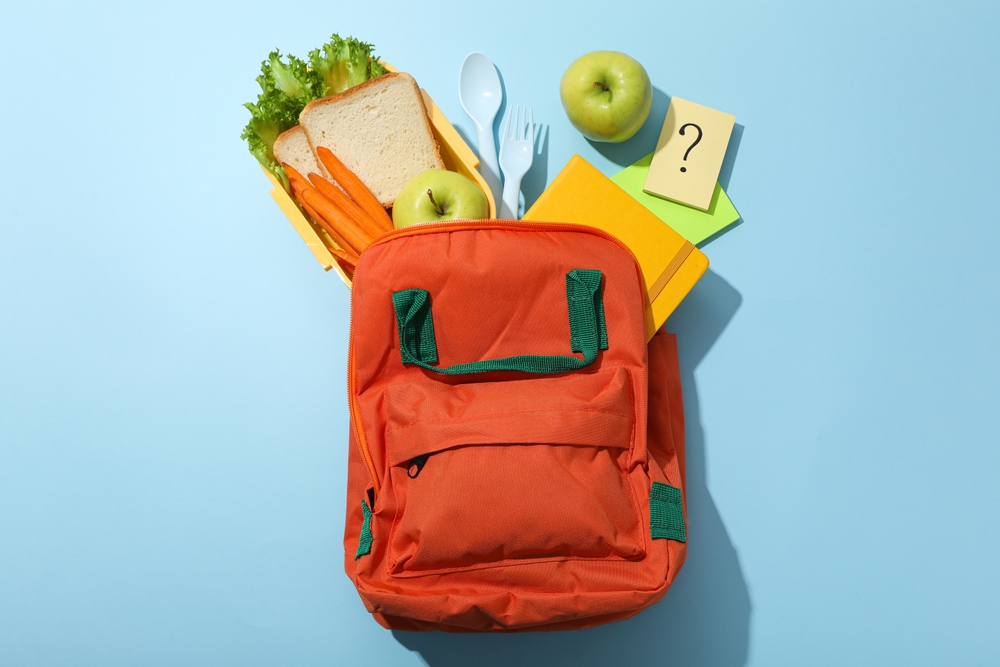
Nutritionists Warn: 6 “Healthy” Lunchbox Staples That Spike Sugar Crashes at School
Image Source: Shutterstock.com

Every parent knows the lunchbox pressure. You want foods that look healthy, sound healthy, and won’t come home untouched at the end of the day. Grocery aisles don’t make it easier, with labels shouting “natural,” “whole grain,” and “low fat” like nutritional confetti.

But here’s the truth nutritionists keep repeating: some of the most common “healthy” lunchbox staples cause massive blood sugar spikes followed by energy crashes, mood swings, and afternoon brain fog in kids. That post-lunch slump, crankiness, and total loss of focus in class often have less to do with sleep and more to do with what’s in the lunchbox.

1. Flavored Yogurt Cups That Act Like Dessert In Disguise

Flavored yogurt sounds like a nutrition win until you read the sugar label. Many popular kids’ yogurts contain as much added sugar as a small candy bar, even when they’re marketed as “low fat” or “made with real fruit.” The sugar spikes blood glucose quickly, especially when there’s not enough fiber or protein to slow digestion. That rush of energy feels great for about 30 minutes, then crashes hard into fatigue and irritability.

Nutritionists recommend switching to plain Greek yogurt and adding fresh fruit or a drizzle of honey, so you control the sugar instead of letting the packaging decide. Protein-rich yogurt paired with real fiber helps stabilize energy instead of turning lunch into a sugar roller coaster.

2. Granola Bars That Behave Like Candy Bars

Granola bars live in lunchboxes like royalty because they’re easy, portable, and labeled “whole grain.” The problem is that many of them are loaded with syrups, refined sugars, and processed carbs that digest fast and spike blood sugar quickly. Kids get a burst of energy followed by a steep crash that hits right in the middle of afternoon classes. Even bars with oats and seeds often contain more sugar than protein, which flips their nutrition profile upside down.

Nutritionists suggest choosing bars with visible nuts, seeds, and at least 6–8 grams of protein, or swapping them for a trail mix made with nuts and low-sugar dried fruit. Real fats and protein slow digestion and keep energy steady instead of spiky.

3. Fruit Snacks And Fruit Leathers That Aren’t Really Fruit

Fruit snacks look wholesome, especially when they say “made with real fruit” or show pictures of strawberries and apples on the package. In reality, most fruit snacks are concentrated sugar sources with very little fiber, which is what actually makes fruit filling and stabilizing. Without fiber, sugar hits the bloodstream fast and burns out just as quickly. Kids often feel hungry again shortly after eating them, which leads to more snacking and more sugar swings.

Experts recommend whole fruit instead, because fiber, water, and natural sugars work together to regulate digestion and energy. Pairing fruit with nuts or cheese adds protein and fat that prevent energy crashes.

4. White Bread Sandwiches Masquerading As Balanced Meals

A sandwich feels like a complete lunch, but white bread breaks down into glucose almost as fast as straight sugar. Even with turkey or peanut butter inside, refined bread creates a quick blood sugar spike followed by a drop that affects focus and mood. Kids may feel sleepy, foggy, or irritable long before the school day ends. Whole-grain labels don’t always mean whole-grain nutrition, especially when refined flours still dominate the ingredient list.

Try truly whole-grain bread with visible grains or use wraps made from high-fiber grains. Adding healthy fats like avocado or hummus also slows digestion and stabilizes energy levels.

5. Juice Boxes That Pretend To Be Hydration

Juice feels like a healthier option than soda, but nutritionally, it behaves very similarly. Most juice boxes lack fiber and deliver concentrated sugar straight into the bloodstream. This creates fast energy spikes followed by fast crashes, especially in kids who are already sensitive to blood sugar swings. Even 100% juice can cause these effects when it’s not balanced with protein or fat.

It’s better to use water as the primary drink and whole fruit instead of juice for sweetness. If juice is included, pairing it with protein and fiber can reduce the crash effect.

Nutritionists Warn: 6 “Healthy” Lunchbox Staples That Spike Sugar Crashes at School
Image Source: Shutterstock.com

6. Low-Fat Crackers That Spike Hunger Instead Of Solving It

Low-fat crackers often look like a smart lunchbox filler, but removing fat usually means adding refined carbs. These crackers digest quickly, spike blood sugar, and fail to keep kids full for long. Hunger returns fast, energy drops, and concentration follows. Many kids end up snacking constantly through the afternoon because their lunch didn’t actually stabilize their blood sugar.

Choose to pack crackers with whole grains, seeds, and healthy fats, or replace them with nuts, cheese, or hummus and veggies. Balanced snacks create lasting energy instead of short-lived fullness.

Lunchbox Energy Starts With Balance, Not Buzzwords

Real energy doesn’t come from labels, packaging, or clever marketing language. It comes from balanced meals that combine protein, fiber, and healthy fats to slow digestion and stabilize blood sugar. When lunchboxes rely too heavily on refined carbs and hidden sugars, kids pay the price with crashes, mood swings, and poor focus.

Small swaps create massive changes in energy, behavior, and learning. Better lunchboxes don’t need perfection, just a smarter balance.

What “healthy” lunchbox food shocked you the most on this list, and what are you going to swap it for first? Share your stories in the comments.

You May Also Like…

Virginia Baby Food Ban: 5 Specific Brands Just Prohibited Under New Safety Laws

7 Signs Your Child Has a Healthy Friendship—and 3 Red Flags to Watch

Food Hacks to Turn Leftovers Into Kids’ Lunches That Beat Store Prices

7 Lunch Foods That Make Kids a Target for Teasing

Teachers Beg Parents: Stop Buying These 7 Expensive School Supplies

Brandon Marcus
Brandon Marcus
Brandon Marcus is a writer who has been sharing the written word since a very young age. His interests include sports, history, pop culture, and so much more. When he isn’t writing, he spends his time jogging, drinking coffee, or attempting to read a long book he may never complete.

Filed Under: Family Tagged With: balanced meals, blood sugar crashes, child focus, healthy kids, healthy lunchbox, kids nutrition, nutrition education, parenting tips, school energy, school lunches, sugar spikes

  • Facebook
  • Pinterest
  • RSS
  • Twitter

Basic Principles Of Good Parenting

Here some basic principles for good parenting:

  1. What You Do Matters: Your kids are watching you. So, be purposeful about what you want to accomplish.
  2. You Can’t be Too Loving: Don’t replace love with material possessions, lowered expectations or leniency.
  3. Be Involved Your Kids Life: Arrange your priorities to focus on what your kid’s needs. Be there mentally and physically.
  4. Adapt Your Parenting: Children grow quickly, so keep pace with your child’s development.
  5. Establish and Set Rules: The rules you set for children will establish the rules they set for themselves later.  Avoid harsh discipline and be consistent.
  6. Explain Your Decisions: What is obvious to you may not be evident to your child. They don’t have the experience you do.
  7. Be Respectful To Your Child: How you treat your child is how they will treat others.  Be polite, respectful and make an effort to pay attention.
Best Parenting Blogs

Most Popular

11 Ways Kids Are Outsmarting Parental Controls 1. Using Alternate Devices One common trick is simply turning to another device. If a child’s main phone or tablet is restricted, they may borrow a sibling’s, friend’s, or even a school laptop. This instantly gives them access to content outside of parental oversight. Parents often focus on one device, forgetting that others in the household can serve as loopholes. Knowing this tactic helps families tighten controls across all electronics. 2. Clearing Browsing Histories Many kids quickly learn that clearing browsing history hides evidence of restricted activity. With just a few clicks, they can erase any trace of websites visited. This makes it harder for parents to notice when rules are being broken. Parents may assume no history means no browsing, but the reality is often the opposite. Kids are outsmarting parental controls by making it seem like nothing happened at all. 3. Using Private Browsing Modes Most browsers offer “incognito” or private browsing features. Kids use this mode to access websites without leaving a record in the history. To parents checking later, everything looks clean and safe. This simple trick is often one of the first ways kids discover how to bypass restrictions. Conversations about private browsing can help close this gap. 4. Guessing or Resetting Passwords Children who are persistent may try to guess passwords to parental control apps or accounts. Others may find ways to reset them through email prompts or security questions. Once inside, they can disable restrictions entirely. Parents may not even realize controls have been altered until much later. Stronger, less predictable passwords can make this more difficult. 5. Using VPNs to Hide Activity Virtual private networks, or VPNs, let kids disguise their online locations. With one downloaded app, they can bypass geographic or parental restrictions. Some children learn about VPNs through friends or even social media. This makes it easy for them to reach content that should be blocked. Parents often underestimate just how simple it is for kids to use these tools. 6. Creating Fake Accounts When parents monitor social media, kids may create hidden accounts. These “finstas” or fake profiles allow them to interact freely without parental oversight. While their main account appears harmless, the secondary one tells a different story. Kids are outsmarting parental controls by playing both sides at once. Checking for duplicate accounts can help parents stay more aware. 7. Exploiting Time Zone Settings Some kids change the time zone on their devices to bypass screen time limits. This trick allows them to gain extra hours of usage undetected. Parents may assume controls are working, but in reality, the child is bending the clock. It’s a clever loophole that highlights just how resourceful kids can be. Monitoring device settings regularly can catch this tactic. 8. Disabling or Uninstalling Apps Parental control apps can be deleted or disabled with surprising ease. Some kids even reinstall them before a parent checks, making it seem like nothing changed. Others may simply restrict permissions to prevent apps from functioning properly. When apps aren’t monitored closely, parents may not notice they’ve been tampered with. This shows the importance of consistent follow-up. 9. Turning to Friends for Access If a child can’t get past restrictions on their own, they may rely on friends. Visiting a friend’s house or borrowing their phone can give them a free pass. Parents often forget that peer environments can override restrictions set at home. This kind of social workaround is especially common with gaming or social media. Open conversations about trust and responsibility are essential. 10. Hiding Apps in Plain Sight Kids sometimes download apps that look innocent but serve as gateways to hidden activity. These apps may disguise themselves as calculators or utilities. In reality, they allow file storage, private messaging, or browser access. Parents glancing at a home screen may overlook them entirely. Learning to recognize these disguised apps can help parents stay informed. 11. Outpacing Parents’ Tech Knowledge Finally, kids often know more about devices than their parents do. Whether through YouTube tutorials, TikTok hacks, or peer groups, they quickly learn advanced workarounds. This knowledge gap means controls can be bypassed before parents even realize the loophole exists. Staying informed and continually learning about new technology is the best defense. Kids are outsmarting parental controls because they adapt faster than most adults. The Real Solution Lies Beyond Restrictions While controls and filters are important, no system is perfect. Kids will always find creative ways around barriers, making communication the strongest safeguard. Setting clear expectations, building trust, and having ongoing conversations about online behavior matter more than apps alone. Parents who combine technology with open dialogue create a safer digital environment. The goal isn’t to win a battle of wits but to build a relationship that keeps kids both safe and honest. Do you think kids are outsmarting parental controls faster than parents can keep up? Share your experiences in the comments below. What to Read Next... 6 Parenting Tech Shortcuts That Can Expose Your Child to Strangers How Much Screen Time Is Too Much—Legally Speaking? Is Your Child’s School Quietly Tracking Their Location Without Your Consent? How Much Screen Time Is Quietly Reshaping Childhood Behavior? Why Some Parents Are Being Investigated Over Homeschooling Records

11 Ways Kids Are Outsmarting Parental Controls

Catherine Reed
Smiling grandfather holding a happy baby indoors.

Why Grandparents Shouldn’t Babysit Their Grandkids Every Week – The Unspoken Issue

Samantha
Girl getting makeup done, referencing psychologist-approved age.

Wearing Makeup: Here Is the Age That Psychologists Agree It’s Okay for Girls to Wear Makeup

Samantha
birthday gifts

7 Birthday Gifts Your Child Should Never Bring to a Party

Latrice Perez

Babysitting Without Cash: 10 Ways to Barter Your Way Out of Childcare Costs

Ashleigh Clyde

All content on Kids Ain’t Cheap is for entertainment purposes only. By reading this blog, you agree that Kids Ain’t Cheap is not responsible for any actions taken after reading this blog. For the full disclaimer, see our privacy policy.

Please note that Kids Ain’t Cheap has financial relationships with some of the merchants mentioned here. Kids Ain’t Cheap is funded by banner advertising, commission sales and search optimization consulting.

Copyright © 2006–2026 | District Media | All Rights Reserved | Privacy Policy

Copyright © 2026 Runway Pro Theme by Viva la Violette