
• Home
  • About Us
  • Toolkit
  • Archives
  • Advertise
  • Privacy Policy

Kids Ain't Cheap

But They Sure Are Worth It

  • Parenting
    • Baby Stuff
    • Books and Reading
      • Aesops Fables
      • Comic Books
    • Education
    • Family Time
    • Green Living
    • Growing Up
    • Healthy Living & Eating
    • Holidays
    • Parenting
    • Random Musings
    • Shopping
    • Stuff to Do
  • Money
  • Product Reviews
    • Books and Magazines
    • Discount Sites
    • Furniture
    • House Keeping
    • Reviews News
    • Toys and Games
  • Contact Us
  • Our Editorial Commitment
  • Search

Nutritionists Warn: The 3 Toddler Snacks Parents Waste $400+ on Yearly

February 22, 2026 | Leave a Comment

Toddler Snacks
Image source: Pexels.com

You are standing in the grocery aisle, looking for anything that will get your picky toddler to eat something healthy. You grab the colorful pouches, the organic puffs, and the specialty fruit snacks, assuming they are worth the premium price. However, nutritionists have long warned that many toddler snacks are overpriced and nutritionally weak versions of common staples. Honestly, the system relies on your parental guilt to convince you that your child needs these items to thrive. Here is the reveal of the three snacks draining your wallet and how you could easily save hundreds of dollars a year.

The Fruit Pouch Mirage

Fruit pouches are marketed as a convenient way to get a serving of produce into your child. In reality, these are often just high-sugar purees that lack the fiber and texture of actual fruit. You often pay several times more for the pouch than the cost of whole fruit just for the plastic packaging. Surprisingly, consuming food in liquid form does not teach your child how to chew or explore new textures. Furthermore, pediatric dentists warn that the high acidity can be detrimental to developing teeth. On the other hand, a whole apple or a banana costs pennies and provides far more nutritional value.

The Organic Puff Trap

They are light, they are airy, and they dissolve in seconds—and they are almost entirely devoid of nutrients. Organic puffs are essentially expensive air flavored with a dusting of fruit powder. Nutritionists warn that these do nothing to keep a child full, leading to a cycle of constant grazing. Most of the vitamins advertised on the label are added synthetically at the end of processing. You are paying for the organic label on a product that is essentially a processed cracker. For the same price as one container of puffs, you could buy a large bag of oats or bulk rice cakes that last much longer.

Specialty Toddler Milks and Shakes

If your child is a picky eater, you might be tempted by the shakes that promise to fill nutritional gaps. However, for a healthy toddler, these are often unnecessary and packed with added sugars and thickeners. The American Academy of Pediatrics argues that these drinks can actually make picky eating worse by making children too full to try real food at mealtime. Most kids get all the nutrients they need from a balanced diet and whole milk or water. These shakes can add up to hundreds of dollars a year. It is a financial and nutritional trap that targets your anxiety as a parent.

Reclaiming Your Grocery Budget

The toddler food industry is a multi-billion-dollar machine designed to exploit your desire to be a good parent. By identifying these budget-drainers, you can simplify your grocery list and improve your child’s health. Focus on whole, unprocessed foods and skip the specialty aisle whenever possible. You have worked too hard for your money to waste it on expensive packaging and empty calories. Trust your instincts and the basics of nutrition. Your bank account—and your toddler—will thank you for it. You have the authority to choose real food over clever marketing starting today.

Which “must-have” toddler snack have you found to be a total waste of money? Leave a comment below and share your budget-friendly snack alternatives.

What to Read Next…

  • 10 Snacks That Are Making Your Kids Overweight and Unhealthy
  • Nutritionists Warn: 6 “Healthy” Lunchbox Staples That Spike Sugar Crashes at School
  • Virginia Law: The Baby Food Protection Act Just Banned These Brands from Shelves
Latrice Perez

Latrice is a dedicated professional with a rich background in social work, complemented by an Associate Degree in the field. Her journey has been uniquely shaped by the rewarding experience of being a stay-at-home mom to her two children, aged 13 and 5. This role has not only been a testament to her commitment to family but has also provided her with invaluable life lessons and insights.  As a mother, Latrice has embraced the opportunity to educate her children on essential life skills, with a special focus on financial literacy.


Filed Under: Parenting Tagged With: baby food, financial tips, food waste, grocery budget, healthy kids, parenting hacks, toddler nutrition

Before You Sign Up: 6 “Free” School Programs That Aren’t Actually Free

February 20, 2026 | Leave a Comment

Public schools PIC
Image source: Pexels.com

It sounds like a dream for any budget-conscious parent: a tuition-free specialized program or a complimentary after-school enrichment series. You sign the forms, celebrate the savings, and then the invoices start rolling in. It is a classic bait and switch that feels like the hidden system is working directly against your wallet. Honestly, it is not your fault that you trusted the word free in a school flyer. Here is the reveal of the hidden costs behind these supposedly free programs and how to spot the financial traps before you commit.

The Last-Dollar Scholarship Trap

Many free college or dual enrollment programs for high schoolers operate on a last-dollar basis. This means the program only covers what is left over after all your other financial aid and Pell Grants are exhausted. If you already qualify for enough aid to cover tuition, the free program actually provides you with zero additional dollars. Surprisingly, these programs often have strict credit-hour requirements that might force your student to work fewer hours at a job. You end up losing real income to participate in a benefit you were essentially already entitled to.

The Mandatory Materials and Technology Fees

The tuition might be zero, but the access fees are anything but. Many free charter or specialized magnet programs require parents to pay for specific technology, specialized software, or lab fees that can run into the hundreds. On the other hand, traditional schools often bake these costs into the budget, but free alternative programs use these fees to bridge their funding gaps. By the time you buy the required tablet and the proprietary textbooks, that free seat has cost you as much as a private elective.

The Hidden Cost of Uniforms and Kits

Whether it is a free sports clinic or a specialized band program, the gear is rarely included. You might not pay for the coaching, but you are required to purchase a 300-dollar team kit or lease a specific instrument from a preferred vendor. Teachers and coaches often have a recommended list that is actually a mandatory list in disguise. These out-of-pocket expenses cannot be put on a payment plan, making the free entry point a major barrier for families living paycheck to paycheck.

Travel and Competition Assessments

Enrolling your child in a free competitive academic or athletic team feels like a great opportunity. However, the fine print often includes mandatory travel assessments to cover busing and hotel stays for away games. Even if the local participation is free, the system relies on parents to subsidize the competition circuit. If you cannot afford the 500-dollar trip to the regional finals, your child might be sidelined, making the free opportunity feel like a social and financial penalty.

The Time and Volunteer Tax

Some programs are free only if you pay with your time. These co-op style programs often require a specific number of volunteer hours per month. If you are a working parent between 35 and 65, your time is your most valuable asset. If you cannot make the Tuesday morning meeting, many programs charge a buy-out fee of 50 to 100 dollars. It is a hidden system that assumes every parent has a flexible schedule, effectively taxing those who have to work for a living.

The Standardized Testing Hidden Fee

Even if the classes themselves are free, the credentials at the end are not. Advanced Placement exams and specialized certifications often carry fees of 90 dollars or more per test. While schools may advertise the college credit as free, the price of the exam is your responsibility. If your student takes four of these over their high school career, you are looking at nearly 400 dollars in mandatory costs just to validate the work they already did. It is a final hurdle designed to extract money from the very families trying to save it.

Reclaiming Your Financial Peace of Mind

Educational programs are a business, and free is often just a marketing hook to get you in the door. By asking for an all-in cost sheet before you sign, you can avoid the shock of the secondary invoice. You deserve to know exactly where your money is going and whether a program truly fits your family’s budget. Do not let the promise of a freebie lead you into a financial hole. Be the savvy investigator your family needs and demand transparency from the start.

Have you ever signed your child up for a free program only to be hit with hidden fees later? Leave a comment below and warn other parents about the programs to avoid.

What to Read Next…

  • Why 2026 Tax Refunds Won’t Cover the Cost of Summer Camp This Year
  • The Unexpected Expense: 11 Tax Breaks For Parents You Didn’t Know Existed
  • Tax Shock: 11 Unexpected Taxes for New Parents
Latrice Perez

Latrice is a dedicated professional with a rich background in social work, complemented by an Associate Degree in the field. Her journey has been uniquely shaped by the rewarding experience of being a stay-at-home mom to her two children, aged 13 and 5. This role has not only been a testament to her commitment to family but has also provided her with invaluable life lessons and insights.  As a mother, Latrice has embraced the opportunity to educate her children on essential life skills, with a special focus on financial literacy.
Filed Under: Education Tagged With: Budgeting for Kids, Education Scams, financial tips, Free School Programs, hidden costs, parenting finances, school fees

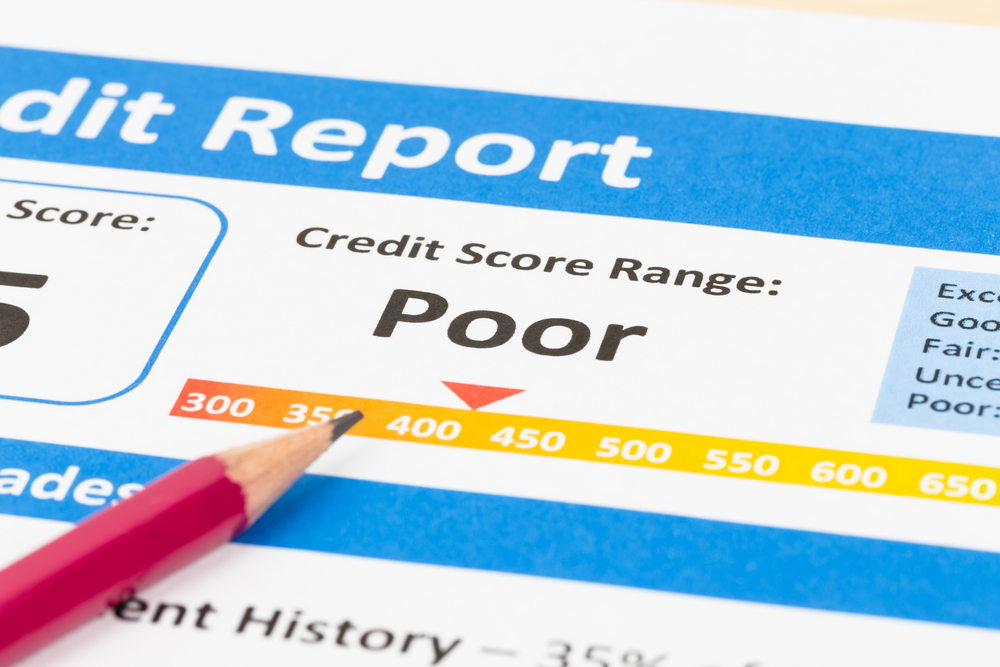
The ‘Free School’ Trap: Why Your Child’s 2026 Extracurriculars Are Secretly Affecting Your Credit Score

January 24, 2026 | Leave a Comment

The 'Free School' Trap: Why Your Child’s 2026 Extracurriculars Are Secretly Affecting Your Credit Score
Image Source: Shutterstock.com

In Fayetteville, GA, and across Volusia County, Florida, parents entered the 2025–2026 season assuming “free school” still meant zero downstream risk. That assumption just expired. Districts pushed an unprecedented, quiet rollout of extracurricular “support platforms” through a legal loophole that treats optional programs as private services.

The hidden reality: these add-ons now create data trails that follow families beyond the school gate. Local pilots turned national overnight, and the shift hits hardest where parents least expect it—after dismissal, during clubs, tutoring, and enrichment that claim to cost nothing.

The Surveillance Clause No One Read

Georgia HB 268, effective for the 2026 school year, expanded behavioral monitoring standards under the banner of safety and engagement. Districts now log participation data from after-school programs into shared compliance systems.

Fayette County schools integrated these logs with third-party vendors that manage sign-ups, attendance, and incident tracking. Parents clicked consent screens to keep kids enrolled.

Those screens authorized data sharing with “educational partners,” a term HB 268 left intentionally broad. Schools framed the move as modernization. Vendors framed it as efficiency. Parents absorbed the risk.

Distraction Policy by Day, Data Harvest by Night

Georgia HB 340 targeted school distractions during class hours. Districts responded by relocating attention-heavy activities to after-school windows. That move created a compliance gray zone.

The same vendors that enforce distraction rules by day monetize engagement metrics by night. Florida districts followed suit. Volusia County standardized vendor use across middle schools for 2026 to “ensure equity.”

Equity arrived with profiles, timestamps, and behavioral flags tied to a parent’s email and payment method for “optional” upgrades. The law permits the practice. The notice obscures the cost.

The 'Free School' Trap: Why Your Child’s 2026 Extracurriculars Are Secretly Affecting Your Credit Score
Image Source: Shutterstock.com

The Credit Consequence Schools Don’t Disclose

Here’s the financial pivot administrators dodge. These platforms upsell. Miss a micro-fee for a tournament jersey or late pickup? Vendors route balances through consumer payment processors.

Those processors report delinquencies. Parents lose privacy first, then money, then credit headroom. Ignore the emails and watch a 30-day mark land on your report. Families also lose social capital. Opt out and your child exits teams, enrichment, and peer networks that gate future recommendations.

This isn’t hypothetical. Parents already report denials for car loans after a single $47 “optional” balance rolled over. High-Stakes Parenting now includes credit hygiene.

What Parents Must Do—Now

Audit every extracurricular portal. Demand vendor lists. Freeze cards. Use single-use payments. Push districts for opt-out without penalty. Friction-maxx your parenting. The system counts on fatigue. Refuse it.

Do you accept expanded safety and inclusion if it quietly taxes your credit—or do you defend financial security even when it costs your child social access?

You May Also Like…

The “Smart Locker” Trap: Why Schools Are Quietly Auditing Your Child’s Private Devices

Parenting Hacks for College Students: 8 Tips to Juggle Studies and Kids

Why Are Public Schools Quietly Removing Librarians?

11 School Practices That Punish Neurodivergent Children

Why Are Some Schools Replacing Lunch With Vending Machines?


Brandon Marcus
Brandon Marcus
Brandon Marcus is a writer who has been sharing the written word since a very young age. His interests include sports, history, pop culture, and so much more. When he isn’t writing, he spends his time jogging, drinking coffee, or attempting to read a long book he may never complete.

Filed Under: Education Tagged With: Credit Score, Debt, education, extracurricular activities, Family Finance, financial tips, money management, Parenting, personal finance, school

The Unexpected Cost: 11 Things You Didn’t Know You’d Pay For When You Have Kids

July 27, 2025 | Leave a Comment

The Unexpected Cost 11 Things You Didnt Know Youd Pay For When You Have Kids
Image source: 123rf.com

Everyone knows kids come with expenses—diapers, daycare, and doctor visits are a given. But what really catches most parents off guard are the countless little (and not-so-little) things that add up fast. The unexpected cost of parenting hides in everyday decisions and surprise situations that no one warns you about ahead of time. Whether it’s replacing broken furniture or paying for a last-minute field trip, the surprises never seem to stop. If you’re budgeting for a baby or simply trying to figure out where your paycheck is disappearing, this list might explain a lot.

1. Constant Shoe Replacements

Kids grow fast, and their feet seem to grow even faster. Many parents underestimate just how often they’ll be replacing shoes—sometimes every couple of months. Add in the cost of specialty shoes for sports, wide feet, or school uniform requirements, and you’re easily spending hundreds each year. And just when you find a pair they love, they outgrow them within weeks. It’s one of those classic examples of the unexpected cost that creeps up and never really slows down.

2. School Fundraisers and “Voluntary” Fees

Even if your child attends public school, you’ll quickly discover that “free education” doesn’t mean zero expenses. Between class t-shirts, PTA dues, bake sales, and donation drives, you’ll constantly be asked to chip in. Then come the field trips, special art fees, or graduation contributions that aren’t technically mandatory—but still expected. It adds up over time, and the social pressure to participate can be strong. This is one of those sneaky ways that the unexpected cost of parenting shows up at your door.

3. Replacement Furniture and Décor

Kids can be surprisingly rough on your home. From scribbles on the wall to couch cushions turned into forts, normal wear and tear accelerates quickly once toddlers are on the move. Eventually, many parents find themselves replacing items earlier than expected. Area rugs get stained, dining chairs wobble from use as jungle gyms, and coffee tables mysteriously gain bite marks. The unexpected cost of fixing or replacing household items becomes part of your yearly spending whether you plan for it or not.

4. Birthday Parties (Yours and Theirs)

Throwing your own child’s birthday party can be expensive enough—venue rentals, cakes, decorations, and goody bags all add up. But then there are all the parties your child is invited to throughout the year. Each one usually means buying a gift, wrapping it, and possibly even buying a themed outfit or accessories. Even small gifts at $10–$20 a pop add up quickly if your child has a large friend circle. It’s another way the unexpected cost of social parenting flies under the radar.

5. Lost Items (And Replacing Them… Again)

From jackets left at school to water bottles that vanish into thin air, kids are experts at losing things. Unfortunately, many of these lost items aren’t cheap—lunchboxes, electronics, or even eyeglasses. Labeling everything helps, but you’ll still find yourself replacing items more often than you’d expect. And depending on your child’s personality, this could be a regular monthly occurrence. It’s frustrating, but also one of the most common examples of the unexpected cost that every parent eventually faces.

6. Snacks on the Go

No matter how well you pack before leaving the house, there will be a moment when your child is starving in the middle of an errand. Snacks from convenience stores or fast food drive-thrus can become a weekly expense that sneaks up on your budget. And when kids are involved, it’s rarely just one small item—it’s snacks, drinks, and maybe even a treat for being patient. Multiply that by a few times a month, and you’re easily looking at hundreds of dollars a year. The unexpected cost of feeding kids away from home adds up faster than you’d believe.

7. Emergency Room and Urgent Care Visits

Even with decent insurance, a trip to the ER or urgent care can result in bills you didn’t anticipate. Kids have a knack for getting sick at night, on weekends, or during holidays—when the only option is expensive care. Then there are the copays, follow-ups, and prescriptions that go along with it. Even if it’s just a precautionary visit, the charges can hit hard. This is one of the more stressful parts of the unexpected cost that comes with raising little humans.

8. Extracurricular Activities and Gear

From ballet to baseball to robotics club, extracurriculars are a great way for kids to learn and grow—but they’re not cheap. There are registration fees, uniforms, equipment, travel costs, and sometimes even private coaching. Many parents are surprised at just how much these hobbies cost per season. And if your child decides to switch activities mid-year, you might be paying all over again. The unexpected cost of supporting your child’s passions can feel like another mortgage.

9. Upgraded Vehicle Needs

If you thought your sporty two-door would work just fine, think again. Between car seats, strollers, sports gear, and multiple kids, many parents end up needing a bigger, more family-friendly vehicle. That can mean a higher car payment, more gas, and increased insurance costs. Even if you’re not upgrading immediately, it’s a future cost to plan for. Transportation is a hidden area where the unexpected cost often sneaks up with big financial consequences.

10. Professional Photos

Whether it’s newborn pictures, school portraits, or holiday family sessions, many parents find themselves spending more than expected on professional photos. Packages can be pricey, and digital rights often come at an extra cost. Even if you don’t plan on it, the emotional tug of capturing memories usually wins out. And once you start, it tends to become an annual tradition. It’s a sentimental example of the unexpected cost that often feels worth every penny.

11. Increased Utility Bills

More baths, more laundry, more lights left on—kids bring an uptick in household utility usage. Your water, electric, and even internet bills may slowly climb without you noticing at first. Those late-night feedings or weekend movie marathons use more power than your pre-kid life ever did. And let’s not forget the thermostat wars in colder or warmer months. The unexpected cost of higher utilities is one of those things that just becomes part of family life.

Budgeting for What You Can’t Predict

Parenting is full of joy, but it’s also full of surprises—especially financial ones. The unexpected cost of raising kids often comes from areas no one talks about, yet they hit every household at some point. Recognizing these sneaky expenses can help you build a more realistic budget and feel more in control. It’s not about avoiding every cost, but about preparing for them before they sneak up on you. When it comes to raising kids, expect the unexpected—and maybe keep a little wiggle room in your wallet.

What unexpected expense took you by surprise as a parent? Share your story in the comments—we’d love to hear from you!

Read More:

11 Costs of Raising a Special Needs Child You Didn’t Plan For

8 Hidden Fees In Daycare Contracts That Surprise You

Catherine Reed
Catherine Reed

Catherine is a tech-savvy writer who has focused on the personal finance space for more than eight years. She has a Bachelor’s in Information Technology and enjoys showcasing how tech can simplify everyday personal finance tasks like budgeting, spending tracking, and planning for the future. Additionally, she’s explored the ins and outs of the world of side hustles and loves to share what she’s learned along the way. When she’s not working, you can find her relaxing at home in the Pacific Northwest with her two cats or enjoying a cup of coffee at her neighborhood cafe.

Filed Under: Money and Finances Tagged With: child expenses, Family Budget, financial tips, hidden parenting costs, parenthood surprises, parenting costs, raising kids, unexpected cost

Broke Parent: 9 Single Parent Pitfalls That Leave You Broke

July 7, 2025 | Leave a Comment

Broke Parent 9 Single Parent Pitfalls That Leave You Broke
123rf.com

Being a single parent comes with its own unique mix of pressure, pride, and problem-solving. But one thing too many parents struggle with silently is staying financially afloat. Even with the best intentions and constant hustle, it’s easy to fall into money traps that keep your bank account empty. These mistakes don’t make you a bad parent—they make you human. Let’s break down the most common financial pitfalls that can leave you a broke parent, and how to avoid them without sacrificing your family’s well-being.

1. Not Tracking Every Dollar

When you’re juggling work, kids, school runs, and maybe even a side hustle, tracking your money might feel like a luxury. But for a broke parent, not knowing where your money is going is the fastest way to stay broke. Small expenses like daily coffees or extra app subscriptions add up fast and can eat into your budget without notice. Using a free budgeting app or a simple spreadsheet can help you stay in control. Visibility is the first step toward financial stability.

2. Skipping an Emergency Fund

It might seem impossible to save when money’s already tight, but skipping an emergency fund almost guarantees a future crisis. One unexpected car repair or medical bill can wipe out your entire monthly budget. As a single parent, you’re the only backup plan your family has. Even putting away $10 a week builds a cushion over time. It’s about building peace of mind more than a perfect savings number.

3. Overspending on the Kids

We all want to give our kids the best, but for a broke parent, that can sometimes mean spending beyond your means. From brand-name clothes to big birthday parties, these extras add up quickly. Kids remember your love, not the price tag of their sneakers or cake. Create a spending cap for special occasions and teach your kids the value of budgeting by including them in small financial decisions. They’ll appreciate your honesty and learn valuable lessons along the way.

4. Ignoring Government and Community Resources

Many single parents struggle in silence, unaware of the support available to them. Free food programs, rental assistance, utility grants, and childcare subsidies exist for a reason. Not taking advantage of these resources can keep a broke parent from catching a financial break. It’s not weakness—it’s smart strategy to use the help that’s out there. Make it a priority to research local nonprofit programs or speak with a family services counselor.

5. Living Without a Backup Plan

Without a partner’s income or support system, every decision carries extra weight. That makes it risky to live without backup plans like adequate insurance, a second source of income, or even a network for emergency childcare. A broke parent might not be able to avoid every challenge, but preparation helps cushion the impact. Look into affordable life insurance and consider freelancing or remote part-time work to build some income flexibility. Planning isn’t paranoia—it’s power.

6. Letting Debt Spiral

Credit card balances, payday loans, and missed payments can snowball fast. For a broke parent already juggling bills, it’s tempting to just pay the minimum and hope for the best. But interest charges quietly grow into a financial monster. Talk to a nonprofit credit counselor if you feel overwhelmed. Consolidating or negotiating debt can be a game changer when you’re stuck in a loop of never getting ahead.

7. Not Setting Financial Goals

If you’re just trying to survive the week, long-term planning may feel laughable. But a broke parent without financial goals can easily stay in survival mode forever. Small, specific goals—like saving \$100 for school supplies or paying off one credit card—can help you stay motivated. Write them down and celebrate small wins to keep your mindset focused. Goals give your effort a destination.

8. Avoiding Difficult Money Conversations

Money stress often comes with shame, especially if you feel like you’re not providing “enough.” But avoiding financial conversations with your kids, co-parents, or even creditors can backfire. A broke parent who communicates clearly can often find solutions, compromises, or unexpected support. Explain age-appropriate financial situations to your children so they understand choices and develop empathy. Don’t isolate yourself—connection often leads to relief.

9. Believing You’ll Always Be Broke

One of the biggest pitfalls is mindset. If you constantly identify as a broke parent, you start to believe it’s permanent. But financial situations can and do change with time, effort, and support. You’re not stuck—you’re in a chapter that can lead to a better one. Believe in progress, not perfection, and don’t let a bad month define your worth or future.

You’re Doing More Than You Think

Being a broke parent doesn’t mean you’re failing—it means you’re fighting hard to give your kids the life they deserve. Every small step you take toward financial health matters, even if it doesn’t feel like much today. Recognize where you can adjust, ask for help when needed, and keep pushing forward. You’ve already got grit and heart, and that’s the foundation for financial change. You’ve got this—and you’re not alone.

Have you ever fallen into one of these pitfalls? Share your story in the comments to help other parents feel less alone.

Read More:

Finding Your Village as a Single Parent—You’re Not Alone

Reasons Why Single-Parent Households Are Under Scrutiny

Catherine Reed
Catherine Reed

Catherine is a tech-savvy writer who has focused on the personal finance space for more than eight years. She has a Bachelor’s in Information Technology and enjoys showcasing how tech can simplify everyday personal finance tasks like budgeting, spending tracking, and planning for the future. Additionally, she’s explored the ins and outs of the world of side hustles and loves to share what she’s learned along the way. When she’s not working, you can find her relaxing at home in the Pacific Northwest with her two cats or enjoying a cup of coffee at her neighborhood cafe.

Filed Under: Money and Finances Tagged With: broke parent, budgeting for parents, family finances, financial tips, money mistakes, parenting solo, saving on one income, single parenting

  • Facebook
  • Pinterest
  • RSS
  • Twitter

Basic Principles Of Good Parenting

Here some basic principles for good parenting:

  1. What You Do Matters: Your kids are watching you. So, be purposeful about what you want to accomplish.
  2. You Can’t be Too Loving: Don’t replace love with material possessions, lowered expectations or leniency.
  3. Be Involved Your Kids Life: Arrange your priorities to focus on what your kid’s needs. Be there mentally and physically.
  4. Adapt Your Parenting: Children grow quickly, so keep pace with your child’s development.
  5. Establish and Set Rules: The rules you set for children will establish the rules they set for themselves later.  Avoid harsh discipline and be consistent.
  6. Explain Your Decisions: What is obvious to you may not be evident to your child. They don’t have the experience you do.
  7. Be Respectful To Your Child: How you treat your child is how they will treat others.  Be polite, respectful and make an effort to pay attention.
Best Parenting Blogs

Most Popular

11 Ways Kids Are Outsmarting Parental Controls 1. Using Alternate Devices One common trick is simply turning to another device. If a child’s main phone or tablet is restricted, they may borrow a sibling’s, friend’s, or even a school laptop. This instantly gives them access to content outside of parental oversight. Parents often focus on one device, forgetting that others in the household can serve as loopholes. Knowing this tactic helps families tighten controls across all electronics. 2. Clearing Browsing Histories Many kids quickly learn that clearing browsing history hides evidence of restricted activity. With just a few clicks, they can erase any trace of websites visited. This makes it harder for parents to notice when rules are being broken. Parents may assume no history means no browsing, but the reality is often the opposite. Kids are outsmarting parental controls by making it seem like nothing happened at all. 3. Using Private Browsing Modes Most browsers offer “incognito” or private browsing features. Kids use this mode to access websites without leaving a record in the history. To parents checking later, everything looks clean and safe. This simple trick is often one of the first ways kids discover how to bypass restrictions. Conversations about private browsing can help close this gap. 4. Guessing or Resetting Passwords Children who are persistent may try to guess passwords to parental control apps or accounts. Others may find ways to reset them through email prompts or security questions. Once inside, they can disable restrictions entirely. Parents may not even realize controls have been altered until much later. Stronger, less predictable passwords can make this more difficult. 5. Using VPNs to Hide Activity Virtual private networks, or VPNs, let kids disguise their online locations. With one downloaded app, they can bypass geographic or parental restrictions. Some children learn about VPNs through friends or even social media. This makes it easy for them to reach content that should be blocked. Parents often underestimate just how simple it is for kids to use these tools. 6. Creating Fake Accounts When parents monitor social media, kids may create hidden accounts. These “finstas” or fake profiles allow them to interact freely without parental oversight. While their main account appears harmless, the secondary one tells a different story. Kids are outsmarting parental controls by playing both sides at once. Checking for duplicate accounts can help parents stay more aware. 7. Exploiting Time Zone Settings Some kids change the time zone on their devices to bypass screen time limits. This trick allows them to gain extra hours of usage undetected. Parents may assume controls are working, but in reality, the child is bending the clock. It’s a clever loophole that highlights just how resourceful kids can be. Monitoring device settings regularly can catch this tactic. 8. Disabling or Uninstalling Apps Parental control apps can be deleted or disabled with surprising ease. Some kids even reinstall them before a parent checks, making it seem like nothing changed. Others may simply restrict permissions to prevent apps from functioning properly. When apps aren’t monitored closely, parents may not notice they’ve been tampered with. This shows the importance of consistent follow-up. 9. Turning to Friends for Access If a child can’t get past restrictions on their own, they may rely on friends. Visiting a friend’s house or borrowing their phone can give them a free pass. Parents often forget that peer environments can override restrictions set at home. This kind of social workaround is especially common with gaming or social media. Open conversations about trust and responsibility are essential. 10. Hiding Apps in Plain Sight Kids sometimes download apps that look innocent but serve as gateways to hidden activity. These apps may disguise themselves as calculators or utilities. In reality, they allow file storage, private messaging, or browser access. Parents glancing at a home screen may overlook them entirely. Learning to recognize these disguised apps can help parents stay informed. 11. Outpacing Parents’ Tech Knowledge Finally, kids often know more about devices than their parents do. Whether through YouTube tutorials, TikTok hacks, or peer groups, they quickly learn advanced workarounds. This knowledge gap means controls can be bypassed before parents even realize the loophole exists. Staying informed and continually learning about new technology is the best defense. Kids are outsmarting parental controls because they adapt faster than most adults. The Real Solution Lies Beyond Restrictions While controls and filters are important, no system is perfect. Kids will always find creative ways around barriers, making communication the strongest safeguard. Setting clear expectations, building trust, and having ongoing conversations about online behavior matter more than apps alone. Parents who combine technology with open dialogue create a safer digital environment. The goal isn’t to win a battle of wits but to build a relationship that keeps kids both safe and honest. Do you think kids are outsmarting parental controls faster than parents can keep up? Share your experiences in the comments below. What to Read Next... 6 Parenting Tech Shortcuts That Can Expose Your Child to Strangers How Much Screen Time Is Too Much—Legally Speaking? Is Your Child’s School Quietly Tracking Their Location Without Your Consent? How Much Screen Time Is Quietly Reshaping Childhood Behavior? Why Some Parents Are Being Investigated Over Homeschooling Records

11 Ways Kids Are Outsmarting Parental Controls

Catherine Reed
Smiling grandfather holding a happy baby indoors.

Why Grandparents Shouldn’t Babysit Their Grandkids Every Week – The Unspoken Issue

Samantha
Girl getting makeup done, referencing psychologist-approved age.

Wearing Makeup: Here Is the Age That Psychologists Agree It’s Okay for Girls to Wear Makeup

Samantha
birthday gifts

7 Birthday Gifts Your Child Should Never Bring to a Party

Latrice Perez

Babysitting Without Cash: 10 Ways to Barter Your Way Out of Childcare Costs

Ashleigh Clyde

All content on Kids Ain’t Cheap is for entertainment purposes only. By reading this blog, you agree that Kids Ain’t Cheap is not responsible for any actions taken after reading this blog. For the full disclaimer, see our privacy policy.

Please note that Kids Ain’t Cheap has financial relationships with some of the merchants mentioned here. Kids Ain’t Cheap is funded by banner advertising, commission sales and search optimization consulting.

Copyright © 2006–2026 | District Media | All Rights Reserved | Privacy Policy

Copyright © 2026 Runway Pro Theme by Viva la Violette