• Home
  • About Us
  • Toolkit
  • Archives
  • Advertise
  • Privacy Policy

Kids Ain't Cheap

But They Sure Are Worth It

  • Parenting
    • Baby Stuff
    • Books and Reading
      • Aesops Fables
      • Comic Books
    • Education
    • Family Time
    • Green Living
    • Growing Up
    • Healthy Living & Eating
    • Holidays
    • Parenting
    • Random Musings
    • Shopping
    • Stuff to Do
  • Money
  • Product Reviews
    • Books and Magazines
    • Discount Sites
    • Furniture
    • House Keeping
    • Reviews News
    • Toys and Games
  • Contact Us
  • Our Editorial Commitment
  • Search

The ‘Free School’ Trap: Why Your Child’s 2026 Extracurriculars Are Secretly Affecting Your Credit Score

January 24, 2026 | Leave a Comment

The 'Free School' Trap: Why Your Child’s 2026 Extracurriculars Are Secretly Affecting Your Credit Score
Image Source: Shutterstock.com

In Fayetteville, GA, and across Volusia County, Florida, parents entered the 2025–2026 season assuming “free school” still meant zero downstream risk. That assumption just expired. Districts pushed an unprecedented, quiet rollout of extracurricular “support platforms” through a legal loophole that treats optional programs as private services.

The hidden reality: these add-ons now create data trails that follow families beyond the school gate. Local pilots turned national overnight, and the shift hits hardest where parents least expect it—after dismissal, during clubs, tutoring, and enrichment that claim to cost nothing.

The Surveillance Clause No One Read

Georgia HB 268, effective for the 2026 school year, expanded behavioral monitoring standards under the banner of safety and engagement. Districts now log participation data from after-school programs into shared compliance systems.

Fayette County schools integrated these logs with third-party vendors that manage sign-ups, attendance, and incident tracking. Parents clicked consent screens to keep kids enrolled.

Those screens authorized data sharing with “educational partners,” a term HB 268 left intentionally broad. Schools framed the move as modernization. Vendors framed it as efficiency. Parents absorbed the risk.

Distraction Policy by Day, Data Harvest by Night

Georgia HB 340 targeted school distractions during class hours. Districts responded by relocating attention-heavy activities to after-school windows. That move created a compliance gray zone.

The same vendors that enforce distraction rules by day monetize engagement metrics by night. Florida districts followed suit. Volusia County standardized vendor use across middle schools for 2026 to “ensure equity.”

Equity arrived with profiles, timestamps, and behavioral flags tied to a parent’s email and payment method for “optional” upgrades. The law permits the practice. The notice obscures the cost.
The 'Free School' Trap: Why Your Child’s 2026 Extracurriculars Are Secretly Affecting Your Credit Score
Image Source: Shutterstock.com

The Credit Consequence Schools Don’t Disclose

Here’s the financial pivot administrators dodge. These platforms upsell. Miss a micro-fee for a tournament jersey or late pickup? Vendors route balances through consumer payment processors.

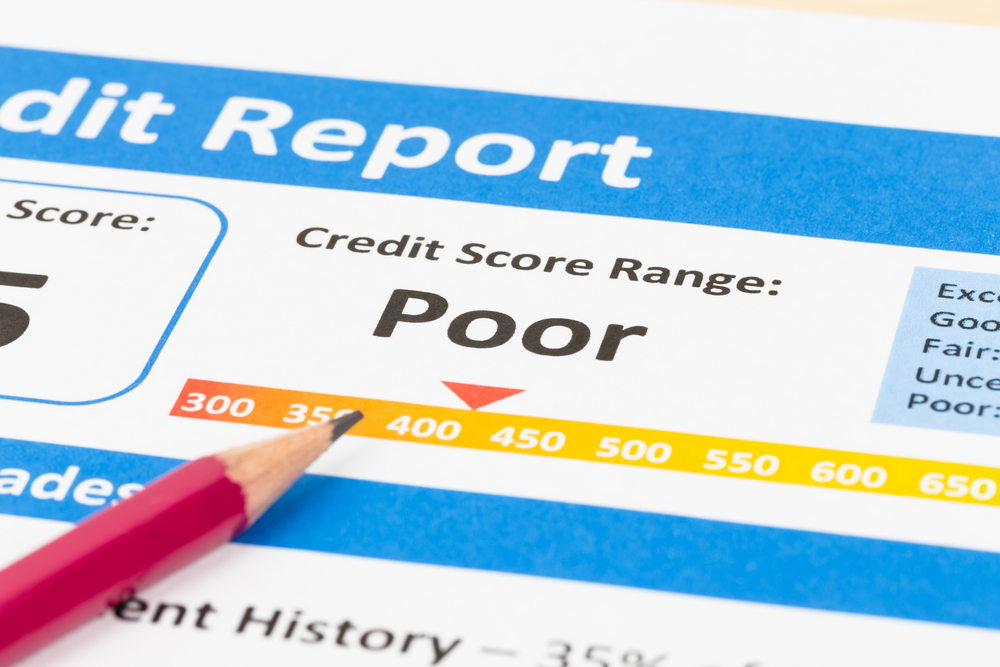
Those processors report delinquencies. Parents lose privacy first, then money, then credit headroom. Ignore the emails and watch a 30-day mark land on your report. Families also lose social capital. Opt out and your child exits teams, enrichment, and peer networks that gate future recommendations.

This isn’t hypothetical. Parents already report denials for car loans after a single $47 “optional” balance rolled over. High-Stakes Parenting now includes credit hygiene.

What Parents Must Do—Now

Audit every extracurricular portal. Demand vendor lists. Freeze cards. Use single-use payments. Push districts for opt-out without penalty. Friction-maxx your parenting. The system counts on fatigue. Refuse it.

Do you accept expanded safety and inclusion if it quietly taxes your credit—or do you defend financial security even when it costs your child social access?

You May Also Like…

The “Smart Locker” Trap: Why Schools Are Quietly Auditing Your Child’s Private Devices

Parenting Hacks for College Students: 8 Tips to Juggle Studies and Kids

Why Are Public Schools Quietly Removing Librarians?

11 School Practices That Punish Neurodivergent Children

Why Are Some Schools Replacing Lunch With Vending Machines?


Brandon Marcus
Brandon Marcus
Brandon Marcus is a writer who has been sharing the written word since a very young age. His interests include sports, history, pop culture, and so much more. When he isn’t writing, he spends his time jogging, drinking coffee, or attempting to read a long book he may never complete.

Filed Under: Education Tagged With: Credit Score, Debt, education, extracurricular activities, Family Finance, financial tips, money management, Parenting, personal finance, school

5 Emergency Loan Options for Parents With Bad Credit

February 27, 2020 | Leave a Comment

Emergency Loan Options

Less than half of Americans have enough savings to cover a $1000 emergency. Dealing with an unexpected bill for yourself is bad enough. Moreover, if you’re a parent and you’re faced with an emergency for one of your kids, you’re going to be in a tight spot.

To be prepared for any emergency, there are various money-saving hacks for parents to try. But till you’ve saved enough to cover a major financial shortfall, you may have to count on certain lending options. If you’re in debt because of an unexpected emergency, an attorney at Wilkie Puchi LLP can help you settle for less.

So, let’s look at 5 emergency loan options if you’ve got bad credit and need money now.

1. Secured Loan

A secured loan means you’re putting up some sort of collateral as security for the loan. If you don’t repay the loan, the lender gets to keep the security.

If you have investments or other assets that you can’t quickly convert to cash but have a stable value, you may be able to use them as security for a loan.

2. Credit Union Loan

Credit unions are often more flexible than banks when it comes to lending money. If you already deal with a credit union and have been a long-time customer, they may be willing to work with you even if your credit score isn’t the best.

3. Mortgage or Line of Credit

If you own your home or other real estate and it has positive equity, you may be able to get a mortgage or a home equity line of credit. This is another type of secured loan since the equity in your home is being used as security for the mortgage.

Be careful when choosing this option though. If you can’t repay the loan for some reason, the bank or other lenders could foreclose on your property, leaving you out in the cold.

4. Title Loan

If you own a car or other vehicle, it may have enough value to qualify for a title loan. Once again, this is a specific type of secured loan that uses the value of your vehicle as security against the loan.

Keep in mind that your car could get repossessed if you aren’t able to make the loan payments. That might not be quite as serious as foreclosure but it could still present problems.

5. Payday Loan

Payday loans are one of the most common types of emergency loan options but they’re also one of the most expensive. These services loan you money based on how much you earn and charge a higher interest rate and often other fees for the privilege.

They can also have a snowball effect. When you get your next paycheck, some of it goes to pay off the loan, leaving you short. If you need to take out another payday loan to make other payments, you’ll keep facing the same problem every payday.

Be Prepared When Applying for an Emergency Loan

Whatever type of emergency loan you choose if you need cash now, make sure you’re prepared ahead of time. Before applying, check your credit report so you have an idea of how likely you are to be approved for the less risky types of emergency loans. You’ll also see if there are any mistakes in the report that could be dragging your score down.

Gather your social security number, income details, photo ID, and other important personal information. You’ll need them when you apply for any of these loans.

Finally, shop around to find the best deal. It might be an emergency, but take the time to look at a few options so you know you’re getting the best deal possible on short notice.

Be sure to check out the rest of our site for more helpful financial tips for parents and kids’ product reviews.

Photo credit: Gotcredit.com

Filed Under: Debt management, KACURP Tagged With: Debt, debt options for mom, paying off debt

3 Factors That May Keep You From Getting a Mortgage

March 28, 2014 | 1 Comment

mortgageWhen it’s time for you and your family to buy your first home or upgrade to a new home, you’ll be presented with getting a mortgage. And before you begin your house search, and perhaps talk to someone like this mortgage broker malvern, it’s important that you know what kind of rates you qualify for and how much of a home loan you can comfortably carry.

There are certain circumstances that make it difficult to get a home loan, though.

Here are three factors that can limit your ability to take on a mortgage.

Bad Credit or No Credit

The better your credit, the lower the interest rate on your mortgage will be. That’s why it’s important to work on improving your credit score months before applying for a mortgage.

If you have no credit or bad credit you’ll likely be turned down for a mortgage.

Before applying for a mortgage try the following:

  • Check your credit score (you can do so for free at a place like Credit Karma)
  • Check your available credit to debt ratio
  • If you have a lot of consumer debt work on paying it down

You should also work on saving up a sizeable down payment for your next home.

Self-Employment

Self-employed people can have a hard time getting mortgages – or any type of credit. Generally speaking you’ll need at least two years of self-employment taxes. You’ll also need to provide bank statements showing the income you’re bringing in.

Another choice you’ll have is to apply for a contractor mortgage. Some banks are now making mortgages easier to obtain for independent contractors and freelancers. If you’re in this situation ask your banker for advice for contractors.

You Have Too Much Debt

Having too much debt can not only limit the amount of money the bank will loan you but it can also prevent you from getting a mortgage altogether.

Before you decide it’s time to take on a home loan start working on paying down your existing debts. By doing this you’ll lower your financial burden, increase your credit score, and also increase the likelihood of you being given a home loan.

Conclusion

If it’s time for you and your family to purchase a new home take some time to make sure you’re financially prepared. Pay down your debt, research types of mortgages you may qualify for, and work on improving your credit score.

With hard work and preparation you’ll put your family in a better financial position and hopefully, a new house!

Have you run into any of these problems?

Brian
Brian

Brian is the founder of Kids Ain’t Cheap and is now sharing his journey through parenthood.

 
Email • Google + • Facebook • Twitter

Filed Under: Money and Finances Tagged With: Buying a Home, credit, Debt, mortgages

Soccer and Debt Infographic

September 29, 2013 | Leave a Comment

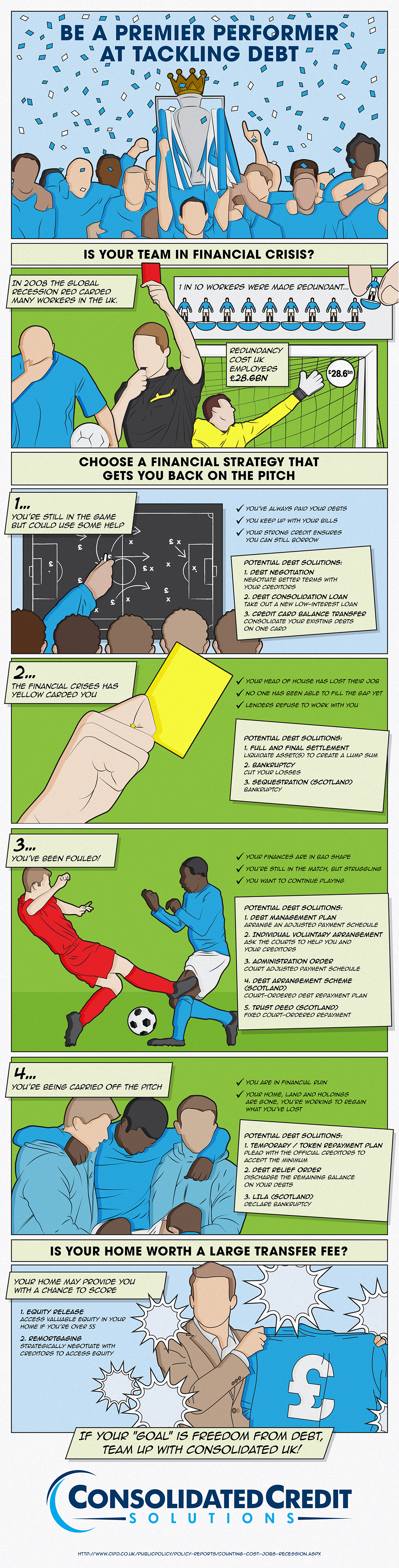
Does debt have you on the sidelines when you’d rather be working toward your financial goals? Shedding debt is a necessary step in unencumbering yourself in your financial life. Once done, you have much more saving power. You could be in debt for a variety of reasons and at varying degrees. The cause and amount of debt you are under can affect the strategies you should take to get out of debt. However no matter how much debt you are under, there is a way out. Whether you just have a little bit of debt and can still make payments or you have a huge amount there is a game plan for you.

Soccer Debt

If you are worried that you can’t deal with your debt on your own try talking to experts at places like Consolidated Credit to see if the can help make your payments more manageable. To determine the kind of debt you have and the possible solutions at your disposal, read through this infographic. Whether, you are at stage 1 or stage 4, Consolidated Credit is on your team.

Brian
Brian

Brian is the founder of Kids Ain’t Cheap and is now sharing his journey through parenthood.

 
Email • Google + • Facebook • Twitter

Filed Under: Money and Finances Tagged With: Debt, paying off debt, soccer

Happy New Year!

January 1, 2011 | Leave a Comment

The New Year is a time for looking back and looking forward
Photo by Christmasstockimages.com

Happy New Year everyone!  I had a pretty good 2010 and really looking forward to seeing what 2011 will bring.

We had a party at our house last night and really had a blast.  Nothing too crazy, nowhere near as big as my parties used to be, just a few close friends and family, music, games for the kids, beer and drinks for the adults and a good cigar to say goodbye to 2010.  With all that going on last night it meant for a rough start to 2011 but it was worth it.  Every new year should start with at least a little bit of a hangover so things can only improve as you go.

My debt story

As I have mentioned in previous posts, my wife and I are in significant debt from a business that we ran for several years that ultimately failed.  Shortly after it’s failure at the end of 2007, I was able to sell what assets we had left in the business and secure a job for me and my employees with the company that bought me out.   Later in that same year, my wife, who used to work for me, got a great job in her chosen profession.

2008 became the year we started over but we were starting over with a huge pile of debt that really hamstrung us.  We sat down, created a budget and created a 5 year plan to eliminate the majority of our debt.  We would do without most perks and focus on two things; our debt and our two boys.  2008 and 2009 were VERY difficult years but we stayed on track, stuck to our plan, tightened our belts and made it through them.  2010 was still a struggle but it was the first year where we really started making some progress.

I am very happy to report that 2010 ended with a bang, it was the first year in a long time where we had a little breathing room and could enjoy ourselves a little more while dealing with a little less stress.  The Ecommerce company that acquired my old business had it’s most successful year ever and I have been able to gain some ownership in that company.  My wife’s job continues to go well and we have much to be thankful for.

It was looking a little bleak for awhile but with the success of 2010 and the hopes that 2011 brings, it’s looking better and better that we will be able to pay off the majority of our debt by the end of 2012.

How optimistic are you for the new year?

Brian
Brian

Brian is the founder of Kids Ain’t Cheap and is now sharing his journey through parenthood.

 
Email • Google + • Facebook • Twitter

Filed Under: Holidays, Money and Finances Tagged With: Budget, Debt, New Years, Optimism

  • Facebook
  • Pinterest
  • RSS
  • Twitter

Basic Principles Of Good Parenting

Here some basic principles for good parenting:

  1. What You Do Matters: Your kids are watching you. So, be purposeful about what you want to accomplish.
  2. You Can’t be Too Loving: Don’t replace love with material possessions, lowered expectations or leniency.
  3. Be Involved Your Kids Life: Arrange your priorities to focus on what your kid’s needs. Be there mentally and physically.
  4. Adapt Your Parenting: Children grow quickly, so keep pace with your child’s development.
  5. Establish and Set Rules: The rules you set for children will establish the rules they set for themselves later.  Avoid harsh discipline and be consistent.
  6. Explain Your Decisions: What is obvious to you may not be evident to your child. They don’t have the experience you do.
  7. Be Respectful To Your Child: How you treat your child is how they will treat others.  Be polite, respectful and make an effort to pay attention.
Best Parenting Blogs

Most Popular

11 Ways Kids Are Outsmarting Parental Controls 1. Using Alternate Devices One common trick is simply turning to another device. If a child’s main phone or tablet is restricted, they may borrow a sibling’s, friend’s, or even a school laptop. This instantly gives them access to content outside of parental oversight. Parents often focus on one device, forgetting that others in the household can serve as loopholes. Knowing this tactic helps families tighten controls across all electronics. 2. Clearing Browsing Histories Many kids quickly learn that clearing browsing history hides evidence of restricted activity. With just a few clicks, they can erase any trace of websites visited. This makes it harder for parents to notice when rules are being broken. Parents may assume no history means no browsing, but the reality is often the opposite. Kids are outsmarting parental controls by making it seem like nothing happened at all. 3. Using Private Browsing Modes Most browsers offer “incognito” or private browsing features. Kids use this mode to access websites without leaving a record in the history. To parents checking later, everything looks clean and safe. This simple trick is often one of the first ways kids discover how to bypass restrictions. Conversations about private browsing can help close this gap. 4. Guessing or Resetting Passwords Children who are persistent may try to guess passwords to parental control apps or accounts. Others may find ways to reset them through email prompts or security questions. Once inside, they can disable restrictions entirely. Parents may not even realize controls have been altered until much later. Stronger, less predictable passwords can make this more difficult. 5. Using VPNs to Hide Activity Virtual private networks, or VPNs, let kids disguise their online locations. With one downloaded app, they can bypass geographic or parental restrictions. Some children learn about VPNs through friends or even social media. This makes it easy for them to reach content that should be blocked. Parents often underestimate just how simple it is for kids to use these tools. 6. Creating Fake Accounts When parents monitor social media, kids may create hidden accounts. These “finstas” or fake profiles allow them to interact freely without parental oversight. While their main account appears harmless, the secondary one tells a different story. Kids are outsmarting parental controls by playing both sides at once. Checking for duplicate accounts can help parents stay more aware. 7. Exploiting Time Zone Settings Some kids change the time zone on their devices to bypass screen time limits. This trick allows them to gain extra hours of usage undetected. Parents may assume controls are working, but in reality, the child is bending the clock. It’s a clever loophole that highlights just how resourceful kids can be. Monitoring device settings regularly can catch this tactic. 8. Disabling or Uninstalling Apps Parental control apps can be deleted or disabled with surprising ease. Some kids even reinstall them before a parent checks, making it seem like nothing changed. Others may simply restrict permissions to prevent apps from functioning properly. When apps aren’t monitored closely, parents may not notice they’ve been tampered with. This shows the importance of consistent follow-up. 9. Turning to Friends for Access If a child can’t get past restrictions on their own, they may rely on friends. Visiting a friend’s house or borrowing their phone can give them a free pass. Parents often forget that peer environments can override restrictions set at home. This kind of social workaround is especially common with gaming or social media. Open conversations about trust and responsibility are essential. 10. Hiding Apps in Plain Sight Kids sometimes download apps that look innocent but serve as gateways to hidden activity. These apps may disguise themselves as calculators or utilities. In reality, they allow file storage, private messaging, or browser access. Parents glancing at a home screen may overlook them entirely. Learning to recognize these disguised apps can help parents stay informed. 11. Outpacing Parents’ Tech Knowledge Finally, kids often know more about devices than their parents do. Whether through YouTube tutorials, TikTok hacks, or peer groups, they quickly learn advanced workarounds. This knowledge gap means controls can be bypassed before parents even realize the loophole exists. Staying informed and continually learning about new technology is the best defense. Kids are outsmarting parental controls because they adapt faster than most adults. The Real Solution Lies Beyond Restrictions While controls and filters are important, no system is perfect. Kids will always find creative ways around barriers, making communication the strongest safeguard. Setting clear expectations, building trust, and having ongoing conversations about online behavior matter more than apps alone. Parents who combine technology with open dialogue create a safer digital environment. The goal isn’t to win a battle of wits but to build a relationship that keeps kids both safe and honest. Do you think kids are outsmarting parental controls faster than parents can keep up? Share your experiences in the comments below. What to Read Next... 6 Parenting Tech Shortcuts That Can Expose Your Child to Strangers How Much Screen Time Is Too Much—Legally Speaking? Is Your Child’s School Quietly Tracking Their Location Without Your Consent? How Much Screen Time Is Quietly Reshaping Childhood Behavior? Why Some Parents Are Being Investigated Over Homeschooling Records

11 Ways Kids Are Outsmarting Parental Controls

Catherine Reed
Smiling grandfather holding a happy baby indoors.

Why Grandparents Shouldn’t Babysit Their Grandkids Every Week – The Unspoken Issue

Samantha
Girl getting makeup done, referencing psychologist-approved age.

Wearing Makeup: Here Is the Age That Psychologists Agree It’s Okay for Girls to Wear Makeup

Samantha
birthday gifts

7 Birthday Gifts Your Child Should Never Bring to a Party

Latrice Perez

Babysitting Without Cash: 10 Ways to Barter Your Way Out of Childcare Costs

Ashleigh Clyde

All content on Kids Ain’t Cheap is for entertainment purposes only. By reading this blog, you agree that Kids Ain’t Cheap is not responsible for any actions taken after reading this blog. For the full disclaimer, see our privacy policy.

Please note that Kids Ain’t Cheap has financial relationships with some of the merchants mentioned here. Kids Ain’t Cheap is funded by banner advertising, commission sales and search optimization consulting.

Copyright © 2006–2026 | District Media | All Rights Reserved | Privacy Policy

Copyright © 2026 Runway Pro Theme by Viva la Violette