• Home
  • About Us
  • Toolkit
  • Archives
  • Advertise
  • Privacy Policy

Kids Ain't Cheap

But They Sure Are Worth It

  • Parenting
    • Baby Stuff
    • Books and Reading
      • Aesops Fables
      • Comic Books
    • Education
    • Family Time
    • Green Living
    • Growing Up
    • Healthy Living & Eating
    • Holidays
    • Parenting
    • Random Musings
    • Shopping
    • Stuff to Do
  • Money
  • Product Reviews
    • Books and Magazines
    • Discount Sites
    • Furniture
    • House Keeping
    • Reviews News
    • Toys and Games
  • Contact Us
  • Our Editorial Commitment
  • Search

10 Of The Hardest Foods To Get Young Children To Eat

April 7, 2025 | Leave a Comment

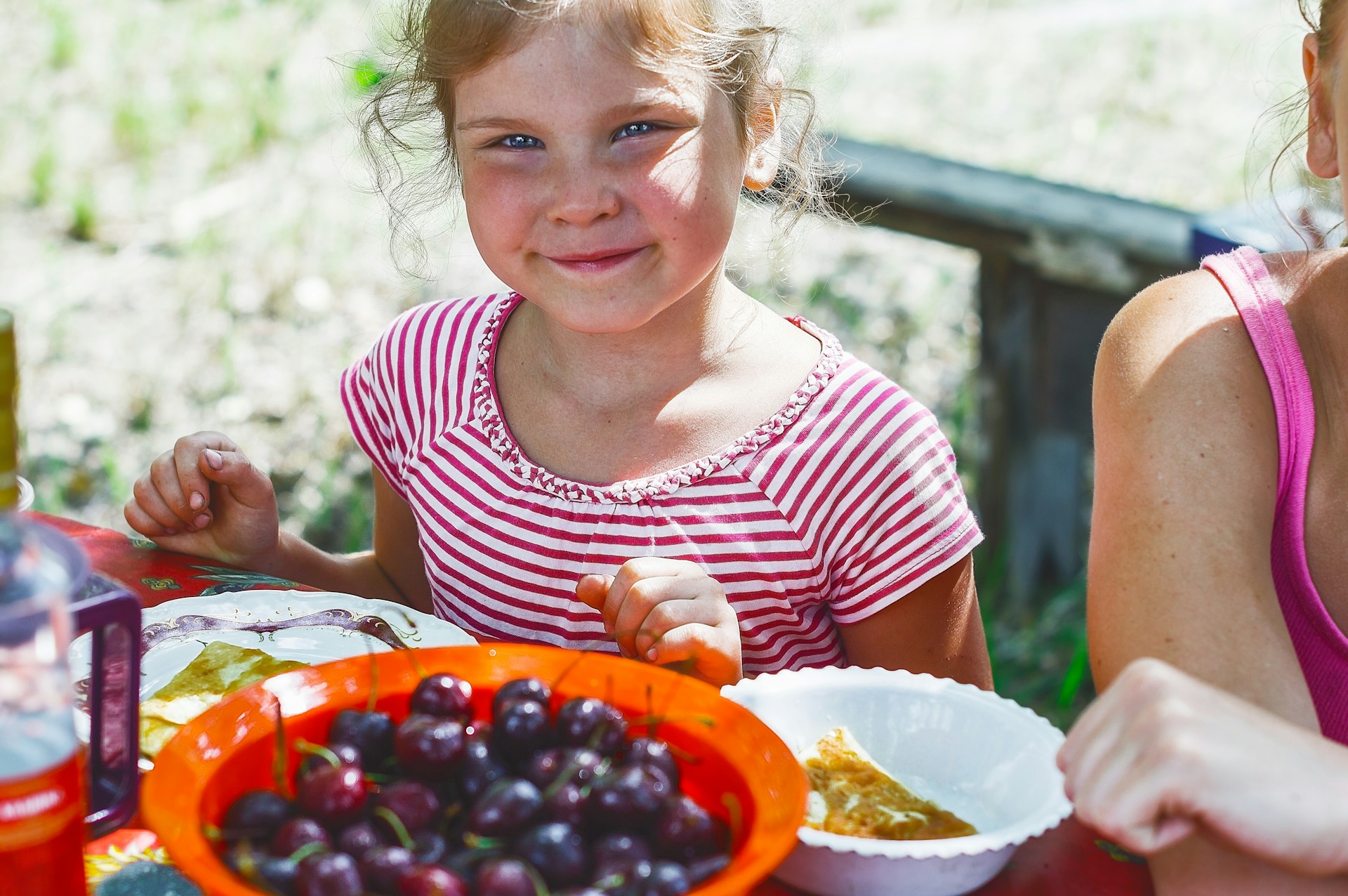
Child sitting at the lunch table
Image Source: Unsplash

Kids are naturally curious eaters—until they aren’t. Sometimes, their aversion to a certain texture, smell, or color is enough to spark a full-on mealtime standoff.

If you’re facing daily battles with picky eaters, rest assured, you’re not alone. It helps to make a habit out of trying new foods weekly, but sometimes you may still face resistance.

Let’s take a look at ten of the most challenging foods for young children and share practical tips to help them feel more comfortable sampling what’s on their plate.

1. Leafy Greens

Spinach, kale, and arugula top the list of most-rejected foods. Their slightly bitter flavor and sometimes “slimy” texture can be too intense for toddlers and preschoolers.

Try This: Blend small amounts of spinach into fruit smoothies, or bake kale chips for a crunchy treat. Keep it low-pressure and celebrate any small steps toward acceptance.

2. Fish

A strong smell, flaky texture, and unfamiliar taste often make fish a tough sell for kids.

Try This: Begin with milder fish like cod or tilapia. Serve it alongside favorite sides, and introduce dipping sauces they already enjoy to make it feel less intimidating.

3. Beans

Beans are nutritional powerhouses, but can feel “mushy” or have a chewy skin that turns kids off.

Try This: Mash beans into quesadillas or blend them into a dip with familiar flavors (like cheese or mild salsa). Offering foods kids can scoop or dip can spark curiosity.

4. Tomatoes

Tomato sauce? No problem. Fresh tomatoes? Totally different story. Seeds and burst-in-your-mouth juices can be overwhelming.

Try This: Roast cherry tomatoes to soften their flavor or cut them into smaller pieces so they’re not such a big surprise. Gradually work up to raw tomatoes in salads.

5. Onions

The sharp flavor and scent of onions—especially raw—can be off-putting for little taste buds.

Try This: Let them watch (or help!) you cook. Sauté onions so the smell dissipates, and explain how cooking changes the flavor. Building familiarity often reduces resistance.

6. Mushrooms

Spongy texture and an earthy smell can make mushrooms an immediate “no.”

Try This: Finely chop or blend them into meatballs, sauces, or pasta dishes where they’re less visible. Over time, kids may realize they enjoy the taste once the “weird look” barrier is lowered.

7. Peas

Despite being small and somewhat sweet, peas are commonly left untouched. The pop they make can be a sensory challenge.

Try This: Mix peas into macaroni and cheese, or mash them with potatoes. Frozen peas can also be a fun, crunchy snack that kids might find more appealing.

8. Eggs

Eggs vary drastically in taste and texture depending on how they’re cooked, leading many kids to say “no thanks.”

Try This: Try muffin-shaped egg cups or mini quiches with cheese. Pairing eggs with a favorite sauce (ketchup, mild salsa) can transform the experience into something fun and familiar.
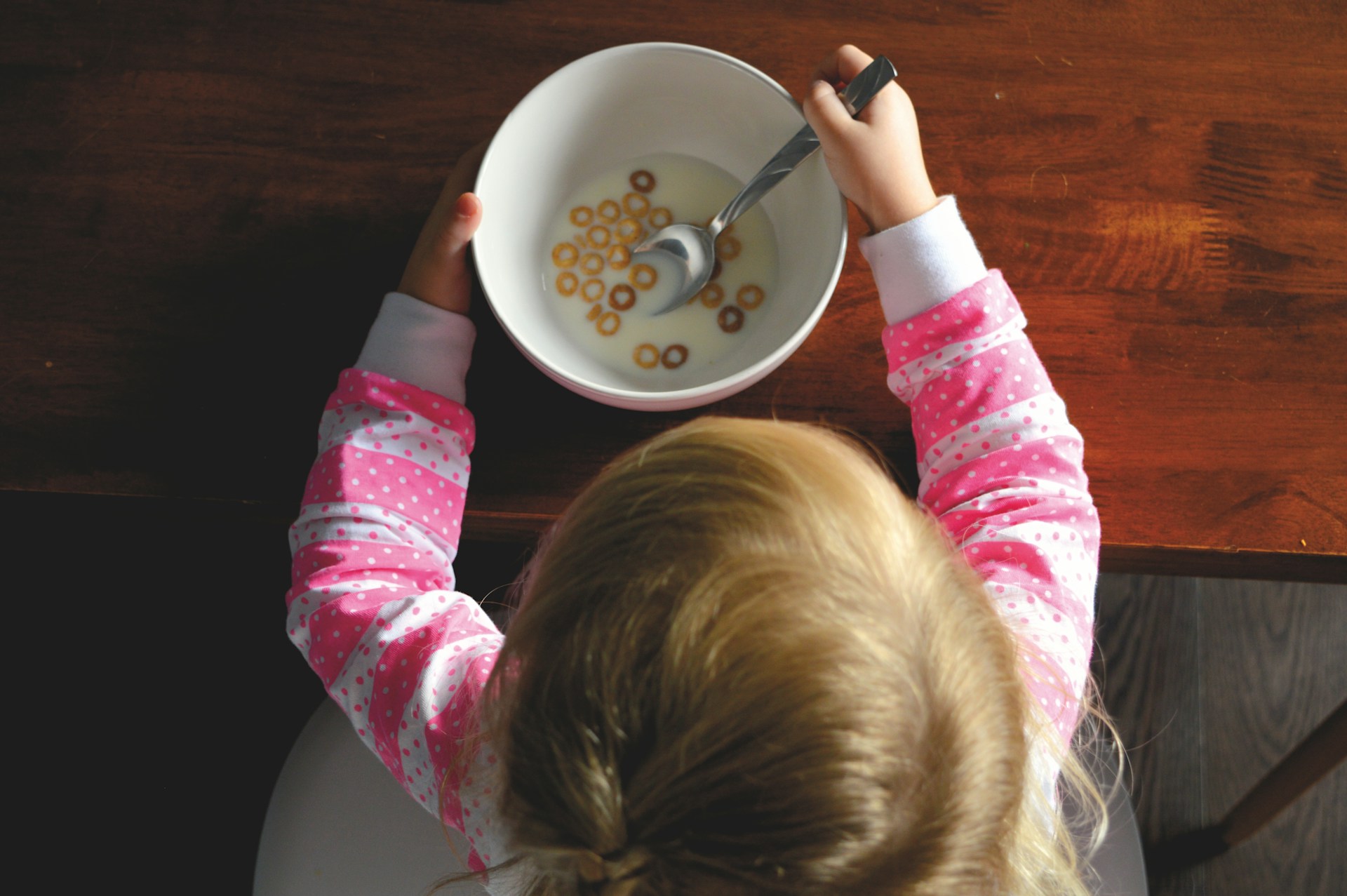
child eating cereal
Image Source: Unsplash

9. Whole Grains

Shifting from white bread or pasta to whole-grain versions is a big change in taste and appearance.

Try This: Start with half-and-half versions, mixing whole-grain pasta or rice with the refined type. Gradual exposure helps them adapt without rejecting it outright.

10. Mixed Dishes (Casseroles, Stir-Fries)

Soups, casseroles, or stir-fries where ingredients “touch” can trigger resistance due to combined textures and flavors.

Try This: Serve components separately at first. For instance, offer plain chicken alongside lightly cooked veggies and rice. Over time, mix small portions to help them adjust.

Nourishing Patience: You’ve Got This

When it comes to picky eaters, remember that persistence and low-pressure exposure are key. Children often need repeated interactions before they feel comfortable tasting something new. 

Keep the atmosphere calm, celebrate small victories, and trust that mealtime harmony is a work in progress—not an overnight transformation.

Do you have a go-to trick for getting kids to try new foods? Share your favorite hack in the comments!

Read More

  • Your Dog Died: 8 Ways To Break The News To Your Child
  • 10 Creative Discipline Techniques That Don’t Involve Time-Outs or Punishments
Samantha Warren
Samantha

Samantha Warren is a holistic marketing strategist with 8+ years of experience partnering with startups, Fortune 500 companies, and everything in between. With an entrepreneurial mindset, she excels at shaping brand narratives through data-driven, creative content. When she’s not working, Samantha loves to travel and draws inspiration from her trips to Thailand, Spain, Costa Rica, and beyond.
Filed Under: Parenting Tagged With: balanced diet, healthy food for kids, kids nutrition, mealtime struggles, parenting tips, picky eaters, toddler meals

4 Strategies to Encourage Healthy Eating Habits in Kids

April 4, 2025 | Leave a Comment

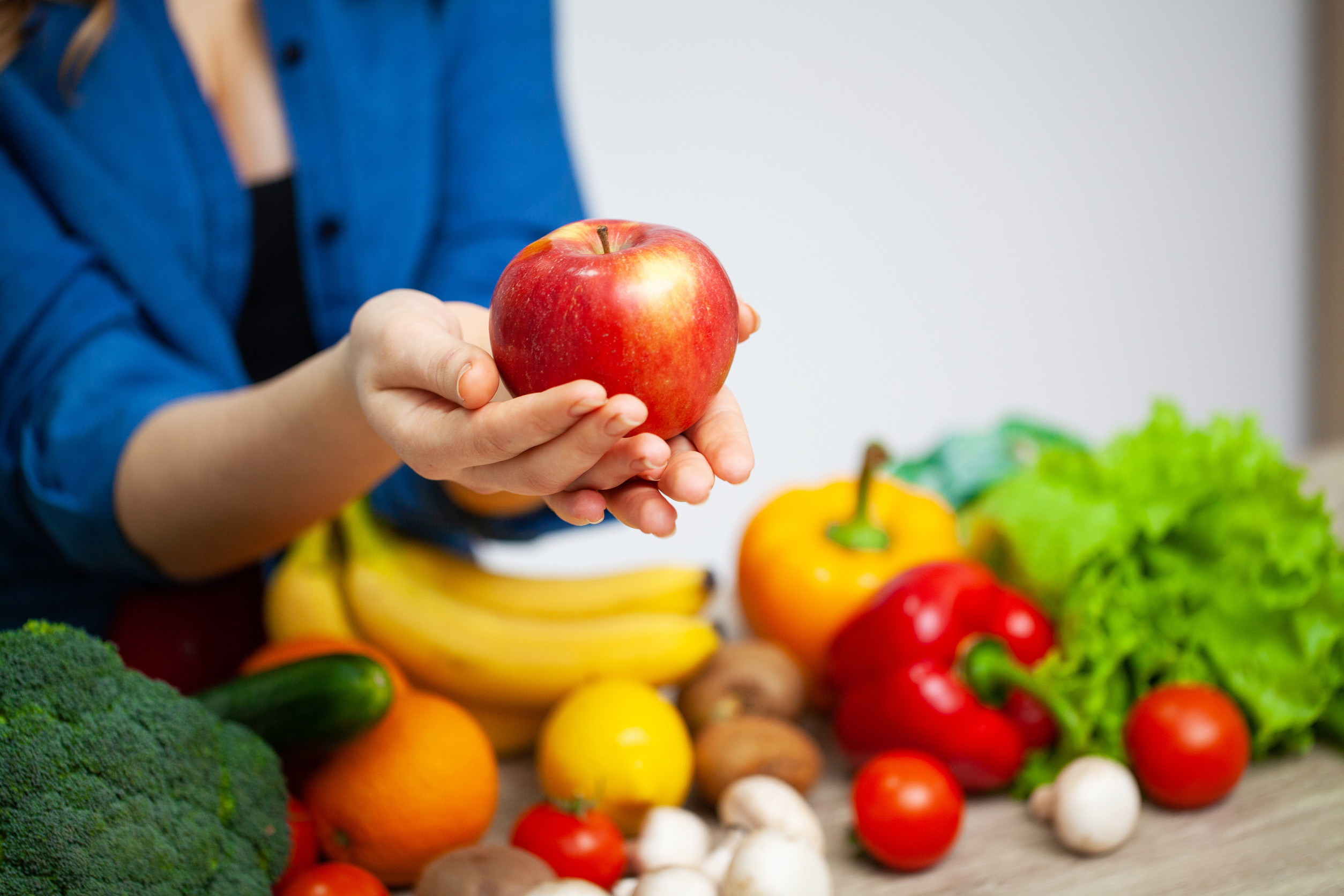
A woman at a table holding an apple on a background of fruit and vegetables.
Image Source: 123rf.com

Getting kids to eat healthy can feel like trying to convince a cat to take a bath. Between picky preferences, school snacks, and endless junk food ads, it’s easy to feel like you’re fighting a losing battle. But the truth is, you don’t have to be perfect—you just have to be consistent. Small changes and simple strategies can make a big difference in how your child sees and enjoys food. Let’s break down four powerful ways to guide your kids toward a healthier relationship with what’s on their plate.

1. Make Healthy Foods the Easy Option

Kids often eat what’s most convenient—so make healthy choices the easiest ones to grab. Keep fresh fruit washed and ready on the counter, and pack the fridge with cut-up veggies, cheese sticks, and yogurt. Swap out sugary drinks with water bottles and low-sugar juices they actually enjoy. The less effort it takes to eat something nutritious, the more likely they’ll choose it. You’re not forcing them—you’re setting the stage for smart, natural choices.

2. Involve Them in the Process

When kids help make the food, they’re more likely to eat the food. Take them grocery shopping and let them pick out fruits or veggies they want to try. Get them involved in simple meal prep, like stirring pancake mix or assembling their own lunchbox. It builds confidence and makes them feel ownership over what they’re eating. Plus, it turns mealtime into a bonding experience instead of a battle.

3. Be a Role Model, not a Food Cop

Kids learn more from what we do than what we say. If they see you snacking on chips while handing them carrot sticks, the message gets lost. Show them balance—eat your veggies, enjoy treats in moderation, and talk about how food fuels your body. Instead of labeling foods as “bad,” explain how certain choices help you feel strong, energized, or focused. When healthy eating becomes a family lifestyle, not a punishment, it’s much easier to stick to.

4. Create Structure Without Pressure

Routine helps kids feel secure—especially when it comes to meals and snacks. Set regular eating times and offer a variety of foods without forcing them to clean their plate. Let them listen to their hunger cues, and avoid using dessert as a reward. This builds a positive connection to food, rather than turning it into a control issue. The goal is to help them trust their bodies and make good decisions, not feel shame or stress around food.

Health Starts at Home

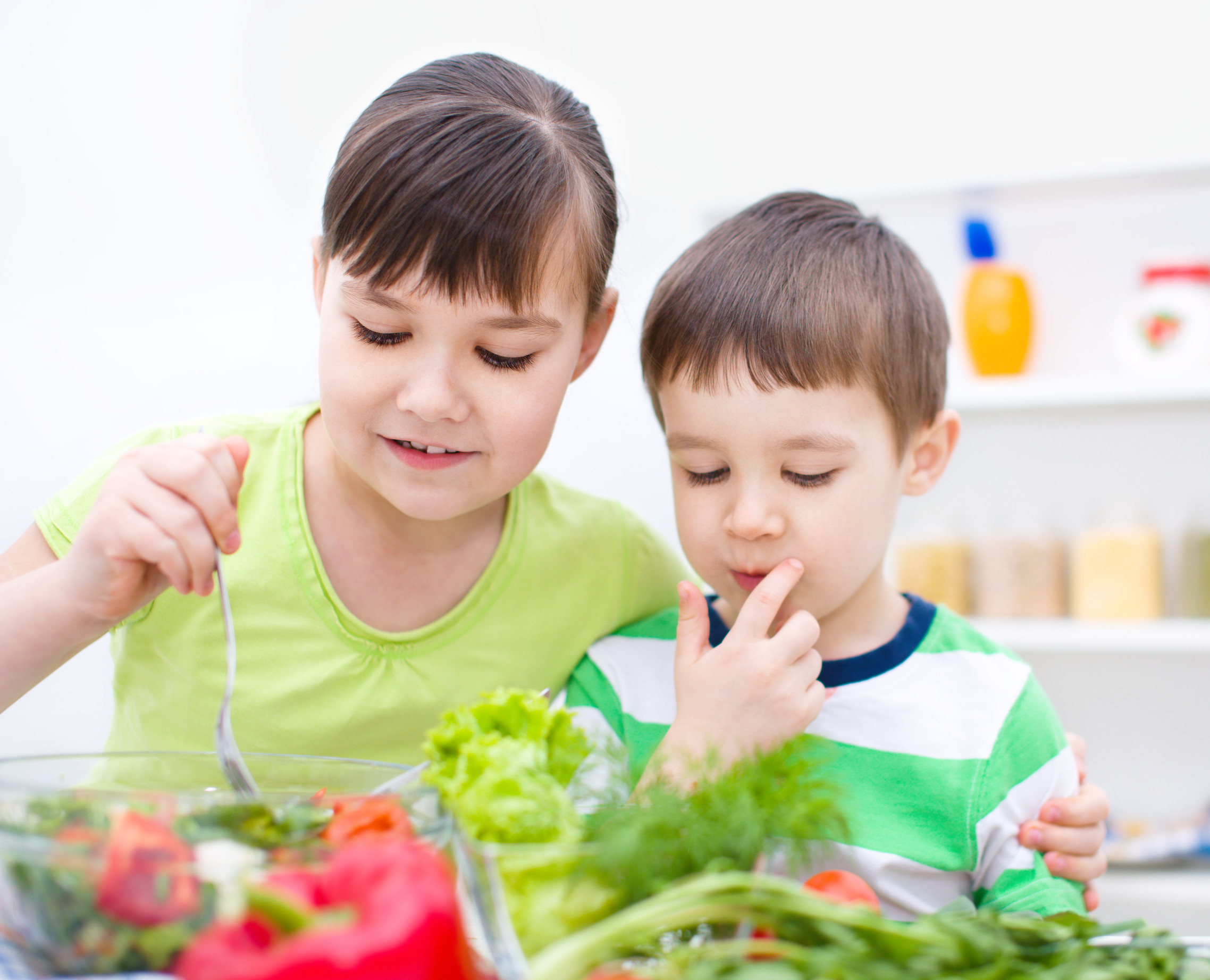
Cute children make vegetable salad
Image Source: 123rf.com

You don’t need fancy programs or strict rules to raise healthy eaters. Just a little intention, a lot of patience, and the belief that small shifts can create big change. Kids don’t need perfection—they need your consistency, your guidance, and your love. Keep showing up, keep offering the broccoli, and trust that the habits will stick. You’re doing better than you think.

How do you make healthy eating fun and doable in your house? Share your favorite tips in the comments—I’d love to hear what’s working for you!

Read More: 

10 Rules That Should Apply to Parents and Children in a Healthy Household

The Financial Trap of Parenting: What No One Tells You

Latrice Perez

Latrice is a dedicated professional with a rich background in social work, complemented by an Associate Degree in the field. Her journey has been uniquely shaped by the rewarding experience of being a stay-at-home mom to her two children, aged 13 and 5. This role has not only been a testament to her commitment to family but has also provided her with invaluable life lessons and insights.  As a mother, Latrice has embraced the opportunity to educate her children on essential life skills, with a special focus on financial literacy.

Filed Under: Parenting Tagged With: Family Meals, food habits, healthy eating, healthy snacks, kids nutrition, Parenting, parenting tips, picky eaters

« Previous Page
  • Facebook
  • Pinterest
  • RSS
  • Twitter

Basic Principles Of Good Parenting

Here some basic principles for good parenting:

  1. What You Do Matters: Your kids are watching you. So, be purposeful about what you want to accomplish.
  2. You Can’t be Too Loving: Don’t replace love with material possessions, lowered expectations or leniency.
  3. Be Involved Your Kids Life: Arrange your priorities to focus on what your kid’s needs. Be there mentally and physically.
  4. Adapt Your Parenting: Children grow quickly, so keep pace with your child’s development.
  5. Establish and Set Rules: The rules you set for children will establish the rules they set for themselves later.  Avoid harsh discipline and be consistent.
  6. Explain Your Decisions: What is obvious to you may not be evident to your child. They don’t have the experience you do.
  7. Be Respectful To Your Child: How you treat your child is how they will treat others.  Be polite, respectful and make an effort to pay attention.
Best Parenting Blogs

Most Popular

Baby

9 Unusual Baby Names That Sound Like They Belong to Future CEOs

Evan Morgan
Baby

10 Baby Names That Were Once Considered “Grandparent Names” but Feel Cool Again

Evan Morgan
Target Store

Choking Incident Prompts Recall of 49,000 Target Gigglescape “Under the Sea” Popping Toys

Evan Morgan
Frustrated Girl

Why Some Students on the Spectrum Are Labeled With ODD

Evan Morgan
Coke Bottles

12 Things Kids Took to School in the ’70s That Would Never Be Allowed Today

Evan Morgan

All content on Kids Ain’t Cheap is for entertainment purposes only. By reading this blog, you agree that Kids Ain’t Cheap is not responsible for any actions taken after reading this blog. For the full disclaimer, see our privacy policy.

Please note that Kids Ain’t Cheap has financial relationships with some of the merchants mentioned here. Kids Ain’t Cheap is funded by banner advertising, commission sales and search optimization consulting.

Copyright © 2006–2026 | District Media | All Rights Reserved | Privacy Policy

Copyright © 2026 Runway Pro Theme by Viva la Violette