
• Home
  • About Us
  • Toolkit
  • Archives
  • Advertise
  • Privacy Policy

Kids Ain't Cheap

But They Sure Are Worth It

  • Parenting
    • Baby Stuff
    • Books and Reading
      • Aesops Fables
      • Comic Books
    • Education
    • Family Time
    • Green Living
    • Growing Up
    • Healthy Living & Eating
    • Holidays
    • Parenting
    • Random Musings
    • Shopping
    • Stuff to Do
  • Money
  • Product Reviews
    • Books and Magazines
    • Discount Sites
    • Furniture
    • House Keeping
    • Reviews News
    • Toys and Games
  • Contact Us
  • Our Editorial Commitment
  • Search

How the Seamless Summer Option Keeps Kids Fed After the School Year Ends

June 25, 2026 | Leave a Comment

Kids Eating
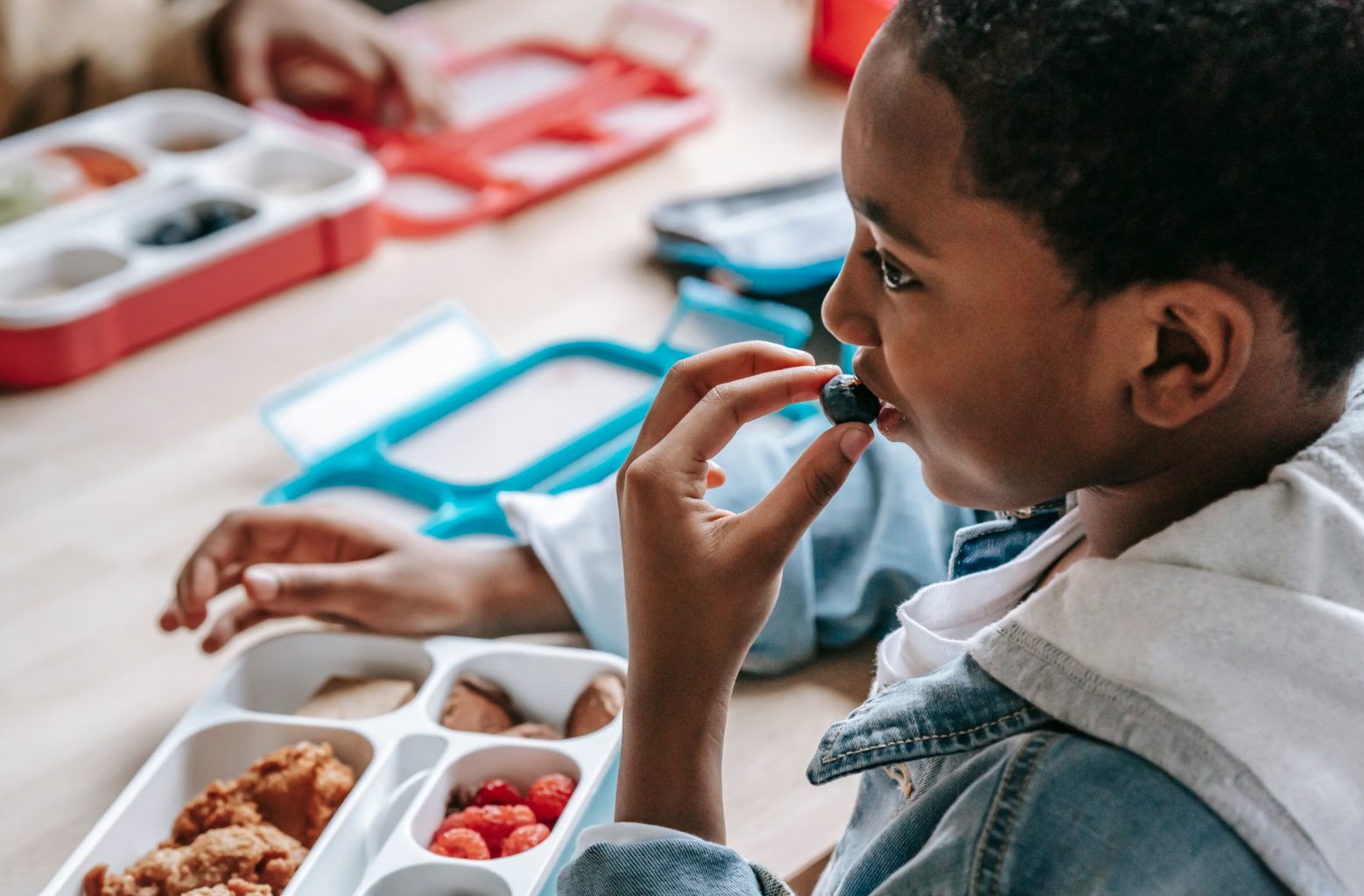
Children enjoy nutritious free summer meals through the Seamless Summer Option, helping families bridge the gap when school cafeterias close. Community meal sites make healthy food more accessible during summer break. (Pexels).

When the school year ends, many families face a challenge that often goes unnoticed: replacing the nutritious breakfasts and lunches children receive during the school day. For millions of households, summer can mean stretching already tight grocery budgets while ensuring kids continue eating balanced meals. That is where the Seamless Summer Option plays an important role by helping schools continue serving free meals during school breaks. Understanding how this program works can help parents, caregivers, and community members make sure children stay healthy and ready to learn when classes resume.

What Is the Seamless Summer Option?

The Seamless Summer Option is a federally funded nutrition program that allows schools already participating in the National School Lunch Program or School Breakfast Program to continue serving free meals during summer vacation with fewer administrative requirements than traditional summer meal programs. The streamlined approach helps schools use familiar procedures while reaching more children in eligible communities. In many locations, meals are offered at schools, parks, libraries, recreation centers, churches, and other community gathering places. The goal is simple: reduce childhood hunger during the months when school cafeterias would normally be closed. Families often find the program easy to use because participating sites are designed to make free meals readily available for children and teens.

Why Summer Meals Matter for Families

Summer break brings excitement for children, but it can also create financial pressure for parents who suddenly need to provide additional breakfasts and lunches every day. Child hunger organizations consistently report that school meals are a vital source of nutrition for millions of students throughout the academic year. A family with three school-age children can quickly spend hundreds of extra dollars on groceries during summer vacation. Programs like the Seamless Summer Option help bridge that gap by ensuring children continue receiving nutritious meals when school is out. The program also supports healthy development, reduces stress for parents, and helps children return to school ready to learn.

How Families Can Take Advantage of the Program

Finding a participating summer meal site is often easier than many parents realize. Schools, libraries, community centers, parks, and nonprofit organizations frequently host meal sites during the summer months. Most locations provide free meals for anyone age 18 or younger without requiring lengthy applications. Some eligible rural communities also offer approved grab-and-go meal options that make participation even more convenient for busy families. Checking with your local school district before summer begins is one of the easiest ways to find nearby locations and meal schedules.

Common Misconceptions About the Seamless Summer Option

Many parents mistakenly believe the Seamless Summer Option is only available to families receiving public assistance, but many participating sites serve every child in an eligible area regardless of household income. Others assume meals are only served inside school buildings, even though parks, recreation centers, churches, and libraries frequently participate. Some families worry about stigma, but these meal programs are designed to serve entire communities and welcome every eligible child. Another misconception is that the food quality is poor, when participating schools continue following federal nutrition standards similar to those used during the school year. Understanding these facts helps families feel more comfortable taking advantage of an important community resource.

Why Community Partnerships Are So Important

The success of the Seamless Summer Option depends on strong partnerships between schools, nonprofits, local businesses, volunteers, and community organizations. Many sites also provide educational activities, games, reading programs, or enrichment opportunities alongside meals. This combination creates safe environments where children can stay active while enjoying nutritious food. Community involvement also helps spread awareness so more families know these services are available. Every organization that participates plays a role in reducing childhood hunger during the summer months.

Keeping Kids Nourished All Summer Long

The Seamless Summer Option demonstrates that fighting childhood hunger requires support throughout the entire year rather than only during the school calendar. By extending free meal service into the summer, schools help families manage grocery costs while ensuring children continue receiving healthy, balanced meals. Parents who learn about local meal sites early can make summer planning much easier while giving their children access to nutritious food. Whether your family needs assistance or you simply want to share information with others, understanding this program helps strengthen your entire community.

Have you or someone you know used the Seamless Summer Option? Share your experience in the comments below and help other families learn about this valuable summer resource.

What to Read Next

Free Summer Meals: The SFSP Locations Open to Kids in Your State This Month

Massachusetts Has the Priciest Summer Camps in America

66% of Parents Can’t Afford Summer Childcare in 2026

Evan Morgan

Evan Morgan has been a full-time freelance writer and editor for 10+ years. When not working, he enjoys catching the latest true crime documentary or getting lost in a good book.
Filed Under: Parenting Tagged With: child nutrition, children, community programs, family resources, Food Assistance, Parenting, school lunch, Seamless Summer Option, summer break, summer meals

Free Summer Meals: The SFSP Locations Open to Kids in Your State This Month

June 17, 2026 | Leave a Comment

Kids Eating
Children receive nutritious free summer meals at community meal sites during summer break. Programs across the U.S. offer meals at schools, parks, libraries, and recreation centers for kids 18 and younger. (Pexels).

As summer vacation gets underway, many families face a challenge that often goes unnoticed: replacing the school breakfasts and lunches children rely on during the academic year. Fortunately, free summer meals are available across the United States through the Summer Food Service Program (SFSP) and related summer nutrition initiatives. These programs help ensure that children and teens continue receiving healthy meals even when school cafeterias are closed. For families balancing rising grocery costs, these meal sites can provide meaningful financial relief while supporting children’s nutrition and well-being. Parents who take advantage of these resources often find that they help stretch household budgets while ensuring kids stay nourished throughout the summer.

What Are Free Summer Meals and Who Qualifies?

Free summer meals are federally funded programs designed to provide nutritious meals and snacks to children and teens during the summer months. Children aged 18 and younger can generally receive meals at participating locations without submitting an application or proving income eligibility. Meal sites are commonly located at schools, parks, libraries, recreation centers, churches, and community organizations. In many areas, children can simply arrive during meal service hours and receive a meal at no cost. The goal is to reduce food insecurity during a time when millions of students lose access to school-provided meals.

How to Find SFSP Locations in Your State

Finding nearby locations is easier than many parents realize. The national Summer Meals Site Finder allows families to search by address, city, or ZIP code to locate participating meal sites in their communities. Some states also offer text and phone services that help families identify the closest locations and operating hours. Because schedules and locations can change throughout the summer, checking online before visiting is always a smart idea. New meal sites are often added as local organizations join the program.

Where Kids Are Receiving Meals This Summer

Across the country, schools, food banks, and nonprofit organizations are operating hundreds of meal locations. In Texas, summer meal programs are being offered through schools, community centers, libraries, and youth organizations, giving families multiple options for access. Recent local programs in Beaumont and Laredo alone are serving thousands of children through dozens of meal sites spread throughout their communities. Similar programs are active in states including Indiana, Michigan, Nevada, Alabama, and Connecticut. Whether families live in large cities or rural communities, many now have access to convenient meal locations close to home.

Common Misconceptions Parents Should Know

One of the biggest misconceptions about free summer meals is that families must meet strict income requirements to participate. In reality, most open meal sites serve any child 18 or younger regardless of household income. Another common myth is that registration is required, but many locations allow children to simply show up during meal service hours. Parents also sometimes assume these programs only provide lunch, when many sites offer breakfast, lunch, snacks, or even supper. Understanding these facts can help more families take advantage of resources that are already available in their communities.

Why These Programs Matter More Than Ever

Food prices remain a concern for many households, making summer nutrition programs increasingly important. According to hunger-relief organizations, many children who receive free meals during the school year do not participate in summer meal programs despite being eligible. This gap can increase the risk of food insecurity and negatively affect health, learning retention, and overall well-being. Community leaders often describe summer meal programs as a critical bridge that helps children stay healthy until the school year begins again. For parents managing tight budgets, free summer meals can help stretch grocery dollars while ensuring children continue receiving balanced nutrition.

The Takeaway Families Should Remember This Summer

The availability of free summer meals is one of the most valuable yet underutilized resources available to families during school break. With thousands of meal sites operating nationwide, most families can find a location within a reasonable distance of their home. These programs are designed to be accessible, welcoming, and simple to use, eliminating many of the barriers that often prevent families from seeking assistance. Taking a few minutes to search for a local site could help reduce food expenses and provide children with healthy meals throughout the summer.

If you have used a summer meal program before, what was your experience, and would you recommend it to other families? Share your thoughts and experiences in the comments below.

What to Read Next

Why Meal-Planning During the Holidays Can Save You More Than Just Money

Golden Arches, Empty Wallet: 7 Real-World Meals Better Than Takeout

The Art of Sneaking Veggies Into Meals (And Loving It)

Evan Morgan

Evan Morgan has been a full-time freelance writer and editor for 10+ years. When not working, he enjoys catching the latest true crime documentary or getting lost in a good book.

Filed Under: Community News Tagged With: child nutrition, community programs, family resources, Food Assistance, free summer meals, kids nutrition, school meals, SFSP, summer food service program, summer meals

  • Facebook
  • Pinterest
  • RSS
  • Twitter

Basic Principles Of Good Parenting

Here some basic principles for good parenting:

  1. What You Do Matters: Your kids are watching you. So, be purposeful about what you want to accomplish.
  2. You Can’t be Too Loving: Don’t replace love with material possessions, lowered expectations or leniency.
  3. Be Involved Your Kids Life: Arrange your priorities to focus on what your kid’s needs. Be there mentally and physically.
  4. Adapt Your Parenting: Children grow quickly, so keep pace with your child’s development.
  5. Establish and Set Rules: The rules you set for children will establish the rules they set for themselves later.  Avoid harsh discipline and be consistent.
  6. Explain Your Decisions: What is obvious to you may not be evident to your child. They don’t have the experience you do.
  7. Be Respectful To Your Child: How you treat your child is how they will treat others.  Be polite, respectful and make an effort to pay attention.
Best Parenting Blogs

Most Popular

Baby

9 Unusual Baby Names That Sound Like They Belong to Future CEOs

Evan Morgan
Baby

10 Baby Names That Were Once Considered “Grandparent Names” but Feel Cool Again

Evan Morgan
Target Store

Choking Incident Prompts Recall of 49,000 Target Gigglescape “Under the Sea” Popping Toys

Evan Morgan
Frustrated Girl

Why Some Students on the Spectrum Are Labeled With ODD

Evan Morgan
Coke Bottles

12 Things Kids Took to School in the ’70s That Would Never Be Allowed Today

Evan Morgan

All content on Kids Ain’t Cheap is for entertainment purposes only. By reading this blog, you agree that Kids Ain’t Cheap is not responsible for any actions taken after reading this blog. For the full disclaimer, see our privacy policy.

Please note that Kids Ain’t Cheap has financial relationships with some of the merchants mentioned here. Kids Ain’t Cheap is funded by banner advertising, commission sales and search optimization consulting.

Copyright © 2006–2026 | District Media | All Rights Reserved | Privacy Policy

Copyright © 2026 Runway Pro Theme by Viva la Violette