
• Home
  • About Us
  • Toolkit
  • Archives
  • Advertise
  • Privacy Policy

Kids Ain't Cheap

But They Sure Are Worth It

  • Parenting
    • Baby Stuff
    • Books and Reading
      • Aesops Fables
      • Comic Books
    • Education
    • Family Time
    • Green Living
    • Growing Up
    • Healthy Living & Eating
    • Holidays
    • Parenting
    • Random Musings
    • Shopping
    • Stuff to Do
  • Money
  • Product Reviews
    • Books and Magazines
    • Discount Sites
    • Furniture
    • House Keeping
    • Reviews News
    • Toys and Games
  • Contact Us
  • Our Editorial Commitment
  • Search

Is Your Child’s Name Secretly Making Their Own TikTok Memes?

November 25, 2025 | Leave a Comment

Is Your Child’s Name Secretly Making Their Own TikTok Memes?
Image source: shutterstock.com

Parents today face parenting challenges no previous generation could have imagined, including the possibility that their child’s name might show up in TikTok memes without warning. While names have always carried stereotypes, social media now turns certain names into running jokes, character personalities, or viral trends. Kids can find themselves linked to a meme long before they understand why, and parents may not even realize it is happening. Understanding how and why this occurs helps families support kids and stay ahead of digital culture shifts.

1. How Certain Names Become Targets in TikTok Memes

Some names catch the attention of online creators because they feel familiar, trendy, or easy to exaggerate. These social media memes often assign personalities to kids based solely on their names, turning ordinary names into caricatures. When a name becomes popular, creators use it repeatedly to build familiar joke formats. Kids with these names may feel confused or amused, depending on how the meme portrays them. Parents can stay aware by checking what kinds of trends are circulating.

2. Viral Audio Clips That Tie Names to Stereotypes

Many TikTok memes begin with audio clips that repeat or emphasize certain names, encouraging creators to build videos around them. Kids who share those names may be tagged in content or teased by classmates who have seen the trend. These memes usually exaggerate personality traits, which can feel uncomfortable for kids who do not identify with the stereotype. Understanding the origin of the audio helps parents discuss it openly with their children. Clear communication allows kids to separate the jokes from their real identity.

3. School Culture Quickly Spreads TikTok Name Trends

Children often bring social media memes to school, where they spread even faster through casual conversation. A single viral name meme can influence how kids treat classmates with that name. This may lead to playful teasing or, in some cases, hurtful comments. Parents may notice subtle shifts in their child’s behavior when a trend hits local classrooms. Checking in regularly can help families intervene early if a meme becomes upsetting.

4. Older Names and Unexpected Resurgence in Memes

Sometimes older or uncommon names become central to TikTok memes because they feel nostalgic or quirky. Kids with these names may feel embarrassed when classmates suddenly start joking about a trend they did not expect. These memes often rely on humor that highlights generational differences. Parents can use this opportunity to discuss how trends work and why old names sometimes become new jokes. Reframing the humor can help kids feel less self-conscious.

5. Trendy Names That Attract Extra Attention

Names that are extremely popular in a given year are more likely to show up in TikTok memes simply due to how often they appear in daily life. Kids with these names may encounter jokes more frequently than peers with less common names. Popularity makes it easier for creators to build patterns and characters around these names. Parents can help kids understand that being part of a trend is not a reflection of their personality. Knowing the context helps them feel more grounded.

6. Nicknames and Variations Become Meme Fuel

Shortened versions of longer names often appear in social media memes because they fit easily into short video formats. Kids who use nicknames might hear exaggerated versions of their name after a meme spreads widely. These trends often lose momentum quickly, but the impact can still linger at school or in friend groups. Parents can encourage kids to express their own feelings about their name and nickname. This helps reinforce confidence during trend cycles.

7. How Kids React When Their Name Goes Viral

Reactions to TikTok memes can vary widely, with some kids feeling entertained while others feel targeted. Younger children may not understand why their name suddenly sparks jokes among peers. Older kids might feel pressure to fit or reject the stereotype assigned to their name. Parents should stay engaged and ask how their kids feel about any memes involving their name. Open dialogue helps kids navigate these feelings safely.

8. What Parents Can Do to Stay Ahead of Trends

Parents do not need to monitor every video, but staying aware of major social media memes involving names can be helpful. Understanding the tone and intent behind a trend allows families to talk calmly about it. Kids often feel supported when parents acknowledge what they are experiencing at school or online. A quick search can reveal whether a name is trending. Staying informed empowers parents to respond thoughtfully.

9. Helping Kids Build Confidence Beyond Online Trends

When TikTok memes involve a child’s name, confidence and self-understanding become especially important. Kids should know that online jokes do not define who they are. Parents can help by emphasizing personal strengths, interests, and real-world friendships. As trends fade, kids often move on quickly, but strong self-esteem ensures they do not internalize negative stereotypes. With parental support, kids learn to view memes as temporary internet noise.

Why Understanding TikTok Memes Helps Families Protect Kids

Staying informed about TikTok memes allows families to recognize emotional shifts, prevent teasing, and build stronger communication with their children. Name-based jokes may seem harmless, but they can shape how kids feel about themselves during sensitive stages of development. When parents address digital trends openly, kids feel supported and less isolated. Awareness helps families guide children through the fast-changing social world surrounding them.

Have you noticed your child’s name showing up in social media memes, and how did they react to it?

What to Read Next…

7 “Innocent” Family Activities That Are Triggering TikTok Outrage

8 Reasons Your Kids Prefer TikTok Over Bedtime Stories

6 Clues Your Kids Are Picking Up Toxic Behavior From TikTok

Should Parents Be Fined for Their Kids’ TikTok Pranks?

10 Baby Names Inspired by TikTok Trends (Yes, Really)

Catherine Reed
Catherine Reed

Catherine is a tech-savvy writer who has focused on the personal finance space for more than eight years. She has a Bachelor’s in Information Technology and enjoys showcasing how tech can simplify everyday personal finance tasks like budgeting, spending tracking, and planning for the future. Additionally, she’s explored the ins and outs of the world of side hustles and loves to share what she’s learned along the way. When she’s not working, you can find her relaxing at home in the Pacific Northwest with her two cats or enjoying a cup of coffee at her neighborhood cafe.

Filed Under: Baby Names Tagged With: child confidence, digital culture, kids and social media, modern parenting, parenting trends, TikTok culture

Privacy Violation: 7 Things Never to Post About Your Kids Online

July 6, 2025 | Leave a Comment

Privacy Violation 7 Things Never to Post About Your Kids Online
123rf.com

Social media makes it easy to celebrate milestones, share cute moments, and keep loved ones in the loop—but it also comes with serious risks. Every time you hit “post,” you may be revealing more than you intended, especially when it involves your child. What seems like a harmless photo or funny story could affect their safety, privacy, or even future reputation. As digital footprints grow earlier than ever, it’s worth thinking twice before uploading content that can’t be unseen. Here are seven things never to post about your kids online if you want to protect their privacy, dignity, and well-being.

1. Full Names and Birthdates

While it might be tempting to announce your child’s full name and birthdate in a heartfelt post, this combo can be gold for identity thieves. When paired with a photo, it becomes surprisingly easy for someone to impersonate or gather personal data about your child. These details may also be used to guess passwords or answer security questions tied to financial or medical records. Even if your privacy settings are strict, screenshots can still travel far beyond your intended audience. Keep the full name and birthdate private or limit it to one-on-one conversations with trusted individuals.

2. Location Details or School Information

One of the most important things never to post about your kids online is anything that reveals where they are on a regular basis. School names, team jerseys, house numbers, and location tags can all provide clues to strangers. A seemingly innocent “First Day of School” photo may broadcast exactly where your child spends their day and when. This information can be misused by predators or others with harmful intentions. Stick to generic captions and crop out or blur anything that identifies their location.

3. Embarrassing Stories or Photos

What you find hilarious now might humiliate your child later. Diaper blowouts, potty-training mishaps, or tantrum videos often gain attention, but they come at the cost of your child’s dignity. Kids grow up, and once they hit school age, the internet never forgets. What feels like a funny parenting moment to you could end up as bullying fodder or emotional baggage for them. Respect their future autonomy by asking: “Would I want this shared about me?”

4. Medical or Behavioral Information

Health diagnoses, developmental delays, or therapy updates might be shared out of pride, concern, or a desire to connect, but these are deeply personal matters. Your child has a right to control their own health story, and sharing it publicly may unintentionally violate that right. Even seemingly minor details about allergies, medications, or sensory challenges could be used inappropriately by others. Save those conversations for private groups or real-life support systems. Their health journey is theirs to tell when they’re ready.

5. Bath or Diaper Photos

No matter how cute they are in the moment, bath or diaper shots should stay completely offline. These images can be manipulated, misused, or fall into the wrong hands, especially in spaces where online predators are known to lurk. Social media algorithms don’t filter content the way a parent’s instinct should. It’s best to avoid posting any photos that include nudity or partial nudity, even for toddlers. Your child’s safety and privacy far outweigh any likes or laughs.

6. Real-Time Updates of Their Whereabouts

Live updates about your child’s soccer game, park playdate, or birthday party may seem innocent, but they can also signal your child’s exact location in real time. This is one of the biggest privacy concerns for kids growing up in the digital age. Posting while you’re still at an event can open the door for unwanted attention or tracking. If you want to share special moments, consider waiting until you’re home and posting afterward without timestamps or location tags. It’s a simple switch that can add an important layer of protection.

7. Information About Custody or Family Conflict

Posting about legal battles, co-parenting struggles, or disagreements with ex-partners might feel validating in the moment, but it can hurt your child in the long run. Children deserve to be kept out of the public details of adult issues. These posts can later be seen by others, including family, teachers, or even your child themselves, and can add confusion or emotional stress. It’s always better to vent privately with trusted friends or professionals. Protect your child’s emotional well-being by keeping sensitive matters offline.

The Internet Doesn’t Forget—But You Can Still Choose Wisely

The digital world is here to stay, but so is your ability to pause and protect. Every post about your child becomes part of their story, whether you intend it that way or not. By learning what never to post about your kids online, you’re taking a powerful step toward safeguarding their identity, safety, and future dignity. It’s not about being perfect—it’s about being mindful. Let’s raise kids who can look back at their digital footprint with pride, not embarrassment.

What’s your personal rule when it comes to posting about your child? Have you ever had to delete a post you later regretted? Share your thoughts in the comments!

Read More:

8 Legal Battles That Arise From Posting About Your Kids Online

7 Reasons You Shouldn’t Post Pictures of Your Young Children Online

Catherine Reed
Catherine Reed

Catherine is a tech-savvy writer who has focused on the personal finance space for more than eight years. She has a Bachelor’s in Information Technology and enjoys showcasing how tech can simplify everyday personal finance tasks like budgeting, spending tracking, and planning for the future. Additionally, she’s explored the ins and outs of the world of side hustles and loves to share what she’s learned along the way. When she’s not working, you can find her relaxing at home in the Pacific Northwest with her two cats or enjoying a cup of coffee at her neighborhood cafe.

Filed Under: Parenting Tagged With: digital safety, family boundaries, kids and social media, kids privacy rights, online privacy, online safety for kids, parenting tips, protecting children online, sharenting

How to Handle Bullying in Schools and Online

May 2, 2025 | Leave a Comment

Image by Road Ahead

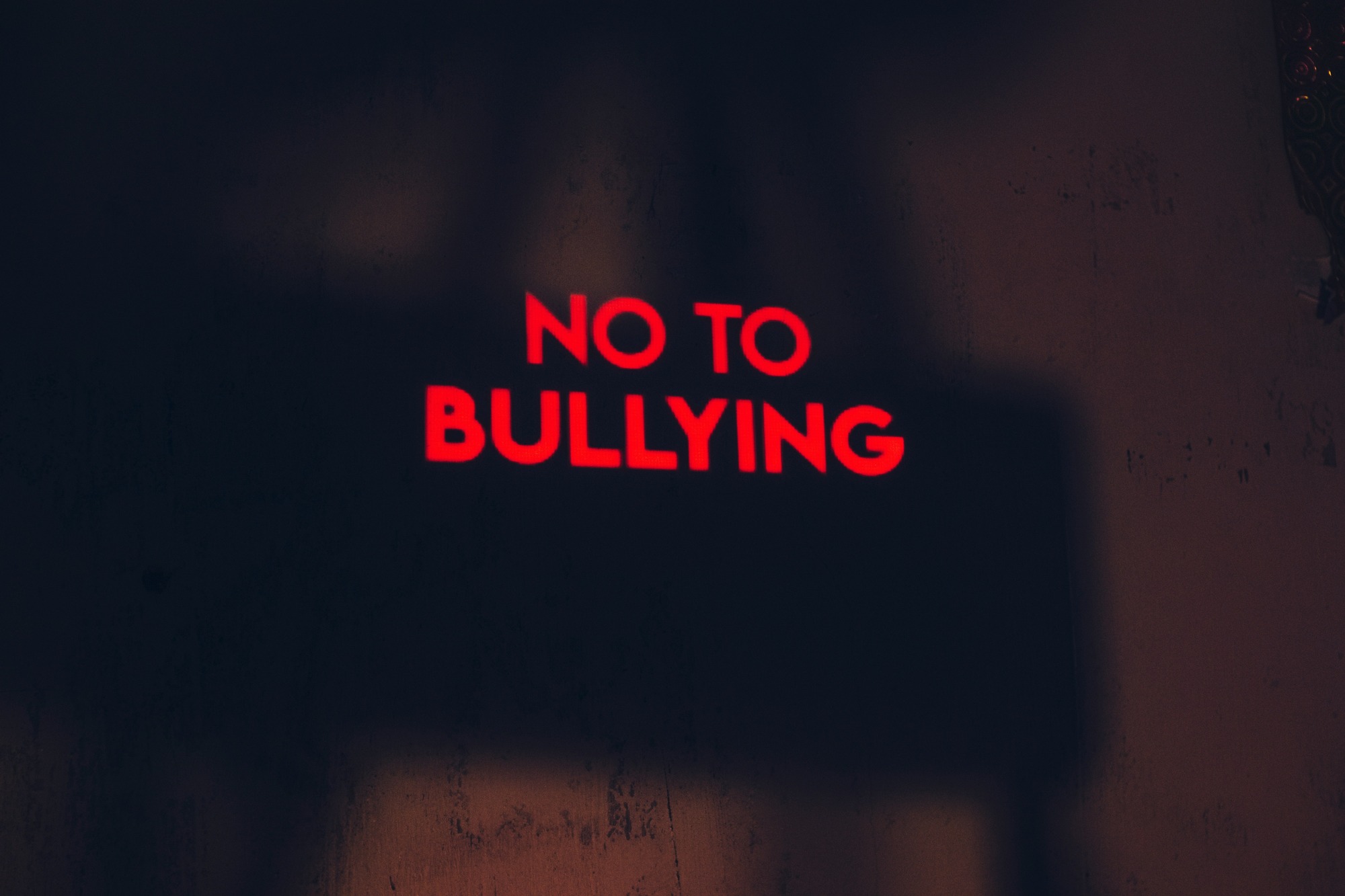
Bullying has always been a serious issue in schools, but today’s students face a new layer of challenges: online bullying that follows them home, into their bedrooms, and onto their phones. While bullying used to end with the school bell, the rise of social media, messaging apps, and online forums has created a 24/7 cycle of harassment for many kids and teens.

As a parent, educator, or caregiver, you may feel overwhelmed trying to help. But the good news is that there are clear, proactive ways to identify bullying, support your child, and work with schools to create real change.

Recognize the Signs of Bullying

Bullying doesn’t always look like playground pushing or cruel name-calling in the cafeteria. It can be subtle and emotional, and it often shows up in your child’s behavior before they ever talk about it.

At school, bullying may involve social exclusion, mocking, physical intimidation, or spreading rumors. Online, it can be more insidious—anonymous messages, altered photos, cruel comments, or persistent harassment on social media.

Look for changes in your child’s mood or behavior: sudden anxiety, a drop in grades, lost interest in school or hobbies, changes in eating or sleeping habits, or reluctance to go to school. If they’re suddenly secretive about their devices or upset after being online, cyberbullying might be the cause.

Open the Lines of Communication

One of the most powerful tools you have as a parent or caregiver is simply listening. Kids who are being bullied often feel ashamed or afraid to speak up, so make sure they know you’re a safe, judgment-free place to talk.

Ask open-ended questions like, “Has anyone ever said something online that made you uncomfortable?” or “How are things going with your friends at school?” Avoid jumping in with immediate solutions—your first job is to listen, validate their feelings, and reassure them that they’re not alone.

Once your child opens up, thank them for their honesty and courage. The next steps will feel easier if they feel supported and understood.

Address Cyberbullying Head-On

Online bullying can be particularly damaging because it often feels inescapable. If your child is being cyberbullied, resist the urge to tell them to “just ignore it.” Instead, help them take action:

  • Document everything. Take screenshots of messages, comments, or posts.
  • Block and report the person through the app or platform.
  • Limit exposure. Encourage breaks from certain platforms while keeping open conversations going.
  • Inform the school. If the cyberbullying involves classmates, schools can often intervene even when it happens off-campus.

Most importantly, remind your child that online cruelty says far more about the bully than it does about them.

Partner With the School

If bullying is happening at school, don’t assume teachers or staff already know. Many incidents go unnoticed or unreported. Request a meeting with your child’s teacher, school counselor, or principal. Share specific concerns and ask about the school’s bullying policy, reporting procedures, and support systems.

Schools are legally required to take bullying seriously. In some cases, a formal complaint may be necessary to initiate a structured response, especially if the bullying is ongoing or affecting your child’s mental health or academic performance.

Also, ask what mental health resources or peer support systems are available to your child. The more layers of support they have, the better.

Build Emotional Resilience at Home

While stopping bullying is a top priority, helping your child build confidence and self-worth can also make a long-term difference. Encourage hobbies and friendships outside of school and affirm routines. Kids who feel good about themselves are more likely to reach out for help and less likely to internalize bullying as a reflection of their worth.

Model healthy boundaries and digital behavior yourself. Show them that it’s okay to disconnect, speak up, and seek help when needed.

Empower, Don’t Overpower

It’s natural to want to protect your child at all costs, but avoid trying to control every detail of their school or online life. Instead, involve them in problem-solving and give them choices about how they’d like to handle it. Whether it’s drafting a message to a teacher or deciding when to take a social media break, allowing them to participate builds autonomy and trust.

Let them know you’re in their corner, not taking control of the whole field.

When to Seek Professional Help

Bullying can have deep emotional consequences. If your child shows signs of depression, anxiety, isolation, or thoughts of self-harm, reach out to a licensed counselor or therapist who works with children and teens. The effects of bullying are real—and getting mental health support early can help prevent long-term damage.

You’re not overreacting. You’re acting out of love. Every child deserves to feel safe and respected, both in school, at home, and online.

Have you ever had to support a child through bullying? What helped most—or what do you wish you’d done differently?

Read More:

12 Over the Top Ideas for Fixing Your Child’s Bullying Problem

5 Baby Names That Could Set Your Child Up for a Lifetime of Bullying

Filed Under: Parenting Tagged With: bullying prevention, bullying solutions, child safety, Cyberbullying, kids and social media, Mental Health, online harassment, parenting tips, school bullying, student support

Are Influencer Parents Exploiting Their Kids for Views?

April 17, 2025 | Leave a Comment

Kid featured in a video setup
Image Source: Unsplash

Once upon a time, kids played center stage in family photo albums—kept safe on a shelf or shared only with relatives. Today, some children star in meticulously curated content viewed by millions of strangers.

Whether it’s a toddler’s meltdown captured on TikTok or daily vlogs of family life, influencer parents are building full‑time brands around their children. On the surface, it’s charming and relatable. Underneath, serious questions demand thoughtful reflection: Are these kids being celebrated or exploited?

Some Kids Are Working—Without a Paycheck

One of the biggest concerns with influencer parenting is the slide into economic exploitation. Parents use children’s appearances to generate income through sponsored posts, affiliate deals, and ad revenue. If earnings aren’t saved or used for the child’s benefit, it crosses an ethical line—especially since kids can’t give informed consent.

A University of Chicago Law School paper warns that this practice is “a modern form of child labor carried out on social media” and calls for updated regulations to protect minors.

Constant Sharing Can Harm Emotional Growth

Posting milestones, tantrums, or private moments feels harmless until cameras are always around. Children who grow up on camera may experience anxiety or distorted self‑esteem once they realize how widely their lives have been broadcast.

Research summarized by Creativity Unleashed shows that continual exposure can teach kids to equate attention with approval, putting them at higher risk for mental‑health struggles later in life.

Privacy Gets Trampled in the Race for Views

Even well‑meaning parents overlook how revealing online content can be. School emblems on uniforms, street signs in the background, or casual references to daily routines create a digital breadcrumb trail for strangers.

Once a child’s data is online, it is effectively permanent and can be misused for bullying, identity theft, or worse. Children have no practical way to reclaim that privacy in the future.

There’s No Safety Net in This Growing Industry

Children in film or television benefit from labor laws that regulate hours, income, and working conditions. Kidfluencers, by contrast, operate in a largely unregulated space. Without formal oversight, children can be overworked or underpaid—all from their own living rooms. The blurred line between playtime and labor makes it hard to enforce safeguards.

Online Fame Today, Real‑Life Struggles Tomorrow

Long‑term effects of growing up online are still being studied, but early evidence raises red flags. Kids who become family “brands” may skip school for filming, crave online validation, or struggle to form offline friendships. If their popularity funds the household, pressure to perform can overshadow education and personal growth.

mother holding the remote
Image Source: Unsplash

Parents Hold the Remote—And the Responsibility

Kids can’t give full consent to internet fame. Only parents can decide what’s truly in a child’s best interest. Before posting, influencer parents might ask: Does my child understand the audience? Would I still share this if they were a teenager? What will this content mean five years from now?

Let’s Put Kids Before Clicks

Emerging laws, platform tweaks, and advocacy efforts all point to one principle: a child’s right to safety, privacy, and fair compensation outweighs any algorithmic boost. Until regulations are airtight, the most effective protector is still a parent who chooses the long‑term well‑being of their kid over the next viral view.

Sharing family life online can foster community, but never at the expense of a child’s privacy or well‑being. Influencer parents have a chance to model responsible storytelling—valuing children as people, not props. Because ultimately, it shouldn’t be about views; it should be about values.

Have you found a healthy balance when sharing your family life online? Tell us about it in the comments.

Read More

  • 3 Essential Tips for Finding the Best Family Neighborhood to Raise Kids
  • Internet Safety for Children: Protection from Inappropriate Content

Samantha Warren
Samantha

Samantha Warren is a holistic marketing strategist with 8+ years of experience partnering with startups, Fortune 500 companies, and everything in between. With an entrepreneurial mindset, she excels at shaping brand narratives through data-driven, creative content. When she’s not working, Samantha loves to travel and draws inspiration from her trips to Thailand, Spain, Costa Rica, and beyond.

Filed Under: Parenting Tagged With: child exploitation, children and privacy, family social media, influencer parents, kidfluencers, kids and social media, parenting ethics

  • Facebook
  • Pinterest
  • RSS
  • Twitter

Basic Principles Of Good Parenting

Here some basic principles for good parenting:

  1. What You Do Matters: Your kids are watching you. So, be purposeful about what you want to accomplish.
  2. You Can’t be Too Loving: Don’t replace love with material possessions, lowered expectations or leniency.
  3. Be Involved Your Kids Life: Arrange your priorities to focus on what your kid’s needs. Be there mentally and physically.
  4. Adapt Your Parenting: Children grow quickly, so keep pace with your child’s development.
  5. Establish and Set Rules: The rules you set for children will establish the rules they set for themselves later.  Avoid harsh discipline and be consistent.
  6. Explain Your Decisions: What is obvious to you may not be evident to your child. They don’t have the experience you do.
  7. Be Respectful To Your Child: How you treat your child is how they will treat others.  Be polite, respectful and make an effort to pay attention.
Best Parenting Blogs

Most Popular

11 Ways Kids Are Outsmarting Parental Controls 1. Using Alternate Devices One common trick is simply turning to another device. If a child’s main phone or tablet is restricted, they may borrow a sibling’s, friend’s, or even a school laptop. This instantly gives them access to content outside of parental oversight. Parents often focus on one device, forgetting that others in the household can serve as loopholes. Knowing this tactic helps families tighten controls across all electronics. 2. Clearing Browsing Histories Many kids quickly learn that clearing browsing history hides evidence of restricted activity. With just a few clicks, they can erase any trace of websites visited. This makes it harder for parents to notice when rules are being broken. Parents may assume no history means no browsing, but the reality is often the opposite. Kids are outsmarting parental controls by making it seem like nothing happened at all. 3. Using Private Browsing Modes Most browsers offer “incognito” or private browsing features. Kids use this mode to access websites without leaving a record in the history. To parents checking later, everything looks clean and safe. This simple trick is often one of the first ways kids discover how to bypass restrictions. Conversations about private browsing can help close this gap. 4. Guessing or Resetting Passwords Children who are persistent may try to guess passwords to parental control apps or accounts. Others may find ways to reset them through email prompts or security questions. Once inside, they can disable restrictions entirely. Parents may not even realize controls have been altered until much later. Stronger, less predictable passwords can make this more difficult. 5. Using VPNs to Hide Activity Virtual private networks, or VPNs, let kids disguise their online locations. With one downloaded app, they can bypass geographic or parental restrictions. Some children learn about VPNs through friends or even social media. This makes it easy for them to reach content that should be blocked. Parents often underestimate just how simple it is for kids to use these tools. 6. Creating Fake Accounts When parents monitor social media, kids may create hidden accounts. These “finstas” or fake profiles allow them to interact freely without parental oversight. While their main account appears harmless, the secondary one tells a different story. Kids are outsmarting parental controls by playing both sides at once. Checking for duplicate accounts can help parents stay more aware. 7. Exploiting Time Zone Settings Some kids change the time zone on their devices to bypass screen time limits. This trick allows them to gain extra hours of usage undetected. Parents may assume controls are working, but in reality, the child is bending the clock. It’s a clever loophole that highlights just how resourceful kids can be. Monitoring device settings regularly can catch this tactic. 8. Disabling or Uninstalling Apps Parental control apps can be deleted or disabled with surprising ease. Some kids even reinstall them before a parent checks, making it seem like nothing changed. Others may simply restrict permissions to prevent apps from functioning properly. When apps aren’t monitored closely, parents may not notice they’ve been tampered with. This shows the importance of consistent follow-up. 9. Turning to Friends for Access If a child can’t get past restrictions on their own, they may rely on friends. Visiting a friend’s house or borrowing their phone can give them a free pass. Parents often forget that peer environments can override restrictions set at home. This kind of social workaround is especially common with gaming or social media. Open conversations about trust and responsibility are essential. 10. Hiding Apps in Plain Sight Kids sometimes download apps that look innocent but serve as gateways to hidden activity. These apps may disguise themselves as calculators or utilities. In reality, they allow file storage, private messaging, or browser access. Parents glancing at a home screen may overlook them entirely. Learning to recognize these disguised apps can help parents stay informed. 11. Outpacing Parents’ Tech Knowledge Finally, kids often know more about devices than their parents do. Whether through YouTube tutorials, TikTok hacks, or peer groups, they quickly learn advanced workarounds. This knowledge gap means controls can be bypassed before parents even realize the loophole exists. Staying informed and continually learning about new technology is the best defense. Kids are outsmarting parental controls because they adapt faster than most adults. The Real Solution Lies Beyond Restrictions While controls and filters are important, no system is perfect. Kids will always find creative ways around barriers, making communication the strongest safeguard. Setting clear expectations, building trust, and having ongoing conversations about online behavior matter more than apps alone. Parents who combine technology with open dialogue create a safer digital environment. The goal isn’t to win a battle of wits but to build a relationship that keeps kids both safe and honest. Do you think kids are outsmarting parental controls faster than parents can keep up? Share your experiences in the comments below. What to Read Next... 6 Parenting Tech Shortcuts That Can Expose Your Child to Strangers How Much Screen Time Is Too Much—Legally Speaking? Is Your Child’s School Quietly Tracking Their Location Without Your Consent? How Much Screen Time Is Quietly Reshaping Childhood Behavior? Why Some Parents Are Being Investigated Over Homeschooling Records

11 Ways Kids Are Outsmarting Parental Controls

Catherine Reed
Smiling grandfather holding a happy baby indoors.

Why Grandparents Shouldn’t Babysit Their Grandkids Every Week – The Unspoken Issue

Samantha
Girl getting makeup done, referencing psychologist-approved age.

Wearing Makeup: Here Is the Age That Psychologists Agree It’s Okay for Girls to Wear Makeup

Samantha
birthday gifts

7 Birthday Gifts Your Child Should Never Bring to a Party

Latrice Perez

Babysitting Without Cash: 10 Ways to Barter Your Way Out of Childcare Costs

Ashleigh Clyde

All content on Kids Ain’t Cheap is for entertainment purposes only. By reading this blog, you agree that Kids Ain’t Cheap is not responsible for any actions taken after reading this blog. For the full disclaimer, see our privacy policy.

Please note that Kids Ain’t Cheap has financial relationships with some of the merchants mentioned here. Kids Ain’t Cheap is funded by banner advertising, commission sales and search optimization consulting.

Copyright © 2006–2026 | District Media | All Rights Reserved | Privacy Policy

Copyright © 2026 Runway Pro Theme by Viva la Violette