
• Home
  • About Us
  • Toolkit
  • Archives
  • Advertise
  • Privacy Policy

Kids Ain't Cheap

But They Sure Are Worth It

  • Parenting
    • Baby Stuff
    • Books and Reading
      • Aesops Fables
      • Comic Books
    • Education
    • Family Time
    • Green Living
    • Growing Up
    • Healthy Living & Eating
    • Holidays
    • Parenting
    • Random Musings
    • Shopping
    • Stuff to Do
  • Money
  • Product Reviews
    • Books and Magazines
    • Discount Sites
    • Furniture
    • House Keeping
    • Reviews News
    • Toys and Games
  • Contact Us
  • Our Editorial Commitment
  • Search

Are Boomer vs. Millennial Bedtime Styles Causing Sibling Trauma?

November 26, 2025 | Leave a Comment

Are Boomer vs. Millennial Bedtime Styles Causing Sibling Trauma?
Image source: shutterstock.com

Parents often have strong feelings about how kids should wind down at night, and many families discover that these preferences vary widely across generations. When grandparents help with childcare or siblings are raised years apart, conflicting bedtime styles can collide in a way that disrupts routines and emotions. What feels normal and comforting to one adult may feel rigid or confusing to another, and kids absorb that tension quickly. These mismatched expectations sometimes lead to power struggles, disrupted sleep, and even resentment between siblings who receive different treatment. Understanding how generational habits shape bedtime can help parents create a more peaceful and supportive nighttime environment for everyone.

1. How Different Generations Approach Bedtime

Boomer parents often favor structured routines that emphasize lights out at a specific time and minimal negotiation. Millennial parents, on the other hand, tend to prioritize flexibility, emotional connection, and child-led cues during bedtime styles. When these approaches overlap in the same home, kids may feel unsure about which rules to follow. Siblings can also compare their experiences and wonder why expectations differ between them. These differences create a confusing mix of messages that impacts how secure kids feel at night.

2. Why Mixed Messages Can Trigger Stress For Kids

Children thrive on predictability, so inconsistent bedtime styles can increase nighttime anxiety. If one adult insists on strict routines and another allows talking or extra comfort, kids may feel torn between pleasing both. The lack of consistency can also lead to stalling behaviors because kids learn that different adults respond differently. Siblings who see each other receive different accommodations may feel jealous or frustrated. These emotional reactions often spill over into daytime behavior, creating a cycle of tension.

3. How Sibling Rivalry Grows From Bedtime Differences

When siblings experience different bedtime styles, they may interpret the difference as favoritism rather than generational habit. A younger child who receives more comfort may be seen as getting special treatment. An older sibling expected to follow stricter rules might feel punished for being older. These misunderstandings can cause resentment that builds over time. Helping siblings understand why routines differ can reduce hostility and strengthen family communication.

4. The Emotional Weight Kids Carry Quietly

Kids often internalize family stress, even if they do not have the words to describe it. Conflicting bedtime styles can make children feel responsible for adult tension, especially if disagreements happen in front of them. Some kids become people pleasers to avoid conflict, while others act out because they feel overwhelmed. Siblings may even blame each other when bedtime leads to stress. Addressing these patterns early helps protect emotional well-being.

5. Signs That Bedtime Confusion Is Impacting Sleep Quality

Poor sleep can show up in surprising ways, from irritability to difficulty concentrating in school. When bedtime styles are inconsistent, children may have trouble settling their bodies and minds. They might wake more frequently or struggle to fall asleep without constant reassurance. Siblings can also disrupt one another if their routines clash. Sleep issues can escalate quickly if not addressed with calm and consistent changes.

6. What Parents Can Do To Create Unified Bedtime Expectations

The easiest way to reduce bedtime stress is for adults to come together and agree on shared expectations. Agreeing on a baseline for bedtime styles helps prevent mixed signals and allows kids to feel secure. Parents can discuss which parts of the routine matter most and where flexibility is realistic. Involving both generations in the conversation can help bridge misunderstandings. When everyone participates in the plan, kids sense the teamwork and respond more positively.

7. How To Reduce Sibling Comparison and Resentment

Parents can address sibling conflict by explaining why each child’s routine looks the way it does. These conversations clarify that different bedtime styles are not about favoritism but about age, development, or comfort needs. Encouraging siblings to respect each other’s routines helps build empathy. Parents can also create shared moments, like reading together, to keep kids connected. Clear communication dissolves tension before it becomes long term resentment.

8. Tips For Blending Structure and Flexibility

Families can combine Boomer structure with Millennial emotional awareness to create routines that work for everyone. Balanced bedtime styles include predictable steps along with gentle room for adjustment. For example, parents might set a consistent lights out time while still offering a calm conversation or quiet reading before bed. Children feel supported when routines are steady but understanding. Blended approaches can prevent overwhelm and boost cooperation.

9. When Professional Guidance Can Help

If bedtime conflict becomes a nightly struggle, support from a pediatrician or family counselor can make a difference. Professionals can help parents understand how developmental stages interact with bedtime styles and offer tailored recommendations. Guidance can also help families who worry that sibling tension has escalated beyond normal rivalry. Sometimes small adjustments greatly improve the overall tone of the evening. Asking for help is a sign of strength, not failure.

10. Creating Family Rituals That Bring Everyone Together

Instead of focusing only on rules, families can build comforting rituals that all generations appreciate. These routines align different bedtime styles by shifting the focus to connection rather than control. Shared activities like storytelling, gratitude moments, or calming music make bedtime feel special. Children who feel secure during these rituals are less likely to experience stress or resentment. Strong rituals help siblings grow closer even when their needs differ.

Building Nighttime Peace Across Every Generation

Families thrive when adults recognize how much their habits shape the emotional atmosphere around bedtime. Blending bedtime styles thoughtfully allows parents and caregivers to support each other while reducing stress for kids. When everyone understands the goal of nighttime comfort, siblings feel seen and supported rather than confused. A unified approach leads to calmer evenings and healthier relationships. Peaceful bedtime routines are possible for every household willing to collaborate.

Have you noticed bedtime differences across generations in your home? Share what has helped your family in the comments.

What to Read Next…

Skipping Bedtime Routines: The Devastating Consequences They Hoped You’d Never Discover!

10 Reasons Your Child’s Sleep Habits Might Be Hurting Their Brain

9 Millennial Parenting Trends That Boomers Quietly Judge

12 Household Sounds That Are Affecting Your Child’s Sleep

8 Reasons Your Kids Prefer TikTok Over Bedtime Stories

Catherine Reed
Catherine Reed

Catherine is a tech-savvy writer who has focused on the personal finance space for more than eight years. She has a Bachelor’s in Information Technology and enjoys showcasing how tech can simplify everyday personal finance tasks like budgeting, spending tracking, and planning for the future. Additionally, she’s explored the ins and outs of the world of side hustles and loves to share what she’s learned along the way. When she’s not working, you can find her relaxing at home in the Pacific Northwest with her two cats or enjoying a cup of coffee at her neighborhood cafe.

Filed Under: Parenting Tagged With: bedtime routines, child development, family stress, modern parenting, parenting styles, sibling rivalry, sleep habits

It’s Not Just Hormones: 7 Health Habits Hurting Your Teen’s Long-Term Health

July 26, 2025 | Leave a Comment

Its Not Just Hormones 7 Health Habits Hurting Your Teens Long Term Health
Image source: 123rf.com

Blaming mood swings, fatigue, or poor focus on teenage hormones might seem like the go-to explanation, but there’s often more to the story. Behind those dramatic growth spurts and emotional shifts could be daily choices quietly shaping your teen’s future health. Some of the most common behaviors among adolescents are actually long-term wellness saboteurs in disguise. These habits may seem normal now, but if left unchecked, they can lead to chronic issues down the road. It’s time to take a closer look at the health habits hurting your teen’s long-term health—and what you can do to steer things in a healthier direction.

1. Skipping Breakfast Every Morning

Many teens rush out the door without eating, thinking a granola bar or energy drink will do the trick. But regularly skipping breakfast can slow metabolism, disrupt blood sugar levels, and lead to overeating later in the day. This habit also affects focus and mood, making it harder to concentrate at school or manage stress. Over time, it increases the risk for obesity, insulin resistance, and heart disease. Helping your teen establish a simple, quick breakfast routine is one of the easiest ways to protect their health.

2. Staying Up Too Late—Every Night

Late-night scrolling, streaming, and chatting may seem harmless, but chronic sleep deprivation is one of the most dangerous health habits hurting your teen’s long-term health. Teens need 8 to 10 hours of sleep for proper growth and mental function, yet many barely get six. Sleep loss can increase the risk of anxiety, depression, poor academic performance, and even early signs of high blood pressure. Encourage consistent bedtimes, limit screens before sleep, and model good sleep habits yourself. When teens sleep better, everything from mood to immune function improves.

3. Drinking Sugary Beverages Instead of Water

Teens love soda, sweet tea, sports drinks, and fancy coffees—but the sugar overload adds up fast. Regularly drinking sugary beverages can lead to weight gain, type 2 diabetes, and tooth decay. Even “healthier” options like fruit juices are often loaded with added sugars. Replacing just one daily sweet drink with water makes a big difference over time. Make hydration easy by giving your teen a reusable water bottle and encouraging water with meals.

4. Sitting Too Much (Even If They’re “Busy”)

Whether it’s studying, gaming, or watching YouTube, today’s teens spend an alarming amount of time sitting. While they may be mentally active, the lack of physical movement takes a toll on their bodies. Too much sitting is linked to poor posture, back pain, cardiovascular issues, and low energy. Experts recommend at least 60 minutes of moderate activity daily, even if it’s broken up throughout the day. Suggest walks after school, standing desk options, or active hobbies like biking or dancing.

5. Ignoring Mental Health Red Flags

It’s easy to dismiss moodiness or withdrawal as “just being a teen,” but untreated anxiety or depression can shape health well into adulthood. Ignoring mental health needs is one of the most overlooked health habits, hurting your teen’s long-term health. When stress and emotions go unchecked, they can impact sleep, immune health, and academic performance. Encourage open conversations, normalize therapy when needed, and validate your teen’s feelings. Mental wellness is just as important as physical health and deserves consistent care.

6. Eating Fast Food Multiple Times a Week

Convenient? Yes. Nutrient-dense? Not so much. Regularly eating fast food can lead to excess sodium, unhealthy fats, and too many calories with too few nutrients. This can affect energy, mood, and overall development, while also increasing the risk for heart disease and digestive issues later in life. Cooking together just a couple of times a week helps teens learn healthier eating habits and gives you time to connect. You don’t need to ban fast food completely, but balance is key.

7. Comparing Themselves to Influencers

Social media can be a powerful tool for connection and creativity, but constant comparison to filtered images and curated content can damage self-esteem. Teens may feel like they’re falling short in appearance, success, or popularity, even when what they’re seeing isn’t real. This constant pressure can lead to anxiety, disordered eating, or negative self-image. Talk with your teen about the difference between online perception and reality. Remind them that their worth is not tied to likes or follows.

Habits Today Shape Tomorrow’s Health

While hormones do play a role in adolescence, many of the biggest health risks facing teens come from repeated daily choices. By identifying the health habits hurting your teen’s long-term health, you can start having supportive conversations and encourage better patterns. You don’t have to overhaul everything at once—small, consistent changes make a powerful impact. Focus on progress, not perfection, and let your teen take ownership of their health journey. The tools and awareness you give them now will serve them for years to come.

Which of these habits have you noticed in your teen, and how are you helping them make healthier choices? Share your experiences in the comments!

Read More:

Toxic Relatives and Kids: How to Protect Their Emotional Health

7 Health Warnings Your Child’s Feet Are Telling You

Catherine Reed
Catherine Reed

Catherine is a tech-savvy writer who has focused on the personal finance space for more than eight years. She has a Bachelor’s in Information Technology and enjoys showcasing how tech can simplify everyday personal finance tasks like budgeting, spending tracking, and planning for the future. Additionally, she’s explored the ins and outs of the world of side hustles and loves to share what she’s learned along the way. When she’s not working, you can find her relaxing at home in the Pacific Northwest with her two cats or enjoying a cup of coffee at her neighborhood cafe.

Filed Under: Parenting Tagged With: adolescent health, health habits hurting your teen's long-term health, healthy routines for teens, mental health for teens, parenting tips, Screen Time, sleep habits, teen nutrition, teen wellness

When A Child Bumps Their Head to Go to Sleep, Here’s What It Means

March 27, 2025 | Leave a Comment

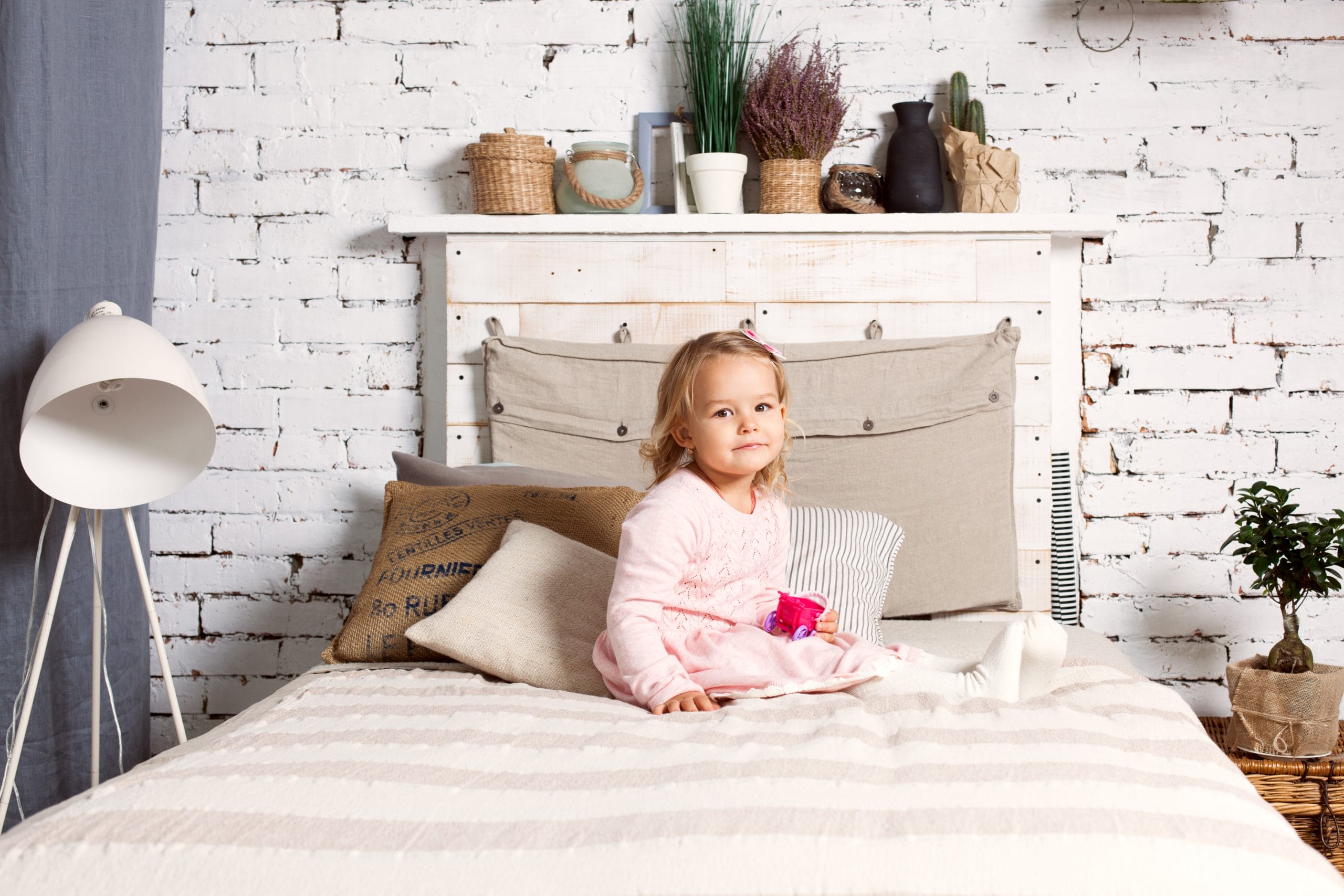
Beautiful girl is sitting on the bed and is holding a toy.
Image Source: 123rf.com

Observing your child gently bump their head as they drift off to sleep can be both endearing and concerning. Many parents have witnessed this rhythmic behavior and wondered about its significance. While it might seem alarming at first, head banging during sleep is often a self-soothing mechanism. In this article, we explore the reasons behind this behavior, when it might be a cause for concern, and how to ensure your child’s safety. Our aim is to provide clarity and actionable advice for worried parents.

Understanding the Behavior

Head banging in young children is a relatively common phenomenon that typically begins around six months of age. It is often a self-soothing behavior, similar to rocking or thumb-sucking, that helps children relax and transition to sleep. Most of the time, this behavior is benign and part of normal development. However, understanding the context in which it occurs is important for determining if it is within a normal range. Observing the frequency and intensity of the behavior can provide key insights.

Common Causes

There are several reasons why a child might engage in head banging. It can be a way to soothe discomfort, such as teething pain, or a method to release built-up tension before sleep. Sometimes, it’s simply a habit formed during periods of tiredness or overstimulation. Environmental factors, like a noisy or chaotic room, can also trigger the behavior. Understanding these causes helps in deciding whether any intervention is necessary.

When to Be Concerned

While head banging is typically harmless, there are instances when it warrants further attention. If the behavior persists beyond early childhood or is accompanied by developmental delays, it may be time to consult a pediatrician. Excessive head banging that results in injury or disrupts sleep significantly should also be evaluated. Monitoring the behavior over time is essential for assessing its impact. Seeking professional advice can provide reassurance and guidance on next steps.

Strategies to Ensure Safety

Ensuring your child’s safety is paramount if they engage in head banging. Consider modifying their sleep environment by using soft padding or adjusting the crib setup to minimize injury risk. Establishing a calming bedtime routine can help reduce the frequency of the behavior. Keeping a sleep diary may reveal patterns or triggers that can be addressed. When in doubt, consulting a healthcare professional is the best course of action.

Supporting Your Child Emotionally

cute, serious boy looking at camera while sitting on bed at home
Image Source: 123rf.com

It’s essential to approach this behavior with empathy and understanding. Recognize that head banging is often a self-soothing technique that helps your child cope with stress or discomfort. Rather than immediately intervening, observe the behavior over time to understand its context. Offering comfort and reassurance can sometimes reduce the need for such actions. Your supportive presence plays a crucial role in helping your child feel secure and understood.

Head Banging Is Usually Normal

Head banging during sleep is usually a normal behavior that diminishes as children grow. However, understanding its causes and ensuring a safe sleep environment is critical. Monitoring the behavior and seeking professional advice if concerns persist can safeguard your child’s well-being. By supporting your child both physically and emotionally, you help them navigate their sleep patterns in a healthy way.

What steps do you take to ensure your child’s safety while respecting their self-soothing needs? Share your experiences in the comments below.

Read More:

Doctors Swear by These 7 Baby Sleep Hacks—And They Actually Work

10 Ways To Get Your Newborn To Sleep Through The Night

Tamila McDonald
Tamila McDonald

Tamila McDonald is a U.S. Army veteran with 20 years of service, including five years as a military financial advisor. After retiring from the Army, she spent eight years as an AFCPE-certified personal financial advisor for wounded warriors and their families. Now she writes about personal finance and benefits programs for numerous financial websites.

Filed Under: Parenting Tagged With: child behavior, child development, parenting tips, self-soothing, sleep habits

  • Facebook
  • Pinterest
  • RSS
  • Twitter

Basic Principles Of Good Parenting

Here some basic principles for good parenting:

  1. What You Do Matters: Your kids are watching you. So, be purposeful about what you want to accomplish.
  2. You Can’t be Too Loving: Don’t replace love with material possessions, lowered expectations or leniency.
  3. Be Involved Your Kids Life: Arrange your priorities to focus on what your kid’s needs. Be there mentally and physically.
  4. Adapt Your Parenting: Children grow quickly, so keep pace with your child’s development.
  5. Establish and Set Rules: The rules you set for children will establish the rules they set for themselves later.  Avoid harsh discipline and be consistent.
  6. Explain Your Decisions: What is obvious to you may not be evident to your child. They don’t have the experience you do.
  7. Be Respectful To Your Child: How you treat your child is how they will treat others.  Be polite, respectful and make an effort to pay attention.
Best Parenting Blogs

Most Popular

Baby

9 Unusual Baby Names That Sound Like They Belong to Future CEOs

Evan Morgan
Baby

10 Baby Names That Were Once Considered “Grandparent Names” but Feel Cool Again

Evan Morgan
Target Store

Choking Incident Prompts Recall of 49,000 Target Gigglescape “Under the Sea” Popping Toys

Evan Morgan
Frustrated Girl

Why Some Students on the Spectrum Are Labeled With ODD

Evan Morgan
Coke Bottles

12 Things Kids Took to School in the ’70s That Would Never Be Allowed Today

Evan Morgan

All content on Kids Ain’t Cheap is for entertainment purposes only. By reading this blog, you agree that Kids Ain’t Cheap is not responsible for any actions taken after reading this blog. For the full disclaimer, see our privacy policy.

Please note that Kids Ain’t Cheap has financial relationships with some of the merchants mentioned here. Kids Ain’t Cheap is funded by banner advertising, commission sales and search optimization consulting.

Copyright © 2006–2026 | District Media | All Rights Reserved | Privacy Policy

Copyright © 2026 Runway Pro Theme by Viva la Violette