• Home
  • About Us
  • Toolkit
  • Archives
  • Advertise
  • Privacy Policy

Kids Ain't Cheap

But They Sure Are Worth It

  • Parenting
    • Baby Stuff
    • Books and Reading
      • Aesops Fables
      • Comic Books
    • Education
    • Family Time
    • Green Living
    • Growing Up
    • Healthy Living & Eating
    • Holidays
    • Parenting
    • Random Musings
    • Shopping
    • Stuff to Do
  • Money
  • Product Reviews
    • Books and Magazines
    • Discount Sites
    • Furniture
    • House Keeping
    • Reviews News
    • Toys and Games
  • Contact Us
  • Our Editorial Commitment
  • Search

Are Boomer vs. Millennial Bedtime Styles Causing Sibling Trauma?

November 26, 2025 | Leave a Comment

Are Boomer vs. Millennial Bedtime Styles Causing Sibling Trauma?
Image source: shutterstock.com

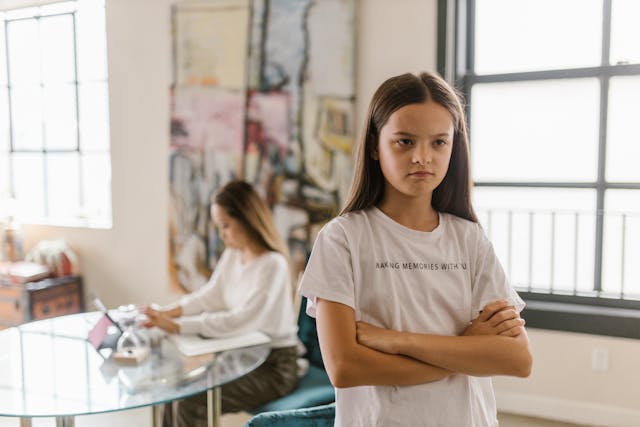
Parents often have strong feelings about how kids should wind down at night, and many families discover that these preferences vary widely across generations. When grandparents help with childcare or siblings are raised years apart, conflicting bedtime styles can collide in a way that disrupts routines and emotions. What feels normal and comforting to one adult may feel rigid or confusing to another, and kids absorb that tension quickly. These mismatched expectations sometimes lead to power struggles, disrupted sleep, and even resentment between siblings who receive different treatment. Understanding how generational habits shape bedtime can help parents create a more peaceful and supportive nighttime environment for everyone.

1. How Different Generations Approach Bedtime

Boomer parents often favor structured routines that emphasize lights out at a specific time and minimal negotiation. Millennial parents, on the other hand, tend to prioritize flexibility, emotional connection, and child-led cues during bedtime styles. When these approaches overlap in the same home, kids may feel unsure about which rules to follow. Siblings can also compare their experiences and wonder why expectations differ between them. These differences create a confusing mix of messages that impacts how secure kids feel at night.

2. Why Mixed Messages Can Trigger Stress For Kids

Children thrive on predictability, so inconsistent bedtime styles can increase nighttime anxiety. If one adult insists on strict routines and another allows talking or extra comfort, kids may feel torn between pleasing both. The lack of consistency can also lead to stalling behaviors because kids learn that different adults respond differently. Siblings who see each other receive different accommodations may feel jealous or frustrated. These emotional reactions often spill over into daytime behavior, creating a cycle of tension.

3. How Sibling Rivalry Grows From Bedtime Differences

When siblings experience different bedtime styles, they may interpret the difference as favoritism rather than generational habit. A younger child who receives more comfort may be seen as getting special treatment. An older sibling expected to follow stricter rules might feel punished for being older. These misunderstandings can cause resentment that builds over time. Helping siblings understand why routines differ can reduce hostility and strengthen family communication.

4. The Emotional Weight Kids Carry Quietly

Kids often internalize family stress, even if they do not have the words to describe it. Conflicting bedtime styles can make children feel responsible for adult tension, especially if disagreements happen in front of them. Some kids become people pleasers to avoid conflict, while others act out because they feel overwhelmed. Siblings may even blame each other when bedtime leads to stress. Addressing these patterns early helps protect emotional well-being.

5. Signs That Bedtime Confusion Is Impacting Sleep Quality

Poor sleep can show up in surprising ways, from irritability to difficulty concentrating in school. When bedtime styles are inconsistent, children may have trouble settling their bodies and minds. They might wake more frequently or struggle to fall asleep without constant reassurance. Siblings can also disrupt one another if their routines clash. Sleep issues can escalate quickly if not addressed with calm and consistent changes.

6. What Parents Can Do To Create Unified Bedtime Expectations

The easiest way to reduce bedtime stress is for adults to come together and agree on shared expectations. Agreeing on a baseline for bedtime styles helps prevent mixed signals and allows kids to feel secure. Parents can discuss which parts of the routine matter most and where flexibility is realistic. Involving both generations in the conversation can help bridge misunderstandings. When everyone participates in the plan, kids sense the teamwork and respond more positively.

7. How To Reduce Sibling Comparison and Resentment

Parents can address sibling conflict by explaining why each child’s routine looks the way it does. These conversations clarify that different bedtime styles are not about favoritism but about age, development, or comfort needs. Encouraging siblings to respect each other’s routines helps build empathy. Parents can also create shared moments, like reading together, to keep kids connected. Clear communication dissolves tension before it becomes long term resentment.

8. Tips For Blending Structure and Flexibility

Families can combine Boomer structure with Millennial emotional awareness to create routines that work for everyone. Balanced bedtime styles include predictable steps along with gentle room for adjustment. For example, parents might set a consistent lights out time while still offering a calm conversation or quiet reading before bed. Children feel supported when routines are steady but understanding. Blended approaches can prevent overwhelm and boost cooperation.

9. When Professional Guidance Can Help

If bedtime conflict becomes a nightly struggle, support from a pediatrician or family counselor can make a difference. Professionals can help parents understand how developmental stages interact with bedtime styles and offer tailored recommendations. Guidance can also help families who worry that sibling tension has escalated beyond normal rivalry. Sometimes small adjustments greatly improve the overall tone of the evening. Asking for help is a sign of strength, not failure.

10. Creating Family Rituals That Bring Everyone Together

Instead of focusing only on rules, families can build comforting rituals that all generations appreciate. These routines align different bedtime styles by shifting the focus to connection rather than control. Shared activities like storytelling, gratitude moments, or calming music make bedtime feel special. Children who feel secure during these rituals are less likely to experience stress or resentment. Strong rituals help siblings grow closer even when their needs differ.

Building Nighttime Peace Across Every Generation

Families thrive when adults recognize how much their habits shape the emotional atmosphere around bedtime. Blending bedtime styles thoughtfully allows parents and caregivers to support each other while reducing stress for kids. When everyone understands the goal of nighttime comfort, siblings feel seen and supported rather than confused. A unified approach leads to calmer evenings and healthier relationships. Peaceful bedtime routines are possible for every household willing to collaborate.

Have you noticed bedtime differences across generations in your home? Share what has helped your family in the comments.

What to Read Next…

Skipping Bedtime Routines: The Devastating Consequences They Hoped You’d Never Discover!

10 Reasons Your Child’s Sleep Habits Might Be Hurting Their Brain

9 Millennial Parenting Trends That Boomers Quietly Judge

12 Household Sounds That Are Affecting Your Child’s Sleep

8 Reasons Your Kids Prefer TikTok Over Bedtime Stories

Catherine Reed
Catherine Reed

Catherine is a tech-savvy writer who has focused on the personal finance space for more than eight years. She has a Bachelor’s in Information Technology and enjoys showcasing how tech can simplify everyday personal finance tasks like budgeting, spending tracking, and planning for the future. Additionally, she’s explored the ins and outs of the world of side hustles and loves to share what she’s learned along the way. When she’s not working, you can find her relaxing at home in the Pacific Northwest with her two cats or enjoying a cup of coffee at her neighborhood cafe.


Filed Under: Parenting Tagged With: bedtime routines, child development, family stress, modern parenting, parenting styles, sibling rivalry, sleep habits

The Real Cost of Sibling Fights

June 16, 2025 | Leave a Comment

The Real Cost of Sibling Fights
123rf.com

Siblings are built-in best friends—until they’re not. When tempers flare over toys, screen time, or who got the bigger slice of cake, what seems like harmless bickering can have long-lasting consequences. The real cost of sibling fights goes beyond the occasional door slam or tattling spree. These ongoing conflicts can take a toll on your household’s emotional health, family relationships, and yes, even your wallet. Understanding what’s at stake is the first step toward building more harmony at home.

1. Emotional Fallout Affects the Whole Family

When kids argue constantly, the emotional ripple spreads far and wide. Parents can feel drained, frustrated, and even guilty, wondering what they’re doing wrong. Other siblings may withdraw, trying to avoid the tension. Over time, this kind of atmosphere can create an unstable emotional environment, especially for younger or more sensitive children. Peaceful homes don’t happen by accident—they require conscious work to manage conflict.

2. Time Gets Wasted on Refereeing

Every sibling showdown costs time that could be spent doing anything else: homework, bedtime routines, family outings, or just relaxing. Instead, parents get pulled into the same arguments on repeat. “He touched my stuff!” “She took my turn!” These battles steal time from meaningful connection and activities that actually build sibling bonds. Redirecting that energy takes effort, but it’s worth the investment.

3. School Performance Can Suffer

The real cost of sibling fights can sometimes show up in a child’s report card. Constant tension at home can lead to poor sleep, difficulty focusing, and heightened anxiety. When kids carry stress from unresolved conflicts into the classroom, it becomes harder for them to engage and succeed. Teachers may notice increased aggression or withdrawal, which only deepens the problem. Emotional peace at home often supports better learning.

4. Long-Term Relationships Take a Hit

Many parents hope their kids will be close as adults, but that future bond doesn’t magically appear. Repeated unresolved sibling fights can damage trust and create lasting resentments. When one child constantly feels targeted, left out, or dismissed, those wounds can linger. Building positive sibling relationships in childhood lays the groundwork for stronger adult connections. Without support, some siblings grow up and grow apart.

5. Financial Costs Add Up

Believe it or not, the real cost of sibling fights can also show up in your bank account. Broken electronics, damaged furniture, or even medical bills from roughhousing gone wrong are real outcomes. In some families, extra therapy, parenting courses, or family counseling might be needed to manage long-term issues. And those expenses aren’t always planned for in the monthly budget. Prevention often costs less than repair.

6. Parents’ Mental Health Takes a Hit

Being stuck in the middle of sibling squabbles day after day can wear parents down emotionally. The constant noise, tension, and negotiation demands can lead to burnout or feelings of failure. You might find yourself snapping more easily or feeling less patient with other areas of life. Protecting your own mental health means setting boundaries, creating structure, and getting help when needed. A regulated parent is better equipped to handle emotional chaos.

7. Modeling Healthy Conflict Resolution Matters

If kids only see yelling and blaming at home, they may think that’s how all conflict should be handled. The way you address sibling fights sets the tone for how they’ll manage relationships with peers, coworkers, and even future partners. Teaching empathy, compromise, and accountability starts with how we guide these moments. The cost of not teaching these lessons? Children who struggle in friendships and social settings later in life.

8. Sibling Comparison Can Fuel Resentment

Parents sometimes unintentionally stoke sibling conflict by comparing their kids. Phrases like “Why can’t you be more like your sister?” may seem harmless but can fuel competition and rivalry. Children need to feel uniquely valued, not ranked. Encouraging individuality instead of comparison reduces the tension and helps kids appreciate each other’s differences. When each child feels secure, there’s less need to fight for attention.

9. Peaceful Conflict Resolution Skills Last a Lifetime

On the flip side, when families commit to improving how they handle sibling fights, the benefits are long-lasting. Kids learn to regulate their emotions, listen to different perspectives, and solve problems together. These are skills that will serve them well far beyond childhood. You’re not just diffusing the fight over a toy—you’re building tools that will help them navigate the world. That’s a long-term win for everyone.

Small Changes Can Make a Big Difference

The real cost of sibling fights isn’t just the noise or mess—it’s what gets lost in the chaos: peace, time, trust, and long-term connection. But the good news is, you don’t have to accept daily drama as normal. With patience, consistency, and a shift in how conflict is approached, you can create a home where disagreements don’t lead to disasters. It all starts with noticing the impact and choosing to make it better.

What sibling conflict solution has worked in your home? Share your tips, stories, or funny moments in the comments!

Read More:

How Sibling Rivalry Turns Into Financial Battles for Parents

Blended Families: 10 Ways to Blend Your Family Without Chaos

Catherine Reed
Catherine Reed

Catherine is a tech-savvy writer who has focused on the personal finance space for more than eight years. She has a Bachelor’s in Information Technology and enjoys showcasing how tech can simplify everyday personal finance tasks like budgeting, spending tracking, and planning for the future. Additionally, she’s explored the ins and outs of the world of side hustles and loves to share what she’s learned along the way. When she’s not working, you can find her relaxing at home in the Pacific Northwest with her two cats or enjoying a cup of coffee at her neighborhood cafe.

Filed Under: Family Tagged With: child behavior, emotional health, family peace, managing conflict, parenting challenges, parenting tips, raising siblings, sibling rivalry, the real cost of sibling fights

How Sibling Rivalry Turns Into Financial Battles for Parents

May 21, 2025 | Leave a Comment

How Sibling Rivalry Turns Into Financial Battles for Parents

Sibling rivalry has been around as long as siblings have existed—but in today’s world, it’s not just about who sat in the front seat or who got the bigger slice of cake. Modern rivalry often spills into spending, and parents are left caught in the middle of emotional and financial negotiations. Whether it’s fights over birthday budgets, extracurricular costs, or who got the “nicer” gift, resentment can build quickly. Trying to keep things “fair” can drain not just your patience, but your bank account. Here’s how sibling rivalries often evolve into financial stress for parents—and what to do about it.

1. Comparing Gifts and Celebrations

What starts as innocent comparison can quickly turn into a full-blown argument over who got more for their birthday or holiday. Kids notice the price tags, effort, and even the number of presents—whether you intended to be “even” or not. One child getting a sleepover party while the other just gets cake can trigger feelings of unfairness. Parents often feel pressured to match the experience dollar for dollar, leading to overcompensating. Trying to equalize everything financially rarely works and often just escalates sibling rivalry.

2. Activities That Add Up Unevenly

One child may love dance while the other thrives in soccer, but those activities can come with wildly different price tags. From uniforms and equipment to travel expenses and competitions, parents may end up spending far more on one child than another. Kids notice when their sibling’s activities seem to get more investment, and they may resent the perceived imbalance. Even if the spending makes sense based on interest or talent, the numbers can still spark arguments. Finding non-monetary ways to show equal support helps keep the peace.

3. College Costs and Academic Pressure

Higher education is one of the biggest financial challenges parents face, and it becomes even trickier with multiple kids. If one child gets scholarships or goes to community college while another chooses a private university, the cost differences can become a point of contention. Parents often feel caught between wanting to support each child’s unique path and trying to be financially “fair.” Siblings may compare tuition support, housing help, or even textbook money. Planning early and discussing expectations openly can help prevent this type of rivalry from boiling over.

4. Inheritance and Future Planning

It might feel like a long way off, but siblings often begin competing for parental resources far earlier than you’d expect. This can include subtle assumptions about who will get the car when they turn 16 or who will be “trusted” with certain heirlooms. When wills and inheritance come into the conversation—whether spoken or not—rivalry can take on a long-term financial tone. Parents may feel forced to make promises or assurances just to maintain peace. Clear communication and documented plans can keep future fights from brewing.

5. Technology and Trend Demands

Keeping up with tech trends is a huge source of stress for parents and a battleground for kids. If the oldest got a smartphone at 12, the younger sibling expects the same—even if the timing doesn’t feel right anymore. Brand comparisons, upgrade schedules, and even who got the “cooler” headphones can spark jealousy. This kind of rivalry can make parents feel pressured into unnecessary spending just to avoid conflict. Setting boundaries based on readiness, not sibling precedent, helps avoid this money trap.

6. Clothing, Style, and Image

Fashion and appearance are another area where sibling rivalry can easily bleed into spending battles. One child may demand designer clothes to keep up with peers, while the other prefers thrift store finds—or vice versa. Parents trying to accommodate both may feel guilted into spending more just to “even things out.” But financial fairness isn’t always about matching dollar amounts. Teaching value and letting kids make choices within a shared budget fosters independence and keeps rivalry in check.

7. Chore-Based Allowances

When allowances or financial rewards are tied to chores, fairness gets tricky fast. Siblings may argue over who does more, who gets paid more, or who gets away with doing less. If parents aren’t consistent, it can lead to claims of favoritism and fuel resentment. What starts as a simple way to teach responsibility can morph into a competitive battle over earnings. Keeping chore systems transparent and age-appropriate helps reduce conflict and teach valuable money lessons.

8. Emergency or “Just Because” Spending

Sometimes one child needs new shoes unexpectedly or gets a surprise reward for a tough week at school. But what seems like a one-off purchase to you can look like favoritism to a sibling. Kids often remember every moment someone else got something when they didn’t. These moments build up and can lead to long-term resentment if not handled carefully. Keeping communication open about needs versus wants helps kids understand these decisions better.

9. Holiday Traditions and Family Travel

Family vacations, holidays, and special outings often come with costs that can look different from year to year—or child to child. Maybe the older sibling got a Disney trip at five, and the younger sibling only got a backyard party due to budget or timing. Kids rarely take context into account, and they tend to remember what they missed, not why it happened. When kids start tallying memories like receipts, financial tension isn’t far behind. Consistency matters, but so does transparency when plans or budgets shift.

Fair Doesn’t Mean Equal—and That’s Okay

As much as we want to treat our children equally, life doesn’t always make that possible—or even ideal. What one child needs may not be what another wants, and trying to match every dollar can create more conflict than clarity. Parents aren’t ATMs, and parenting isn’t a contest. The best way to handle financial battles rooted in sibling rivalry is to stay consistent, be honest about limits, and focus on what truly matters: love, not ledger lines.

Have you ever dealt with financial tension between your kids? What strategies helped you keep things fair without going broke? Share your thoughts in the comments!

Read More:

8 Strategies for Managing Sibling Rivalry (Without Losing Your Mind)

Blended Families: 10 Ways to Blend Your Family Without Chaos

Catherine Reed
Catherine Reed

Catherine is a tech-savvy writer who has focused on the personal finance space for more than eight years. She has a Bachelor’s in Information Technology and enjoys showcasing how tech can simplify everyday personal finance tasks like budgeting, spending tracking, and planning for the future. Additionally, she’s explored the ins and outs of the world of side hustles and loves to share what she’s learned along the way. When she’s not working, you can find her relaxing at home in the Pacific Northwest with her two cats or enjoying a cup of coffee at her neighborhood cafe.

Filed Under: Child behavior Tagged With: Family Budgeting, financial fairness, kids and money, parenting finances, parenting tips, raising siblings, sibling rivalry

8 Strategies for Managing Sibling Rivalry (Without Losing Your Mind)

April 9, 2025 | Leave a Comment

Image Source: Unsplash

Sibling rivalry is one of those parenting challenges that sneaks up on you. One minute, your kids are giggling over a game of Uno, and the next, they’re screaming about who got more cereal. Sound familiar? You’re not alone. Nearly all siblings struggle at times to get along—and that’s totally normal. But with a few proactive strategies, you can turn those squabbles into opportunities for growth, connection, and even love.

Below are eight practical, parent-tested approaches to guide your kids toward a more peaceful sibling dynamic.

1. Avoid Comparisons and Celebrate Their Unique Gifts

It’s easy to blurt out “Why can’t you behave more like your brother?”—especially in the heat of the moment. But comparing siblings (even with good intentions) often fuels resentment and competition. Instead, highlight what makes each child special. Maybe one has a flair for drawing while the other excels at telling stories. Encouraging individuality helps create a family culture where everyone feels valued.

2. Establish Clear Family Rules and Core Values

Just like kids thrive on consistent rules in school, they benefit from consistency at home, too. Define simple boundaries—no hitting, no name-calling, and practice kindness. Equally important are the core values you reinforce, such as respect and empathy. Tie these values back to your rules during tough moments. When children learn to align their behavior with kindness, they’re setting themselves up with relationship skills that last a lifetime.

3. Schedule One-on-One Time With Each Child

Even valid reasons for giving extra attention to one child can spark jealousy in siblings. That’s why brief, intentional moments of one-on-one time matter. Whether it’s a 15-minute walk or helping with dinner, these small gestures reassure each child that they’re cherished. If one child stays up later due to age or special needs, explain why it’s necessary. While “fair” might not always mean “equal,” transparency can ease tension significantly.

4. Teach Healthy Conflict Resolution Skills

No matter how harmonious the home, disagreements are inevitable. Rather than try to stop every argument, equip your kids with the tools to resolve them better. Guide them to use “I” statements, take turns speaking, and practice active listening. Over time, they’ll solve many of their own disputes without adult intervention, building emotional intelligence they’ll use for the rest of their lives.

5. Create Opportunities for Teamwork and Collaboration

Sometimes the best way to bring squabbling siblings together is to have them join forces. Plan activities—like a family game night focused on cooperation or a backyard project—that require collaboration. Shared tasks can reframe them as teammates rather than rivals. Family bonding becomes a habit, shifting the dynamic from competition to camaraderie.

Siblings look happy
Image Source: Unsplash

6. Avoid Labels That Stick (Even the “Positive” Ones)

“She’s the smart one,” “He’s the wild one”—innocent as they may seem, labels can box kids into roles and spark jealousy. A statement like “You worked hard on that puzzle” is more empowering than “You’re so smart.” Describing actions and effort builds confidence without limiting how children perceive themselves or each other.

7. Be a Model for Managing Conflict Calmly

Kids are astoundingly quick at picking up on your moods—especially the frustrated ones. When you handle disagreements patiently and own up to mistakes, they’re more likely to do the same. Admit when you’re wrong, show how you apologize, and verbalize your thought process. Research on sibling rivalry suggests children learn lifelong skills by observing the adults closest to them.

8. Let Kids Solve (Some) Problems on Their Own

Your instinct might be to jump in at the first shout, but rushing to “fix” everything can deprive kids of practicing conflict resolution. Pause before intervening, and see if they can work it out. If they need your guidance, offer suggestions rather than issuing commands. With practice, they’ll learn when to stand firm, compromise, or ask for help—and that’s growth you can’t orchestrate by always taking charge.

Building a Foundation of Respect and Connection

Sibling rivalry won’t vanish overnight; it evolves as your children grow. But with consistency, empathy, and these targeted strategies, you can transform typical sibling spats into teachable moments. Your job isn’t to eliminate all conflict, but to show kids how to respect each other’s differences, manage big feelings, and find solutions. That investment in positive relationships pays off in a home where cooperation and understanding flourish—and where every squabble holds the potential for deeper family bonds.

How do you handle sibling rivalry in your home? Share your insights and challenges in the comments—we’d love to learn from your experience!

Read More

  • The Importance of Living a Healthy Lifestyle as a Family
  • Making Healthy Living a Priority for Your Family
Samantha Warren
Samantha

Samantha Warren is a holistic marketing strategist with 8+ years of experience partnering with startups, Fortune 500 companies, and everything in between. With an entrepreneurial mindset, she excels at shaping brand narratives through data-driven, creative content. When she’s not working, Samantha loves to travel and draws inspiration from her trips to Thailand, Spain, Costa Rica, and beyond.

Filed Under: Parenting Tagged With: child behavior, conflict resolution, Family bonding, parenting tips, Positive Parenting, raising siblings, sibling rivalry

8 Strategies for Managing Sibling Rivalry

April 9, 2025 | Leave a Comment

8 Strategies for Managing Sibling Rivalry
Image Source: Pexels

Managing sibling rivalry requires striking a delicate balance. It’s important to mete out consequences consistently and evenly to avoid accusations of unfairness. Parents should also avoid favoritism and treat each child equally. When tensions flare, here are 8 constructive strategies for managing sibling rivalry that will help restore peace in your household. 

1. Teach Your Kids Relaxation Techniques 

When tensions and stress get high, your children may not know how to manage their emotions. Instead of coping in healthy ways, they might be taking it out on each other and butting heads. Teaching your kids how to calm down is key to avoiding sibling conflict in the household. 

Relaxation techniques like playing with a fidget toy, counting to ten, deep breathing, guided meditation, and journaling can help your kids process their feelings without turning on each other. 

2. Avoid Comparison 

As a parent, you don’t want to worsen a sibling rivalry by engaging in comparison. Verbally pitting your kids against each other will only heighten tensions between them and make their shared resentment worse. Avoid using phrases like “if only you could be more like your brother/sister.” 

Praising one child in front of the other can also fuel tensions, so consider sharing compliments privately. Try to dole out equal amounts of praise and recognize each child’s unique attributes and accomplishments.

3. Set Clear Boundaries 

Managing sibling rivalry also involves setting clear boundaries and expectations around behavior. Make sure your kids understand the rules and consequences for breaking them. Roughhousing, mean-spirited comments, and excessive bickering should all come with punishments, such as removing phone privileges. 

Impress upon your children that you expect respectful conduct in your household, just like their teachers do at school. It may be helpful to post a list of rules and consequences as a reminder in a visible place like the kitchen fridge. 

4. Enforce Rules Equally 

Siblings who are in a rivalry with each other will also be sensitive to unfair punishments. Enforcing the rules unevenly and inconsistently could deepen the animosity between your kids. Doling out consequences equally requires you to be vigilant about monitoring your children’s behavior and managing their sibling rivalry. 

If you didn’t witness an argument or infraction, avoid taking one child’s side over the other constantly. Treating one child like they’re more trustworthy than the other can cause resentments to bubble up. 

5. Mediate Conflict 

If your children do get into a conflict, it’s important to step in and try to mediate. Ask open-ended questions to get to the bottom of the disagreement and figure out what happened. Avoid assigning blame and try to teach your children positive conflict resolution and problem-solving skills. 

For example, say your kids fight over the temperature of their shared bedroom. You could brainstorm solutions together, such as getting extra blankets or personal fans to make everyone more comfortable. Once your kids realize it’s more productive to talk it out rather than fight it out, the sibling rivalry may diminish. 

6. Create Relaxing Family Rituals

According to Forbes, family rituals can increase social cohesion within your household and help with managing sibling rivalry. Simple routines like Sunday dinner or game night can encourage bonding among your kids and foster a sense of familial belonging. Relaxing together by playing video games or sharing a meal can also help reduce everyone’s stress levels, potentially preventing emotions from flaring.

Another ritual to consider implementing is going around the dinner table and sharing highs and lows from the day. If your kids hear each other’s best and worst moments, it may help foster empathy and understanding between them. 

7. Don’t Force Friendship Artificially

It’s reasonable to expect your kids to treat each other with respect and spend time together as a family every now and then. However, managing sibling rivalry doesn’t require you to force friendship between your kids. It’s ok if they don’t want to sit at the same lunch table at school or go to the mall together.If they have a hard time sharing a bedroom, making different sleeping arrangements isn’t admitting defeat. 

Try to avoid forcing your kids together more often than necessary or lamenting that they aren’t besties in front of them. Pushing the issue could actually make the sibling rivalry worse. 

8. Stay Calm and Listen 

It’s easy to get upset and lose your cool while managing sibling rivalry. But getting stressed out and raising your voice could escalate tensions further. Staying calm and actively listening to each child’s side of the story will go a long way toward resolving the disagreement. 

Facilitating constructive problem-solving and conflict resolution between your kids will hopefully help mitigate the animosity over time. Most kids eventually grow out of sibling rivalries, so remember that you won’t be stuck with household discord forever! 

Do you have any helpful strategies for managing sibling rivalry? Drop them in the comments!

Vicky Monroe headshot
Vicky Monroe

Vicky Monroe is a freelance personal finance writer who enjoys learning about and discussing the psychology of money. In her free time, she loves to cook and tackle DIY projects.

Filed Under: Parenting Tagged With: parent-child communication, raising siblings, sibling rivalry

  • Facebook
  • Pinterest
  • RSS
  • Twitter

Basic Principles Of Good Parenting

Here some basic principles for good parenting:

  1. What You Do Matters: Your kids are watching you. So, be purposeful about what you want to accomplish.
  2. You Can’t be Too Loving: Don’t replace love with material possessions, lowered expectations or leniency.
  3. Be Involved Your Kids Life: Arrange your priorities to focus on what your kid’s needs. Be there mentally and physically.
  4. Adapt Your Parenting: Children grow quickly, so keep pace with your child’s development.
  5. Establish and Set Rules: The rules you set for children will establish the rules they set for themselves later.  Avoid harsh discipline and be consistent.
  6. Explain Your Decisions: What is obvious to you may not be evident to your child. They don’t have the experience you do.
  7. Be Respectful To Your Child: How you treat your child is how they will treat others.  Be polite, respectful and make an effort to pay attention.
Best Parenting Blogs

Most Popular

11 Ways Kids Are Outsmarting Parental Controls 1. Using Alternate Devices One common trick is simply turning to another device. If a child’s main phone or tablet is restricted, they may borrow a sibling’s, friend’s, or even a school laptop. This instantly gives them access to content outside of parental oversight. Parents often focus on one device, forgetting that others in the household can serve as loopholes. Knowing this tactic helps families tighten controls across all electronics. 2. Clearing Browsing Histories Many kids quickly learn that clearing browsing history hides evidence of restricted activity. With just a few clicks, they can erase any trace of websites visited. This makes it harder for parents to notice when rules are being broken. Parents may assume no history means no browsing, but the reality is often the opposite. Kids are outsmarting parental controls by making it seem like nothing happened at all. 3. Using Private Browsing Modes Most browsers offer “incognito” or private browsing features. Kids use this mode to access websites without leaving a record in the history. To parents checking later, everything looks clean and safe. This simple trick is often one of the first ways kids discover how to bypass restrictions. Conversations about private browsing can help close this gap. 4. Guessing or Resetting Passwords Children who are persistent may try to guess passwords to parental control apps or accounts. Others may find ways to reset them through email prompts or security questions. Once inside, they can disable restrictions entirely. Parents may not even realize controls have been altered until much later. Stronger, less predictable passwords can make this more difficult. 5. Using VPNs to Hide Activity Virtual private networks, or VPNs, let kids disguise their online locations. With one downloaded app, they can bypass geographic or parental restrictions. Some children learn about VPNs through friends or even social media. This makes it easy for them to reach content that should be blocked. Parents often underestimate just how simple it is for kids to use these tools. 6. Creating Fake Accounts When parents monitor social media, kids may create hidden accounts. These “finstas” or fake profiles allow them to interact freely without parental oversight. While their main account appears harmless, the secondary one tells a different story. Kids are outsmarting parental controls by playing both sides at once. Checking for duplicate accounts can help parents stay more aware. 7. Exploiting Time Zone Settings Some kids change the time zone on their devices to bypass screen time limits. This trick allows them to gain extra hours of usage undetected. Parents may assume controls are working, but in reality, the child is bending the clock. It’s a clever loophole that highlights just how resourceful kids can be. Monitoring device settings regularly can catch this tactic. 8. Disabling or Uninstalling Apps Parental control apps can be deleted or disabled with surprising ease. Some kids even reinstall them before a parent checks, making it seem like nothing changed. Others may simply restrict permissions to prevent apps from functioning properly. When apps aren’t monitored closely, parents may not notice they’ve been tampered with. This shows the importance of consistent follow-up. 9. Turning to Friends for Access If a child can’t get past restrictions on their own, they may rely on friends. Visiting a friend’s house or borrowing their phone can give them a free pass. Parents often forget that peer environments can override restrictions set at home. This kind of social workaround is especially common with gaming or social media. Open conversations about trust and responsibility are essential. 10. Hiding Apps in Plain Sight Kids sometimes download apps that look innocent but serve as gateways to hidden activity. These apps may disguise themselves as calculators or utilities. In reality, they allow file storage, private messaging, or browser access. Parents glancing at a home screen may overlook them entirely. Learning to recognize these disguised apps can help parents stay informed. 11. Outpacing Parents’ Tech Knowledge Finally, kids often know more about devices than their parents do. Whether through YouTube tutorials, TikTok hacks, or peer groups, they quickly learn advanced workarounds. This knowledge gap means controls can be bypassed before parents even realize the loophole exists. Staying informed and continually learning about new technology is the best defense. Kids are outsmarting parental controls because they adapt faster than most adults. The Real Solution Lies Beyond Restrictions While controls and filters are important, no system is perfect. Kids will always find creative ways around barriers, making communication the strongest safeguard. Setting clear expectations, building trust, and having ongoing conversations about online behavior matter more than apps alone. Parents who combine technology with open dialogue create a safer digital environment. The goal isn’t to win a battle of wits but to build a relationship that keeps kids both safe and honest. Do you think kids are outsmarting parental controls faster than parents can keep up? Share your experiences in the comments below. What to Read Next... 6 Parenting Tech Shortcuts That Can Expose Your Child to Strangers How Much Screen Time Is Too Much—Legally Speaking? Is Your Child’s School Quietly Tracking Their Location Without Your Consent? How Much Screen Time Is Quietly Reshaping Childhood Behavior? Why Some Parents Are Being Investigated Over Homeschooling Records

11 Ways Kids Are Outsmarting Parental Controls

Catherine Reed

10 Children’s Games From the ’60s That Need to Make a Comeback

Samantha
Girl getting makeup done, referencing psychologist-approved age.

Wearing Makeup: Here Is the Age That Psychologists Agree It’s Okay for Girls to Wear Makeup

Samantha
birthday gifts

7 Birthday Gifts Your Child Should Never Bring to a Party

Latrice Perez

Babysitting Without Cash: 10 Ways to Barter Your Way Out of Childcare Costs

Ashleigh Clyde

All content on Kids Ain’t Cheap is for entertainment purposes only. By reading this blog, you agree that Kids Ain’t Cheap is not responsible for any actions taken after reading this blog. For the full disclaimer, see our privacy policy.

Please note that Kids Ain’t Cheap has financial relationships with some of the merchants mentioned here. Kids Ain’t Cheap is funded by banner advertising, commission sales and search optimization consulting.

Copyright © 2006–2026 | District Media | All Rights Reserved | Privacy Policy

Copyright © 2026 Runway Pro Theme by Viva la Violette