
• Home
  • About Us
  • Toolkit
  • Archives
  • Advertise
  • Privacy Policy

Kids Ain't Cheap

But They Sure Are Worth It

  • Parenting
    • Baby Stuff
    • Books and Reading
      • Aesops Fables
      • Comic Books
    • Education
    • Family Time
    • Green Living
    • Growing Up
    • Healthy Living & Eating
    • Holidays
    • Parenting
    • Random Musings
    • Shopping
    • Stuff to Do
  • Money
  • Product Reviews
    • Books and Magazines
    • Discount Sites
    • Furniture
    • House Keeping
    • Reviews News
    • Toys and Games
  • Contact Us
  • Our Editorial Commitment
  • Search

10 Things Parents Should NEVER Do During a Public Tantrum

May 17, 2025 | Leave a Comment

10 Things Parents Should NEVER Do During a Public Tantrum

You’re in the middle of the grocery store, and your toddler decides now is the perfect time to channel their inner hurricane. The screaming starts. Then comes the flailing, maybe a bit of floor flopping for dramatic effect. It’s one of parenting’s most humbling moments, and while every part of you wants to make it stop immediately, your response in those chaotic seconds can make a big difference. Handling a public tantrum takes more than surviving the noise—it takes smart, calm decisions that won’t feed the fire or crush your confidence.

1. Don’t Yell Back

Raising your voice might feel like the only way to be heard, but it rarely helps. When you yell, you match your child’s energy instead of calming it, and that only escalates the situation. Plus, it can make the scene even more uncomfortable for everyone around you. Staying calm models the emotional control you want your child to learn. A firm but quiet tone often communicates more powerfully than shouting ever could.

2. Don’t Beg or Bribe on the Spot

It’s tempting to promise candy, screen time, or toys if they just stop right now. But bribing during a tantrum reinforces the idea that bad behavior leads to rewards. Once they see that screaming equals Skittles, the tantrums will only multiply. Instead, wait until the moment has passed to talk about appropriate ways to earn rewards. Bribery in the heat of the moment teaches negotiation, not regulation.

3. Don’t Threaten Consequences You Can’t Enforce

“You’re never watching TV again!” or “We’re leaving right now!” might slip out in frustration, but empty threats don’t teach lessons—they erode trust. If you aren’t prepared to follow through, don’t say it. Kids quickly learn what you mean and what you don’t, and they’ll test that line again and again. Stick to clear, realistic consequences that you can calmly carry out when the time comes.

4. Don’t Pretend It’s Not Happening

Trying to ignore your child completely or pretend the tantrum isn’t happening might sound like smart detachment, but it can make your child feel dismissed. It’s one thing to give space and not overreact, but completely checking out sends the wrong message. Kids need to feel that you’re still present and in control, even if you’re not directly engaging the tantrum. A calm posture and soft, steady presence can do more than words ever could.

5. Don’t Apologize to Strangers

You might feel embarrassed, but saying “sorry” to every passerby shifts your focus away from your child and toward public approval. Your child needs your attention more than the people around you do. Most people either sympathize or forget what happened in two minutes. Worrying about other people’s opinions only distracts you from parenting in the way your child truly needs. Focus on connection, not crowd control.

6. Don’t Overexplain in the Moment

When your child is mid-tantrum, their brain isn’t ready for logic. Long explanations about why they can’t have that cereal or why you said no will likely fall flat—or worse, fuel their frustration. Keep it simple, calm, and brief. Save the deeper lessons for later when they’re calm and receptive. Tantrums are about emotion, not reason.

7. Don’t Make It About You

It’s easy to feel like your child’s meltdown is a reflection of your parenting. But tantrums are developmentally normal and not a sign you’re doing something wrong. Taking their behavior personally can make you respond with shame or defensiveness instead of confidence. This moment isn’t about your worth as a parent—it’s about your child learning to manage big feelings. Stepping back emotionally helps you step up effectively.

8. Don’t Physically Drag or Yank Them

When you’re overwhelmed and desperate to move the tantrum along, it’s tempting to grab an arm or haul your child out of the aisle. But physical force can hurt the relationship and embarrass or scare your child, even if your intentions aren’t aggressive. If you need to move them, do so gently and respectfully. Your body language teaches as much as your words—choose calm strength over frustration.

9. Don’t Rehash the Incident Immediately

Once the storm passes, both you and your child need space to reset. Jumping into a full lecture or emotional breakdown right after the tantrum ends can reignite the issue. Give it time, wait until you’re both calm, and then talk about what happened. Discuss better ways to handle frustration or disappointment next time. Reflection works best when emotions are settled.

10. Don’t Forget to Reflect on What Triggered It

After the dust settles, it’s important to think about what may have caused the tantrum. Was your child hungry, tired, overstimulated, or overwhelmed? Recognizing patterns helps prevent future meltdowns. It also helps you approach similar situations with more empathy and preparation. Awareness is a powerful parenting tool that turns chaos into insight.

You’re Still a Good Parent, Even When It’s Loud

Public tantrums are messy, uncomfortable, and emotionally draining—but they’re not a parenting failure. They’re moments of growth, both for your child and for you. When you resist the urge to react emotionally and instead respond with patience and presence, you build trust and emotional resilience. Your child isn’t trying to embarrass you—they’re trying to figure out how to handle life’s big feelings. With time and calm guidance, they’ll get there—and so will you.

What public tantrum survival tricks have worked for your family? Share your stories in the comments!

Read More:

6 Times Parents Should Discipline in Public – Not Behind Closed Doors

7 Types of Behavioral Disorders in Children Every Parent Should Know

Catherine Reed
Catherine Reed

Catherine is a tech-savvy writer who has focused on the personal finance space for more than eight years. She has a Bachelor’s in Information Technology and enjoys showcasing how tech can simplify everyday personal finance tasks like budgeting, spending tracking, and planning for the future. Additionally, she’s explored the ins and outs of the world of side hustles and loves to share what she’s learned along the way. When she’s not working, you can find her relaxing at home in the Pacific Northwest with her two cats or enjoying a cup of coffee at her neighborhood cafe.

Filed Under: Child behavior Tagged With: discipline strategies, Emotional Regulation, family stress, parenting struggles, parenting tips, public tantrums, toddler behavior

8 Of The Most Embarassing Things Kids Tend to Do In Public

April 13, 2025 | Leave a Comment

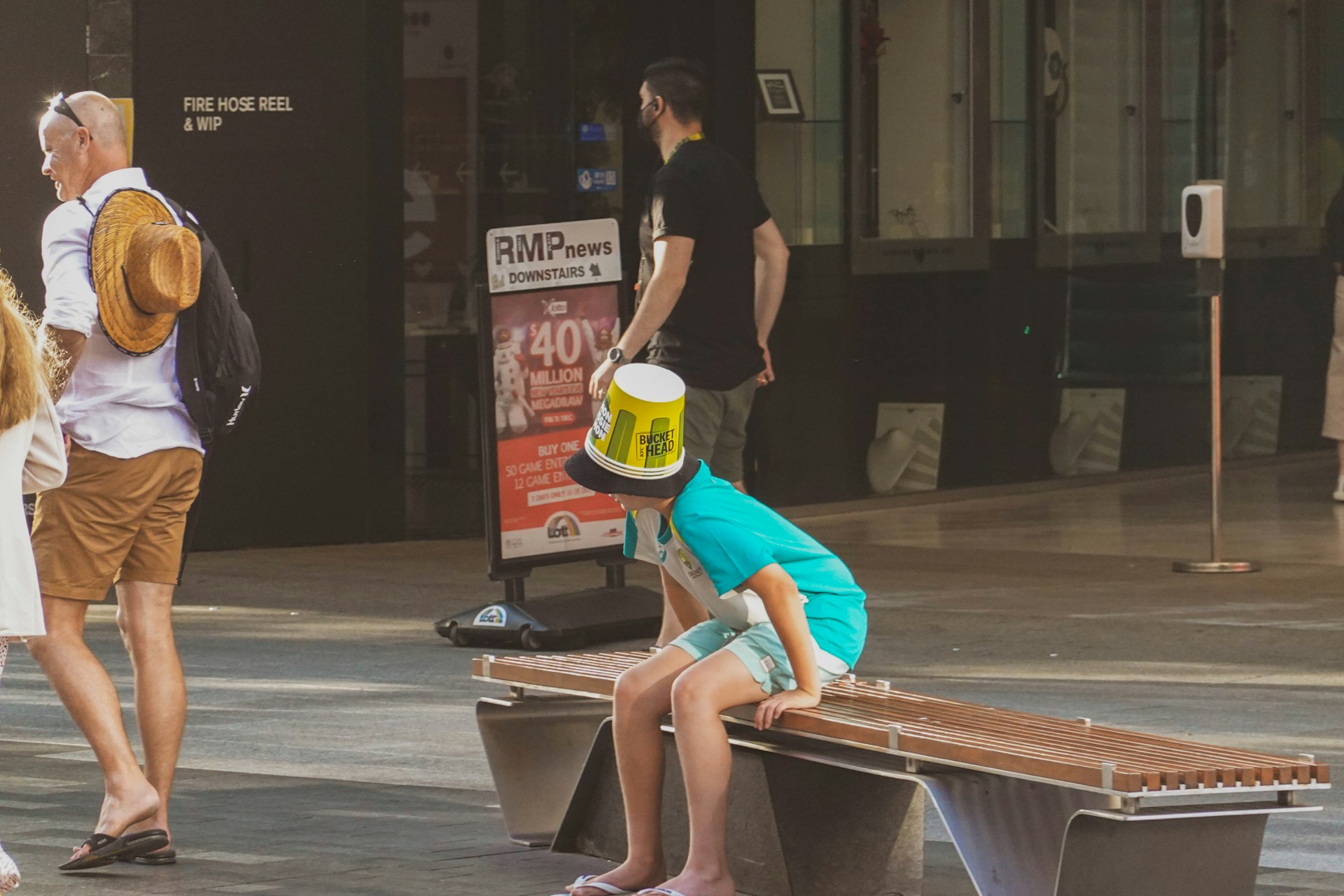
child with a bucket on his head
Image Source: Unsplash

If you’ve ever pretended to be immersed in your grocery list because your child blurted out something awkward, you’re not alone. From grocery store meltdowns to blurting out private family details, kids seem to have a special talent for turning everyday outings into cringe-worthy moments.

These episodes can make even calm caregivers want to hide—but they’re also part of normal child development. In fact, these public slip-ups tie into emotional growth, learning social norms, and a child’s emerging sense of humor.

Here are eight “Oh no, did they really do that?” moments, along with practical ways to react calmly and teach important lessons.

1) Blunt (and Inappropriate) Comments

Children say what they think—filters are optional. Whether it’s commenting loudly on someone’s appearance or repeating something they overheard at home, this honesty can be more mortifying than malicious. While shocking, it’s a sign of a child still figuring out social rules. Turn these moments into teachable ones: encourage them to think about others’ feelings, talk quietly, or choose kinder words. Over time, they’ll learn that empathy and tact matter.

2) Epic Meltdowns in Checkout Lines

Of all embarrassing moments, public tantrums in stores rank high. You’re juggling coupons, scanning items, and your child melts down over a candy bar they can’t have. It’s best to keep your cool—shouting back often fuels the fire. Instead, stay composed, acknowledge how they feel (“I see you’re upset”), and if needed, remove them from the situation for a breather. Modeling calm under stress can help your child develop self-regulation faster than any power struggle.

3) Unwanted Bathroom Announcements

Sometimes kids broadcast bathroom updates at inopportune times, whether at a restaurant or during a family gathering. Yes, it’s funny—until you notice the neighboring tables listening in. Children’s curiosity about bodily functions is normal, but it can take time to learn privacy boundaries. React lightly, use gentle reminders about “private info,” and discuss how to ask discreetly for the bathroom. That way, you preserve their sense of body autonomy without feeling mortified every time they need to go.

4) Food Fights or Calling Food “Gross”

Nothing says awkward like your child shouting how “gross” Grandma’s casserole is at the dinner table—or worse, tossing it across the room. While it might feel disrespectful, many kids struggle with new tastes or textures. Instead of scolding, try calmly saying, “We don’t say food is gross. You can say ‘no, thank you.’” Encouraging good manners guides them without shaming. And if the meltdown continues, focusing on empathy—maybe they’re genuinely uncomfortable with the meal—can resolve it without a major scene.

5) Dressing (Way) Outside the Norm

Spider-Man suits to the doctor’s office or tiaras to the grocery store can make bystanders do a double-take. But these fashion statements usually stem from kids exploring identity and asserting independence. Unless there’s a safety risk—like skipping a coat in winter—allowing odd outfit choices fosters confidence. Embrace the quirkiness; it’s a small embarrassment compared to the freedom your child feels in expressing themselves.

6) Loud “Private” Questions

Kids sometimes pick the worst places to air personal or private queries—like right at the dinner party. If your child shouts, “Why does Uncle Tim have a big belly?” it can feel mortifying, but it’s actually them being curious. Respond calmly by saying, “That’s a good question—let’s talk about that quietly later.” Over time, they’ll pick up cues on when certain topics are okay (like at home) and when they need to hush.

7) Sudden Disrobing or Costume Changes

From ripping off shoes mid-store to insisting on pajamas at a formal event, kids can have minimal grasp on what’s socially acceptable clothing. Often, these acts come from comfort or control needs. The key is gently reminding them of what’s required or allowed in public spaces and having a quick fix—like slip-on shoes or a compromise outfit—ready to go. Think of it as fostering independence within safe boundaries.

8) Acts of Defiance to Gain Attention

Sometimes kids seem to create a public ruckus simply to see how you’ll react. This might range from refusing to move to staging a mini protest on the sidewalk. Experts say such defiance can reflect unmet emotional needs or general exploration of boundaries. Offer consistent, empathetic support at home so they don’t feel starved for attention. In public, step aside calmly, acknowledge feelings, and give them a clear route to compliance without escalating it into a battle.

happy smiling girl at the beach
Image Source: Unsplash

Public slip-ups are an expected part of child development. What counts is how we parents respond. Staying calm, offering gentle redirection, and explaining social norms in age-appropriate language can turn cringe-worthy moments into lessons. It might not erase that initial flush of embarrassment, but it does help your child learn more about empathy, manners, and self-control. And remember, every parent has their own “most embarrassing public meltdown” story—yours just adds to the camaraderie.

Has your child done something hilariously mortifying in public lately? Share your epic moments below—sometimes laughter and shared experiences are the best remedies for the parenting blues.

Read More

  • 9 Surprising Benefits of Letting Kids Make Their Own Rules for a Day
  • Want Great Kids Movies for Free? These Are Free Movies on YouTube for Kids
Samantha Warren
Samantha

Samantha Warren is a holistic marketing strategist with 8+ years of experience partnering with startups, Fortune 500 companies, and everything in between. With an entrepreneurial mindset, she excels at shaping brand narratives through data-driven, creative content. When she’s not working, Samantha loves to travel and draws inspiration from her trips to Thailand, Spain, Costa Rica, and beyond.

Filed Under: Parenting Tagged With: child behavior, child development, embarrassing kids, kids in public, parent tips, parenting challenges, public tantrums

  • Facebook
  • Pinterest
  • RSS
  • Twitter

Basic Principles Of Good Parenting

Here some basic principles for good parenting:

  1. What You Do Matters: Your kids are watching you. So, be purposeful about what you want to accomplish.
  2. You Can’t be Too Loving: Don’t replace love with material possessions, lowered expectations or leniency.
  3. Be Involved Your Kids Life: Arrange your priorities to focus on what your kid’s needs. Be there mentally and physically.
  4. Adapt Your Parenting: Children grow quickly, so keep pace with your child’s development.
  5. Establish and Set Rules: The rules you set for children will establish the rules they set for themselves later.  Avoid harsh discipline and be consistent.
  6. Explain Your Decisions: What is obvious to you may not be evident to your child. They don’t have the experience you do.
  7. Be Respectful To Your Child: How you treat your child is how they will treat others.  Be polite, respectful and make an effort to pay attention.
Best Parenting Blogs

Most Popular

Baby

9 Unusual Baby Names That Sound Like They Belong to Future CEOs

Evan Morgan
Baby

10 Baby Names That Were Once Considered “Grandparent Names” but Feel Cool Again

Evan Morgan
Target Store

Choking Incident Prompts Recall of 49,000 Target Gigglescape “Under the Sea” Popping Toys

Evan Morgan
Frustrated Girl

Why Some Students on the Spectrum Are Labeled With ODD

Evan Morgan
Coke Bottles

12 Things Kids Took to School in the ’70s That Would Never Be Allowed Today

Evan Morgan

All content on Kids Ain’t Cheap is for entertainment purposes only. By reading this blog, you agree that Kids Ain’t Cheap is not responsible for any actions taken after reading this blog. For the full disclaimer, see our privacy policy.

Please note that Kids Ain’t Cheap has financial relationships with some of the merchants mentioned here. Kids Ain’t Cheap is funded by banner advertising, commission sales and search optimization consulting.

Copyright © 2006–2026 | District Media | All Rights Reserved | Privacy Policy

Copyright © 2026 Runway Pro Theme by Viva la Violette