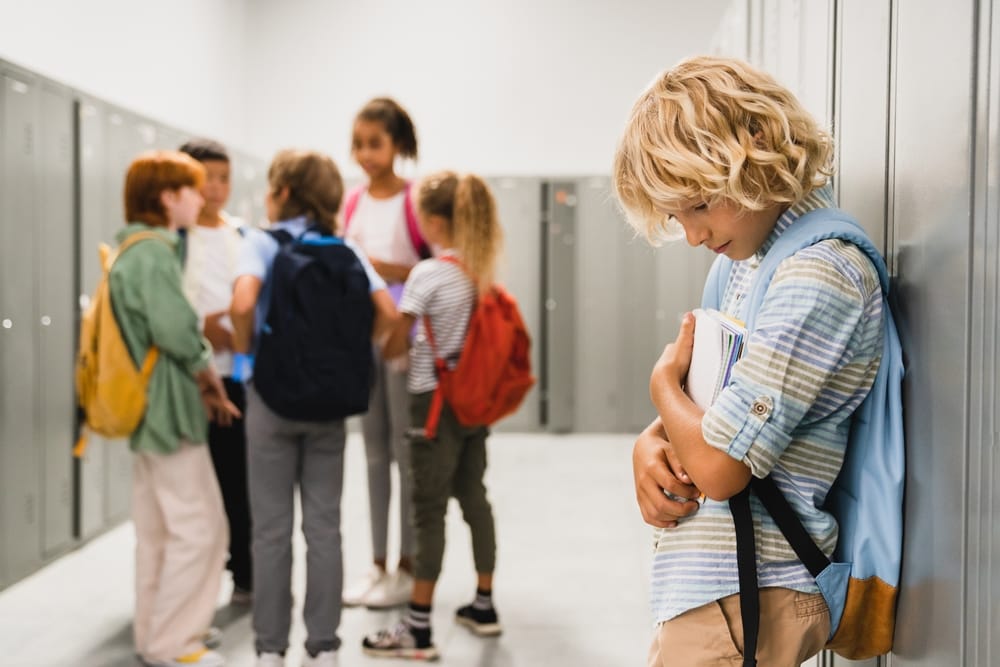
Every parent wants their child to build healthy, lasting friendships. But sometimes, the way we guide, discipline, or even protect our kids can unintentionally interfere with those relationships. Your parenting style might shape how your child communicates, handles conflict, and trusts others. When patterns like overprotection, control, or inconsistency appear, they can quietly create barriers between your child and their peers. Understanding how different parenting styles affect social development can help you make small adjustments that lead to big improvements in your child’s friendships.
How Your Parenting Style Shapes Social Confidence
A child’s ability to form friendships often begins with how confident they feel in social situations. An overly strict parenting style can make kids hesitant to express themselves or take social risks, fearing criticism or disapproval. On the other hand, a permissive approach may leave children without clear boundaries, making it difficult for them to respect others’ limits. The healthiest balance usually comes from an authoritative style—firm yet supportive—where expectations are clear but communication is open. Confidence grows when children feel trusted to handle interactions on their own while knowing their parents will guide them when needed.
Overprotective Habits Can Limit Social Growth
When parents step in too often to solve every problem, children may miss opportunities to develop essential conflict-resolution skills. Overprotective behavior, though well-intentioned, can prevent kids from learning how to handle disagreements, rejection, or differences with friends. These are natural parts of growing up that build emotional resilience. Children who rarely face these experiences may struggle to maintain friendships when things get tough. Allowing kids to make—and learn from—minor social mistakes teaches independence and empathy, two cornerstones of meaningful connections.
The Impact of Control and Criticism
A controlling parenting style can quietly damage your child’s ability to connect with others. When children are used to being told what to say or how to behave, they may become overly cautious or anxious in social settings. Constant criticism can also erode self-esteem, making them doubt whether their peers genuinely like them. Kids raised in this environment might seek approval excessively or, conversely, withdraw from group interactions altogether. Encouraging autonomy and praising effort instead of perfection helps your child feel secure enough to be authentic with friends.
The Role of Emotional Availability
Children learn emotional regulation and empathy from their parents before they ever apply these skills in friendships. If a parenting approach is emotionally distant—where feelings are often dismissed or ignored—kids might struggle to recognize or respond to others’ emotions. Conversely, when parents overreact or model inconsistent emotions, children can internalize those patterns, leading to unpredictable behavior with peers. The best approach is to model steady emotional awareness: acknowledge your own feelings calmly, listen to your child’s without judgment, and show that empathy strengthens relationships. These lessons naturally carry into your child’s friendships.
When Comparison and Pressure Creep In
Parents who often compare their child to others or apply excessive pressure to “fit in” might be doing more harm than good. A parenting style that revolves around comparison can create insecurity, making children feel inferior or competitive rather than cooperative. Similarly, pressuring kids to have many friends or to be popular can cause stress and performance anxiety. Friendship is not about quantity—it’s about connection. Supporting your child’s natural pace and personality helps them form authentic bonds that last longer and feel more fulfilling.
How to Support Healthier Social Habits
If you suspect your parenting technique is influencing your child’s social struggles, change is possible—and it starts with awareness. Begin by observing your child’s interactions without immediately intervening. Offer guidance afterward, focusing on what they did well before suggesting gentle improvements. Model positive social behavior yourself by resolving conflicts calmly and showing respect in your own relationships. Most importantly, reassure your child that friendships take effort and that mistakes are part of learning how to connect with others.
When to Seek Outside Support
Sometimes, patterns in parenting or child behavior are deeply rooted and may benefit from outside perspective. If your child frequently comes home upset, avoids peers, or shows signs of social withdrawal, it might help to consult a school counselor or child psychologist. Professionals can help identify whether your parenting style, environment, or external pressures are contributing factors. They can also teach communication strategies tailored to your child’s personality. Seeking help is not a sign of failure—it’s a proactive way to strengthen your child’s emotional well-being.
Small Shifts That Create Big Friendship Wins
You don’t have to overhaul your entire approach to parenting to make a difference. Simple actions—like listening more, asking open-ended questions, and letting your child navigate social bumps—can dramatically improve how they relate to others. Focus on encouragement over correction and connection over control. These small shifts create an environment where your child feels empowered to build genuine friendships. Over time, they’ll develop the confidence and empathy needed to thrive socially both in and outside of school.
Raising a Child Who Builds Lasting Friendships
Recognizing how your parenting style affects your child’s friendships can be the first step toward meaningful change. By balancing guidance with freedom, emotional support with structure, and empathy with accountability, you help your child grow into a capable, compassionate friend. Healthy friendships often begin with the lessons learned at home, and every adjustment you make can ripple into their social world. Parenting is about progress, not perfection—and each step toward awareness strengthens both your relationship and your child’s future connections.
Do you think your parenting style affects how your child makes friends? Share your thoughts and experiences in the comments below.
What to Read Next…
6 Parenting Phrases Experts Say Cause Long-Term Insecurity
8 Gendered Parenting Habits That Are Quietly Harming Kids
What Are the Real Costs of “Gentle Parenting”?
9 Parenting Trends That Are Quietly Harming Emotional Growth
6 Innocent Parenting Habits That Lead to Big Therapy Bills Later

Catherine is a tech-savvy writer who has focused on the personal finance space for more than eight years. She has a Bachelor’s in Information Technology and enjoys showcasing how tech can simplify everyday personal finance tasks like budgeting, spending tracking, and planning for the future. Additionally, she’s explored the ins and outs of the world of side hustles and loves to share what she’s learned along the way. When she’s not working, you can find her relaxing at home in the Pacific Northwest with her two cats or enjoying a cup of coffee at her neighborhood cafe.
Read More

Raising a high-achieving child may sound like every parent’s dream. Straight A’s, early college prep,…

Kids have a way of asking for things that don’t come cheap, but fortunately there…

Image Source: 123rf.com According to recent statistics, about 20% of students ages 12 to 18…

Every child deserves to feel seen, accepted, and understood—especially those who don’t thrive in loud…


Some kids can watch almost anything and shrug it off, while others carry a tense…

When your kids spot a fancy hot cocoa station at a café or winter festival,…


Leave a Reply