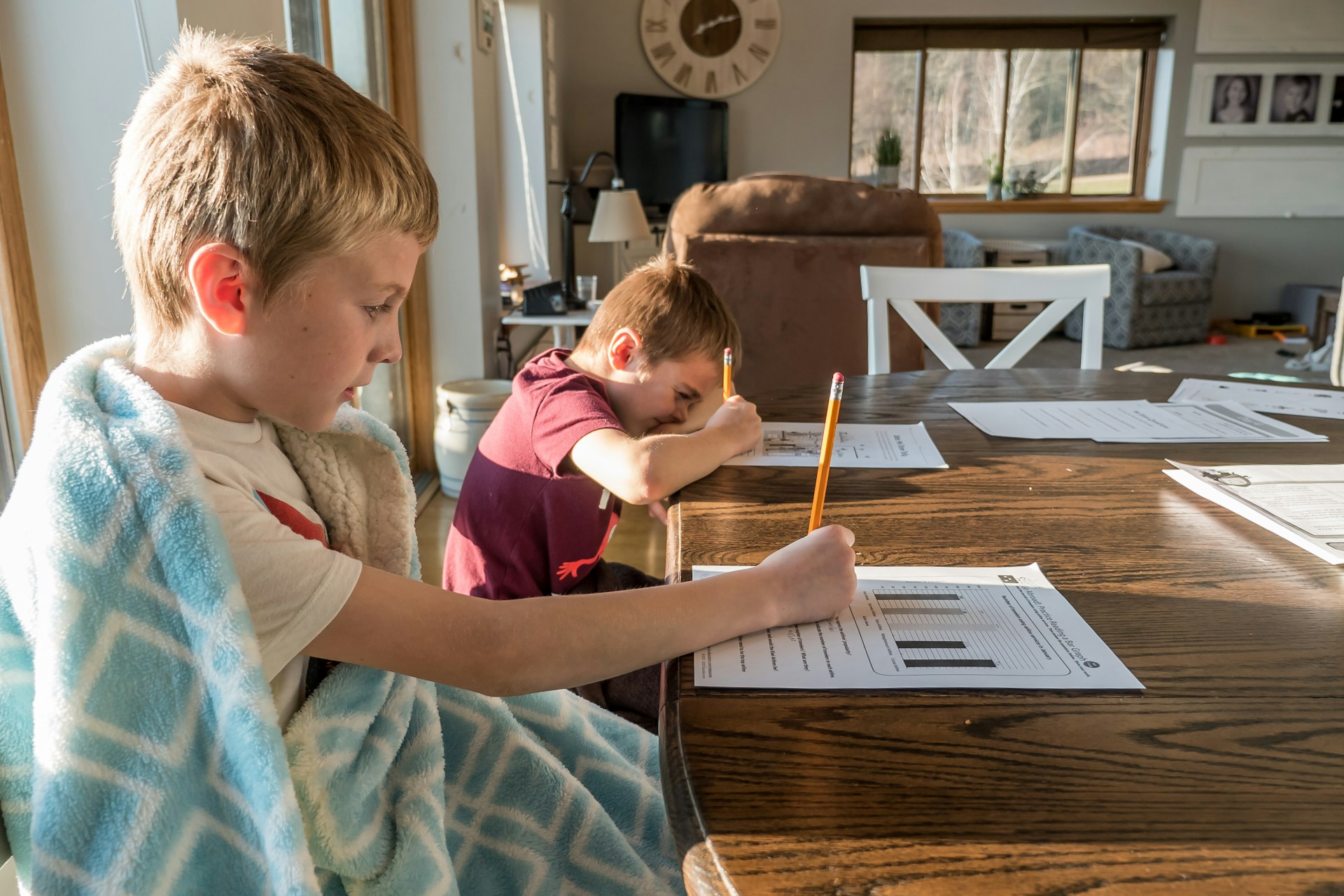
A child’s day of learning doesn’t really begin when they step into the classroom—it starts the minute they wake up at home. The structure, mindset, and support kids receive under their own roof heavily influence how well they focus, behave, and achieve once they’re at school. Yet many families overlook simple habits that can make mornings calmer, homework less stressful, and confidence soar.
By tweaking daily routines and the spaces where your child eats, sleeps, and studies, you’re silently shaping academic outcomes before pencils ever hit paper. Ready to turn home base into a launchpad for learning? Let’s break down the strategies that make the biggest difference.
Establish Consistent Morning and Evening Routines
Predictable schedules help regulate a child’s body clock, mood, and attention span. Aim for a fixed bedtime that allows 9–12 hours of sleep (depending on age) and a lights-out ritual—reading, dim lighting, no screens—to cue their brain it’s time to rest. In the morning, a checklist taped to the fridge (dress, eat, brush teeth, grab backpack) empowers kids to move from task to task without power struggles. When mornings run smoothly, children arrive at school calm and receptive to learning instead of frazzled from last-minute scrambles. Consistency might feel rigid at first, but within a few weeks it becomes second nature for everyone.
Create a Dedicated Homework Zone
Kids focus best when their study spot is free of toys, TV noise, and household traffic. Designate a corner of the dining room or a small desk in their bedroom stocked with pencils, paper, and a charging station. Good lighting, a comfy chair, and minimal clutter signal to the brain that this is “work time,” not “play time.” If space is tight, a portable caddy and fold-up lap desk still do the trick—just make sure the same spot is used each day so the routine sticks. Clear boundaries around this zone help kids slip into study mode faster and stay there longer.
Break Tasks into Bite-Size Chunks
A 30-minute worksheet can look overwhelming to a second grader—but three ten-minute segments feel doable. Teach your child to scan assignments, highlight sections, and tackle them in short bursts with mini breaks in between. Use a simple kitchen timer or a fun visual countdown app so they see progress and stay motivated. This approach reduces procrastination and helps build executive-function skills like planning and self-monitoring, which pay off well beyond homework.
Model a Growth Mindset During Struggles
Mistakes offer valuable learning moments, but only if kids see them that way. When your child is stuck on a math problem, resist the urge to jump in with the answer. Instead, ask guiding questions: “What strategy did your teacher show you?” or “Can you break the problem into smaller steps?” Praise effort, persistence, and creative thinking rather than raw ability. Over time, your child will internalize the belief that intelligence grows with practice—making them more resilient when challenges arise in class.
Keep Communication Lines Open with Teachers
Your child succeeds fastest when home and school work as a team. Introduce yourself to teachers early, learn their preferred contact method, and don’t wait until report-card time to voice concerns. Quick emails about missing assignments, emotional shifts, or victories (like improved reading fluency) help teachers tailor support. Meanwhile, asking for clarification on upcoming projects allows you to gather materials and plan ahead, reducing stress for everyone.

Celebrate Small Wins to Fuel Motivation
Academic growth is often gradual, so highlight the little leaps—an improved spelling test, completing homework three days in a row, or reading aloud with clearer expression. Use sticker charts, high-five rituals, or a Friday family “victory shout-out” to recognize effort and progress. Positive reinforcement boosts intrinsic motivation, making kids eager to tackle the next challenge rather than dreading it.
Your Home, Their Launchpad
By weaving steady routines, focused study spaces, and supportive mindsets into everyday life, you transform your house into the ultimate training ground for classroom success. Small tweaks—an earlier bedtime here, a clutter-free desk there—compound into greater confidence, independence, and achievement over time.
Which of these home-based strategies will you try first, and how do you plan to adapt it to your family’s rhythm? Share your ideas and questions in the comments so we can learn and cheer each other on!
Read More
- The School Is Calling Again: 5 Ways to Help Change a Child’s Bad Behavior at School
- These Are the 9 Most Common Mistakes Parents Make When Their Kids Start School

Samantha Warren is a holistic marketing strategist with 8+ years of experience partnering with startups, Fortune 500 companies, and everything in between. With an entrepreneurial mindset, she excels at shaping brand narratives through data-driven, creative content. When she’s not working, Samantha loves to travel and draws inspiration from her trips to Thailand, Spain, Costa Rica, and beyond.
