• Home
  • About Us
  • Archives
  • Contact Us
  • Advertise
  • Privacy Policy

Kids Ain't Cheap

But They Sure Are Worth It

  • Home
  • Toolkit
  • Parenting
    • Baby Stuff
    • Books and Reading
      • Aesops Fables
      • Comic Books
    • Education
    • Family Time
    • Green Living
    • Growing Up
    • Healthy Living & Eating
    • Holidays
    • Parenting
    • Random Musings
    • Shopping
    • Stuff to Do
  • Money
  • Product Reviews
    • Books and Magazines
    • Discount Sites
    • Furniture
    • House Keeping
    • Reviews News
    • Toys and Games
  • Search

5 Expensive School Fundraisers That Pressure Parents Into Overspending

November 7, 2025 | Leave a Comment

5 Expensive School Fundraisers That Pressure Parents Into Overspending

Image source: shutterstock.com

Few things can strain a family budget faster than expensive school fundraisers disguised as community spirit. While schools genuinely need financial support for extracurricular programs, art supplies, and field trips, the fundraising methods often leave parents feeling cornered into spending more than they can afford. Between social expectations, subtle guilt tactics, and competitive goals, what should be a fun way to help the school can quickly turn into a financial headache. Recognizing which fundraisers carry hidden costs helps parents set boundaries and support education without overspending.

1. The Glamorous Gala Nights

One of the most expensive school fundraisers is the annual gala or dinner auction. These events sound elegant and meaningful, but the ticket prices alone can be a barrier for many families. Parents may feel pressured to attend because “everyone else is going,” or because the event doubles as a networking opportunity with teachers and administrators. Once inside, the costs continue—raffle tickets, silent auctions, and premium drinks all add up fast. Instead of feeling guilty for skipping, consider donating a set amount directly to the school, which ensures your contribution goes further without the added cost of fancy meals and attire.

2. Product-Based Fundraisers That Add Up

From cookie dough and candles to wrapping paper and popcorn tins, product-based campaigns are some of the most common—and most expensive school fundraisers. The items often cost far more than their retail value, but children are encouraged to sell them to win prizes or recognition. Many parents end up buying the bulk of the inventory themselves just to help their child meet a quota. While it supports the school, these purchases can quietly drain household budgets. A good alternative is to ask if the school accepts direct donations instead of mandatory product sales, ensuring your money goes straight to programs that matter.

3. School Spirit Wear Sales

School-branded clothing drives may seem harmless, but they’re another example of expensive school fundraisers that create subtle peer pressure. Parents feel obligated to buy T-shirts, hoodies, or sportswear so their child doesn’t feel left out during spirit week or team events. Prices are often marked up significantly, especially for limited-edition designs or seasonal collections. Buying one shirt might not break the bank, but over time, those purchases add up—especially in families with multiple children. To stay involved without overspending, buy one or two versatile items and pair them with regular clothing in school colors.

4. Auction Baskets and Classroom Contributions

Many schools ask each class to create themed gift baskets for raffles or auctions, and parents often foot the bill for the items inside. While this tradition builds a sense of community, it can quickly become one of the most expensive school fundraisers when families compete to create the most impressive basket. Parents often end up buying high-end items like electronics, gift cards, or designer goods to stand out. These efforts, while well-intentioned, can create unnecessary stress for those on tighter budgets. A more balanced approach is to suggest a modest spending cap or request that each family contributes a small amount toward one shared purchase.

5. Fun Runs and Pay-to-Play Events

Fun runs, jog-a-thons, and similar activities seem harmless because they promote fitness and teamwork. However, they often involve pledge systems that pressure parents, relatives, and friends to sponsor each lap or milestone. Some schools even use third-party fundraising companies that take a significant cut of the proceeds, leaving families to question how much actually benefits the school. These events can also lead to emotional pressure for kids who feel responsible for collecting donations. Parents can still support the event by volunteering or cheering kids on without overcommitting financially.

Setting Boundaries Without Losing Community Spirit

Supporting your child’s school doesn’t have to mean breaking your budget. It’s possible to participate meaningfully without falling into the trap of expensive school fundraisers that rely on social pressure or hidden costs. Set a yearly fundraising budget, discuss expectations with your child, and choose events that feel rewarding rather than draining. Many schools are open to alternative suggestions like direct-donation days, volunteer hours, or low-cost community projects. When families speak up about finding affordable ways to give, it helps schools build more inclusive fundraising models that welcome every parent—regardless of income.

Have you ever felt pressured to spend more than you planned at a school fundraiser? Share your thoughts and experiences in the comments!

What to Read Next…

9 School Fundraisers That Cost More Than They Earn

Here’s Why School Supplies Continue to Cost More and More Every Year

9 Times Schools Asked Parents for Money in Questionable Ways

Is Homeschooling Cheaper Than Public School? 10 Surprising Costs to Consider

8 After-School Activities That Drain Family Budgets the Fastest

Catherine Reed
Catherine Reed

Catherine is a tech-savvy writer who has focused on the personal finance space for more than eight years. She has a Bachelor’s in Information Technology and enjoys showcasing how tech can simplify everyday personal finance tasks like budgeting, spending tracking, and planning for the future. Additionally, she’s explored the ins and outs of the world of side hustles and loves to share what she’s learned along the way. When she’s not working, you can find her relaxing at home in the Pacific Northwest with her two cats or enjoying a cup of coffee at her neighborhood cafe.

Filed Under: Education Tagged With: expensive school fundraisers, Family Budgeting, fundraising awareness, parent involvement, parenting tips, Saving Money, school events

9 Elementary School Activities That Disappear as Budgets Shrink

October 7, 2025 | Leave a Comment

9 Elementary School Activities That Disappear as Budgets Shrink

Image source: 123rf.com

As school districts tighten their belts, many parents are noticing subtle but significant changes in their children’s classrooms. Programs that once made learning vibrant — from art and music to after-school clubs — are often the first to go when budgets are slashed. The loss of these experiences doesn’t just limit creativity; it narrows opportunities for growth, teamwork, and confidence. Understanding which elementary school activities are most at risk can help parents advocate for better funding and find alternative ways to fill those gaps.

1. Art Classes Often Lead the Cuts

When money runs short, art programs are usually among the first elementary school activities to disappear. Administrators may see them as “nonessential,” even though art builds fine motor skills, creativity, and emotional expression. Without art, kids lose a hands-on way to learn about culture and communication. Parents often notice this loss most when art projects are replaced by worksheets. Communities that value creativity need to push for at least minimal funding to keep art education alive.

2. Music Programs Fade into Silence

Music education has long been a cornerstone of well-rounded learning, yet it’s another of the elementary school activities vanishing as budgets shrink. Instruments are costly, and music teachers are often shared between multiple schools. Without access to music classes, children miss out on rhythm, coordination, and memory development. Research even links music education to improved math and reading skills. When schools cut these programs, it’s a quiet loss that reverberates far beyond the classroom.

3. Field Trips Become Rare Experiences

Once a staple of childhood learning, field trips are now rare treats. Transportation costs, insurance requirements, and staff supervision needs make them easy targets for cuts. These experiential lessons — from science museums to local farms — bring classroom concepts to life in unforgettable ways. When field trips disappear, learning becomes more abstract and less engaging. Parents may need to look for community events or family outings to fill that experiential gap.

4. Physical Education Gets Shortened

As schools focus on test scores, gym time often shrinks to make room for academics. Yet physical education is one of the most vital elementary school activities for health and well-being. Kids need daily movement to stay focused and regulate stress, but budget limits can reduce PE to once or twice a week. With less exercise, children may struggle with energy, behavior, and attention in the classroom. Advocating for PE helps balance body and mind development.

5. Library Hours Are Reduced or Staffed by Volunteers

Many school libraries now operate part-time or rely heavily on parent volunteers. As budgets shrink, trained librarians are let go, leaving fewer opportunities for kids to discover a love of reading. Libraries are more than book repositories — they’re spaces where students learn research skills and digital literacy. When this cornerstone of learning fades, children lose access to knowledge that fuels curiosity. Supporting book drives or volunteering can help fill the void.

6. Science Labs and Experiments Are Simplified

Hands-on science used to be a highlight of the week, but expensive supplies and equipment make it one of the first areas to suffer during cutbacks. Instead of experiments, students may only watch demonstrations or read about scientific principles. Losing these interactive lessons removes excitement from discovery-based learning. Encouraging at-home experiments or science clubs can help keep curiosity alive. Parents and local organizations can also donate materials to support hands-on science experiences.

7. School Plays and Theater Programs Disappear

Drama clubs and school plays are often dismissed as “extras,” but they teach communication, teamwork, and self-confidence. Costumes, sets, and performance spaces require funding, making these elementary school activities hard to sustain. When schools cancel them, shy students lose a chance to shine, and expressive ones lose an outlet. Parents can collaborate with local theaters or community centers to revive these creative experiences outside of school.

8. After-School Clubs and Enrichment Programs Decline

Clubs for robotics, chess, art, and reading give kids a sense of belonging and purpose. Unfortunately, these after-school programs are often supported by grants or teacher volunteers — both of which can vanish during financial strain. When enrichment disappears, kids miss chances to develop leadership and explore new interests. Parents might consider forming cooperative clubs or community-based programs to keep opportunities open. Local partnerships can go a long way toward keeping enrichment alive.

9. Field Day and Other School Traditions Get Cut

Field Day, spelling bees, and school-wide events may seem small, but they create memories and unity. These traditions depend on supplies, supervision, and planning — luxuries in a shrinking budget. Losing them chips away at school culture and spirit, leaving students with fewer reasons to look forward to learning. Community fundraisers or PTA initiatives can often restore these cherished traditions. When families rally together, even modest events can feel meaningful again.

Protecting the Future of Elementary School Activities

When funding dries up, it’s not just the programs that disappear — it’s the joy, creativity, and community they inspire. Parents, teachers, and local leaders can make a difference by advocating for funding, volunteering time, and finding creative ways to support enrichment. Every small act of involvement helps rebuild what tight budgets take away. The key is remembering that the true value of education isn’t measured by test scores but by the curiosity and confidence it sparks in children.

Which school programs have disappeared in your community — and what have parents or teachers done to keep them alive? Share your thoughts below!

What to Read Next…

9 School Dress Code Rules That Are Now Considered Discriminatory

7 Preschool Programs That Might Be Hurting Kids Socially

Why Are More Parents Getting Sued for School Lunch Debts?

7 After-School Activities That Are Quietly Putting Kids in Danger

9 School Fundraisers That Cost More Than They Earn

Catherine Reed
Catherine Reed

Catherine is a tech-savvy writer who has focused on the personal finance space for more than eight years. She has a Bachelor’s in Information Technology and enjoys showcasing how tech can simplify everyday personal finance tasks like budgeting, spending tracking, and planning for the future. Additionally, she’s explored the ins and outs of the world of side hustles and loves to share what she’s learned along the way. When she’s not working, you can find her relaxing at home in the Pacific Northwest with her two cats or enjoying a cup of coffee at her neighborhood cafe.

Filed Under: Education Tagged With: arts in schools, childhood development, education funding, elementary school activities, parent involvement, school budgets, school funding cuts

9 Reasons The Principal Keeps Calling You To The School (And It Might Be Your Fault)

June 2, 2025 | Leave a Comment

9 Reasons The Principal Keeps Calling You To The School And It Might Be Your Fault

Few things spike a parent’s anxiety quite like seeing the school’s number pop up on your phone again. And when the principal keeps calling you, it’s tempting to assume your child is just having a tough time or the school is being overly dramatic. But sometimes, it’s worth pausing to ask: is there anything I might be doing—or not doing—that’s adding fuel to the fire? From overlooked routines at home to parenting habits that show up in the classroom, your influence may go further than you realize. Here are nine reasons the principal keeps calling you, and how you might be playing a bigger role than you think.

1. Your Child Is Constantly Unprepared

If your kid repeatedly shows up without homework, lunch, or basic school supplies, the principal may eventually step in. When this happens regularly, staff begin to see a pattern—one that may start at home. Whether it’s disorganized mornings, no set routines, or assuming kids will manage it all themselves, lack of prep can spiral quickly. Teachers often do their best to help, but chronic forgetfulness disrupts the classroom. When the principal keeps calling you about it, they’re likely hoping for changes beyond the school walls.

2. They’re Tired—And Everyone Can Tell

Sleep-deprived kids often act out, lose focus, or seem emotionally on edge. If your child isn’t getting enough rest at home, they’ll bring that exhaustion to school, and the results aren’t subtle. Overtired children may melt down more easily, struggle to concentrate, or even get physically aggressive. If the principal keeps calling you due to behavior issues, an honest look at bedtime routines might reveal the real problem. It’s not about being a bad parent—it’s about adjusting habits that help your child succeed.

3. You Downplay Their Behavior

If your first reaction is, “They’d never do that,” when you hear about a school incident, you might unintentionally be shutting down important conversations. Defensiveness can send the message that you’re not open to working with the school. The principal keeps calling you because they need collaboration, not denial. Taking your child’s side without hearing the full story may reinforce the wrong behavior at school. Keeping an open mind encourages trust and solutions.

4. You Talk Negatively About School in Front of Your Child

Kids absorb more than we think, and when they hear you criticize teachers or complain about school policies, it changes how they engage in the classroom. If they sense you don’t respect authority, they may mirror that behavior. The principal keeps calling you because your child might be testing boundaries, refusing to follow instructions, or acting like the rules don’t apply to them. A shift in tone at home can help reinforce the importance of mutual respect.

5. They Don’t Know How to Handle Conflict

Children aren’t born with conflict resolution skills—they learn them. If your child is constantly arguing, hitting, or tattling, it may be a sign they haven’t been taught how to manage their feelings. The principal keeps calling you because these issues are interfering with learning time. Modeling healthy communication, emotional regulation, and problem-solving at home is key. School can support it, but the foundation begins with you.

6. They Struggle With Authority

If your child regularly pushes back against teachers or refuses to follow instructions, it may stem from a lack of consistent boundaries at home. Kids who don’t have structure outside of school often struggle with expectations inside it. The principal keeps calling you when your child won’t listen, not to shame you—but to get help reinforcing consistent discipline. Practicing firm but loving limits at home helps them understand that rules exist for a reason.

7. You’re Not Responding to the First Calls

Sometimes the reason the principal keeps calling you is because you didn’t return the last one. Ignoring early outreach can make school staff feel like you’re not engaged, and that frustration may escalate the situation. Even if you’re busy or don’t know what to say, acknowledging the call shows that you’re willing to be involved. Proactive communication builds trust and can keep small issues from turning into big problems.

8. They’re Repeating What They Hear at Home

When kids show up repeating language, jokes, or opinions from adults, it can sometimes create unexpected issues in the classroom. This is especially true if those remarks are inappropriate, offensive, or just plain confusing in a school context. The principal keeps calling you when those comments disrupt the learning environment or make other students uncomfortable. Kids don’t always understand context, which is why it’s important to be mindful of what they overhear.

9. Your Child Is Struggling—and They Need Your Help

Not every phone call is about punishment. Sometimes, the principal keeps calling you because your child is having a hard time socially, emotionally, or academically—and they’re looking for solutions. If your child seems more anxious, withdrawn, or frustrated at school, it might be time for extra support. By working together, you can figure out what’s really going on and make a plan to help your child thrive.

When the Phone Rings, Take a Breath

No parent wants to feel blamed, especially when it comes to their child’s behavior or struggles at school. But if the principal keeps calling you, it’s a sign that something isn’t working—and you’re a crucial part of making it better. The goal isn’t to point fingers. It’s to build a bridge between home and school so your child can cross into success with confidence.

Have you ever gotten a call from the principal that caught you off guard? How did you respond, and what did it teach you? Share your story in the comments!

Read More:

10 School Mistakes That Follow Kids for Years

6 Reasons Why Sending Your Child to Private School Won’t Change Their Outcome

Catherine Reed
Catherine Reed

Catherine is a tech-savvy writer who has focused on the personal finance space for more than eight years. She has a Bachelor’s in Information Technology and enjoys showcasing how tech can simplify everyday personal finance tasks like budgeting, spending tracking, and planning for the future. Additionally, she’s explored the ins and outs of the world of side hustles and loves to share what she’s learned along the way. When she’s not working, you can find her relaxing at home in the Pacific Northwest with her two cats or enjoying a cup of coffee at her neighborhood cafe.

Filed Under: Parenting Tagged With: Back to School, child discipline, parent involvement, parenting tips, school behavior, school communication, student behavior issues, the principal keeps calling you

6 Times Parents Should Intervene in Their Child’s Friendships

May 17, 2025 | Leave a Comment

6 Times Parents Should Intervene in Their Childs Friendships
Image Source: 123rf.com

Friendships are an important part of childhood. They teach kids how to share, communicate, solve problems, and build emotional bonds. But sometimes, those relationships aren’t as healthy or innocent as they seem. And while it’s natural for parents to want to step back and let their children figure things out, there are situations when silence does more harm than good. Knowing when to step in—and how—is one of the trickiest parts of parenting.

You’re not trying to control your child’s social life. You’re trying to protect their emotional well-being and teach them what respectful, supportive relationships look like. Friendships during childhood can have a lasting impact, so recognizing the red flags early on matters. Here are six times when it’s absolutely appropriate for parents to get involved in their child’s friendships.

1. The Friendship Is Clearly One-Sided

If your child is always the one reaching out, giving gifts, or compromising to keep the friendship alive, that’s a problem. One-sided relationships teach kids to undervalue their own needs and chase approval. Over time, this can chip away at their self-esteem and make them believe they have to earn love or attention. You might hear things like “They’ll get mad if I don’t go” or “They don’t talk to me unless I do something for them.” That’s your cue to have a conversation about balance, mutual respect, and what true friendship should feel like.

2. The Friend Encourages Dangerous or Inappropriate Behavior

If another child is pressuring your kid to break rules, bully others, skip school, steal, or engage in risky behavior, that’s a clear signal to step in. Kids often go along with bad ideas to fit in or avoid being left out, even when they know better. Your job as a parent is to draw the line and protect them from peer pressure that could lead to real consequences. Talk openly about what happened and why it’s unacceptable. Setting firm boundaries around certain friendships is part of protecting your child’s safety and values.

3. Your Child’s Personality Changes for the Worse

Sudden changes in behavior—like increased anger, anxiety, withdrawal, or disrespect—can sometimes be traced back to a toxic friendship. If your once-happy child is suddenly acting out or shutting down, it’s time to take a closer look at who they’re spending time with. Some friendships drain more than they build, especially when one child dominates or manipulates the other. Kids may not recognize this dynamic but can feel its effects. Don’t ignore a shift in attitude or mood—dig deeper and ask questions about what’s happening behind the scenes.

4. The Friendship Is Fueling Constant Drama

Some kids find themselves trapped in friendships filled with gossip, emotional roller coasters, and on-again, off-again dynamics. If your child is always stressed, confused, or crying over the same friend, it’s worth taking a closer look. Dramatic friendships can create emotional exhaustion and confusion about what’s normal in a relationship. Helping your child step back and evaluate the emotional toll can lead to better choices. They need to know that healthy friendships should bring peace, not constant tension.

5. Your Child Is Being Bullied by a “Friend”

Sometimes the person causing harm hides behind the label of “friend.” If your child is being teased, excluded, manipulated, or threatened by someone they claim to like, that’s not friendship—it’s bullying. Kids can have a hard time admitting this because they don’t want to lose a connection, even if it’s toxic. It’s your responsibility to name what’s happening and explain why it’s not okay. Encourage your child to walk away, seek support, and rebuild their circle with people who lift them up instead of tearing them down.

6. Your Gut Is Screaming Something’s Off

Parents have instincts for a reason. If something about a particular friend or their family gives you a sense of unease—whether it’s the way they talk, how they behave, or what you’ve observed—it’s okay to trust that feeling. Environments and relationships can influence kids that they don’t fully understand. While you don’t want to jump to conclusions, you do want to pay attention. Ask questions, stay present, and don’t be afraid to limit time spent with kids who make you feel like something just isn’t right.

Friendship Lessons Last a Lifetime

Helping your child navigate tricky friendships is part of teaching them how to build healthy relationships. You’re not being overbearing—you’re being proactive. By guiding them through these tough moments, you’re giving them the tools to recognize red flags, set boundaries, and value themselves in every kind of relationship. They’ll carry those lessons with them well into adulthood.

Have you ever had to step in to help your child manage a difficult friendship? Share your experience in the comments!

Read More:

10 Toxic Things to Never Tell a Child When You’re Mad

Teaching Your Child That “Family” Doesn’t Mean “Tolerate Abuse”

Catherine Reed
Catherine Reed

Catherine is a tech-savvy writer who has focused on the personal finance space for more than eight years. She has a Bachelor’s in Information Technology and enjoys showcasing how tech can simplify everyday personal finance tasks like budgeting, spending tracking, and planning for the future. Additionally, she’s explored the ins and outs of the world of side hustles and loves to share what she’s learned along the way. When she’s not working, you can find her relaxing at home in the Pacific Northwest with her two cats or enjoying a cup of coffee at her neighborhood cafe.

Filed Under: Parenting Tagged With: child emotional health, child friendships, friendship advice, kids and social skills, parent involvement, parenting tips, toxic friendships

School Success Starts at Home—Here’s How to Prep Your Kids

April 28, 2025 | Leave a Comment

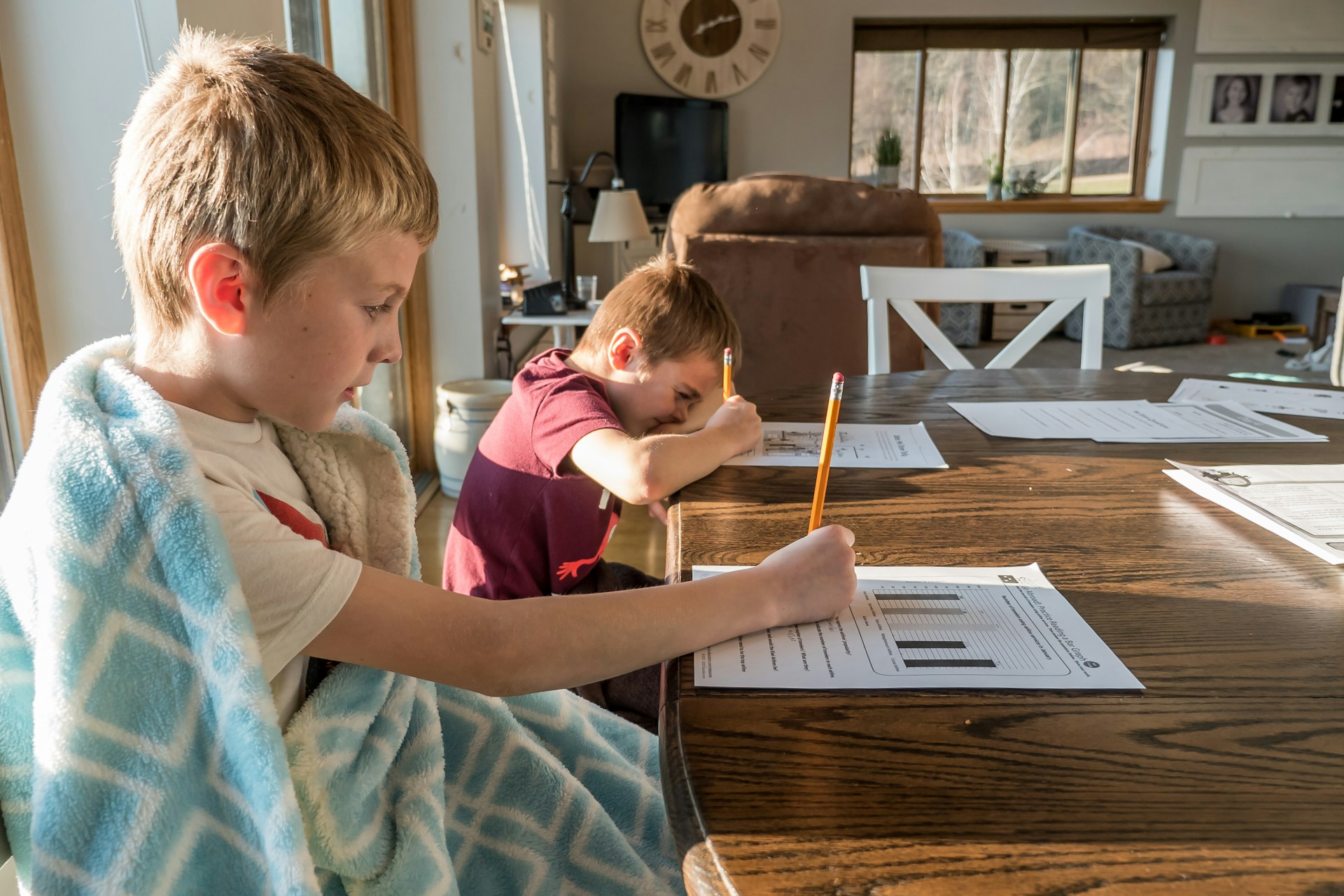
kids doing homework
Image Source: Unsplash

A child’s day of learning doesn’t really begin when they step into the classroom—it starts the minute they wake up at home. The structure, mindset, and support kids receive under their own roof heavily influence how well they focus, behave, and achieve once they’re at school. Yet many families overlook simple habits that can make mornings calmer, homework less stressful, and confidence soar.

By tweaking daily routines and the spaces where your child eats, sleeps, and studies, you’re silently shaping academic outcomes before pencils ever hit paper. Ready to turn home base into a launchpad for learning? Let’s break down the strategies that make the biggest difference.

Establish Consistent Morning and Evening Routines

Predictable schedules help regulate a child’s body clock, mood, and attention span. Aim for a fixed bedtime that allows 9–12 hours of sleep (depending on age) and a lights-out ritual—reading, dim lighting, no screens—to cue their brain it’s time to rest. In the morning, a checklist taped to the fridge (dress, eat, brush teeth, grab backpack) empowers kids to move from task to task without power struggles. When mornings run smoothly, children arrive at school calm and receptive to learning instead of frazzled from last-minute scrambles. Consistency might feel rigid at first, but within a few weeks it becomes second nature for everyone.

Create a Dedicated Homework Zone

Kids focus best when their study spot is free of toys, TV noise, and household traffic. Designate a corner of the dining room or a small desk in their bedroom stocked with pencils, paper, and a charging station. Good lighting, a comfy chair, and minimal clutter signal to the brain that this is “work time,” not “play time.” If space is tight, a portable caddy and fold-up lap desk still do the trick—just make sure the same spot is used each day so the routine sticks. Clear boundaries around this zone help kids slip into study mode faster and stay there longer.

Break Tasks into Bite-Size Chunks

A 30-minute worksheet can look overwhelming to a second grader—but three ten-minute segments feel doable. Teach your child to scan assignments, highlight sections, and tackle them in short bursts with mini breaks in between. Use a simple kitchen timer or a fun visual countdown app so they see progress and stay motivated. This approach reduces procrastination and helps build executive-function skills like planning and self-monitoring, which pay off well beyond homework.

Model a Growth Mindset During Struggles

Mistakes offer valuable learning moments, but only if kids see them that way. When your child is stuck on a math problem, resist the urge to jump in with the answer. Instead, ask guiding questions: “What strategy did your teacher show you?” or “Can you break the problem into smaller steps?” Praise effort, persistence, and creative thinking rather than raw ability. Over time, your child will internalize the belief that intelligence grows with practice—making them more resilient when challenges arise in class.

Keep Communication Lines Open with Teachers

Your child succeeds fastest when home and school work as a team. Introduce yourself to teachers early, learn their preferred contact method, and don’t wait until report-card time to voice concerns. Quick emails about missing assignments, emotional shifts, or victories (like improved reading fluency) help teachers tailor support. Meanwhile, asking for clarification on upcoming projects allows you to gather materials and plan ahead, reducing stress for everyone.

writing on notepad
Image Source: Unsplash

Celebrate Small Wins to Fuel Motivation

Academic growth is often gradual, so highlight the little leaps—an improved spelling test, completing homework three days in a row, or reading aloud with clearer expression. Use sticker charts, high-five rituals, or a Friday family “victory shout-out” to recognize effort and progress. Positive reinforcement boosts intrinsic motivation, making kids eager to tackle the next challenge rather than dreading it.

Your Home, Their Launchpad

By weaving steady routines, focused study spaces, and supportive mindsets into everyday life, you transform your house into the ultimate training ground for classroom success. Small tweaks—an earlier bedtime here, a clutter-free desk there—compound into greater confidence, independence, and achievement over time.

Which of these home-based strategies will you try first, and how do you plan to adapt it to your family’s rhythm? Share your ideas and questions in the comments so we can learn and cheer each other on!

Read More

  • The School Is Calling Again: 5 Ways to Help Change a Child’s Bad Behavior at School
  • These Are the 9 Most Common Mistakes Parents Make When Their Kids Start School
Samantha Warren
Samantha

Samantha Warren is a holistic marketing strategist with 8+ years of experience partnering with startups, Fortune 500 companies, and everything in between. With an entrepreneurial mindset, she excels at shaping brand narratives through data-driven, creative content. When she’s not working, Samantha loves to travel and draws inspiration from her trips to Thailand, Spain, Costa Rica, and beyond.

Filed Under: Parenting Tagged With: child development, homework habits, learning environment, morning routines, parent involvement, school success, study skills

Your Child’s Manners Are Why No One Is Inviting You Over (You Can Change This)

April 9, 2025 | Leave a Comment

A frustrated family gathering at a dining table, where a child is misbehaving
Image Source: Unsplash

We know it can sting when the invites dry up. Birthday parties, weekend playdates, family cookouts—there was a time your child was on everyone’s list. Now? Not so much. That doesn’t make you a bad parent. But it does invite you to take a closer look at one overlooked culprit: your child’s manners.

Here’s the good news—this isn’t about shame or blame. It’s about empowering you with tools and insights to help your child thrive socially, re-open those doors, and ensure your whole family feels welcome again.

When Manners Matter More Than You Think

Children’s behavior quickly sets the tone when guests mingle or families come together. If your child struggles with boundaries, interrupts often, or has explosive reactions, other parents may feel uneasy. It’s not always about liking or disliking your child; it’s often about emotional safety—for their children and themselves. Behavioral challenges can lead to social exclusion and fewer invitations to activities. Even minor missteps can grow into a bigger wave that unintentionally keeps others at bay.

How Behavior Affects Social Opportunities

Think of social invites as a kind of currency in the world of childhood—tokens of belonging, trust, and shared experience. Kids who are more relaxed, helpful, and kind often find themselves in more social circles. Children with stronger social-bonding tendencies tend to be more sociable—qualities hosts appreciate. If your child’s behavior is often disruptive or unpredictable, it can directly affect how frequently others reach out. The good news? This isn’t a life sentence—it’s a skill gap that can be addressed.

5 Signals Your Child’s Manners Might Be the Barrier

  1. They interrupt conversations regularly, even among adults.
  2. They refuse to share toys or take turns during group play.
  3. Meltdowns or shouting matches happen in unfamiliar settings.
  4. Eye contact, greetings, and “please” or “thank you” are rarely used.
  5. Complaints from other parents about rough play or rude comments.

These behaviors may slip under the radar at home, but they’re glaring in social situations. Unfortunately, some parents won’t bring it up directly—they just stop inviting. Small steps in teaching respect and empathy can turn things around, though, without crushing your child’s spirit or joy.

actively listening and smiling during a meaningful conversation.
Image Source: Unsplash

What You Can Do—Without Overreacting

First, stay calm and curious, not critical. Talk with your child about recent visits: what they enjoyed, what felt hard, and what they might do differently next time. Then, model the behavior you hope to see: greet the host warmly, say thanks, and gently correct your child on the spot if needed. Even little role-plays at home can teach sharing, turn-taking, and polite phrases in a stress-free way. Remember, parenting isn’t about performing—it’s about preparing.

Support Systems Make a Big Difference

You’re not alone in this. Early intervention programs that focus on social-emotional learning can help kids improve their behavior and build positive peer connections. Teaming up with teachers or caregivers to set consistent expectations for behavior at school and home can create a united front, smoothing out conduct issues and helping kids feel more secure. When the adults align, children’s behavior often follows.

What Hosts Might Be Thinking (But Not Saying)

Sometimes it’s not the loud confrontation that hurts—it’s the silence. A parent might see rude or rough play and think, “I don’t want to deal with that at my house.” Or they might worry their own child will pick up bad habits. People often shy away from social events to avoid negative experiences—and your child’s behavior might be a factor. The moment they see improvement, however, most parents are open to giving second chances.

Long-Term Benefits of Minding the Manners

Teaching manners isn’t about impressing others—it’s about raising considerate, empathetic humans. As your child learns to handle social cues with respect and awareness, they’ll find more acceptance and deeper relationships. Clear expectations, consistent practice, and positive feedback go a long way. Over time, your child can shift from being the “challenging guest” to the one everyone looks forward to seeing. That confidence and social inclusion further fuel healthy development.

Simple Tools to Start Today

  • Kindness Checklists: Post a small list by the door—“Say thank you,” “Offer to share,” “Use polite words.”
  • Practice at Dinner: Engage in active listening, so your child knows how conversations flow.
  • Role-Play Common Scenarios: “What if your friend wants to play a different game?” or “How do we say goodbye politely?”
  • Storybooks & Media: Point out good manners or poor ones in the shows you watch or books you read. Ask, “What could that character have done instead?”
  • Praise Thoughtful Choices: A simple “I noticed how you waited your turn—great job!” can reinforce good behavior.

Rewriting the Script, One Interaction at a Time

It hurts when people stop inviting your child—but rather than dwelling on the shame, see it as an opportunity for growth. By helping your little one build emotional skills, manners, and respect for others, you’re giving them the key to stronger friendships and richer social experiences. And as you see those invites slowly come back, you’ll know you’ve done more than fix a social hiccup—you’ve empowered your child to thrive among peers, no guilt required.

Has your family faced a social drought due to children’s behavior? Let us know in the comments what worked to turn things around!

Read More

  • No Respect? 13 Ways to Recognize Disrespectful Behavior in Kids
  • 7 Common Types of Behavioral Disorders in Children Every Parent Should Know
Samantha Warren
Samantha

Samantha Warren is a holistic marketing strategist with 8+ years of experience partnering with startups, Fortune 500 companies, and everything in between. With an entrepreneurial mindset, she excels at shaping brand narratives through data-driven, creative content. When she’s not working, Samantha loves to travel and draws inspiration from her trips to Thailand, Spain, Costa Rica, and beyond.

Filed Under: Parenting Tagged With: child discipline, children’s behavior, emotional intelligence, family gatherings, Manners, parent involvement, parenting tips, social playdates, Social Skills

  • Facebook
  • Pinterest
  • RSS
  • Twitter

Basic Principles Of Good Parenting

Here some basic principles for good parenting:

  1. What You Do Matters: Your kids are watching you. So, be purposeful about what you want to accomplish.
  2. You Can’t be Too Loving: Don’t replace love with material possessions, lowered expectations or leniency.
  3. Be Involved Your Kids Life: Arrange your priorities to focus on what your kid’s needs. Be there mentally and physically.
  4. Adapt Your Parenting: Children grow quickly, so keep pace with your child’s development.
  5. Establish and Set Rules: The rules you set for children will establish the rules they set for themselves later.  Avoid harsh discipline and be consistent.
  6. Explain Your Decisions: What is obvious to you may not be evident to your child. They don’t have the experience you do.
  7. Be Respectful To Your Child: How you treat your child is how they will treat others.  Be polite, respectful and make an effort to pay attention.
Best Parenting Blogs

Copyright © 2025 Runway Pro Theme by Viva la Violette