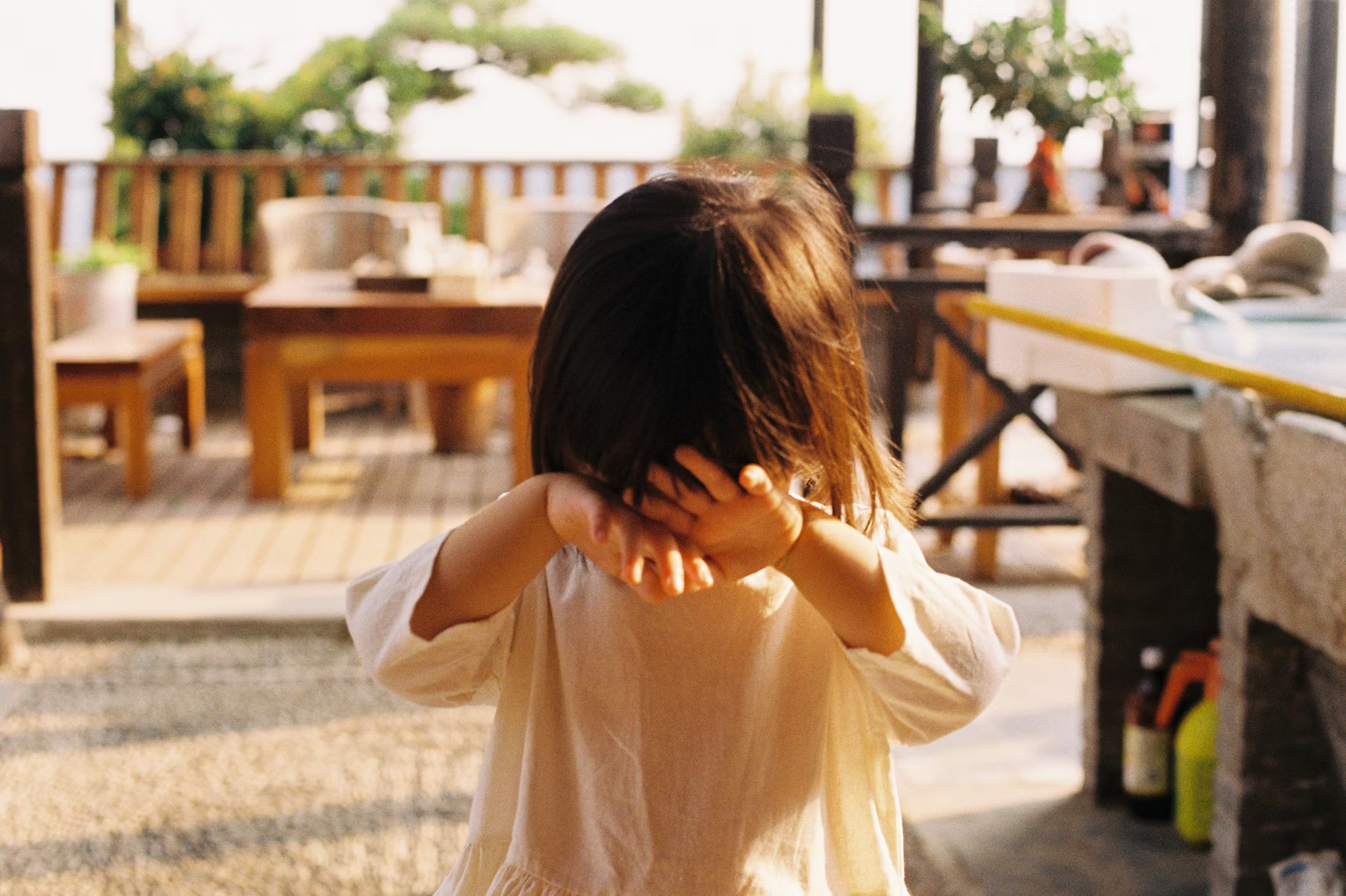
We know it can sting when the invites dry up. Birthday parties, weekend playdates, family cookouts—there was a time your child was on everyone’s list. Now? Not so much. That doesn’t make you a bad parent. But it does invite you to take a closer look at one overlooked culprit: your child’s manners.
Here’s the good news—this isn’t about shame or blame. It’s about empowering you with tools and insights to help your child thrive socially, re-open those doors, and ensure your whole family feels welcome again.
When Manners Matter More Than You Think
Children’s behavior quickly sets the tone when guests mingle or families come together. If your child struggles with boundaries, interrupts often, or has explosive reactions, other parents may feel uneasy. It’s not always about liking or disliking your child; it’s often about emotional safety—for their children and themselves. Behavioral challenges can lead to social exclusion and fewer invitations to activities. Even minor missteps can grow into a bigger wave that unintentionally keeps others at bay.
How Behavior Affects Social Opportunities
Think of social invites as a kind of currency in the world of childhood—tokens of belonging, trust, and shared experience. Kids who are more relaxed, helpful, and kind often find themselves in more social circles. Children with stronger social-bonding tendencies tend to be more sociable—qualities hosts appreciate. If your child’s behavior is often disruptive or unpredictable, it can directly affect how frequently others reach out. The good news? This isn’t a life sentence—it’s a skill gap that can be addressed.
5 Signals Your Child’s Manners Might Be the Barrier
- They interrupt conversations regularly, even among adults.
- They refuse to share toys or take turns during group play.
- Meltdowns or shouting matches happen in unfamiliar settings.
- Eye contact, greetings, and “please” or “thank you” are rarely used.
- Complaints from other parents about rough play or rude comments.
These behaviors may slip under the radar at home, but they’re glaring in social situations. Unfortunately, some parents won’t bring it up directly—they just stop inviting. Small steps in teaching respect and empathy can turn things around, though, without crushing your child’s spirit or joy.
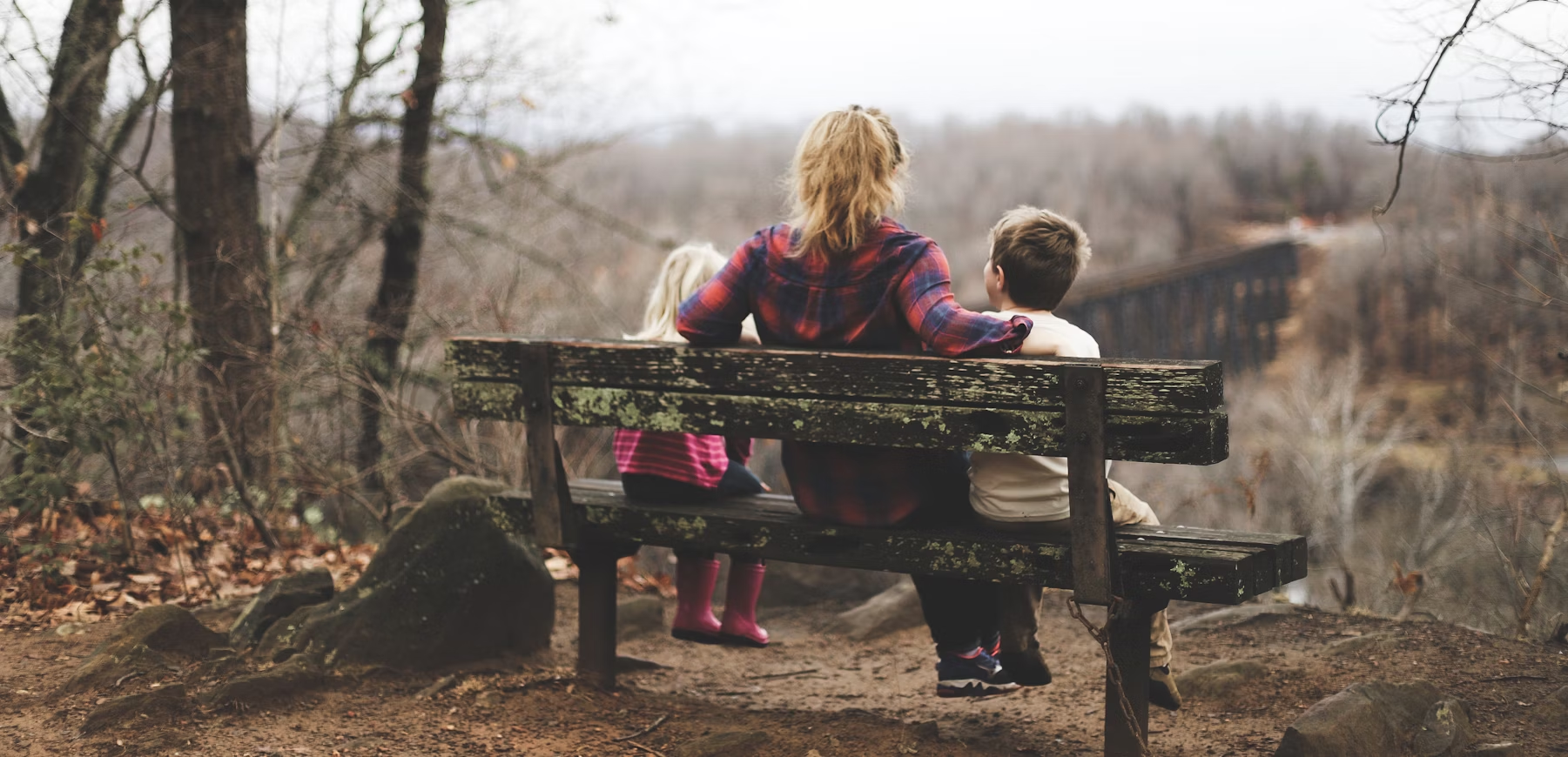
What You Can Do—Without Overreacting
First, stay calm and curious, not critical. Talk with your child about recent visits: what they enjoyed, what felt hard, and what they might do differently next time. Then, model the behavior you hope to see: greet the host warmly, say thanks, and gently correct your child on the spot if needed. Even little role-plays at home can teach sharing, turn-taking, and polite phrases in a stress-free way. Remember, parenting isn’t about performing—it’s about preparing.
Support Systems Make a Big Difference
You’re not alone in this. Early intervention programs that focus on social-emotional learning can help kids improve their behavior and build positive peer connections. Teaming up with teachers or caregivers to set consistent expectations for behavior at school and home can create a united front, smoothing out conduct issues and helping kids feel more secure. When the adults align, children’s behavior often follows.
What Hosts Might Be Thinking (But Not Saying)
Sometimes it’s not the loud confrontation that hurts—it’s the silence. A parent might see rude or rough play and think, “I don’t want to deal with that at my house.” Or they might worry their own child will pick up bad habits. People often shy away from social events to avoid negative experiences—and your child’s behavior might be a factor. The moment they see improvement, however, most parents are open to giving second chances.
Long-Term Benefits of Minding the Manners
Teaching manners isn’t about impressing others—it’s about raising considerate, empathetic humans. As your child learns to handle social cues with respect and awareness, they’ll find more acceptance and deeper relationships. Clear expectations, consistent practice, and positive feedback go a long way. Over time, your child can shift from being the “challenging guest” to the one everyone looks forward to seeing. That confidence and social inclusion further fuel healthy development.
Simple Tools to Start Today
- Kindness Checklists: Post a small list by the door—“Say thank you,” “Offer to share,” “Use polite words.”
- Practice at Dinner: Engage in active listening, so your child knows how conversations flow.
- Role-Play Common Scenarios: “What if your friend wants to play a different game?” or “How do we say goodbye politely?”
- Storybooks & Media: Point out good manners or poor ones in the shows you watch or books you read. Ask, “What could that character have done instead?”
- Praise Thoughtful Choices: A simple “I noticed how you waited your turn—great job!” can reinforce good behavior.
Rewriting the Script, One Interaction at a Time
It hurts when people stop inviting your child—but rather than dwelling on the shame, see it as an opportunity for growth. By helping your little one build emotional skills, manners, and respect for others, you’re giving them the key to stronger friendships and richer social experiences. And as you see those invites slowly come back, you’ll know you’ve done more than fix a social hiccup—you’ve empowered your child to thrive among peers, no guilt required.
Has your family faced a social drought due to children’s behavior? Let us know in the comments what worked to turn things around!
Read More
- No Respect? 13 Ways to Recognize Disrespectful Behavior in Kids
- 7 Common Types of Behavioral Disorders in Children Every Parent Should Know

Samantha Warren is a holistic marketing strategist with 8+ years of experience partnering with startups, Fortune 500 companies, and everything in between. With an entrepreneurial mindset, she excels at shaping brand narratives through data-driven, creative content. When she’s not working, Samantha loves to travel and draws inspiration from her trips to Thailand, Spain, Costa Rica, and beyond.
