• Home
  • About Us
  • Toolkit
  • Archives
  • Advertise
  • Privacy Policy

Kids Ain't Cheap

But They Sure Are Worth It

  • Parenting
    • Baby Stuff
    • Books and Reading
      • Aesops Fables
      • Comic Books
    • Education
    • Family Time
    • Green Living
    • Growing Up
    • Healthy Living & Eating
    • Holidays
    • Parenting
    • Random Musings
    • Shopping
    • Stuff to Do
  • Money
  • Product Reviews
    • Books and Magazines
    • Discount Sites
    • Furniture
    • House Keeping
    • Reviews News
    • Toys and Games
  • Contact Us
  • Our Editorial Commitment
  • Search

Key Questions Parents Can Ask Before Accepting A Behavior Plan

August 14, 2026 | Leave a Comment

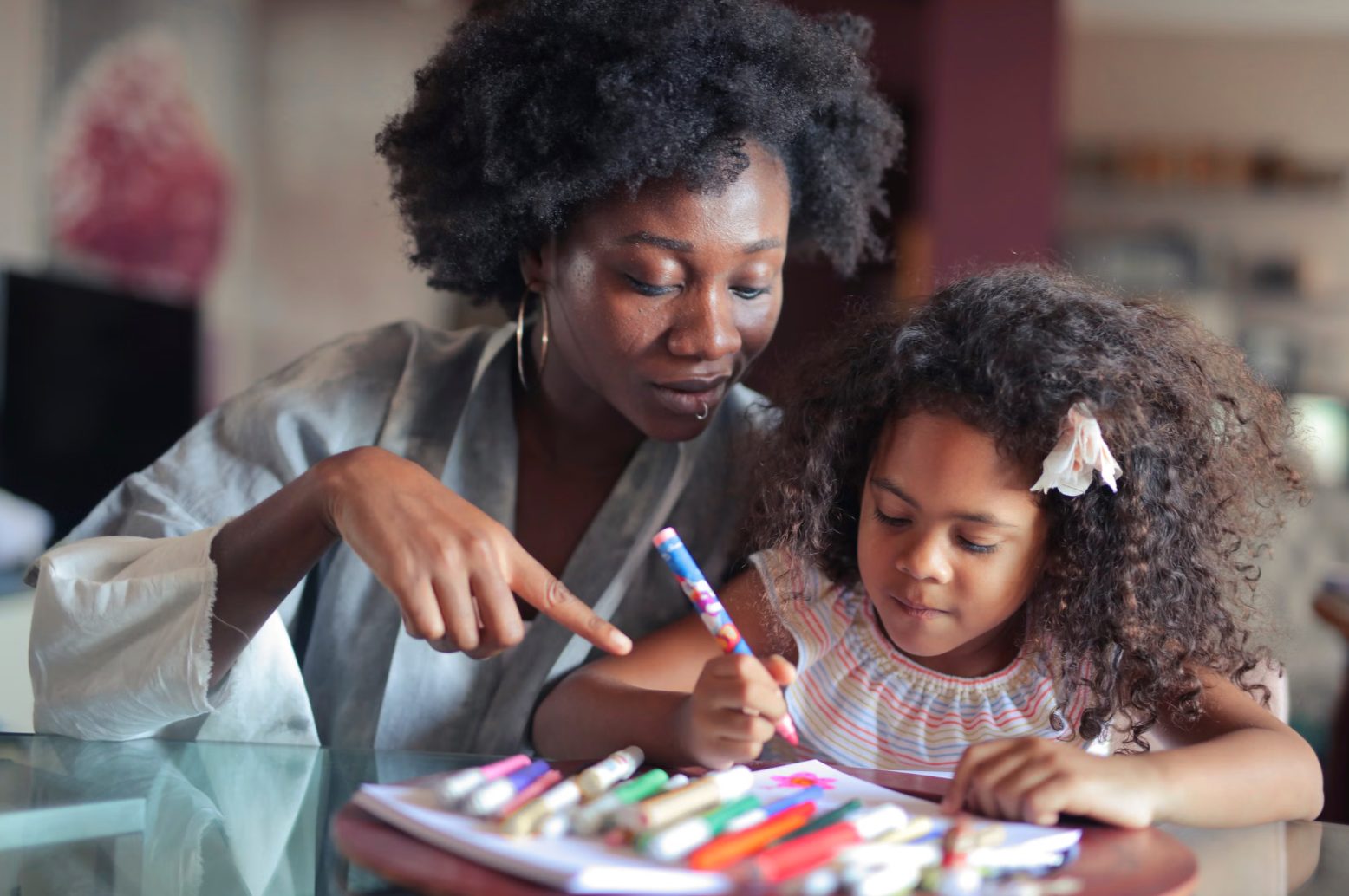
Mom And Daughter
A parent reviewing a behavior plan with school staff can ask how behaviors were identified, what positive skills will be taught, and how progress will be measured. Effective plans should reflect the individual child’s needs rather than rely on a one-size-fits-all approach. (Pexels)

When a school recommends a behavior plan, parents may feel pressure to agree quickly, especially if classroom problems have become frequent or disruptive. But an effective behavior intervention plan should do more than reduce behavior adults find difficult; it should identify what is happening, why it may be happening, and what support will help the child succeed. Parents are an important part of that process because they can provide context that school staff may not see during the school day. Before accepting a behavior plan, asking thoughtful questions can help ensure the approach is individualized, measurable, respectful, and focused on helping the child learn.

Does The Plan Clearly Define The Behavior?

Ask whether the behavior intervention plan describes the concern using specific actions rather than labels such as “defiant,” “disrespectful,” or “uncooperative.” For example, “leaves the assigned seat three times during a 30-minute lesson” provides far more useful information than saying a student “refuses to behave.” Clear definitions allow parents and educators to determine whether everyone is observing and measuring the same thing. A useful behavior plan should identify the problem behavior, why it happens, and strategies designed to address it. Parents should ask for clarification whenever descriptions seem subjective or open to interpretation.

What Is Believed To Be Causing The Behavior?

A strong behavior intervention plan should consider the purpose, or function, the behavior may serve instead of simply focusing on stopping it. A functional behavioral assessment, commonly called an FBA, can examine when behavior occurs, what happens immediately beforehand, what follows it, and patterns across different situations. Imagine a student repeatedly leaving math class: the underlying issue could involve difficult work, sensory overload, attention, or another factor requiring a different response. If the team misunderstands the reason, even a well-intended strategy may accomplish little. Ask what evidence supports the team’s explanation and whether information from teachers, family members, observations, and the student was considered.

What Positive Skills Will My Child Be Taught?

Parents should ask what the behavior intervention plan will teach the child to do instead of concentrating exclusively on what the child must stop doing. Positive approaches may include teaching a student how to request a break, communicate frustration, handle transitions, or seek assistance appropriately. Strategies such as prompting, respectful redirection, nonverbal signals, and planned breaks can support positive behavior when matched appropriately to a student’s needs. This distinction matters because consequences alone do not necessarily give children the skills they need when the same difficult situation occurs again. Ask the team to explain exactly how replacement skills will be taught, practiced, reinforced, and eventually used more independently.

How Will Progress Be Measured And Shared?

A behavior intervention plan should include measurable goals so parents can tell whether the strategies are actually helping. Instead of a broad goal such as “behave better,” a team might track how often a student completes a transition without leaving the designated area or how frequently the student appropriately requests assistance. Progress can be monitored through tools such as checklists, charts, and reports, with collected information helping teams determine whether a plan needs reconsideration. Parents can ask who will collect the information, how frequently it will be reviewed, and how results will be communicated home. A plan should also explain what will happen if progress stalls or the child’s needs change.

Is The Plan Truly Individualized For My Child?

Behavior plans should not be generic templates applied to every student displaying a similar behavior. Children may behave similarly for very different reasons, which means an intervention that works well for one student could be ineffective for another. Parents can contribute valuable information about communication preferences, strengths, triggers, successful strategies, cultural considerations, and changes occurring outside school. Families can advocate for their children and contribute important information when educational supports are developed and reviewed. If a proposed behavior intervention plan does not seem to reflect your child’s individual circumstances, ask the team what information was used to select its strategies.

The Right Plan Starts With The Right Questions

Accepting a behavior plan should be a collaborative decision centered on understanding and supporting the individual child, not simply achieving faster compliance. Parents can ask for explanations, measurable goals, progress information, and clarification about how proposed strategies connect to the behavior’s likely function. These questions are not clinical advice, and individual circumstances vary, so families with health or developmental concerns can also discuss them with qualified professionals who know their child. A thoughtful behavior intervention plan should evolve as the team learns what helps the student participate, communicate, and learn successfully.

What question would you want answered before agreeing to your child’s behavior plan, and what has helped your family work effectively with a school team? Share your experience in the comments.

What to Read Next

What to Know About Transition-Plan Gaps Parents Often Notice Too Late in High School

6 Questions to Ask When a Teacher Says a Child Is Doing Fine but Data Is Missing

Back-to-School Anxiety in Autistic Students: Signs Parents May Notice

Evan Morgan

Evan Morgan has been a full-time freelance writer and editor for 10+ years. When not working, he enjoys catching the latest true crime documentary or getting lost in a good book.

Filed Under: Parenting Tagged With: behavior intervention plan, child behavior, education, functional behavioral assessment, parent advocacy, positive behavior support, school behavior, special education, student support

8 Insults Kids Use Today That Adults Don’t Even Understand

June 3, 2025 | Leave a Comment

8 Insults Kids Use Today That Adults Dont Even Understand

Once upon a time, calling someone a “dork” or “nerd” was the ultimate playground burn. But in 2025, the language of insults has evolved into something so niche, coded, and context-heavy that many adults can’t keep up. These phrases don’t always sound mean—some are wrapped in internet slang, pop culture references, or sarcastic tones that fly under the radar. The reality? The insults kids use today may sound confusing, but they still pack a punch. Here’s what they’re saying behind your back (or on their group chats), and why it’s worth decoding.

1. “You’re Such an NPC”

Short for “non-playable character,” this insult is aimed at someone who seems robotic, boring, or incapable of original thought. It suggests the person is just following the crowd and not living their own story. Among the insults kids use today, “NPC” is one of the more common jabs thrown at someone for being predictable or awkward in social situations. The person being insulted might not even know they’re being mocked, which adds to the sting. It’s subtle, but definitely not a compliment.

2. “You Fell Off”

No, this doesn’t mean someone tripped. In Gen Alpha lingo, telling someone they “fell off” means they used to be cool, popular, or relevant—but not anymore. It’s one of those insults kids use today to knock someone down a peg without outright name-calling. You’ll hear it aimed at kids who stopped keeping up with trends, fashion, or even social media engagement. It’s the modern way to say, “No one cares about you anymore.”

3. “OK, Boomer” (Yes, It’s Still Around)

This one’s been floating around since the late 2010s, but it’s still actively used—especially by younger kids mocking anyone who seems out of touch, regardless of their age. Among the insults kids use today, “OK, Boomer” is less about age and more about attitude. If you express concern about screen time or ask what a “meme” is, you might hear it. It’s dismissive, passive-aggressive, and designed to shut down a conversation. And no, responding with facts doesn’t make it go away.

4. “Ratio’d!”

This insult started on platforms like Twitter and TikTok, and it refers to when someone’s reply gets more engagement than the original post—basically a digital takedown. Telling someone they got “ratio’d” in real life is a way to say they got publicly embarrassed or outshined. Among insults kids use today, this one blends social media culture with real-life teasing. It’s less about what someone said and more about how badly they got dunked on. And yes, it can happen even if the person has no idea what a “ratio” is.

5. “Touch Grass”

This is a sarcastic way to tell someone they’re spending too much time online or obsessing over pointless things. When a kid tells another to “touch grass,” it’s shorthand for “get a life.” It’s one of the most passive insults kids use today, especially in digital conversations. It implies that the person has lost touch with reality and needs a serious reset. While it might sound harmless, it’s rarely meant kindly.

6. “Mid”

If your kid calls something “mid,” don’t assume they’re talking about the middle of anything. This insult is short for “mediocre,” and it’s used to tear down someone’s taste, effort, or achievement. Saying a song, outfit, or even personality is “mid” is the modern version of calling it lame. Among the insults kids use today, “mid” is casual but cutting. It tells someone that what they thought was impressive is actually forgettable.

7. “L + Ratio + Cringe”

This mouthful is a layered insult pulled straight from social media warfare. Each part adds a level of mockery: “L” means loss, “ratio” implies your comment failed publicly, and “cringe” just rubs it in. It’s one of the more complex insults kids use today, but its meaning is clear—whatever you said or did was a fail, and everyone agrees. It’s often delivered in group settings to get laughs and pile on the embarrassment. If this combo shows up in texts or comments, it’s not friendly teasing.

8. “You Give Me the Ick”

Originally used in dating contexts, this insult now gets tossed around casually between classmates and even friends. Saying someone gives you “the ick” means there’s something about them that’s embarrassing, annoying, or gross—but in a subtle way. It might be how they eat, the way they text, or the jokes they tell. This is one of the sneakier insults kids use today because it can be aimed at almost anyone, for almost anything. And once a kid is labeled “icky,” it can be hard to shake.

Understanding the New Insults Isn’t About Being Cool—It’s About Protecting Your Kid

You don’t need to start saying “mid” or “touch grass” at the dinner table, but you do need to understand how these words are being used. The insults kids use today are layered, fast-changing, and often delivered with a smile. That makes it harder for adults to recognize when bullying or exclusion is happening. By staying informed and asking questions without judgment, you can help your child navigate modern peer dynamics with a little more confidence—and a lot less confusion.

Have you overheard a phrase your child used that left you scratching your head? Drop it in the comments—we’ll help decode it!

Read More:

8 Things Kids Say That Seem Harmless—But Are Actually Warning Signs

8 Ridiculous Things Kids Say That Are Actually Surprisingly True

Catherine Reed
Catherine Reed

Catherine is a tech-savvy writer who has focused on the personal finance space for more than eight years. She has a Bachelor’s in Information Technology and enjoys showcasing how tech can simplify everyday personal finance tasks like budgeting, spending tracking, and planning for the future. Additionally, she’s explored the ins and outs of the world of side hustles and loves to share what she’s learned along the way. When she’s not working, you can find her relaxing at home in the Pacific Northwest with her two cats or enjoying a cup of coffee at her neighborhood cafe.

Filed Under: Parenting Tagged With: decoding kid talk, digital parenting, Gen Alpha slang, insults kids use today, kids and slang, modern bullying, parenting and communication, school behavior

9 Reasons The Principal Keeps Calling You To The School (And It Might Be Your Fault)

June 2, 2025 | Leave a Comment

9 Reasons The Principal Keeps Calling You To The School And It Might Be Your Fault

Few things spike a parent’s anxiety quite like seeing the school’s number pop up on your phone again. And when the principal keeps calling you, it’s tempting to assume your child is just having a tough time or the school is being overly dramatic. But sometimes, it’s worth pausing to ask: is there anything I might be doing—or not doing—that’s adding fuel to the fire? From overlooked routines at home to parenting habits that show up in the classroom, your influence may go further than you realize. Here are nine reasons the principal keeps calling you, and how you might be playing a bigger role than you think.

1. Your Child Is Constantly Unprepared

If your kid repeatedly shows up without homework, lunch, or basic school supplies, the principal may eventually step in. When this happens regularly, staff begin to see a pattern—one that may start at home. Whether it’s disorganized mornings, no set routines, or assuming kids will manage it all themselves, lack of prep can spiral quickly. Teachers often do their best to help, but chronic forgetfulness disrupts the classroom. When the principal keeps calling you about it, they’re likely hoping for changes beyond the school walls.

2. They’re Tired—And Everyone Can Tell

Sleep-deprived kids often act out, lose focus, or seem emotionally on edge. If your child isn’t getting enough rest at home, they’ll bring that exhaustion to school, and the results aren’t subtle. Overtired children may melt down more easily, struggle to concentrate, or even get physically aggressive. If the principal keeps calling you due to behavior issues, an honest look at bedtime routines might reveal the real problem. It’s not about being a bad parent—it’s about adjusting habits that help your child succeed.

3. You Downplay Their Behavior

If your first reaction is, “They’d never do that,” when you hear about a school incident, you might unintentionally be shutting down important conversations. Defensiveness can send the message that you’re not open to working with the school. The principal keeps calling you because they need collaboration, not denial. Taking your child’s side without hearing the full story may reinforce the wrong behavior at school. Keeping an open mind encourages trust and solutions.

4. You Talk Negatively About School in Front of Your Child

Kids absorb more than we think, and when they hear you criticize teachers or complain about school policies, it changes how they engage in the classroom. If they sense you don’t respect authority, they may mirror that behavior. The principal keeps calling you because your child might be testing boundaries, refusing to follow instructions, or acting like the rules don’t apply to them. A shift in tone at home can help reinforce the importance of mutual respect.

5. They Don’t Know How to Handle Conflict

Children aren’t born with conflict resolution skills—they learn them. If your child is constantly arguing, hitting, or tattling, it may be a sign they haven’t been taught how to manage their feelings. The principal keeps calling you because these issues are interfering with learning time. Modeling healthy communication, emotional regulation, and problem-solving at home is key. School can support it, but the foundation begins with you.

6. They Struggle With Authority

If your child regularly pushes back against teachers or refuses to follow instructions, it may stem from a lack of consistent boundaries at home. Kids who don’t have structure outside of school often struggle with expectations inside it. The principal keeps calling you when your child won’t listen, not to shame you—but to get help reinforcing consistent discipline. Practicing firm but loving limits at home helps them understand that rules exist for a reason.

7. You’re Not Responding to the First Calls

Sometimes the reason the principal keeps calling you is because you didn’t return the last one. Ignoring early outreach can make school staff feel like you’re not engaged, and that frustration may escalate the situation. Even if you’re busy or don’t know what to say, acknowledging the call shows that you’re willing to be involved. Proactive communication builds trust and can keep small issues from turning into big problems.

8. They’re Repeating What They Hear at Home

When kids show up repeating language, jokes, or opinions from adults, it can sometimes create unexpected issues in the classroom. This is especially true if those remarks are inappropriate, offensive, or just plain confusing in a school context. The principal keeps calling you when those comments disrupt the learning environment or make other students uncomfortable. Kids don’t always understand context, which is why it’s important to be mindful of what they overhear.

9. Your Child Is Struggling—and They Need Your Help

Not every phone call is about punishment. Sometimes, the principal keeps calling you because your child is having a hard time socially, emotionally, or academically—and they’re looking for solutions. If your child seems more anxious, withdrawn, or frustrated at school, it might be time for extra support. By working together, you can figure out what’s really going on and make a plan to help your child thrive.

When the Phone Rings, Take a Breath

No parent wants to feel blamed, especially when it comes to their child’s behavior or struggles at school. But if the principal keeps calling you, it’s a sign that something isn’t working—and you’re a crucial part of making it better. The goal isn’t to point fingers. It’s to build a bridge between home and school so your child can cross into success with confidence.

Have you ever gotten a call from the principal that caught you off guard? How did you respond, and what did it teach you? Share your story in the comments!

Read More:

10 School Mistakes That Follow Kids for Years

6 Reasons Why Sending Your Child to Private School Won’t Change Their Outcome

Catherine Reed
Catherine Reed

Catherine is a tech-savvy writer who has focused on the personal finance space for more than eight years. She has a Bachelor’s in Information Technology and enjoys showcasing how tech can simplify everyday personal finance tasks like budgeting, spending tracking, and planning for the future. Additionally, she’s explored the ins and outs of the world of side hustles and loves to share what she’s learned along the way. When she’s not working, you can find her relaxing at home in the Pacific Northwest with her two cats or enjoying a cup of coffee at her neighborhood cafe.

Filed Under: Parenting Tagged With: Back to School, child discipline, parent involvement, parenting tips, school behavior, school communication, student behavior issues, the principal keeps calling you

Here’s What to Do When The Teacher Calls About Your Child’s Behavior

May 28, 2025 | Leave a Comment

Heres What to Do When The Teacher Calls About Your Childs Behavior

It’s the phone call no parent wants but most will get at some point—the teacher is calling, and it’s not about how great your child did on their spelling test. Whether it’s classroom disruptions, defiance, or social struggles, hearing that something’s off at school can be tough to process. But instead of going into panic mode or immediately jumping to your child’s defense, it helps to take a calm, proactive approach. Knowing what to do when the teacher calls about your child’s behavior can turn a frustrating moment into a powerful opportunity for growth—for both you and your child.

1. Take a Breath Before Responding

When the teacher calls about your child’s behavior, your first instinct might be to feel embarrassed, defensive, or even angry. That’s completely normal, but try not to react emotionally right away. Take a deep breath, thank the teacher for the call, and let them explain the situation. You don’t have to respond with a solution immediately—sometimes, just listening is the most important first step. Give yourself space to absorb the information before jumping into action.

2. Ask Questions to Understand the Full Story

Don’t assume the worst—but don’t assume your child is innocent either. Ask clarifying questions so you can get a full understanding of what happened. When the teacher calls about your child’s behavior, it’s okay to request examples, context, and how often the issue has occurred. Try to get a sense of how your child’s behavior is impacting others and what steps have already been taken in the classroom. The more information you gather, the better equipped you’ll be to address the issue effectively.

3. Avoid Shaming or Overreacting at Home

It’s tempting to storm into your child’s room with a lecture or punishment ready, but this often backfires. When the teacher calls about your child’s behavior, your goal should be to guide—not scare—your child into better choices. Ask for their side of the story calmly, and make it clear you want to help them succeed, not just punish them. Kids are more likely to open up when they don’t feel cornered. Discipline should be consistent, but also fair and rooted in understanding.

4. Partner With the Teacher, Not Against Them

Your child’s teacher is not your enemy. In fact, they want the same thing you do—for your child to thrive. When the teacher calls about your child’s behavior, try to view them as a partner. Ask what strategies have worked in the classroom and what you can reinforce at home. Building a cooperative relationship with the teacher often leads to faster, more positive outcomes for your child.

5. Look for Patterns, Not Isolated Incidents

One bad day doesn’t define your child—but repeated behavior can signal a bigger issue. Keep track of how often these calls happen and what the concerns are. When the teacher calls about your child’s behavior more than once, it’s important to look for patterns. Is it always after lunch? During group activities? With certain classmates? These details can help identify triggers and shape more targeted solutions.

6. Support Positive Behavior at Home

If your child is struggling with respect, focus, or impulse control at school, you can build those same skills at home. Create routines, practice problem-solving, and praise your child when they handle frustration well. When the teacher calls about your child’s behavior, it’s not just about fixing what went wrong—it’s about reinforcing what can go right. Small, consistent efforts at home can make a big difference in how your child shows up in the classroom.

7. Know When to Seek Additional Help

Sometimes, the issue goes beyond a simple fix. If your child is repeatedly in trouble, not responding to school or home-based strategies, or showing signs of deeper emotional struggles, it may be time to consult a school counselor or pediatrician. When the teacher calls about your child’s behavior regularly, there could be underlying issues such as anxiety, ADHD, or learning differences that need professional support. Asking for help isn’t a sign of failure—it’s a step toward lasting change.

Every Call Is a Chance to Connect and Support

No parent loves getting a behavior call from school, but it doesn’t have to be a crisis. When the teacher calls about your child’s behavior, use it as an opportunity to understand your child more deeply, strengthen communication with their teacher, and set them up for better choices. You’re not just reacting—you’re teaching, guiding, and showing up. And that’s what good parenting looks like, even on the hard days.

How do you handle tough conversations about your child’s school behavior? Share your experiences and advice with other parents in the comments!

Read More:

10 Things Parents Should NEVER Ignore About Their Child’s Behavior

10 Parenting Practices That Are More Harmful Than You Think

Catherine Reed
Catherine Reed

Catherine is a tech-savvy writer who has focused on the personal finance space for more than eight years. She has a Bachelor’s in Information Technology and enjoys showcasing how tech can simplify everyday personal finance tasks like budgeting, spending tracking, and planning for the future. Additionally, she’s explored the ins and outs of the world of side hustles and loves to share what she’s learned along the way. When she’s not working, you can find her relaxing at home in the Pacific Northwest with her two cats or enjoying a cup of coffee at her neighborhood cafe.

Filed Under: Parenting Tagged With: behavioral challenges, child discipline, emotional development, parent-teacher relationships, parenting school-age kids, parenting tips, school behavior, teacher communication

10 Places Your Kids Are Picking Up Bad Habits—And You Didn’t Even Notice

May 11, 2025 | Leave a Comment

Places Your Kids Are Picking Up Bad Habits

Kids are like sponges—they absorb everything, including habits you didn’t mean for them to learn. Those behaviors usually come from somewhere, whether it’s eye-rolling, interrupting, or using a snarky tone. But often, it’s not the usual suspects. While screens and peers are easy targets, many other everyday environments quietly reinforce behaviors that stick—and not always for the better. If your child is suddenly acting out, here are ten surprising places those bad habits might be coming from.

1. Watching You at Home

Before blaming YouTube, take a closer look at your own behavior. Kids mimic what they see, especially when it comes to tone, patience, and how you handle stress. If you frequently snap, multitask instead of listening, or are glued to your phone during conversations, your child is taking notes. Parents set the tone more than they realize. Modeling respectful, mindful communication is one of the most powerful ways to shape positive behavior.

2. Older Siblings

Even if your older child is generally well-behaved, small habits like sarcasm, talking back, or skipping chores can quickly trickle down. Younger siblings tend to idolize older ones and often copy their language, attitude, and routines. What’s brushed off as “just sibling stuff” can turn into long-term behavior patterns. Setting consistent expectations for all kids helps reduce the transfer of bad habits. It also encourages older siblings to model leadership, not just seniority.

3. Daycare or Preschool

Daycares and preschools are packed with social learning, but not all of it is ideal. Even in high-quality centers, kids can pick up whining, tattling, or rough play from classmates. These environments are full of peer influence, and not all of it sticks to the rules. That doesn’t mean pulling your child out—it just means being aware and following up at home. Reinforce your own household values so they don’t get lost in the crowd.

4. Television and Streaming Shows

Kids’ shows today often try to be “edgy” or “relatable,” which can result in sassy dialogue, rude characters, or exaggerated whining. Even cartoons aimed at preschoolers sometimes include backtalk and over-the-top reactions for laughs. Your child may start mimicking tone or phrases they hear repeatedly, especially if there’s no context or correction. Previewing shows, watching together, and discussing behavior afterward can help balance the message. Entertainment doesn’t have to be a free pass for poor manners.

5. Friends at School

Peer pressure doesn’t just happen in middle school—it starts much earlier. Kids often bring home new phrases, gestures, or behaviors that get attention from friends. If your child suddenly sounds different, acts defiant, or starts making fun of others, it could be influenced by playground culture. Teaching your child how to navigate peer dynamics early helps them choose their influences instead of just absorbing them. And yes, it’s okay to question where they “learned that.”

6. Relatives and Family Gatherings

Not all bad habits come from strangers—sometimes they come from people your child loves. A grandparent who interrupts constantly, a cousin who gets away with yelling, or an uncle who uses colorful language can unintentionally normalize poor behavior. Kids don’t differentiate between family roles and behavioral standards. It’s up to parents to reinforce boundaries and clarify that “funny” or “harmless” doesn’t always mean appropriate. Family doesn’t get a free pass on influence.

7. YouTube and Influencers

Many parents assume YouTube Kids or “unboxing” channels are safe—until their child starts whining, demanding toys, or imitating influencers with big personalities. These videos are often fast-paced and emotionally exaggerated, teaching kids to crave excitement, attention, or constant entertainment. Even seemingly innocent content can shape consumption, entitlement, and communication style values. Supervise screen time, set limits, and talk about what they watch. Your guidance is the best filter.

8. Group Activities or Sports Teams

Team environments are great for learning discipline, but can also introduce your child to cliques, teasing, or unhealthy competitiveness. If the coach uses yelling as motivation or teammates talk disrespectfully, kids may also think it’s acceptable behavior off the field. While sports can build character, not all behavior in those settings is character-building. Check in regularly with your child about their experience and ensure the taught values align with yours. Don’t assume team spirit means positive influence.

9. School Bus Rides

The school bus is a parenting blind spot for many families. It’s unsupervised enough for big behavior to emerge, but structured enough to fly under the radar. From name-calling to inappropriate jokes, your child could pick up habits that seem small but show up at home in significant ways. The bus might be a factor if you’ve noticed a behavior shift and can’t determine where it’s coming from. Ask questions, connect with the driver, and don’t overlook the power of that daily commute.

10. Their Own Imagination

Kids sometimes repeat things they’ve imagined, misunderstood, or exaggerated in their minds. They’ll play the part if they think being “cool” means eye rolls, sarcasm, or acting grown-up. While this might not be learned directly from someone else, it’s influenced by their environment, media, and even overheard adult conversations. Correcting gently and encouraging healthy expression helps realign their internal compass. Imagination is great—just make sure it doesn’t replace values.

Awareness Is Your Parenting Superpower

The good news? Once you know where bad habits are coming from, you can step in and shape them into better ones. Parenting isn’t about controlling every influence but staying curious, engaged, and ready to course-correct when needed. Your child doesn’t need perfection—guidance, consistency, and a strong example to follow. Keep your eyes open, your rules clear, and your conversations ongoing. Little habits become big behaviors—so the sooner you catch them, the easier they are to change.

Where have you noticed your child picking up unexpected habits? Did it surprise you? Let’s chat in the comments!

Read More:

8 Things Kids Do to Hide Their Bad Behavior from You

From Chaos to Calm: Strategies for Difficult Toddler Behavior

Catherine Reed
Catherine Reed

Catherine is a tech-savvy writer who has focused on the personal finance space for more than eight years. She has a Bachelor’s in Information Technology and enjoys showcasing how tech can simplify everyday personal finance tasks like budgeting, spending tracking, and planning for the future. Additionally, she’s explored the ins and outs of the world of side hustles and loves to share what she’s learned along the way. When she’s not working, you can find her relaxing at home in the Pacific Northwest with her two cats or enjoying a cup of coffee at her neighborhood cafe.

Filed Under: Child behavior Tagged With: bad habits in kids, child behavior, childhood influences, kids and media, parenting awareness, parenting tips, Positive Parenting, raising respectful kids, school behavior, where kids learn habits

  • Facebook
  • Pinterest
  • RSS
  • Twitter

Basic Principles Of Good Parenting

Here some basic principles for good parenting:

  1. What You Do Matters: Your kids are watching you. So, be purposeful about what you want to accomplish.
  2. You Can’t be Too Loving: Don’t replace love with material possessions, lowered expectations or leniency.
  3. Be Involved Your Kids Life: Arrange your priorities to focus on what your kid’s needs. Be there mentally and physically.
  4. Adapt Your Parenting: Children grow quickly, so keep pace with your child’s development.
  5. Establish and Set Rules: The rules you set for children will establish the rules they set for themselves later.  Avoid harsh discipline and be consistent.
  6. Explain Your Decisions: What is obvious to you may not be evident to your child. They don’t have the experience you do.
  7. Be Respectful To Your Child: How you treat your child is how they will treat others.  Be polite, respectful and make an effort to pay attention.
Best Parenting Blogs

Most Popular

Baby

9 Unusual Baby Names That Sound Like They Belong to Future CEOs

Evan Morgan
Baby

10 Baby Names That Were Once Considered “Grandparent Names” but Feel Cool Again

Evan Morgan
Target Store

Choking Incident Prompts Recall of 49,000 Target Gigglescape “Under the Sea” Popping Toys

Evan Morgan
Frustrated Girl

Why Some Students on the Spectrum Are Labeled With ODD

Evan Morgan
Coke Bottles

12 Things Kids Took to School in the ’70s That Would Never Be Allowed Today

Evan Morgan

All content on Kids Ain’t Cheap is for entertainment purposes only. By reading this blog, you agree that Kids Ain’t Cheap is not responsible for any actions taken after reading this blog. For the full disclaimer, see our privacy policy.

Please note that Kids Ain’t Cheap has financial relationships with some of the merchants mentioned here. Kids Ain’t Cheap is funded by banner advertising, commission sales and search optimization consulting.

Copyright © 2006–2026 | District Media | All Rights Reserved | Privacy Policy

Copyright © 2026 Runway Pro Theme by Viva la Violette